Top 10 Tweezers Manufacturers Worldwide: How Beauty Buyers Should Compare Suppliers
Finding the top 10 tweezers manufacturers worldwide is not only about creating a ranking. For beauty brands, wholesalers, salon suppliers, and retailers, the more useful question is: which manufacturer can consistently deliver tweezers that grip accurately, feel comfortable in the hand, hold alignment after repeated use, and match your market’s packaging and quality expectations?
Tweezers appear simple, but buyers quickly discover that small differences in tip finishing, tension, surface polishing, material selection, and inspection standards can affect customer satisfaction. A tweezer that looks attractive in a catalog may still fail if the tips do not meet evenly or if the grip slips on fine eyebrow hairs. This guide explains how to evaluate global tweezers manufacturers, what to look for in OEM custom tweezers, and how to approach international wholesale tweezers sourcing with fewer surprises.
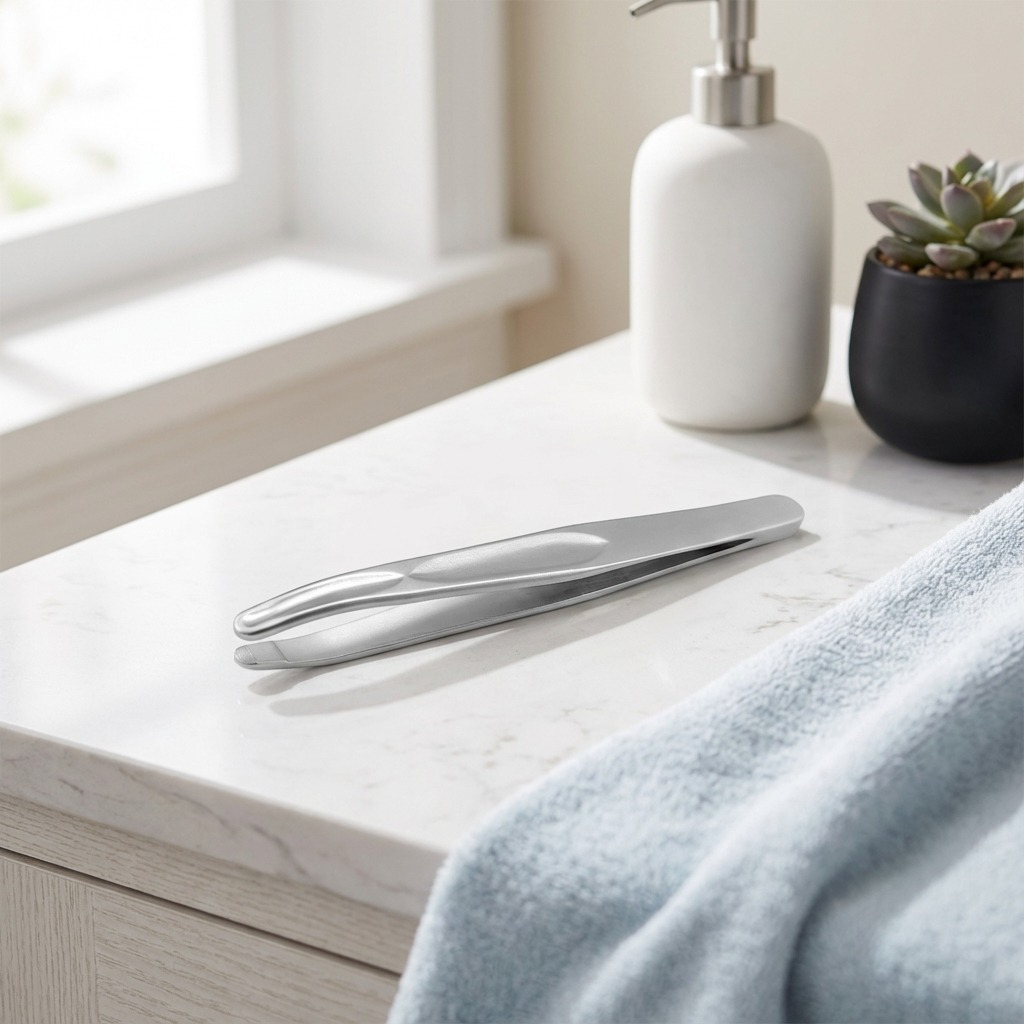
What Separates Strong Tweezers Manufacturers from Basic Suppliers
The best tweezers manufacturers usually share one trait: they understand that precision is created through several controlled steps, not through appearance alone. The steel body, cutting or shaping process, heat treatment when applicable, polishing, tip alignment, surface finish, and final inspection all influence performance.
For a beauty tool buyer, a good manufacturer should be able to explain how it controls tip symmetry and closing tension. This is especially important for eyebrow tweezers, lash tools, ingrown hair tweezers, and professional grooming kits where users expect reliable grip without excessive force. A tweezer should close smoothly, meet evenly at the tip, and avoid sharp or rough edges that can scratch the skin.
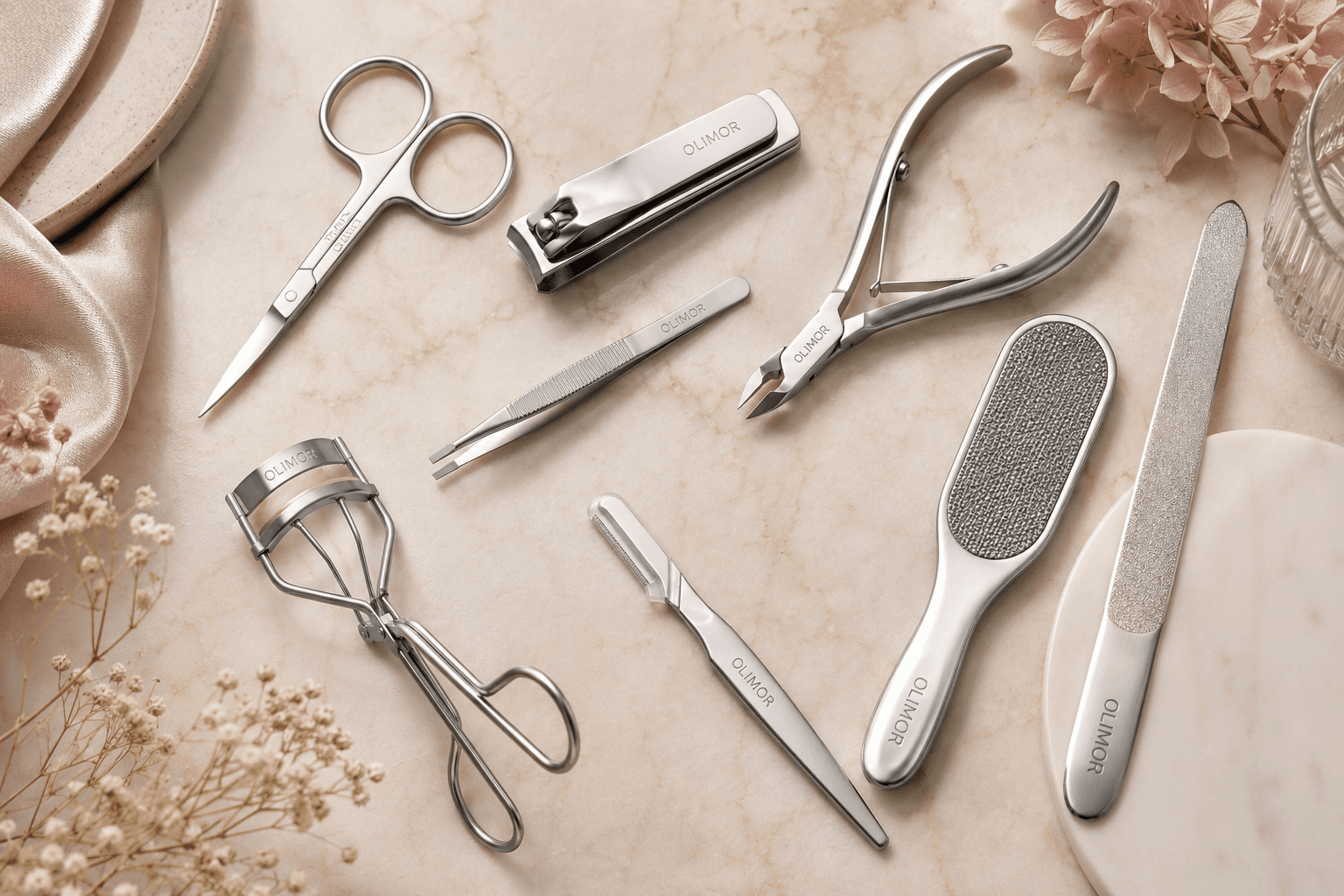
Olimor Beauty focuses on practical beauty-tool quality for buyers who need dependable grooming tools rather than decorative products only. If you are comparing tweezers with other beauty tool products, evaluate them with the same level of attention you would apply to scissors, nail tools, or lash applicators: the tool must perform repeatedly, not simply look good in packaging.
Key Criteria When Comparing the Top 10 Tweezers Manufacturers
A ranked list can be a starting point, but procurement decisions should be based on measurable selection criteria. Before narrowing your supplier list, define the exact tweezer type and buyer expectation. A mass-market brow tweezer, a professional salon tweezer, and a compact travel tweezer may have different priorities.
- Tip alignment: The two tips should meet cleanly and evenly. Poor alignment is one of the most common causes of missed hairs and customer complaints.
- Grip performance: Test on fine, medium, and coarse hairs when possible. A tweezer should grip without cutting the hair or requiring excessive pressure.
- Comfort and tension: The body should spring back smoothly. Too much tension causes hand fatigue; too little tension can feel weak and imprecise.
- Material suitability: Stainless steel is widely used for tweezers because it supports durability and hygienic cleaning, but buyers should still confirm the material standard required for their market.
- Surface finishing: Polished, matte, coated, or colored finishes should be even, clean, and resistant to obvious chipping or roughness under normal use.
- Packaging compatibility: Retail tweezers may need hanging cards, pouches, protective tip covers, cartons, or gift-set packaging depending on the sales channel.
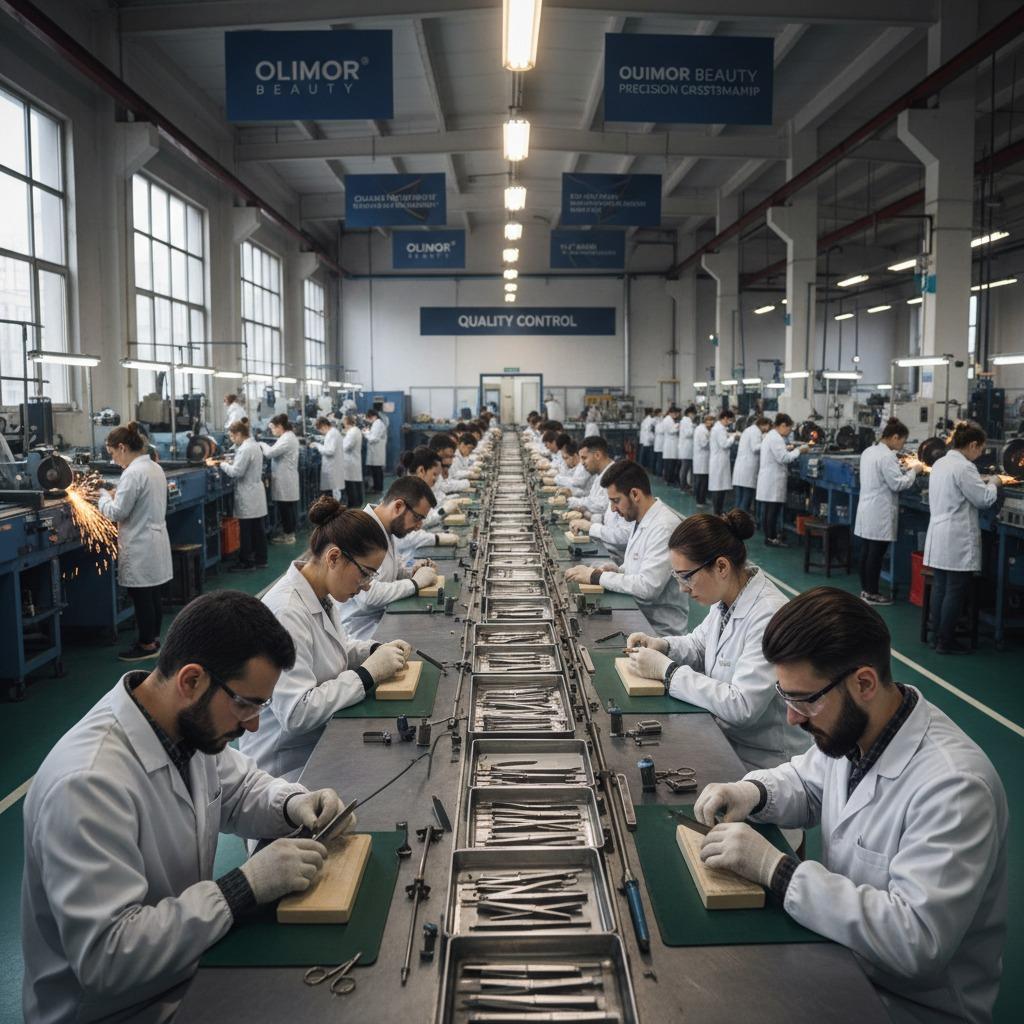
- Inspection process: Reliable manufacturers check incoming materials, in-process dimensions, tip finishing, final appearance, and packaging condition.
These points help you compare suppliers beyond catalog photos. They also make your request more specific, which helps manufacturers provide a more accurate quotation and sample.
OEM Custom Tweezers: What Can Usually Be Customized
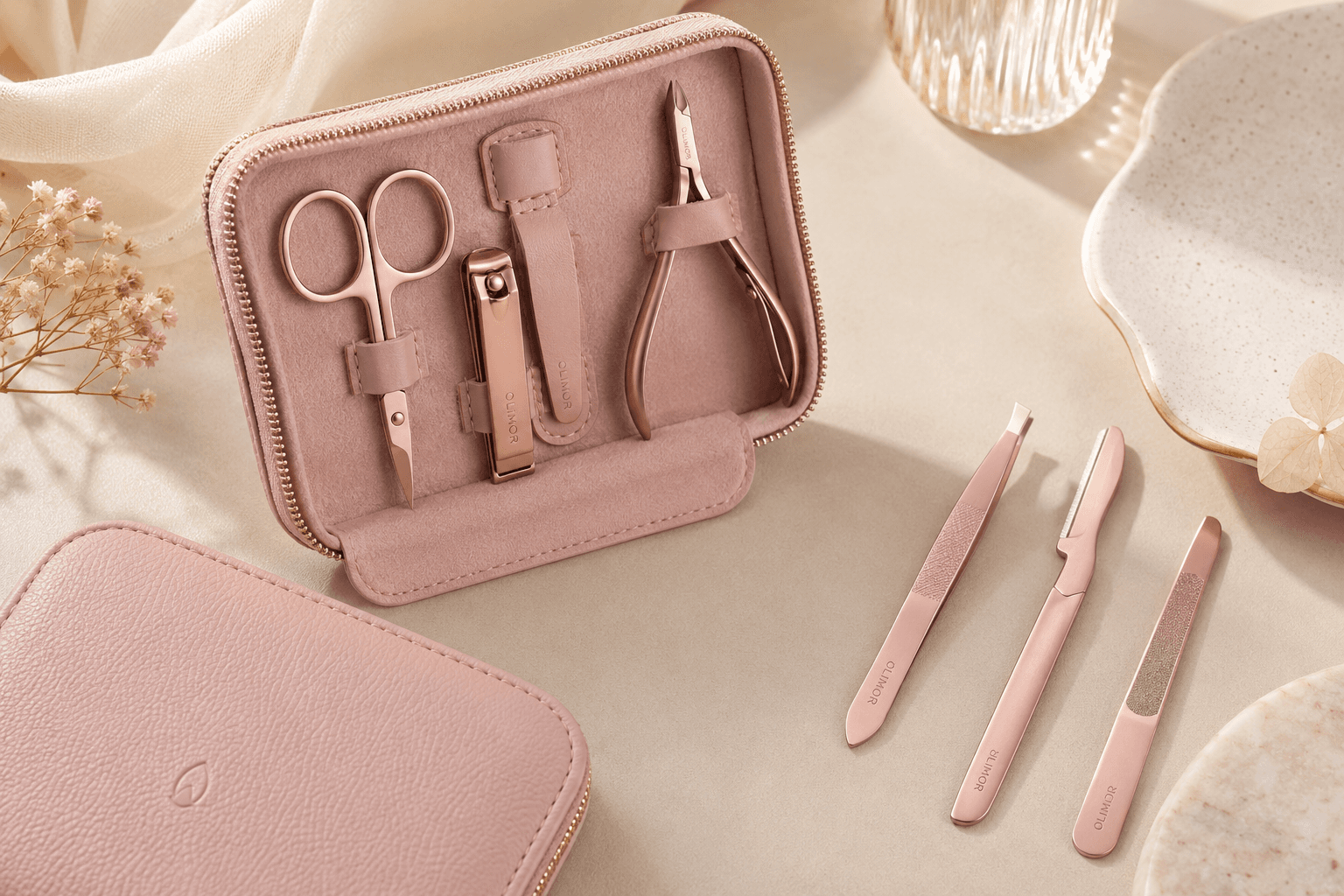
OEM custom tweezers are useful for private-label brands, beauty subscription boxes, salon chains, and distributors that want a product aligned with their target customer. Customization can involve the tool itself, the finish, the logo method, the packaging, or the way multiple tools are combined into a set.
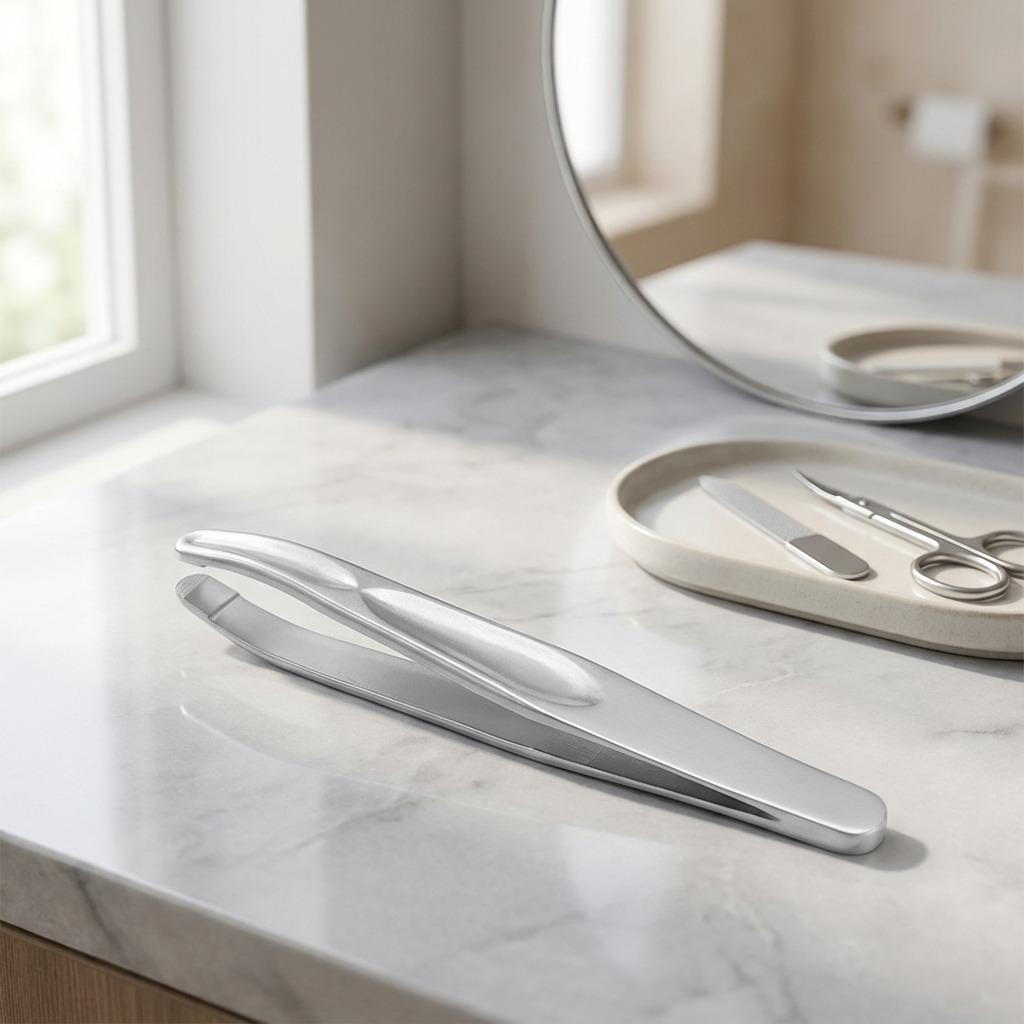
Common tweezer styles include slant tip tweezers for eyebrow shaping, pointed tip tweezers for detailed work, flat tip tweezers for broader grip, and curved or specialty shapes for certain grooming tasks. Not every manufacturer offers every shape or finish, so buyers should confirm available options early rather than building a launch plan around an unverified design.
When planning OEM custom tweezers, prepare a concise specification sheet. Include the target use, preferred tweezer shape, approximate size, finish direction, logo placement, packaging concept, and any market requirements. If you already have a reference sample, note what you like and dislike about it. This helps the manufacturer understand whether the priority is stronger grip, softer tension, a more premium surface, or lower-cost packaging.
Olimor Beauty can be considered by buyers reviewing custom beauty tool options and related product collections. For a new project, it is better to begin with performance goals first, then refine appearance and packaging after sample evaluation.
International Wholesale Tweezers: Practical Sourcing Questions
International wholesale tweezers sourcing requires more than choosing the lowest unit price. Bulk buyers need consistent production, export-ready packaging, clear communication, and realistic quality expectations. A supplier may provide an attractive sample, but the order is only successful if bulk goods match the approved standard.
Before placing an order, review the full wholesale process: sampling, confirmation, production, inspection, packaging, labeling, carton marking, and shipment arrangement. Ask for photos or documents that clarify the packaging layout and carton configuration if those details matter for your warehouse or retail channel. For online sellers, protective packaging is especially important because damaged tips or scratched finishes can lead to returns.
Wholesale buyers should also think about assortment planning. A retailer may not need ten similar slant tweezers; it may perform better with a small range that covers brow shaping, precision grooming, and travel use. A distributor may need neutral packaging for multiple markets, while a private-label brand may prefer a distinctive finish and branded card. The right manufacturer should support the commercial plan, not only supply a generic tool.
Sample Testing Checklist for Tweezers Buyers
Samples should be tested in a structured way. A quick visual check is not enough because tweezers often fail during actual gripping. Use the same evaluation method for every supplier so comparisons remain fair.
| Test Area | What to Check | Why It Matters |
|---|---|---|
| Tip meeting | Close the tweezer slowly and inspect whether both tips touch evenly. | Uneven tips reduce grip accuracy and can frustrate users. |
| Hair grip | Test on fine and thicker hairs or suitable test fibers. | Good tweezers should grip different hair types without slipping. |
| Hand feel | Open and close repeatedly to judge tension and comfort. | Overly stiff tweezers can cause fatigue, especially for professional use. |
| Edges and finish | Check for burrs, rough corners, uneven coating, or visible scratches. | Finishing affects safety, perceived value, and retail acceptance. |
| Packaging fit | Confirm the tweezer is protected and does not move excessively. | Loose packaging can damage tips during transport. |
Keep one approved sample sealed as a reference before production. If changes are made after sampling, update the reference and specification sheet. This avoids confusion when reviewing bulk goods.
Manufacturing and Quality Questions Worth Clarifying
When communicating with a potential tweezers manufacturer, focus on questions that reveal process control. You do not need to request unnecessary technical claims, but you should understand how the supplier prevents common problems.
- How are tweezer tips aligned and checked before packing?
- What finish options are available for the selected tweezer shape?
- Can the supplier provide pre-production samples with the intended logo and packaging?
- How are protective tip covers, pouches, or cards handled during packing?
- What inspection steps are used for appearance, function, and packaging?
- How should artwork files be prepared for logo or retail card production?
- What information must appear on product labels or cartons for the target sales channel?
These questions help buyers compare the working style of different manufacturers. Clear answers usually indicate a more organized supplier, while vague answers may signal that more sample checks are needed before committing to a large order.
Choosing the Right Manufacturer for Your Market
The best manufacturer for your business depends on your sales channel. A professional beauty distributor may prioritize grip accuracy and durable finishing. A gift-set brand may care more about coordinated colors, protective packaging, and a clean presentation. A value retailer may need a reliable basic tweezer that can be produced consistently at scale. A direct-to-consumer beauty brand may need stronger brand presentation and clear product photography support.
Instead of asking only for the top 10 tweezers manufacturers worldwide, create a shortlist based on your specific needs. Compare samples, review communication quality, confirm packaging details, and define the approved standard before production. For buyers developing a new tweezer line or adding tweezers to an existing beauty-tool range, Olimor Beauty offers a practical starting point for evaluating product direction and sourcing requirements.
If you are preparing a private-label project, wholesale order, or custom grooming tool assortment, you can send an inquiry with your intended tweezer type, packaging plan, and target market. For broader sourcing questions or help choosing the right beauty tool category, you may also contact Olimor to discuss the next step.
Tag: