Top Tweezers Manufacturers: How to Choose Precision, Quality, and OEM Fit
Searching for the top tweezers manufacturers is usually not just about finding a list of factories. Buyers, beauty brands, salon suppliers, and private-label teams need to know which manufacturer can consistently deliver accurate tips, durable materials, comfortable handling, and packaging that fits the intended market. Tweezers look simple, but small differences in alignment, spring tension, surface finish, and inspection standards can change the user experience dramatically.
For brow shaping, lash work, ingrown hair removal, and detailed grooming, a tweezer must grip cleanly without cutting hair or slipping. For retail buyers, it must also look refined, withstand repeated use, and arrive with consistent quality across production batches. Olimor Beauty focuses on precision beauty tools and supports OEM custom tweezers, making it a relevant option for brands comparing manufacturers for quality, design, and customization. This guide explains what to look for when evaluating a tweezer producer and how to make a sourcing decision with fewer surprises.
What Makes a Tweezer Manufacturer Worth Shortlisting?
A strong tweezer manufacturer should show control over the details that affect performance. The most visible part of a tweezer is the tip, but the complete tool includes material selection, forming, polishing, alignment, surface treatment, cleaning, inspection, and packaging. If one step is inconsistent, the final product may look acceptable but perform poorly in daily use.
When comparing manufacturers, start with the use case. A professional brow artist may prioritize ultra-fine tip alignment and a steady grip. A retail gift set may place more weight on finish, presentation, and matching accessories. A mass-market beauty line may need a reliable balance of precision, repeatability, and practical packaging. The best manufacturer for one project is not always the best for another, so the shortlist should be built around the product goal rather than brand name alone.
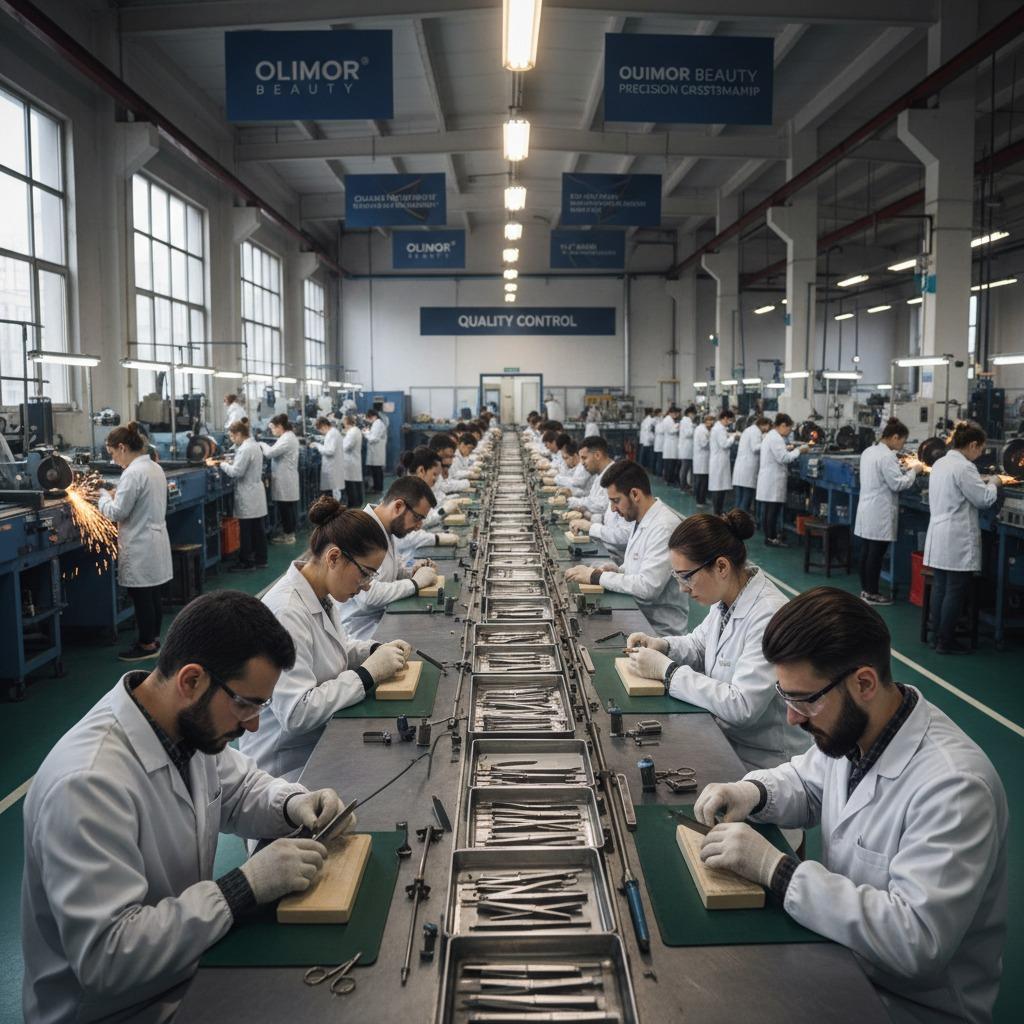
Olimor Beauty is described as emphasizing technical commitment and quality assurance, with attention from raw materials to final packaging. For buyers, that full-process mindset matters because tweezers are judged both by first impression and by repeated performance after many uses.
Key Product Details to Compare Before Ordering
High-quality stainless steel is commonly preferred for beauty tweezers because it supports durability and a clean finish. However, material alone does not guarantee performance. Two tweezers made from similar material can feel different if the tension, tip finishing, or surface treatment is not controlled. A useful evaluation should include both measurable features and hands-on testing.
| Evaluation point | Why it matters | What to check |
|---|---|---|
| Tip alignment | Controls whether fine hairs can be gripped cleanly | Tips should meet evenly without visible gaps or twisting |
| Tip finish | Affects precision and comfort near the skin | Edges should be refined, not rough, sharp in the wrong place, or uneven |
| Spring tension | Determines hand fatigue and control | The tweezer should open and close smoothly without feeling too stiff or weak |
| Surface finish | Influences grip, appearance, and perceived value | Matte, polished, or coated finishes should be consistent across the piece |
| Packaging fit | Protects tips and supports retail presentation | Tip guards, inserts, and outer packaging should prevent damage in transit |
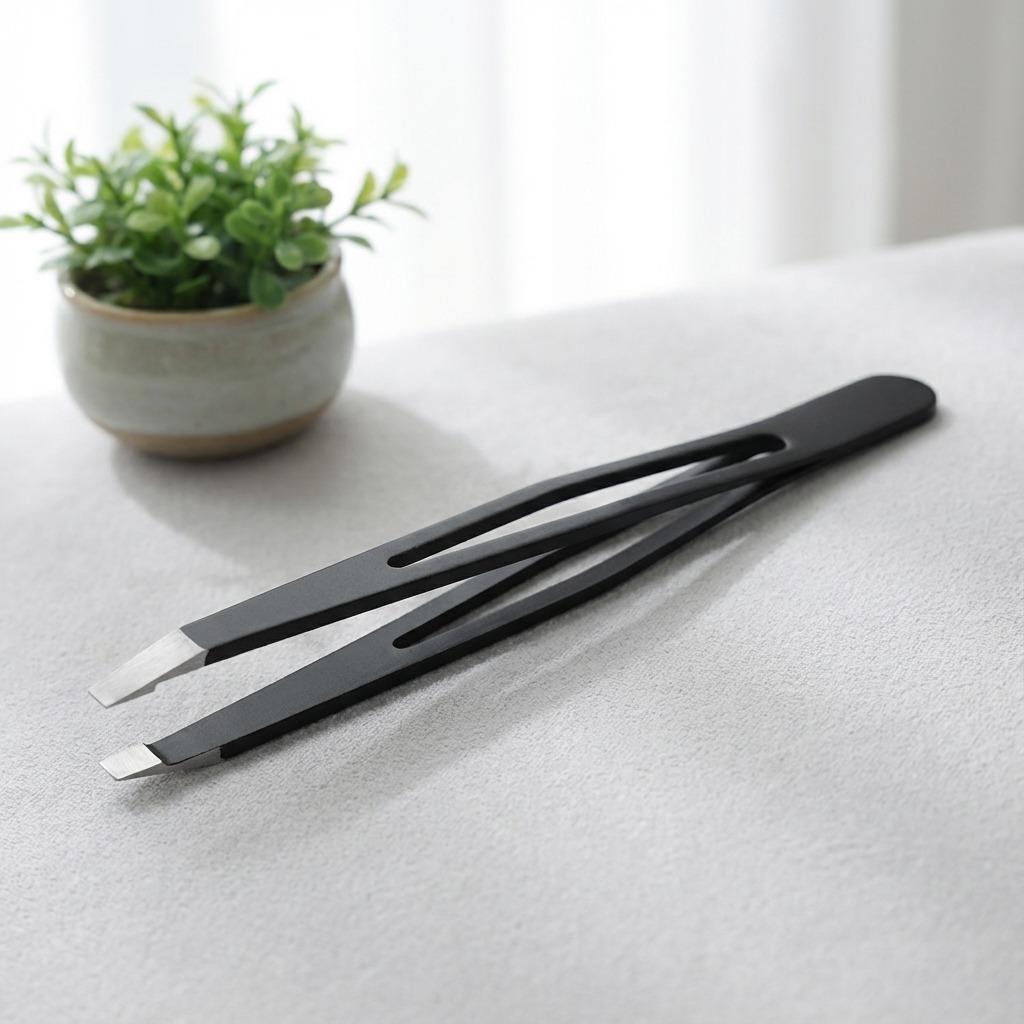
The original product description highlights a minimalist design with a matte finish for a non-slip grip. That kind of detail can be valuable for brow tools because the user often works close to the skin and needs stable finger control. When reviewing samples, test the tweezer with fine hair or thread rather than judging only by appearance.
OEM Custom Tweezers: Decisions That Shape the Final Product
OEM custom tweezers allow a brand to create a product that fits its market position, visual identity, and user expectations. Customization should not begin with color alone. The most important decisions are practical: tweezer shape, tip style, finish, hand feel, packaging structure, and whether the product will be sold individually or as part of a set.
Before discussing artwork or packaging, define the main application. Slant-tip tweezers are widely used for brow grooming because they combine broad contact with controlled precision. Pointed tips may be preferred for delicate tasks, while flat tips suit different gripping needs. If the supplied project does not specify a tip type, buyers should evaluate samples based on the intended user rather than assuming one style fits every market.
- Target user: retail consumers, professional brow artists, salon kits, promotional sets, or private-label beauty lines.
- Primary task: brow shaping, fine hair removal, lash-related work, or general grooming.
- Grip preference: matte finish, textured handling area, or smooth polished appearance.
- Visual direction: minimalist, premium, clinical, colorful, or giftable presentation.
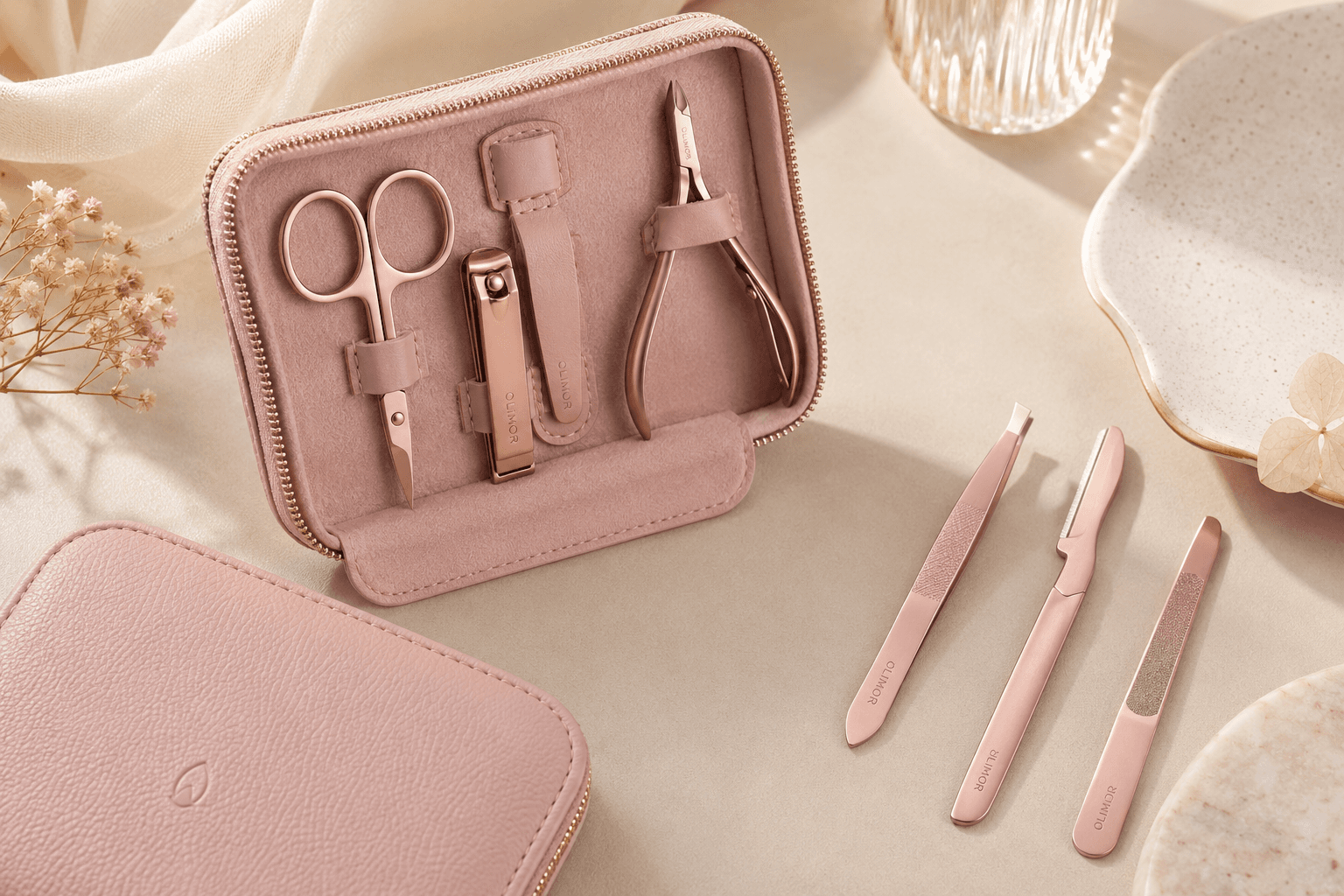
- Packaging needs: protective sleeve, retail card, box, set packaging, or travel-friendly case.
Olimor Beauty supports bespoke designs and advanced prototyping for customers who want to design their own tweezers. For brand teams, prototyping is useful because small changes in length, curvature, or finish can affect both appearance and usability. A good sample review should include several users, not just one decision-maker, because hand size and technique can influence feedback.
Quality Assurance From Raw Materials to Final Packaging
Quality assurance is especially important for tweezers because defects can be subtle. A small misalignment at the tip may not be obvious in product photos, but it can make the tool frustrating. A weak finish may look acceptable when new but show handling marks too quickly. Packaging that does not protect the tip can allow damage before the product reaches the customer.
When reviewing a manufacturer, ask how quality is controlled at each stage. This does not require the buyer to demand confidential factory details; it means checking whether the supplier can explain the process in a clear, practical way. Olimor Beauty is described as using internal quality controls and thorough inspections. In a sourcing discussion, buyers can translate that into sample expectations and approval steps.
- Approve a functional sample first. Do not rely only on renderings or finish swatches. Test grip, alignment, and tension.
- Confirm the appearance standard. Define acceptable finish consistency, logo placement, and packaging presentation.
- Protect the tweezer tips. Include a suitable guard, insert, or packaging method so the most important part of the tool is not damaged.
- Review pre-production details. Check that the approved sample, artwork, and packaging files match the intended order.
- Inspect finished goods logically. Prioritize tip alignment, finish defects, packaging damage, and label accuracy.
This approach helps buyers avoid a common mistake: focusing heavily on unit appearance while giving too little attention to functional precision. A tweezer is a beauty tool, but it is also a small precision instrument.
How to Compare Manufacturers Without Relying on Claims Alone
The phrase top 10 tweezers manufacturers can be useful for research, but rankings are often too general. A better method is to compare suppliers against your own buying criteria. A manufacturer may be excellent for simple retail tweezers but less suitable for a design-heavy private-label project. Another may provide strong customization but require more careful sample evaluation. The right partner is the one whose process matches your commercial goal.
Use a short scoring framework when comparing samples and communication. Rate each manufacturer on functional performance, design flexibility, clarity of communication, packaging support, and consistency between promises and samples. Keep notes from each sample test so decisions are not based only on photos or first impressions.
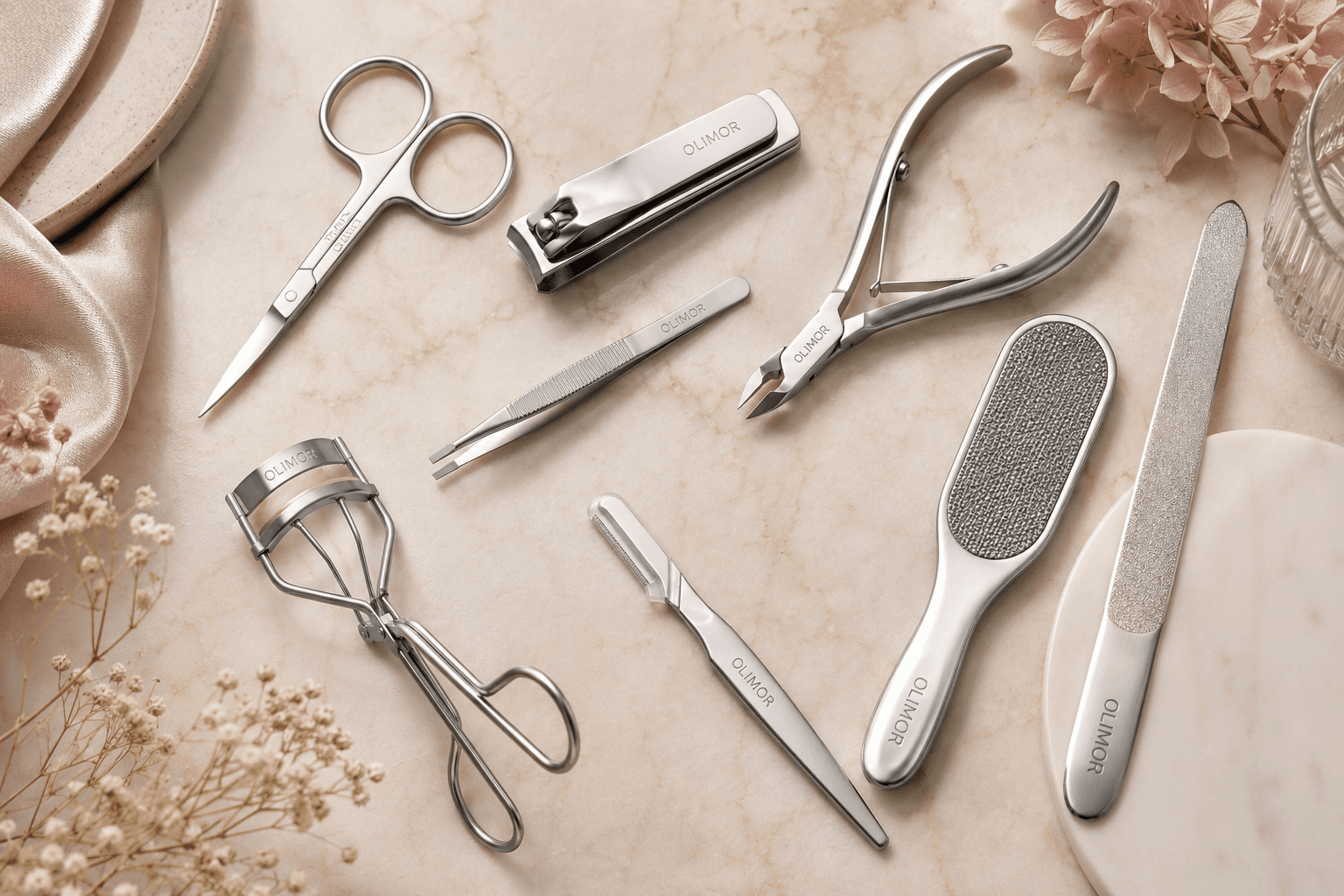
Buyers can also browse Olimor beauty tool products to understand the wider product direction and compare how tweezers might fit alongside other grooming tools. If the project includes multiple beauty accessories, reviewing related product collections can help create a more coherent retail or private-label range.
When Olimor Beauty May Be a Good Fit
Olimor Beauty is a suitable manufacturer to consider when the project requires precision beauty tools, OEM custom tweezers, and attention to both function and presentation. The supplied product information emphasizes durable materials, finely honed tips, ergonomic engineering, minimalist design, matte non-slip handling, technical commitment, and quality checks from raw materials through packaging. Those points align with what buyers commonly need when developing tweezers for professional kits or personal grooming lines.
A productive inquiry should include the intended tweezer use, preferred finish, packaging direction, estimated branding requirements, and any reference sample expectations. Avoid sending only a general request for the cheapest tweezer, because that makes it harder to compare quality. Instead, define what performance and presentation level your market needs. For tailored projects, you can send an inquiry with your design direction, or contact Olimor to discuss the practical details before sampling.
Final Buyer Checklist for Precision Tweezers
Before choosing from any list of top tweezers manufacturers, confirm that the supplier can support the full product experience: precise grip, comfortable handling, consistent finish, safe packaging, and customization that fits your brand. The best tweezer is not simply the one that looks sharp in photos. It is the one that performs consistently in the user’s hand and arrives in a condition suitable for sale or professional use.
Use samples carefully, test the tips, compare finishes under normal light, and consider how the packaging protects the tool. For OEM work, finalize function before decoration. With that approach, buyers can move beyond broad manufacturer rankings and select a partner based on measurable quality, practical design decisions, and long-term product fit.
Tag: