How to Evaluate Tweezers Manufacturers for OEM Beauty Tool Programs
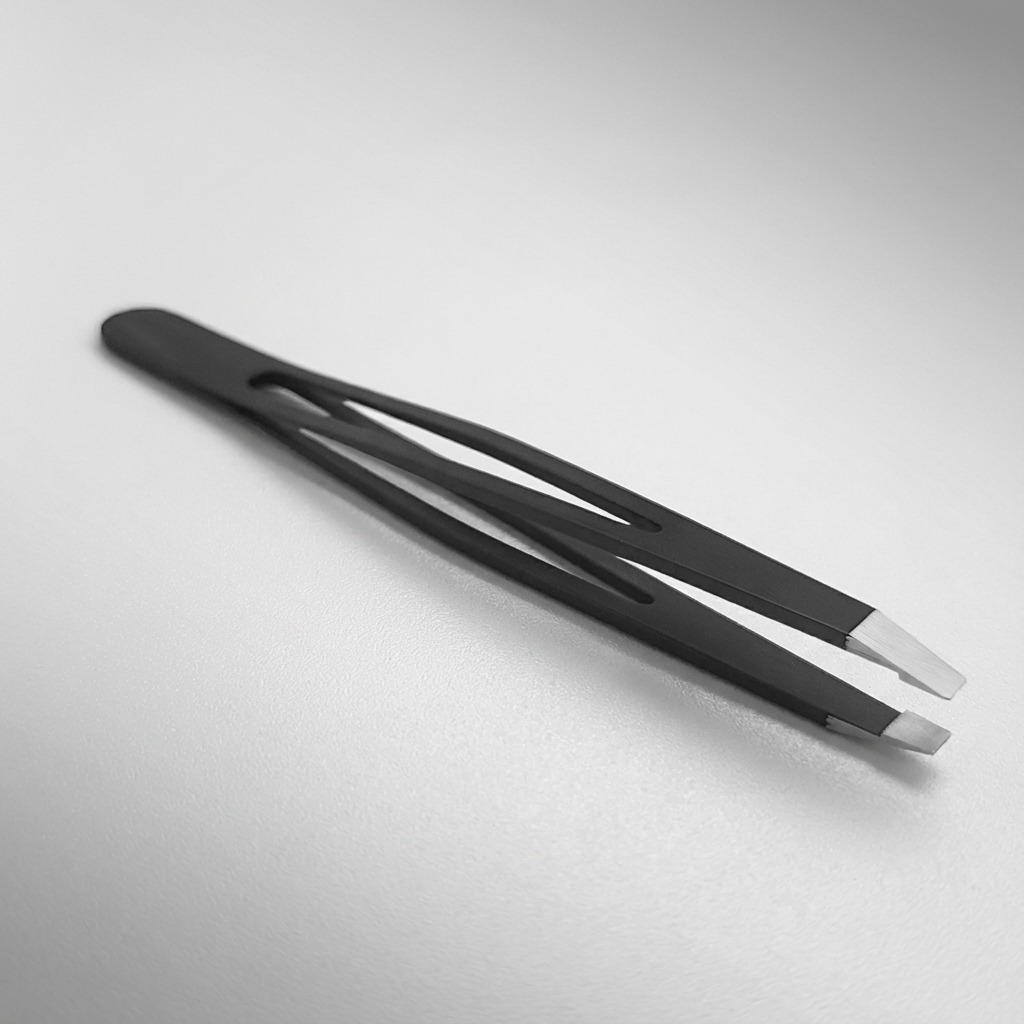
When beauty brands search for the top tweezers manufacturers, the real goal is usually not a simple ranking. Buyers need a manufacturing partner that can produce consistent, comfortable and market-ready tweezers at scale. A tweezer may look simple, but small differences in tip alignment, tension, edge finishing, coating and packaging can decide whether a customer keeps the tool for years or replaces it after a few uses.
This guide focuses on how to compare tweezers manufacturers for private label and OEM custom tweezers projects. It is written for beauty tool buyers, brow studios, cosmetic brands, distributors and sourcing teams that want to design their own tweezers without relying on vague claims. Olimor Beauty supports stainless steel beauty tool production with attention to ergonomic design, careful manufacturing steps and quality checks, but the criteria below are useful for evaluating any supplier in this category.
What Separates Strong Tweezers Manufacturers from Basic Suppliers?
A dependable tweezers manufacturer understands that performance is created by a chain of details. The raw material matters, but it is only one part of the result. Cutting, shaping, grinding, tension adjustment, finishing and inspection all affect how the tool feels in the hand and how reliably it grips fine hair.
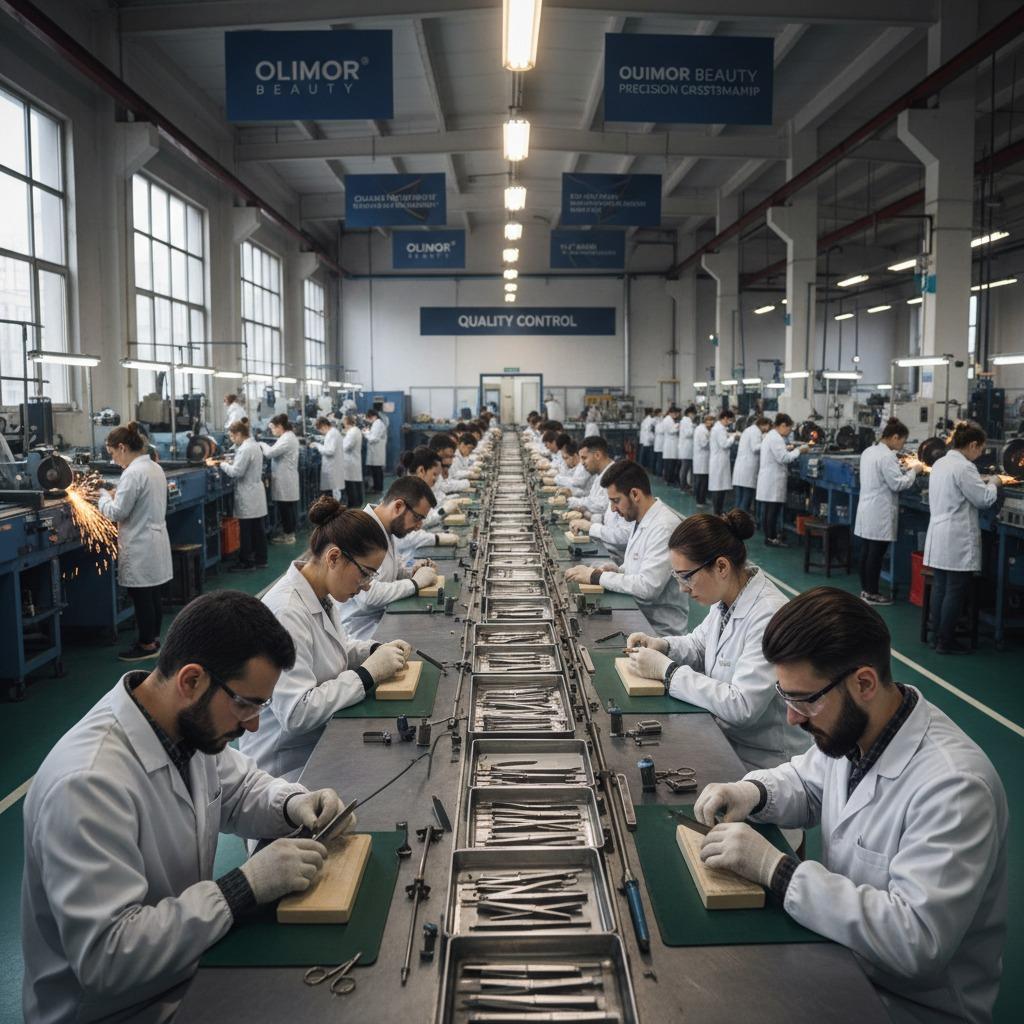
For beauty brands, consistency is especially important. One sample may perform well, but the production run must match the approved sample closely. Strong manufacturers control repeatability through defined processes and inspection points. They should be able to discuss practical concerns such as tip contact, arm symmetry, surface defects, coating durability, logo position and packaging fit. If a supplier focuses only on appearance and avoids performance questions, the project may carry unnecessary risk.
Olimor Beauty places emphasis on stainless steel tools, ergonomic handling and quality assurance from raw material review through final packaging. For buyers comparing beauty tool products, these are the types of production capabilities to look for before deciding whether a manufacturer is suitable for a long-term program.
Tip Alignment, Tension and Grip: The Core Performance Checks
The most important feature of any tweezer is the tip. Whether the style is slant, pointed, flat or a specialized brow shape, the two arms must meet cleanly. Poor alignment can cause the tool to cut hair, slide over fine strands or pinch skin. Buyers should not evaluate tweezers only by how they look in product photos; hand testing is essential.
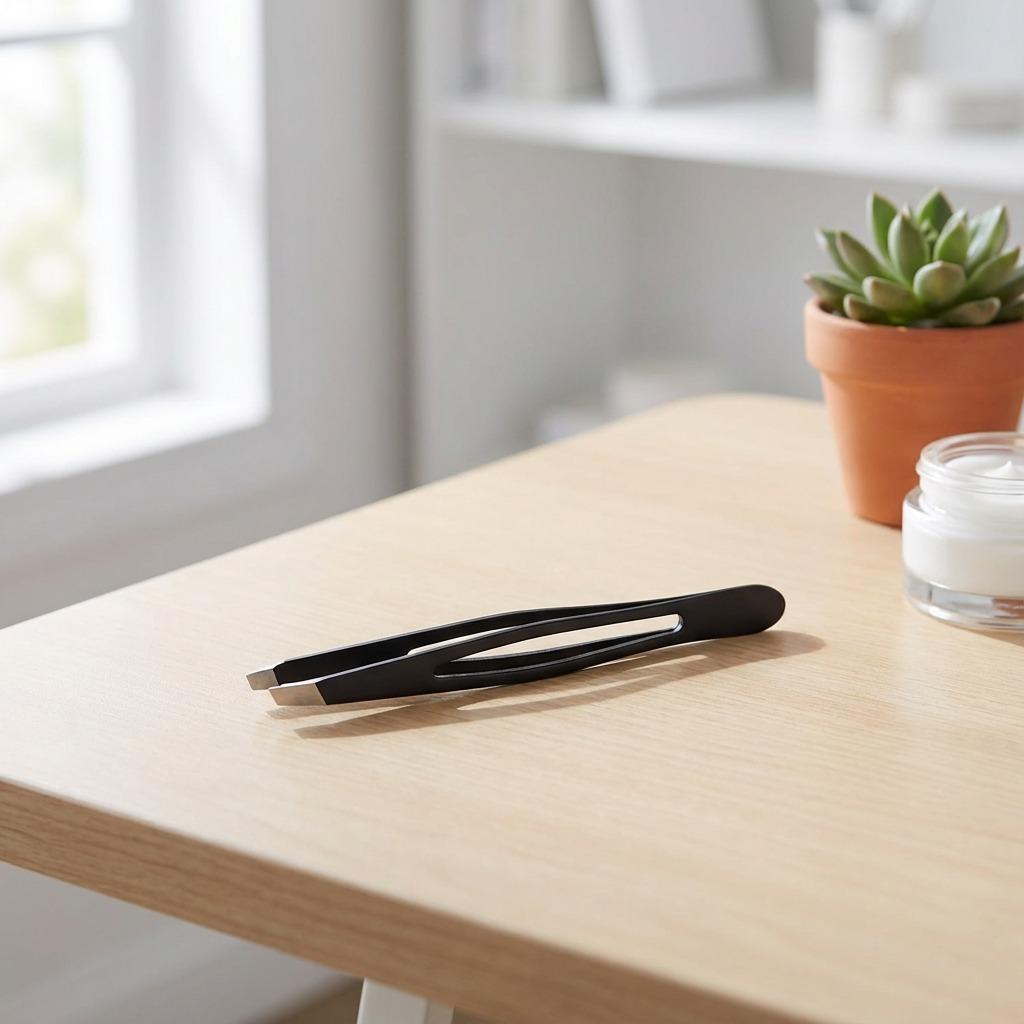
Tension is equally important. If the arms are too stiff, the user may experience hand fatigue during repeated brow work. If the tension is too loose, the tool can feel uncontrolled. The original product information highlights a Black Matte Dual Tension tweezer with dual tension arms designed for customizable pressure and reduced hand fatigue. That type of feature is useful when a brand wants a tool that feels controlled but not harsh during detailed grooming.
During sample evaluation, test the tweezer on different hair types and at different angles. A good tool should grip near the root without requiring excessive force. It should also release cleanly, with no roughness where the arms flex. For professional users such as estheticians, these differences affect speed, comfort and client experience.
OEM Custom Tweezers Options Buyers Should Define Early
OEM custom tweezers projects are easier when the buyer defines the product brief clearly before sampling. A manufacturer can help refine the design, but the brand should know the intended retail position, user type and main performance requirement. A brow salon tool, a travel grooming set and a mass-market beauty accessory may all require different decisions.
- Tip style: Slant tips are popular for brow shaping, while pointed tips suit fine detail work. Flat or specialty tips may serve different grooming needs.
- Finish: Matte, polished, coated or textured finishes change both appearance and grip. A no-slip matte finish, like the one described for the Black Matte Dual Tension model, can support better control.
- Tension feel: Decide whether the tool should feel light, medium or firm based on the target user.
- Logo and branding: Confirm placement, size and method so the branding looks clean and does not interfere with handling.
- Packaging format: Retail cards, pouches, sleeves or boxed sets each create a different customer impression and different logistics needs.
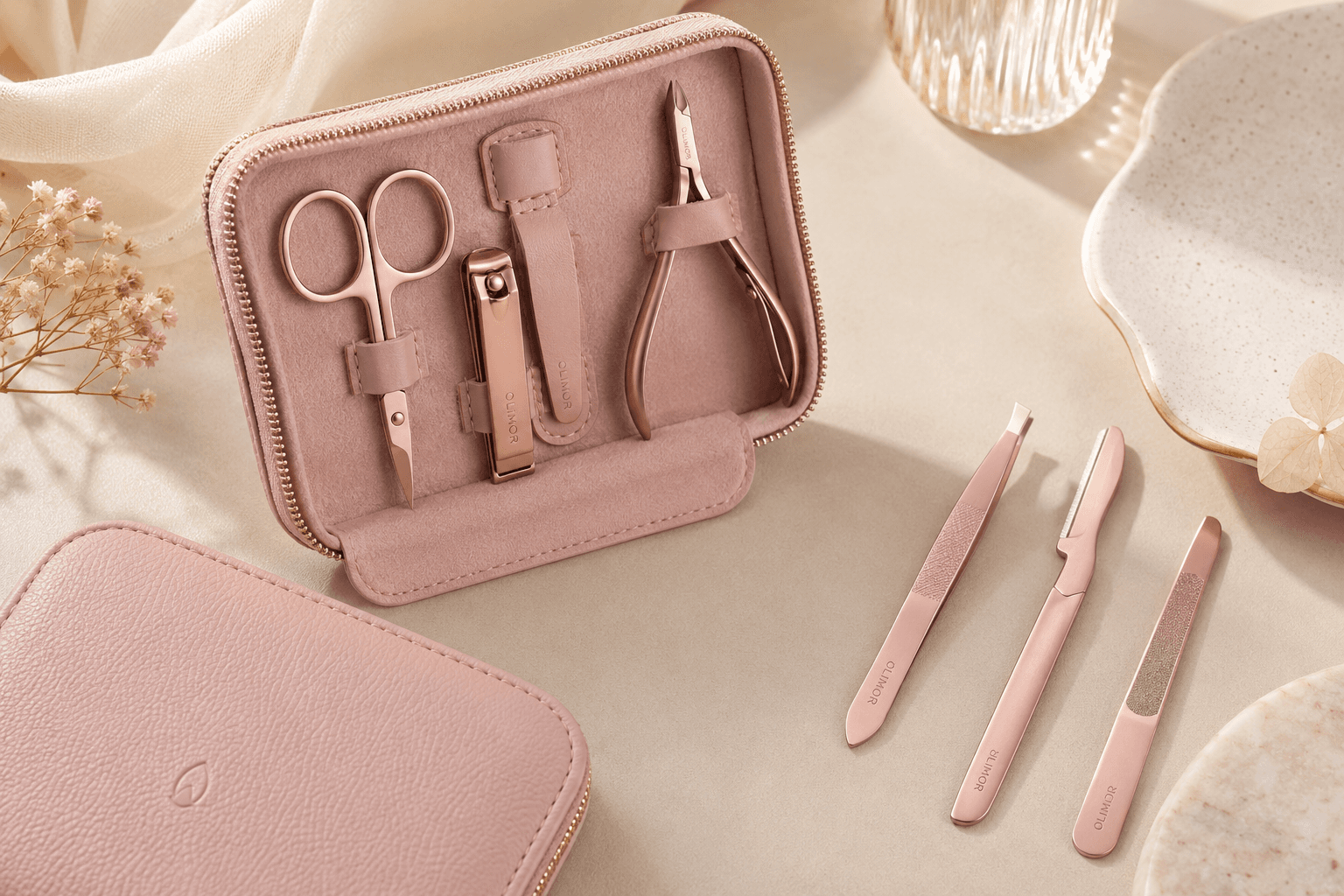
- Set configuration: Determine whether the tweezer will be sold alone or with scissors, brow razors, lash tools or other grooming accessories.
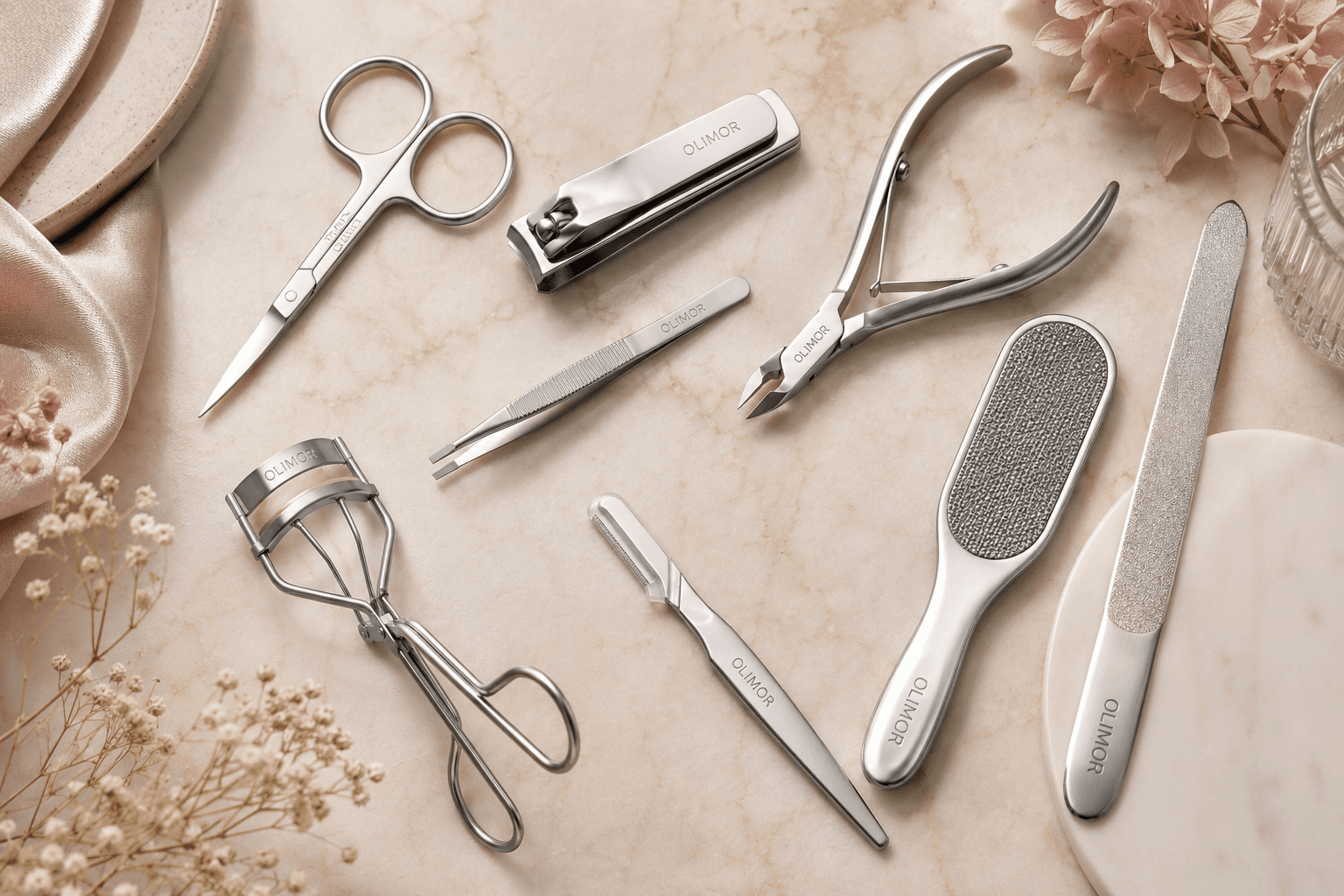
Brands exploring broader assortments can review Olimor product collections to think through how tweezers may fit into a coordinated beauty tool range.
Design Your Own Tweezers Without Overcomplicating the Product
The phrase “design your own tweezers” can sound like a complete reinvention, but the best OEM projects usually balance uniqueness with proven function. Overly unusual shapes may look attractive in concept drawings yet perform poorly in everyday grooming. A better approach is to customize the details customers notice and value: comfort, grip, finish, precision and packaging.
Start with the user. A professional brow artist may care most about exact tip contact and reduced fatigue during repeated use. A retail customer may care about a comfortable grip, an easy-to-clean surface and a design that feels sturdy. A gift set buyer may be influenced by packaging and finish consistency across tools. Once the use case is clear, design choices become more disciplined.
It is also wise to avoid adding too many changes at once. For example, changing the tip style, coating, handle texture and packaging simultaneously may make it harder to identify the cause of a sample issue. Work step by step: approve the base tool performance first, then finalize the finish, branding and packaging. This process helps keep the project practical and reduces the chance of approving a beautiful product that does not tweeze well.
A Practical Comparison Checklist for Tweezers Manufacturers
When comparing suppliers, use a structured checklist rather than relying only on catalogue images or general claims. The table below can help sourcing teams organize sample reviews and factory conversations.
| Evaluation area | What to check | Why it matters |
|---|---|---|
| Tip contact | Tips meet evenly with no visible gap or crossing | Determines whether the tweezer grips fine hair cleanly |
| Arm tension | Pressure feels controlled and comfortable after repeated use | Affects fatigue, precision and professional usability |
| Surface finish | No rough edges, sharp burrs, uneven coating or visible defects | Influences safety, comfort and perceived quality |
| Material handling | Supplier can explain raw material control and finishing steps | Supports durability and production consistency |
| Branding execution | Logo is clean, correctly positioned and resistant to normal handling | Protects the brand image in retail and salon use |
| Packaging fit | Tool is secured without scratching, bending or moving excessively | Reduces transit damage and improves presentation |
| Final inspection | Performance and cosmetic checks are defined before shipment | Helps prevent inconsistent units from reaching customers |
This checklist is not a substitute for technical negotiation, but it gives buyers a practical way to compare samples. It also creates a shared language between brand, manufacturer and quality control teams.
Packaging, Private Label and Retail Readiness
For OEM custom tweezers, packaging is more than decoration. It protects the tips, communicates the product’s use and shapes the customer’s first impression. A high-performing tweezer can be damaged if the packaging allows the tips to rub against hard surfaces during shipping. For pointed or precision tips, a cap, insert or secure holder may be especially useful.
Private label buyers should prepare artwork files, color expectations and retail requirements early. If the product will be sold online, the packaging should photograph well and clearly show the tool type. If it will be placed in a salon or beauty retail environment, the presentation should be easy to understand at a glance. Keep claims accurate and avoid promising results that depend on user skill or hair type.
It is also helpful to consider the full customer journey. Will the buyer know how to clean the tool? Is there room for basic care guidance? Does the packaging explain the tip style? Simple, truthful information can reduce returns and improve satisfaction.
Maintenance Guidance to Build into Your Product Plan
Even the best tweezers need proper care. Beauty brands can improve the user experience by including short maintenance instructions with the product or on the packaging. Recommend wiping the tips after use, keeping the tool dry before storage and avoiding drops that can knock the tips out of alignment. If the tweezer has a coating or matte finish, cleaning instructions should avoid harsh treatment that may affect the surface.
For professional environments, hygiene practices should follow local salon standards. The tool should be stored so the tips are protected and not pressed against other metal tools. Clear care guidance helps the customer preserve the precision that the manufacturer built into the product.
Choosing an OEM Partner for Long-Term Beauty Tool Growth
The best tweezers manufacturers are not only vendors; they are production partners that help a brand translate a product idea into a reliable tool. For buyers, the strongest decision comes from combining sample testing, clear specifications, realistic design choices and careful packaging review.
Olimor Beauty focuses on stainless steel beauty tools, ergonomic construction and quality checks designed to support professional and personal grooming needs. If you are planning an OEM custom tweezers project, preparing a detailed brief will make the discussion more productive. Include your desired tip style, finish, branding, packaging direction, target customer and any performance priorities.
To discuss a new tweezer program or compare options for a broader beauty tool range, you can contact Olimor or send an inquiry. A well-planned OEM project starts with clear product goals and ends with a tweezer that feels precise, comfortable and dependable in real use.
Tag: