How to Compare Top Tweezers Manufacturers for Wholesale and OEM Orders
Choosing among the top tweezers manufacturers is not just a question of finding a low unit price. For beauty brands, distributors, salons, and grooming-tool buyers, tweezers are small products with a high expectation of precision. A poor tip alignment, rough edge, weak tension, or finish that marks easily can quickly lead to returns and customer complaints. A well-made tweezer, on the other hand, feels controlled in the hand, grips fine hairs cleanly, and holds up through repeated daily use.
This guide focuses on how to evaluate tweezers manufacturers for OEM custom tweezers and international wholesale tweezers orders. It explains what to look for in product samples, how to compare manufacturing capabilities, and which sourcing questions matter before placing a larger order. Olimor Beauty provides beauty tool products for professional and retail buyers, and the same practical evaluation standards can help you compare suppliers with more confidence.

What Separates Strong Tweezers Manufacturers from Ordinary Suppliers
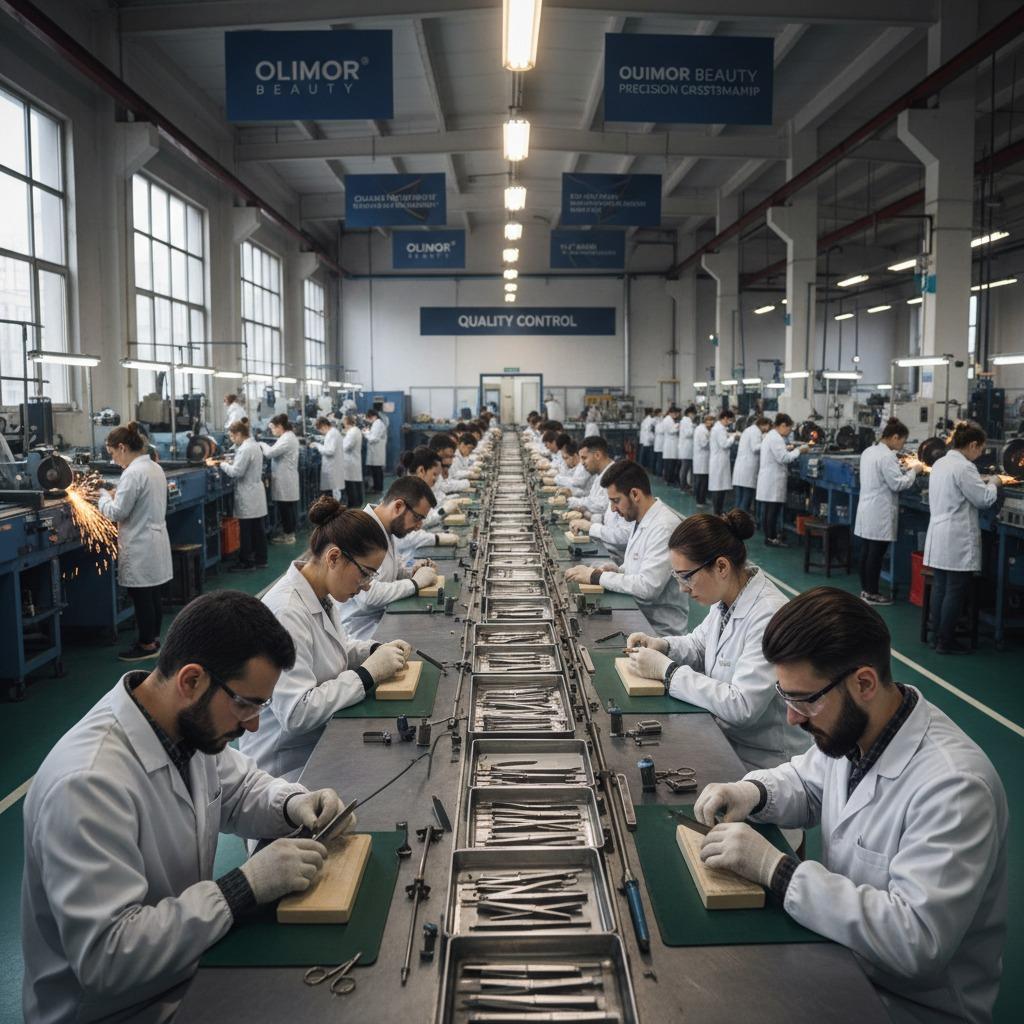
Many suppliers can offer tweezers, but not every supplier has the same control over consistency. For wholesale buyers, consistency is often more important than a single attractive sample. The best sample on a display board means little if the next production batch has uneven tips or rough polishing. When comparing manufacturers, pay attention to how they manage the full process: material selection, forming, grinding, tip finishing, surface treatment, inspection, and packaging.
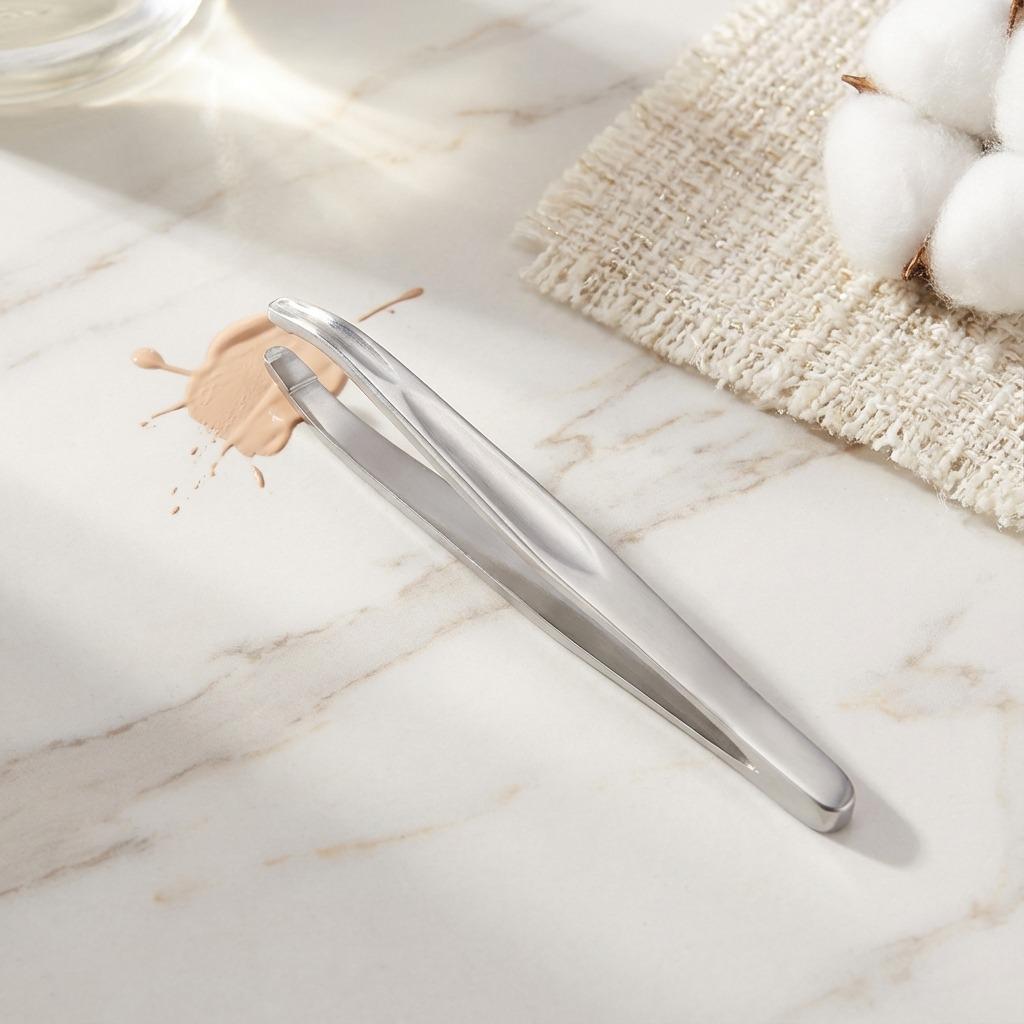
Stainless steel tweezers are commonly chosen because they can offer durability and corrosion resistance when properly produced and finished. However, the words “stainless steel” alone do not guarantee a high-quality tool. Tip geometry, hand finishing, spring tension, and surface smoothness all influence real user experience. A professional brow artist may want a slanted tip that removes short hairs accurately, while a retail grooming set may need a balanced design suitable for many everyday uses.
When reviewing a potential supplier, do not rely only on catalog photos. Request clear product details, compare physical samples, and evaluate whether the manufacturer understands the intended use. A supplier that asks about target market, grip preference, packaging style, and usage scenario is usually better prepared for OEM work than one that only quotes a generic item.
Key Product Checks for Precision Tweezers
Before ordering wholesale tweezers, create a simple inspection routine for samples. This does not need to be complicated, but it should be consistent. The following checks help buyers compare products more objectively:
- Tip alignment: The two tips should meet evenly without visible crossing, gaps, or misalignment.
- Grip performance: The tweezer should hold fine hair or a thin test fiber without slipping when light pressure is applied.
- Edge comfort: Tips should be precise but not dangerously rough or sharp on unintended edges.
- Hand tension: The arms should compress smoothly and return naturally without feeling too stiff or too loose.
- Surface finish: Polished, matte, or coated surfaces should look even and should not show obvious burrs, stains, or patchy marks.
- Symmetry: Both arms should appear balanced in shape and thickness, especially for retail packaging where appearance affects perceived value.
- Packaging fit: The tweezer should sit securely in the pouch, card, box, or tray without tip damage during handling.
For eyebrow tweezers, slanted tips are widely used because they allow users to approach hairs from different angles. Pointed tips may suit ingrown hairs, splinters, or detailed tasks, but they require careful finishing and packaging protection. Flat tips can work for broader gripping tasks, while pointed-slant hybrids may target users who want a balance of precision and control. The right design depends on the buyer’s product positioning and customer expectations.
OEM Custom Tweezers: Decisions to Make Before Production
OEM custom tweezers can include changes to shape, finish, logo placement, color, packaging, and set configuration. To avoid vague development discussions, prepare a clear brief before contacting a manufacturer. A good OEM brief does not need to be long, but it should define what the product is supposed to do and how it will be sold.
Start with the user. A beauty retail tweezer for everyday eyebrow grooming may require a different grip feel and packaging style than a professional salon tool. A travel grooming kit may prioritize compact packaging and tip protection. A gift set may need a more refined surface finish and coordinated accessories. If you are still comparing categories, review Olimor’s beauty tool products to understand how different tools can be positioned in a broader line.
Useful OEM decisions include:
- Tip type: Slanted, pointed, flat, or specialty tip depending on intended use.
- Finish: Polished, matte, colored, or coated appearance based on brand positioning.
- Logo method: Placement and visual style should remain readable without affecting comfort.
- Grip design: Smooth, textured, wide, narrow, or contoured arms can change how the tool feels.
- Packaging format: Sleeve, pouch, blister card, box, or set packaging should protect tips and match the sales channel.
- Inspection standard: Define acceptable alignment, finish, and packaging requirements before mass production.
Buyers often focus heavily on logo and color, but tip performance should come first. A custom finish can attract attention, yet repeat sales depend on whether the tweezer removes hair cleanly and feels reliable in daily use.
International Wholesale Tweezers: How to Compare Offers Fairly
International wholesale tweezers sourcing can involve multiple suppliers, different packaging assumptions, and varying inspection practices. A low quotation may exclude details that another supplier has already included. To compare offers fairly, make sure each quotation is based on the same product design, finish, packaging, quantity, and inspection expectations.
| Comparison Point | Why It Matters | What to Confirm |
|---|---|---|
| Tip finishing | Controls gripping precision and user comfort | Sample quality, alignment standard, burr control |
| Material and finish | Affects durability, corrosion resistance, and appearance | Material description, surface treatment, color consistency |
| Packaging | Protects tips and shapes retail presentation | Packaging type, artwork needs, barcode or label space |
| OEM customization | Determines brand differentiation | Logo placement, finish options, approval sample process |
| Quality inspection | Reduces risk before shipment | Inspection points, defect definitions, sample approval method |
For distributors, product consistency across repeat orders is especially important. If a retailer places a reorder six months later, the new batch should feel familiar to returning customers. That means the manufacturer should be able to maintain the same tip style, finish, packaging dimensions, and logo appearance unless a change is approved.
Questions That Reveal Manufacturing Readiness
The best sourcing questions are specific enough to reveal how a supplier works. Instead of asking only whether the factory can make “high quality tweezers,” focus on the areas that affect the final product. A capable manufacturer should be able to discuss sample approval, packaging protection, surface finish expectations, and practical production tolerances without making unrealistic promises.
- How are tweezer tips checked for alignment and gripping performance?
- What finish options are available for stainless steel tweezers?
- Can the packaging protect fine or pointed tips during shipping and retail handling?
- Where can a logo be placed without affecting hand comfort or tool function?
- How are approved samples used to guide later production?
- What information is needed to quote OEM custom tweezers accurately?
These questions help separate a general trading response from a more product-aware conversation. If you are developing a private-label beauty tool line, you can also explore related product collections to plan how tweezers fit with lash tools, nail tools, or grooming accessories.
Maintenance and User Guidance for Better Customer Satisfaction
Even well-made tweezers perform better when customers understand basic care. Clear care instructions can reduce complaints and protect the product’s reputation. For retail packs or online product pages, include simple guidance: keep tips clean and dry, wipe after use, store with a protective cap or pouch when available, and avoid dropping the tool on hard surfaces because tip alignment can be affected.
For beauty use, customers should also understand that different tip shapes serve different tasks. Slanted tweezers are suitable for many eyebrow grooming needs, while pointed styles require more careful handling. If a set includes more than one tweezer type, label each tool clearly so buyers know when to use it. This small packaging detail can make a basic grooming tool feel easier to understand and more reliable.
Building a Better Shortlist of Top Tweezers Manufacturers
A practical “top 10” list should be based on evidence, not only search rankings or catalog claims. Build your shortlist by comparing product samples, communication quality, OEM capability, packaging support, and willingness to define quality expectations. For each manufacturer, record strengths and weaknesses in the same format so the decision is easier to explain internally.
Olimor Beauty supports buyers looking for beauty tools, including sourcing discussions for tweezers and related grooming products. If you are preparing an OEM or wholesale project, organize your target tip type, finish, packaging idea, and expected sales channel before you send an inquiry. For questions that require direct guidance, you can also contact Olimor with your project details.
The right tweezers manufacturer should help you create a product that is precise, comfortable, and suitable for your market. By checking the details that users actually feel in the hand—tip alignment, tension, finish, and packaging protection—you can move beyond generic supplier claims and choose a partner with a stronger chance of delivering consistent wholesale or OEM results.
Tag: