How to Evaluate Tweezers Manufacturers for OEM and Wholesale Supply
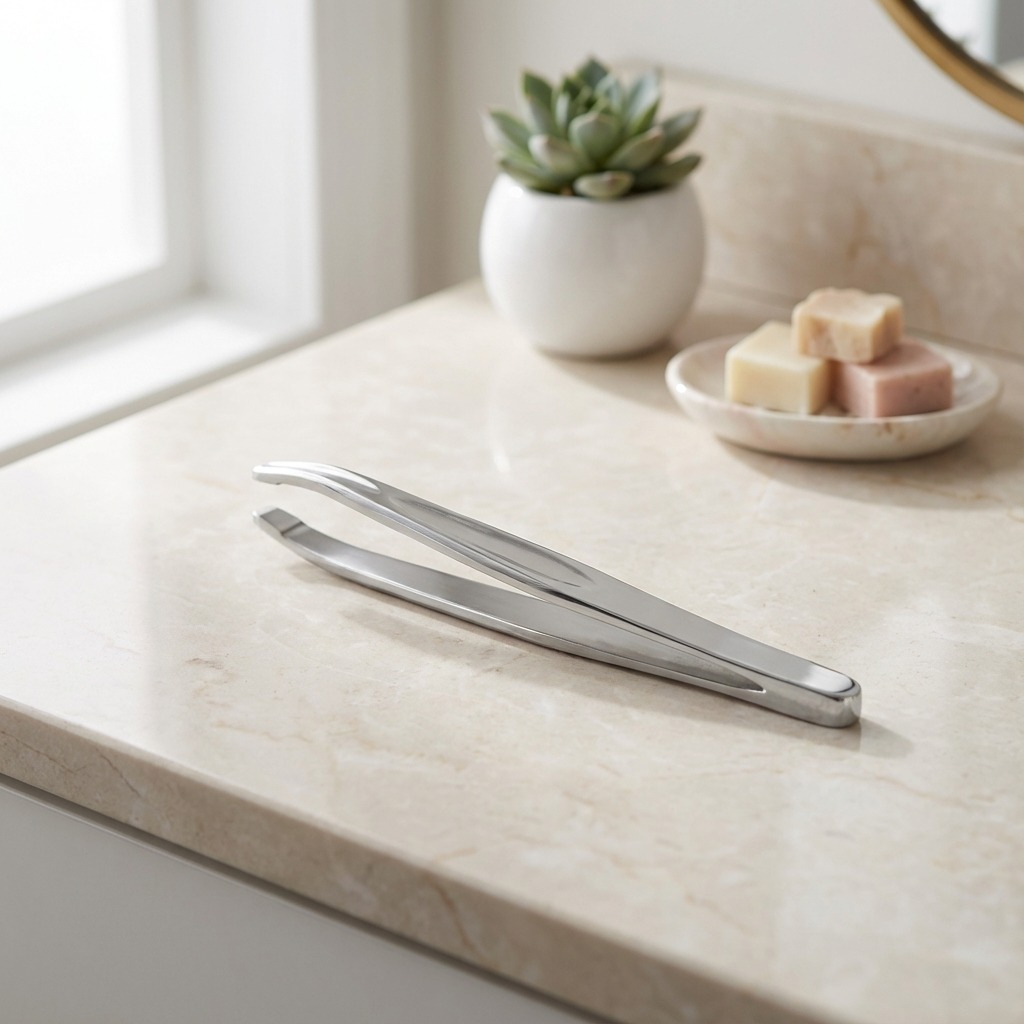
Choosing a tweezers manufacturer is not just about finding a factory that can make a simple grooming tool. For beauty brands, brow studios, distributors, and retailers, the real question is whether the supplier can deliver consistent tip alignment, comfortable handling, reliable packaging, and repeatable quality across every order.
A tweezer can look basic, but small differences in spring tension, edge finishing, grip surface, and inspection discipline affect how well it removes hair and how long customers keep it. This guide explains what to check when sourcing OEM custom tweezers and international wholesale tweezers, with a focus on practical buying questions and supplier evaluation.
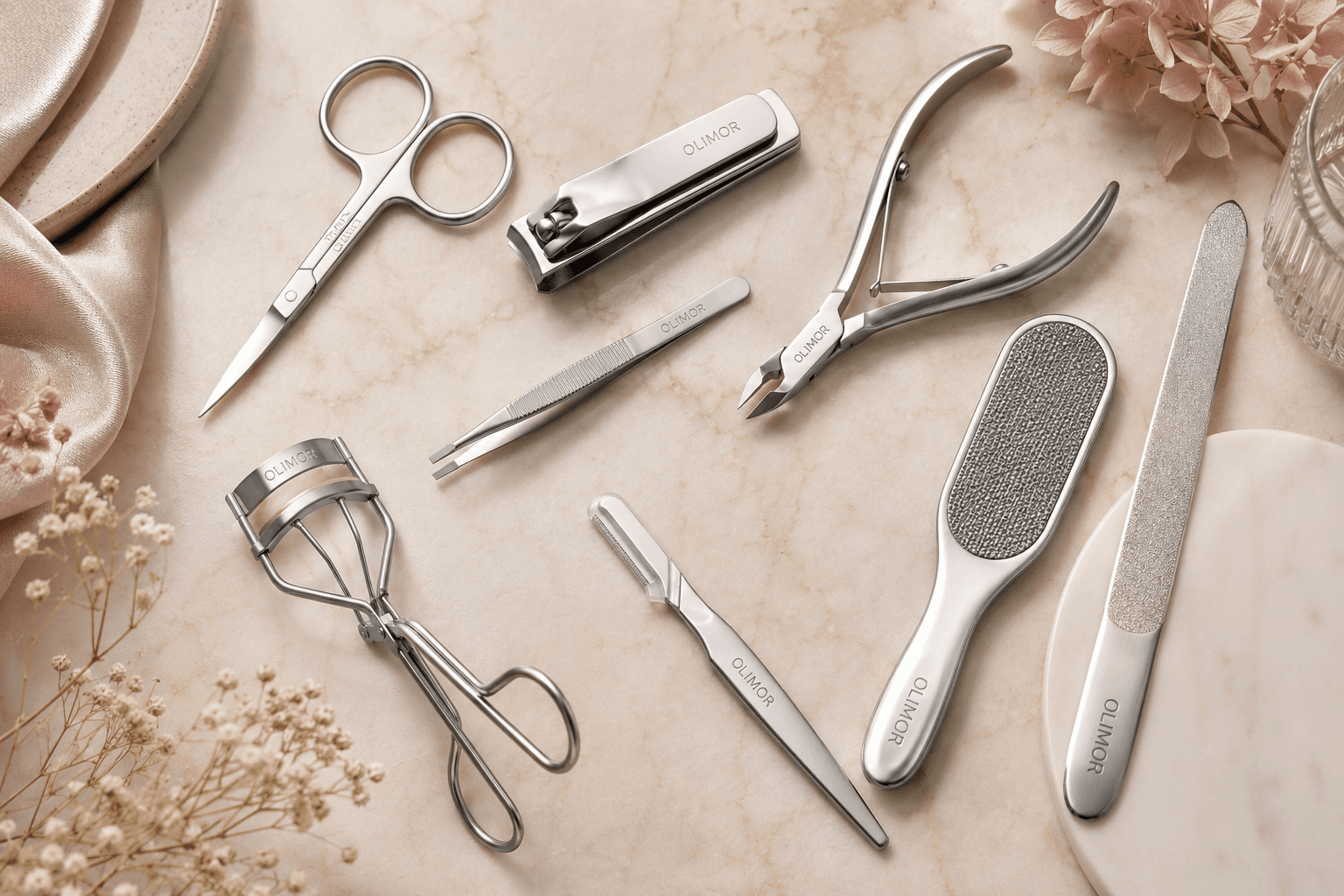
Olimor Beauty works in the beauty-tools category, including tweezers for grooming and brow care. If you are comparing product families for a broader sourcing plan, you can browse beauty-tool products or review related collection options as part of your shortlist.
What makes a tweezers manufacturer worth shortlisting?
A strong tweezers manufacturer should be able to explain how the tool is made, how the tips are finished, and how alignment is checked before packing. Price matters, but a price comparison has little value unless each quote is based on the same tip style, finish, packaging, and inspection expectations.
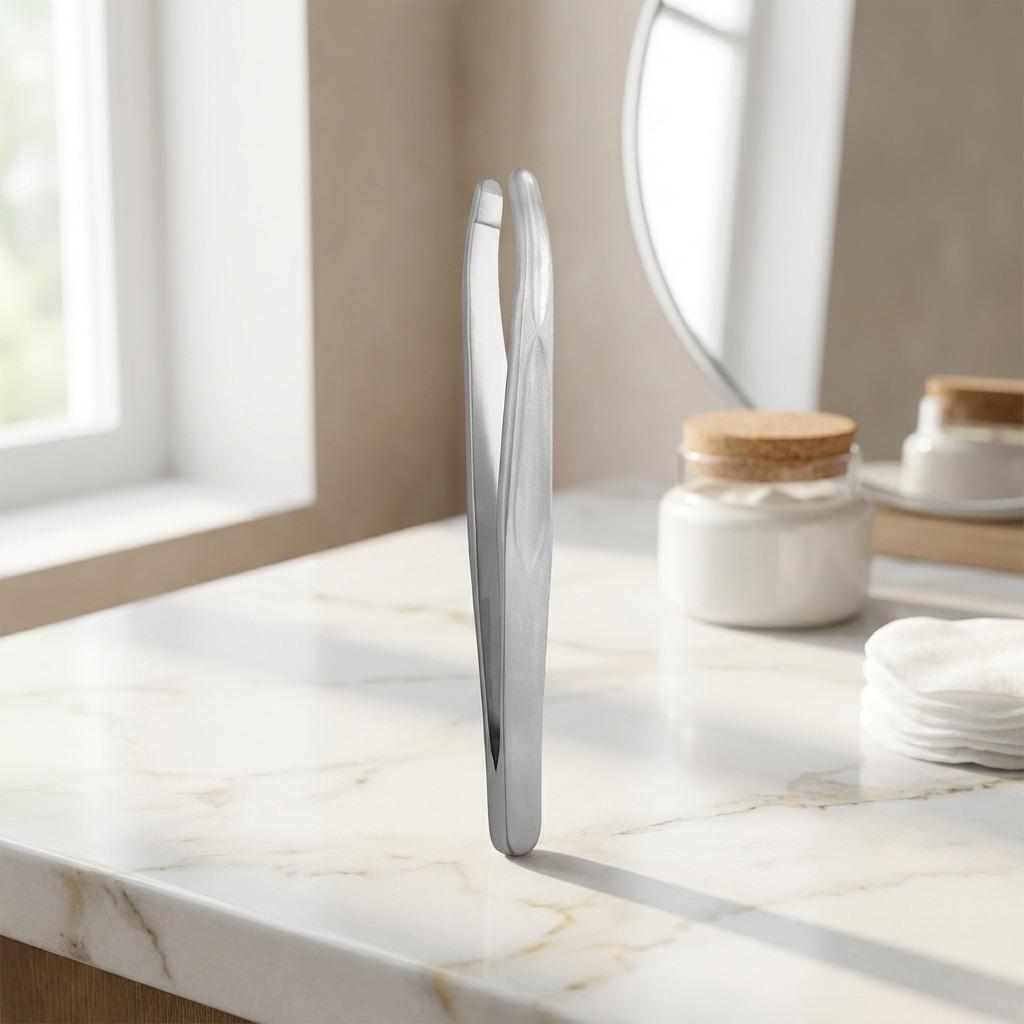
For beauty and grooming use, the most important performance point is the meeting point of the tips. If the tips do not close evenly, the tweezer may slip on fine hair, feel uncomfortable during brow shaping, or require too much pressure. A well-made tweezer should close cleanly and return smoothly after each squeeze without feeling stiff or loose.
When you evaluate manufacturers, look for suppliers that discuss practical product details rather than broad claims. Useful signs include clear communication about available tip shapes, finish options, packaging formats, inspection checkpoints, and sample approval procedures. If you are building a multi-item assortment, ask whether the manufacturer can support matching designs across related beauty tools so your line feels consistent.
Core quality checks that matter in production
Buyers often focus on appearance first, but a good tweezer is defined by function. A sample that looks polished can still perform poorly if the tips are misaligned or the tension is uneven. The checks below help separate a usable tool from a cosmetic sample.
Tip alignment
The two tips should meet evenly from the edge inward. Even a small gap can make the tweezer slip, cut hair, or miss fine strands. Ask the supplier how alignment is checked during production and whether final inspection includes tip closure verification.
Grip accuracy
The inner gripping surfaces should catch hair without excessive pressure. This matters for eyebrow shaping, facial hair removal, and other detail work where control is more important than force. When reviewing samples, test the tool on different hair thicknesses if possible.
Spring tension
The arms should open smoothly and close with controlled resistance. Too much stiffness can cause hand fatigue in salon use, while too little resistance can reduce control. A reliable supplier should be able to describe the intended hand feel for each model.
Edge finishing
The tips should be precise but not rough. Burrs, sharp edges, or uneven grinding can scratch skin, damage packaging inserts, or signal inconsistent finishing. Check the edges under good light and run a careful tactile review before sample approval.
Surface finish
Whether the finish is polished, matte, colored, or coated, it should be even across the batch. Look for stains, pits, visible grinding marks, or inconsistent appearance between samples. Finish quality is especially important for retail presentation and gift sets.
Cleanliness and packing condition
Finished tools should arrive free of oil residue, loose particles, or fingerprints trapped inside the package. Cleanliness is not a small detail; it affects the buyer’s first impression and the brand’s credibility at retail.
Choose the right tweezer type for the intended use
Different customers expect different tweezer shapes, so the best manufacturing partner depends on the market application. Before asking for a quotation, define how the tool will be used and who will buy it.
- Slant tip tweezers: Common for eyebrow shaping and general grooming because the angled edge helps reach individual hairs with good visibility.
- Point tip tweezers: Designed for precision tasks where a very fine contact point is needed. These require careful finishing and protective packaging.
- Flat tip tweezers: Useful for gripping broader surfaces, though they are not always ideal for very fine brow hairs.
- Point-slant tweezers: A hybrid option for buyers who want more precision than a standard slant while keeping a familiar feel.
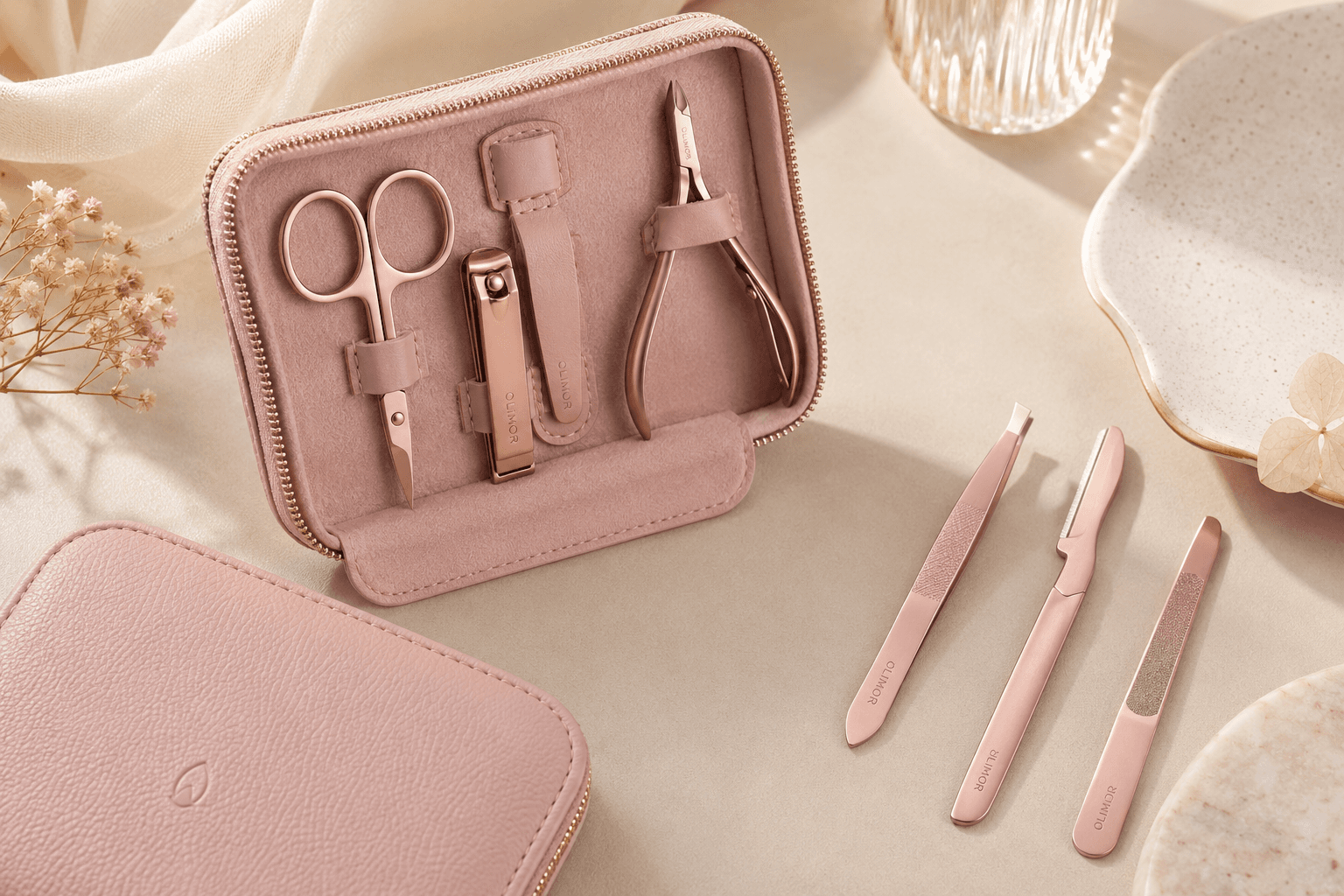
- Specialty grooming tweezers: May include handle shape changes, grip textures, colors, or kit packaging based on the brand concept.
The right shape depends on the channel. A brow studio may want precision and comfortable daily use. A retail brand may care more about display appeal. A travel kit buyer may prioritize compact presentation and packaging protection. Matching the product type to the channel reduces returns and improves user satisfaction.
What to define before requesting OEM samples
OEM custom tweezers allow a brand to adapt the tool to its audience and retail position. Customization may be simple, such as a color choice and carton design, or more detailed, involving tip geometry, handle shape, logo placement, surface finish, and kit configuration.
The most efficient projects begin with a written brief that separates essential requirements from optional preferences. That helps the supplier judge feasibility early and avoids revisions after sampling.
Useful items to include in an OEM brief
- Target user: Professional brow technician, at-home grooming customer, travel kit buyer, or retail gift purchaser.
- Tip shape: Slant, point, flat, or another shape based on the intended use.
- Finish direction: Matte, polished, colored, coated, or another visual treatment if available.
- Branding needs: Logo position, packaging artwork, inserts, labels, and any required retail information.
- Quality priorities: Alignment, grip feel, tip protection, scratch control, or packaging durability.
- Commercial channel: Salon supply, e-commerce, supermarket retail, beauty store, travel set, or promotional program.
These details help reduce avoidable misunderstandings. If the first sample is judged only by appearance, problems may appear later when users test actual hair removal performance. Approve the tool only after checking both cosmetics and function.
How to compare wholesale suppliers for repeatable supply
International wholesale tweezers require a sourcing plan that goes beyond the individual tool. Importers, retailers, and distributors need consistency between batches, stable packaging, clear labeling, and predictable communication. A single defective tweezer may seem minor, but repeated tip misalignment or scratched finishes can create returns and weaken brand trust.
Think in terms of repeatability. Can the manufacturer keep the same feel, finish, and packaging presentation over multiple orders? Are samples kept as reference standards? Is there a defined way to review pre-production and final goods? These questions become even more important when tweezers are part of a larger beauty-tool line.
| Evaluation area | What to check | Why it matters |
|---|---|---|
| Sample consistency | Compare several samples, not only one selected piece | Shows whether quality is repeatable |
| Tip protection | Caps, inserts, or packaging that prevents impact | Helps maintain alignment during shipping |
| Finish control | Uniform polish, matte texture, or coating appearance | Supports retail presentation |
| Logo execution | Clear placement, correct scale, stable appearance | Protects brand image |
| Batch inspection | Checks for alignment, tension, surface defects, and packaging condition | Reduces defective units in wholesale orders |
| Communication | Clear responses about materials, samples, packaging, and planning | Prevents delays and specification errors |
If a supplier references a management system such as ISO 9001, or mentions local market rules and public-body requirements, buyers should ask for the current documentation and verify the applicable version for the destination market. Do not assume compliance from a brochure alone; ask how the supplier applies those requirements to the exact product you are buying.
Packaging, labeling, and inspection: small details that protect value
Packaging matters because fine tips can be damaged if they are not protected during handling. Retail packaging should present the product clearly while preventing movement that could bend or dull the tips. For e-commerce, packaging also needs to survive parcel handling without making the product look low value on arrival.
Labeling matters too. Wholesale buyers often need barcode placement, carton marking, and product descriptions that fit warehouse processes. When a supplier can support packaging formats for salon supply, retail shelves, or gift sets, it becomes easier to launch the same product across different channels.
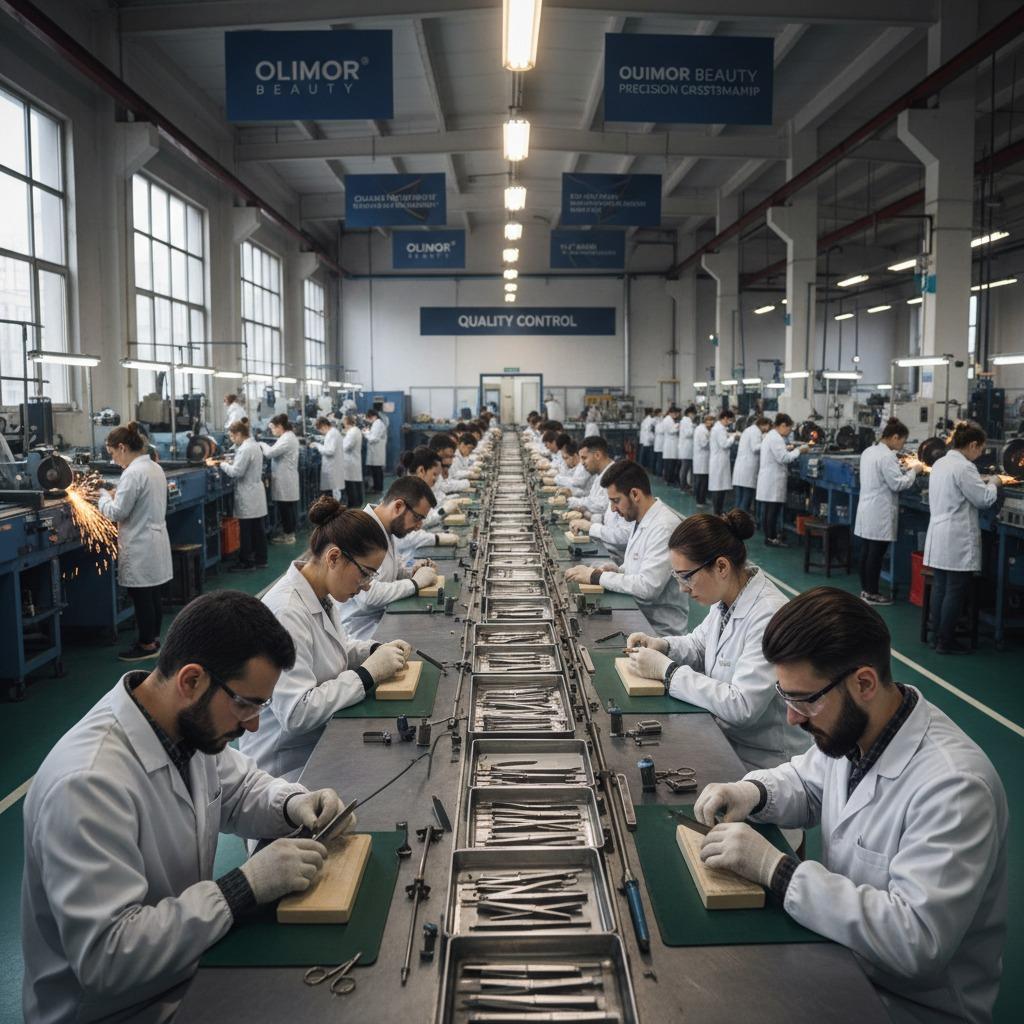
Inspection is the final control point. Ask how the manufacturer checks tip closure, finish quality, branding accuracy, packaging condition, and final carton readiness. A supplier that can describe its inspection process clearly is usually easier to work with than one that relies on vague assurances.
Where Olimor fits in a sourcing project
Olimor Beauty works with beauty tools, including tweezers for grooming and brow care, and can be considered by buyers planning private label or wholesale programs. When comparing formats, it helps to look at the broader assortment so your tweezer choice fits the rest of the line.
For a project discussion, buyers can send a sourcing inquiry with the intended use, preferred tip style, packaging direction, and branding needs. If you want a direct conversation first, you can also contact the Olimor team to discuss sample review and customization questions.
A practical buying process is simple: define the use case, request samples, review function and finish together, confirm packaging protection, and only then move to wholesale planning. That sequence reduces avoidable revisions and helps you compare suppliers on the factors that matter most.
FAQ
Can I request samples before placing a larger order?
Yes. Sample review is one of the most important steps in tweezers sourcing. Check alignment, tip closure, grip feel, finish, and packaging condition before moving forward.
What should I ask about MOQ?
Ask the supplier how MOQ changes with the model, finish, branding method, and packaging format. Different customization levels can affect the order structure, so confirm the requirement directly.
What customization options are usually discussed for OEM tweezers?
Common discussion points include tip style, surface finish, logo placement, packaging design, and kit configuration. Start with the features that matter most to your target customer.
How do I check quality before shipment?
Request clear inspection criteria for tip alignment, spring tension, surface defects, branding accuracy, and packaging condition. Ask whether pre-production and final goods are reviewed against the approved sample.
How long does lead time take?
Lead time depends on the product model, customization level, sample approval, packaging requirements, and order volume. Confirm the schedule with the supplier after the specification is finalized.
For buyers building a private-label or wholesale assortment, the best results usually come from clear specifications, sample testing, and open communication with the supplier. If you are at the comparison stage, Olimor can help you evaluate product direction and packaging needs before you commit to a full program.
Tag: