How to Choose Tweezers Manufacturers for OEM and Wholesale Supply
For beauty brands, salon suppliers, e-commerce sellers and distributors, choosing the right tweezers manufacturer is not only about finding a low unit cost. Tweezers are small tools, but the details are unforgiving: the tips must meet cleanly, the grip must feel stable, the finish must resist daily handling, and the product must arrive consistently across bulk orders. A pair that looks acceptable in photos can still fail if it cannot grip fine hairs or if the alignment changes after a few uses.
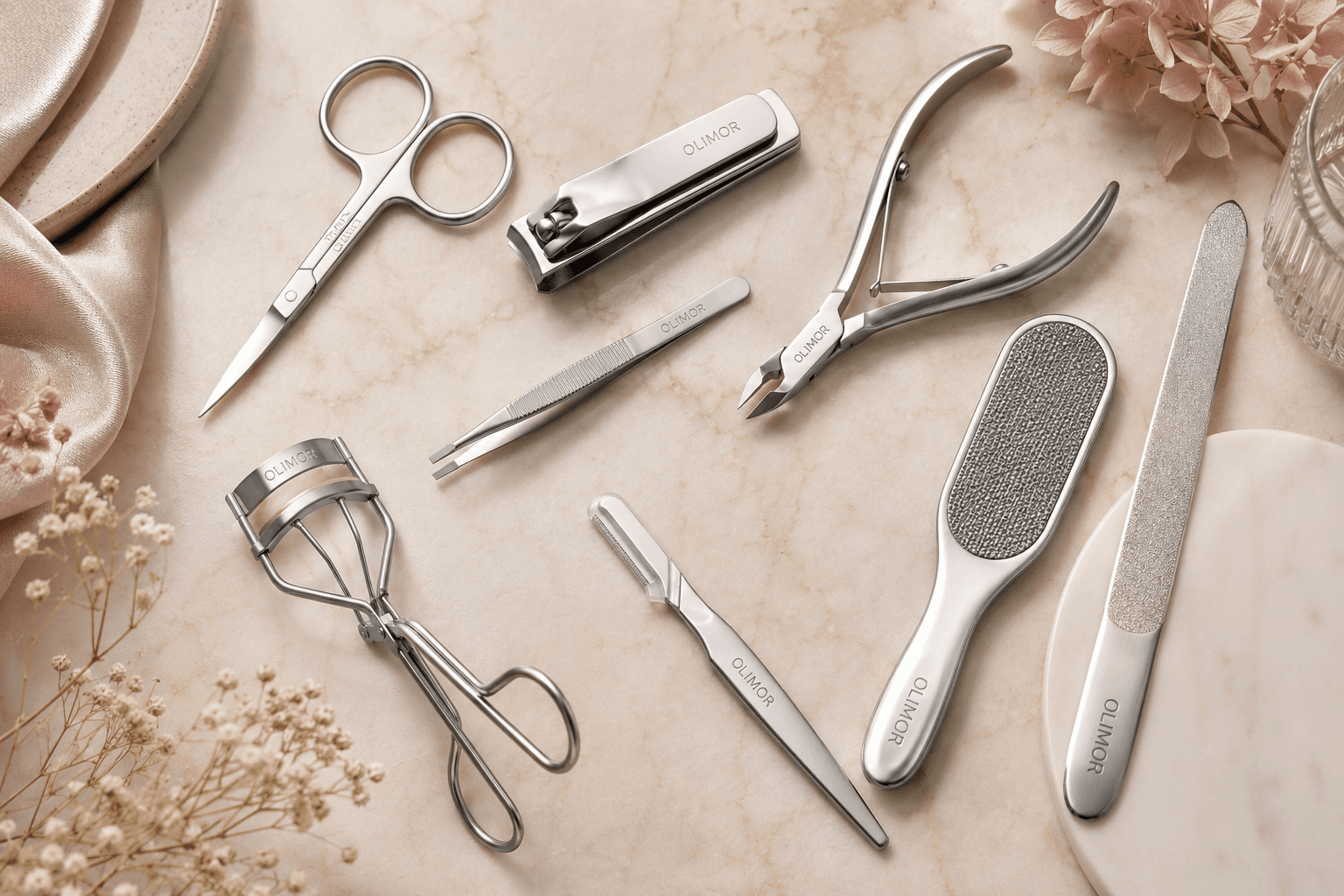
This guide explains how to evaluate tweezers manufacturers for OEM custom tweezers and international wholesale tweezers without relying on vague claims. It focuses on practical selection criteria, inspection points, customization decisions and buyer questions that help you compare suppliers more accurately. Olimor Beauty offers beauty tools including stainless steel slant-tip tweezers for brow shaping and precise hair removal, and the same evaluation principles apply when reviewing any professional grooming-tool supplier.

What Makes a Tweezers Manufacturer Worth Shortlisting?
Many articles discuss the “top 10 tweezers manufacturers,” but a useful shortlist should be built around measurable manufacturing and sourcing factors. A strong manufacturer should be able to explain how it controls tip alignment, surface finishing, edge consistency, packaging condition and batch inspection. These points matter because tweezers are judged by touch and performance, not only by appearance.
For buyers, the first step is to match the supplier to the intended sales channel. A salon supply line may prioritize long-lasting grip and a professional finish. A retail beauty kit may need coordinated packaging and consistent visual presentation. A private-label brow tool may require OEM branding, color selection and carton planning. Before comparing samples, define where the tweezers will be sold, who will use them and what price position the product must support.
Olimor Beauty is associated with slant-tip tweezers made from stainless steel, with an emphasis on precision, durability, ergonomic handling and quality checks. When evaluating similar products, use those qualities as starting points: the tool should feel balanced in the hand, close evenly without excessive pressure and grip hair cleanly rather than cutting, sliding or twisting it.
Key Product Features to Inspect Before Ordering
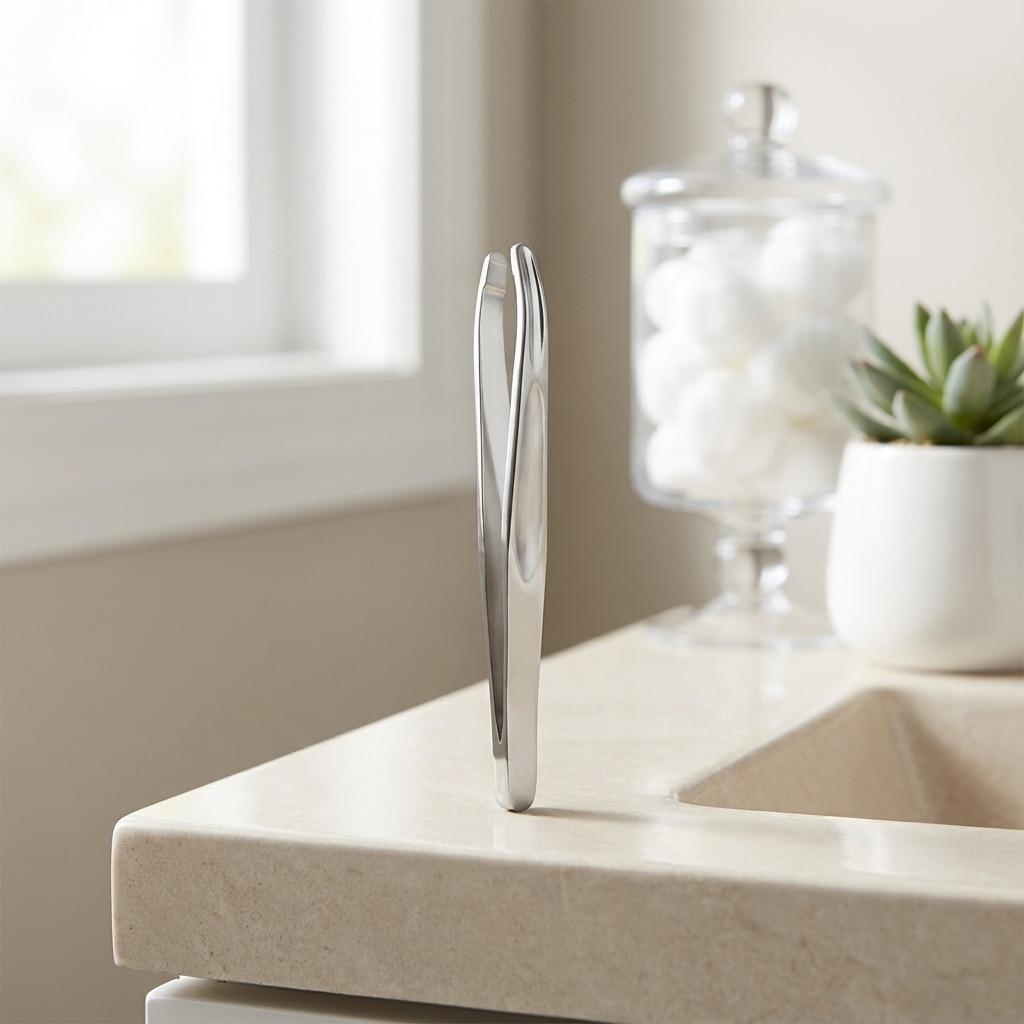
A tweezer may look simple, but several product features affect buyer satisfaction and repeat orders. The most important is tip performance. Slant tips are popular for brow shaping because they allow both angled surface contact and point control for finer hairs. However, the shape alone is not enough; the two tips must meet evenly across the gripping edge.
- Tip alignment: Check whether the tips close flush without gaps, crossing or uneven pressure.
- Grip strength: The arms should offer controlled tension, not feel too weak or too stiff for repeated use.
- Edge feel: The gripping area should hold hair securely without feeling rough, jagged or unsafe.
- Material and finish: Stainless steel is commonly valued for durability and a polished grooming-tool appearance.
- Ergonomics: The body should sit comfortably between the fingers and provide stable control during detailed work.
- Surface consistency: Inspect for scratches, discoloration, burrs, uneven coating or visible finishing defects.
- Packaging fit: Retail packaging should protect the tips and keep the product presentation clean during transport.
When reviewing samples, test more than one piece. A single good sample does not prove batch consistency. Request samples from the same production approach intended for the order, then compare alignment, finish and tension across units. If the product is for wholesale distribution, this step is especially important because inconsistent tools can create returns across multiple retail accounts.
OEM Custom Tweezers: Decisions to Make Before Production
OEM custom tweezers can help a beauty brand build a coordinated product range, but customization should be planned carefully. Every added option affects production communication, packaging layout and inspection standards. Instead of beginning with decoration, start with the base tool: tip style, size, finish, tension and intended use. Once those essentials are clear, branding can be applied in a way that supports the product rather than hiding weaknesses.
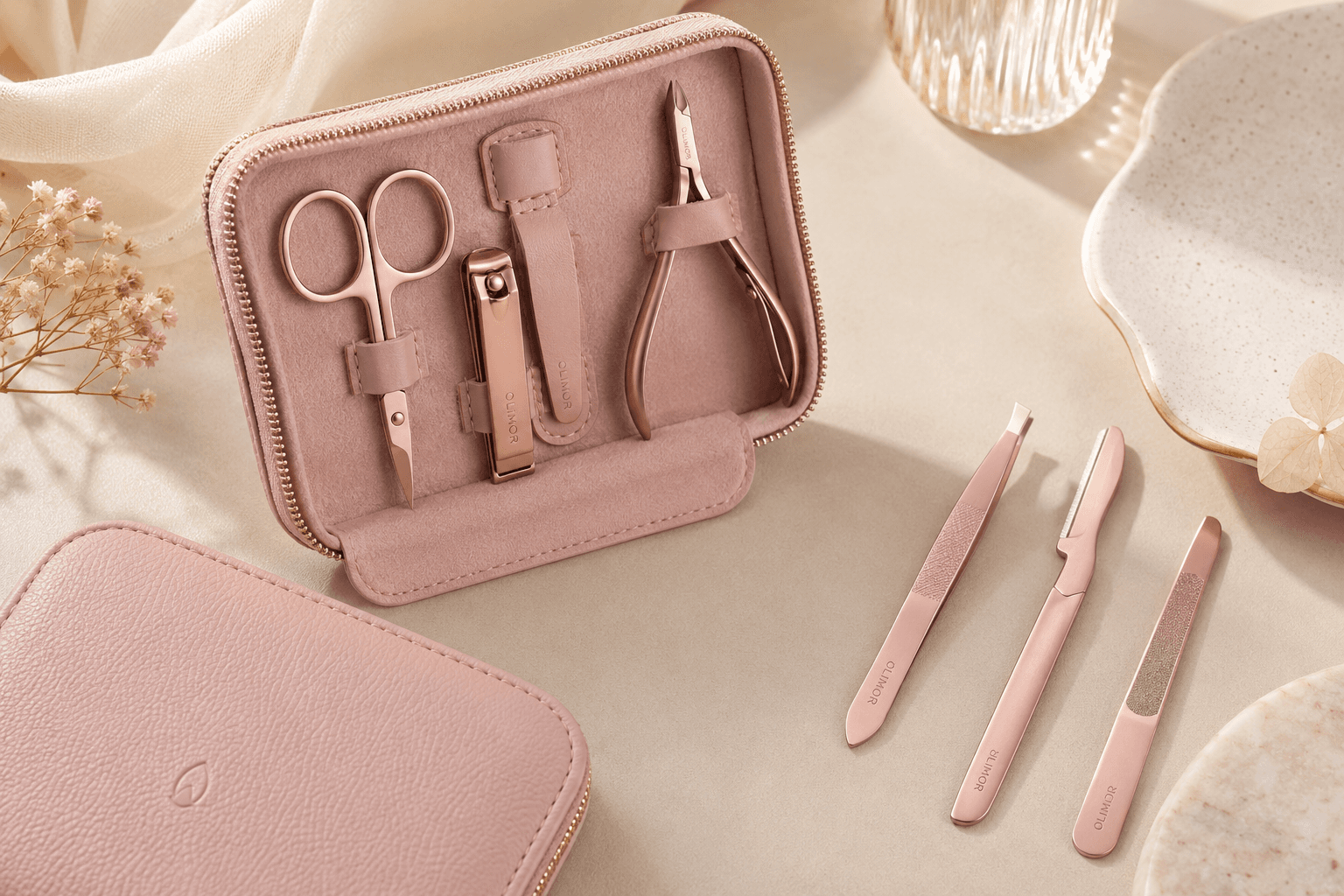
Common OEM decisions include logo placement, handle finish, color direction, packaging type and assortment planning. Buyers should provide artwork files, packaging dimensions, barcode or labeling needs, and any market-specific warnings or instructions. If the tweezers will be included in a brow kit, nail kit or travel grooming set, the packaging and protective cap should be reviewed together with the other tools.
- Confirm the use case: Brow shaping, fine hair removal, salon resale, travel kits or beauty gift sets may require different presentation choices.
- Approve the physical sample: Do not approve branding before confirming the base tweezer’s alignment, tension and finish.
- Review artwork placement: Logos should remain readable and should not interfere with grip or product appearance.
- Set inspection expectations: Define acceptable and unacceptable issues for tips, surface finish, printing and packaging.
- Plan carton protection: Small tools can still be damaged if tips are not protected or packaging shifts during shipping.
For brands comparing OEM options, the beauty tool products section can help frame the broader product range and identify whether tweezers should be sold alone or as part of a grooming assortment. If you already have drawings, packaging concepts or target markets, you can also send an inquiry to begin a more specific sourcing conversation.
International Wholesale Tweezers: How to Compare Suppliers
Wholesale buying is different from one-time sample purchasing. A reliable wholesale supplier must support repeatable quality, stable communication and packaging that survives international handling. For distributors and retailers, the goal is not simply to buy tweezers in bulk; it is to receive products that can be sold with minimal sorting and a low risk of customer complaints.
When comparing international wholesale tweezers, organize supplier information in a structured way. This prevents decisions based only on attractive photos or a single quoted price.
| Evaluation Area | What to Check | Why It Matters |
|---|---|---|
| Tip precision | Alignment, grip, slant shape and closing feel | Determines actual hair-removal performance |
| Material and finish | Stainless steel appearance, polishing and surface defects | Affects durability, presentation and perceived value |
| Batch consistency | Sample-to-sample variation across multiple units | Reduces returns and sorting work after delivery |
| OEM support | Logo, packaging, color and labeling communication | Helps brands build a recognizable retail product |
| Packing method | Tip protection, inner packing and outer carton condition | Protects small precision tools in transit |
This kind of comparison also helps purchasing teams separate essential requirements from optional upgrades. A premium finish may matter for a retail line, while simple protective packaging may be enough for professional refill stock. Either way, tip function should remain the first priority because tweezers are performance tools.
Quality Control Questions That Reveal Real Capability
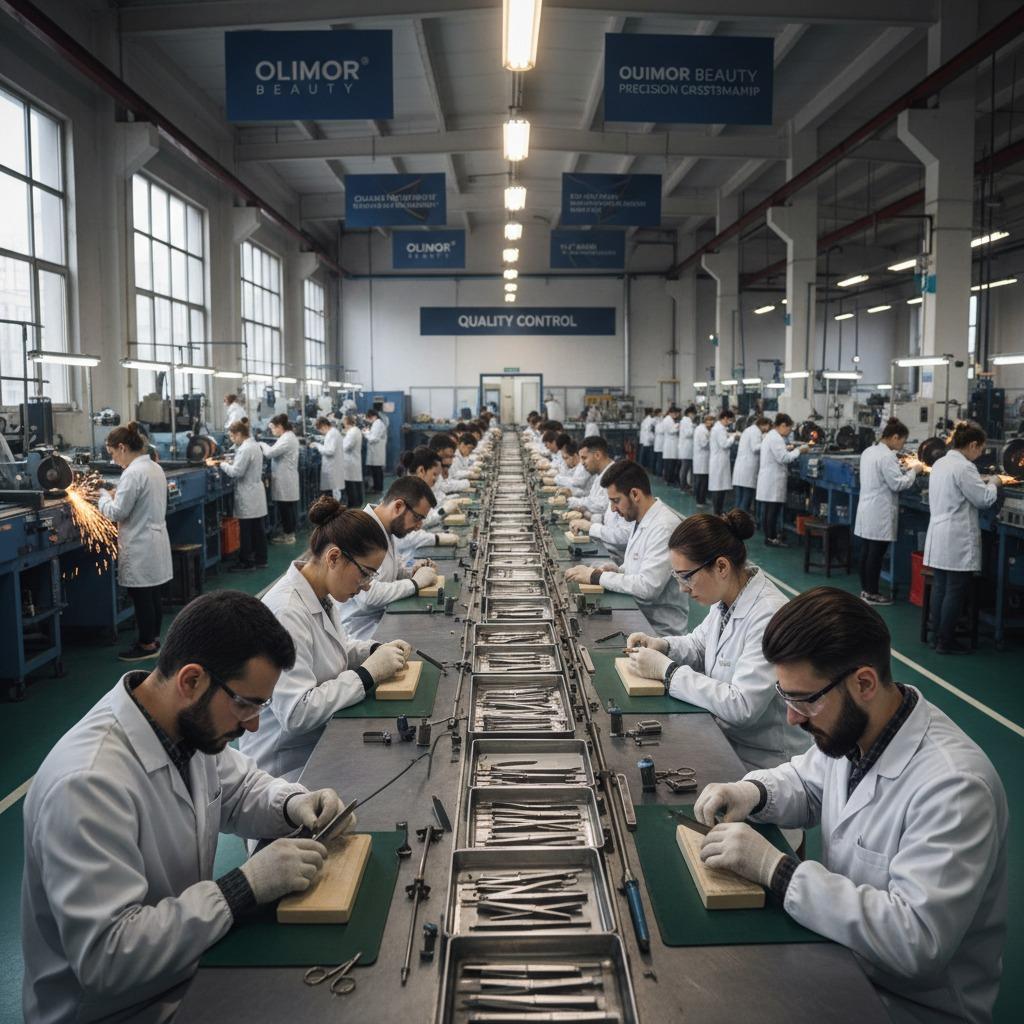
Good tweezers manufacturers should be able to discuss quality control in practical terms. Rather than accepting broad statements about strict inspection, ask how the supplier checks the parts that affect performance. For example, how is tip alignment reviewed? Are visual surface defects checked before packaging? Are finished products inspected again after logo printing or packing? These questions help reveal whether quality is built into the process or only reviewed at the end.
Useful quality-control checkpoints include raw material review, shaping, polishing, tip finishing, tension testing, logo or surface treatment review, final visual inspection and packing inspection. Not every supplier will describe the process in the same way, but the response should show an understanding of precision grooming tools. If the supplier cannot explain how it prevents misaligned tips, uneven tension or scratched finishes, the risk is higher for larger orders.
For buyers building a private-label beauty tool line, it is also helpful to create an approval sample standard. Keep one approved sample sealed and documented, then use it as a reference for later production comparisons. This protects both sides by making expectations clearer for shape, grip, finish and packaging appearance.
Choosing Between Standalone Tweezers and Beauty Tool Sets
Tweezers can be sold as individual tools, as part of brow grooming kits or within wider beauty accessories collections. The best format depends on your customer and sales channel. A standalone slant-tip tweezer is easy to explain and works well for everyday brow maintenance. A set may increase perceived value if it combines complementary tools, but it also introduces more inspection points and packaging complexity.
If you are developing a product range, review how tweezers fit with other grooming items rather than treating them as an isolated SKU. Consistent finish, packaging language and quality level make the line easier to merchandise. The product collections page can be useful when thinking about assortment structure and how one beauty tool category supports another.
Final Checklist for Selecting a Tweezers Manufacturer
Before placing an OEM or wholesale order, slow down and confirm the essentials. A careful checklist can prevent common sourcing problems and make supplier comparison more objective.
- Define the target user, sales channel and expected product positioning.
- Test multiple samples for tip alignment, grip strength and comfort.
- Inspect stainless steel finish, edges, logos and packaging presentation.
- Clarify OEM artwork, labeling, color and packing requirements before production.
- Set realistic inspection criteria for function, appearance and carton condition.
- Keep an approved sample as a reference for future production checks.
- Compare suppliers by consistency and communication, not price alone.
The right tweezers manufacturer should help you deliver a small tool with dependable performance and a clean retail presentation. Whether you are sourcing OEM custom tweezers, wholesale slant-tip tweezers or a broader beauty tool program, prioritize precision, consistency and practical packaging decisions. To discuss product options or sourcing requirements, contact Olimor with your intended market, customization needs and order plan.
Tag: