How to Evaluate Top Tweezer Manufacturers for OEM and Personalized Beauty Tools
Choosing a tweezer manufacturer is not only about finding a supplier that can make a sharp tip. For beauty brands, lash studios, distributors, and private-label buyers, tweezers affect product reputation every time a customer picks up a lash fan, removes a fine hair, or performs detailed grooming work. A good sourcing decision should consider precision, repeatability, comfort, finishing, packaging, and how well the manufacturer supports OEM custom tweezers or personalized tweezers without compromising basic tool performance.
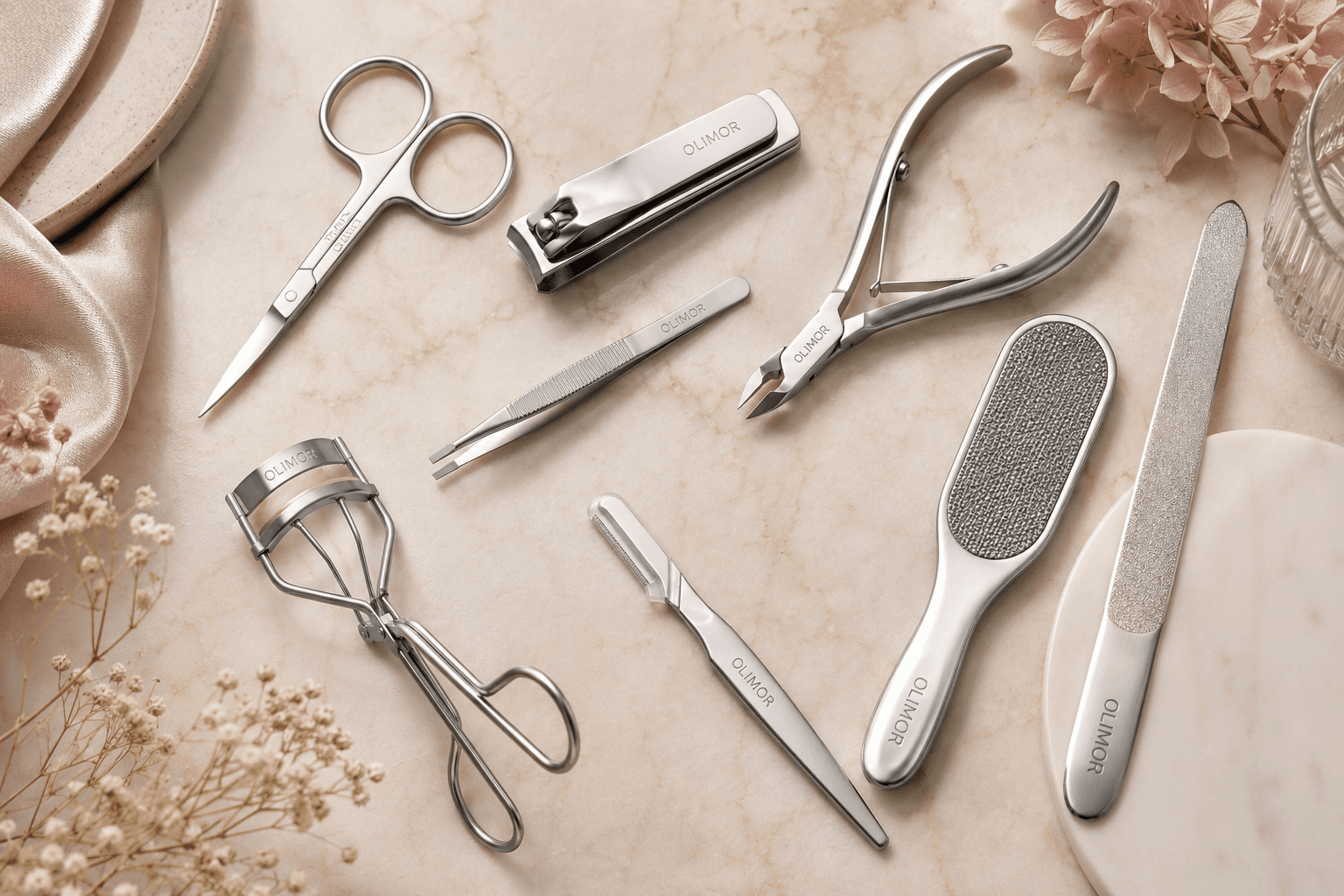
The phrase “top 10 tweezers manufacturers” is often used by buyers who are comparing options for quality and customization. Instead of relying only on a list, it is more useful to know what makes a manufacturer worth shortlisting. Olimor Beauty focuses on beauty tools such as stainless steel tweezers, including curved tip tweezers for detailed applications. This guide explains how to assess manufacturers and how to prepare a clear request when developing OEM or personalized tweezer products.
What Makes a Tweezer Manufacturer Worth Shortlisting?
A reliable tweezer manufacturer should be judged by consistency as much as by appearance. Two tweezers can look similar in a product photo, yet perform very differently when used for lash isolation, brow shaping, or fine grooming. The most important difference is usually found in the tip alignment, spring tension, edge finishing, and surface treatment.
When comparing manufacturers, look beyond catalog variety. A large product range can be helpful, but it should be supported by stable production controls. For OEM buyers, repeatability matters because a brand may need to reorder the same design months later and expect the tool to feel familiar in the customer’s hand. For professional users, even small differences in tip closure or grip pressure can affect working speed and comfort.
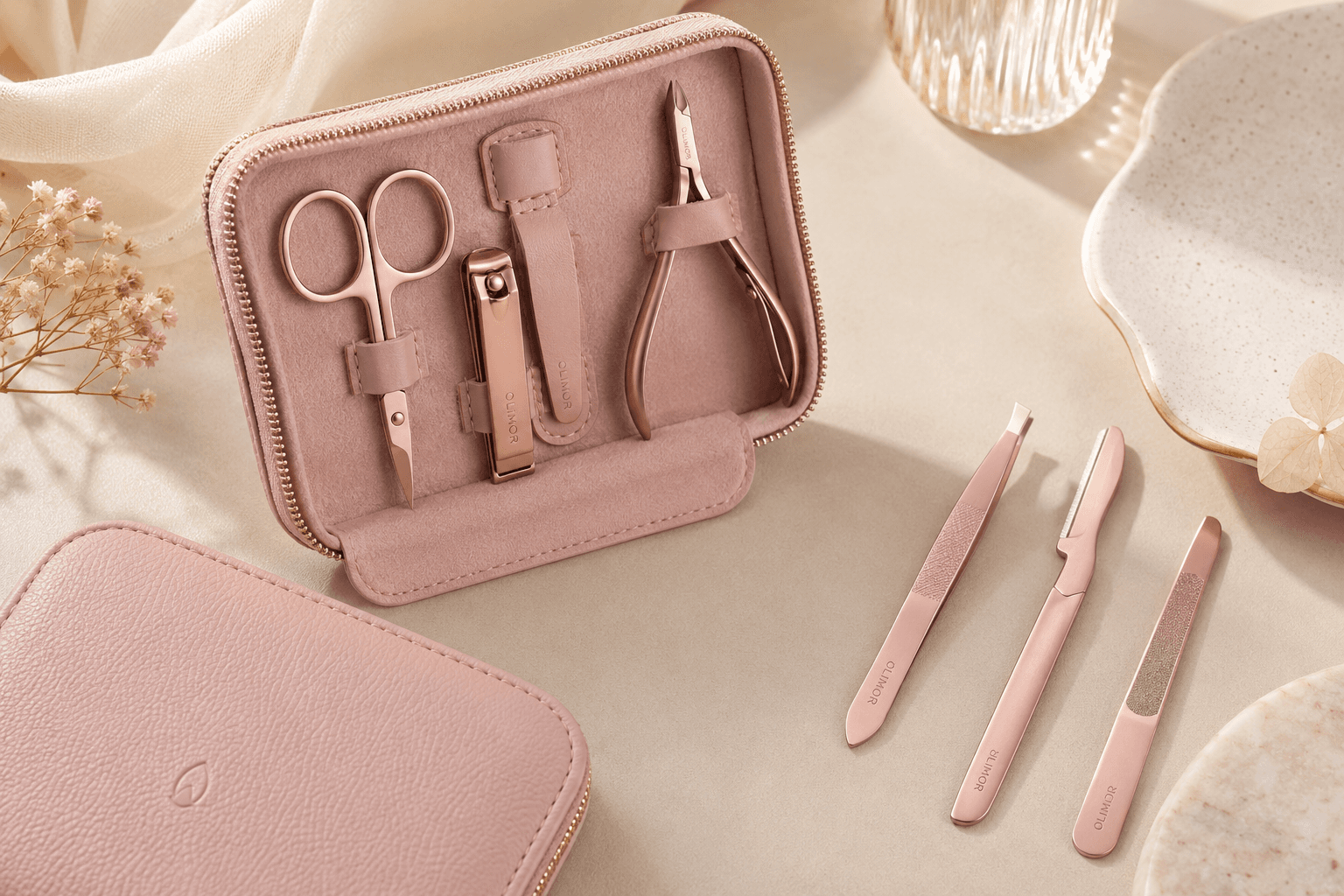
Olimor Beauty offers beauty tool products for buyers who need practical sourcing options, and you can review broader categories through beauty tool products. When evaluating any supplier, the goal is to confirm whether the manufacturer can translate a desired use case into a dependable tool rather than simply provide a generic item with a logo.
Key Criteria for OEM Custom Tweezers
OEM custom tweezers allow a buyer to develop a tool around a brand’s market position, customer habits, and packaging requirements. Customization can involve the tip shape, curvature, grip feel, finish, logo placement, and presentation. However, the core function should always come first: the tweezer must close accurately and feel controlled in the hand.
Use the following checklist when discussing OEM custom tweezers with a manufacturer:
- Intended application: Clarify whether the tweezers are for lash extensions, brow grooming, general personal care, or detailed beauty work.
- Tip design: Define whether a curved, straight, slanted, pointed, or other tip style best fits the use case.
- Grip comfort: Consider the length, width, and hand pressure needed during repeated use.
- Material and finish: Stainless steel is commonly valued for durability; finish choices should support both appearance and clean handling.
- Logo and personalization area: Confirm where branding can be placed without interfering with grip or cleaning.
- Packaging direction: Decide whether the tool is sold for professional, retail, gift, or travel use.
- Inspection priorities: Identify the features that must be checked before shipment, such as tip alignment, closing force, finish, and surface defects.
OEM work is most successful when the buyer prepares clear references and performance expectations. If you are planning a private-label beauty tool project, you can send an inquiry with the intended application, quantity planning, finish preference, and any reference images or packaging requirements.
Personalized Tweezers: Where Customization Adds Real Value
Personalized tweezers can be useful for retail beauty brands, salon merchandise, promotional sets, and professional kits. Personalization may include an engraved logo, color finish, surface texture, or design detail that matches a broader product line. The benefit is not only visual; a customized tweezer can help customers identify a brand’s tool quickly in a makeup bag or salon drawer.
Still, personalization should not make the tool harder to use. A finish that looks attractive but becomes slippery, chips easily, or interferes with cleaning may weaken the product experience. Similarly, a logo should be placed where it remains visible but does not affect the grip. For a professional lash artist, comfort and repeatability will usually matter more than decoration.
Brands should also think about the customer segment. A retail consumer may prefer a polished, giftable appearance, while a lash technician may prefer a secure grip and a consistent closing feel. A distributor may need several finishes at different price points, while a salon chain may want a standardized tool that supports staff training and daily use.
Why Curved Tip Tweezers Are Common in Detailed Beauty Work
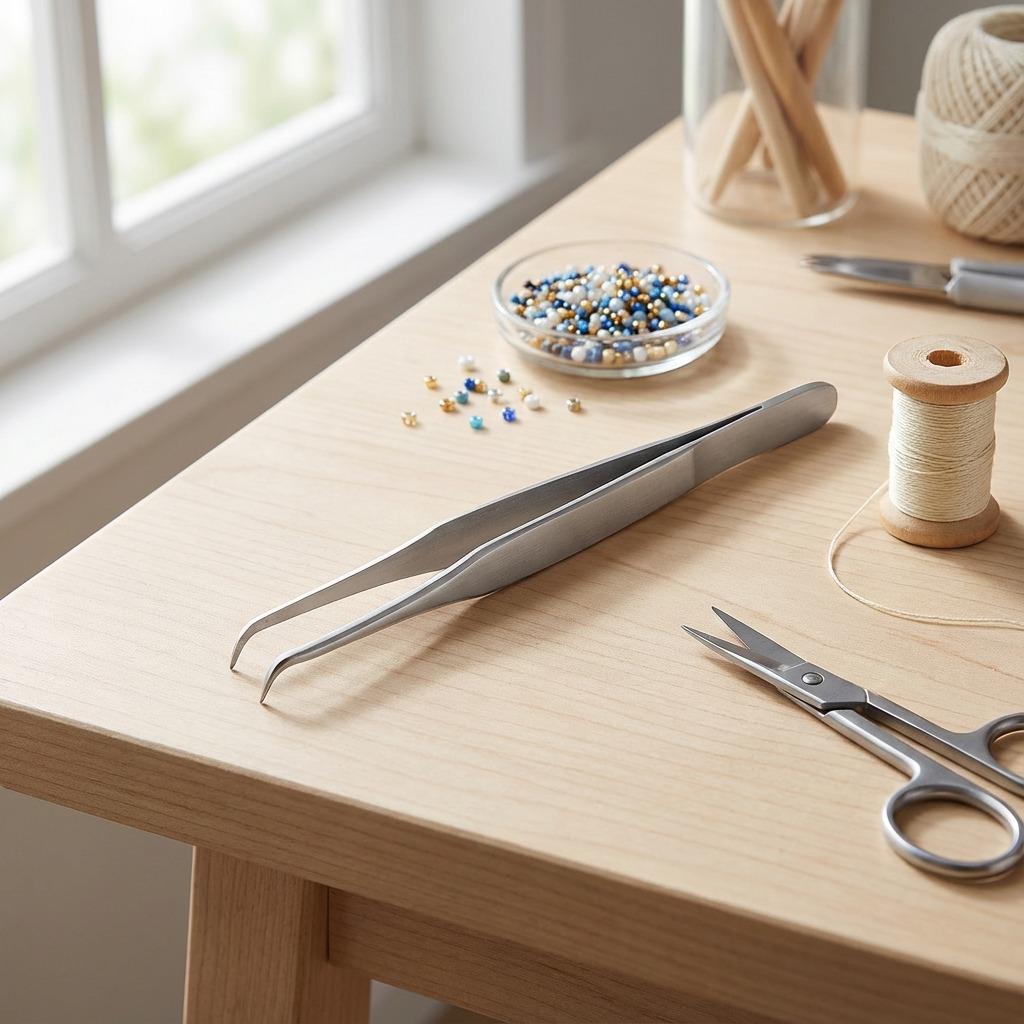
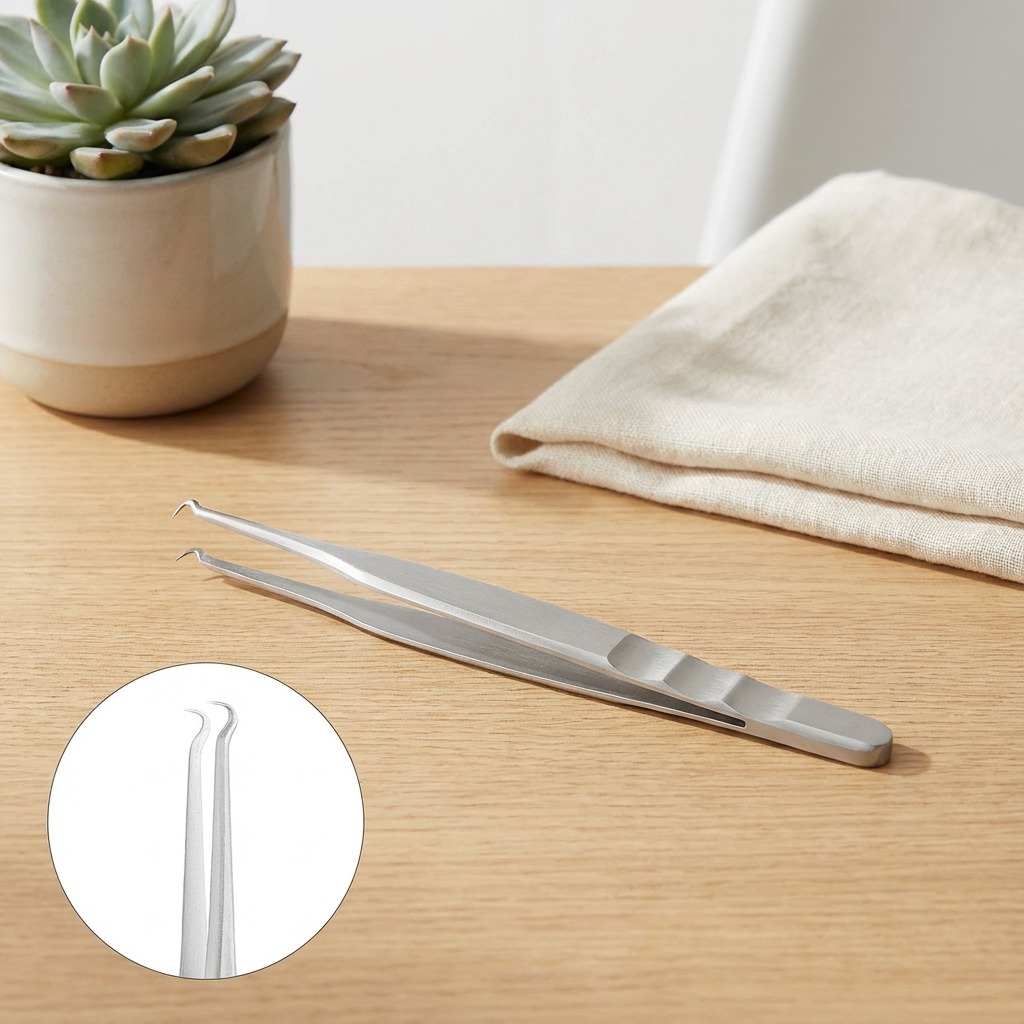
Curved tip tweezers are often selected for work that requires access, control, and visibility. The curved profile can help the user approach lashes or fine details from an angle, making it easier to see the working area. This is one reason curved tweezers are commonly considered for lash-related applications and other precise beauty tasks.
When evaluating curved tip tweezers, pay close attention to the way the tips meet. The two sides should align cleanly when closed, without twisting or uneven pressure. The curve should support the intended motion rather than feel awkward in the hand. For buyers developing OEM custom tweezers, it is useful to test the tool with the same task your customers will perform, not only inspect it visually.
A curved tip tweezer can also vary in grip feel. Some users prefer a firmer spring response for control, while others prefer a lighter touch to reduce hand fatigue during longer sessions. If the product is intended for professional use, sampling and feedback from experienced users can help determine whether the design is suitable before moving forward with packaging and branding decisions.
Quality Control Questions Buyers Should Consider
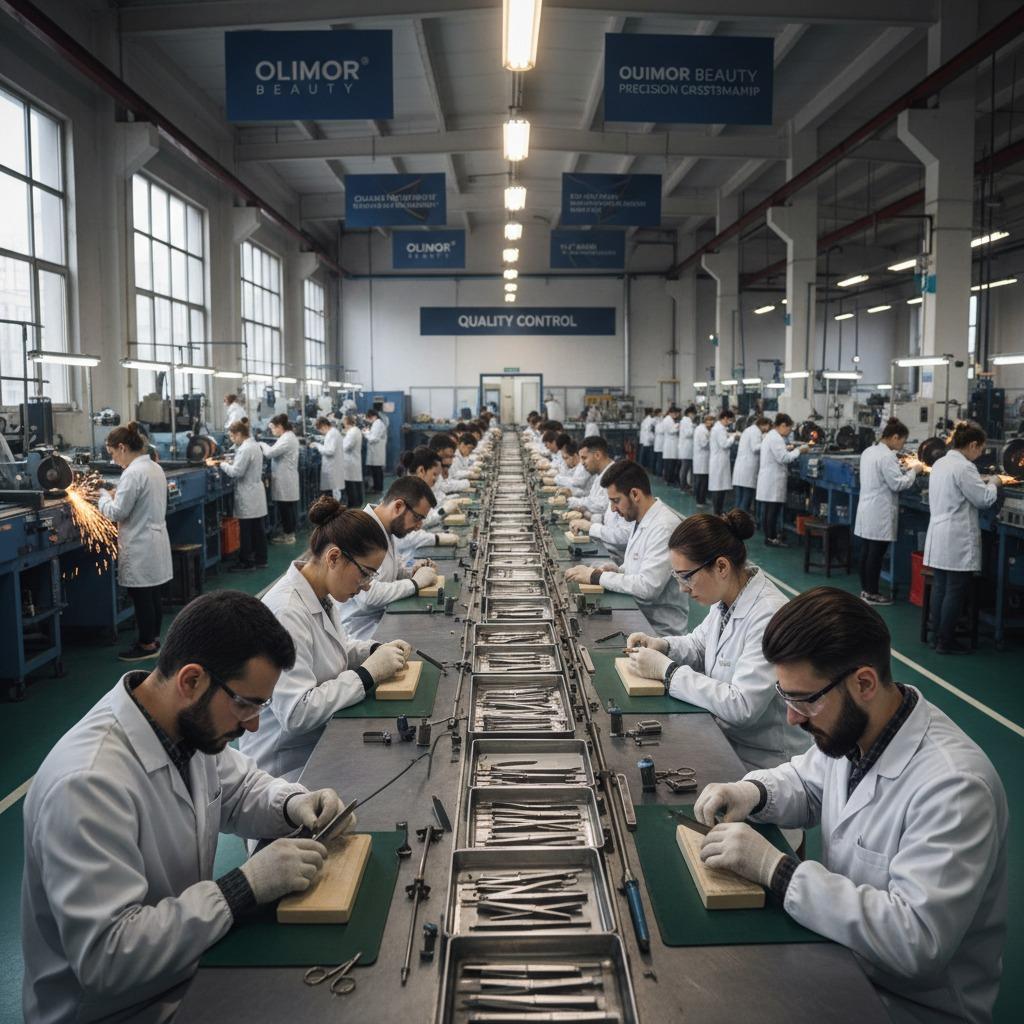
Quality control for tweezers should cover the full product experience: material condition, forming, tip finishing, surface treatment, logo application, cleaning, and packaging. The original function of a tweezer is simple, but small flaws can be easy to notice. A misaligned tip, rough edge, uneven coating, or inconsistent tension can lead to customer complaints even if the product looks acceptable at first glance.
The table below summarizes practical inspection points for beauty tool buyers:
| Inspection area | Why it matters | What to look for |
|---|---|---|
| Tip alignment | Determines precision and gripping ability | Tips meet evenly without gaps or crossing |
| Closing tension | Affects comfort during repeated use | Consistent spring feel across samples |
| Edge finishing | Supports safe, clean handling | No rough burrs or uncomfortable edges |
| Surface finish | Impacts appearance and brand perception | Even color, clean surface, no obvious marks |
| Logo placement | Protects branding and usability | Readable logo that does not affect grip |
| Packaging fit | Prevents damage and supports retail display | Tool secured properly with suitable presentation |
Olimor Beauty emphasizes manufacturing steps and quality checks for its beauty tools, including stainless steel tweezer options. Buyers comparing manufacturers should request samples that represent the intended finish and tip shape, then check multiple units rather than relying on a single perfect sample.
Sourcing Decisions: Catalog Product or Custom Development?
Not every buyer needs a fully custom tweezer. A catalog product may be appropriate when speed, simplicity, and proven usability are more important than a unique design. Custom development may be better when a brand has a specific market position, needs a distinctive finish, or wants to build a coordinated tool range.
For example, a new retail brand may begin with a standard stainless steel tweezer and focus on packaging, while a lash-focused brand may prioritize a curved tip tweezer with a particular hand feel. A distributor may choose multiple products from existing product collections to test demand before investing in custom tooling or personalized finishes.
The best decision depends on how the product will be sold and used. If the tweezer is part of a professional kit, performance should be the leading factor. If it is part of a gift set, presentation and finish may carry more weight, but the tool still needs to work well. If it is sold under a private label, consistency across repeat orders becomes especially important.
How to Prepare a Better Manufacturer Inquiry
A clear inquiry helps a manufacturer respond with relevant options. Instead of asking only for “tweezers price,” describe the product goal. Include the target customer, tip style, intended use, preferred finish, branding needs, and packaging direction. If you are comparing top tweezer manufacturers, use the same inquiry format for each supplier so the responses are easier to compare.
Useful details to include are the desired tweezer type, whether curved tip tweezers are required, the role of personalization, and whether you need OEM custom tweezers or an existing item with branding. Reference samples or photos can be helpful, but the inquiry should also explain what you like about them: the tip shape, color, grip area, packaging style, or overall market positioning.
If you need help narrowing down product direction, you can contact Olimor with your application and brand requirements. A thoughtful sourcing process saves time, reduces sampling confusion, and improves the chance that the final tweezer matches customer expectations.
Choosing a Manufacturer for Long-Term Beauty Tool Quality
The best tweezer manufacturer for your project is the one that can balance precision, customization, quality control, and communication. OEM custom tweezers and personalized tweezers can strengthen a beauty brand, but only when the functional details are protected. Curved tip tweezers, stainless steel options, branded finishes, and custom packaging should all be evaluated through the lens of real use.
Before placing an order, compare samples, review inspection priorities, and make sure the product fits the audience you are serving. A professional user, retail customer, salon owner, and distributor may all value different details. By focusing on performance first and customization second, beauty brands can build tweezer products that look consistent, feel reliable, and support long-term customer trust.
Tag: