Top Tweezers Manufacturers: OEM and Custom Design Guide for Beauty Brands
Finding the right tweezers manufacturer is not simply a matter of comparing catalog photos. For brow studios, beauty retailers, private-label brands, and grooming tool distributors, tweezers have to feel precise in the hand, grip fine hairs cleanly, maintain tip alignment, and arrive with finishing and packaging that match the intended retail position. A reliable OEM partner should help you turn a product idea into a consistent, sellable tool without compromising practical performance.
This guide explains how to compare top tweezers manufacturers, what to define before starting OEM custom tweezers, and which design and quality details deserve attention. It is written for buyers who want to design their own tweezers or refine an existing private-label grooming line with a more dependable production partner.
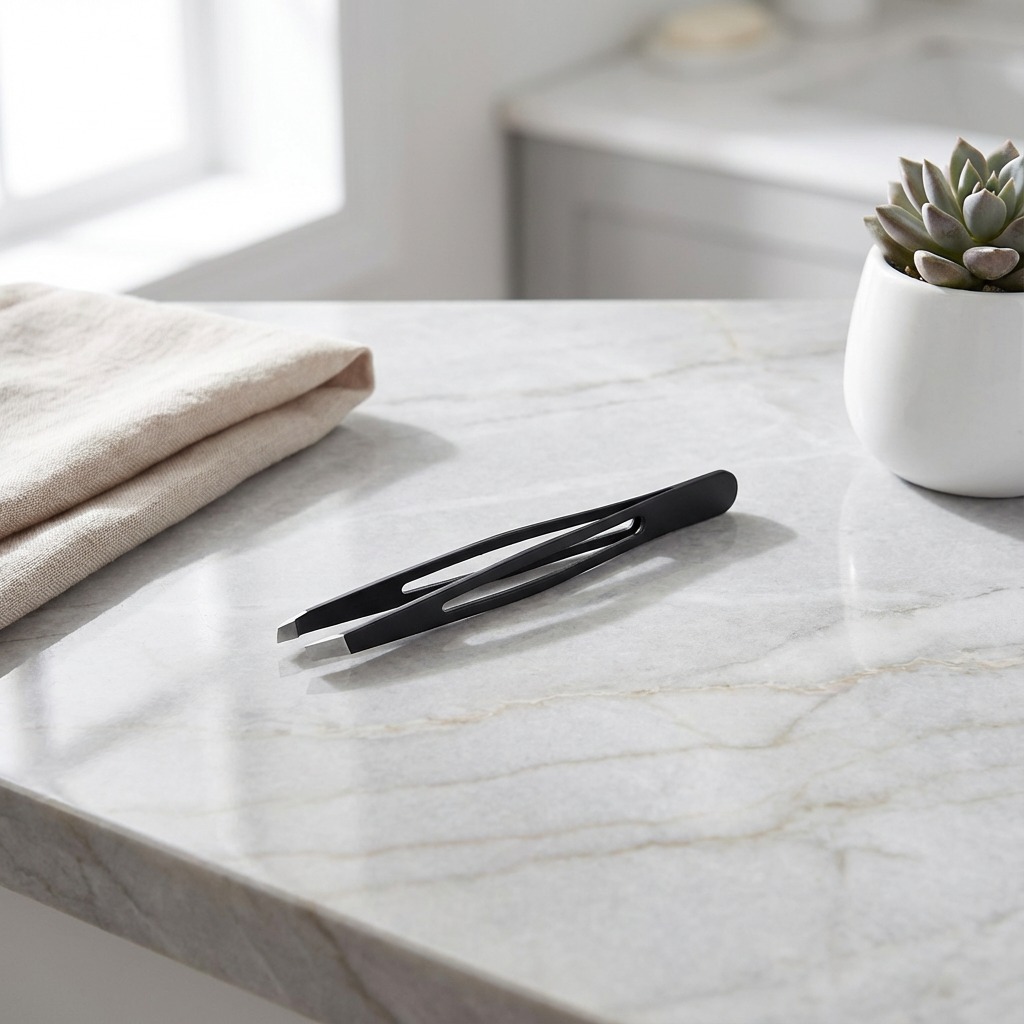
What Makes a Tweezers Manufacturer Worth Shortlisting?
A strong tweezers manufacturer should be judged by more than the ability to produce a common shape. Precision grooming tools require consistent forming, polishing, alignment, finishing, inspection, and packaging control. A small variation at the tip can change how the tweezer performs, especially when removing short or fine hairs.
When comparing manufacturers, look for evidence that they understand both production and user experience. Slanted tweezers, for example, need a clean angle for brow shaping, stable tension for control, and tips that meet evenly. If the arms are too stiff, users may experience hand fatigue during detailed work. If tension is too weak, the tool may not grip with confidence.
Olimor Beauty focuses on beauty tools that balance technical precision with daily usability. For buyers reviewing beauty tool products, the most important questions are not only how the tool looks, but whether the manufacturing process can repeat the same feel, closure, and finish across production batches.
OEM Custom Tweezers: Decisions to Define Before Sampling
OEM custom tweezers work best when the buyer gives the manufacturer a clear product brief. A vague request such as “premium tweezers” can lead to delays because premium may mean different things: heavier material, softer tension, a matte finish, sharper-looking tips, or upgraded packaging. Before sampling, define the intended user and the retail setting.
For professional brow technicians, grip accuracy and reduced hand fatigue may matter most. For a retail beauty kit, appearance, packaging, and easy everyday use may carry equal weight. For men’s grooming or travel accessories, compact size and protective storage may be priorities. A good manufacturer can discuss these trade-offs, but the buyer should begin with a practical direction.
- Target use: brow shaping, fine hair removal, lash application support, grooming kits, salon resale, or travel sets.
- Tip type: slanted tips for brow work, pointed tips for detail work, flat tips for broader gripping, or specialty shapes when justified by the use case.
- Material direction: stainless steel is commonly chosen for grooming tools because it supports durability and clean finishing.
- Surface finish: polished, brushed, coated, matte, or color-finished surfaces, depending on brand positioning.
- Handle feel: arm width, edge comfort, open-slot features, and ergonomic shaping can affect control.
- Packaging: retail card, pouch, box, set packaging, or protective cap requirements.
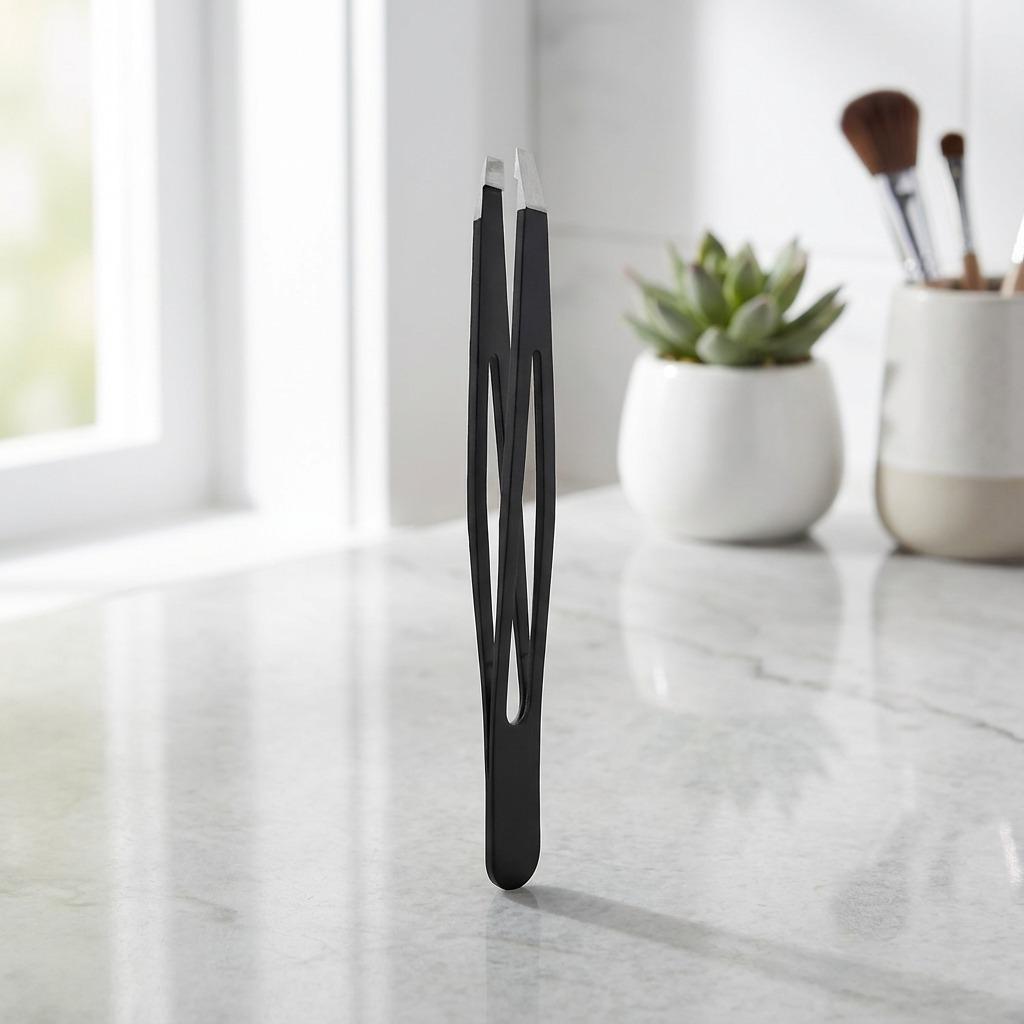
Olimor Beauty has experience with stainless steel tools, ergonomic design, matte black slanted tweezers, and quality checks from raw materials to packaging. When planning custom work, those practical elements should be translated into measurable sample expectations instead of treated as decorative details.
Design Your Own Tweezers Without Losing Function
Many brands want to design their own tweezers to create a recognizable beauty accessory. Custom color, logo placement, open-slot details, and minimalist finishes can help a product stand out. However, visual design should never make the tweezer harder to control. The most successful custom tweezers combine brand identity with functional restraint.
For example, a lightweight matte black exterior may support a modern retail look, while an open-slot feature can improve maneuverability and reduce visual bulk. These choices should still be tested in the hand. Does the grip feel secure when fingers are slightly damp from skincare products? Does the finish resist looking messy after repeated handling? Does the logo remain readable without making the tweezer look overcrowded?
Tip design deserves the closest review. Precision-engineered tips should meet evenly and grip fine hairs accurately. Buyers should examine samples under normal lighting and with real use scenarios rather than relying only on macro product photos. A tweezer that looks sharp but slips on fine hair will disappoint users, while one that grips too aggressively may feel uncomfortable or difficult for beginners.
Quality Control Points That Matter for Private-Label Tweezers
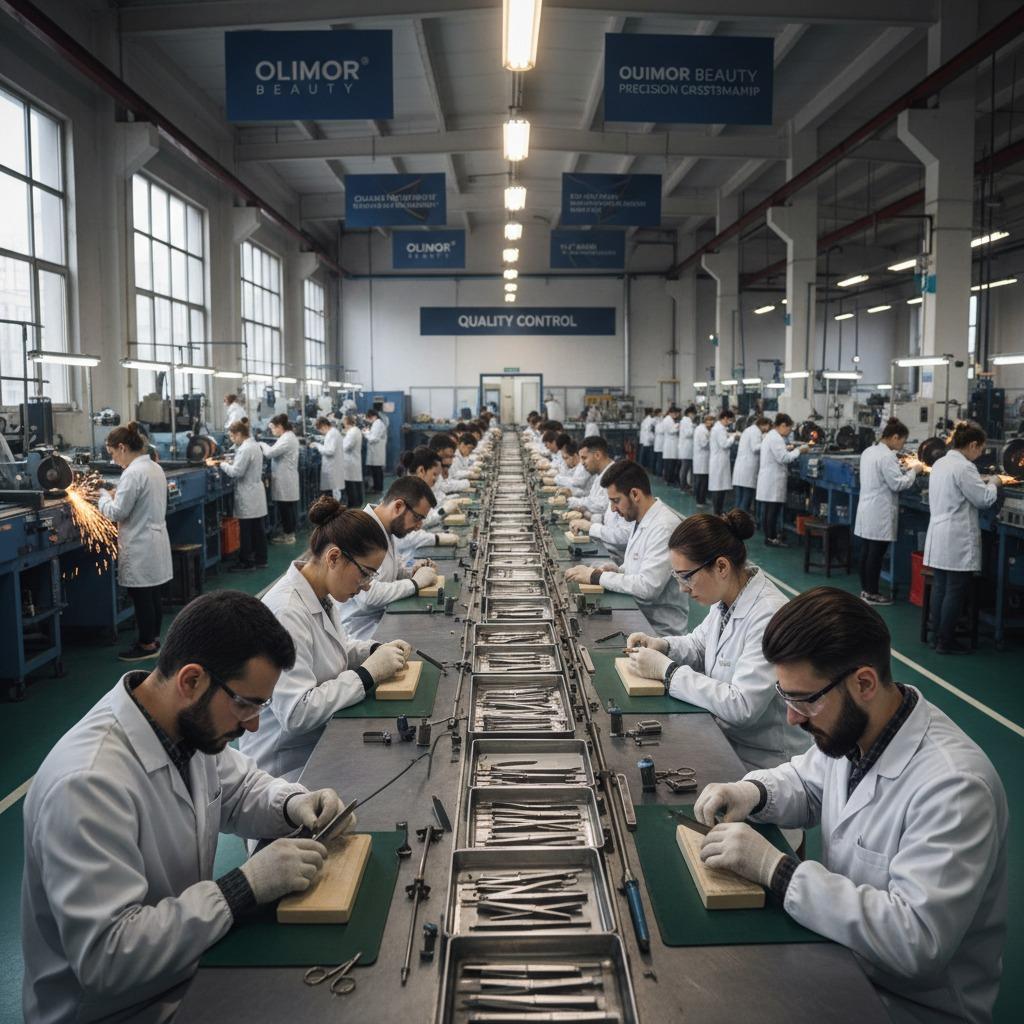
Quality assurance for tweezers should cover the full path from material handling to finished packaging. Because tweezers are small tools, defects can be subtle: uneven tips, inconsistent tension, rough edges, weak coating adhesion, misaligned logos, or packaging scuffs. These issues may not always be obvious in a product listing, but they affect customer reviews and repeat orders.
| Checkpoint | Why It Matters | What Buyers Should Review |
|---|---|---|
| Tip alignment | Determines whether the tweezer can grip short and fine hairs cleanly. | Check closure from the front and side; test on fine hair or thread-like material. |
| Tension balance | Affects comfort, control, and fatigue during repeated use. | Compare several samples, not just one perfect reference piece. |
| Edge finishing | Rough edges can feel uncomfortable and reduce perceived quality. | Run fingers along arms and corners; inspect for burrs or sharp non-tip areas. |
| Surface finish | Color, coating, and matte effects influence retail appeal and durability perception. | Review consistency, scratches, fingerprints, and logo clarity. |
| Packaging condition | Packaging is part of the customer’s first impression. | Check fit, protection, barcode area, labeling space, and shipping resistance. |
Olimor Beauty emphasizes technical precision and rigorous quality assurance, including inspections from raw materials through packaging. For an OEM buyer, the practical goal is to define what “acceptable” means before production begins, so the manufacturer and brand evaluate finished goods with the same expectations.
How to Compare a “Top 10” Tweezers Manufacturer List
Search results often use phrases such as “top 10 tweezers manufacturers,” but a list is only useful if it matches your sourcing needs. A manufacturer suitable for low-cost promotional tools may not be the best fit for a professional brow product. Another factory may create attractive finishes but lack the consistency required for repeated private-label orders.
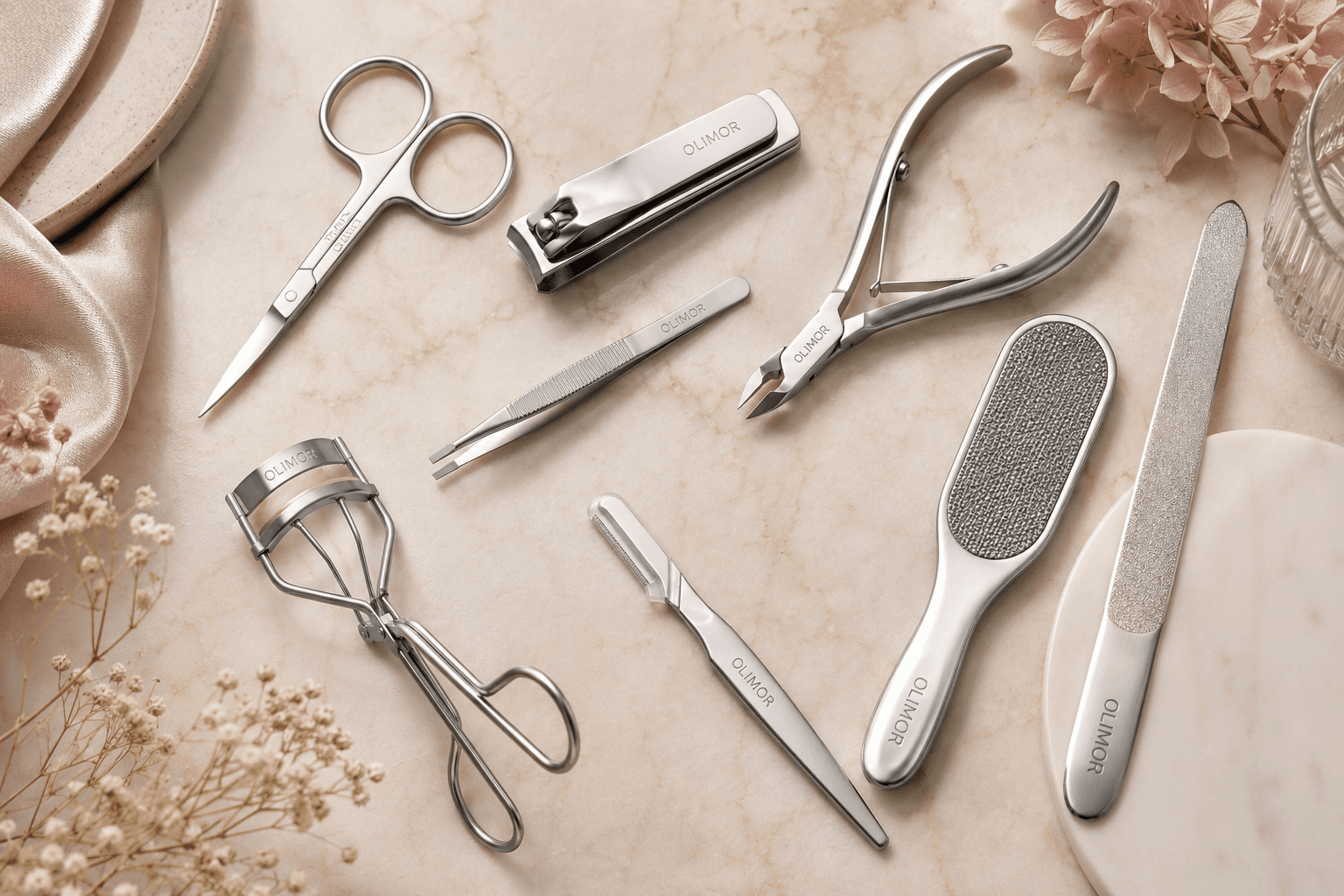
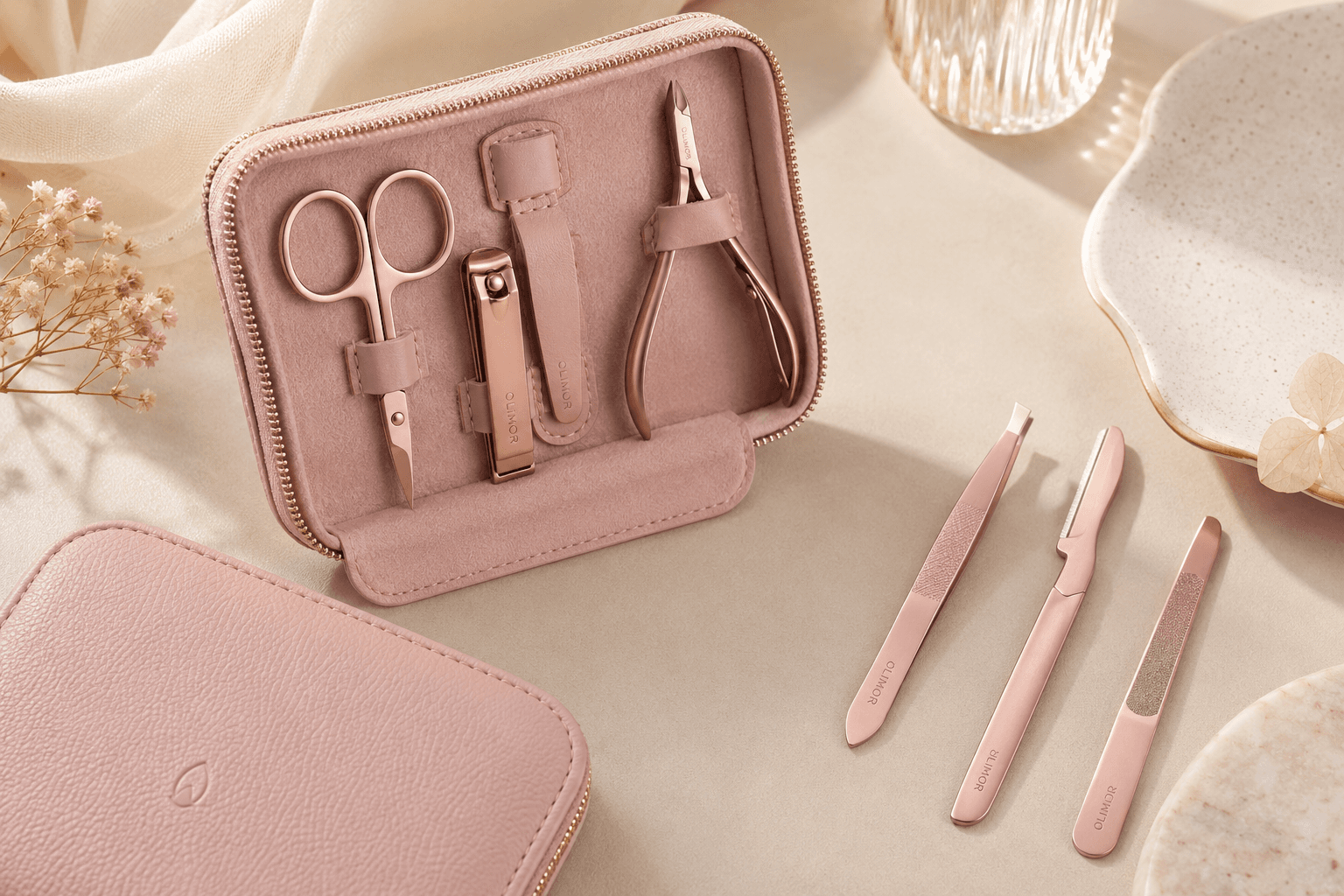
Instead of treating rankings as final answers, use them as a starting point. Build a shortlist based on product capability, communication clarity, sampling quality, and willingness to discuss production details. Review whether the manufacturer offers relevant beauty tool categories and whether their previous product style aligns with your brand. You can also browse Olimor product collections to understand how different beauty tools may fit into sets or retail programs.
A useful comparison should include sample evaluation, packaging discussion, and long-term product planning. If your brand may later add scissors, lash tools, nail tools, or grooming sets, it can be efficient to work with a manufacturer that understands beauty tool families rather than only one single item.
Sampling and Approval: A Practical Buyer Workflow
A structured sampling process reduces confusion and protects the final product. Start with a written brief, then review a first sample for shape, tension, tip performance, finish, and branding. If changes are needed, document them clearly with photos and measurable comments. Avoid approving a sample based only on appearance; tweezers are functional tools, and the hand feel matters.
- Prepare the product brief: define use case, tip type, finish, logo position, packaging, and target retail level.
- Review reference samples: compare several pieces for consistency in tension and tip closure.
- Test real handling: use the tweezers for brow shaping motions and fine-hair gripping checks.
- Confirm visual details: review color, matte or polished effect, logo size, and packaging layout.
- Set approval criteria: agree on the standard sample and the defects that should be controlled in production.
If you already have drawings, packaging files, or a sample you want to improve, you can send an inquiry with the key details. For broader sourcing questions or help choosing a direction, contact Olimor to discuss the project scope.
Choosing the Right Partner for Custom Tweezers
The best manufacturer for OEM custom tweezers is one that respects the small details: tip contact, balanced tension, ergonomic grip, material finish, and packaging protection. These details determine whether customers keep using the tool after the first purchase. Attractive design can win attention, but reliable performance earns repeat trust.
For brands developing slanted tweezers, matte black grooming tools, or a broader private-label beauty tool range, Olimor Beauty provides a practical starting point: precision-focused product development, stainless steel tool experience, ergonomic design thinking, and quality checks across the production flow. By entering the sourcing process with a clear brief and careful sample review, you can design your own tweezers with fewer compromises and a stronger chance of long-term retail success.
Tag: