Top 10 Tweezers Manufacturers: How to Choose Precision Tools for Beauty Retail and OEM Projects
For beauty retailers, private-label brands, salons and distributors, choosing from the top tweezers manufacturers is not only about finding a low unit price. A tweezer is a small tool, but the details are easy for customers to feel immediately: whether the tips meet evenly, whether the grip is comfortable, whether the finish resists corrosion, and whether the tool removes fine hairs without cutting or slipping. These details influence repeat purchase, online reviews and the overall quality impression of a beauty tool line.
This guide explains how to compare leading tweezers manufacturers with a practical sourcing mindset. Instead of treating a “top 10” list as a fixed ranking, it focuses on the measurable qualities that separate dependable manufacturers from ordinary suppliers: material selection, tip alignment, OEM customization, packaging readiness and quality control. Olimor Beauty works with beauty tool buyers who need reliable products such as stainless steel slant tweezers, custom tweezers and personalized tweezers for different market positions.
What Makes a Tweezers Manufacturer Worth Shortlisting?
A strong manufacturer should be evaluated by its ability to produce consistent precision, not by catalog size alone. Tweezers look simple, but the working edge requires careful forming, polishing and alignment. If the two tips do not close evenly, the tool may miss short hairs or pinch skin. If the spring tension is too weak, the user loses control; if it is too stiff, the hand tires quickly during brow shaping or professional use.
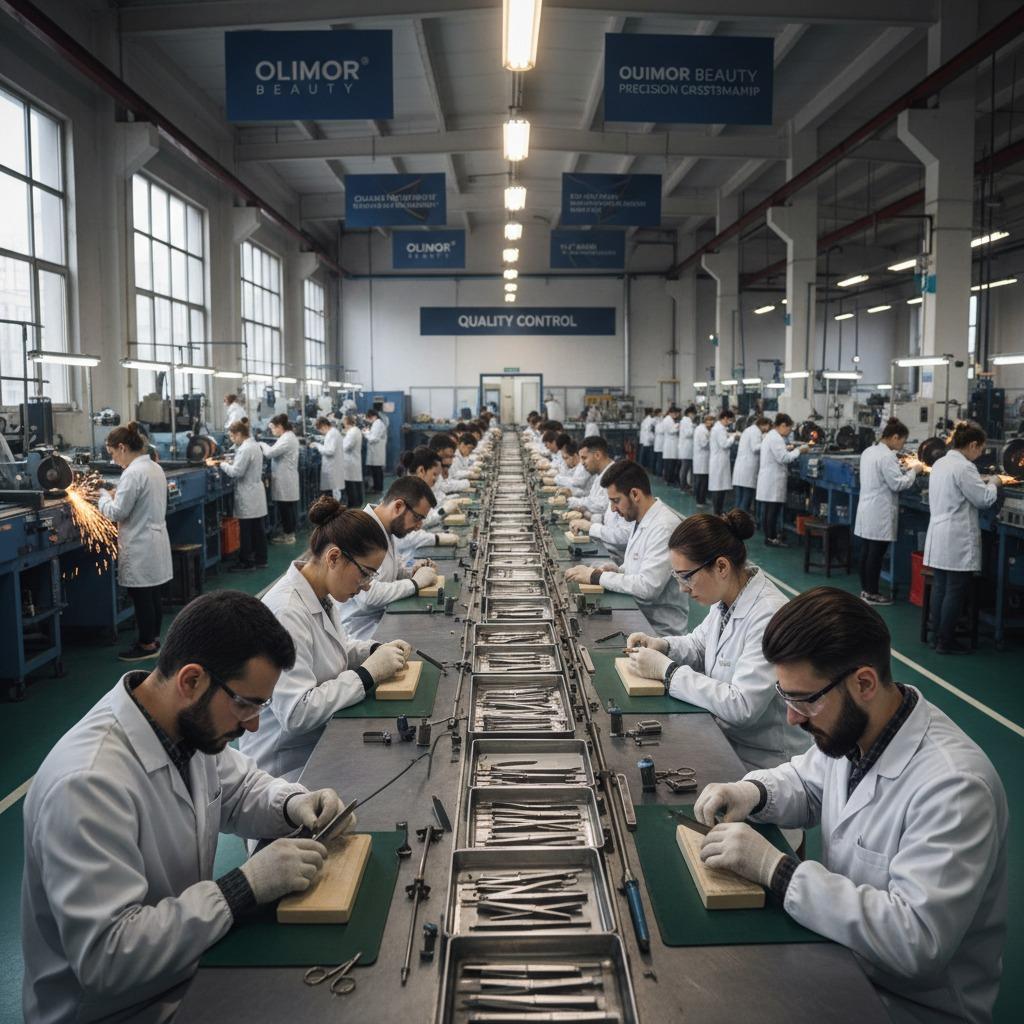
When comparing the top tweezers manufacturers, buyers should look for suppliers that can explain their production flow clearly. Useful checkpoints include raw material inspection, stamping or forming control, heat treatment where applicable, grinding, tip finishing, surface treatment, assembly review, cleaning and final inspection. A manufacturer does not need to overwhelm you with technical language, but it should be able to describe how it keeps each batch consistent.
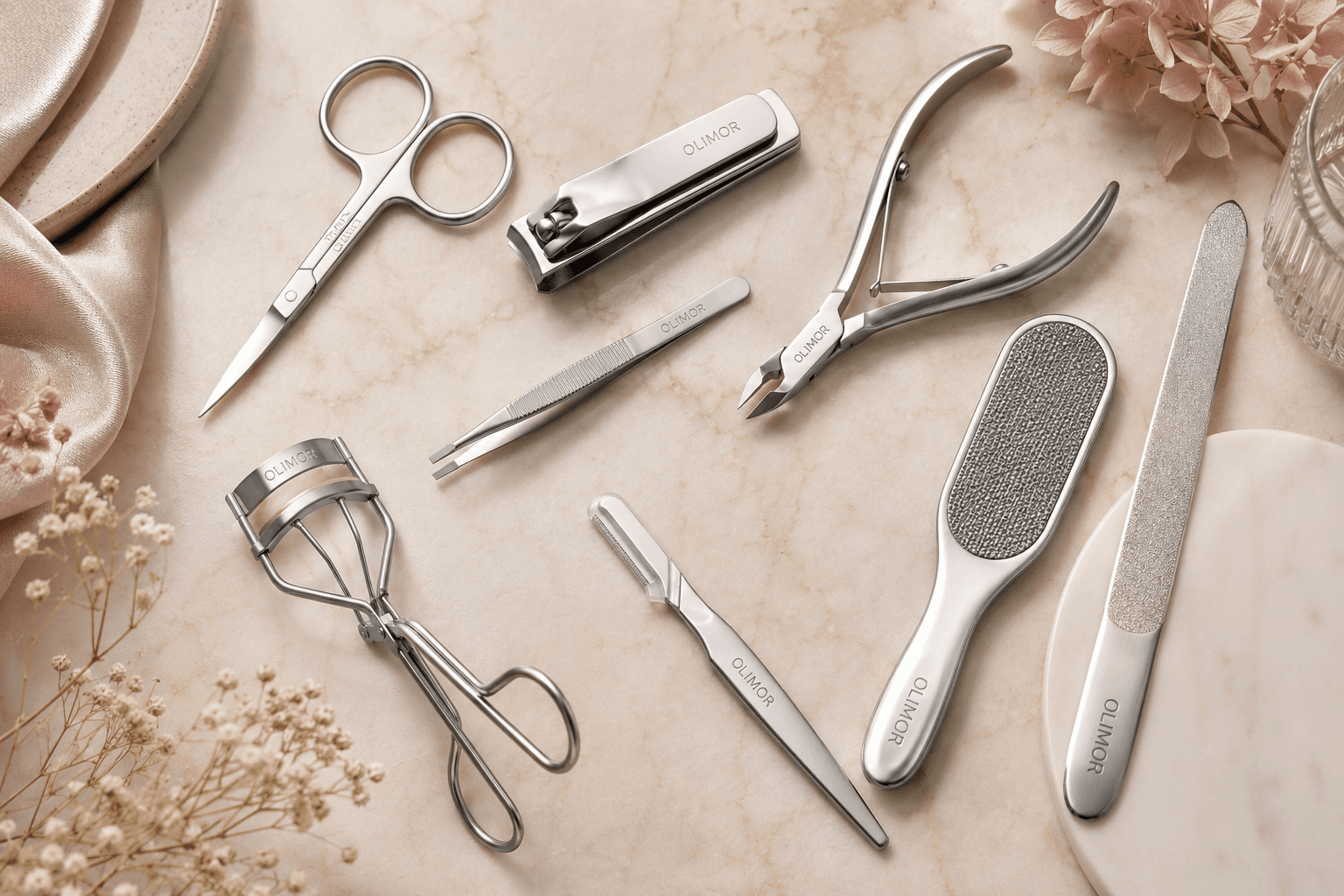
For brands building a dependable beauty tool range, it also helps to review a manufacturer’s broader product capability. You can compare categories through Olimor’s beauty tool products to understand how tweezers may fit with other grooming, manicure or cosmetic accessories in a retail assortment.
Key Selection Criteria for Top Tweezers Manufacturers
Before requesting samples or discussing OEM custom tweezers, define what “quality” means for your channel. A professional brow studio, a mass retail beauty kit and a gift-oriented personalized tweezer may have different priorities. The following criteria help create a fair comparison between manufacturers.
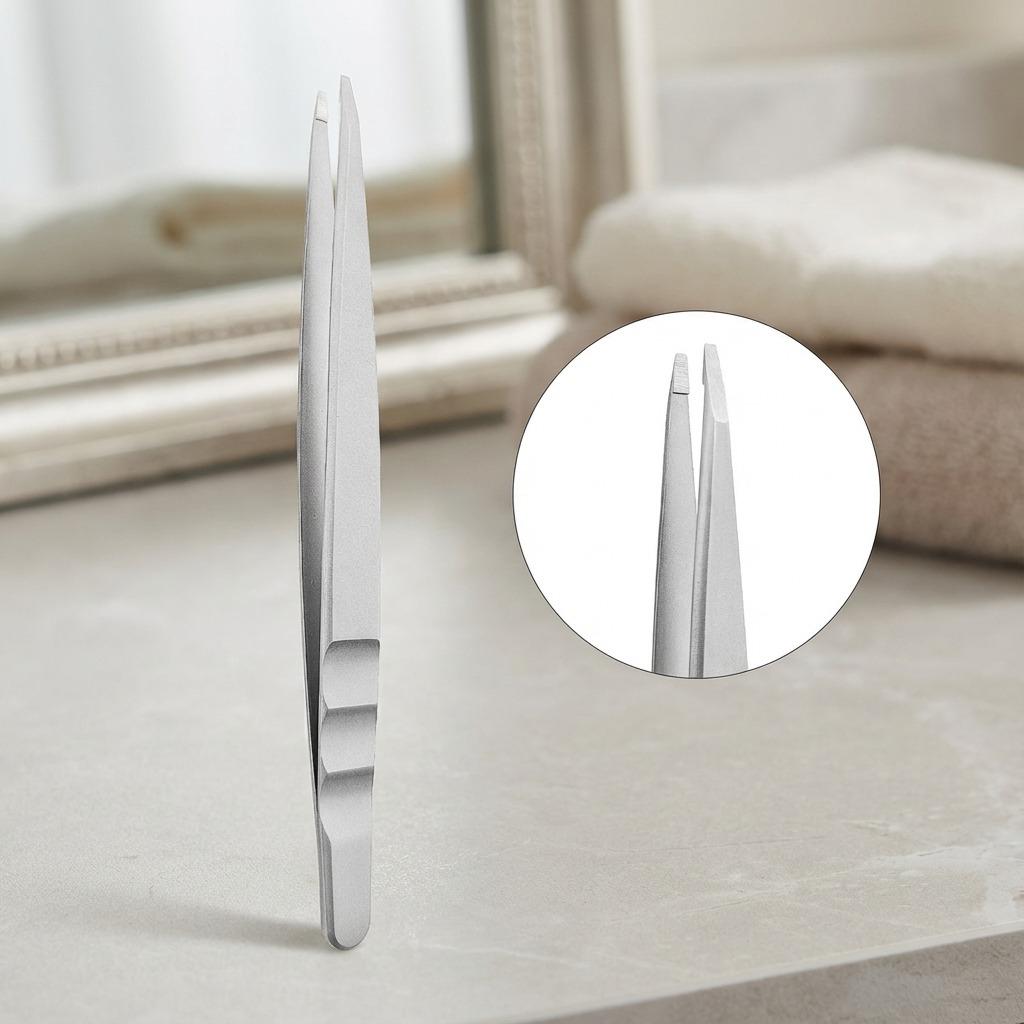
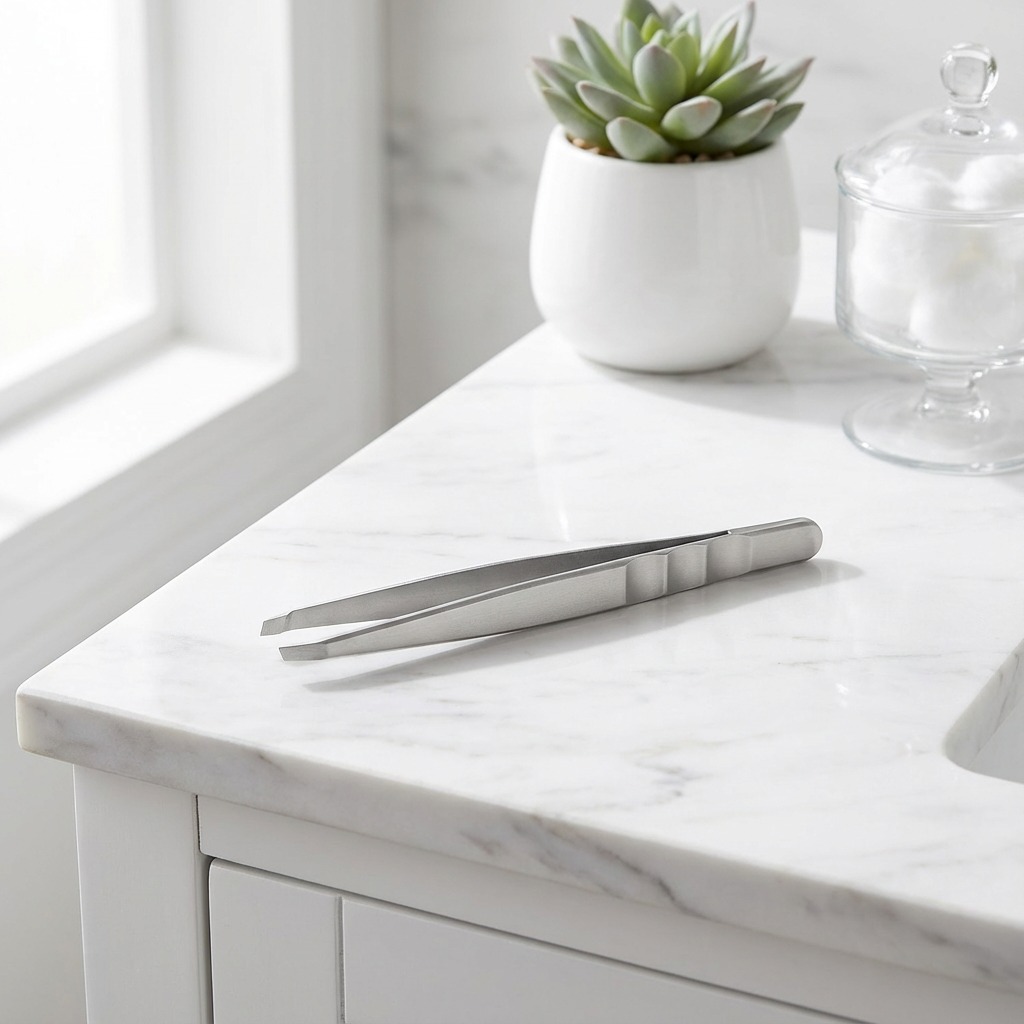
- Tip type and alignment: Slant tips are widely used for eyebrow grooming because they balance precision with a larger gripping surface. Pointed tips are better for ultra-fine work but require more careful handling. Flat and angled variations should be checked for even closure.
- Material choice: Stainless steel is valued for durability and corrosion resistance. Buyers should confirm whether the chosen material and finish are appropriate for humid bathroom storage, salon disinfection routines or travel kits.
- Grip and hand feel: A good tweezer should have controlled spring tension and a shape that is comfortable during repeated use. Surface texture, width and edge finishing affect the user experience.
- Finish consistency: Matte, polished, coated or colored finishes must be visually uniform. For personalized tweezers, the finish should also support clear logos, engraving or printing without reducing usability.
- Inspection process: The supplier should check tip closure, appearance, cleanliness and packaging condition before shipment.
- Packaging support: Retail-ready tweezers may require cards, sleeves, pouches, protective tip covers, barcode labels or gift packaging depending on the market.
OEM Custom Tweezers: Decisions to Make Before Sampling
OEM custom tweezers give beauty brands the ability to create a tool that fits a specific retail concept. Customization can include the tweezer shape, size, surface finish, color, logo position and packaging. However, successful OEM work starts with a clear brief. A vague request such as “high quality tweezers” may lead to samples that look attractive but do not match the customer’s price point, audience or usage scenario.
Start by identifying the product role. Is the tweezer a hero item sold alone, a component in an eyebrow grooming kit, an add-on in a manicure set, or a promotional product? A standalone product may justify more refined finishing and packaging. A kit component may need consistent color matching and compact dimensions. A professional channel may prioritize grip performance and durable tip alignment above decorative features.
Buyers should also decide whether the product needs a universal look or a distinctive brand identity. A clean stainless steel slant tweezer can appeal to practical everyday users, while personalized tweezers with custom color or branding can support gifting, influencer promotions or boutique retail. Olimor Beauty’s Premium Stainless Steel Slant Tweezers, referenced in this product category, reflect the market demand for practical grooming tools with reliable hand feel and a polished appearance.
Personalized Tweezers and Retail Differentiation
Personalized tweezers have become popular because they combine everyday function with visible brand identity. For beauty brands, personalization can be subtle, such as a small logo on the handle, or more expressive, such as a custom finish that matches a collection color. The important point is to keep personalization from interfering with performance. The decorative surface should not create sharp edges, uneven coating near the tips or a slippery grip.
For retail planning, think about how the personalized tweezer will be presented. A simple logo may be enough for a salon resale item. A gift-oriented version may need a protective pouch, instruction card or coordinated packaging. If the tweezer is sold online, product photos should show the tip shape clearly rather than focusing only on the color. Customers buying tweezers care about accuracy, so visual proof of the tip and grip area matters.
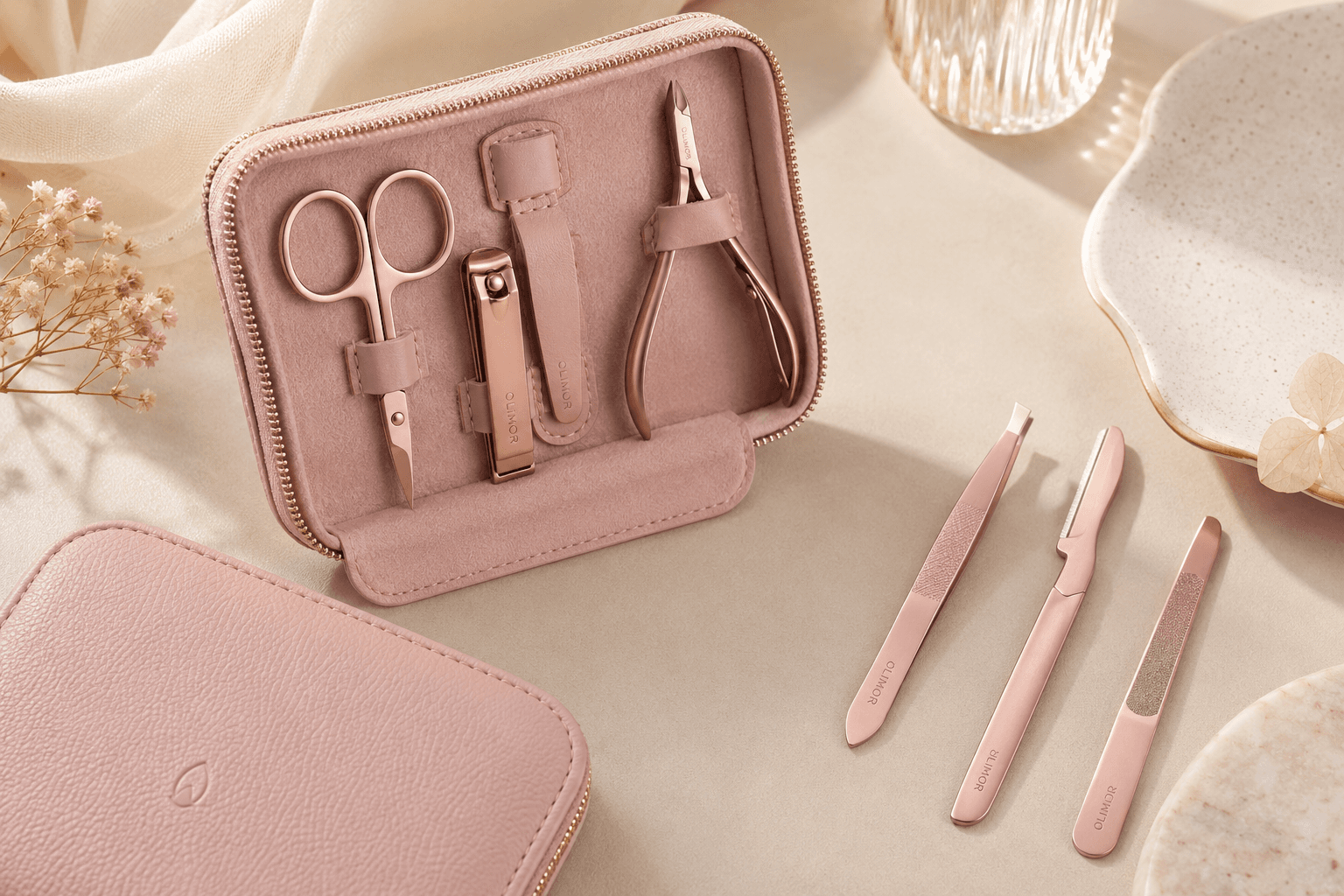
When developing a collection, it can be useful to group tweezers with related accessories. Buyers can browse Olimor product collections for broader assortment ideas and consider how grooming tools, nail tools and cosmetic accessories can support a coherent shelf presentation.
Sample Testing Checklist for Beauty Buyers
Samples should be tested in a structured way before a purchase decision. A tweezer can pass a quick visual review but fail during repeated use. Create a simple internal checklist so different team members evaluate the same points.
| Test Area | What to Check | Why It Matters |
|---|---|---|
| Tip closure | Tips meet evenly with no visible gap | Improves grip on short and fine hairs |
| Edge finish | No burrs, rough corners or overly sharp handle edges | Reduces discomfort and skin pinching risk |
| Spring tension | Comfortable resistance during repeated squeezing | Supports control and reduces hand fatigue |
| Surface finish | Uniform color, coating or polish | Protects retail appearance and brand perception |
| Logo placement | Clear branding that does not affect grip | Balances personalization with usability |
| Packaging fit | Tool is protected and does not move excessively | Helps prevent scratches and tip damage in transit |
For a more realistic review, test the sample after cleaning and normal handling. Open and close it repeatedly, check whether the tips remain aligned, and inspect the finish under good lighting. If the tweezer includes a protective cap, confirm that it stays in place without pressing the tips out of alignment.
Sourcing Questions That Reveal Manufacturing Reliability
The best sourcing conversations are specific. Instead of asking whether a manufacturer has “good quality,” ask how it controls the features that matter to your product. Useful questions include:
- What tip shapes are available for the target price range?
- How is tip alignment checked during production and before packing?
- Which finish options are suitable for stainless steel tweezers?
- What logo methods are recommended for the selected finish?
- Can packaging be adapted for retail, salon resale or kit assembly?
- How are tweezers protected from scratching or tip damage during transport?
- What sample details should be approved before bulk production?
These questions help you compare suppliers on practical capability rather than sales claims. A reliable manufacturer should guide you through trade-offs, such as the difference between a decorative coating and a more minimal finish, or the effect of packaging choices on presentation and protection.
How Olimor Beauty Supports Tweezer Buyers
Olimor Beauty focuses on beauty tools where precision, usability and appearance need to work together. For tweezers, that means paying attention to stainless steel durability, tip control, ergonomic handling and appropriate presentation for the buyer’s channel. Whether you are evaluating standard slant tweezers, OEM custom tweezers or personalized tweezers, the goal is to create a product that customers can trust after repeated use.
A thoughtful sourcing process reduces avoidable problems: tips that do not close properly, finishes that look inconsistent, packaging that fails to protect the tool, or customization that looks good in a mockup but feels awkward in the hand. By defining your audience, testing samples carefully and comparing manufacturers with clear criteria, you can select tweezers that strengthen your beauty assortment instead of becoming a low-margin complaint risk.
If you are planning a private-label tweezer, custom beauty kit or retail grooming tool update, you can send an inquiry with your product goals, preferred finish and packaging direction. For broader sourcing questions, you may also contact Olimor to discuss suitable options for your market.
Tag: