How to Evaluate Top Tweezers Manufacturers for OEM and Wholesale Sourcing
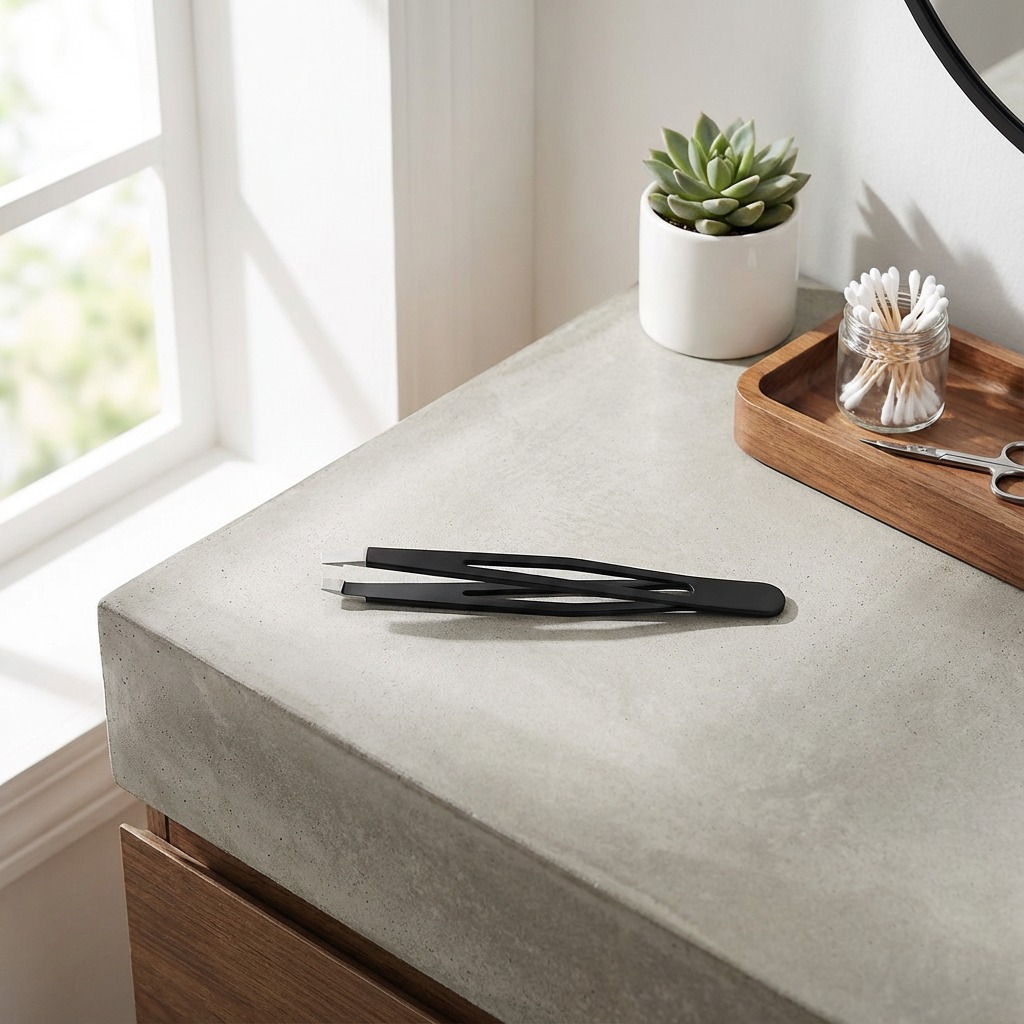
Choosing a tweezers manufacturer is not only about unit cost. For beauty retailers, salon suppliers, distributors, private-label buyers, and importers, the better question is whether the supplier can deliver consistent tip alignment, comfortable handling, clean finishing, and packaging that holds up across repeat orders. A tweezer is a small tool, but buyers and end users notice every detail: whether the tips meet evenly, whether the finish looks clean, whether the grip feels controlled, and whether the tool arrives protected. The strongest manufacturers are the ones that can repeat those details in bulk, not just in a single sample.
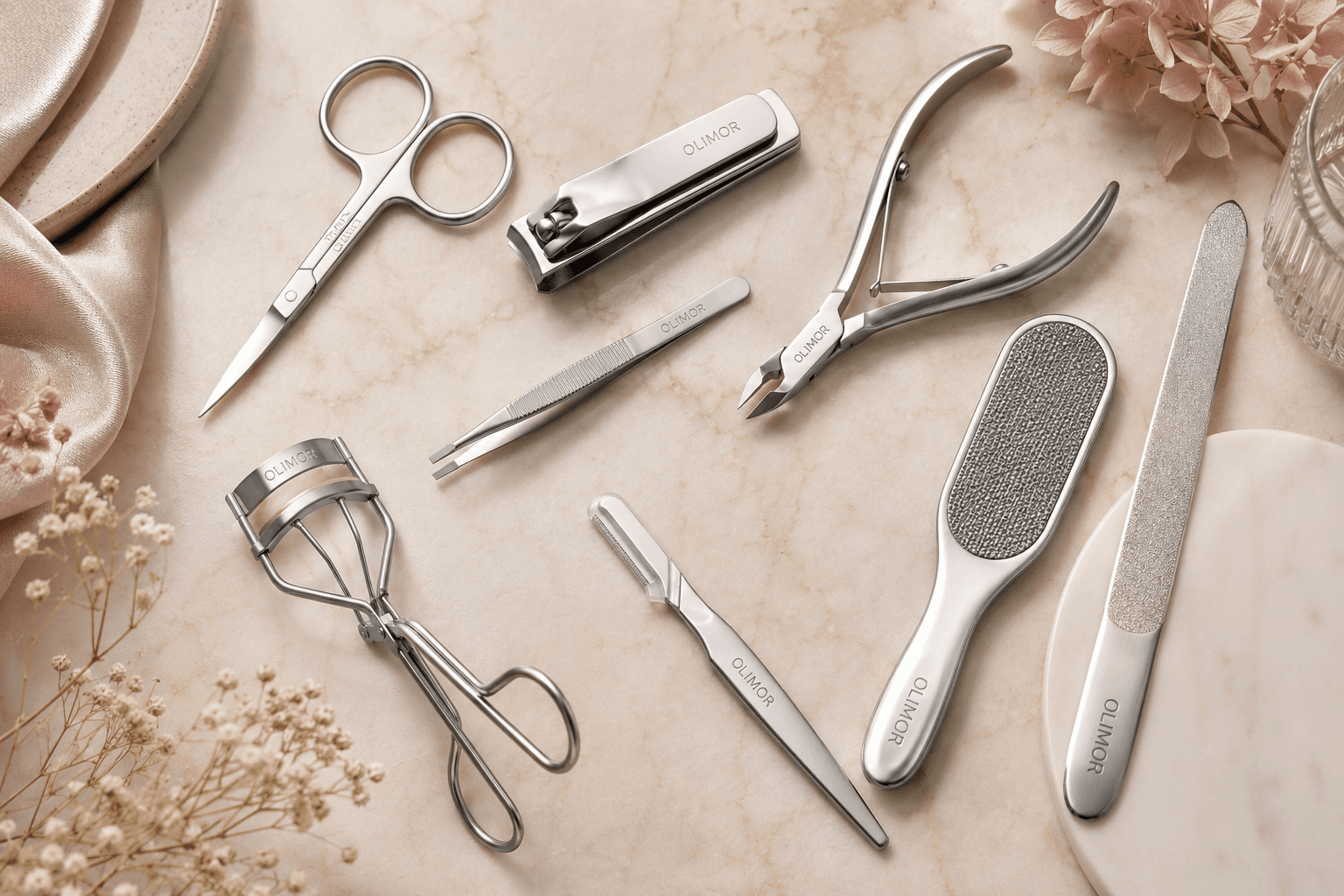
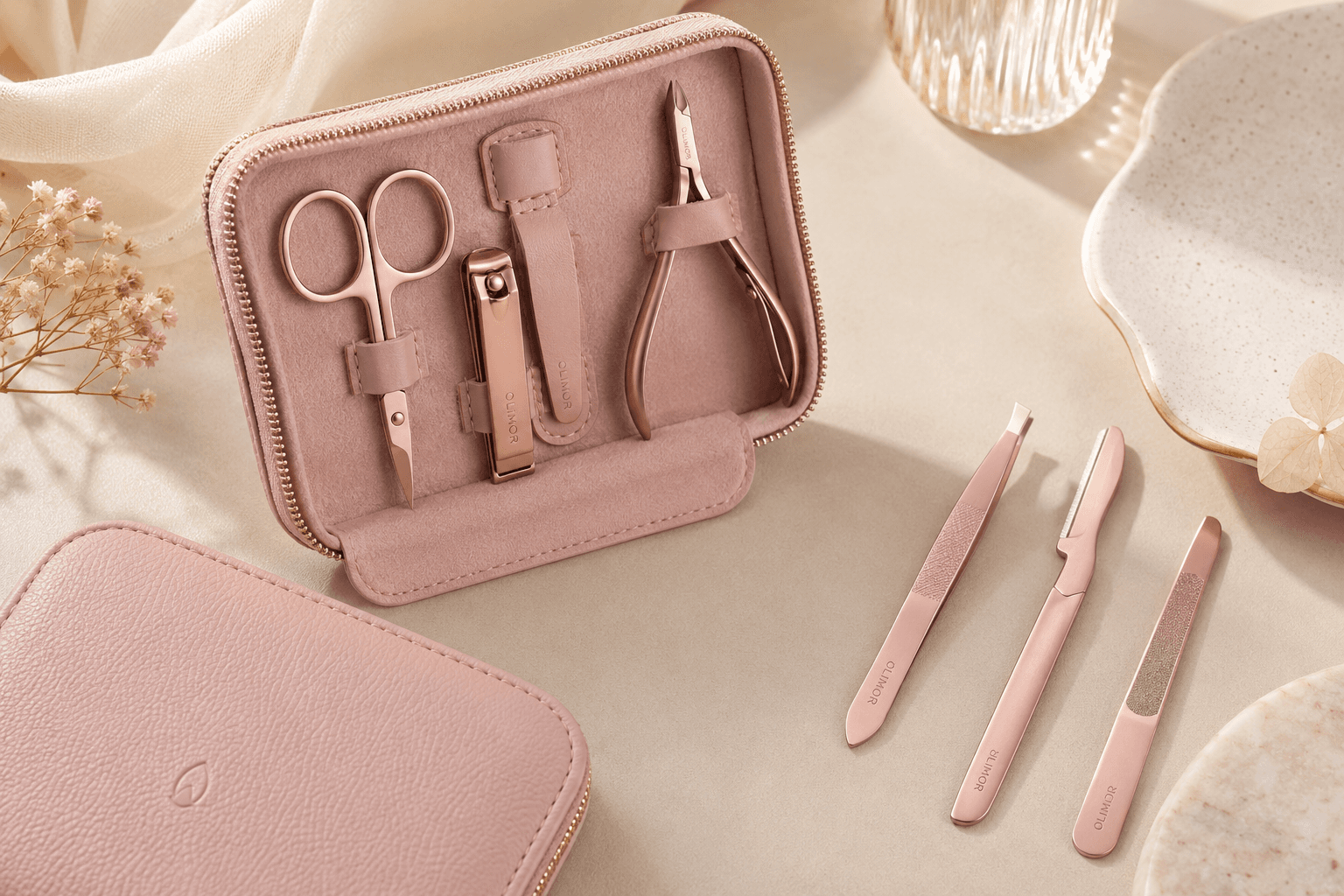
This guide explains how to compare OEM custom tweezers and international wholesale tweezers in a practical way. It focuses on eyebrow shaping, facial hair removal, grooming kits, and precision use cases, while also helping sourcing teams evaluate finish quality, inspection practices, packaging fit, and export communication. If you are building a new assortment, you can also review beauty tool products or browse the broader product collection before you prepare a sourcing brief.
What a strong tweezers manufacturer must deliver
The best tweezers manufacturers compete on repeatable precision rather than appearance alone. Two products can look similar in a catalog photo yet behave very differently in use. One may close cleanly and hold fine hair. Another may feel stiff, slip at the tips, or arrive with rough edges. That difference usually comes from the details of grinding, polishing, alignment, tension control, and inspection.
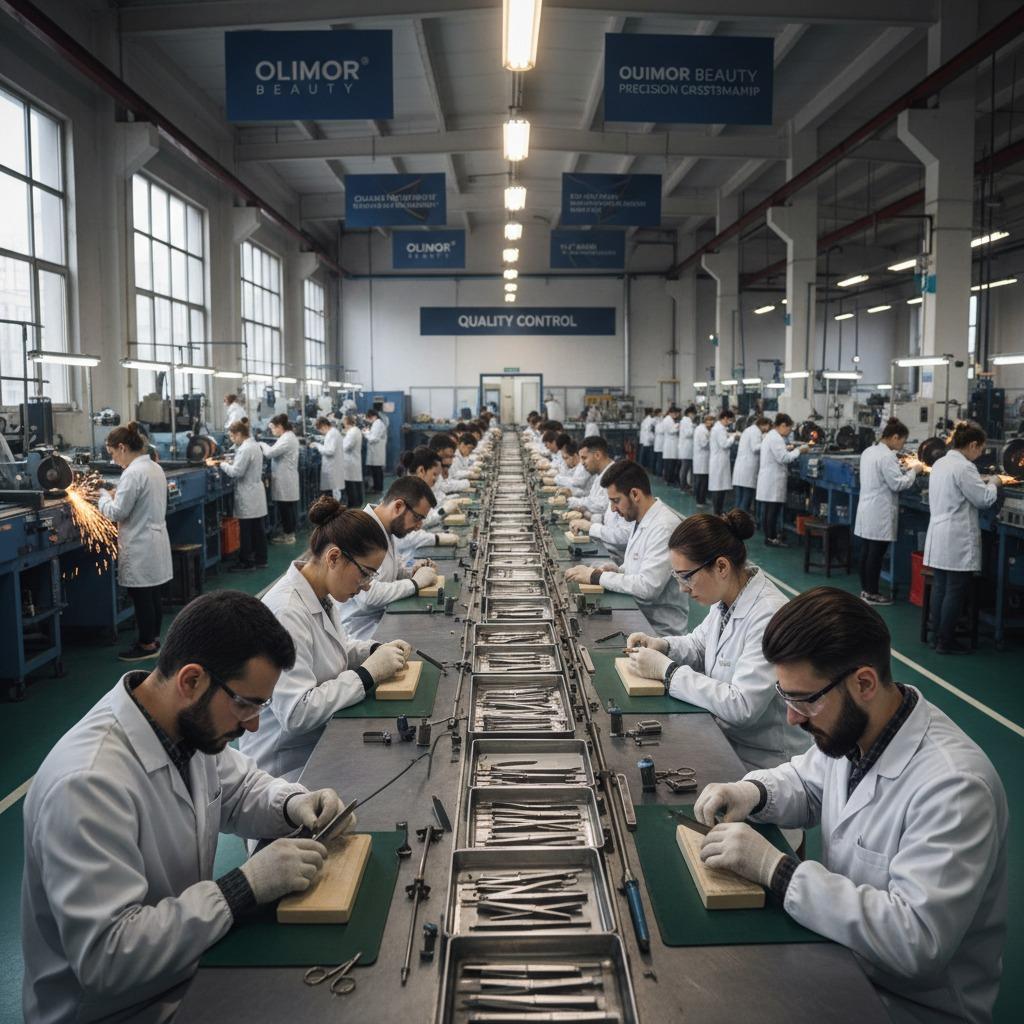
For wholesale buyers, the key issue is consistency. A single good sample is not enough if later production varies in tip contact, surface finish, or packaging. A dependable supplier should be able to explain how it checks quality during production and before packing, and how it keeps bulk goods aligned with the approved sample. That is especially important for products sold under your own brand, included in grooming kits, or displayed as retail items where appearance matters as much as function.
Tip alignment and closing point
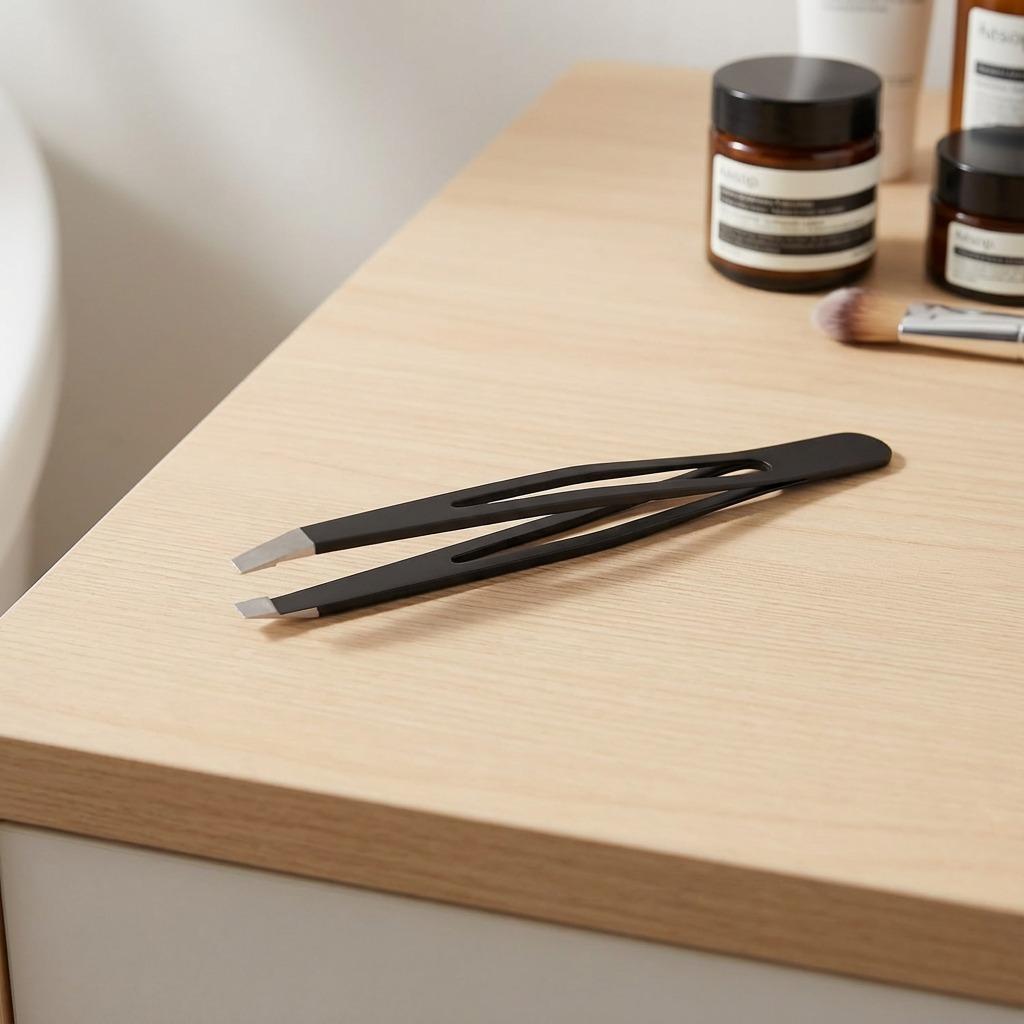
The most important quality point is the meeting point of the tips. If the tips do not close evenly, the tweezer may slip, cut hair, or require too much pressure. Slant-tip tweezers are common for eyebrow shaping because they offer a good balance of control and visibility, but the angle must still be symmetrical and well finished. Buyers should inspect the tips under good light and check whether the closing point is consistent across multiple samples from the same batch.
Spring tension and hand feel
Spring tension affects comfort and control. If the arms are too stiff, users may feel fatigue during repeated grooming. If the tension is too loose, the tool can feel imprecise. A well-made tweezer should close smoothly and return naturally without feeling weak or harsh. This matters for salon professionals who use the tool repeatedly, as well as for retail consumers who expect a simple, controlled grooming experience.
Finish quality and edge comfort
Even when tip shape is correct, a poor surface finish can reduce perceived value. Buyers often compare matte, polished, coated, and colored finishes, but the real issue is whether the finish is even and clean. Look for scratches, bubbles, stains, rough patches, discoloration, or uneven coating around the body and near the tip area. Edge comfort matters too: the functional tip must be precise, but the rest of the tool should not feel sharp, burr-prone, or uncomfortable in the hand.
OEM custom tweezers versus wholesale stock options
OEM custom tweezers give buyers more control over the finished product. You can define the tip style, finish, color direction, logo placement, and packaging format. Wholesale stock tweezers are usually easier to launch because they are based on existing production patterns, but they may offer less differentiation. The right choice depends on your sales channel, brand positioning, and order plan.
If you are building a private-label line, OEM customization can help the product match your brand story and packaging system. If you are buying for resale or distribution, standard wholesale tweezers may be a faster fit. In both cases, the product should still meet the same functional standards: clean tip contact, stable tension, comfortable handling, and packaging that protects the tool during transport and display.
- Choose OEM when you need branded packaging, a defined look, or a specific user position.
- Choose wholesale stock when you want a ready-to-sell format with simpler planning.
- Choose both when you need a core stock item plus a branded version for different channels.
Practical sample inspection checklist
Samples are essential because tweezers cannot be judged by appearance alone. A fair comparison should use the same testing method for every supplier. Keep photos, notes, and approved samples so future orders can be checked against the same reference.
| Evaluation area | What to inspect | Why it matters | Useful sourcing question |
|---|---|---|---|
| Tip alignment | Close the tweezer under light pressure and inspect whether the tips meet evenly. | Poor alignment is one of the fastest signs of weak grip performance. | How do you control tip alignment during production and final inspection? |
| Grip performance | Test on fine hair or a comparable thin fiber. | The tool should hold without repeated attempts. | Can you provide samples for practical grip testing? |
| Spring tension | Open and close the arms repeatedly. | Comfortable tension reduces fatigue and improves control. | What tension range do you target for this model? |
| Finish quality | Look for scratches, uneven coating, burrs, and discoloration. | Surface defects affect retail acceptance and perceived value. | What finish checks are done before packing? |
| Packaging fit | Check whether the tweezer sits securely in its sleeve, card, pouch, or box. | Good packaging reduces damage and improves shelf presentation. | How is the tip protected in transit? |
| Batch consistency | Compare several pieces from the same sample set. | A strong supplier delivers similar results across units and repeat orders. | How do you keep bulk production aligned with the approved sample? |
Material, finish, and handling details buyers should clarify
Stainless steel is widely used in beauty tweezers because it supports durability and a clean, professional appearance. But the material name alone is not enough. Buyers should also ask about the grinding, polishing, and inspection process because those steps shape the final user experience. A supplier may describe a tweezer as stainless steel, but poor finishing can still leave rough edges, weak alignment, or inconsistent closure.
Finish choice affects both function and branding. A matte finish can reduce glare and create a modern look, while polished surfaces can feel more traditional and visually bright. Colored or coated finishes may suit retail lines, gift sets, or seasonal ranges, but they should still be even and durable in appearance. If your product is black, review how the color looks on curved surfaces, around the handle, and near the tip zone, because small variations are easy to notice in online photos and retail displays.
Some buyers also prefer a contoured or textured grip for more control. That can be helpful in salon environments and for detailed grooming use. The grip should support control without making the tool awkward or bulky. A good supplier will be able to explain how the design supports the intended use, whether the focus is brow shaping, fine hair removal, or general grooming.
How to assess China tweezers exporters
China tweezers exporters play an important role in global beauty-tool supply because they often support scalable production, different finishes, and packaging options for retail and wholesale programs. For importers, the advantage is not only supply scale. It is also the ability to coordinate product development, packaging, repeat ordering, and export communication through one channel.
That said, buyers should evaluate exporters by evidence rather than by location alone. Ask how the supplier handles sample confirmation, what inspection steps are used, what packaging formats are available, and how production updates are communicated. A supplier that responds clearly to small questions is often easier to work with on a detailed product like a tweezer, where small changes in tip contact or finish can affect the whole order.
Before you send an inquiry, prepare reference images, your target sales channel, preferred finish, packaging idea, and the intended use case. That helps the discussion move beyond general pricing and into the practical details that affect customer satisfaction. If you are ready to define those requirements, you can send a sourcing inquiry or contact the Olimor team for a focused discussion.
Questions to ask before you shortlist a supplier
Good sourcing conversations should cover both product and business fit. A supplier may be suitable for standard bulk items but less flexible on branding, while another may support custom packaging but need a longer preparation cycle. The right partner is the one whose process matches your channel and reorder plan.
- What tweezer type is best for the intended use: slant tip, pointed tip, flat tip, or another format?
- What finish is most appropriate for the target market and sales channel?
- How is logo placement handled so it does not interfere with grip or comfort?
- What packaging options protect the tip and support retail display or kit assembly?
- How are in-process checks and final inspections carried out?
- How do sample units compare with bulk production?
- What documents are available for the buyer’s market requirements?
If your market requires documentation tied to the applicable version of ISO 9001 or local import and labeling rules, verify the exact version and ask for the supplier’s supporting records. Do not assume a general quality statement is enough. Ask for the paperwork that matches your channel, country, and purchasing requirements.
How to compare suppliers without relying on claims alone
Supplier claims are easy to write and harder to prove. A structured comparison makes sourcing decisions more reliable. Record the same observations for every manufacturer: tip alignment, grip performance, tension, finish quality, packaging protection, and batch consistency. Compare several units from each sample set whenever possible. One excellent piece does not prove production stability.
It also helps to keep a controlled reference sample. When reorders arrive, compare them against the approved piece for shape, closure, finish, and packaging. This simple habit reduces misunderstandings and helps maintain consistency over time. For brands selling under private label, that consistency protects customer confidence as well as internal sourcing efficiency.
Working with Olimor on a tweezer project
Olimor Beauty focuses on beauty tools for buyers who care about precision, usability, and clear presentation in wholesale supply. If you are planning OEM custom tweezers or a wholesale assortment, the most useful next step is to define your use case, finish preference, and packaging needs before requesting samples. You can review current beauty tool products, explore the broader product collection, or start a direct discussion through the inquiry page.
A clear brief saves time and helps the supplier evaluate whether the project is a fit. It also makes it easier to judge samples fairly, because everyone is working from the same expectations. If you prefer a direct conversation, use the contact page to share your target product direction and sourcing priorities.
FAQ
What should I check first in a tweezer sample?
Check tip alignment and closing contact first. If the tips do not meet evenly, the tweezer is unlikely to grip cleanly, even if the finish looks good.
Can I request logo and packaging customization?
Yes, OEM buyers commonly discuss logo placement, color direction, sleeves, retail cards, pouches, or boxed formats. The key is to keep branding clear without affecting grip or tip protection.
How do I compare several manufacturers fairly?
Use the same test method for every sample, then compare tip performance, tension, finish, packaging fit, and repeat consistency. Keep photos and notes so later decisions are easier.
What should I ask about MOQ and lead time?
Ask the supplier to explain its standard order structure, sample process, and production schedule for your specific design. Avoid assuming that every factory has the same terms.
Do I need quality documents before ordering?
If your market requires paperwork, ask for the supplier’s inspection records and any documents tied to the applicable version of ISO 9001 or local import and labeling rules. Verify the exact version and supporting files before approval.
Tag: