How to Choose a Top Tweezer Manufacturer for OEM Beauty Tools
Searching for the top 10 tweezers manufacturers usually means you are not looking for a single pair of tweezers. You are likely comparing suppliers for a beauty brand, salon line, private label program, promotional set, or retail-ready grooming tool. In that situation, the best manufacturer is not simply the one with the most attractive product photo. It is the one that can turn your specification into a consistent tool: aligned tips, reliable tension, a comfortable grip, suitable packaging, and repeatable quality from one batch to the next.
For buyers evaluating OEM custom tweezers, this guide explains what to compare, which questions matter, and how to prepare a practical brief before requesting samples. Olimor Beauty works in the beauty-tools category, and the same evaluation logic applies whether you are reviewing an existing tweezer design or planning to design your own tweezers for a specific audience.
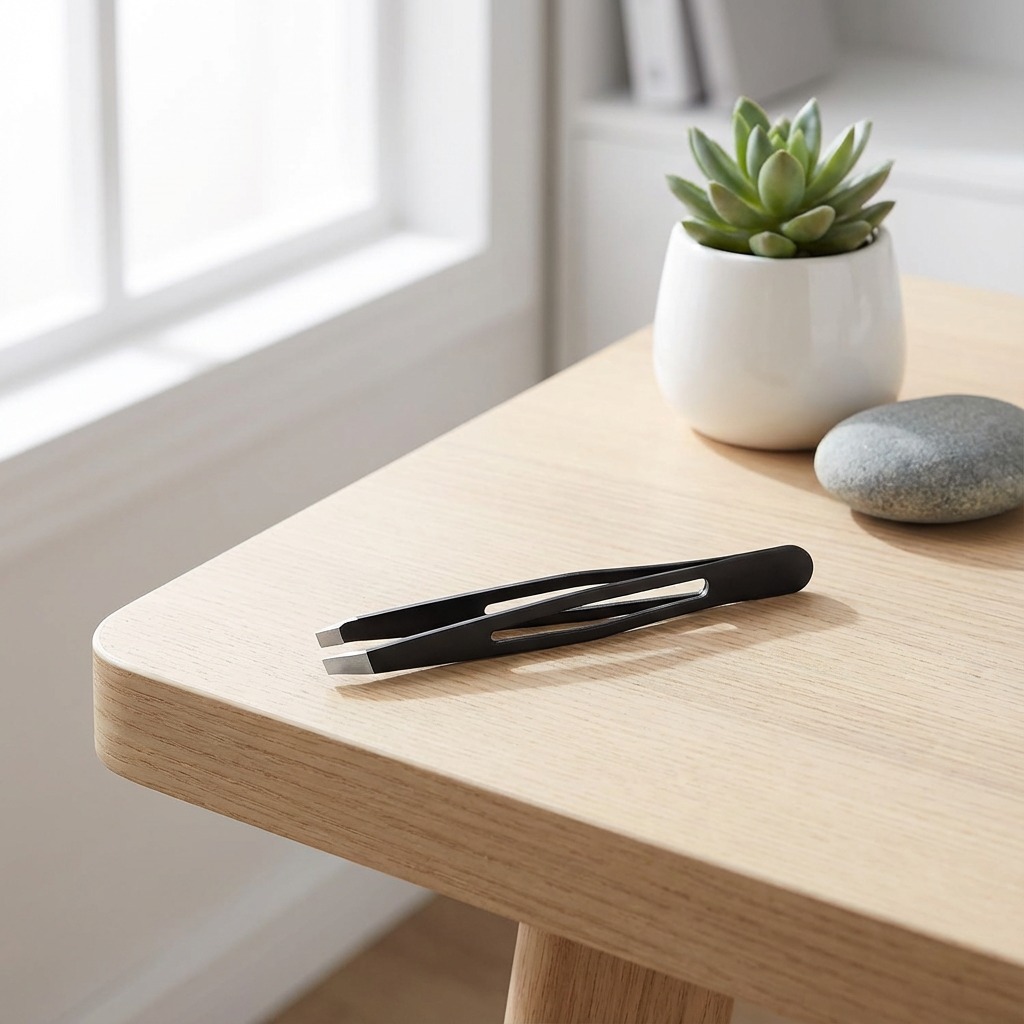
What “Top 10 Tweezers Manufacturers” Should Mean to a Buyer
Many search results use the phrase “top 10” as a shortcut for popularity, but sourcing decisions need a more useful definition. A strong tweezer manufacturer should be judged by how well it controls the details that affect real use. A tweezer may look simple, yet its performance depends on small tolerances: whether the tips meet evenly, whether the edges grip fine hair without cutting it, whether the arms flex smoothly, and whether the finish holds up through handling and cleaning.
Instead of ranking suppliers by name recognition alone, compare manufacturers against your intended product position. A brow studio may prioritize ultra-precise slanted tips and a professional matte finish. A travel grooming kit may need a compact size and protective packaging. A mass retail line may focus on durable construction, consistent appearance, and clear consumer instructions. The right supplier is the one that understands the use case and can support it with practical production controls.
Tip Precision, Alignment, and Grip Are the Core Quality Tests
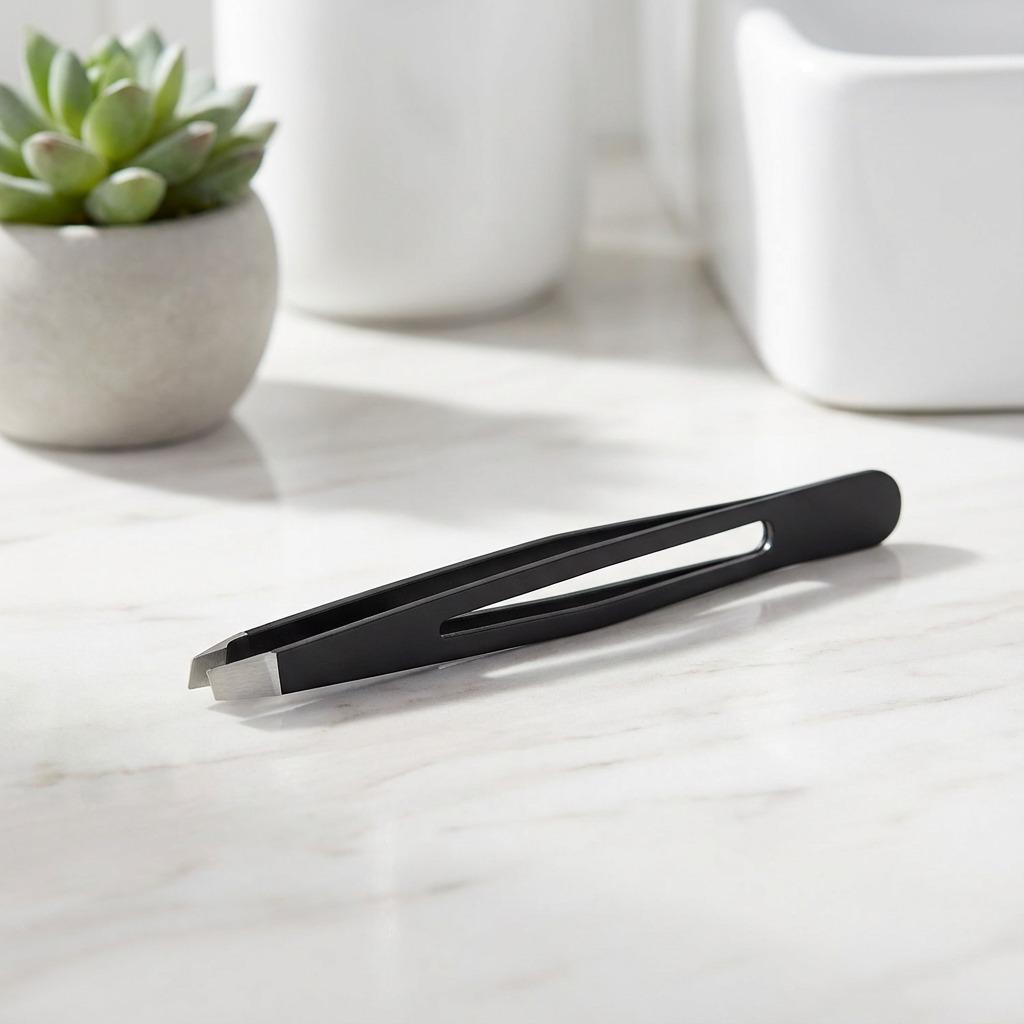
The working end of a tweezer determines most of the user experience. Slanted tips are popular for eyebrow shaping because they provide control across both broad and targeted plucking. Pointed tips are better suited to very fine tasks but may require more careful handling. Flat tips can be useful for certain grooming or cosmetic applications, though they are less versatile for brow work.
When comparing samples from different manufacturers, test more than appearance. Open and close the tweezer several times. The arms should feel balanced, not loose or overly stiff. Check whether the tips meet at the same point along the edge, not just at one corner. Try gripping very fine hair or a thin fiber to see whether the tweezer holds securely without slipping. If a sample cannot perform consistently during a simple test, it is unlikely to perform better after branding and packaging.
- Alignment: tips should meet evenly and close without visible gaps.
- Tension: pressure should be firm enough for control but comfortable for repeated use.
- Edge finish: the gripping surface should be precise, not rough or uneven.
- Handle feel: the body should sit securely in the fingers, especially for professional users.
- Finish consistency: color, coating, and surface texture should remain consistent across samples.
OEM Custom Tweezers: Decisions to Make Before Sampling
OEM custom tweezers can support a brand’s visual identity, but customization should not begin with color alone. Start by defining the user, the channel, and the main task. A tweezer sold in a brow-care set may need different priorities from one included in a general manicure kit. If your customer is a professional, comfort during repeated use becomes important. If your product is for gifting or travel, packaging and portability may matter more.
Olimor Beauty’s existing tweezer work includes stainless steel tweezers, ergonomic considerations such as grip-focused body details, and options such as matte finishes and slanted tips as described in current product materials. A named example from the product line is Tweezer Plus. When evaluating any base design, treat it as a starting point: confirm the shape, finish, logo placement, package format, and intended quality level before moving to approval samples.
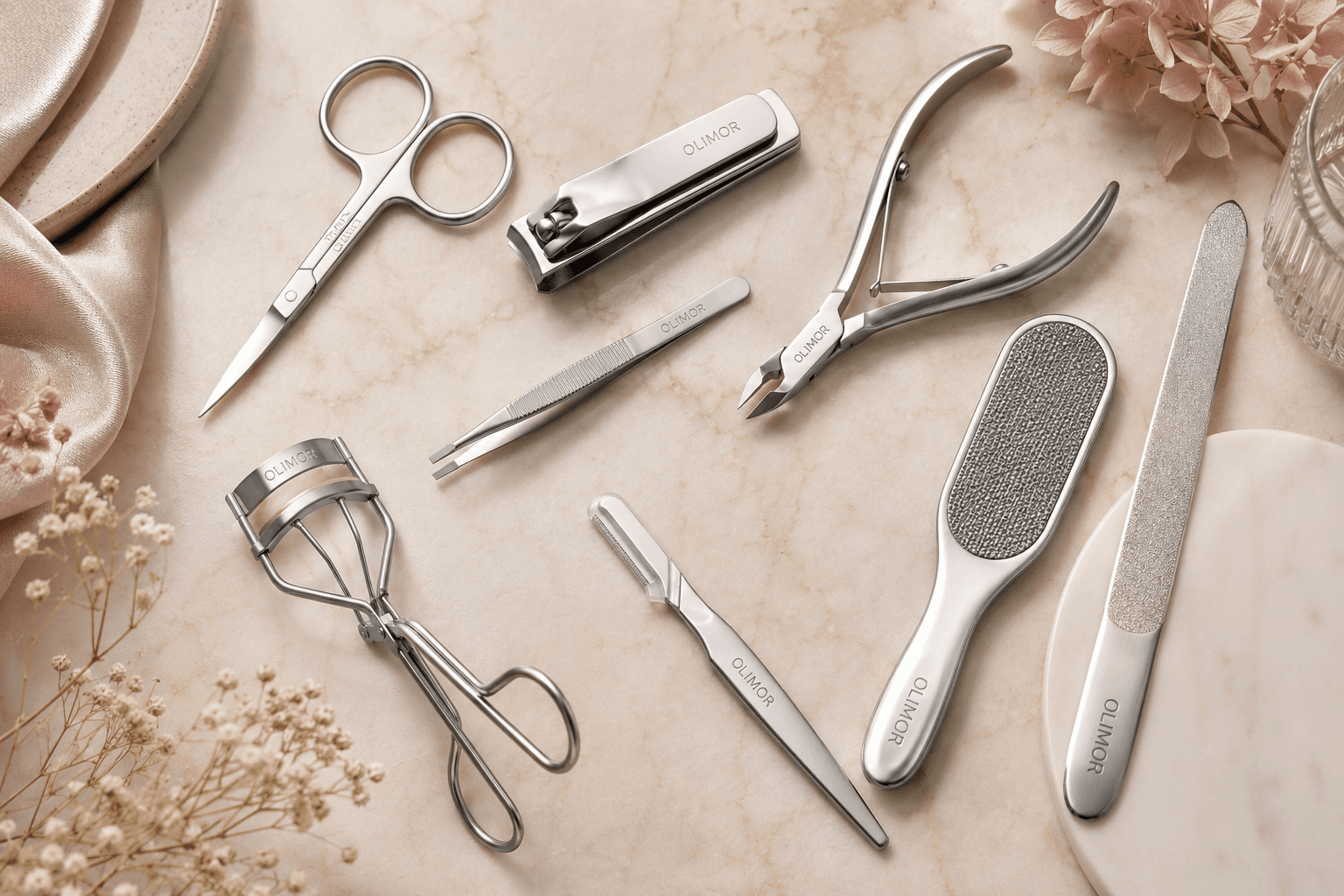
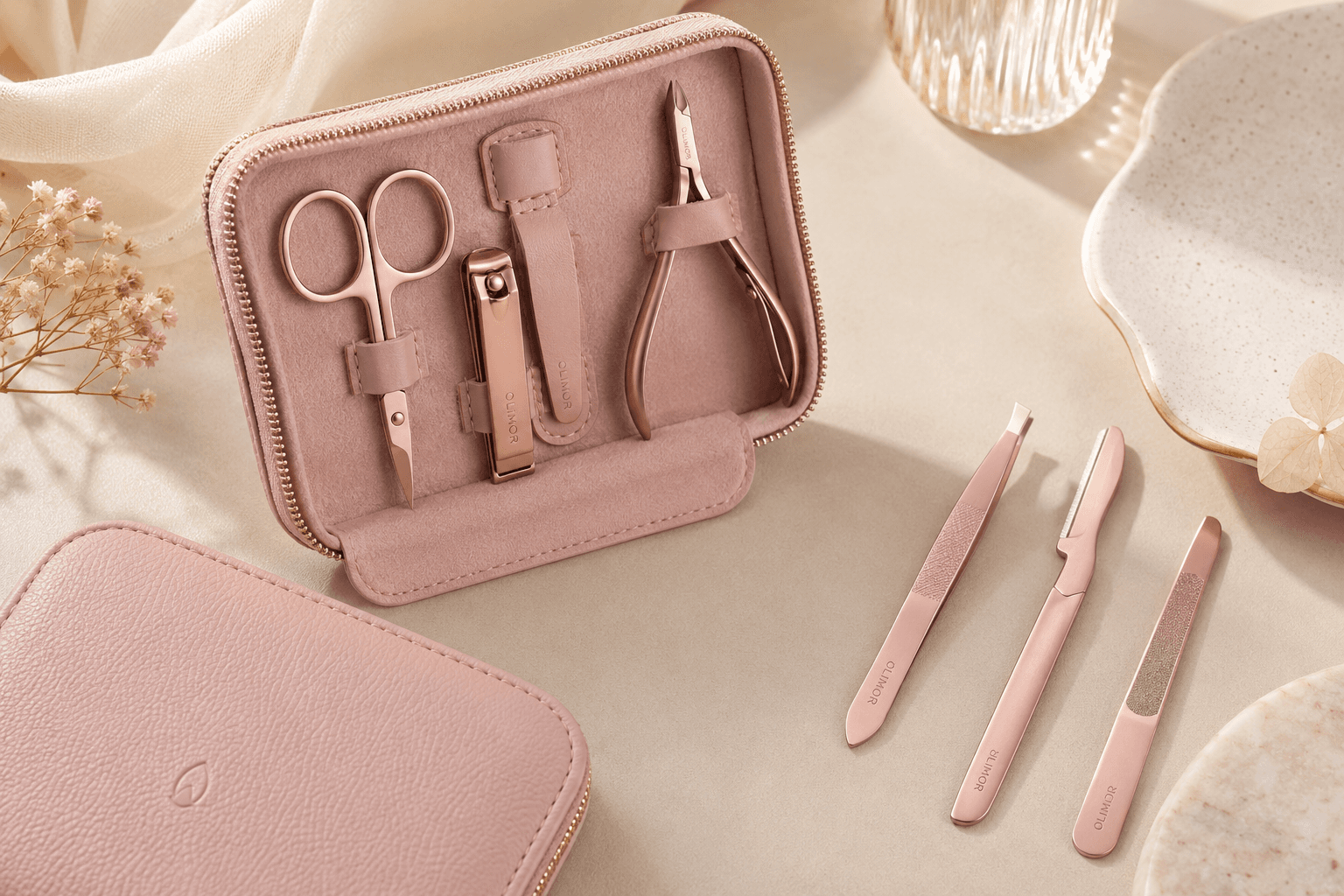
Buyers who are still exploring the full category can review Olimor beauty tool products to understand how tweezers may fit beside other grooming and cosmetic tools. If you are building a coordinated retail range, Olimor product collections may also help you think through product families rather than single items.
Useful Comparison Criteria for Shortlisting Manufacturers
A practical shortlist should combine product performance with communication and production readiness. The table below gives a simple framework for comparing several suppliers without being distracted by catalog images alone.
| Evaluation area | What to check | Why it matters |
|---|---|---|
| Sample performance | Tip alignment, grip, tension, comfort, and finish | Shows whether the tool works before branding or packaging is added |
| Material and finish options | Stainless steel options, surface texture, color, and coating choices | Connects product durability with the intended retail appearance |
| Customization support | Logo method, packaging format, tip shape, handle design, and sample process | Determines whether the supplier can match your brand brief |
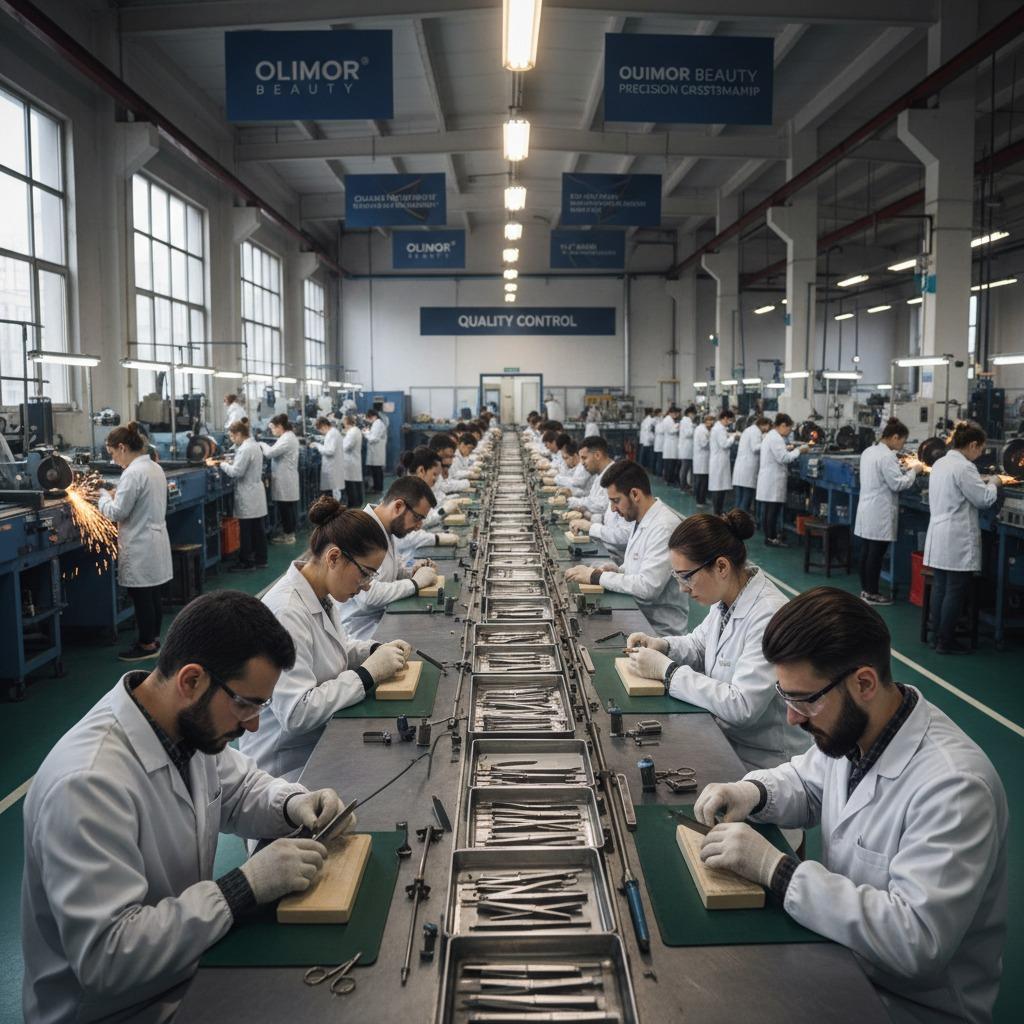
| Quality checks | Inspection points for raw materials, tip finishing, assembly, and final packing | Helps reduce variation across production batches |
| Communication | Clear drawings, confirmed specifications, sample feedback, and change records | Prevents misunderstandings before bulk production |
How to Design Your Own Tweezers Without Overcomplicating the Product
Designing your own tweezers does not always require an entirely new structure. In many cases, a proven base design with thoughtful adjustments is more reliable than an untested shape. Begin with the functional requirements: slanted, pointed, or flat tip; expected grip strength; handle width; length; and target user. Then move to appearance: matte or polished finish, logo placement, color direction, and packaging.
For beauty brands, the temptation is to make the tweezer visually distinctive first. That can work only if the working geometry remains precise. A tweezer with an unusual handle shape but poor tip closure will create returns and poor reviews. A simpler product with excellent alignment, comfortable tension, and clean finishing is often the stronger long-term choice.
- Define the main use: brow shaping, general grooming, travel kit, professional salon use, or gift set.
- Select the tip type and confirm the expected precision level through samples.
- Choose the finish and surface feel based on handling, cleaning, and brand appearance.
- Confirm logo size and placement so branding does not interfere with grip.
- Review packaging early, especially if the tweezer will be sold as part of a set.
- Approve a final sample that reflects both performance and appearance before production.
Maintenance and End-User Guidance Add Value to the Finished Tool
A good manufacturer can help produce the tool, but brands also improve customer satisfaction by giving clear care instructions. Tweezers should be kept clean and dry after use. The tips should be protected from drops because even a small impact can affect alignment. If the product is included in a kit, a sleeve, cap, or secure tray can help protect the working edge during transport.
For retail products, include concise instructions that explain how to use the tweezer safely and how to clean it after use. Avoid exaggerated claims. Focus on practical guidance: use on clean skin, grip hair close to the root, pull in the direction of growth where appropriate, and store the tweezer with the tips protected. These details are small, but they make the product feel more professional and reduce misuse.
Preparing a Clear Inquiry for Faster Supplier Feedback
When you are ready to compare manufacturers, a clear inquiry saves time. Include your target market, approximate product concept, tip preference, finish preference, logo needs, packaging idea, and any sample expectations. If you already have a reference sample, describe what you like and what you want to change. If you are unsure, explain the user and sales channel so the supplier can recommend a practical direction.
For Olimor Beauty support, you can send an inquiry with your tweezer project details or contact Olimor to discuss suitable beauty-tool options. The strongest results usually come from a specific brief, honest sample testing, and a shared understanding of what quality means for the final customer.
Choosing from the top tweezers manufacturers is ultimately about control: control of tip precision, surface finishing, customization, packaging, and inspection. With a structured comparison process, you can move beyond generic supplier lists and select a manufacturing partner that supports a reliable, brand-ready beauty tool.
Tag: