How to Compare Top Tweezers Manufacturers for Precision, OEM and Wholesale Buying
Searching for the top 10 tweezers manufacturers is usually not just about finding a list of factory names. For beauty brands, distributors, salons and retail buyers, the real goal is to identify a manufacturer that can deliver consistent grip, clean tip alignment, comfortable handling and reliable order execution. Tweezers may look simple, but small differences in material selection, tip finishing, tension, polishing and packaging can strongly affect the user experience.
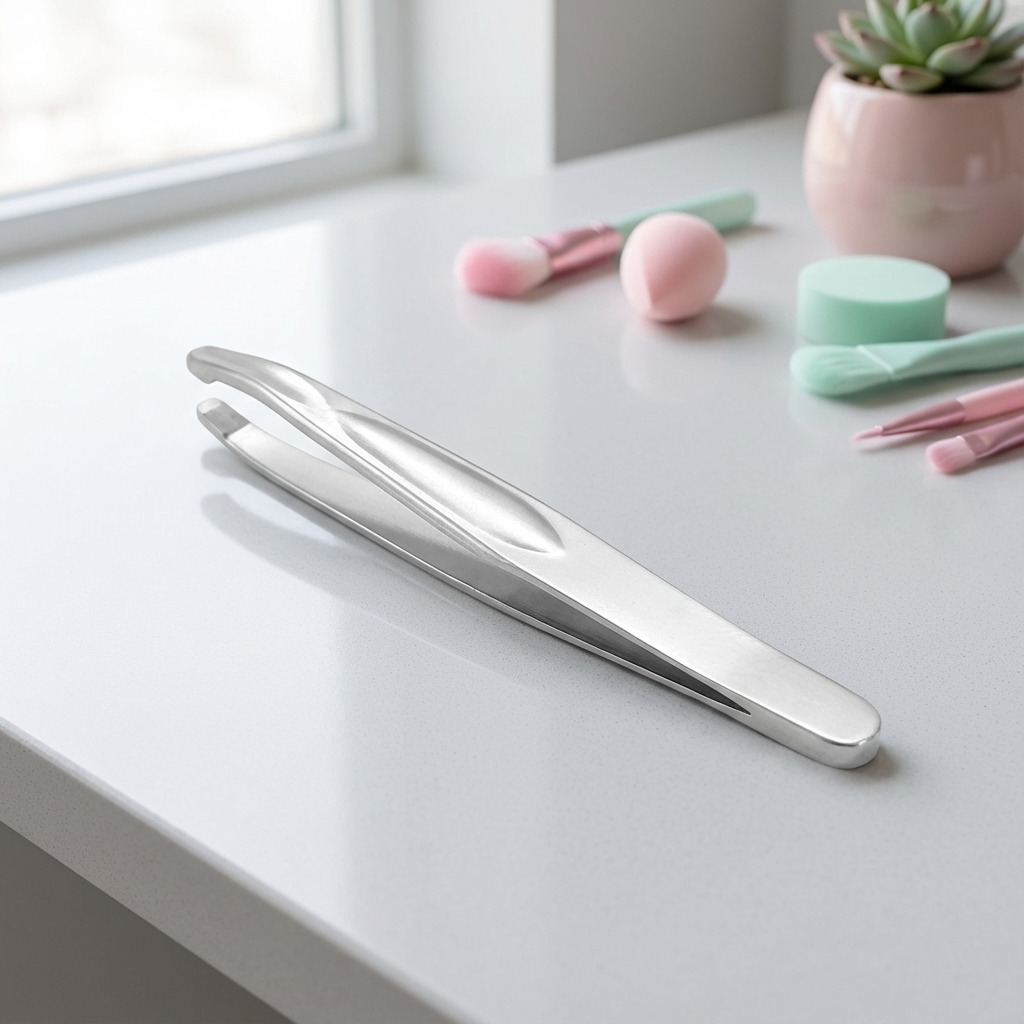
This guide explains how to evaluate tweezers manufacturers with a practical sourcing mindset. It is written for buyers comparing OEM custom tweezers, international wholesale tweezers and private-label beauty tools. Olimor Beauty manufactures beauty tools for grooming and personal care buyers, and the same evaluation principles apply whether you are building a small curated line or adding tweezers to a wider assortment of beauty tool products.
What Makes a Tweezers Manufacturer Worth Shortlisting?
A strong tweezers manufacturer should understand both production accuracy and how the tool feels in the hand. The most important part of a tweezer is not its appearance; it is the meeting point of the tips. If the tips do not close evenly, users may cut hair, miss hair or apply unnecessary pressure. For brow shaping and facial hair removal, this can create frustration even when the overall tool looks attractive.
When comparing manufacturers, look beyond catalogue photos. A reliable supplier should be able to discuss the intended use of each tweezer shape, such as slant tips for brow work, pointed tips for very fine gripping tasks or broader tips for general grooming. They should also understand finish choices, grip feel and packaging expectations for different sales channels.
Useful signs of a capable manufacturer include clear product categorization, a willingness to review details before sampling, and a quality process that checks alignment, surface finish and packaging condition before shipment. The original product information for Olimor Beauty highlights stainless steel construction, ergonomic design, internal quality control, flawless tip alignment and a lightweight yet robust feel. Those are the kinds of criteria buyers should examine when creating a shortlist.
Key Criteria for OEM Custom Tweezers
OEM custom tweezers allow a brand to adapt a grooming tool to its customer segment, price position and retail presentation. Customization can be helpful, but it should be managed carefully. Too many cosmetic changes without attention to performance may create a product that looks different but does not grip well. The strongest OEM projects begin with the user need: brow shaping, precise hair removal, salon use, travel kits, gift sets or everyday personal care.
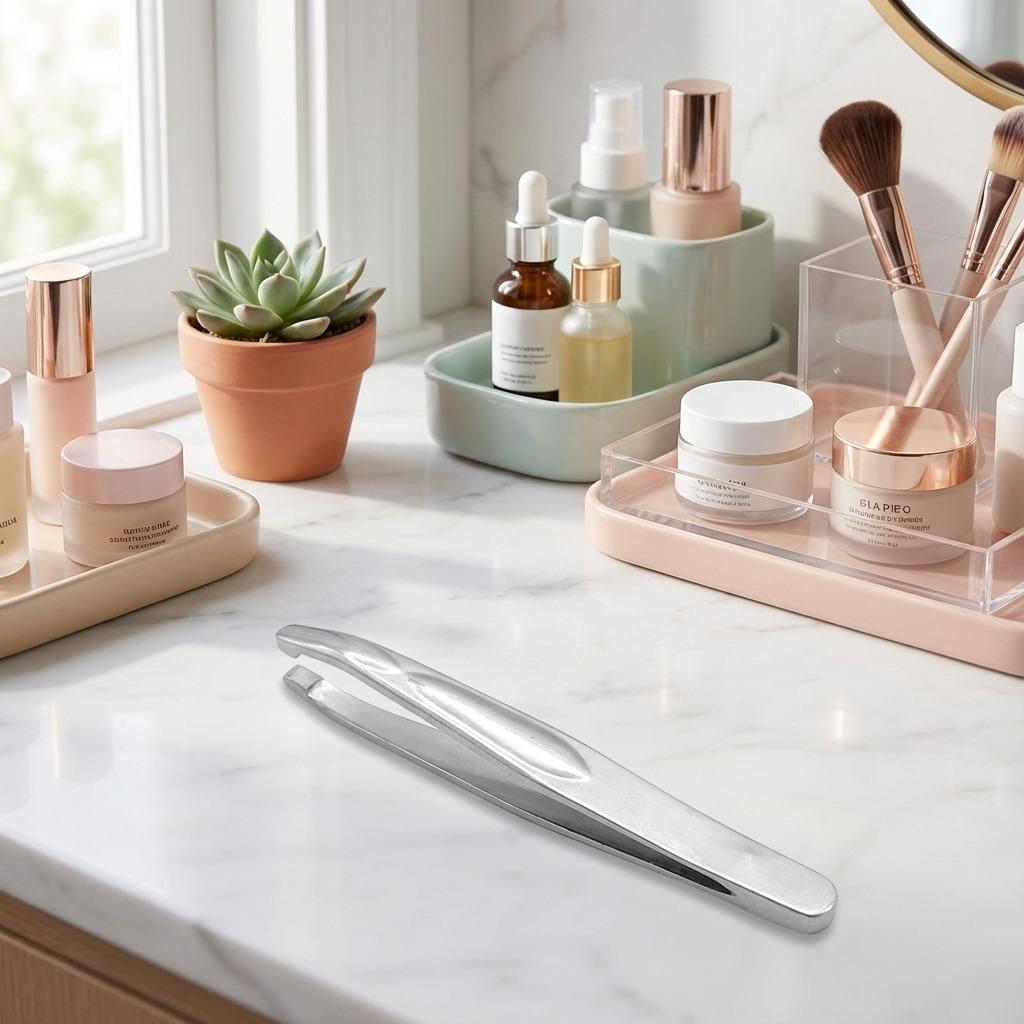
Before moving into artwork or packaging, define the functional requirements. The manufacturer should know which tweezer shape is suitable for the target use, what kind of hand feel is preferred, and how the finish should support the selling channel. A lustrous finish can support a beauty retail presentation, while a simpler finish may be more appropriate for value-oriented wholesale programs. The supplied product information mentions the Sleek Silver Precision Tweezers, described with a smooth metallic sheen and gentle curvature for control on facial contours. That example shows how form, finish and usability work together.
- Tip type: Confirm whether the product needs slant, pointed, flat or specialty tips based on the intended use.
- Tip alignment: Check that both sides meet evenly from the first sample, not only after repeated adjustment.
- Tension: The tweezer should close firmly without requiring excessive hand pressure.
- Surface finish: Review polish, coating, color consistency and resistance to visible scratches during handling.
- Branding method: Consider how the logo will appear on a small, curved or polished surface.
- Packaging fit: Make sure the tweezer is protected from tip damage and presented clearly for retail display.
For OEM discussions with Olimor Beauty, buyers can start with application, target market and preferred packaging direction, then send an inquiry with reference details. This keeps the early conversation focused on manufacturable choices rather than vague design ideas.
International Wholesale Tweezers: What Buyers Should Check
International wholesale tweezers require consistency across larger quantities. A single excellent sample is not enough. Retailers and distributors need products that remain stable from carton to carton, because customer reviews often reflect the weakest units in a batch. For wholesale sourcing, the buyer’s focus should shift from one perfect sample to repeatable production and careful packing.
Wholesale buyers should evaluate whether the manufacturer can maintain consistent tip closure, tension and finish across the order. The packaging also matters: poorly protected tips may become misaligned during transport, even if the tweezers left production in good condition. For cross-border distribution, cartons, inner packing and product labeling should support the buyer’s receiving process and sales channel requirements.
| Buying factor | Why it matters | What to review before ordering |
|---|---|---|
| Tip precision | Determines whether the tweezer grips fine hair cleanly. | Sample closure, alignment under light and performance on fine fibers. |
| Hand feel | Affects comfort for brow shaping and repeated salon use. | Weight, curvature, tension and grip stability. |
| Material and finish | Influences durability, appearance and customer perception. | Stainless steel option, polish quality and surface consistency. |
| Packaging protection | Prevents tip damage during storage and shipping. | Tip guards, trays, cards, pouches or other protective formats. |
| Order consistency | Reduces complaints across retail or distributor channels. | Inspection steps, approved sample reference and packaging checks. |
Material, Tip Geometry and Ergonomics Matter More Than Claims
Many product pages use words such as premium, professional or precision, but buyers should translate those claims into visible and testable features. Stainless steel construction, mentioned in the supplied product information, is a common choice for durable grooming tools. However, buyers should still examine the finish, edge smoothness and spring tension because material alone does not guarantee a good tweezer.
Tip geometry is especially important. A slant tip must have a clean, even edge and a closing surface that contacts correctly. A pointed tip must be fine enough for precision work without feeling unsafe or fragile in ordinary handling. Flat tips need broad contact but should not feel blunt or difficult to control. The best choice depends on the use case, not on one universal design.
Ergonomics also deserve attention. A tweezer that is too stiff may tire the hand. A tweezer that is too soft may not grip reliably. Curvature can help the tool sit naturally against facial contours, while a lightweight but robust body can make it suitable for everyday grooming bags, salon stations and retail beauty kits. When evaluating samples, several people should test the tool, because hand strength and grip preference vary.
Quality Control Questions for Tweezers Sourcing
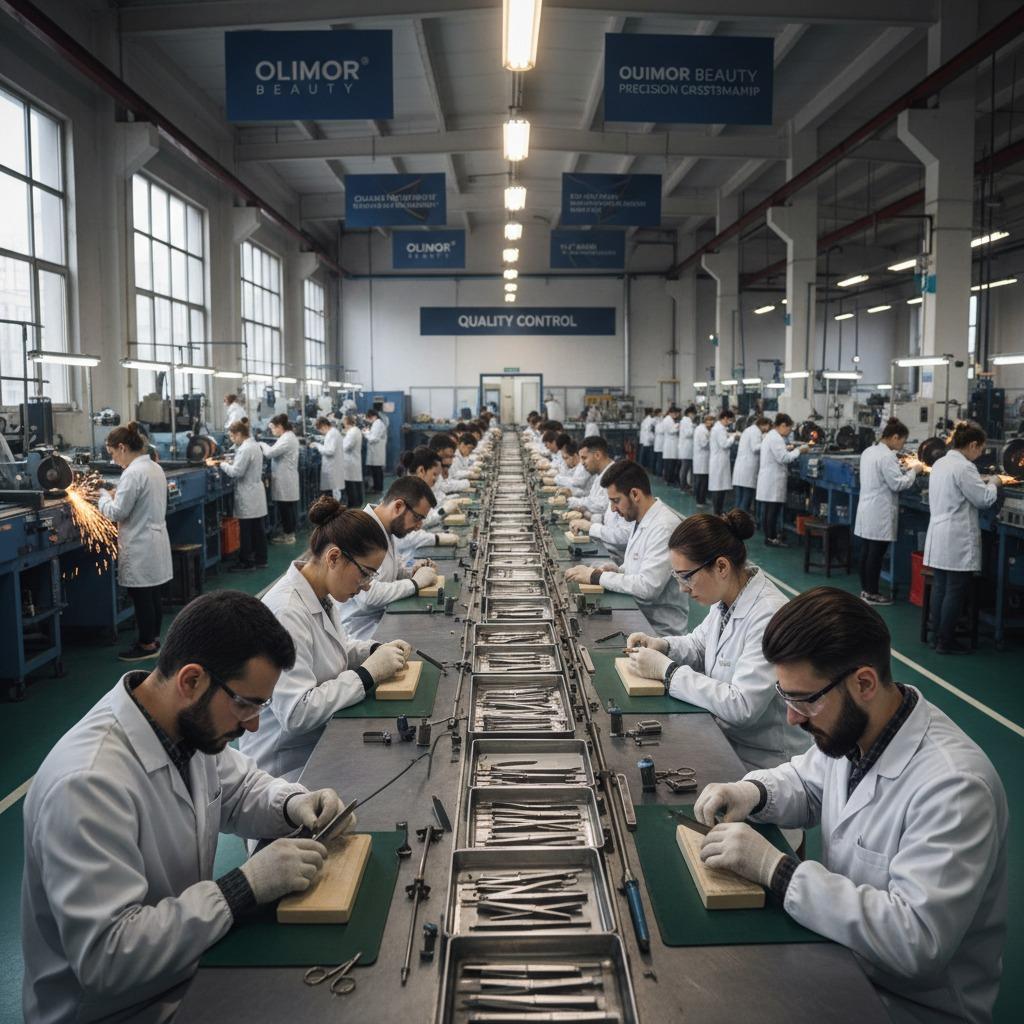
Quality control for tweezers should focus on the points where failure is most likely: tip contact, finishing defects, tension variation and packaging damage. Instead of relying only on general assurances, create a checklist that connects inspection to real customer use. For example, if the tweezer is designed for brow shaping, the approved sample should be tested for fine hair grip, comfortable closure and clean release.
Before confirming a project, document the approved sample clearly. Photos can help, but physical sample approval is often more useful because tweezer performance depends on touch and closure feel. For custom colors, logo placement or retail packaging, keep a record of the agreed design so production can be compared against a clear reference.
- Review the first sample for tip alignment, closure pressure and finish.
- Test the tool for the intended use, such as brow shaping or precise hair removal.
- Confirm logo position, packaging format and protective details.
- Set acceptable standards for scratches, color variation and tip defects.
- Check packed samples to ensure tips remain protected after handling.
Olimor Beauty emphasizes internal quality control and consistency for OEM custom tweezers and international wholesale tweezers. Buyers comparing manufacturers can use that same inspection logic when reviewing samples from any supplier.
Choosing a Manufacturer for Long-Term Product Lines
A good tweezers manufacturer should support more than a single transaction. Beauty brands often start with one tweezer and later expand into nail tools, brow accessories, grooming sets or seasonal retail packs. In that context, it helps to work with a supplier that understands product families and can keep design language consistent across different tools. Buyers can review related product collections to consider how tweezers may fit into a broader assortment.
Long-term sourcing also benefits from clear communication. Provide the manufacturer with the target customer, sales channel, packaging preference, expected use and any reference samples. Avoid making decisions only on the lowest unit cost, because a tweezer with poor grip can damage trust in an entire beauty line. A balanced decision should consider function, finishing, packaging, lead-time communication and after-order support.
If you are comparing top tweezers manufacturers for OEM or wholesale programs, focus on evidence that the supplier can repeatedly make a precise, comfortable and well-presented tool. Olimor Beauty can discuss stainless steel tweezers, ergonomic forms, OEM customization and wholesale beauty tool supply. To begin a sourcing conversation, contact Olimor with your intended market, product use and packaging needs.
Tag: