How to Compare Tweezers Manufacturers for OEM Custom Tweezers
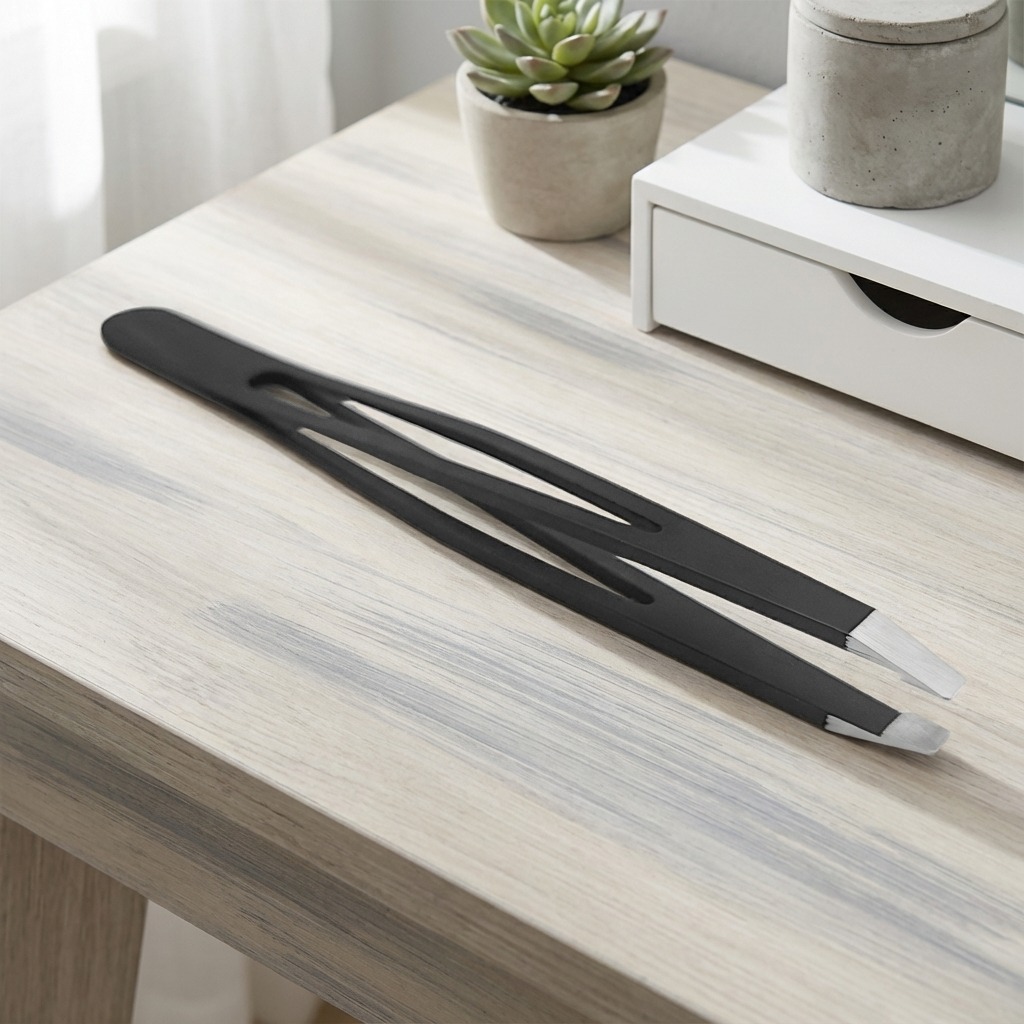
Choosing a tweezers manufacturer is not just about finding a factory that can make a small beauty tool. For beauty brands, salon suppliers, private-label retailers, and promotional buyers, the real question is whether the supplier can make a precise, comfortable, attractive tweezer that performs the same way from sample to bulk order.
The best comparison starts with the product itself: tip alignment, spring tension, material choice, finishing, packaging protection, and the consistency of each piece in production. If you are planning OEM custom tweezers or want to design your own tweezers for a beauty line, this guide gives you a practical way to evaluate suppliers before you commit.
Olimor Beauty works in the beauty tools category with a focus on practical product development and customization. If you are still mapping out your assortment, you can browse Olimor beauty tool options or review broader collection ideas before preparing a sourcing brief.
What buyers really mean by a top tweezers manufacturer
A top tweezers manufacturer is not simply the supplier with the widest catalog or the lowest quotation. The right partner is the one that fits your market position and can repeat the same result in production. A budget grooming kit, a professional brow tool, a travel set, and a giftable accessory may all need different decisions.
When buyers compare suppliers, they are usually looking at five things at once:
- Precision: The tips should meet evenly and grip fine hairs or small fibers without sliding.
- Comfort: The body shape, weight, and spring tension should allow controlled use without hand fatigue.
- Material suitability: Many buyers prefer stainless steel because it helps resist rust and corrosion in daily grooming environments, but the exact material should always be confirmed in the sample and production specification.
- Surface finish: Matte, polished, coated, or color finishes should be clean, consistent, and aligned with the brand image.
- Customization support: OEM buyers may need logo placement, tip style options, finish choices, packaging support, and a clear development process.
If a supplier is strong in only one area, it may not be the right long-term partner. A visually attractive tweezer that cannot grip well will disappoint users. A technically precise tool with poor finishing may also miss the market expectation for a beauty product.
Start with the core product: tip, tension, material, and finish
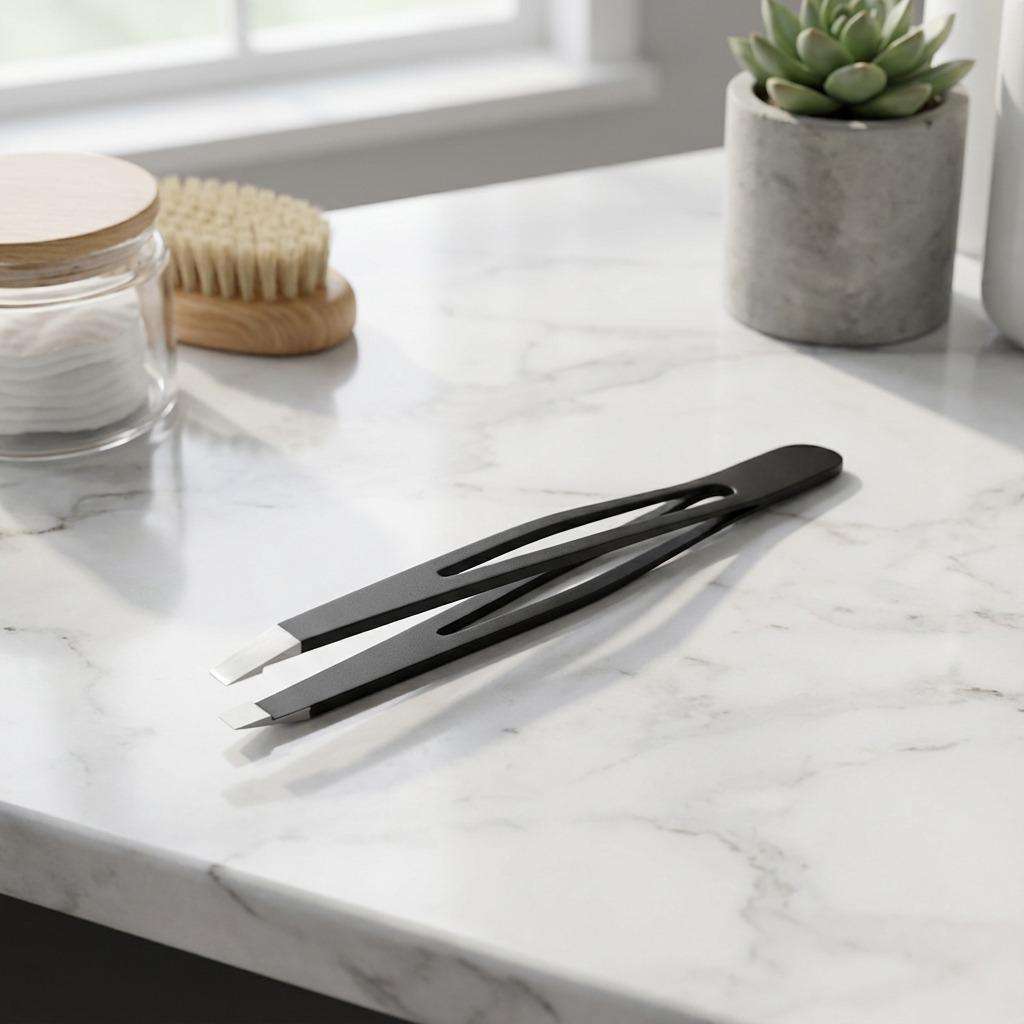
The most important part of a tweezer is the tip. Slanted tips are commonly selected for eyebrow grooming because they balance visibility and grip. Pointed tips are more specialized and are better for extremely fine work. Flat or straight tips can suit broader gripping tasks.
Do not choose tip style only by appearance. Ask what the tool is meant to do for the end user. A brow-focused product for everyday consumers may need a familiar slanted tip and comfortable grip. A professional salon item may prioritize repeatable precision. A compact travel item may need the same performance in a smaller presentation.
What to inspect on the first sample
- Tip alignment: The two ends should meet evenly, without visible gaps under normal pressure.
- Grip performance: The tips should hold fine hair or a suitable test fiber without slipping or cutting.
- Spring tension: The tweezer should close smoothly and reopen without feeling loose or overly stiff.
- Surface finish: Coating, polishing, or matte treatment should look consistent and should not interfere with the tips.
- Edge comfort: The body should not have sharp burrs or rough areas where the fingers rest.
- Packaging fit: The tool should sit securely in its retail package or protective sleeve.
Material and finish matter because tweezers are handled in bathrooms, makeup bags, salon drawers, and travel pouches. They may be exposed to moisture, skincare residue, and regular cleaning routines. A polished finish can look classic but may show fingerprints more easily. A matte finish may feel more modern and can improve grip. Colored finishes can help a brand stand out, but coating quality and edge cleanliness become especially important.
How to compare OEM custom tweezers options
OEM custom tweezers give a brand more control over product identity, packaging, and audience fit. The best customization projects start with a clear brief, not a vague request for something “premium.” The more specific you are, the easier it is to evaluate whether the supplier understands both function and branding.
A useful brief should cover the intended user, preferred tip style, finish direction, logo placement, packaging needs, and the retail context. If the product is meant for a beauty line, the body shape and finish should fit that line. If it is meant for salon resale, repeatable performance and durable presentation matter more. If it is part of a gift set, packaging and visual consistency may carry extra weight.
Common customization areas include:
- Tip style: Slant, pointed, flat, or other task-specific shapes.
- Body shape: Straight, angled, wider grip areas, or lightweight profiles.
- Surface treatment: Polished, matte, color-coated, or similar finishes.
- Branding: Logo printing, engraving, or another suitable marking method.
- Packaging: Retail card, pouch, box, set packaging, or a protective tip cover.
Customization should never weaken performance. A coating must not interfere with tip closure. A logo should not be placed where it affects finger comfort. Packaging should protect the tips during transport and storage. The best OEM decision combines brand design with practical use.
Use a consistent supplier comparison checklist
Instead of judging a supplier by product photos alone, compare each candidate against the same practical criteria. This keeps sourcing objective and makes sample review easier to document.
| Evaluation area | What to check | Why it matters |
|---|---|---|
| Tip precision | Even meeting point, clean closure, no visible offset | Determines whether the tweezer can grip fine hairs reliably |
| Material and finish | Declared material, surface consistency, coating quality | Affects appearance, cleaning experience, and perceived value |
| Hand feel | Tension, body width, edge smoothness | Influences comfort during repeated grooming tasks |
| Customization support | Logo position, finish options, packaging discussion | Helps align the product with brand and retail needs |
| Sample consistency | Compare several pieces, not only one sample | Shows whether quality is repeatable before bulk production |
| Communication | Clear answers and realistic development steps | Reduces misunderstanding during OEM projects |
How to review samples like a professional buyer
Sample review should be more rigorous than a quick visual scan. Open several pieces and test them the same way. Check the tip from the front and side, close the tool gently, and observe whether the contact point is even. Try the tweezer on fine fibers or a suitable test material to see whether it grips cleanly without slipping.
Then hold the tool for a few minutes to judge whether the pressure feels natural. A tool with excessive tension can cause fatigue. A tool with weak tension can feel imprecise. Also inspect the cosmetic finish under normal lighting. Look for scratches, uneven color, rough edges, or inconsistent logo placement.
If packaging is part of the offer, check whether it protects the tips and presents the product clearly. Poor packaging can make an otherwise acceptable tool look low value or arrive damaged. For brands developing multiple beauty tools, it can also help to review tweezers alongside other items in the assortment so the overall collection feels consistent.
Supplier questions that reveal real capability
Good sourcing conversations usually become clearer when you ask practical questions. You are not only buying a product; you are evaluating how the supplier handles development, inspection, and repeat production.
- Which tip styles are available for this product category?
- What finish options are realistic for the intended use and branding?
- How is tip alignment checked before packing?
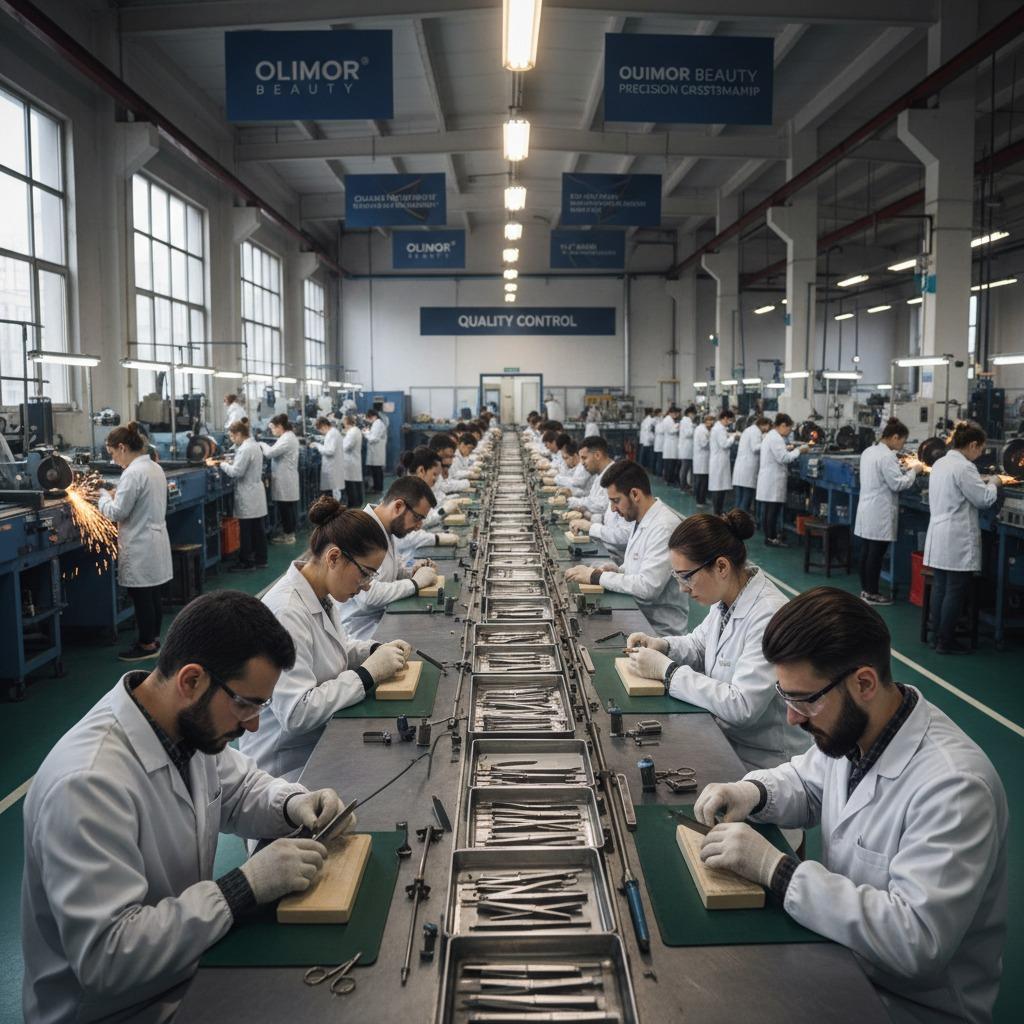
- Can the supplier describe the inspection points used during production?
- How does the supplier handle logo placement and packaging protection?
- Can the sample be adjusted if the tip feel or tension is not right?
- What information is needed to move from sample to production?
If process control is important to your brand, ask what documentation the supplier can share for inspection and production consistency. Buyers sometimes reference quality management systems such as ISO 9001 or local consumer product rules, but you should always verify the applicable version and request current supplier documents rather than assuming compliance.
What affects cost in OEM tweezers projects
Buyers often ask what changes the price of custom tweezers. The main cost factors are usually tied to the product specification rather than the product category itself.
- Tip design: More specialized tips may require more careful processing.
- Finish complexity: Simple polished or matte looks are often easier to control than layered decorative effects.
- Branding method: Logo application can vary in complexity depending on the surface and placement.
- Packaging format: A protective sleeve, retail card, box, or gift set can change the work involved.
- Quality checks: Tighter inspection expectations can influence production flow.
- Order structure: Different colors, mixed styles, or multiple packaging versions can add coordination effort.
Because every project is different, buyers should focus on specification clarity instead of trying to guess from a photo or a single sample. A detailed brief usually leads to a more realistic quotation and fewer revisions later.
Where Olimor fits in the sourcing process
Olimor Beauty focuses on practical beauty tool development and customization. If you are building a custom tweezers project, the most useful next step is usually a clear conversation about use case, finish, tip style, packaging, and brand presentation. You can send a custom sourcing inquiry when you have a draft brief, or reach the team directly if you want to talk through a product direction before sampling.
For brands that are still exploring the wider assortment, it can be helpful to compare tweezers with related beauty tools so the final line feels coherent. That is often the easiest way to plan a more complete retail set without overcomplicating the project.
FAQ
Can I request samples before placing a larger order?
Yes. Sample review is one of the most important parts of comparing tweezers manufacturers because it lets you check tip alignment, tension, finish, and packaging before moving forward.
What should I include in a custom tweezers brief?
Include the intended user, tip style, preferred finish, logo needs, packaging direction, and any special inspection or retail presentation requirements.
How do I judge quality if I am not an expert in beauty tools?
Focus on simple checks: even tip closure, smooth hand feel, clean finish, clear logo placement, and consistent performance across several samples rather than just one.
Can tweezers be customized for branding?
Yes. Common options include logo placement, finish choice, body shape, tip style, and packaging, depending on what is technically suitable for the product.
What should I ask about lead time and MOQ?
Ask the supplier to explain its current production plan, sample process, order structure, and any constraints tied to customization. Do not assume a number without written confirmation for your specific project.
If you are ready to move from concept to a practical OEM brief, Olimor can help you organize the product direction first and then evaluate the sample against the same checklist. Start with the tool itself, keep the specification clear, and compare suppliers by repeatable quality rather than by appearance alone.
Tag: