How to Choose a Tweezers Supplier for Wholesale, OEM and False Lash Beauty Tools
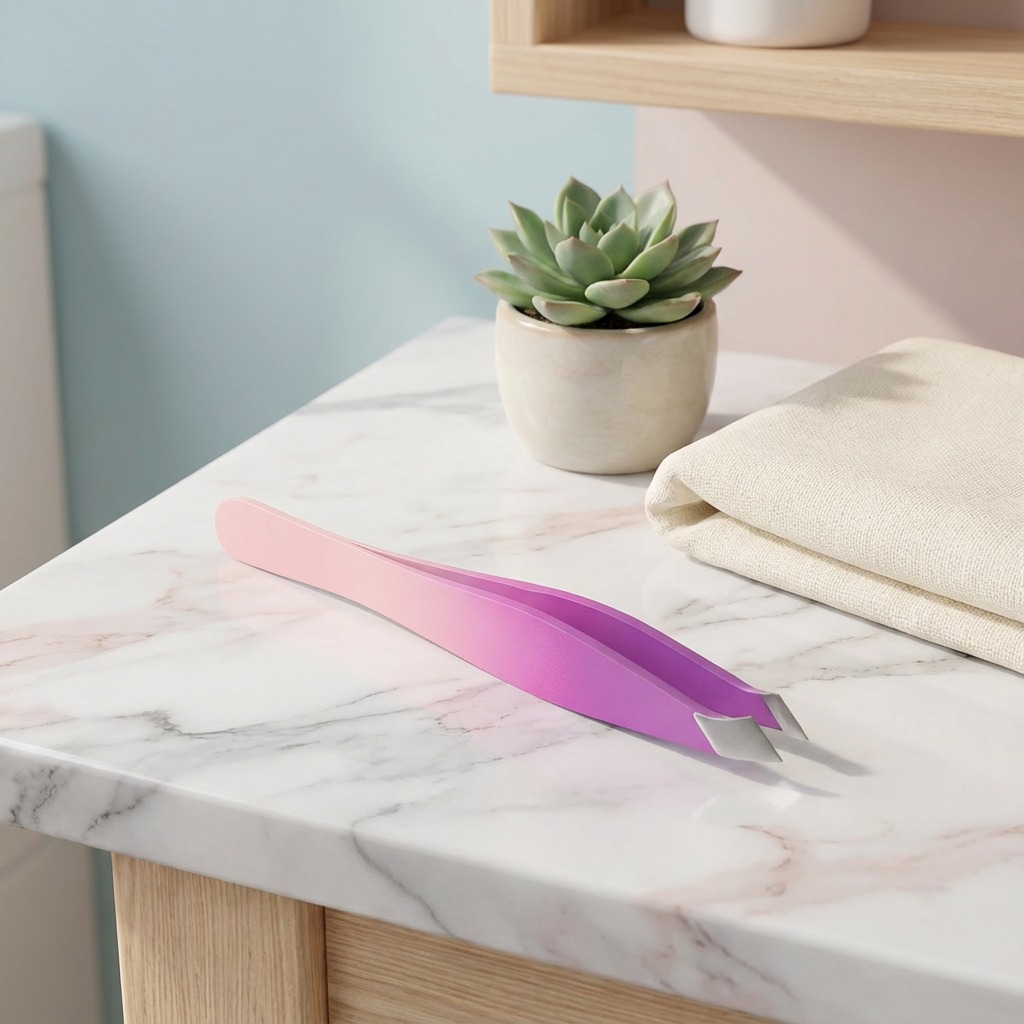
Choosing a tweezers supplier is a quality decision, not just a purchasing task. For beauty retailers, salons, lash studios, private-label brands and distributors, a small tool can strongly influence customer trust. A tweezer that grips cleanly, feels comfortable and arrives with protected tips can support repeat sales. A tweezer with uneven tips, weak tension, rough edges or an unstable finish can damage product reviews even when the packaging looks attractive.
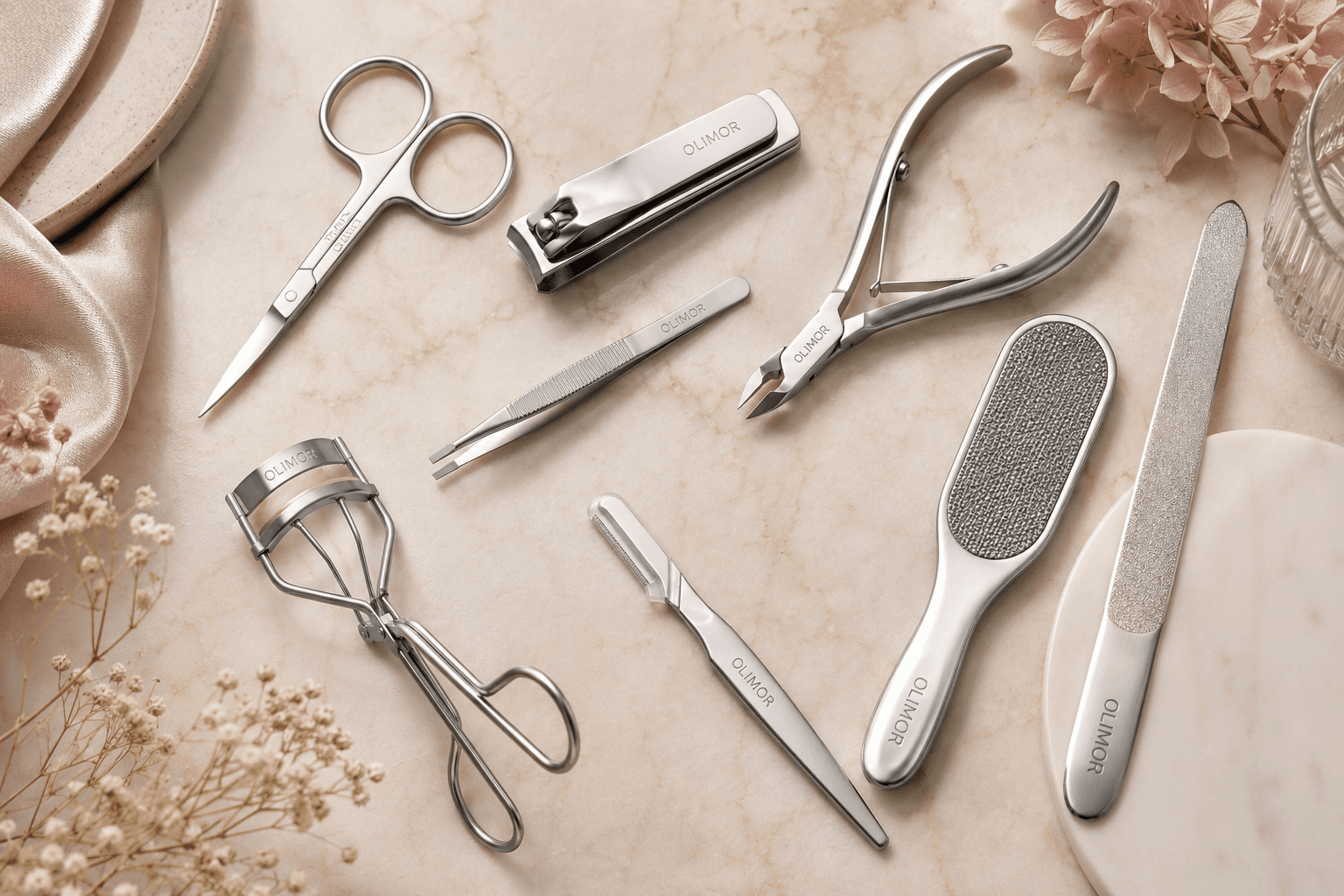
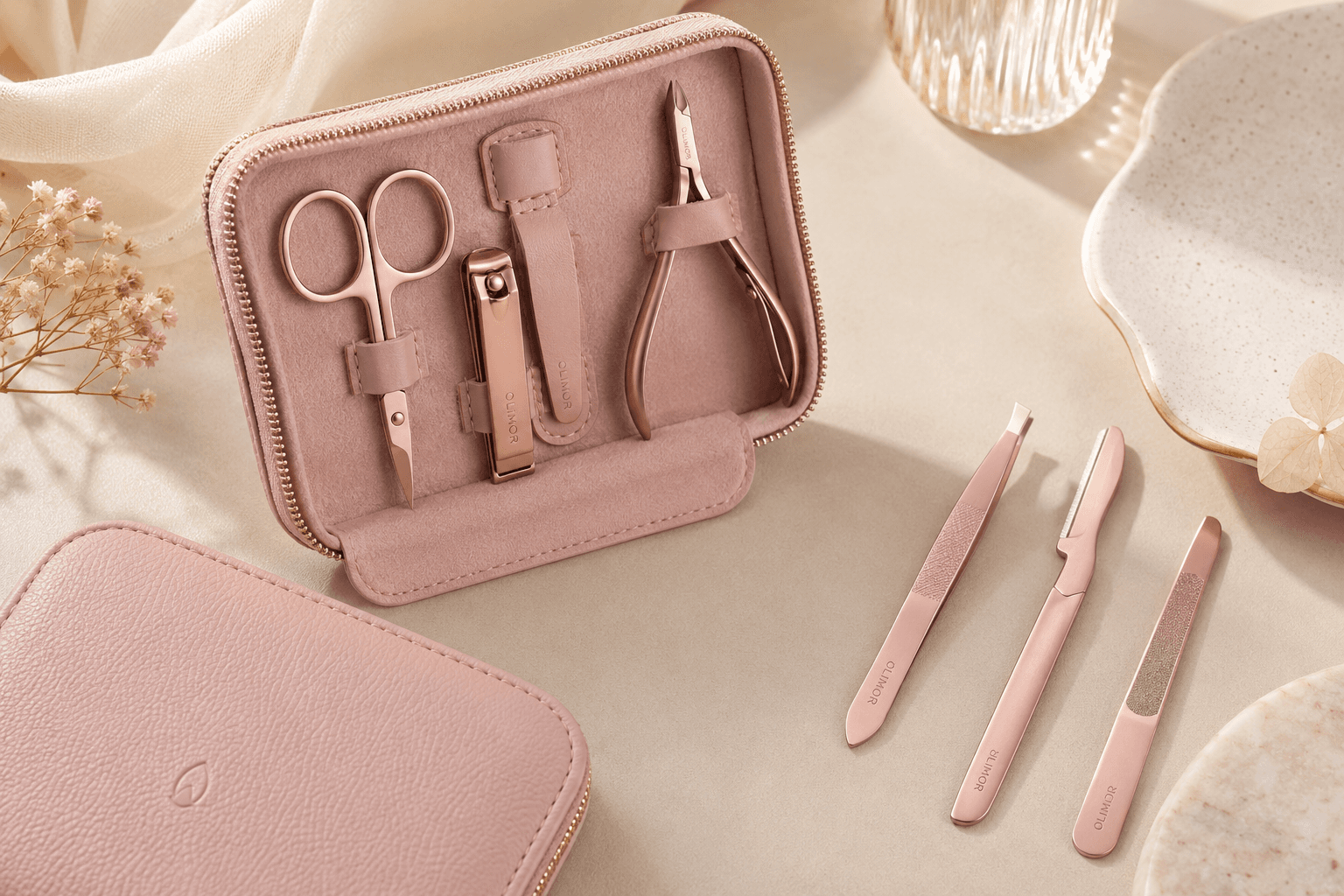
The right supplier should help buyers match tool construction to real use: brow shaping, daily grooming, false lash placement, nail detail work, retail kits or professional service. Olimor supplies precision beauty tools for international wholesale and OEM custom projects, including stainless steel tweezers with practical options for finish, grip, packaging and private-label presentation. Buyers can start by reviewing Olimor beauty tool products and then prepare a clear sourcing brief before requesting samples.
What Makes a Tweezers Supplier Worth Shortlisting?
A dependable tweezers supplier understands how the tool is used in hand. Product photos, colors and logo placements matter, but they should not come before function. The most important early question is whether the supplier can discuss tip alignment, tension, surface finish, packaging protection and batch consistency in practical terms.
For brow and grooming tweezers, the tool must isolate fine hairs and close evenly without slipping. For false lash tweezers, the tool must hold a strip, cluster or lash band securely without twisting, crushing or releasing too early. For nail art or cosmetic detail work, the buyer may prioritize stability when handling small accessories. These use cases are related, but they should not be treated as identical.
High-grade stainless steel is commonly valued in beauty tools because it supports durability, a clean professional feel and easier maintenance when the tool is cleaned and dried correctly. However, material alone does not guarantee performance. The tips still need to meet evenly, the arm tension needs to feel controlled, and the surface should be free from sharp burrs or rough points that make repeated use uncomfortable.
Define the Primary Use Before Comparing Samples
Before asking for prices or customization options, define the sales channel and the user. A salon-focused buyer may need long-session comfort and reliable grip. An online beauty brand may need a tool that photographs well, fits a grooming kit and includes protective packaging. A lash studio may need controlled closure for placement near the lash line. A distributor may need broad appeal and consistent replenishment.
For general grooming, slanted-tip tweezers are often selected because they balance control and surface contact. They can help users isolate individual brow hairs while remaining approachable for everyday grooming. More specialized shapes can support detailed work, but they should be chosen only when the buyer understands the customer’s habits and comfort level.
False lash tweezers require a separate evaluation standard. A lash tool should allow the user to pick up the lash, align it near the lash line, adjust the angle and release it cleanly. If the tips do not meet evenly, the lash band may shift. If the spring tension is too stiff, the hand may tire during repeated applications. If the surface feels slippery, even a skilled artist may lose control when working around adhesive or delicate lash fibers.
Key Quality Checks for Wholesale Tweezers
Wholesale tweezers need consistency across a batch. One good sample is not enough if the final order varies in tension, finish, tip contact or packaging protection. Buyers should create a simple inspection checklist that can be used internally and discussed with the supplier before production.
- Tip alignment: The two tips should meet evenly when closed, with no visible gap, twist or mismatch that allows fine hairs or lash bands to slip.
- Grip performance: The tweezer should hold short hairs, fine hairs or lash bands without requiring excessive pressure.
- Arm tension: Opening and closing should feel controlled, not weak, warped or overly stiff.
- Tip finish: Edges should be precise but smooth enough for the intended beauty use, especially around delicate lash materials.
- Surface consistency: Decorative coatings, stainless steel surfaces or color finishes should look clean, even and appropriate for retail positioning.
- Edge comfort: The body should not have rough edges that make repeated use uncomfortable.
- Packaging fit: Retail cards, boxes, sleeves, pouches or protective tip covers should prevent tip damage during handling and shipment.
- Batch consistency: Samples from different cartons should look and perform similarly, especially in tip closure, color appearance and tension.
These checks are simple, but they are more useful than broad claims such as premium quality. Buyers should test the product the way end users will use it: on fine brow hairs, short regrowth, lash bands, clusters, or small detail items depending on the product type.
Comparison: Brow, Grooming and False Lash Tweezers
The best wholesale tweezer is not always the same product for every channel. Use the comparison below to connect the tool type with the right evaluation points and sourcing questions.
| Tool Type | Main Use | Most Important Checks | Supplier Questions |
|---|---|---|---|
| Slanted brow tweezers | Eyebrow shaping and daily grooming | Even tip contact, comfortable tension, ability to grip fine or short hairs | Can samples be tested for tip alignment, grip and batch consistency before ordering? |
| Fashion or retail tweezers | Beauty kits, gift sets and online retail | Reliable function plus clean decorative finish, logo visibility and packaging protection | How will color finish, logo placement and packaging be confirmed before production? |
| False lash tweezers | Strip lash, cluster or lash placement | Controlled closure, smooth tip finish, anti-slip handling and clean release | Can the tool be tested with lash bands and reviewed for comfort during repeated use? |
| Professional-use tweezers | Salon, makeup artist or studio work | Durable stainless steel construction, ergonomic handling and repeatable precision | What inspection steps are used from material selection through final packaging? |
| Nail or detail tweezers | Positioning small decorative items or beauty accessories | Stable grip, fine control and smooth edges | Which tip shape best matches the intended detail work and user skill level? |
Material, Finish and Ergonomic Details Buyers Should Review
Material selection affects durability, maintenance and perceived quality. Stainless steel is widely used for tweezers because it offers a clean feel and can support repeated beauty-tool use when handled properly. Buyers should still confirm the exact material description, surface treatment and care guidance with the supplier rather than relying on assumptions.
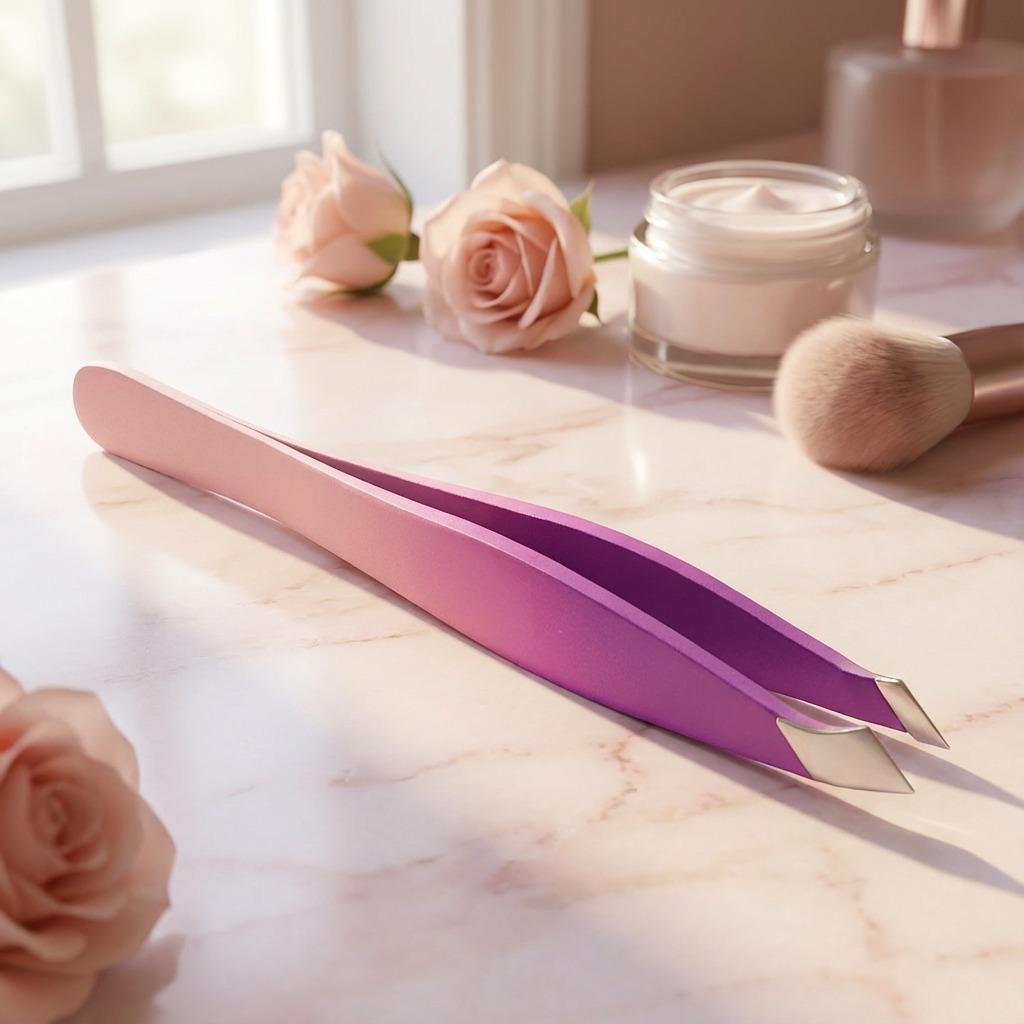
Finish decisions also affect customer expectations. A decorative ombre effect, such as a blush pink to vibrant fuchsia direction, can create strong shelf appeal and support a fashion-led product line. But a visual finish must be repeatable. Buyers should compare several samples under different lighting conditions and, if selling online, photograph the samples to see whether the color appears accurately on screen.
Ergonomic handling is especially important for makeup artists, lash technicians and salon users who may use the tool repeatedly. An anti-slip grip or carefully shaped body can improve control and reduce unnecessary strain. The tweezer should feel secure in the hand without sharp edges, awkward pressure points or unstable flexing.
OEM Custom Tweezers: Decisions to Make Before Production
OEM custom tweezers can help a beauty brand build a distinctive product, but customization works best when the requirements are organized. Before discussing development, prepare a brief that explains the target user, sales channel, preferred tip type, visual direction, packaging format and quality priorities.
Common OEM decisions include body color, finish direction, logo placement, packaging style and whether the product is intended for brow grooming, false lash application, nail detail work or a mixed beauty kit. A logo may look clear on a design file but become too small or low-contrast on the actual tweezer body. Packaging may look attractive but fail to protect the tips if the internal fit is loose.
For private-label programs, think through how the tweezer will be displayed and shipped. Hanging cards, boxes, pouches, sleeves, sets and travel formats each affect presentation, storage, cost factors and customer expectations. A well-made tweezer can perform poorly if the tip is bent or rubbed during transit, so packaging protection should be part of the product specification rather than an afterthought.
Buyers planning a broader assortment can review Olimor product collections to see how tweezers may sit alongside eyelash tools, nail tools, cosmetic accessories and grooming items. A coherent sourcing mix helps retailers and distributors avoid random product selection and build a more understandable beauty-tool line.
Manufacturing Oversight and Inspection Expectations
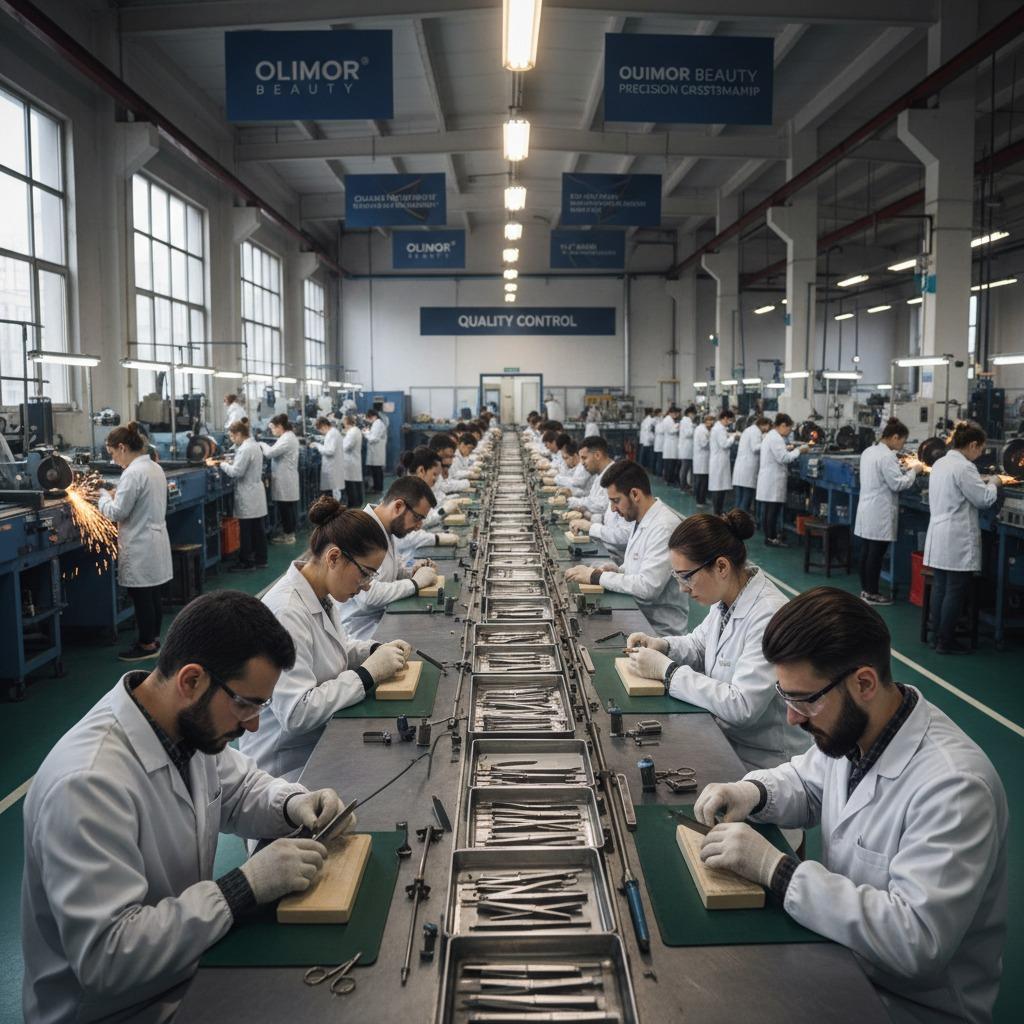
In volume sourcing, consistency matters as much as the first sample. Olimor is positioned as a beauty-tool manufacturer with attention to production and quality control steps, including practical review from raw material selection through final packaging. For buyers, the important point is to turn desired quality into visible checks that can be discussed, sampled and inspected.
A useful inspection plan should confirm that the stainless steel body is properly formed, the tips are calibrated, the grip surface is clean, the finish is even and the final packed tool is protected from damage. Inspection should not only look for visible defects. It should also test the working function of the tweezer, because a small change in tip closure can change the user experience.
Relevant public standards can help buyers frame supplier evaluation, but they should be applied carefully. ISO 9001 is a widely recognized quality management standard, and REACH may be relevant for buyers concerned with chemical compliance for products placed in the European market. Buyers should verify the applicable version, market requirements and supplier documentation for their own order. Do not assume a supplier holds any certification or compliance status unless current documents are provided and verified.
Cost Factors Without Reducing the Product to Price
Wholesale tweezer pricing depends on practical decisions rather than a single universal number. Material choice, tip complexity, finish type, logo method, packaging style, inspection expectations, order quantity, assortment mix and shipping requirements can all influence the final cost. A plain stainless steel grooming tweezer, a decorative retail tweezer and a private-label false lash tweezer with custom packaging may require different production and review steps.
When comparing quotations, buyers should avoid judging only by the lowest unit price. A lower quote may exclude packaging, have less defined inspection, limit finish options or use a product that does not match the intended channel. A more useful comparison asks what is included, how samples are approved, how changes are documented and how the final goods are checked before shipment.
Questions to Ask a Tweezers Supplier Before Ordering
Specific questions make wholesale and OEM sourcing more efficient. They also help buyers identify whether the supplier understands beauty-tool performance or only basic product trading.
- Which tweezer type do you recommend for brow grooming, false lash application or detail work, and why?
- What material and surface finish options are available for this product?
- How are tip alignment, tension, grip comfort and surface finish checked?
- Can samples be reviewed before confirming a wholesale or OEM order?
- How should logo placement and packaging artwork be prepared for approval?
- How will the tips be protected during packaging, storage and shipment?
- What documents or product information can be provided for the target market, and how should the buyer verify them?
- What factors may affect lead time, such as customization, packaging approval or order complexity?
Sample Review Checklist for Buyers
Samples should be handled in the same way the final customer will use the tool. For a brow tweezer, test fine hairs and short regrowth. For a false lash tweezer, test a lash band or cluster. For retail products, photograph the tool, check the packaging fit and review how it looks beside related beauty items.
- Close the tips slowly and check for even contact from different angles.
- Open and close the tweezer multiple times to judge tension and fatigue.
- Feel the edges and grip area for burrs, roughness or uncomfortable pressure points.
- Check whether the finish is even, clean and aligned with the desired retail position.
- Place the tool in its intended packaging and confirm that the tips cannot bend or rub.
- Compare more than one sample to understand consistency rather than relying on a single piece.
- Record approvals clearly so production expectations are not based on vague descriptions.
How Olimor Supports Wholesale and OEM Tweezer Projects
Olimor supports buyers who need practical beauty-tool sourcing for wholesale and OEM programs. The right approach is to begin with the product use, confirm functional requirements, review samples and then finalize customization and packaging. This keeps the sourcing process focused on performance as well as presentation.
If you are building a tweezer assortment, preparing a private-label lash tool or comparing supplier options for grooming accessories, share your target channel, preferred tool type, finish direction and packaging needs with Olimor. You can discuss your project through Olimor contact support or send product requirements through the OEM and wholesale inquiry page.
FAQ
Can I request samples before placing a wholesale or OEM order?
Sample review is an important step for tweezers because tip alignment, tension, grip comfort and packaging protection need hands-on checking. Buyers should confirm sample availability, sample scope and approval steps with Olimor before placing an order.
What MOQ applies to custom tweezers?
MOQ can depend on the tweezer type, finish, logo method, packaging style and overall project requirements. Buyers should share a clear brief so Olimor can respond with the applicable order information without guesswork.
Can tweezers be customized with color, logo and packaging?
OEM customization may include finish direction, color, logo placement and packaging format, depending on the selected product and production requirements. Buyers should review physical samples or confirmed visuals before production approval.
What quality checks should buyers request?
Key checks include tip alignment, grip performance, tension, surface finish, edge comfort, packaging fit and batch consistency. False lash tweezers should also be tested with lash bands or clusters to confirm controlled placement and clean release.
What can affect lead time for tweezers orders?
Lead time can be influenced by customization, sample approval, packaging artwork, material or finish selection, order complexity and shipping arrangements. Buyers should confirm timing with the supplier for the specific project rather than relying on a general estimate.
Tag: