OEM Custom Tweezers for Precise Beauty Work and Practical Brand Customization
OEM custom tweezers are small tools, but the decisions behind them can affect daily comfort, accuracy, packaging quality and brand perception. For beauty brands, salons, retailers and sourcing teams, a tweezer is not simply a metal accessory. It must grip fine hairs reliably, feel controlled in the hand, maintain a clean appearance and support the visual identity of the brand using it or selling it.
Olimor Beauty works with custom beauty tools, including OEM custom tweezers designed for grooming, eyebrow shaping and detailed handling tasks. The original focus of this product category is clear: stainless steel construction, pointed precision, portable design, personalized styling and quality inspection from raw materials through final packaging. This guide explains how to think through a custom tweezer project before placing an order, so the final product is better aligned with its real use case.
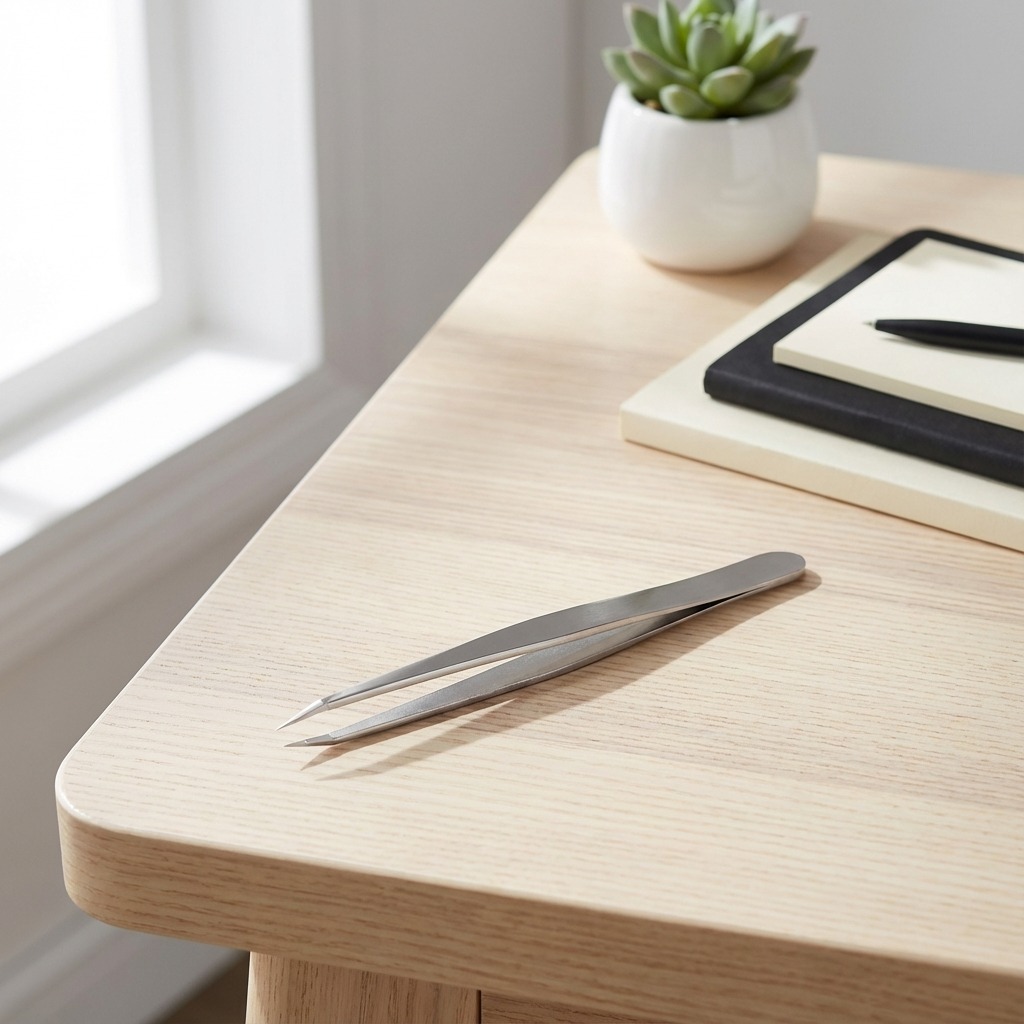
What Makes OEM Custom Tweezers Different from Standard Tweezers?
Standard tweezers are usually selected from an existing catalogue with limited control over shape, surface finish, packaging and branding. OEM custom tweezers allow a buyer to define more of the product experience. Depending on the project scope, customization may include the overall tweezer shape, tip style, handle feel, color direction, logo placement or packaging presentation.
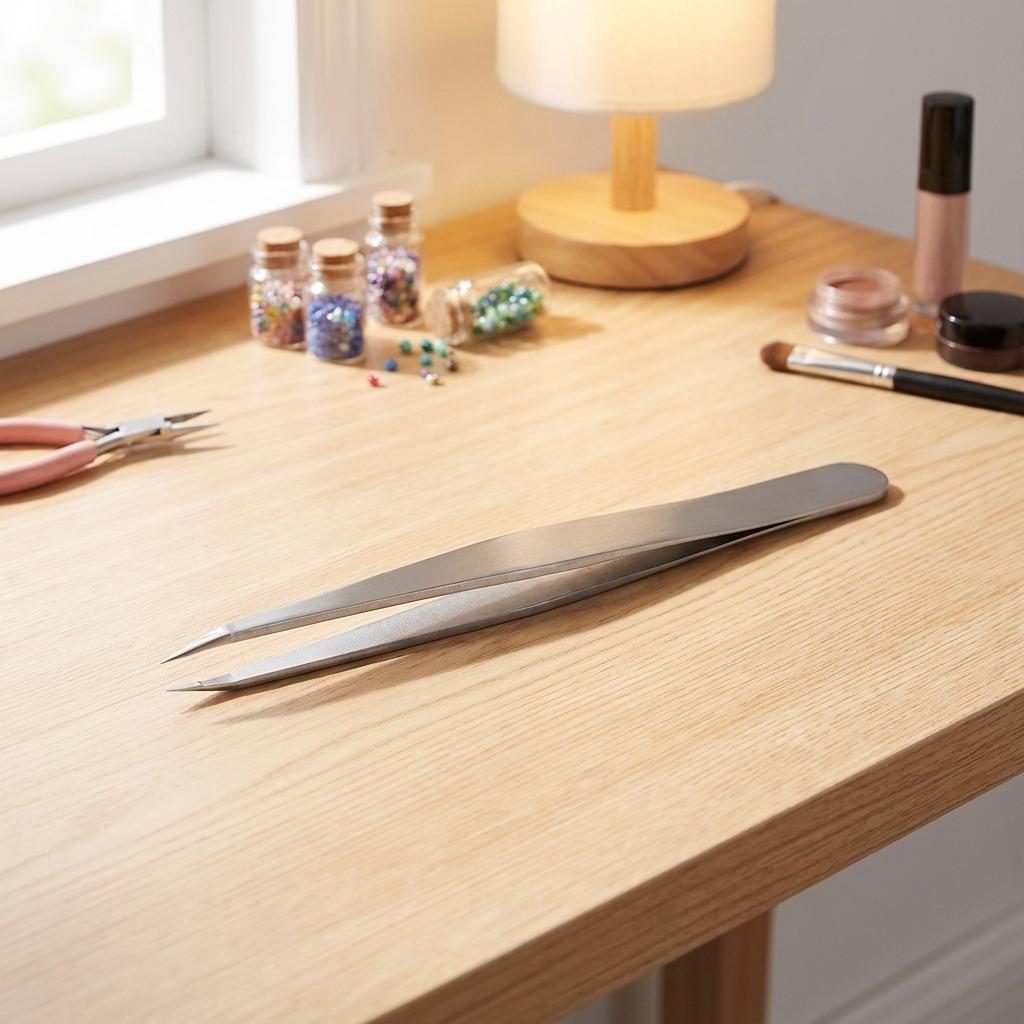
This matters because different users judge tweezers by different criteria. A brow artist may care most about tip alignment and a reliable closing feel. A retail buyer may focus on how the tool looks in a beauty set. A promotional brand may want a clean, portable design that can carry a logo without looking cluttered. A hobby user handling small parts may prefer a narrow pointed tip and a lightweight body for control.
OEM development is most useful when the intended user is clearly defined. A tweezer for everyday eyebrow maintenance does not need to be designed in exactly the same way as a tweezer for intricate crafting or model assembly. Before comparing options, decide whether the priority is grooming precision, portability, gift presentation, professional salon use, or a balanced all-purpose design.
Key Design Decisions When You Design Your Own Tweezers
When you design your own tweezers, the most important choices are functional before they are decorative. A beautiful tool that cannot grip consistently will not satisfy repeat users. The following points are a practical starting checklist for custom tweezer development:
- Tip shape: Pointed tips are useful for fine, targeted work and detailed handling. Other tip profiles may be considered when the use case requires broader contact or faster hair removal.
- Tip alignment: The two sides should meet cleanly and evenly. Poor alignment can cause slipping, uneven pressure or user frustration.
- Handle ergonomics: The body should be comfortable enough for repeated squeezing without sharp edges or awkward pressure points.
- Material choice: The supplied product information highlights premium stainless steel, a practical material for durable beauty tools when properly finished and maintained.
- Weight and portability: Lightweight tweezers are easier to carry in cosmetic bags, brow kits or travel grooming sets.
- Surface finish: A smooth body supports comfort and gives the product a cleaner visual impression.
- Brand presentation: Logo size, placement and packaging should match the positioning of the final product rather than overwhelm the tool.
These choices should be considered together. For example, a very sleek shape may look attractive, but if the grip area is too smooth for the intended user, control may suffer. A sharp pointed tweezer may support extreme accuracy, but it also needs sensible packaging to protect the tips during storage and shipping.
Matching Tweezer Styles to Real Use Cases
OEM custom tweezers are often used across beauty, grooming and detail work. The original product description mentions eyebrow shaping and model assembly, which are good examples of why precision and control matter. Both tasks involve small contact points, but the user expectations are not identical.
| Use case | Useful design priority | Buyer consideration |
|---|---|---|
| Eyebrow shaping | Clean tip contact and controlled pressure | Check comfort during repeated use and whether the tip supports fine hair removal. |
| Salon or brow bar use | Consistent feel and professional appearance | Consider a finish and packaging style suitable for professional presentation. |
| Retail beauty kits | Portable size and attractive branding | Ensure the tweezer visually fits the rest of the kit or product collection. |
| Model assembly or crafting | Pointed accuracy and steady handling | Look for a narrow working end and a body shape that helps reduce hand fatigue. |
| Travel grooming | Lightweight body and protected tips | Packaging should help keep the tool clean and prevent tip damage in a bag. |
A sourcing team should avoid selecting a tweezer based only on appearance. The best design is the one that fits the user’s hand, the task and the sales channel. If the tweezer will be sold alongside other beauty tool products, consistency in finish and packaging may be important. If it is part of a wider custom assortment, review how it will sit within existing product collections.
Personalized Tweezers: Branding Without Losing Function
Personalized tweezers can support brand recognition, giftability and retail differentiation. However, personalization should be handled with restraint. A tweezer has limited surface area, and the working function should remain the priority. Logos, colors or decorative choices should not interfere with grip, comfort or tip performance.
For beauty brands, a clean personalized tweezer can be used as a stand-alone item, a component in an eyebrow grooming kit, or an accessory within a larger beauty set. The brand mark should be legible at the intended size, and the finish should be appropriate for the audience. A minimalist salon tool, for example, may benefit from subtle branding, while a retail gift set may call for a more visible visual identity.
Packaging is also part of personalization. The original product information notes inspection through final packaging, which is important because even a well-made tweezer can be undermined by weak presentation or poor protection. The packaging should keep the tips secure, present the product neatly and support the buyer’s sales environment, whether that is ecommerce, salon resale or in-store display.
Quality Checks That Matter for Custom Tweezers
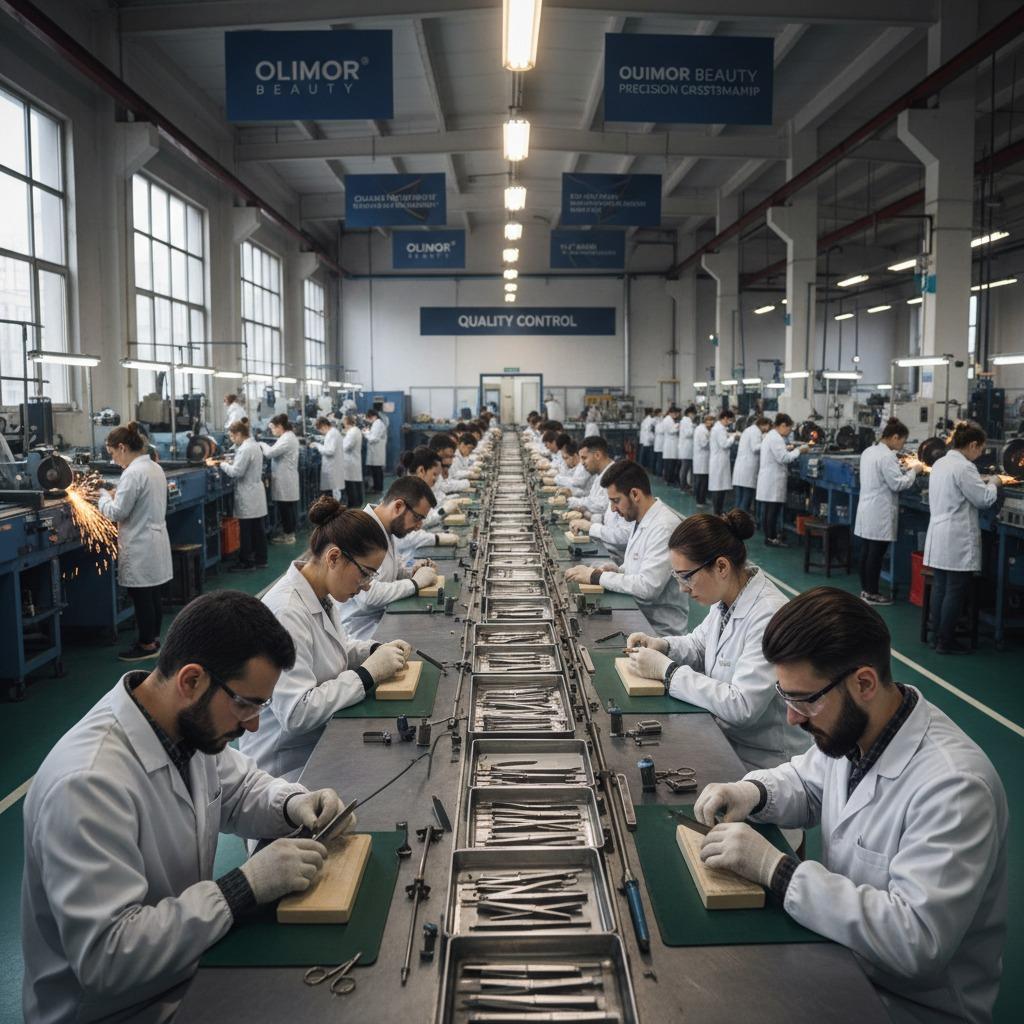
Quality assurance for OEM custom tweezers should focus on both the visible product and the way it performs in the hand. The supplied information refers to quality checks from raw materials to final packaging. For buyers, that means inspection should not be treated as a final quick glance only. Useful checks should cover material condition, shaping, finishing, tip contact, logo placement and packing consistency.
A practical inspection approach may include the following review points:
- Raw material appearance: Look for clean, consistent stainless steel surfaces before finishing.
- Tip symmetry: Confirm that the two ends are properly aligned and close evenly.
- Grip test: Test whether the tweezer can hold fine hair or small items without slipping.
- Edge comfort: Check whether the sides or handle edges feel smooth during repeated squeezing.
- Finish consistency: Review surface color, polish or coating appearance across samples.
- Logo accuracy: Confirm position, scale and readability against approved artwork.
- Packaging protection: Make sure the tip is protected and the tool does not move excessively inside its packaging.
These checks help reduce the risk of common problems such as uneven closing, uncomfortable handling, scratched surfaces or inconsistent branding. They also make communication clearer between the buyer and the manufacturer because the evaluation criteria are specific.
Maintenance and User Care for Longer Tweezer Life
Even a carefully manufactured tweezer needs proper handling. Users should keep the tips clean and avoid dropping the tool on hard surfaces, as impact can affect alignment. After beauty use, the tweezer should be cleaned according to the user’s hygiene requirements and dried before storage. A protective sleeve or suitable package helps preserve pointed tips when the tool is carried in a makeup bag or professional kit.
For retail brands, simple care instructions can reduce customer complaints and improve the product experience. Instructions do not need to be long. Clear guidance such as “keep tips protected,” “clean after use,” and “store dry” can be enough for many consumer beauty tools. If the tweezer is included in a kit, the care message should be consistent with the rest of the set.
How to Prepare a Clear OEM Tweezer Inquiry
A strong inquiry helps turn a general idea into a workable custom product. Instead of asking only for “custom tweezers,” prepare the intended use, target audience and desired appearance. Include whether the tweezers are for eyebrow shaping, professional beauty use, retail kits, crafting or travel grooming. If you already have artwork, packaging direction or a sample reference, organize those details before discussion.
Useful inquiry information includes the preferred tip style, overall look, branding requirement, packaging concept and any handling priorities such as lightweight feel or comfortable grip. You do not need to know every technical detail at the beginning, but you should know what the user needs the tweezer to do. For custom project discussions, you can send an inquiry with your project direction or contact Olimor for communication about suitable beauty tool options.
OEM custom tweezers succeed when precision, comfort, durability and presentation are considered together. With stainless steel construction, pointed accuracy, lightweight portability and personalized design options, a well-planned tweezer can serve both practical grooming needs and brand goals. The best result starts with a clear use case, careful design choices and inspection standards that protect the quality of every finished piece.
Tag: