Custom Tweezers for Beauty Brands: Precision, Bulk Sourcing and Quality Checks
Custom tweezers may look simple, but small differences in tip alignment, tension, surface finish and packaging can change how the tool performs in daily grooming. For beauty brands, distributors, salons and kit suppliers, tweezers are often a repeat-purchase item that must feel precise in the hand and remain consistent across bulk orders. A customer may not know the technical details, but they will immediately notice if a tweezer cannot grip fine hairs cleanly or feels uncomfortable after repeated use.
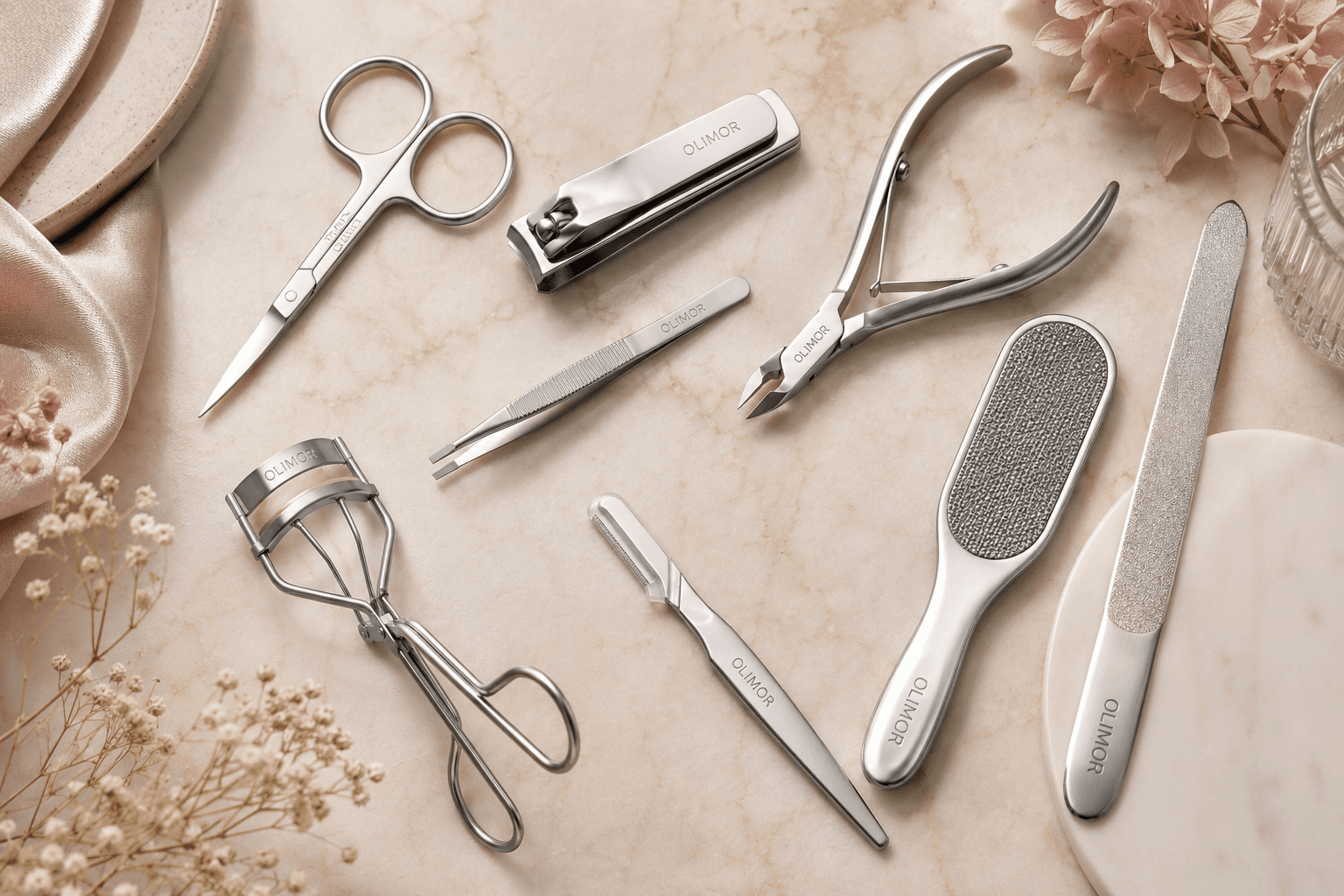
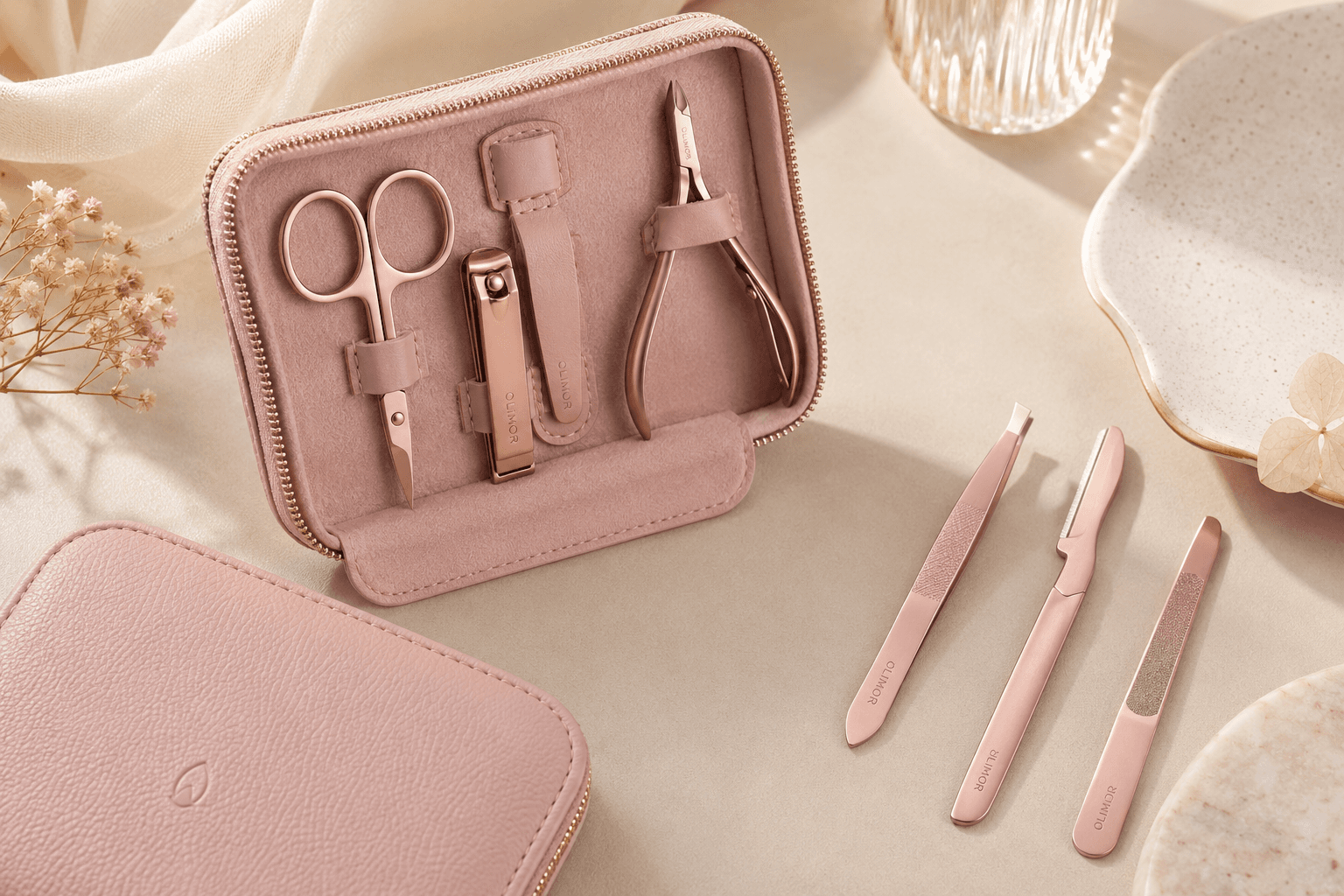
Olimor Beauty supplies custom tweezers for professional and personal beauty use, with attention to functionality, appearance and production inspection. As a China tweezers exporter, Olimor Beauty supports buyers who need tools suitable for retail shelves, salon kits, promotional sets or private-label beauty ranges. This guide explains what to evaluate before placing a bulk order, how to compare design options and which quality points matter most when sourcing tweezers at scale.
What Makes a Custom Tweezer Perform Well?
The performance of a tweezer begins at the tip. A well-made pair should meet evenly, grip accurately and release cleanly. If the tips are misaligned, too thick, too sharp in the wrong place or poorly finished, users may pinch the skin, break the hair instead of removing it, or struggle to catch short hairs. For eyebrow shaping and facial grooming, this difference is especially important because users work in small areas where control matters.
Another factor is tension. Tweezers should close with enough spring to grip firmly, but not require excessive finger pressure. Tools that are too stiff can tire the hand during salon use, while tools that are too soft may not hold hair securely. Balance is also important: the tool should feel stable, not flimsy, and the arms should return naturally after each squeeze.
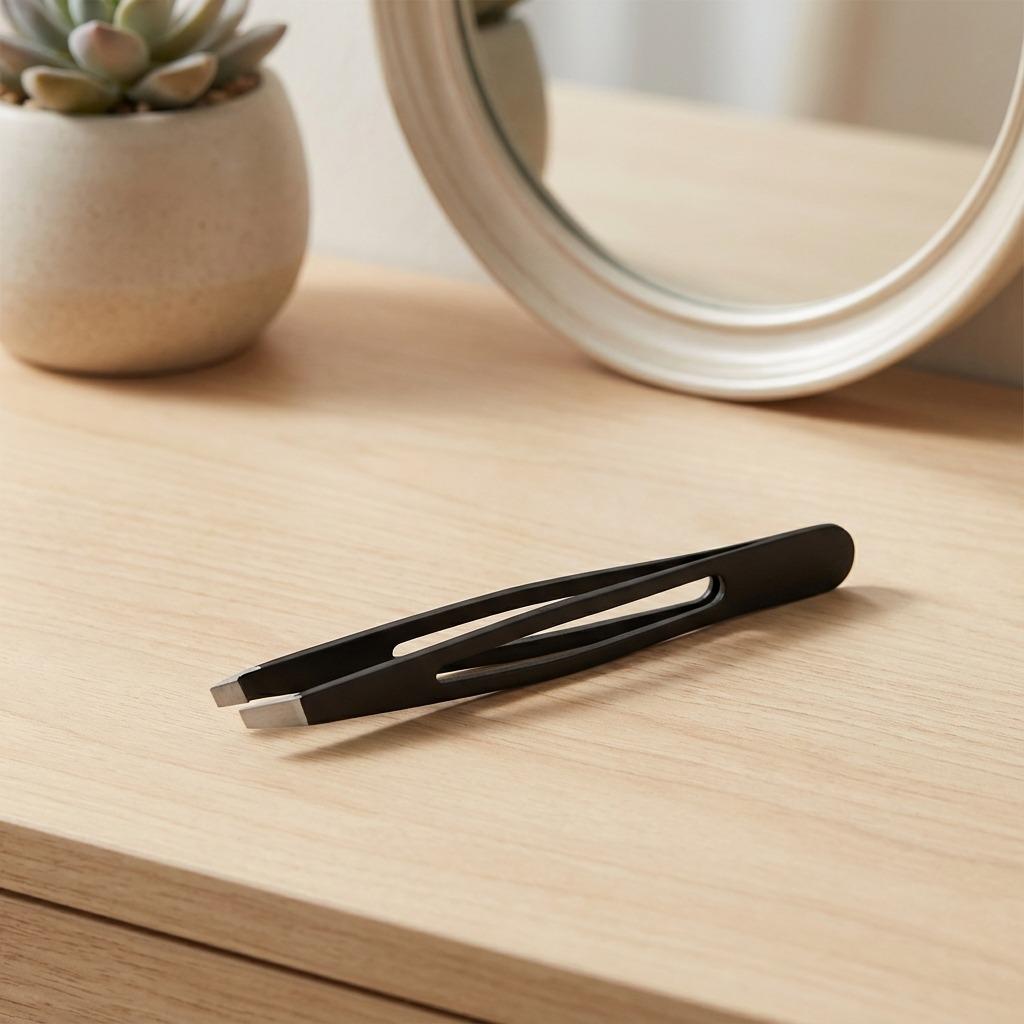
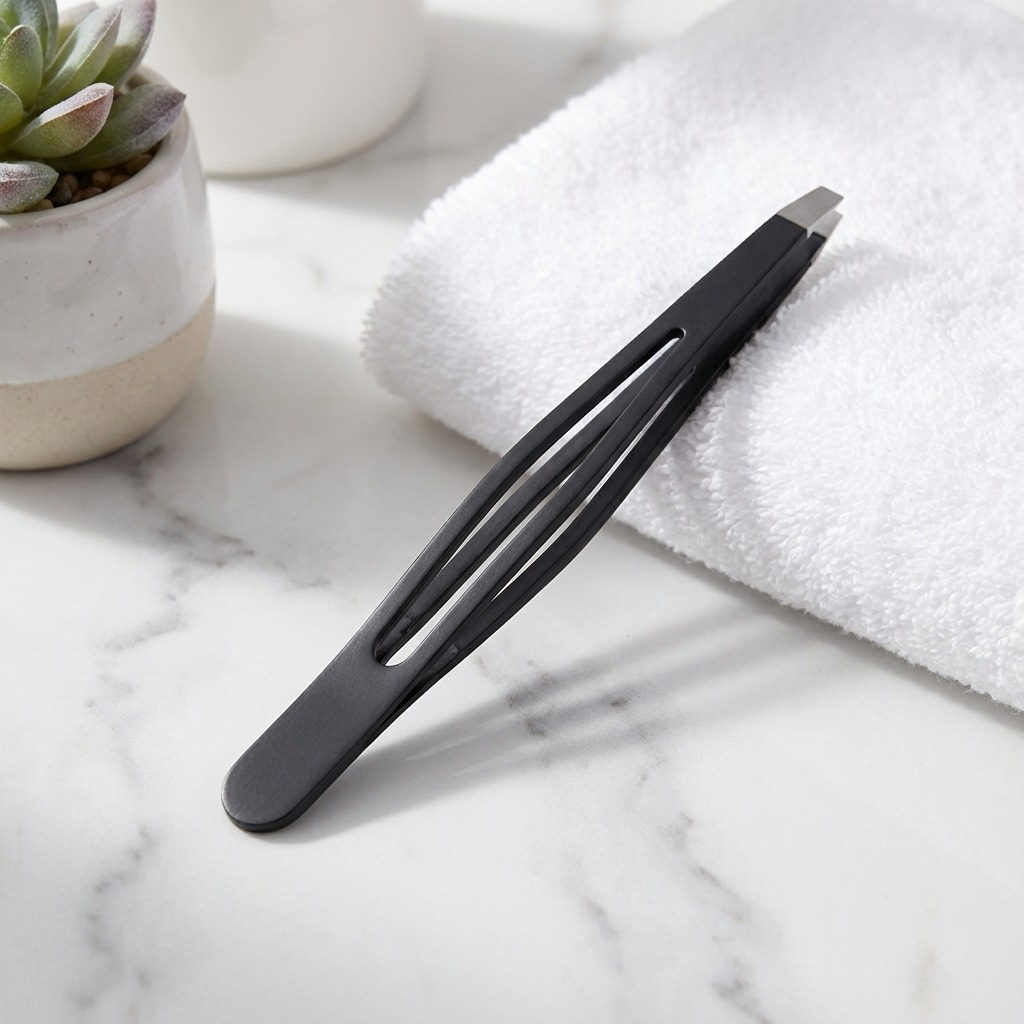
Olimor Beauty focuses on custom tweezers that combine precision handling with an elegant appearance. The original product description highlights stainless steel construction, slanted tips and ergonomic design. These features are practical rather than decorative: stainless steel is widely used for beauty tools because it supports durability and a clean finish; slanted tips help reach hairs at different angles; and ergonomic shaping supports easier handling during repeated use.
Choosing the Right Tweezer Style for Your Audience
A custom tweezer order should begin with the intended user. A salon technician, a travel kit customer and a retail beauty shopper may value different features. Before comparing finishes or packaging, define the job the tweezer needs to do. This prevents a design that looks attractive but does not match the use case.
- Eyebrow shaping: Slanted tips are often preferred because they can approach hairs from an angle and help with controlled plucking.
- Fine hair removal: Tip alignment and edge consistency are critical. A clean grip helps remove fine hairs without repeated pulling.
- Professional kits: Comfort, repeatable tension and durable construction matter because tools may be used frequently.
- Retail beauty ranges: Finish, color, packaging and branding options influence shelf appeal, but performance still determines customer satisfaction.
- Promotional or gift sets: Consistent appearance across units is important, especially when tweezers are paired with other tools.
Buyers can browse Olimor’s wider beauty tool products to compare how tweezers may fit with other grooming accessories in a kit or retail program. When selecting a custom tweezer, it is also helpful to consider whether the item will be sold alone, included in a set, or supplied to professional users who need repeat performance.
Bulk Order Considerations for Distributors and Beauty Brands
Bulk order tweezers require a different sourcing mindset from buying a few samples. In a larger order, consistency becomes just as important as the first sample’s appearance. Buyers should evaluate not only the shape and finish but also how the supplier controls variation from batch to batch. For tweezers, even slight differences in tip closure can affect the user experience.
When planning a bulk order, prepare a clear specification sheet. It does not need to be complicated, but it should define the essential decisions: tweezer type, tip style, material requirement, surface finish, color, logo position, packaging format and target market. This helps reduce misunderstandings and makes inspection easier before shipment.
A practical buyer checklist for bulk order tweezers includes:
- Confirm the tip design. For this product angle, slanted tips are a key feature. Check the angle, edge feel and alignment.
- Check grip performance. Test whether the tips can hold fine hairs or thin test material without slipping.
- Review tension. The tweezer should open and close smoothly without feeling too stiff or too loose.
- Inspect surface finish. Look for burrs, rough edges, uneven coating, scratches or discoloration.
- Assess ergonomic handling. The shape should feel comfortable between the fingers during repeated use.
- Define packaging needs. Packaging should protect tips and present the product clearly for its channel.
- Set inspection points. Decide which defects are critical, such as misaligned tips, weak grip or damaged packaging.
For buyers developing a broader product line, Olimor’s product collections can help you think about how tweezers coordinate with other beauty tools in appearance, packaging and positioning.
Design Details That Affect Everyday Use
Custom design is not only about color or logo placement. For tweezers, design choices affect comfort and accuracy. Slanted tips, for example, give the user a broad gripping edge while still allowing work near the brow line. This makes them versatile for everyday grooming and professional touch-ups. The key is for both sides of the tip to meet evenly; a beautiful finish cannot compensate for poor alignment.
Handle width and body shape also influence control. A tool that is too narrow may feel unstable, while one that is too wide may be awkward for smaller hands. The grip area should allow users to apply pressure naturally. Some buyers prioritize a smooth visual finish, while others may prefer a surface that feels more secure in the fingers. The best choice depends on whether the product is aimed at home consumers, salon professionals or travel kits.
Logo placement should be chosen carefully. A logo can support brand recognition, but it should not interfere with grip or make the tool look crowded. For retail products, the visual relationship between the tweezer, backing card, pouch or box should be considered together. The final product should look intentional when unpacked and when displayed.
Quality Inspection Points Before Shipment
Olimor Beauty’s original product information emphasizes inspection from raw materials to packaging. For buyers, it is useful to understand what should be checked so acceptance criteria are practical. Tweezers are small tools, but they need functional inspection, not just visual review.
The following table summarizes key inspection areas and why they matter:
| Inspection area | What to check | Why it matters |
|---|---|---|
| Tip alignment | Both tips meet evenly when closed | Determines whether the tweezer can grip accurately |
| Grip test | Tips hold fine hair or thin material without slipping | Confirms real grooming performance |
| Tension | Opening and closing feel smooth and controlled | Supports comfort during repeated use |
| Edges and finish | No sharp burrs, rough spots or visible defects | Protects user comfort and product appearance |
| Packaging | Units are clean, protected and correctly presented | Reduces damage and supports retail readiness |
Inspection should be tied to the final selling channel. A salon supply customer may focus heavily on performance and durability. A retail buyer may add stricter requirements for packaging cleanliness, barcode placement or display condition. A gift set buyer may need the tweezer to match other tools in color and finish. Defining these priorities early helps the production and checking process stay focused.
Working With a China Tweezers Exporter
Many global beauty buyers source tweezers from China because of the established supply chain for beauty tools, finishing options and export experience. However, choosing a China tweezers exporter should not be based only on appearance or unit cost. A reliable sourcing process should include sample review, specification confirmation and clear communication about quality expectations.
When comparing suppliers, look for evidence that the exporter understands the functional details of tweezers. The conversation should include tip closure, tension, material, surface finish, packaging protection and inspection. For custom orders, artwork handling and packaging layout also need careful confirmation. If the product will be part of a larger beauty range, consistency with other tools should be discussed before production begins.
Olimor Beauty supports custom tweezers for businesses and distributors that need bulk order options for global markets. If you are developing a retail line, salon supply program or grooming kit, you can send an inquiry with your target use, preferred tip style, packaging idea and branding requirements. For more general sourcing questions, you can also contact Olimor to discuss the most suitable next step.
How to Prepare a Clear Custom Tweezer Brief
A clear brief reduces delays and helps ensure that samples reflect the product you actually want to sell. Start with the customer and use case: brow grooming, professional salon work, retail impulse purchase, travel kit or branded set. Then define the core construction and appearance. If slanted tips are required, state that clearly. If stainless steel construction is part of your requirement, include it in the brief along with the desired finish and packaging style.
Next, prepare artwork files for logos or packaging and identify where branding should appear. Keep the design readable at the small scale of a tweezer body. It is also wise to describe unacceptable defects, such as poor tip alignment, weak grip, rough edges or visibly damaged packaging. These points help both sample evaluation and later inspection.
Finally, compare samples as tools, not just as photos. Open and close them repeatedly, test the grip, check comfort and examine the tips under good light. A custom tweezer that passes these practical checks is more likely to satisfy end users and support repeat orders. With careful selection and clear quality expectations, custom tweezers can become a dependable product in a beauty brand’s tool range.
Tag: