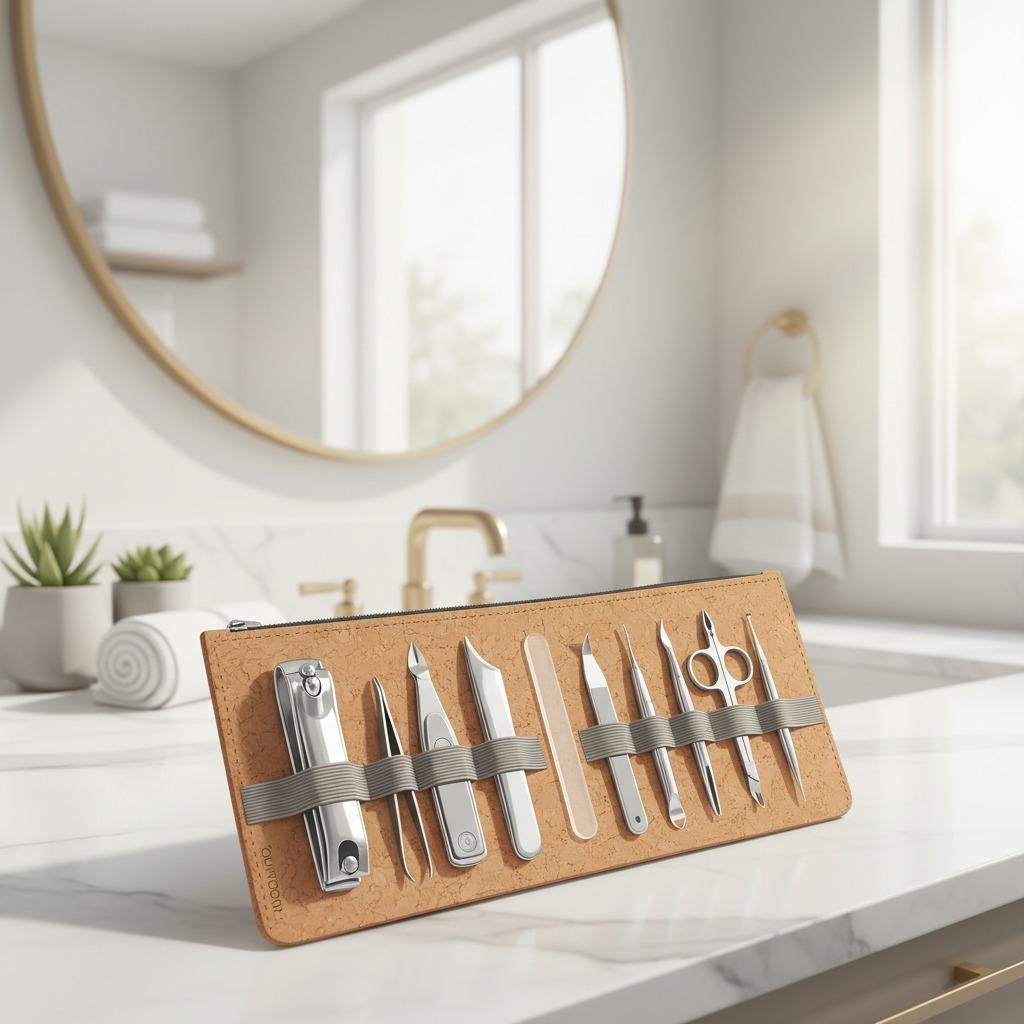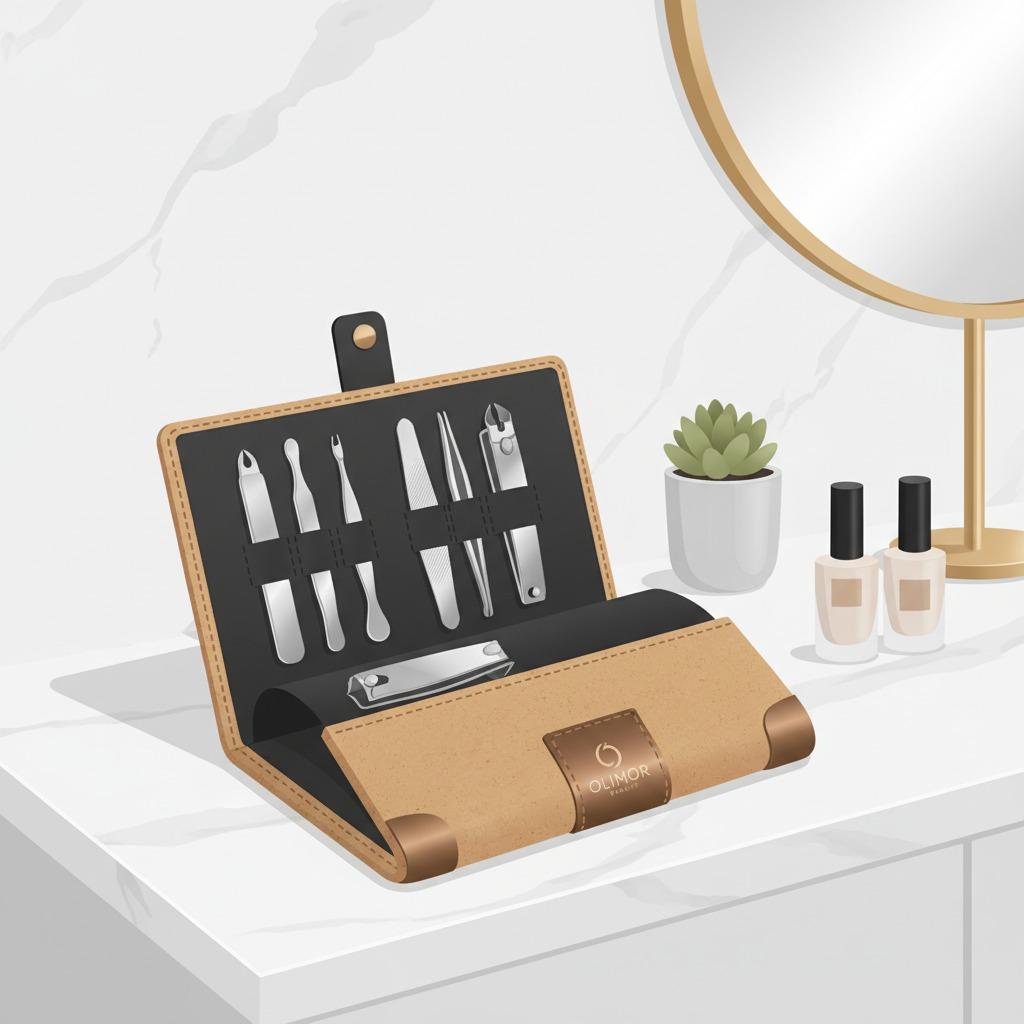













Spa Personal Care Tools Wholesale: A Practical Sourcing Guide for Beauty Businesses
Buying spa personal care tools wholesale is not just a cost decision. For spas, salons, beauty retailers, distributors and private-label brands, the tools you choose influence treatment consistency, customer trust, repeat purchases and the way your business is perceived. A facial tool that feels balanced in the hand, a grooming accessory that arrives with clean finishing, or a retail-ready item that matches your packaging standards can help your team deliver a more professional experience.
Wholesale sourcing also brings more complexity than buying finished retail products one by one. Buyers need to compare materials, production consistency, ergonomic design, packaging, ethical positioning, lead-time expectations and inspection processes. The goal is not simply to find the lowest unit price; it is to build a product range that is reliable, repeatable and suitable for your market.
This guide explains how to approach spa personal care tools wholesale with a buyer’s mindset, especially when evaluating cruelty-free beauty tool expectations and personal care tools manufacturing in Asia.
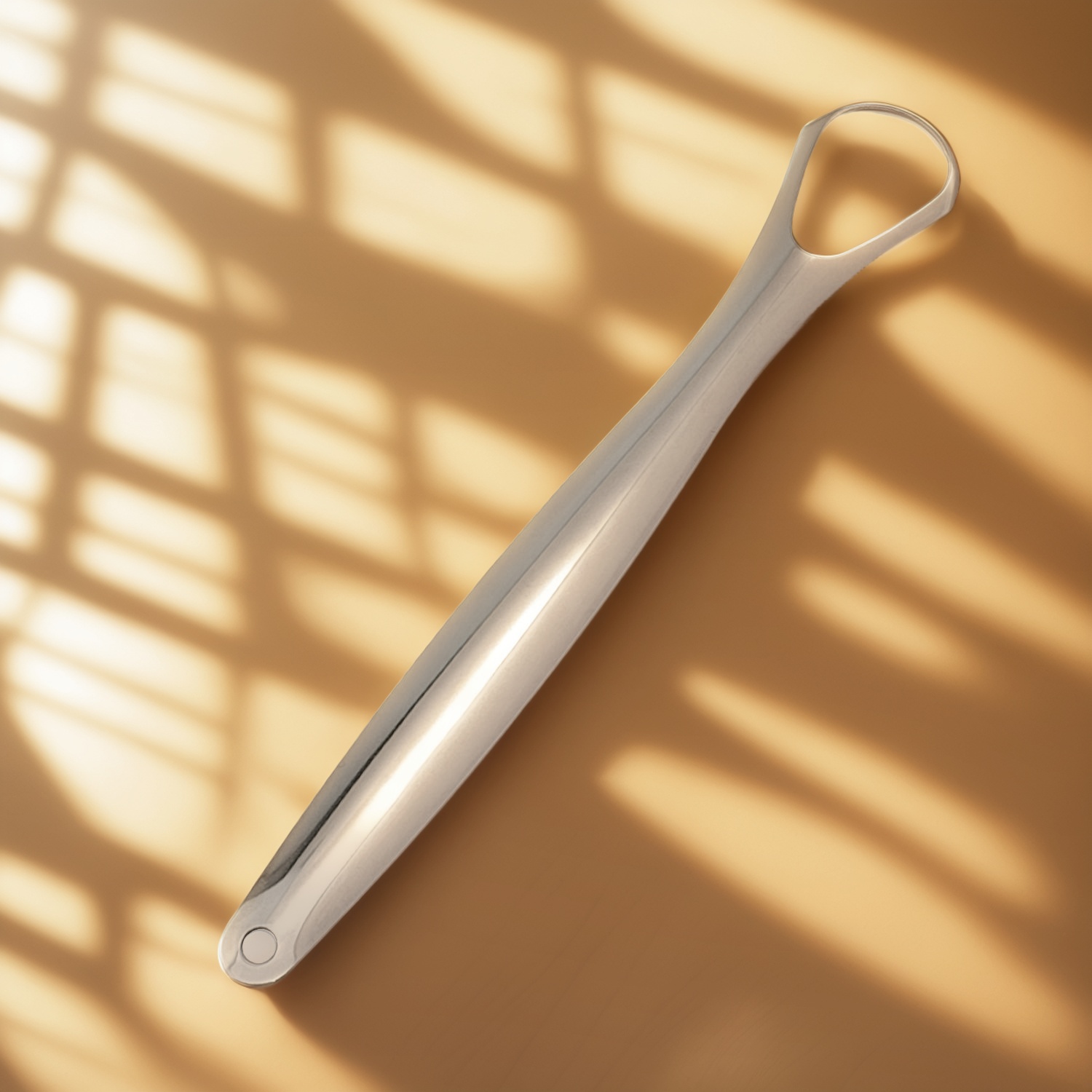
Why Wholesale Spa Tools Matter for Service and Retail
Wholesale personal care tools support two common business needs. The first is professional service use: spas and salons need tools that can be handled comfortably, cleaned appropriately and used consistently across many clients. The second is retail resale: customers often want to continue at-home care after a facial, grooming service or consultation, and a well-chosen tool range can extend the customer relationship beyond the treatment room.
For service businesses, the value of wholesale sourcing comes from standardization. When every treatment room uses the same tool type and quality level, staff training becomes easier and the customer experience becomes more predictable. For retailers and distributors, wholesale sourcing allows a more coherent product assortment, better packaging control and improved margin planning.
Before comparing suppliers, define the role each item will play. A tool intended for backbar professional use may need different packaging and finish requirements than an item displayed in a gift set. A compact grooming accessory for travel retail may need different durability and presentation criteria than a spa tool sold through an online store. Clear use cases help avoid ordering products that look attractive but do not fit daily operations.
Key Selection Criteria for Spa Personal Care Tools
When reviewing wholesale beauty tool options, buyers should combine visual assessment with practical handling and product consistency checks. The following criteria are useful for most spa and personal care tool categories:
- Fit for intended use: Confirm whether the item is suitable for professional spa service, retail resale, home care, travel use or promotional kits.
- Surface finish: Check for rough edges, uneven coating, visible glue marks, loose parts or finishing inconsistencies that could affect user confidence.
- Ergonomics: Tools should feel stable and comfortable in the hand, especially if staff will use them repeatedly during appointments.
- Cleaning compatibility: Consider how the tool will be wiped, cleaned, stored or presented after handling. Avoid designs with unnecessary crevices if hygiene management is important.
- Packaging function: Packaging should protect the tool during transport and suit the sales channel, whether spa retail shelves, e-commerce shipping or distributor cartons.
- Batch consistency: Ask how color, finish, dimensions and assembly are controlled from one production batch to the next.
- Claim support: If you plan to market a tool as cruelty-free, vegan, sustainable or ethically made, ensure the claim is clearly defined and supported by relevant supplier documentation.
These checks are especially important for businesses building long-term product assortments. A single sample may look acceptable, but wholesale success depends on whether the same standard can be repeated at quantity.
Cruelty-Free Beauty Tools: What Buyers Should Verify
Customer interest in cruelty-free beauty tools continues to shape product selection. However, “cruelty-free” can mean different things depending on the market, product category and marketing channel. For beauty tools, the term often relates to avoiding animal-derived materials, avoiding animal testing claims where applicable, or aligning with ethical beauty values. Because definitions vary, buyers should make the requirement specific before placing an order.
For example, if a tool includes a brush, sponge, handle covering, pouch or decorative component, confirm whether any material is animal-derived. If your market requires certain statements on packaging or product pages, prepare the wording early and make sure it matches what the supplier can support. If you are selling through marketplaces or retailers, check their claim policies as well, because unsupported ethical claims may be rejected even if the product itself is acceptable.
A practical approach is to separate product facts from marketing language. Product facts include material composition, component list, production process notes and packaging materials. Marketing language includes phrases such as cruelty-free, vegan-friendly or ethically produced. Strong sourcing teams verify the facts first, then decide which claims are appropriate for the target market.
Manufacturing in Asia: Benefits and Buyer Responsibilities
Asia is a major hub for personal care tools manufacturing, combining production experience, technical knowledge, supplier networks and broad material availability. For wholesale buyers, this can mean access to a wide variety of beauty tool categories, packaging formats and customization options. It can also make it easier to develop coordinated product ranges rather than sourcing every item from a different region.
At the same time, successful sourcing depends on clear communication. A manufacturer can only control to the standard that has been defined. If finish tolerance, packaging strength, color reference, logo placement or carton labeling is important, those details should be written into the project requirements instead of discussed informally.
Buyers evaluating an Asian personal care tools manufacturer should consider production communication, sampling discipline, inspection procedures and responsiveness to corrective feedback. A supplier’s ability to explain how products are checked can be as important as the appearance of the first sample. Consistent manufacturing is built through specifications, approved samples, production records and inspection routines.
Olimor Beauty works with beauty businesses looking for dependable sourcing support across personal care tools. Buyers can review broader beauty tool products or explore product collections to plan a more complete wholesale assortment.
A Wholesale Evaluation Checklist
The table below can help purchasing teams compare spa personal care tool suppliers in a structured way. It is especially useful when several samples look similar at first glance.
| Evaluation Area | What to Check | Why It Matters |
|---|---|---|
| Product handling | Weight balance, grip comfort, edges and movement | Improves staff comfort and customer perception |
| Visual consistency | Color, finish, shape, logo position and surface cleanliness | Supports a professional retail or spa presentation |
| Material information | Component list and any animal-derived material concerns | Helps support cruelty-free or vegan positioning where relevant |
| Packaging | Protection, labeling space, barcode needs and display style | Reduces damage risk and improves sales readiness |
| Quality control | Inspection points before, during and after production | Reduces the chance of inconsistent wholesale shipments |
| Communication | Response clarity, sample notes and revision tracking | Prevents misunderstandings before mass production |
Using a checklist prevents decisions from being based only on product photos. Photos are useful for shortlisting, but hands-on sample review and written specifications are the foundation of reliable wholesale purchasing.
Packaging and Presentation for Spa, Retail and Online Sales
Packaging deserves attention early in the sourcing process. A spa that uses tools only in treatment rooms may prioritize simple protective packaging and efficient storage. A retailer may need packaging that communicates the product purpose quickly and looks clean on display. An e-commerce seller may need packaging that protects the item during parcel shipping and reduces customer complaints about damage.
Consider whether each tool needs usage instructions, care guidance, warning language, material descriptions or brand story space. For personal care items, concise instructions can reduce misuse and improve customer satisfaction. If the product is part of a set, make sure each component has a clear purpose and that the packaging does not overpromise results.
Private-label buyers should also think about how the item fits into a broader assortment. Matching packaging colors, consistent naming conventions and clear category grouping can make a wholesale range easier to sell. Even simple decisions, such as whether to use a pouch, box, insert card or sleeve, affect perceived value and shipping efficiency.
Maintenance Guidance to Reduce Complaints
A useful wholesale product is not finished when it leaves the factory. End users need to know how to store, clean and handle it. Maintenance guidance should be realistic and specific to the tool type. Avoid vague instructions that say only “clean regularly.” Instead, provide practical care notes suited to the material and intended use.
For spa operators, create internal handling rules so staff store tools consistently between services. For retail customers, include simple care guidance on packaging or inserts. This can help reduce avoidable complaints related to residue, moisture exposure, dropping, improper cleaning or storage in unsuitable conditions.
Maintenance information also supports repeat business. Customers are more likely to trust a brand that explains how to use and care for a product responsibly rather than relying on exaggerated claims.
Building a Sourcing Brief Before You Request Samples
A clear sourcing brief helps manufacturers understand your expectations and reduces sample rounds. Before contacting a supplier, prepare the following information:
- Target sales channel, such as spa service, retail resale, online store, distributor program or gift set.
- Preferred product categories and estimated assortment structure.
- Material preferences and any restrictions related to animal-derived components.
- Packaging expectations, including display needs, instruction cards or labeling space.
- Branding requirements such as logo placement, color direction or neutral packaging.
- Quality concerns based on previous sourcing experience, such as weak packaging, inconsistent finish or uncomfortable handling.
- Any market-specific compliance, labeling or claim requirements that your business must meet.
This brief does not need to be complicated, but it should be specific enough to guide sample selection. If your team is comparing several product directions, organize them by priority so the supplier can recommend the most suitable options first.
Choosing the Right Wholesale Partner
The right supplier for spa personal care tools wholesale should do more than send a catalog. Look for a partner that can discuss product use, finishing expectations, packaging choices and quality control in practical terms. Strong communication during sampling often predicts smoother production later.
It is also helpful to evaluate whether the supplier understands your audience. A spa chain, an independent salon, a beauty distributor and an online private-label brand may all buy personal care tools, but they do not have identical priorities. The best sourcing path depends on how the tools will be used, displayed, shipped and explained to customers.
If you are planning a new wholesale assortment or refining an existing beauty tool range, you can contact Olimor to discuss product direction or send an inquiry with your sourcing brief. A structured conversation at the beginning can save time, reduce product mismatches and help you build a personal care tool lineup that supports both professional use and customer trust.