











How Distributors Can Source High-Quality Nail Clippers from China
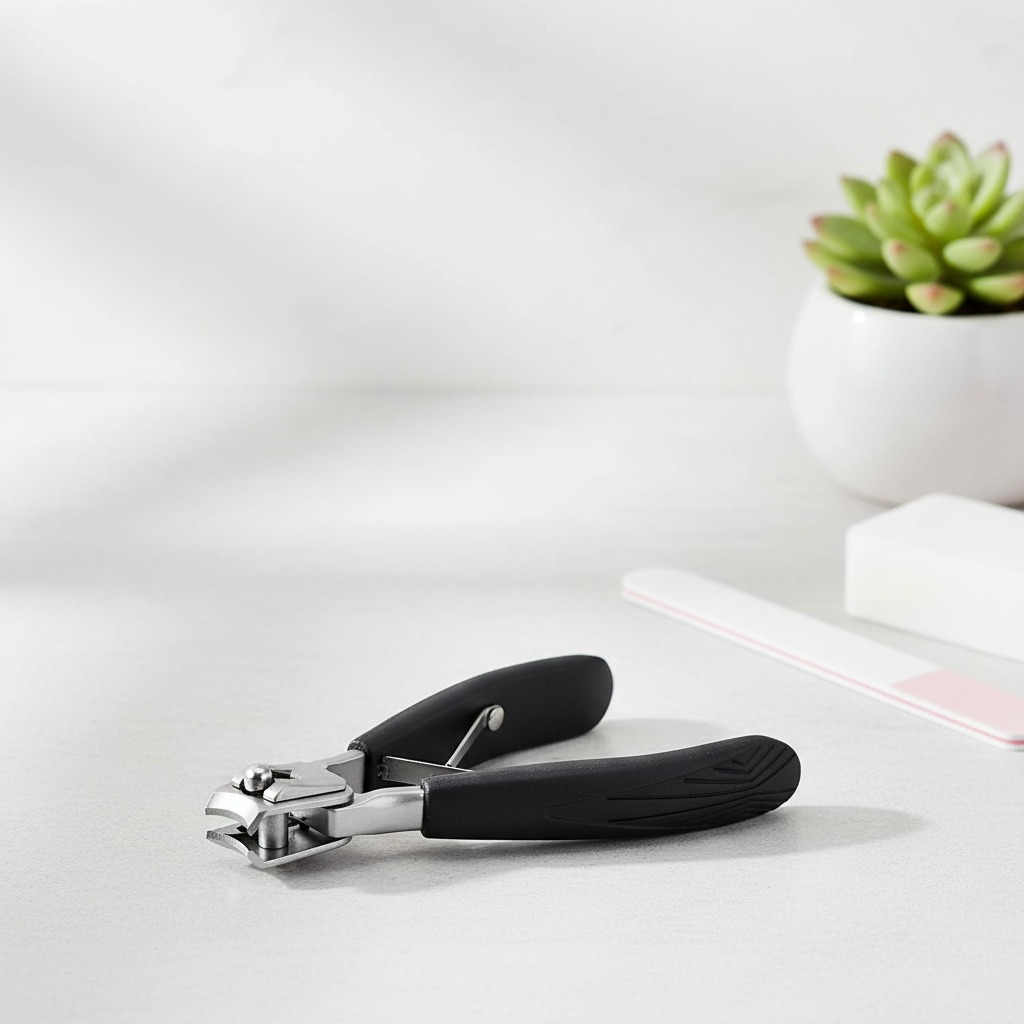
For distributors, retailers, and resellers, nail clippers are not just small accessories. They are repeat-demand grooming tools where performance, comfort, packaging, and consistent supply all affect customer satisfaction. A clipper that cuts cleanly can support repeat orders; a clipper that feels weak, slips in the hand, or arrives with inconsistent packaging can quickly create returns and complaints.
China remains a major sourcing destination for beauty and grooming tools because buyers can compare product types, packaging options, and export services in one market. The challenge is not simply finding a nail clipper supplier. The more important task is choosing a reliable product configuration and building a sourcing process that protects your margin, brand reputation, and delivery schedule.
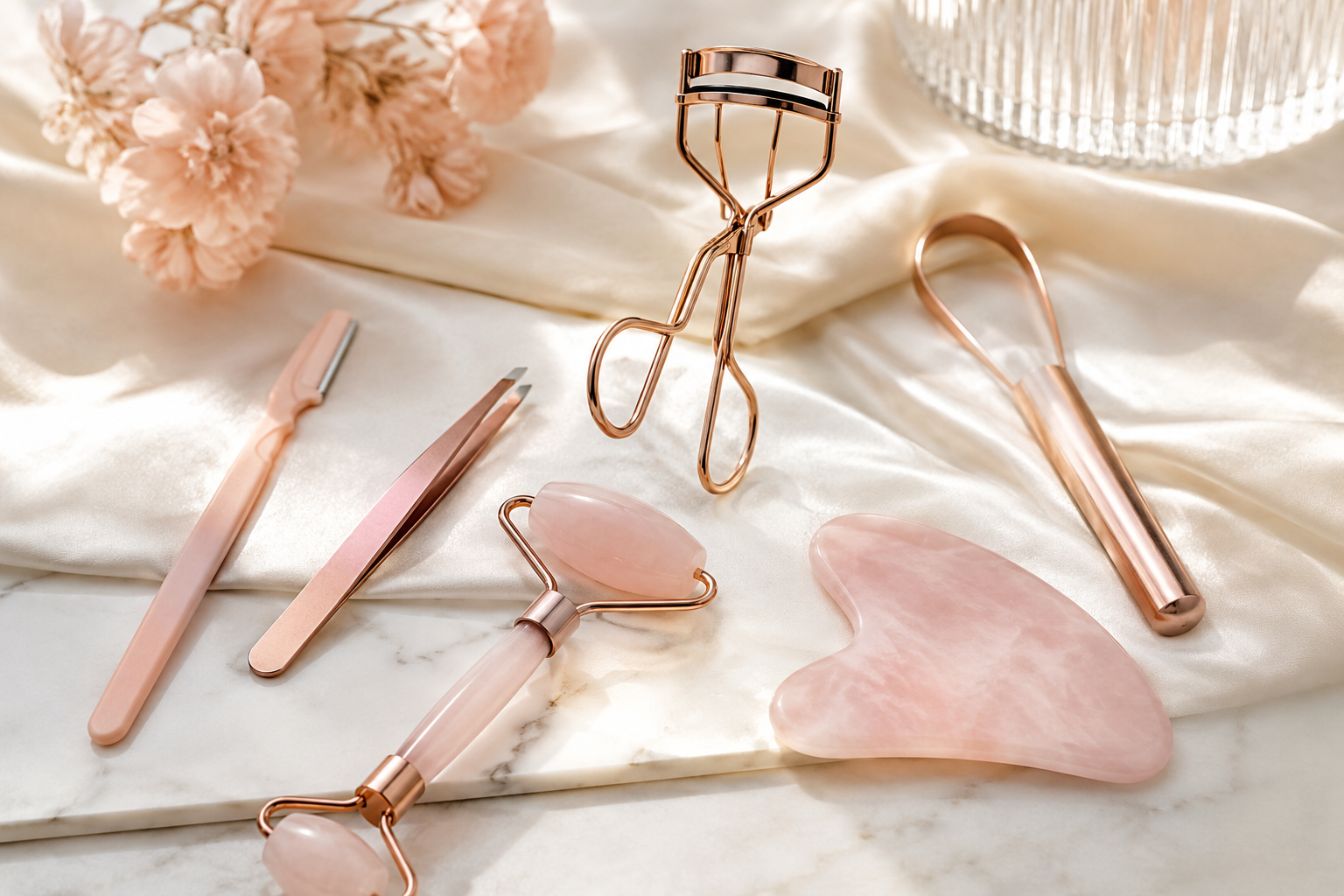
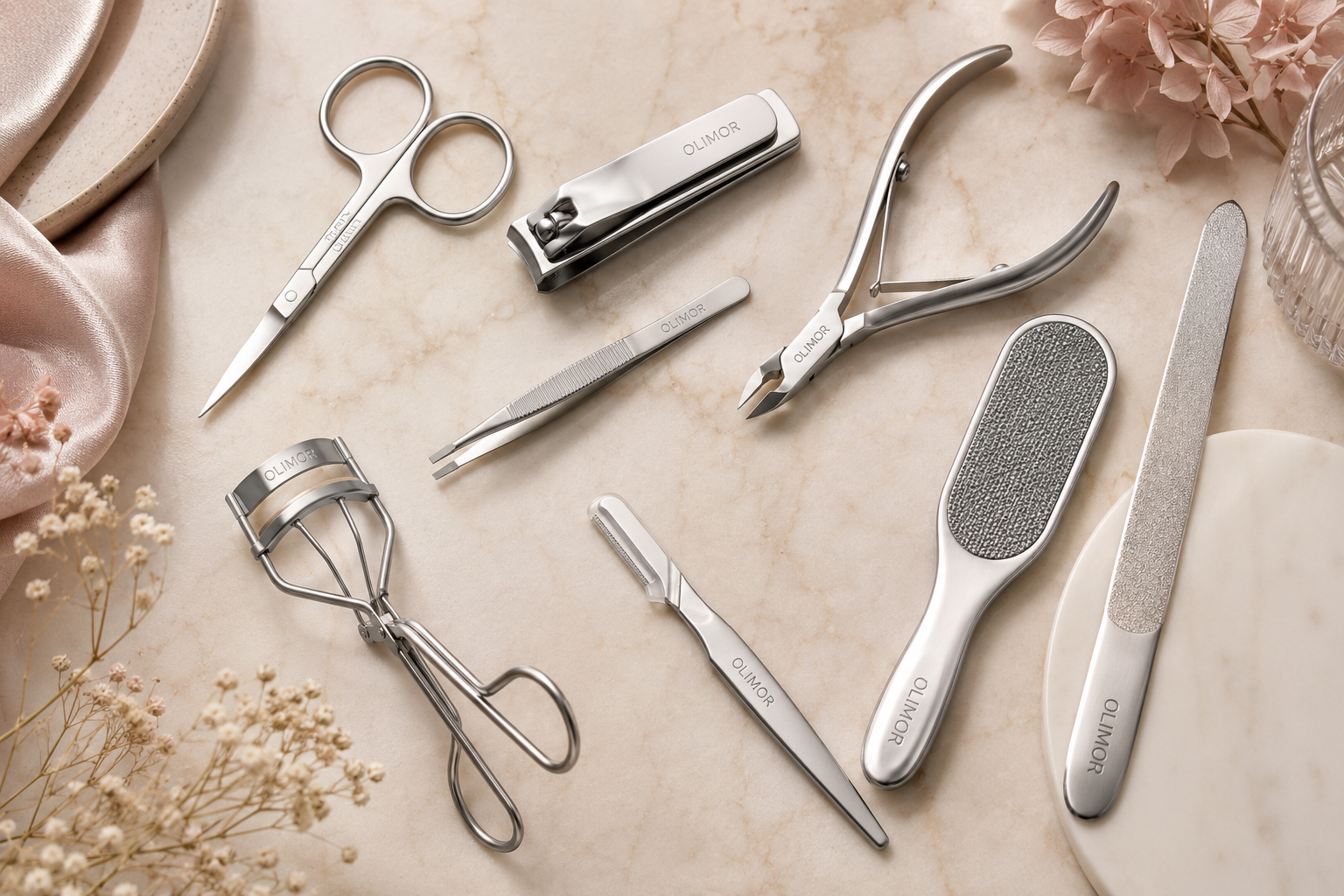
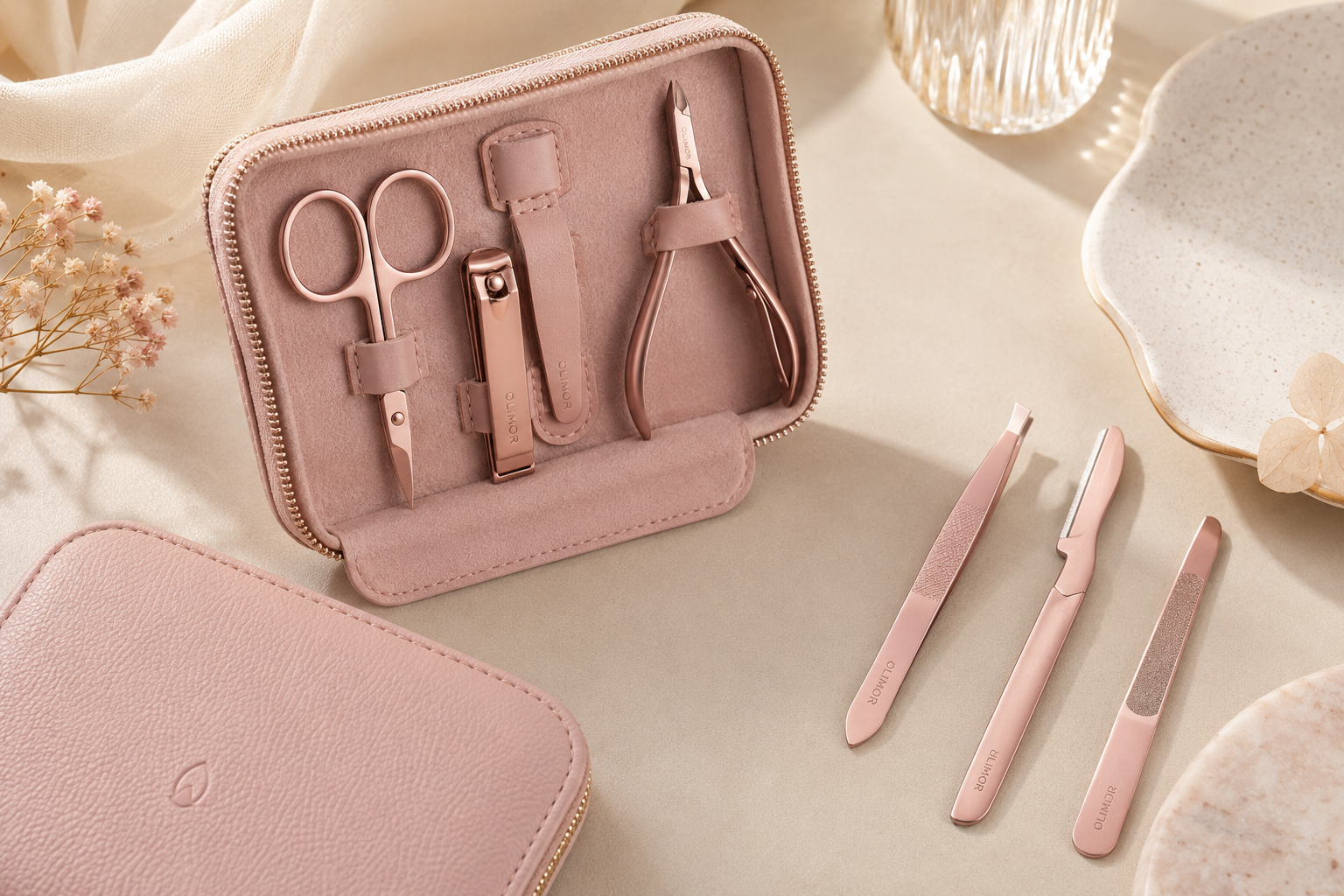
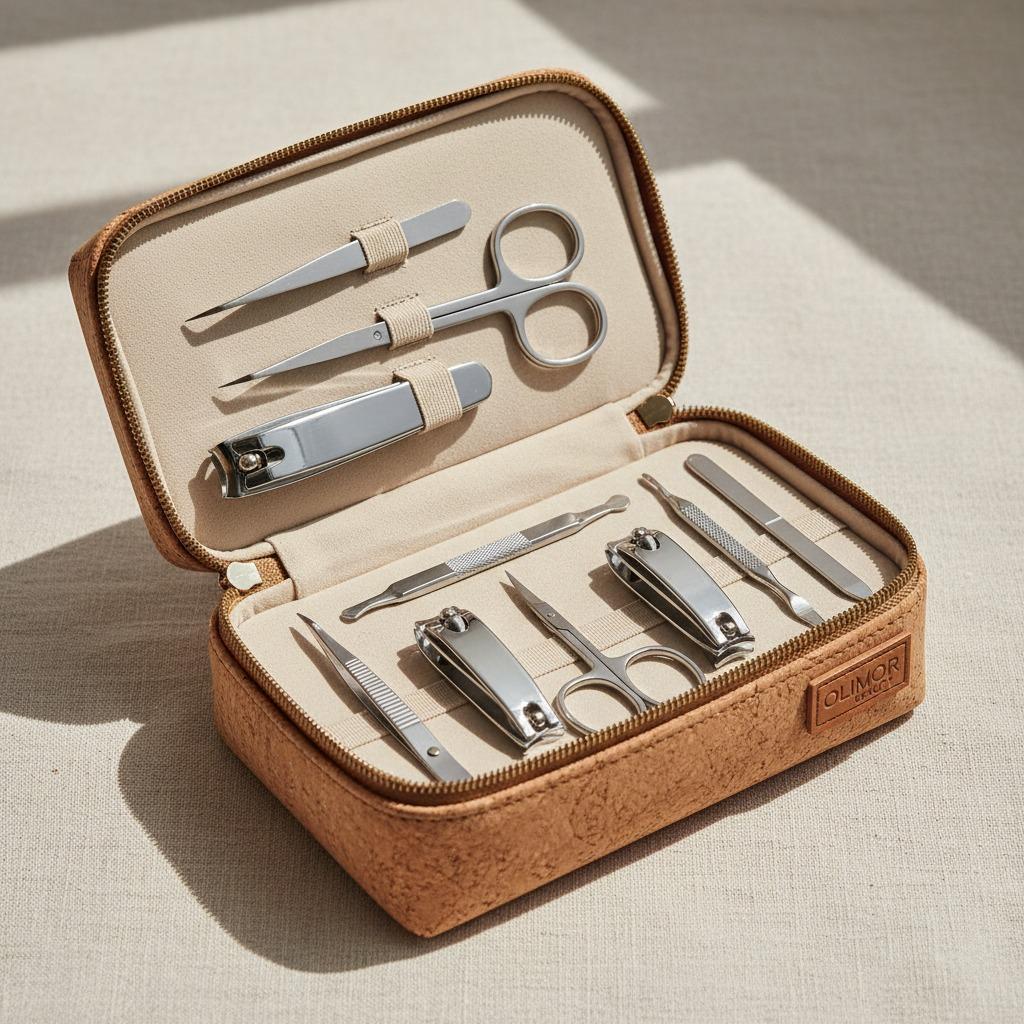
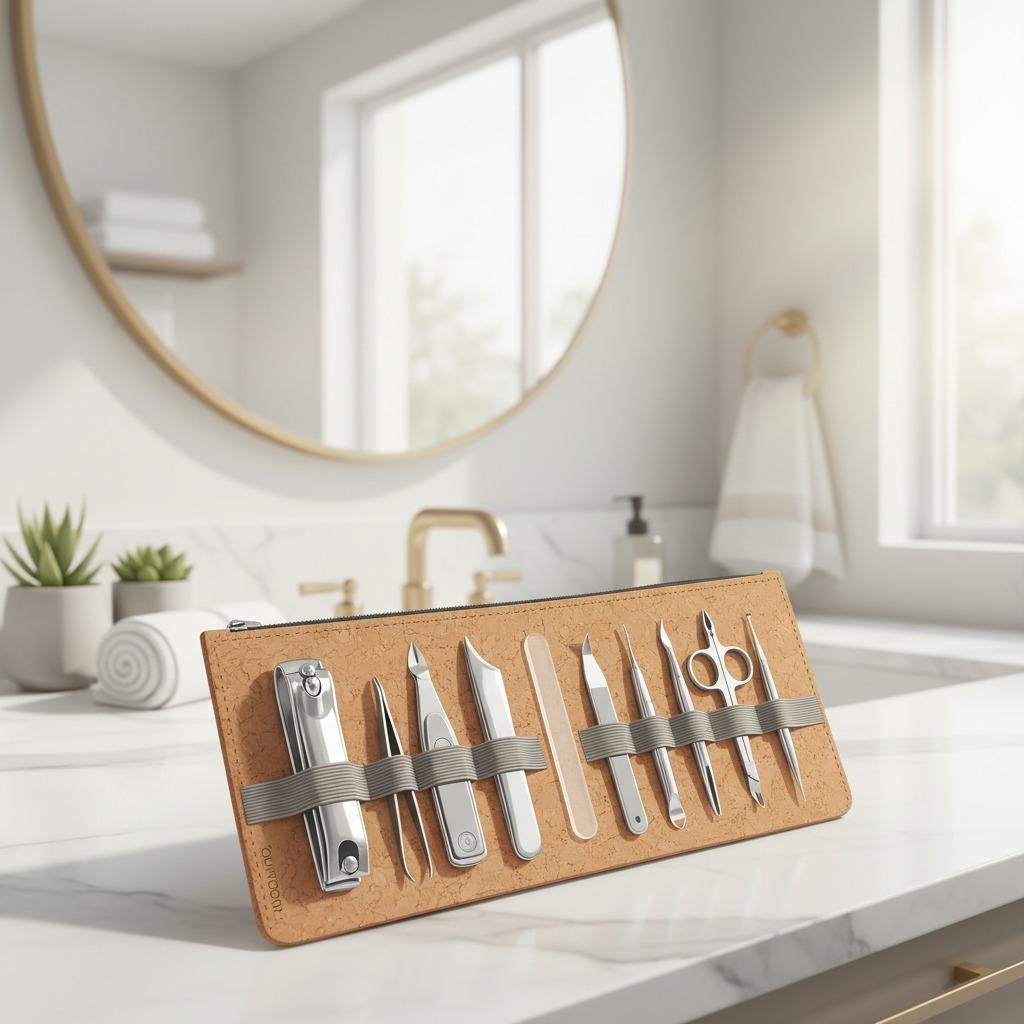
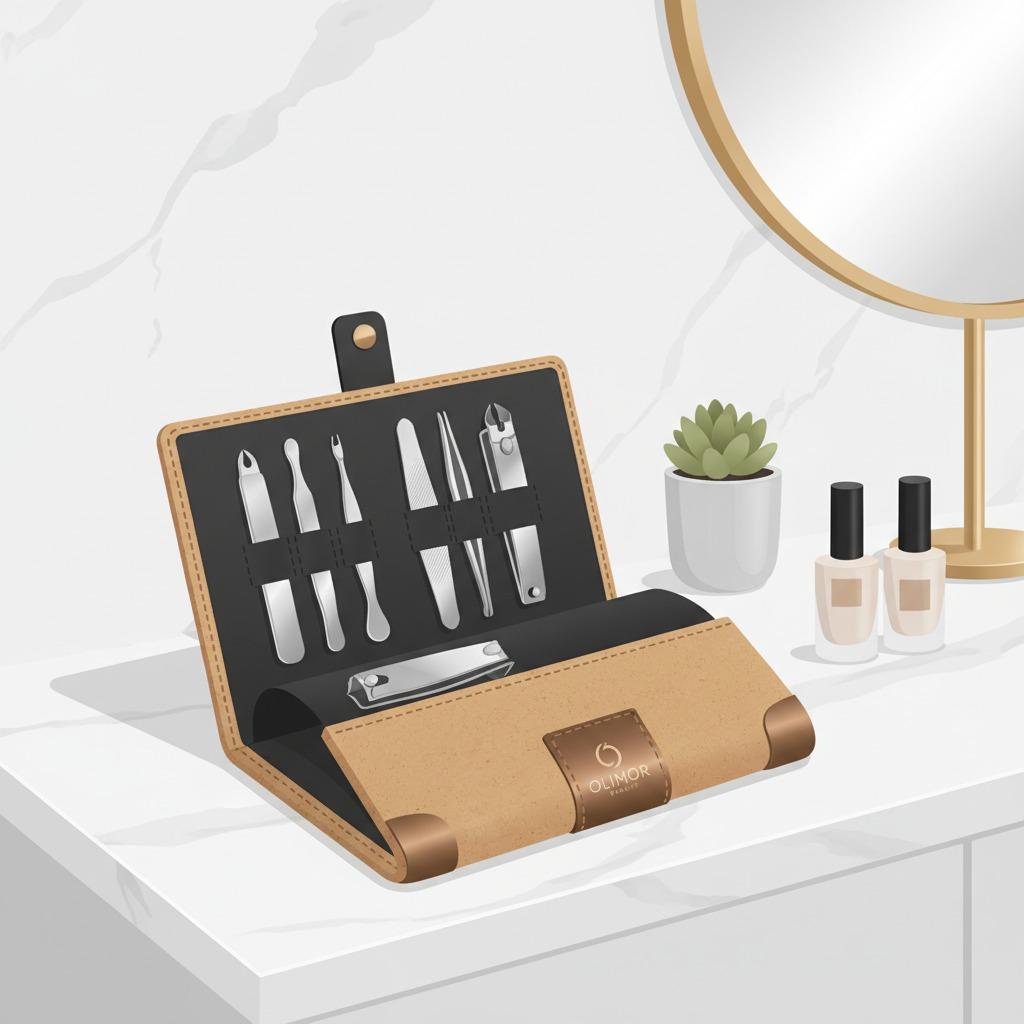
Olimor Beauty supplies beauty tools for buyers who need practical product selection and dependable communication. If you are building or refreshing a grooming category, you can also review Olimor beauty tool products or browse broader product collections to compare related items for retail sets and distributor programs.
Start with the Buyer You Serve
A good sourcing decision begins with the channel, not the factory catalog. A nail clipper for distributors may need to work across several customer types, while a retail-focused item may depend more heavily on shelf presentation. A reseller may prefer a simple, reliable product that can be listed quickly with clear benefits and minimal after-sales complexity.
Before requesting samples, define the primary sales route:
- Wholesale distribution: prioritize stable supply, consistent carton packing, durable blades, and packaging that is easy for downstream retailers to handle.
- Retail stores: look closely at hanging cards, blister packs, printed instructions, barcode placement, and how the product appears on a display wall.
- Online resellers: focus on product photos, safe packaging for parcel delivery, clear dimensions, and a design that customers can understand without in-person assistance.
- Pet grooming channels: check grip comfort, cutting control, and whether the clipper is suitable for the intended pet size and grooming use.
- Personal care assortments: evaluate finish quality, compactness, hygiene perception, and compatibility with manicure or grooming kits.
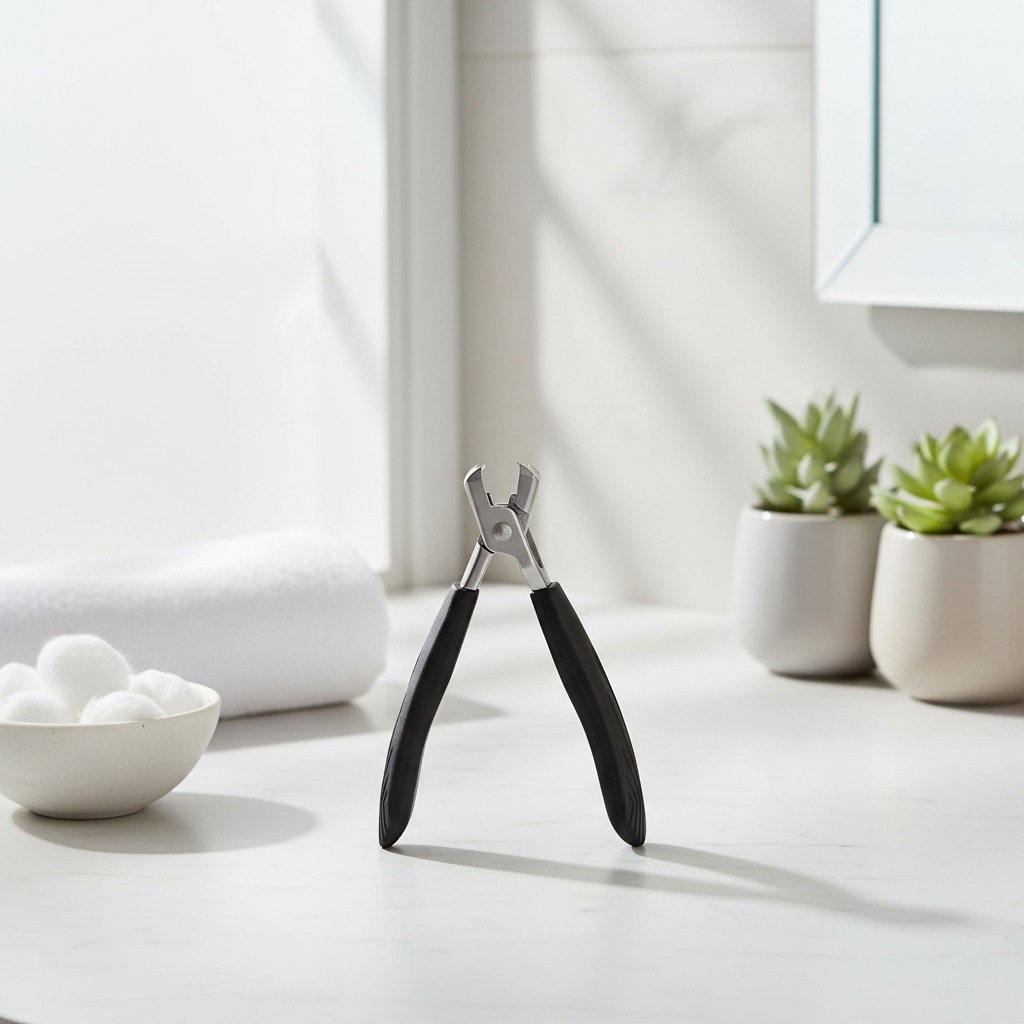
The original product angle highlights pet grooming and personal care, with stainless steel cutting parts and a black ridged handle for grip. Those details are valuable because they address two common purchasing concerns: cutting performance and control during use. For distributors, these practical features are often easier to sell than vague beauty claims.
What to Check in a Nail Clipper Sample
Sample review should be more structured than simply opening the package and trying one cut. A distributor should treat samples as evidence of manufacturing consistency. If the sample is excellent but the production order varies, the sourcing process has failed. Build a checklist and use the same checklist across competing suppliers so you can compare fairly.
| Inspection point | Why it matters | What to look for |
|---|---|---|
| Blade alignment | Misalignment can cause crushing rather than clean clipping. | Edges should meet evenly without visible offset. |
| Cutting feel | End users judge quality immediately by the first cut. | Smooth pressure, no twisting, no excessive force. |
| Handle grip | Slipping increases discomfort and reduces control. | Ridges or texture should feel stable in dry hands. |
| Surface finish | Visible defects can hurt retail acceptance. | No sharp burrs, staining, uneven coating, or loose parts. |
| Packaging fit | Poor packaging can damage products and reduce shelf appeal. | Clipper should be secure, readable, and protected in transit. |
For pet nail clippers, also assess how the tool fits different hand sizes. A clipper can have sharp stainless steel blades but still perform poorly if the handle causes strain or the user cannot see the cutting area clearly. If the product is intended for both professional groomers and home users, the balance between durability and ease of use becomes especially important.
Material, Blade, and Handle Decisions
Stainless steel is commonly preferred for nail clipper blades because buyers associate it with sharpness, cleanliness, and durability. However, a buyer should not rely on the words “stainless steel” alone. The production quality, edge finishing, and assembly all influence real performance. When specifications are not fully confirmed, treat material claims as one part of the review rather than the whole decision.
The handle also deserves attention. The supplied article describes sleek black handles with ridges for comfortable grip. For distributors, this type of design can be useful because it is visually simple, easy to merchandise, and practical for controlled clipping. The color and texture should remain consistent across units, especially if the item will be sold under a unified retail display or private label program.
When comparing configurations, consider these questions:
- Does the blade open and close smoothly after repeated use?
- Is the handle comfortable for left- and right-hand users?
- Does the product feel stable enough for pet grooming applications?
- Are there any exposed edges or burrs that could affect safe handling?
- Can the packaging communicate the intended use clearly in your market?
- Will the product fit your existing retail display, shipping carton, or online listing format?
These questions help avoid a common sourcing problem: selecting a product that looks acceptable in photos but does not fit the actual sales channel. A distributor’s best product is not always the most complex one. It is the one that can be supplied consistently, explained clearly, and used comfortably by the target customer.
Managing Nail Clipper Export from China
Nail clipper export from China involves more than price negotiation. Documentation, packing, labeling, lead time, and communication rhythm all affect whether the order moves smoothly. Importers should clarify requirements before production rather than correcting issues after goods are finished.
Important export planning points include product description, carton markings, shipping method, packaging language, barcode needs, and market-specific labeling rules. If your company requires certificates of origin, commercial invoices, packing lists, or specific customs descriptions, these should be agreed early. For private label or retail-ready orders, artwork approval and packaging proofing should be treated as formal steps, not casual email attachments.
Buyers new to this category can reduce risk by separating the sourcing process into stages: sample confirmation, packaging confirmation, pre-production details, production inspection, and shipment document review. This structure gives both the buyer and supplier a shared reference point and reduces misunderstandings.
Quality Control for Distributor Orders
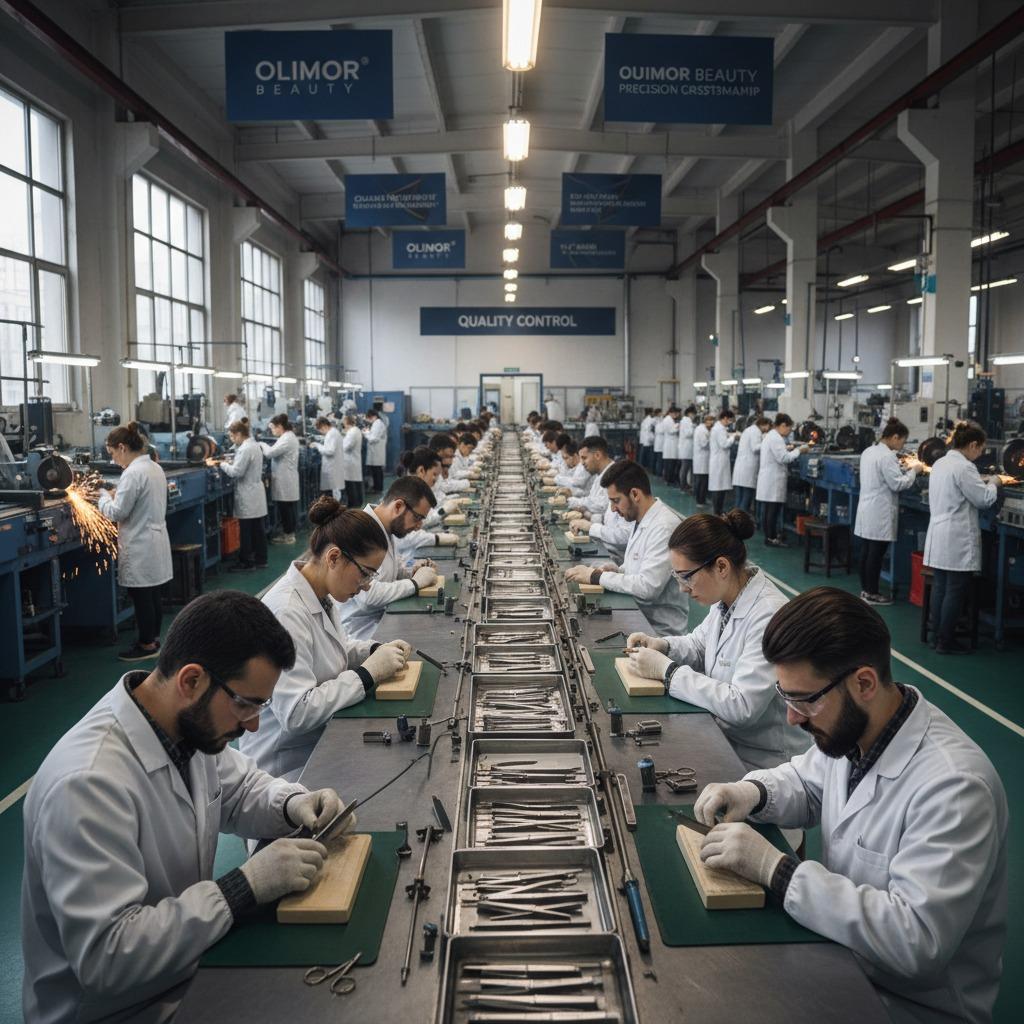
Quality control should match the order’s commercial risk. A small trial order may only need careful sample approval and final photo checks. A larger distributor order may justify more detailed inspection before shipment. The goal is to confirm that production matches the approved sample and that the packaging is suitable for the intended sales channel.
Useful QC checkpoints include counting units per carton, checking random samples for cutting action, confirming handle finish, reviewing printed packaging, and checking whether the goods are clean and dry before packing. Storage matters as well. Nail clippers should be protected from moisture and rough handling so the cutting edges and packaging arrive in sellable condition.
Distributors should also collect feedback after the first shipment reaches the market. Track which complaints are related to product function, packaging damage, unclear instructions, or channel mismatch. This information helps improve the next order and can guide whether you should adjust packaging, add instructions, or choose a different clipper size.
Positioning Nail Clippers for Retailers and Resellers
Marketing should focus on features the customer can understand quickly: stainless steel cutting parts, comfortable ridged grip, clean trimming, and suitability for grooming use. Avoid overpromising. A clear, practical product page often performs better than exaggerated claims, especially for grooming tools where buyers care about control and reliability.
For retailers, product education can be simple: show the handle, show the cutting area, explain the intended use, and provide basic care guidance. For online resellers, make sure photos show scale, grip texture, and packaging. If the product is positioned for pet grooming, the listing should make that use clear so customers do not confuse it with a standard personal nail clipper.
Distributors can also build category value by pairing nail clippers with related grooming tools where appropriate. Reviewing Olimor beauty tool products can help identify compatible items for retail assortments, while buyers planning a custom order can send an inquiry with their target channel, packaging preference, and expected order structure.
Building a More Reliable Sourcing Program
A profitable nail clipper program depends on repeatable decisions: define the market, test samples carefully, confirm packaging, manage export details, and monitor feedback after delivery. Olimor Beauty supports buyers looking for practical grooming and beauty tools with attention to product usability and supply communication.
If you are sourcing nail clippers for distributors, retailers, or resellers, prepare a concise buyer brief before comparing options. Include the target customer, preferred packaging format, selling channel, quality priorities, and shipment destination. A clear brief helps narrow the choices and speeds up productive discussion. To discuss suitable sourcing options or clarify product details, you can contact Olimor and share your project requirements.