

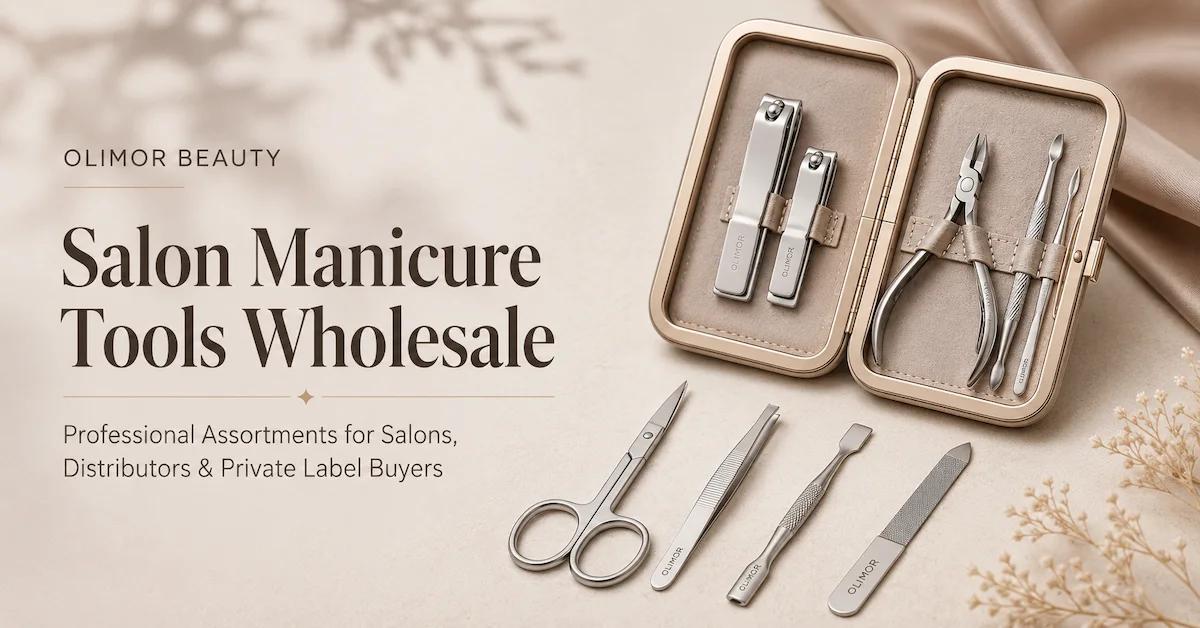
What Should Buyers Look for When Sourcing Salon Manicure Tools Wholesale?
For professional salons, a manicure tool is not judged only by how it looks in the package. It must cut, grip, push, shape, and handle predictably through repeated services. For distributors and private-label brands, another requirement is equally important: that performance should remain consistent across the bulk order.
This is why salon manicure tools wholesale sourcing should begin with function rather than price. A low-cost tool that arrives with uneven cutting edges, inconsistent spring tension, rough polishing, or poor tip alignment can create more operational problems than the initial saving is worth.
A professional assortment normally combines several functions rather than relying on one universal tool. OLIMOR BEAUTY's current beauty tool product range includes nail clippers, nippers, manicure sets, nail care tools, nail files, tweezers and other personal-care tools, allowing B2B buyers to build assortments around different salon services.
The practical buying question is therefore not simply “Which manicure tools are cheapest?” It is:
Which tools deliver the required performance, remain consistent from piece to piece, fit the salon's service workflow, and support the buyer's retail or private-label strategy?
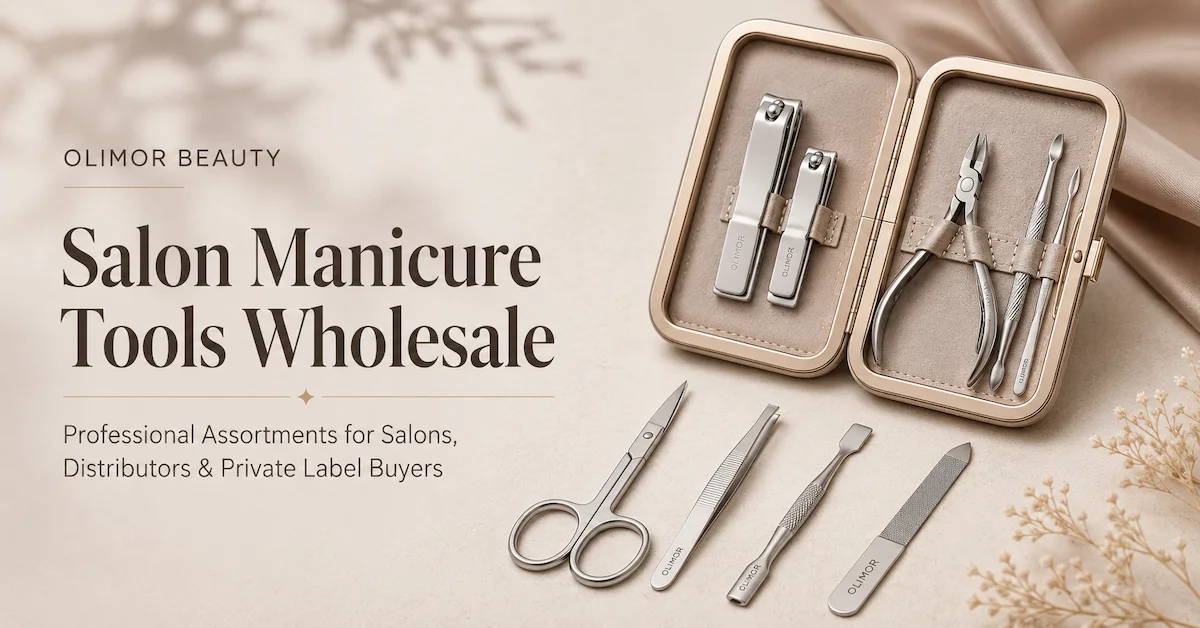
Which Manicure Tools Belong in a Professional Salon Assortment?
Different manicure operations place different demands on the tool. A well-planned wholesale program should match each tool to a specific task.
| Tool Type | Primary Function | Key Wholesale QC Point | Typical Buyer |
|---|---|---|---|
| Nail clipper | Shortening natural nails | Blade alignment and lever action | Salons, retailers, distributors |
| Cuticle nipper | Precision cuticle trimming | Jaw alignment, sharpness, spring response | Nail studios, professional salons |
| Cuticle pusher | Preparing and pushing cuticles | Tip finish, shape and surface smoothness | Nail salons, manicure kit brands |
| Nail file | Shaping and edge finishing | Abrasive consistency and edge finishing | Salons, retail brands |
| Tweezer | Detail gripping and grooming | Tip contact and tension | Nail and beauty studios |
| Manicure set | Multi-tool service or retail kit | Tool combination and set consistency | Retailers, distributors, private label |
| False nail clipper | Trimming artificial nail tips | Cutting geometry and handle control | Nail art studios |
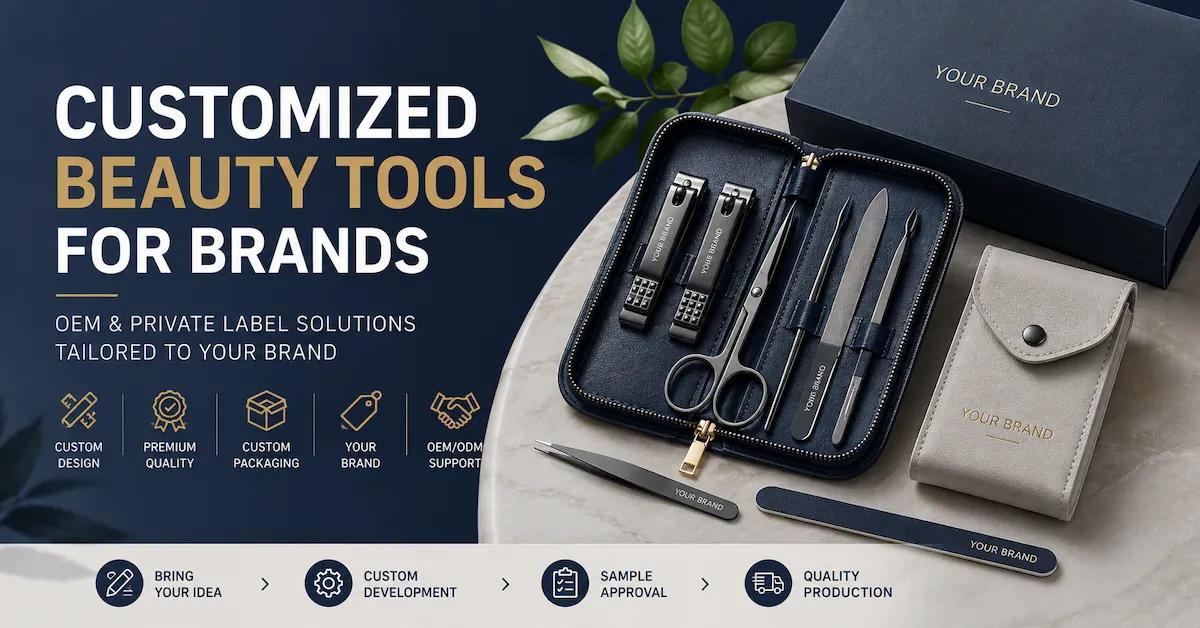
OLIMOR's current manicure set collection includes professional manicure tools, nail clipper sets, manicure-pedicure combinations and portable grooming kits. Its nail care tools category also includes cuticle pushers and false nail clippers, while the nail file collection currently focuses on metal nail files.
Nail Clippers: Check the Cutting System, Not Just Sharpness
A nail clipper can feel sharp during a quick sample test and still perform inconsistently in daily use.
Buyers should evaluate:
- whether the two cutting edges meet evenly;
- whether the blade curvature is symmetrical;
- whether the lever travels smoothly;
- whether the pivot feels stable;
- whether excessive pressure is needed to complete the cut;
- whether edges or corners have burrs;
- whether the surface finish is consistent across samples.
For salons, smooth cutting reduces the need to repeatedly reposition the tool. For wholesalers, repeatable blade alignment is also a batch-quality issue.
Buyers considering this category can review OLIMOR's nail clipper range together with related manicure products when planning a coordinated assortment.
Cuticle Nippers: Jaw Alignment Is a Critical Inspection Point
Cuticle nippers require more precise evaluation because their working edges are small and the cutting action is controlled directly by the technician's fingers.
Important points include:
Jaw Contact
The two cutting edges should meet in the intended position without a visible unwanted gap or obvious lateral offset.
Cutting Edge Finish
A professional nipper should cut cleanly rather than pull or crush material because of a poorly finished edge.
Spring Response
The spring should reopen the handles consistently without feeling excessively loose or unnecessarily stiff.
Handle Control
Technicians may use the same tool repeatedly during a working day, so grip geometry and resistance influence control as well as comfort.
OLIMOR lists nippers as one of its core beauty-tool categories.
Cuticle Pushers and Nail Files: Small Details Affect Daily Workflow
Cuticle pushers appear simple, but tip geometry, surface smoothness and edge finishing matter when the tool is used repeatedly.
A rough edge or poorly finished working surface may make the tool less comfortable to control. Buyers should compare several units rather than judging only one presentation sample.
For a metal nail file, the abrasive surface should also feel consistent from one area of the file to another. The handle or body should be stable, and exposed edges should be properly finished.
Why Stainless Steel and Surface Finishing Matter in Salon Tools
Metal selection is only one part of professional tool performance.
Stainless steel is widely used in manicure and grooming tools because it can support durable working edges, smooth finished surfaces and practical maintenance. However, buyers should not accept the phrase “stainless steel” as a complete specification.
For wholesale purchasing, evaluate the finished product:
- Is the surface even?
- Are grinding marks properly controlled?
- Are corners comfortable to hold?
- Are joints and pivots cleanly assembled?
- Does the finish remain consistent across the sample batch?
- Are working edges protected during packaging and shipment?
Unless a supplier provides a verified grade specification, buyers should also avoid assuming that every stainless-steel tool uses the same alloy or has identical corrosion behavior.
For OLIMOR projects, the material grade, finish, dimensions and other specifications should be confirmed for the particular model rather than inferred from the product category alone.
Cleanability Should Be Part of the Wholesale Specification
Professional salon purchasing has one requirement that ordinary home-use sourcing can easily overlook: the tools must fit the salon's cleaning and disinfection procedures.
In the United States, OSHA's nail salon biological hazards guidance advises cleaning and disinfecting reusable tools after each client according to state cosmetology-board policies. Its general steps include washing, rinsing, disinfecting according to the disinfectant manufacturer's directions, drying, and storing cleaned tools in a covered area.
This has a direct procurement implication.
For reusable salon tools, buyers should consider:
- smooth surfaces that are practical to clean;
- joints where debris is less likely to remain unnoticed;
- finishes that can tolerate the salon's approved cleaning procedure;
- packaging that protects clean tools during storage;
- clear distinction between reusable and single-use items.
Specific sanitation requirements vary by jurisdiction, so wholesalers and salon operators should confirm local cosmetology regulations rather than treating one country's procedure as a universal standard. OSHA itself directs salons to follow the relevant state cosmetology-board policies.
For pedicure environments, the U.S. EPA separately recommends cleaning and disinfecting foot-spa equipment after each client and following product-label and local regulatory instructions.
How to Build the Right Salon Manicure Tools Wholesale Assortment
A common purchasing mistake is selecting products individually without considering how technicians actually work.
A more useful approach is to build the assortment around services.
Basic Manicure Station
A practical core combination may include:
- standard nail clipper;
- cuticle nipper;
- cuticle pusher;
- nail file;
- precision tweezer.
This covers trimming, cuticle preparation, shaping and detail work without creating unnecessary SKU complexity.
Nail Art and Artificial Nail Studio
A more specialized assortment can add:
- false nail clipper;
- precision tweezer;
- multiple cuticle tools;
- different nail file designs;
- compact scissors where relevant.
Here the buyer should prioritize control and task specialization rather than simply adding more pieces.
Salon Retail Program
Salons that sell tools directly to customers may need a different assortment from technicians using tools at the service table.
Retail products usually place greater importance on:
- packaging presentation;
- easy-to-understand product function;
- coordinated colors and finishes;
- compact sets;
- logo placement;
- barcode and labeling requirements.
OLIMOR's professional manicure sets can also be evaluated when a buyer wants several tools presented as one coordinated grooming or nail-care package.
Distributor or Beauty Supply Program
Distributors usually need both breadth and repeatability.
Instead of buying every available style, it can be more efficient to establish:
- a core professional line;
- a value-oriented line;
- selected specialty tools;
- one or more manicure sets;
- replacement or add-on products.
This reduces duplicate SKUs while still serving different price and application segments.
What Quality Problems Matter Most in Bulk Orders?
The performance of one approved sample is not enough to define wholesale quality.
The real challenge is batch consistency.
When comparing salon manicure tools wholesale suppliers, build the inspection criteria around measurable or observable defects.
| Inspection Area | What to Check | Possible Purchasing Risk |
| Blade/jaw alignment | Edges meet consistently | Incomplete or uneven cutting |
| Sharpness | Similar cutting feel across samples | Performance variation |
| Spring/tension | Consistent opening resistance | Technician fatigue or poor control |
| Pivot/lever | Stable, smooth movement | Loose or inconsistent action |
| Surface finishing | No rough edges or obvious burrs | Poor user experience |
| Tool dimensions | Match approved specification | Set and packaging mismatch |
| Color/finish | Consistent appearance | Retail complaints |
| Logo | Position, clarity and orientation | Brand inconsistency |
| Packaging | Correct tool, label and protection | Shipping damage or fulfillment errors |
Do Not Approve Quality With Only a Visual Check
A polished surface can make a tool look premium while hiding a functional problem.
Functional QC should therefore include actions such as:
- open and close the tool repeatedly;
- inspect alignment under good lighting;
- compare several units side by side;
- test the working function;
- inspect spring or lever movement;
- check for burrs and rough transitions;
- verify that the product fits the intended packaging.
This turns a vague request for “high quality” into an inspection standard that both buyer and supplier can understand.
Sample Approval Should Define the Bulk Order
Before moving from samples to larger quantities, document exactly what has been approved.
The approval record can include:
- product model;
- dimensions;
- material specification if confirmed;
- working-edge shape;
- surface finish;
- color;
- logo artwork and position;
- packaging structure;
- labels or barcodes;
- set configuration;
- agreed inspection requirements.
For private-label projects, an approved sample is especially valuable because visual branding and mechanical function are being evaluated at the same time.
A buyer should also clarify whether a later production sample must match the first approved reference and how deviations will be handled.
Wholesale Price Should Be Compared as Total Procurement Value
Unit price matters, but it is only one component of salon tool procurement.
A cheaper quote may become less attractive if it creates higher costs through:
- inconsistent batches;
- frequent replacements;
- packaging rework;
- customer complaints;
- extra inspection;
- mixed or missing accessories;
- repeated supplier communication;
- inability to reproduce the same SKU later.
Instead of asking only:
What is your lowest wholesale price?
A stronger RFQ asks:
What specification, finish, packaging, customization and quality-control conditions are included in the quotation?
This makes quotations easier to compare on the same basis.
MOQ and lead time should also be requested for the actual product and customization program. They should not be assumed from a generic category because quantity, packaging, finish and branding requirements can change the commercial conditions.
OEM and Private Label Options for Salon Manicure Tools
For beauty brands and distributors, the tool itself is only part of the product.
A private-label program may also involve decisions about:
- logo placement;
- color direction;
- surface finish;
- packaging style;
- insert cards;
- barcode labels;
- kit configuration;
- retail positioning.
The commercial goal should determine the customization level.
Professional Salon Supply
Prioritize easy product identification, clean packaging and practical function.
Retail Beauty Brand
Prioritize consistent visual identity, packaging hierarchy and customer-facing product explanation.
Gift or Travel Set
Prioritize compact organization, coordinated tool appearance and protective storage.
Before requesting customization, buyers can compare OLIMOR's broader manicure and personal-care tool selection to determine whether a program should use a single SKU or several coordinated products.
How to Compare Salon Manicure Tool Suppliers
A reliable supplier assessment should go beyond the catalog.
Ask whether the supplier can clearly explain:
Product Selection
Can the supplier recommend different tools for salon use, retail, private label or sets?
Technical Requirements
Can working-edge alignment, spring tension, surface finish and other functional points be discussed clearly?
Sample Confirmation
Can the exact approved sample, packaging and branding requirements be documented?
Batch Quality Control
How are functional defects and cosmetic defects checked during production and before packaging?
Customization
Can logo, color, finish, packaging and kit combinations be coordinated within one project?
Repeat Orders
Can the supplier reproduce an established specification rather than treating every repeat order as a new product?
Communication
Can changes be confirmed in writing before production begins?
A supplier does not need the longest catalog. For professional buyers, the more important question is whether the supplier can control the specifications that affect the finished product.
A Practical RFQ Checklist for Wholesale Buyers
When requesting a quote, provide enough detail for suppliers to quote the same requirement.
Include:
- tool category;
- model or reference image;
- intended use;
- estimated order quantity;
- preferred finish or color;
- logo requirements;
- packaging type;
- individual SKU or set;
- target market;
- barcode or labeling needs;
- sample requirement;
- key QC concerns;
- requested delivery destination.
This reduces back-and-forth communication and makes price comparison more meaningful.
For projects involving several manicure-tool categories, buyers can first review OLIMOR's product range, then contact OLIMOR BEAUTY with the required assortment, quantity, branding and packaging information.
FAQ About Salon Manicure Tools Wholesale
What are the most important tools for a professional manicure salon?
A core professional assortment usually includes nail clippers, cuticle nippers, cuticle pushers and nail files, with tweezers or specialty nail tools added according to the services offered. The right combination depends on whether the buyer is supplying manicure services, nail art, pedicure services or retail customers.
What should I check before buying manicure tools in bulk?
Check working-edge or tip alignment, cutting performance, spring or lever movement, surface finishing, dimensions, branding and packaging. Test multiple samples rather than relying only on one visually attractive unit.
Are stainless steel manicure tools better for salon use?
Stainless steel is widely used in professional grooming tools, but the material name alone does not guarantee performance. Buyers should also assess grinding, alignment, finishing, assembly, cleanability and batch consistency. If a specific steel grade is required, request documented confirmation from the supplier.
How should reusable manicure tools be selected for salon hygiene procedures?
Choose tools with surfaces and construction that are practical to clean and compatible with the salon's required cleaning and disinfection procedure. In the United States, OSHA advises cleaning and disinfecting reusable nail tools after each client according to state cosmetology-board rules and disinfectant instructions.
Should salons buy individual manicure tools or complete sets?
Individual tools are usually better when technicians need to select specific working designs. Complete sets can be useful for retail, travel, gift programs or standardized salon kits. Many distributors use both formats.
Can salon manicure tools be private labeled?
Depending on the model and project, private-label programs may include logo, color, finish, packaging and tool-set configuration. Buyers should approve both the working sample and the branded packaging before bulk production.
What determines the wholesale price of manicure tools?
The quote can be affected by product design, material, finish, quantity, tooling or customization needs, logo process, packaging and set configuration. Comparing only the lowest unit price can hide important differences in specification or quality-control scope.
What MOQ should I expect for salon manicure tools wholesale?
There is no single reliable MOQ for every product or customization project. Buyers should request the current MOQ for the specific model, quantity, logo process and packaging requirement instead of assuming one figure applies to the complete product range.
How can distributors reduce quality problems in repeat orders?
Keep a documented approved sample and specification, define critical QC points, confirm packaging and artwork versions, and make sure repeat orders reference the same approved requirements. This gives the supplier a clearer quality target.
Where can I source multiple manicure tool categories from one supplier?
Buyers who need nail clippers, nippers, cuticle tools, nail files and manicure sets can review OLIMOR BEAUTY's professional beauty tools and send the required product list through the contact page for project-specific sourcing information.
Conclusion
Successful salon manicure tools wholesale sourcing depends on more than finding a low unit price. Professional buyers should evaluate each tool by its actual working function and then determine whether the same level of alignment, sharpness, tension, finishing and packaging can be maintained across a bulk order.
For salons, those details affect daily control and maintenance. For distributors and private-label brands, they also influence product consistency, customer complaints, repeat orders and brand positioning.
A stronger purchasing process therefore follows a simple sequence:
define the salon application → select the required tools → establish functional QC points → approve samples → confirm branding and packaging → verify bulk consistency → place the order.
If you are developing a professional salon line, wholesale manicure assortment or private-label nail-care program, explore OLIMOR BEAUTY's manicure and beauty tool categories or contact the team with your target products, quantity, customization and packaging requirements.
Tag:
Related articles
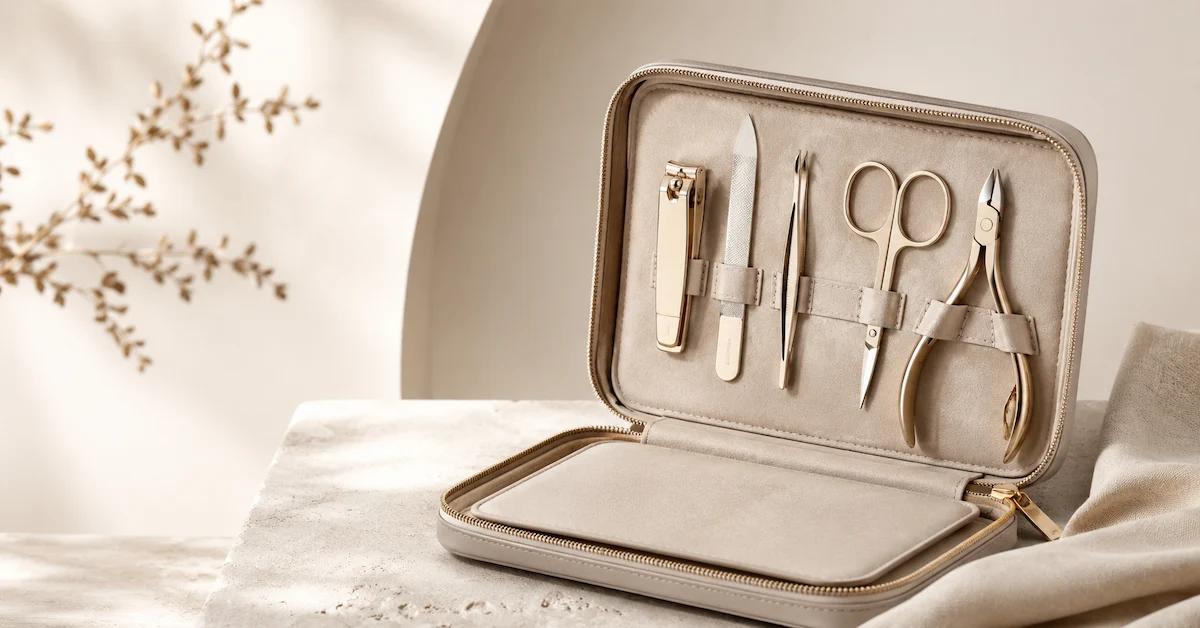
- Beauty Tools Sourcing Guide
- OEM & Private Label
Private Label Grooming Kit Manufacturer: How Brands Build Custom Personal Care Sets
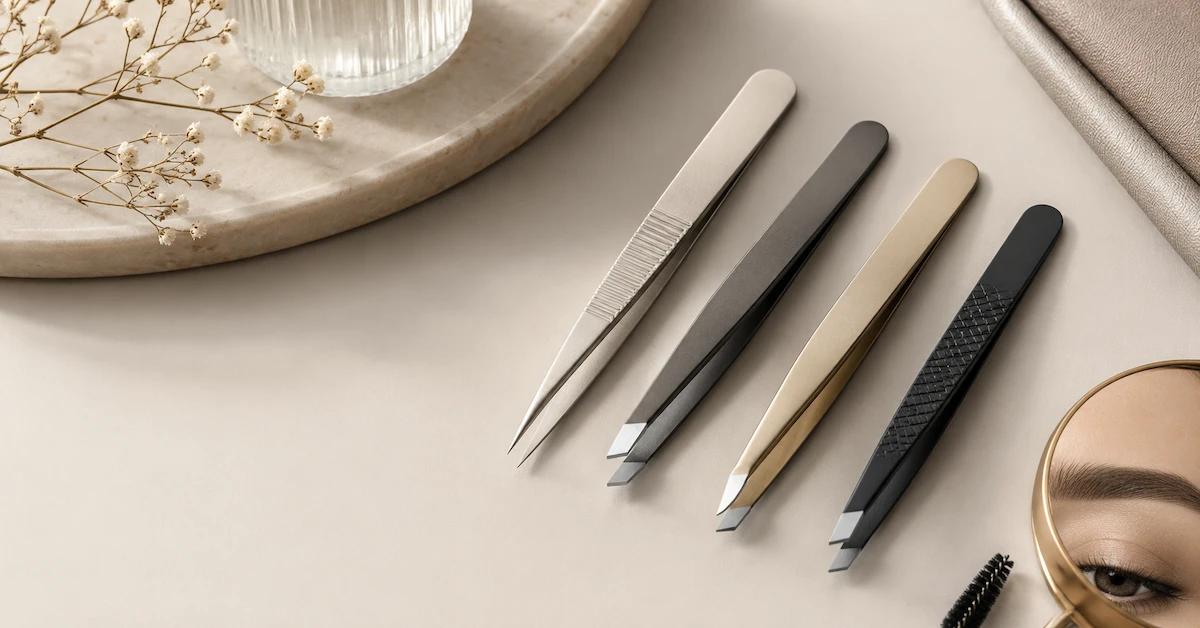
- Beauty Tools Sourcing Guide
- Lash & Brow Tools
Tweezers for Eyrow Grooming Supplier: B2B Buying Guide for Beauty Brands
- Beauty Tools Sourcing Guide
- OEM & Private Label