Reliable Tweezers Supplier for B2B Beauty Supplies
For beauty retailers, distributors, salon suppliers and private-label buyers, tweezers are small tools with an outsized effect on customer trust. A tweezer may be inexpensive compared with an electrical device or a full skincare set, but it is used close to the skin and judged immediately by feel, alignment and pulling performance. If the tips miss fine hair, pinch the skin, feel rough in the hand or arrive with inconsistent finishing, customers remember the brand on the package.
Choosing a reliable tweezers supplier is therefore not only a purchasing task. It is a product-quality decision, a merchandising decision and a brand-protection decision. B2B buyers need tools that are visually suitable for their market, consistent across repeat orders and practical for real grooming use. Olimor Beauty works with beauty tool buyers who need dependable products for retail assortments, beauty kits, salon resale and promotional supply programs. This guide explains what to evaluate before adding tweezers to your sourcing list.

Why Tweezers Matter in B2B Beauty Tool Sourcing
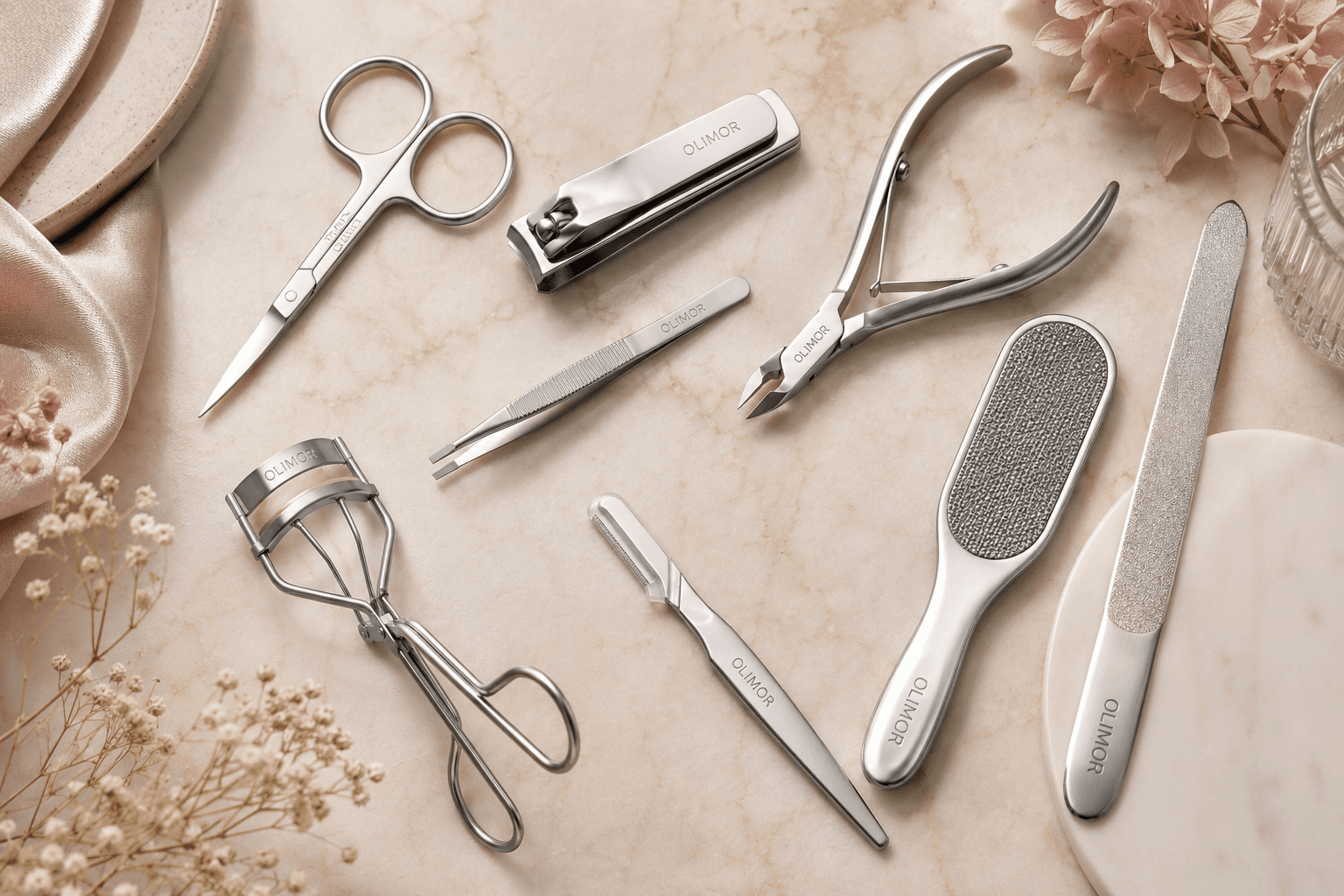
Tweezers are often treated as a basic accessory, but their quality can influence how customers judge an entire beauty range. A buyer sourcing eyebrow scissors, lash tools, facial razors, manicure implements or travel grooming kits may include tweezers as part of a wider offer. If the tweezer performs poorly, it can reduce confidence in the surrounding products, even when those products are well made.
For B2B sourcing, the key challenge is repeatability. One impressive sample is not enough. Buyers need a supplier that can support consistent tip alignment, surface finish, color appearance, packaging presentation and shipment condition. This matters for online sellers where product reviews are public, for brick-and-mortar retailers where returns affect margins, and for salons where professionals expect reliable hand tools.
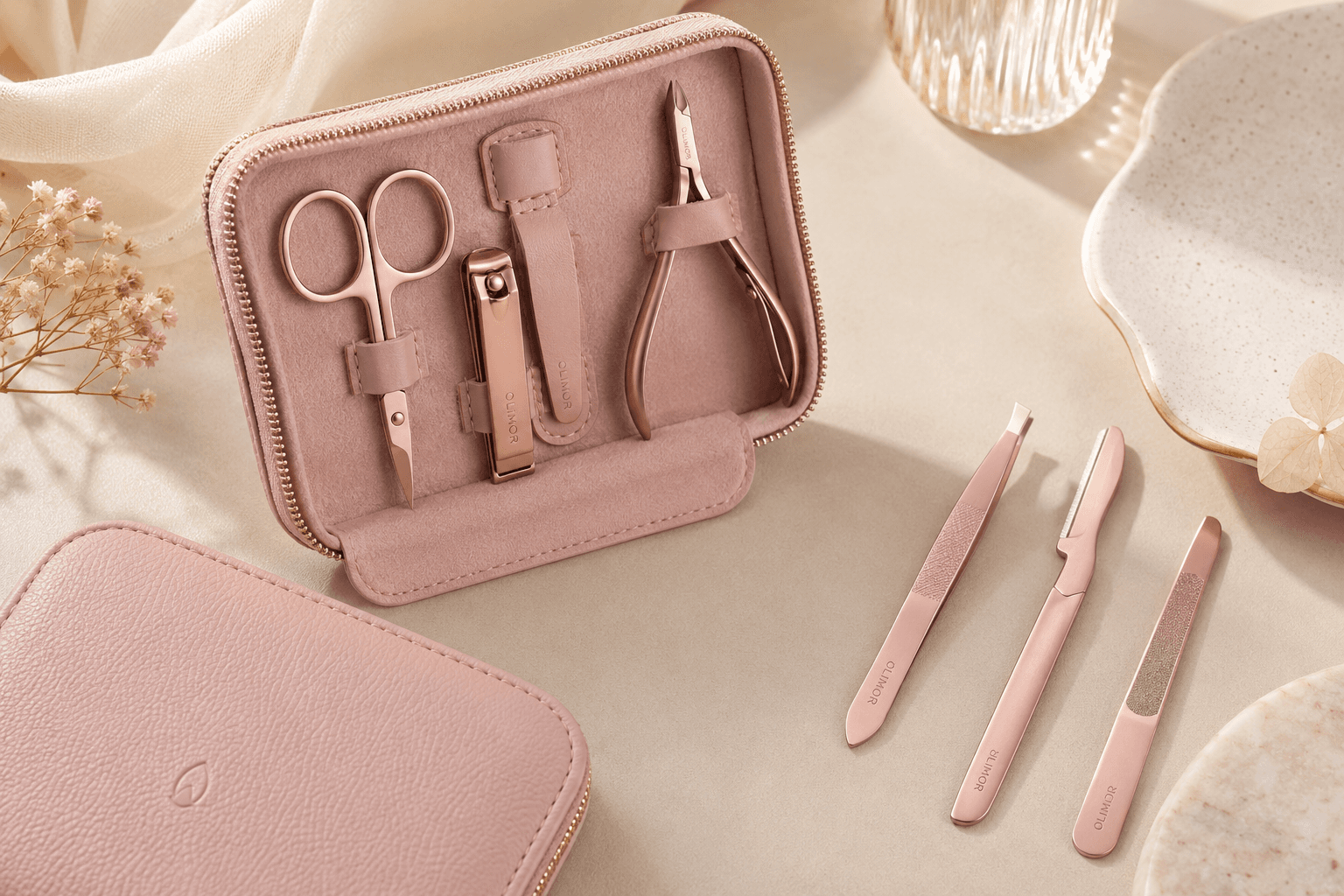
When comparing beauty tool products, buyers should consider how the tweezer will be sold: as an individual SKU, part of a brow-care set, a travel-size grooming item, or an accessory in a larger beauty kit. The sales format affects the style, packaging, price position and quality expectations.
What Defines a Better Tweezer for Beauty Buyers?
A good tweezer should grip hair cleanly without requiring excessive hand pressure. It should feel controlled, not flimsy, and the finish should be smooth enough for repeated use. The original product example highlights the Blue Waved Edge Tweezer, which combines high-quality stainless steel tips with a waved edge design intended to improve grip and comfort. Those two details are useful because they point to the main purchasing criteria: working precision at the tip and comfortable control in the hand.
Before confirming a tweezer order, evaluate these practical points:
- Tip alignment: The two tips should meet evenly. Poor alignment causes slipping, broken hair or skin pinching.
- Tip finish: Edges should be clean, controlled and appropriate for eyebrow or facial grooming use.
- Grip feel: The body should provide enough resistance to feel stable without tiring the fingers.
- Material choice: Stainless steel tips are valued because they support durability and a clean finish when properly manufactured.
- Surface treatment: Color, coating or texture should look consistent across the visible surfaces.
- Comfort details: Curves, waved edges, width and tension all affect how the tool feels during repeated use.
- Packaging compatibility: The tweezer should fit safely into blister cards, pouches, boxes or beauty kit trays without tip damage.
For beauty brands, visual design also matters. A tweezer can look minimal, professional, colorful, salon-oriented or gift-ready. However, attractive design should not replace precision. The most successful B2B tweezer programs combine a marketable appearance with dependable grooming performance.
Matching Tweezer Types to Your Sales Channel
Not every customer needs the same tweezer. A salon supply buyer may value grip and durability above decorative appearance, while a retail gift-set buyer may need a coordinated finish that matches other tools. Online beauty sellers may focus on close-up product photos, clear feature descriptions and reduced return risk. Distributors may need versatile designs that can serve multiple regional buyers.
The table below can help clarify sourcing priorities before you compare samples:
| Sales channel | Primary buyer concern | Useful sourcing focus |
|---|---|---|
| Beauty retail | Attractive shelf presentation and reliable consumer use | Consistent finish, safe packaging, clear product positioning |
| Salon supply | Comfort during frequent use | Tip alignment, tension, ergonomic shape and durable finishing |
| Private-label beauty kits | Compatibility with other tools in the set | Size, color coordination, packaging fit and repeatable appearance |
| E-commerce sellers | Low defect risk and accurate product photos | Sample approval, inspection criteria and stable production details |
| Promotional programs | Simple, useful product with broad appeal | Practical design, reliable packaging and value-focused specifications |
This kind of channel-based thinking prevents overbuying features customers do not value and helps avoid under-specifying the areas that lead to complaints. A compact beauty kit tweezer, for example, may need different packaging protection than a premium single tweezer sold in a display box.
Quality Control Questions to Set Before Production
A reliable tweezers supplier should be able to discuss quality in practical terms. Instead of relying on broad promises, B2B buyers can define the checks that matter for the product and sales channel. The goal is not to make the process complicated; it is to create a shared standard before goods are packed and shipped.
- Approve a reference sample. Keep one confirmed sample as the benchmark for tip alignment, tension, finishing and packaging.
- Define acceptable appearance. Note expectations for color consistency, visible scratches, coating marks, logo placement if applicable and overall cleanliness.
- Check functional performance. Test whether the tips meet properly and can grip fine hair or a suitable test material without slipping.
- Review packaging protection. Confirm that tips will not be bent, scratched or exposed during transport and handling.
- Assess carton packing. Consider whether inner packaging and outer cartons are suitable for the shipment method and storage conditions.
- Record changes clearly. If the finish, package, tool shape or accessory combination changes, update the approval details instead of relying on verbal confirmation.
These steps are especially important for repeat orders. A first shipment may be approved carefully, while later replenishment orders can drift if standards are not documented. Buyers should keep images, notes and samples for comparison across production batches.
Design Details: Grip, Comfort and the Blue Waved Edge Concept
The Blue Waved Edge Tweezer mentioned in the supplied product information is a useful example because it addresses both function and touch. The high-quality stainless steel tips are intended to support precision, while the waved edge design is used to enhance grip and comfort. In a category where many items look similar at first glance, these physical design details can create a clearer product story for retailers and end users.
For B2B buyers, the value of such design elements depends on the target audience. A waved edge can help communicate control and comfort in product images. A blue finish can help the tool stand apart from standard silver options and can coordinate with certain beauty kit themes. However, the buyer should still verify the core performance: tip meeting, smooth handling and finish consistency.
Comfort is not only about softness in the hand. It includes the opening angle, body width, resistance and where the fingers naturally rest. A tweezer that looks attractive but requires too much pressure may disappoint frequent users. A tool with good tension and a controlled grip can feel more precise even when the user is grooming small brow hairs.
Packaging and Merchandising Considerations
Tweezers are commonly sold in compact packages, but packaging decisions affect quality and customer perception. A sharp or fine tip should be protected from impact. If the tweezer is part of a set, it should stay in place during shipping so it does not scratch other tools. For retail shelves, the package should make the tool visible while keeping it secure.
Before placing a B2B order, consider how the product will move from factory packing to warehouse, retailer, fulfillment center or salon shelf. A package that looks good in a sample photo may not be strong enough for bulk transport. Conversely, excessive packaging can increase space requirements and may not fit the expectations of a value-focused program.
Buyers building an assortment can review Olimor Beauty product collections to consider how tweezers may sit alongside other grooming tools. A coordinated offer can simplify purchasing and give retailers a more complete beauty tool section.
How to Evaluate a Tweezers Supplier for Long-Term Cooperation
The right supplier should help you reduce uncertainty. Product quality is the first requirement, but communication, sampling discipline and order documentation also matter. A supplier that understands beauty tools should be able to discuss design options, practical production checks and packaging needs without pushing the buyer toward unnecessary complexity.
Use this checklist when comparing potential partners:
- Does the supplier understand the difference between retail, salon, e-commerce and kit requirements?
- Can the supplier provide samples that represent realistic production quality?
- Are appearance and function standards discussed before the order is confirmed?
- Is packaging reviewed as part of the product, not as an afterthought?
- Can the supplier keep product details consistent for repeat programs?
- Is communication clear when there are design, material, finish or packing changes?
A reliable tweezers supplier does not simply ship a small metal tool. It supports your ability to offer a product that feels precise, looks suitable for your brand position and arrives ready for your sales channel.
Source Tweezers for Your Beauty Supply Program
Whether you are adding a single tweezer SKU or planning a broader beauty tool assortment, a structured sourcing process will help you make better decisions. Start with the customer use case, choose the right design and finish, test the sample carefully, and document the quality points that matter most. For products such as the Blue Waved Edge Tweezer, pay attention to the stainless steel tips, grip-enhancing shape and comfort details as part of the full buying evaluation.
Olimor Beauty supports B2B beauty buyers seeking practical, well-presented grooming tools for retail, distribution, salon resale and beauty kit programs. To discuss your tweezer sourcing needs or related beauty tool options, contact Olimor or send an inquiry with your target channel, preferred style, packaging direction and expected use case.
Tag: