How to Choose a Reliable Tweezers Supplier for ODM Beauty Tools
For beauty brands, salons, private-label buyers, and distributors, tweezers are small tools with a large impact on customer satisfaction. A tweezer that feels balanced, grips cleanly, and keeps its tip alignment after repeated use can support a professional impression. A tweezer that slips, pinches skin, or loses precision quickly can lead to complaints, returns, and damage to brand trust. That is why choosing a reliable tweezers supplier is not only a purchasing decision; it is a product quality decision.
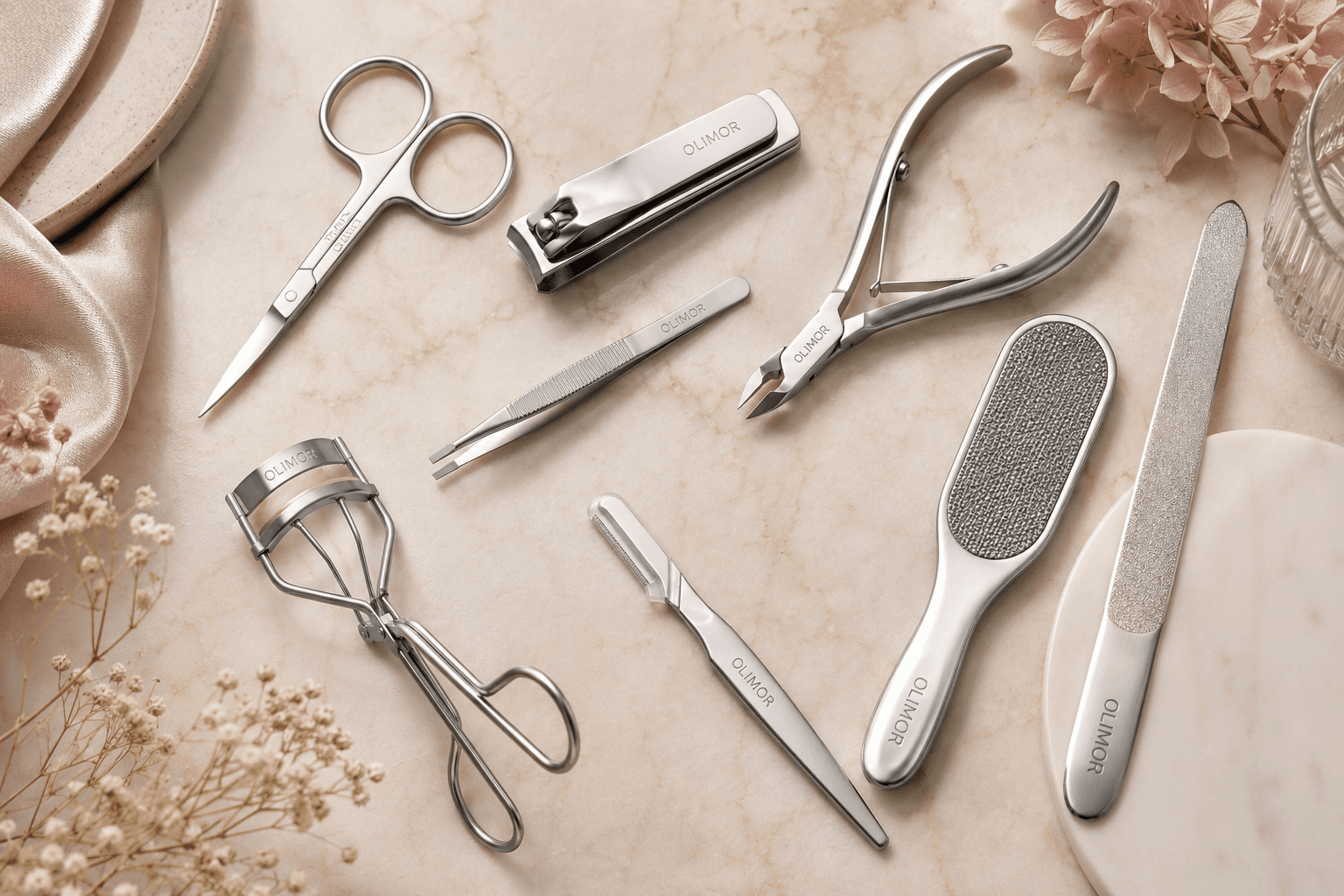
Olimor Beauty works with beauty tool buyers who need practical, market-ready tweezers and ODM support. When evaluating a supplier for tweezers ODM, the goal should be clear: confirm that the product design, material selection, workmanship, packaging, and communication process match the needs of your target customers. Whether you are sourcing for eyebrow grooming, lash application, beauty kits, or retail shelves, the right supplier should help you turn a simple tool into a consistent product experience.
Why Supplier Reliability Matters for Tweezers
Tweezers are judged by feel. Customers may not know the production process, but they immediately notice whether the tips meet evenly, whether the tool pulls hair cleanly, and whether the handle tension feels comfortable. This makes consistency essential. A supplier that can produce one good sample but cannot repeat the same quality in batch production creates risk for beauty brands and distributors.
A dependable tweezers supplier should understand the details that affect daily use. Tip shape, tip contact, edge finishing, body balance, and surface polish all contribute to performance. For professional users, a well-made tweezer can reduce repeated pulling and improve control during detailed grooming. For retail customers, it can make at-home grooming easier and more comfortable.
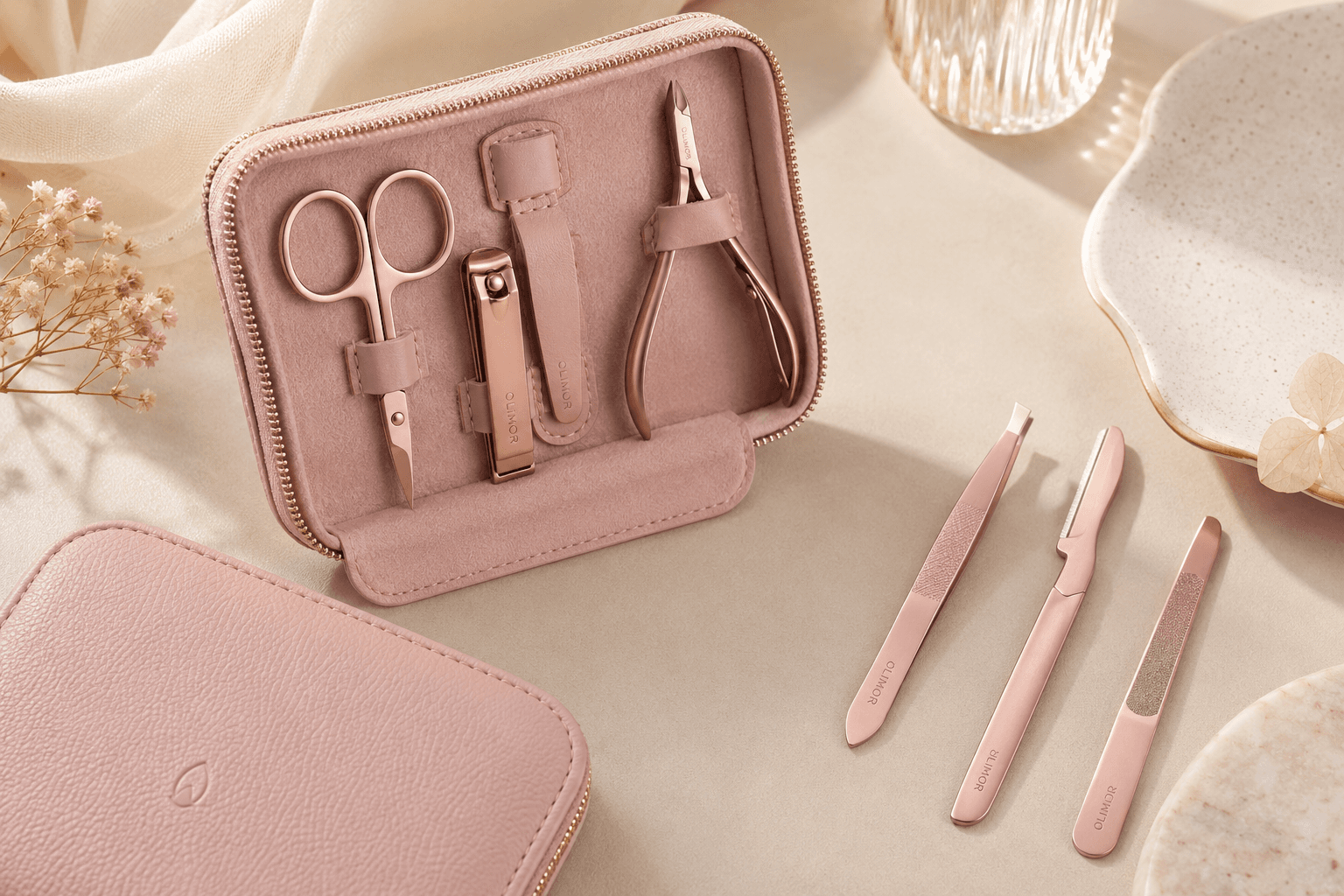
Reliability also affects planning. Buyers need clear communication, stable quality expectations, and realistic production discussions before committing to a product line. If the tweezers will be part of a larger beauty tool assortment, you may also want to compare other beauty tool products to maintain a consistent finish, packaging direction, and brand positioning across the range.
What to Check in Precision Angled Tweezers
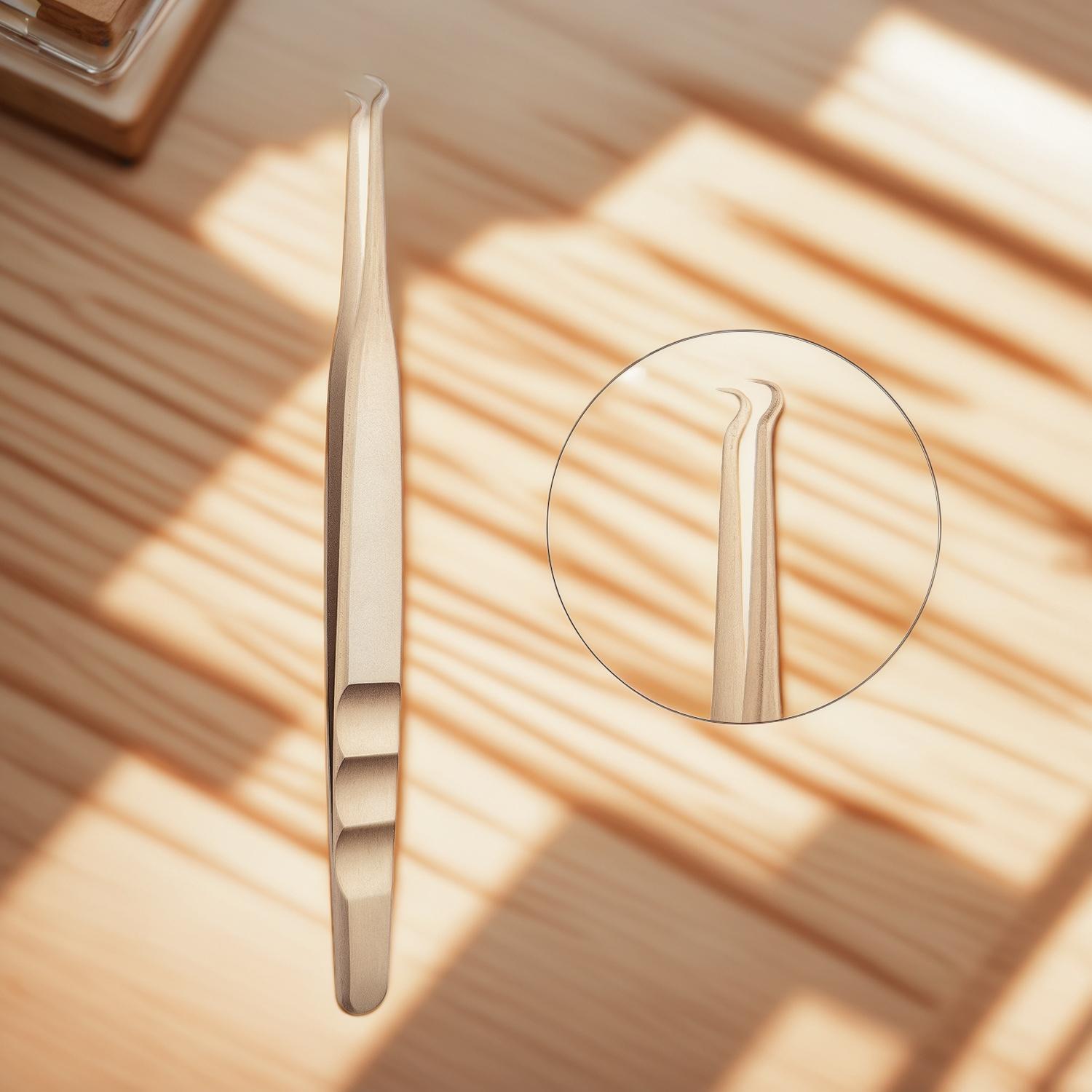
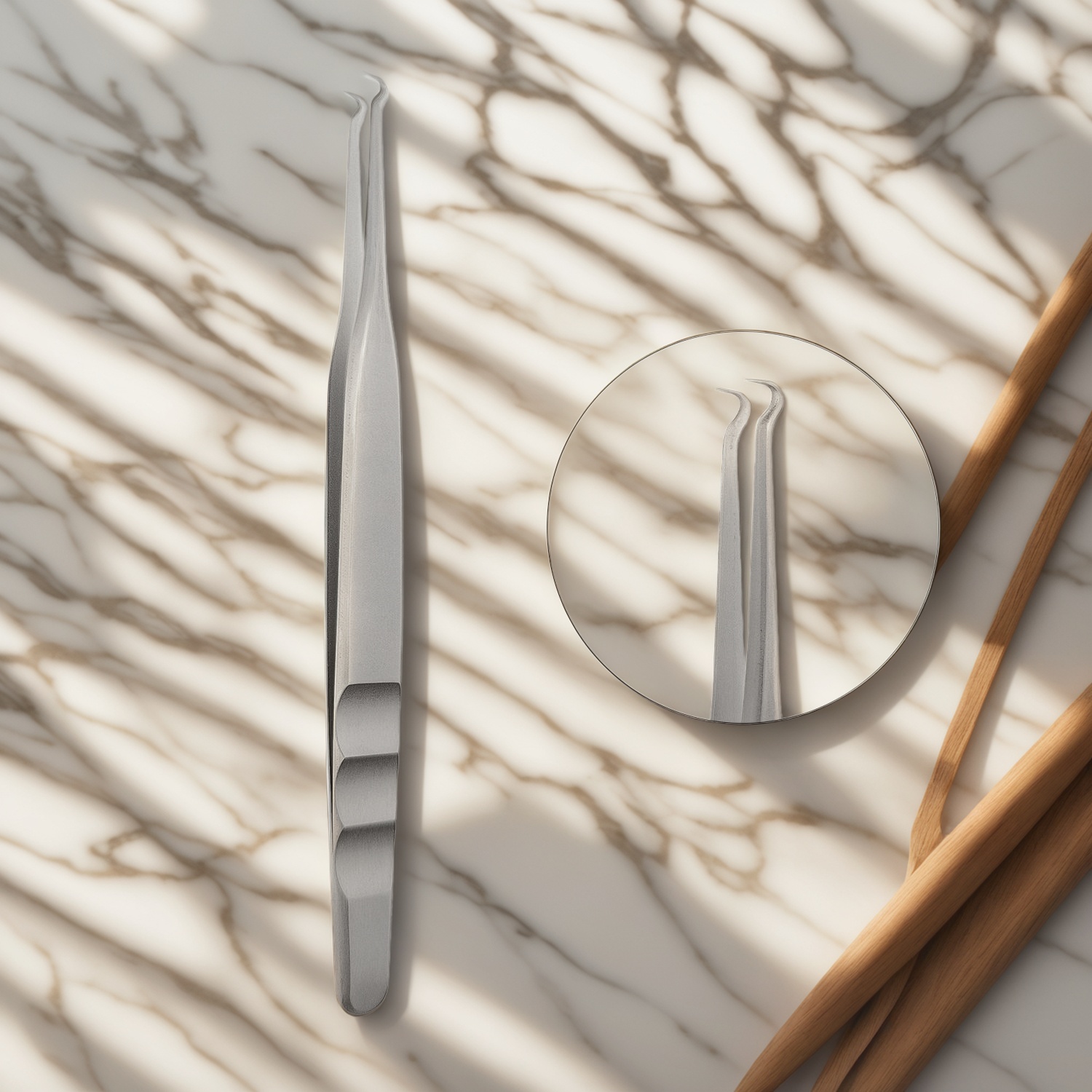
The original product focus is Precision Angled Tweezers made from surgical-grade stainless steel with a curved tip designed for accuracy. For buyers, those details should be evaluated through practical use, not only through a product description. A precision tweezer should grip fine hair or small objects without forcing the user to squeeze too hard. It should feel steady in the hand and should not have sharp unfinished edges on areas that contact the fingers or skin.
When reviewing samples, use a simple inspection routine. Test more than one piece and check whether performance is consistent across the sample set. A single approved sample is helpful, but a supplier’s real value is repeatability.
- Tip alignment: The two tips should meet evenly when closed, with no visible gap that causes slipping.
- Grip performance: The tweezer should hold fine hair or a small test fiber cleanly without cutting it or losing contact.
- Handle tension: The squeeze should feel controlled, neither too stiff for comfort nor too loose for accuracy.
- Surface finish: Polished areas should look clean and feel smooth, without burrs or rough edges.
- Tip geometry: The angled or curved tip should support visibility and control for eyebrow shaping or detailed beauty work.
- Batch consistency: Several pieces should show similar alignment, finish, and hand feel.
These checks are especially important for brands that sell through online channels, where customer reviews often mention practical performance rather than technical specifications. Good tweezers are not complicated to understand, but they require careful production control.
ODM Decisions: From Function to Brand Presentation
Tweezers ODM can include more than selecting an existing shape. It may involve adjusting the tool’s appearance, packaging concept, surface finish direction, or the way the product fits into a broader beauty kit. The strongest ODM projects start with the intended user. A salon-focused tweezer may emphasize durability and grip precision. A retail beauty kit may need a polished visual presentation and a comfortable shape for beginners. A travel set may prioritize compact packaging and product protection.
Before beginning an ODM project, define the customer problem the tweezers should solve. Are they intended for eyebrow grooming, lash placement, splinter removal in a personal-care kit, or general beauty use? Different applications influence tip style and packaging decisions. For example, a tweezer designed for eyebrow shaping should provide visibility and controlled gripping. A tweezer included in a cosmetic accessory set should match the look and quality level of surrounding tools.
Buyers should also prepare brand requirements early. This may include preferred colors, logo placement ideas, retail packaging format, barcode or labeling needs, and market-specific language requirements. Not every option is suitable for every tweezer design, so early alignment helps reduce revision cycles. To review related product directions, visit Olimor Beauty’s product collections and compare how tools can be grouped for different customers.
Quality Control Questions Worth Asking
Quality assurance is the center of any serious tweezers sourcing project. The supplied product description highlights internal quality control at every stage, from raw material inspection to final polish, with attention to aligned edges and balanced grip. Buyers can use that as a starting point for a more structured supplier discussion.
Rather than asking only whether quality is “good,” focus on how quality is checked and what happens when an issue is found. A practical supplier should be able to explain the inspection points that matter for tweezers and how they reduce variation during production.
| Quality area | Why it matters | Buyer review method |
|---|---|---|
| Material inspection | Supports durability, finish quality, and product consistency. | Confirm the stated material and review sample appearance and feel. |
| Tip alignment | Determines whether the tweezer grips cleanly and accurately. | Close the tips under light pressure and test on fine hair or fiber. |
| Edge finishing | Reduces rough contact and improves comfort during use. | Run a fingertip carefully along non-cutting areas and inspect visually. |
| Grip balance | Affects control, comfort, and user confidence. | Compare several samples for squeeze tension and hand feel. |
| Final polish | Influences the product’s retail appearance and perceived quality. | Check for uneven surfaces, stains, scratches, or inconsistent shine. |
This type of review is useful whether you are buying a standard product or developing a customized ODM item. It also helps your internal team create a clear approval standard before placing a larger order.
Packaging and Export Readiness for Beauty Brands
Packaging should protect the tweezer tips and present the product clearly to the end customer. Fine tweezer tips can be affected by poor handling, so protective packaging is not only cosmetic. A cap, insert, pouch, card, or retail box may be considered depending on the sales channel and price positioning. The best choice depends on whether the product is sold individually, included in a beauty kit, or supplied to professional users.
For export-focused sourcing, buyers should also consider labeling requirements, carton strength, product identification, and how easily warehouse teams can handle and inspect the goods. A reliable supplier should be able to discuss packaging options in relation to the actual tool, not as an afterthought. Packaging that looks attractive but fails to protect tip alignment can create problems during shipping and storage.
Brand owners should prepare artwork guidelines and market requirements as early as possible. This may include logo files, color references, warning text, retailer packaging rules, and language needs. Clear preparation can shorten sampling time and make the approval process smoother. If you have a packaging or product development question, you can contact Olimor for a direct discussion.
How to Compare Tweezers Suppliers Without Relying on Claims
Many suppliers describe themselves as reliable, precise, or export-ready. The more useful approach is to compare evidence through samples, communication, and production understanding. A capable tweezers supplier should respond clearly to technical questions, explain available customization paths, and help identify trade-offs between design ideas and practical manufacturing.
Use the following process before selecting a supplier:
- Define the use case. Decide whether the tweezers are for eyebrow shaping, lash application, general beauty care, salon use, or a retail kit.
- Request representative samples. Test several pieces, not only one polished display sample.
- Check functional details. Inspect tip alignment, tension, grip, finish, and comfort.
- Review ODM options. Confirm what can reasonably be customized for the tool and packaging.
- Clarify approval standards. Create written expectations for appearance, function, packaging, and labeling.
- Evaluate communication. Choose a partner that answers directly and helps prevent quality misunderstandings.
This approach protects both sides. Buyers gain confidence in the product, while the supplier receives clearer expectations and fewer vague revision requests.
Working With Olimor Beauty on Tweezers ODM
Olimor Beauty supports beauty tool sourcing with a focus on practical product development, precision, and quality control. For tweezers, that means paying close attention to the details users actually feel: clean alignment, comfortable grip, suitable tip design, and a finish that supports the brand’s position. Precision Angled Tweezers made from surgical-grade stainless steel with a curved tip can be a strong option for brands that need accurate grooming tools with a professional appearance.
The best sourcing projects begin with a clear brief. Share the target market, preferred product use, packaging direction, and any brand presentation needs. From there, compare samples carefully and confirm the inspection points that matter most to your customers. If you are preparing a private-label beauty tool range or reviewing suppliers for a tweezers ODM project, you can send an inquiry to discuss the next steps with Olimor Beauty.
A reliable tweezers supplier should not only deliver a product that looks good in photos. The product must perform consistently in the hand, survive normal handling, and support your brand promise after it reaches the customer. By focusing on material, tip accuracy, finishing, packaging, and supplier communication, buyers can make better sourcing decisions and build a more dependable beauty tool line.
Tag: