How to Choose a Reliable Tweezers Supplier for Beauty and Craft Precision
For beauty brands, grooming retailers, private-label sellers, and craft tool buyers, tweezers look simple until customers start judging them in daily use. A pair that cannot grip fine hair, loses alignment quickly, feels uncomfortable in the hand, or arrives with inconsistent finishing can damage repeat sales. A reliable tweezers supplier is therefore not only a source of metal tools; it is a manufacturing partner that helps protect product reputation.
The right supplier should understand two closely related markets. Beauty users need clean tip contact, dependable control, and a comfortable hold for brow shaping, lash work, and general grooming. Craft users often need precision for small components, decals, threads, beads, or model-making tasks. In both cases, performance depends on material selection, tip geometry, spring tension, surface finishing, inspection discipline, and packaging consistency.
Olimor Beauty focuses on precision beauty tools and works with buyers who need dependable tweezers for retail ranges, branded sets, and professional-use collections. This guide explains how to evaluate a supplier before committing to a larger order, what questions matter during product development, and how to compare custom made tweezers without relying only on appearance.
Why Tweezer Quality Matters More Than It First Appears
A tweezer is a small product, but it has a high-touch user experience. Customers notice immediately whether the tips meet evenly, whether the tool slips, and whether the grip feels controlled. Unlike decorative accessories, tweezers are judged by repeated performance. If they fail, the user may not blame only the individual item; they may question the whole brand.
For beauty applications, the most important performance factor is controlled grip at the tip. The tips should close cleanly and hold fine hairs without forcing the user to squeeze excessively. For craft applications, the concern is similar: the tips must pick up small pieces accurately and release them predictably. In both markets, even small inconsistencies in alignment or finishing can turn into customer complaints.
A reliable supplier should be able to discuss the tool as a functional product, not just a shape. Buyers should look beyond a polished photo and evaluate how the tweezer performs after repeated opening and closing, how the edges feel against the skin or material surface, and whether the finish remains consistent across samples.
Material and Construction Points to Review
The supplied article notes the use of premium stainless steel for durability and resistance to oxidation. Stainless steel is a logical material choice for tweezers because it supports strength, cleanability, and long service life when properly processed. However, the phrase “stainless steel” alone is not enough for a purchasing decision. What matters is how the metal is formed, finished, aligned, and inspected.
When reviewing a tweezer sample, consider these practical checks:
- Tip contact: Close the tweezer slowly and check whether both tips meet evenly from side to side.
- Grip on fine material: Test the tool on a fine hair, thin thread, or lightweight film to see whether it grips without slipping.
- Spring tension: The arms should return smoothly without feeling too stiff or too weak.
- Edge comfort: Edges should feel controlled and finished, especially for beauty tools used near the skin.
- Surface finish: Look for consistent polishing, coating, or texture across the entire batch of samples.
- Tip protection: Packaging should help prevent tip damage during transport and handling.
For beauty buyers, tip accuracy and comfort are often more important than a dramatic design. A tweezer can look attractive in a package but disappoint if the tips are poorly matched. For craft buyers, the same principle applies: a tool that cannot hold tiny parts consistently will not earn long-term loyalty.
Tip Shape, Alignment, and Use Case Fit
Different users need different tweezer profiles. A supplier that only offers one generic shape may not be the best fit for a brand building a targeted range. Before discussing packaging or branding, define the primary use case. Is the product intended for eyebrow shaping, general grooming, lash-related tasks, craft assembly, or a mixed personal-care kit?
Slanted tips are widely used for brow grooming because they provide visibility, approach angle, and surface contact. Pointed tips can suit more detailed work where pinpoint accuracy is needed, although they require careful finishing and safe handling. Flat or broader tips may be useful for holding larger small items rather than removing fine hairs. A well-planned range may include more than one tip style, but each should have a clear reason to exist.
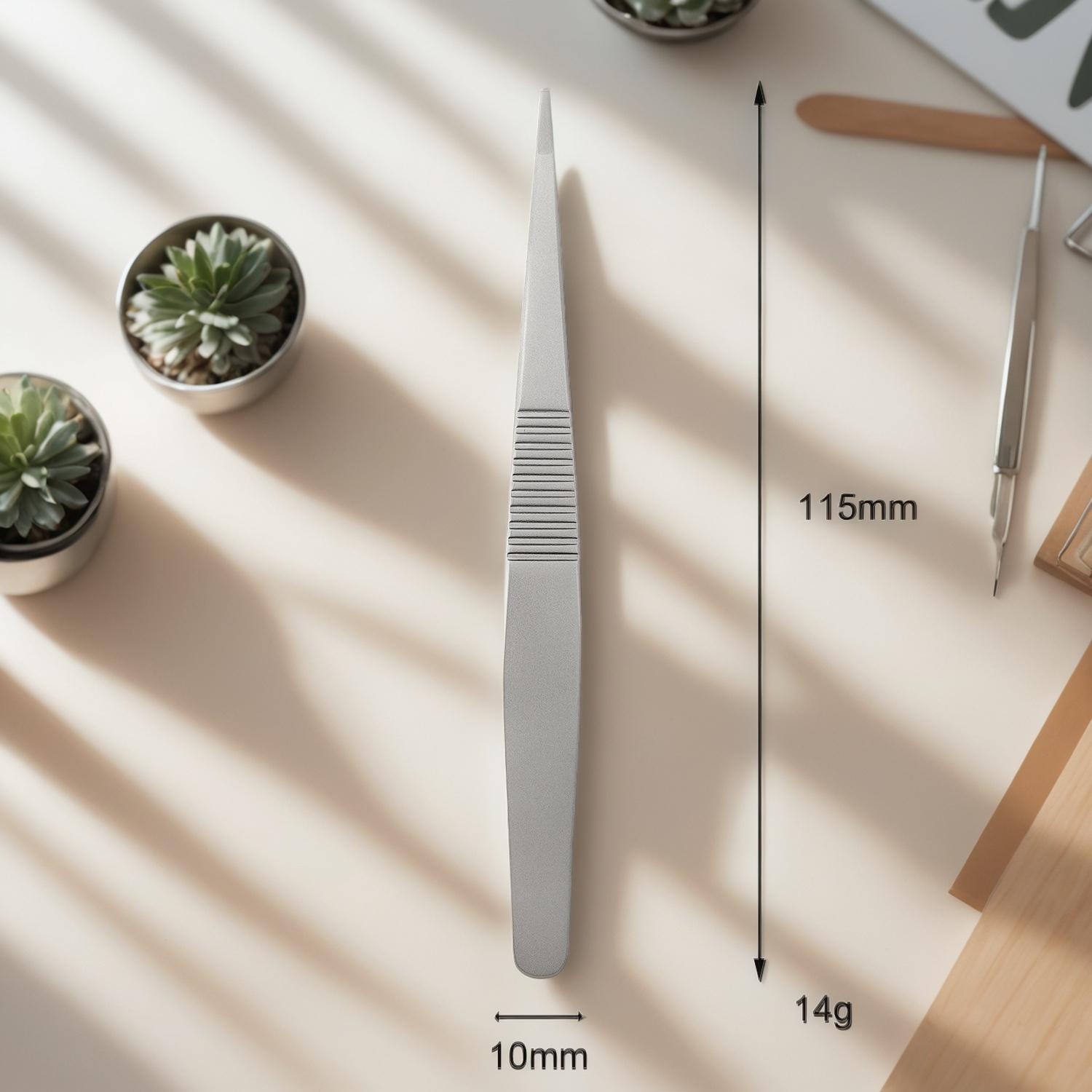
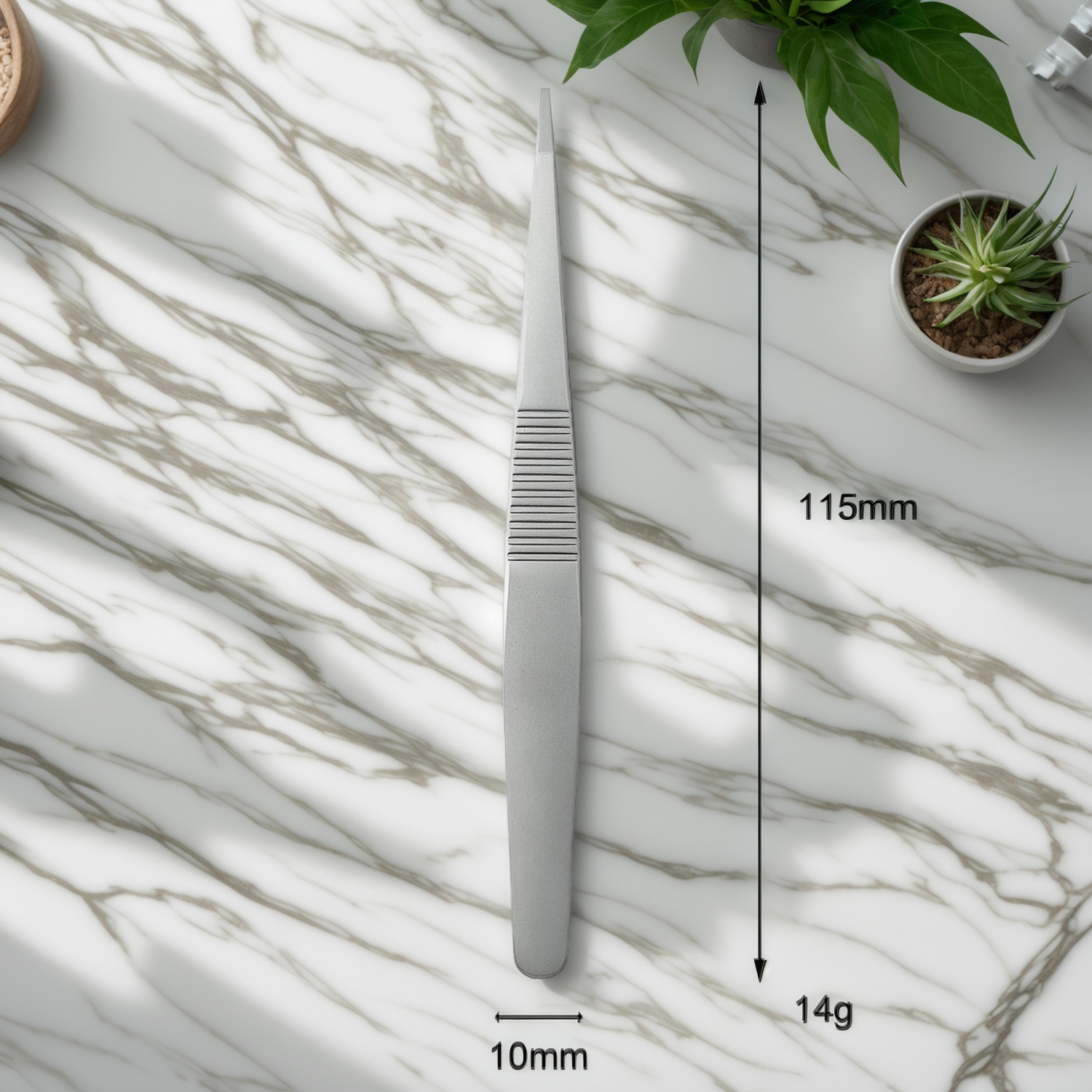
The original product information mentions ergonomic designs and perfectly aligned tips, including the Sleek Silver Precision Tweezer. Those details point to two important sourcing criteria: comfort and closure accuracy. Ergonomics should not be treated as a vague marketing phrase. Buyers can test it by asking several users to hold and squeeze the sample repeatedly. If the tool causes hand fatigue quickly or requires too much pressure, it may not suit professional or frequent use.
What Makes a Supplier Reliable for Private Label and Retail Programs
Reliability is broader than making an acceptable first sample. A supplier should be able to repeat quality across production, communicate clearly about customization options, and package products in a way that supports the buyer’s sales channel. For a retail brand, consistency matters because customers compare one unit with another. A beautiful first shipment followed by variable batches can create avoidable service problems.
When comparing a tweezers manufacturer in China or any overseas production partner, focus on evidence of process control. Useful conversations include how incoming materials are checked, how tip alignment is inspected, how finished goods are protected, and how defects are handled before shipment. Avoid making decisions based only on the lowest unit cost; the cheapest option can become expensive if it increases returns, negative reviews, or rework.
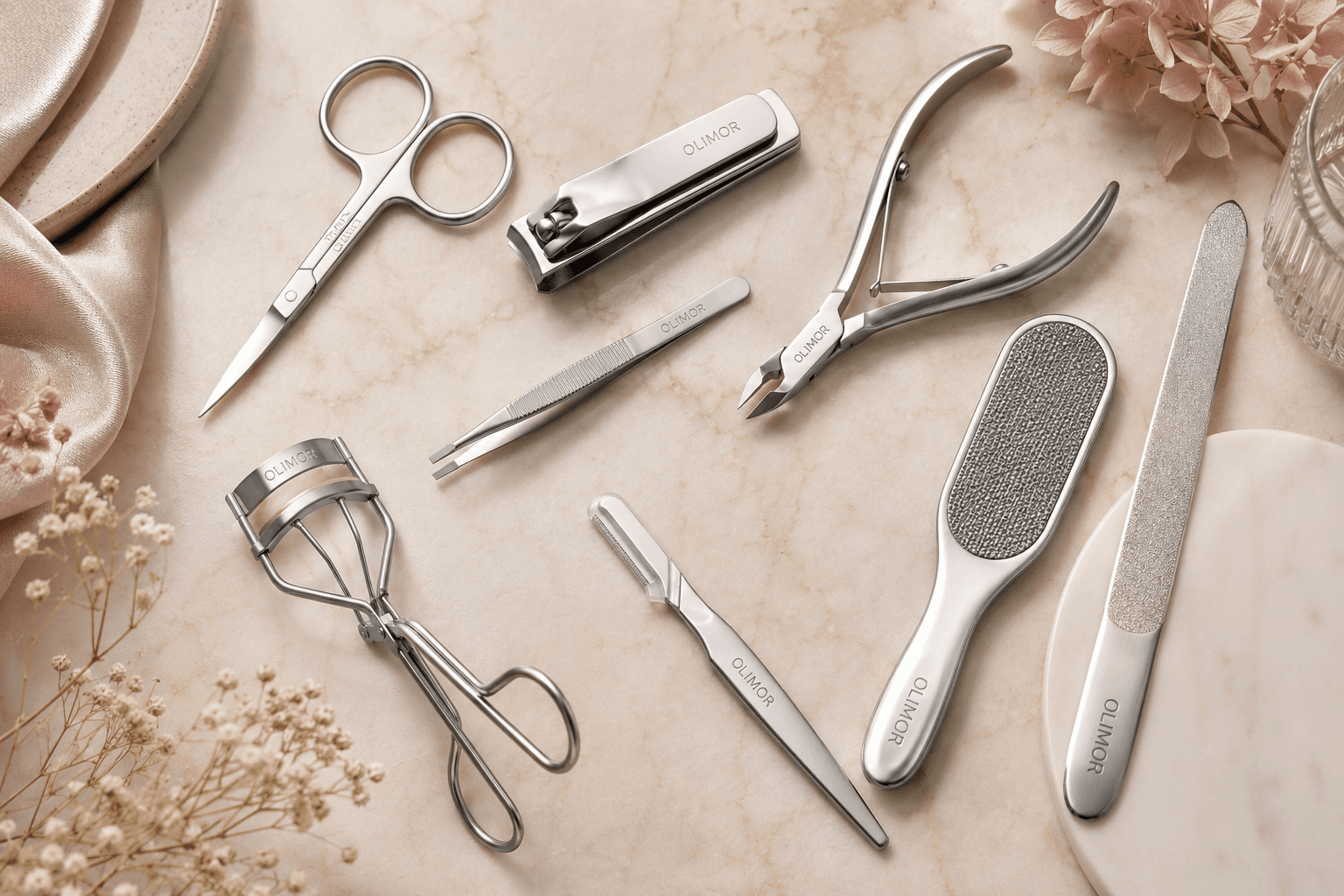
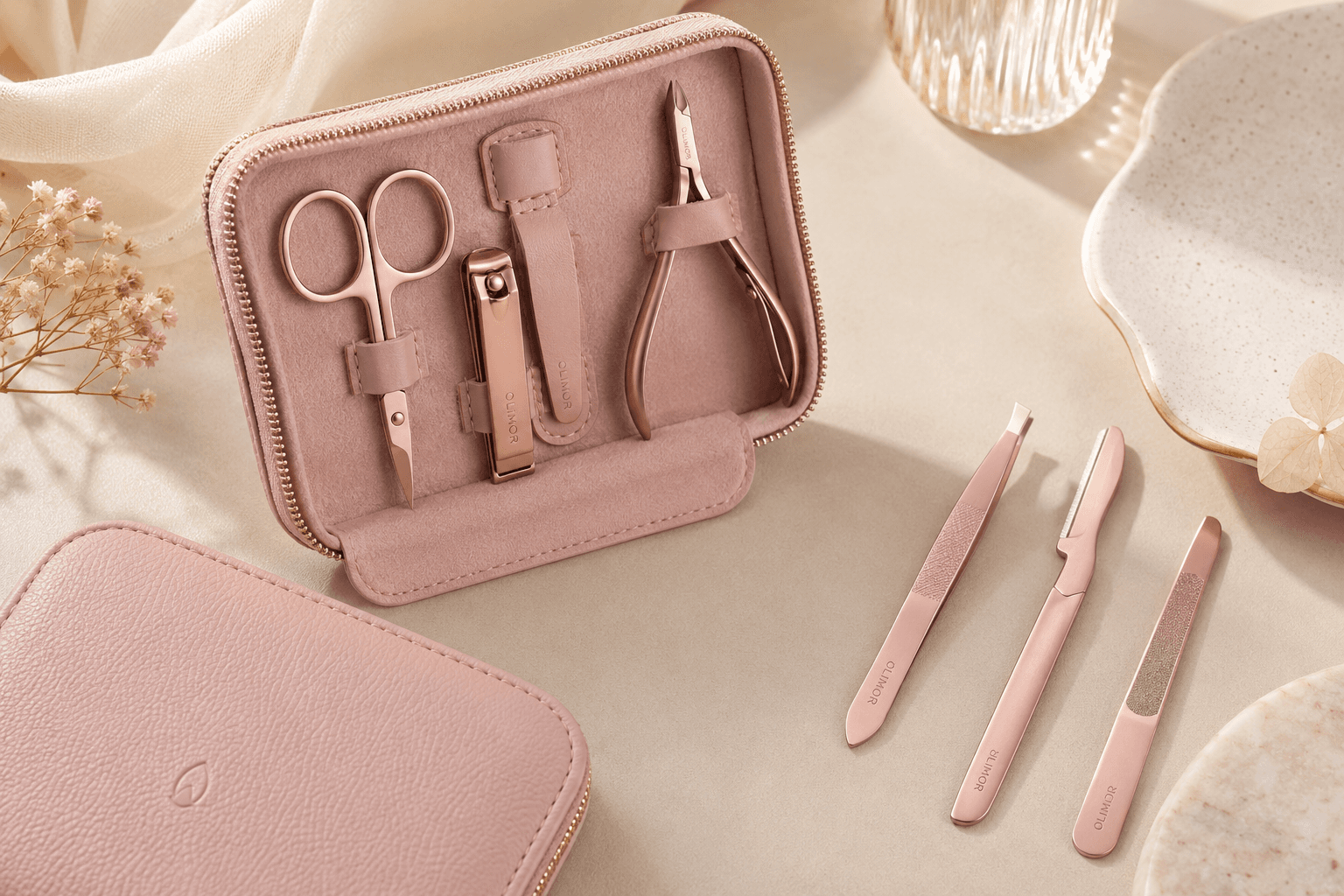
Olimor Beauty positions itself as a supplier focused on quality control, inspection, and partnership. Buyers can review related beauty tool products to understand how tweezers might fit within a broader grooming or beauty accessory assortment. For brands developing a cohesive line, browsing product collections can also help clarify which tools should be sourced together for consistent presentation.
Custom Made Tweezers: Branding Decisions That Affect Performance
Custom made tweezers can help a brand stand out, but customization should never weaken the tool’s function. Color, finish, logo placement, packaging, and set configuration are all useful branding levers. Yet the core experience remains the same: the tweezer must grip accurately and feel comfortable.
Before finalizing a custom program, separate cosmetic decisions from functional decisions. Cosmetic choices include color direction, outer packaging format, logo size, and retail presentation. Functional choices include tip style, arm width, tension, surface texture, and protective packaging for the tips. If a decorative finish changes the feel of the grip or interferes with closure, performance should take priority.
A practical custom development process may follow these steps:
- Define the target user: Professional brow artist, everyday grooming customer, craft user, travel-kit buyer, or gift-set shopper.
- Select the tip style: Match the tweezer shape to the user’s main task rather than copying a generic market design.
- Approve functional samples: Test grip, alignment, tension, comfort, and finish under real handling conditions.
- Confirm branding details: Decide logo placement, finish direction, packaging language, and presentation style.
- Review pre-shipment quality expectations: Clarify inspection points for tip closure, surface finish, cleanliness, and packaging condition.
This sequence helps prevent a common mistake: approving an attractive design before the tool’s working performance is fully proven.
Inspection Checklist for Incoming Samples
Sample review should be structured. If several team members test tweezers casually, feedback can become subjective and hard to compare. Use a short checklist and record observations for each sample. This is especially useful when comparing suppliers or deciding between different tip styles.
| Inspection Area | What to Check | Why It Matters |
|---|---|---|
| Tip alignment | Tips meet evenly when closed | Determines gripping accuracy and user trust |
| Grip performance | Holds fine hair, thread, or small material | Shows whether the tool works for beauty or craft use |
| Hand feel | Comfort during repeated squeezing | Affects professional and frequent-use satisfaction |
| Finish consistency | No obvious uneven polishing or rough areas | Supports perceived quality and brand presentation |
| Packaging protection | Tips are protected against bending or abrasion | Reduces damage before the customer receives the product |
This kind of checklist does not require laboratory language or complicated scoring. It simply makes the buying process more disciplined and helps teams compare real performance instead of relying on assumptions.
Building a Better Long-Term Supplier Relationship
A strong supplier relationship should make future development easier. Once a brand has approved a tweezer design, the next priorities are repeatability, communication, and continuous improvement. Keep approved samples, packaging references, and written quality expectations on file. These become useful benchmarks when reviewing future production.
Clear communication also helps when expanding a line. A buyer may start with one stainless steel tweezer and later add another tip type, a travel set, or a different finish. If the supplier understands the original quality standard, each new item can be developed more efficiently. This is one reason to choose a manufacturing partner with a serious approach to inspection rather than a trading relationship based only on price quotes.
If you are planning a new tweezer program, comparing existing tools, or preparing a private-label beauty accessory range, you can send an inquiry with your intended use case and branding direction. For broader sourcing questions or coordination across multiple beauty tools, you can also contact Olimor.
Final Thoughts for Beauty and Craft Buyers
The best tweezers for your brand are not simply the shiniest or the least expensive. They are the tools that match your customer’s task, close accurately, feel controlled in the hand, and arrive consistently from batch to batch. A reliable tweezers supplier should help you evaluate those details before production, not after customer feedback exposes problems.
By focusing on stainless steel quality, tip alignment, ergonomic handling, appropriate customization, and clear inspection criteria, buyers can make more confident sourcing decisions. Whether the goal is a beauty retail product, a professional grooming accessory, or a precision craft tool, the same rule applies: small details at the tip determine the user’s overall impression of the brand.
Tag: