Reliable Nail Clipper Supplier: How to Source Heavy-Duty Top Cutters with Confidence
For beauty-tool distributors, salon suppliers and private-label buyers, a nail clipper is not a small accessory. It is a daily-use tool that customers judge immediately by feel, cutting performance and durability. A poorly made clipper can pull, crush or leave rough edges; a well-made clipper gives a clean cut, sits comfortably in the hand and remains dependable through repeated use. That is why choosing a reliable nail clipper supplier matters for any business that sells professional or consumer grooming tools.
Olimor Beauty supplies nail tools for B2B beauty channels, including a Heavy-Duty Top Cutter designed for users who need controlled cutting strength, stable handling and a straightforward professional feel. This guide explains what buyers should evaluate before placing a sourcing order, how to compare nail clipper suppliers, and which product details deserve attention when selecting heavy-duty top cutters for salons, retail assortments or grooming kits.
What Makes a Nail Clipper Supplier Reliable?
A reliable supplier is not defined only by having an attractive product photo or a low unit price. In beauty tools, reliability comes from repeatability: the supplier should be able to provide consistent product quality, packaging condition and communication from sample review through bulk delivery. For nail clippers, the details are especially important because even small inconsistencies in blade alignment, spring response or handle grip can affect the user experience.
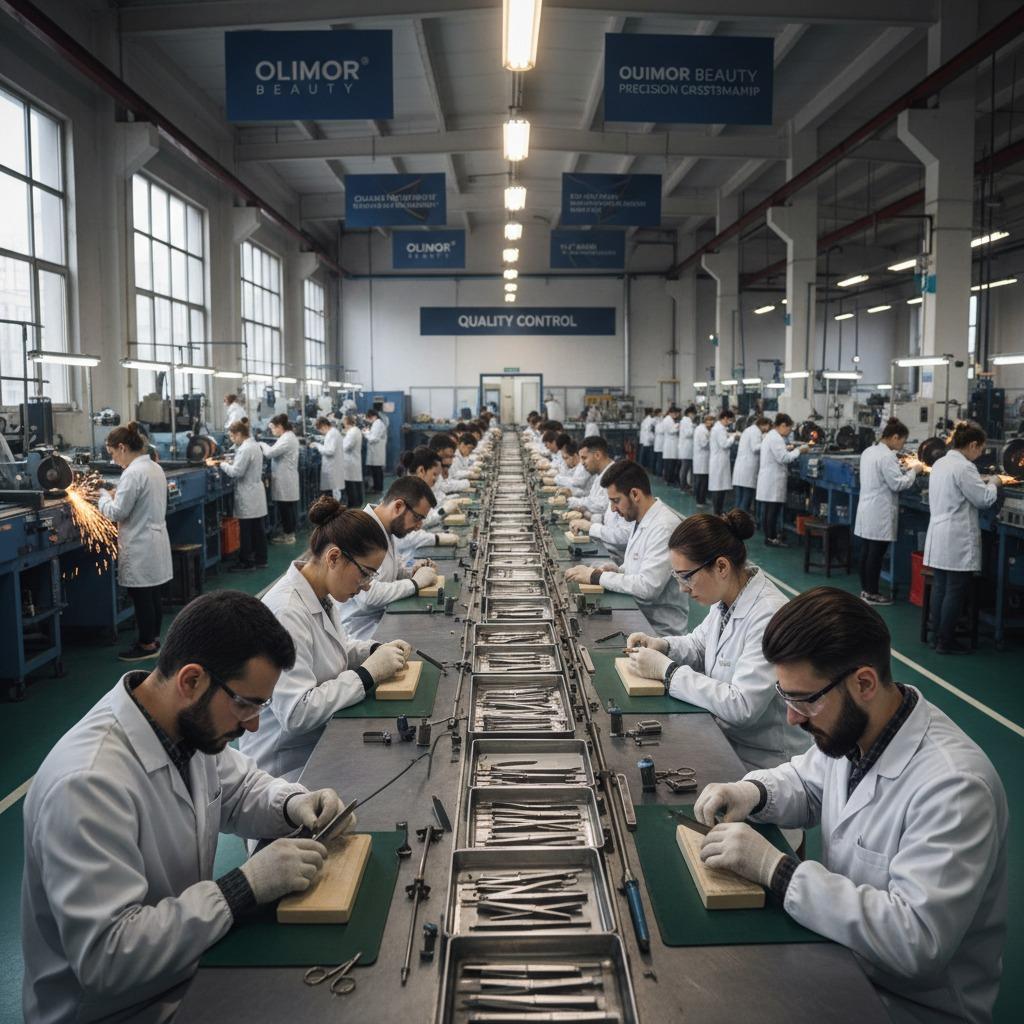
When evaluating a nail clipper supplier, focus on the total sourcing process. Product performance is central, but quality control, material inspection and final packaging checks also influence whether the product reaches your customers in sellable condition. Olimor Beauty emphasizes internal quality controls that include inspection of raw materials and packaging, which are two important checkpoints for any B2B beauty-tool program.
Buyers should also consider whether the supplier understands both professional and everyday use cases. A salon technician may value efficient operation during repeated appointments, while a retail customer may care more about comfort, grip and safe storage. A supplier that can discuss these use cases clearly is better positioned to support a product assortment that performs well after purchase.
Heavy-Duty Top Cutter: Key Features to Evaluate
The Heavy-Duty Top Cutter referenced by Olimor Beauty is built around practical features that matter in nail-care applications: robust steel construction, sharp blades, ergonomic non-slip handles and a spring-loaded mechanism. These features should be assessed together, because nail clipper performance depends on how the whole tool functions in the hand.
Robust steel construction supports long-term use and helps the tool feel stable during cutting. Sharp blades are essential for clean results; they reduce the need for repeated pressure and help avoid uneven edges. Ergonomic, non-slip handles are particularly useful for buyers serving salons or professional nail-care users, where comfort and control become more important during repeated tasks. A spring-loaded mechanism can make operation smoother by assisting the opening motion and helping the user maintain rhythm and control.
Before selecting a heavy-duty top cutter for your assortment, review the product from the perspective of the final user. Does it feel balanced? Is the handle easy to hold when hands are dry or slightly damp? Does the cutting action feel smooth rather than stiff? Does the blade meet cleanly without obvious misalignment? These are simple checks, but they often reveal the difference between a product that looks acceptable and one that customers will reorder.
Selection Checklist for B2B Nail Clipper Buyers
A structured checklist helps purchasing teams compare suppliers without relying on guesswork. It is also useful when reviewing samples from multiple sources or preparing questions for a sourcing discussion. The points below are relevant whether you are buying for salon distribution, retail shelves, online stores or grooming kits.
- Cutting performance: Check whether the blades create a clean cut without crushing, slipping or requiring excessive force.
- Blade alignment: Inspect the cutting edges from the front and side to confirm that they meet evenly.
- Handle comfort: Test the ergonomic, non-slip handle area for grip stability and pressure comfort.
- Spring action: Open and close the tool repeatedly to assess whether the spring-loaded mechanism feels smooth and controlled.
- Surface finish: Look for rough edges, visible burrs or finish inconsistency that could affect customer perception.
- Packaging condition: Review packaging strength, cleanliness and presentation for your sales channel.
- Use-case fit: Decide whether the tool is best positioned for professional salons, home grooming, travel kits or general beauty-tool assortments.
- Consistency across samples: Compare several pieces rather than approving a single sample in isolation.
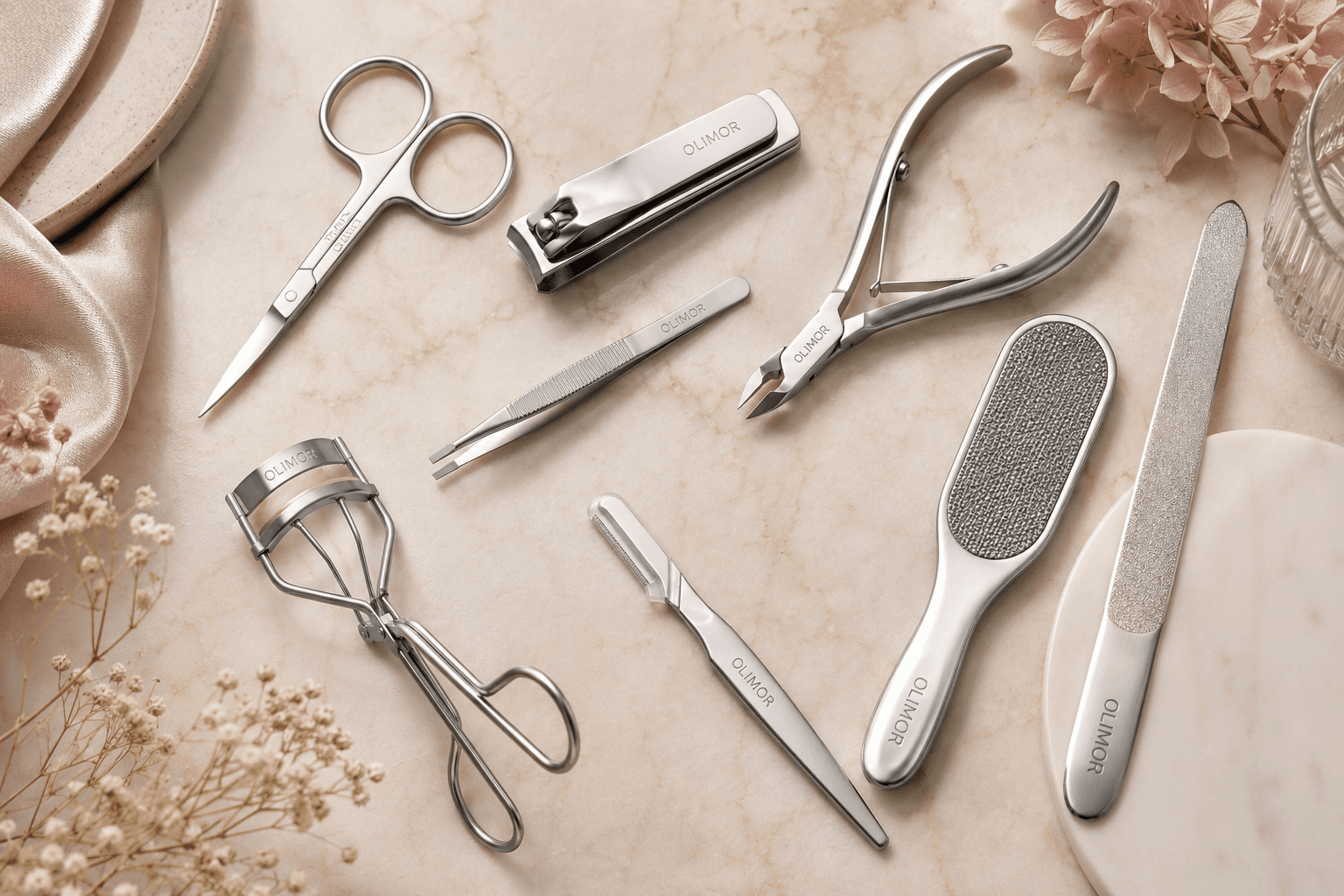
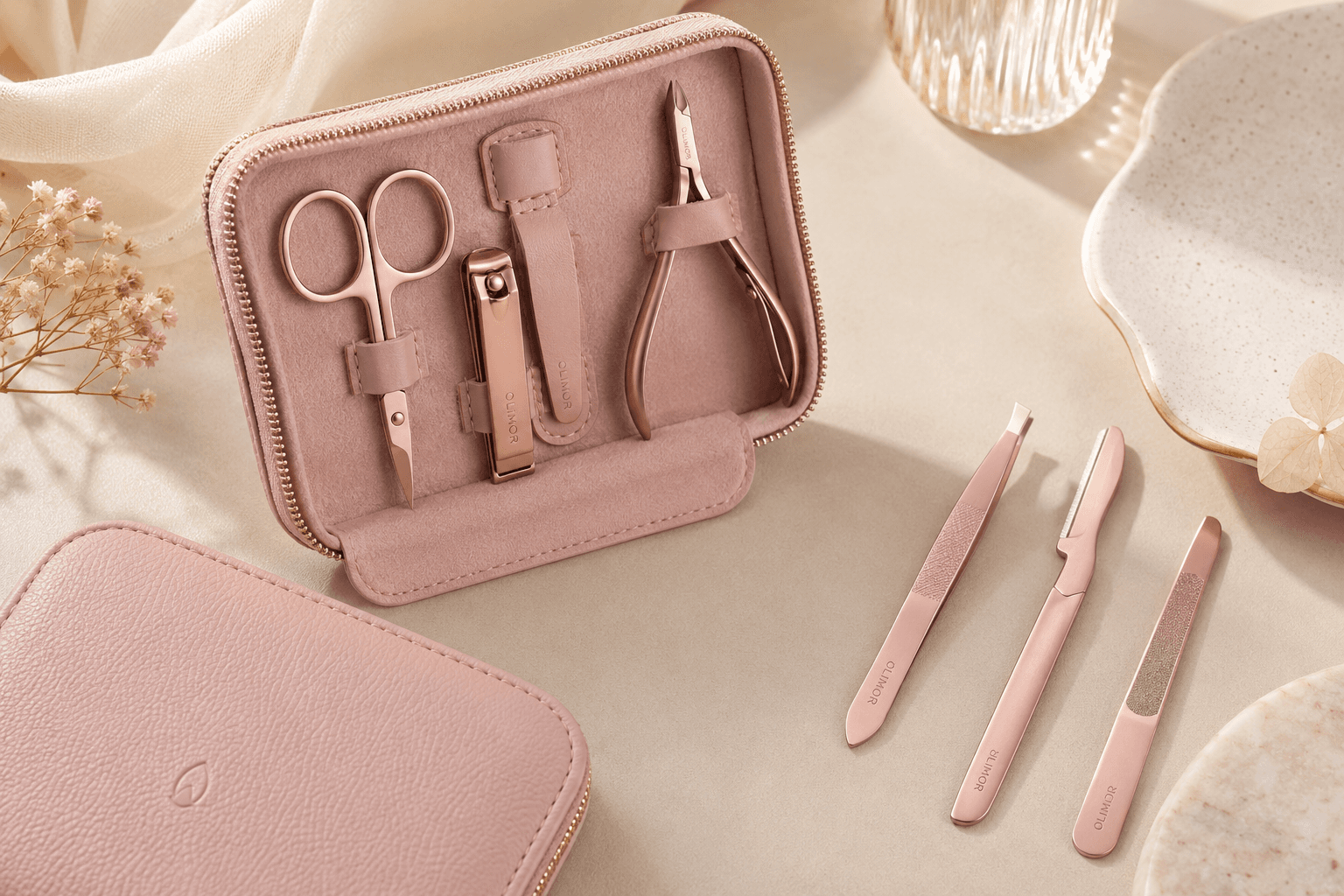
If your business is building a broader assortment, it can also help to review complementary beauty tool products so that the nail clipper fits the quality level, visual direction and target customer of the wider range.
Why Manufacturing and Inspection Details Matter
Nail clippers are mechanical tools, not just stamped metal accessories. Their performance depends on blade sharpness, edge finishing, assembly quality and how the moving parts interact. For this reason, buyers should look beyond a basic product description and consider the supplier’s production discipline.
Olimor Beauty describes a technical commitment from material selection to final assembly. For a buyer, that matters because product problems often start early. If raw materials are inconsistent, the finished clipper may vary in strength, finish or feel. If assembly is not controlled, blade contact and spring response may differ from one unit to the next. If packaging is not inspected, otherwise usable products may arrive scuffed, loose or unsuitable for retail presentation.
When comparing a nail clipper manufacturer in China, you do not need to demand unnecessary complexity, but you should request clarity on the essentials: what is checked before production, what is checked during assembly, and what is checked before packaging. A supplier that can explain these steps in practical terms is more likely to support stable quality over repeat orders.
Choosing the Right Nail Clipper for Your Sales Channel
The same nail clipper may not be ideal for every buyer. A professional salon supplier may prioritize cutting control, long-use comfort and reliable repeat performance. A retail buyer may focus on appearance, packaging, price positioning and broad consumer appeal. An e-commerce seller needs a product that can be described accurately, photographed clearly and shipped without excessive packaging damage.
The Heavy-Duty Top Cutter is most relevant when your customer expects a stronger, more controlled cutting tool rather than a lightweight novelty accessory. Its robust steel construction and ergonomic non-slip handles support a practical positioning for users who care about performance. The spring-loaded operation can also be helpful in product descriptions because it explains the functional benefit in a way customers can understand.
For assortment planning, consider grouping nail clippers with related hand, foot or grooming tools. Reviewing Olimor product collections can help you think through how a top cutter might sit within a broader professional beauty-tool category. A coherent assortment is easier for sales teams to present and easier for buyers to understand.
Sample Review: A Practical Testing Process
Before moving from inquiry to purchase, sample review should be systematic. A quick visual check is not enough, especially for a tool that will be used under hand pressure. The goal is to understand whether the product performs consistently and whether it matches the expectations of your customer segment.
- Inspect the finish first. Look for clean edges, consistent surfaces and a professional appearance suitable for your intended channel.
- Test the grip. Hold the tool in typical cutting positions and evaluate whether the non-slip handle supports control.
- Operate the spring repeatedly. Open and close the clipper multiple times to check smoothness and fatigue.
- Evaluate cutting feel. Test controlled clipping action on an appropriate sample material or approved testing method used by your team.
- Compare multiple units. Check whether the same feel, alignment and finish appear across several samples.
- Review packaging. Confirm that the packaging protects the tool and presents it properly for your market.
Documenting this review process helps your team make decisions based on evidence rather than first impressions. It also gives you a useful reference point when approving future shipments or expanding your order to include related nail-care tools.
Questions to Clarify Before Sourcing
Good sourcing conversations are specific. Instead of asking only whether a supplier has “good quality,” focus on points that affect the actual buyer experience. For a nail clipper program, useful questions include: how blade sharpness is checked, how spring action is evaluated, how finished goods are inspected, how packaging is reviewed, and what information is needed to match the product to your market.
If you are planning a custom assortment, share the sales channel, target customer and intended positioning. A salon supply program may need different packaging and messaging than a consumer gift set. A distributor selling across multiple markets may need a more flexible approach to presentation. Clear requirements at the start reduce the chance of mismatched samples and delays later.
When you are ready to discuss specifications, assortment planning or sample availability, you can contact Olimor or send an inquiry with your product goals and target channel. Include the intended use case, preferred product type and any packaging expectations so the discussion can focus on practical sourcing details.
Building a Dependable Nail Tool Offering
A reliable nail clipper supplier should help your business deliver tools that customers can trust after the first use. For heavy-duty top cutters, that means clean cutting performance, stable handling, smooth operation and consistent presentation. Olimor Beauty’s focus on robust steel construction, sharp blades, ergonomic non-slip handles, spring-loaded mechanisms and internal quality control gives B2B buyers a practical basis for evaluating nail clipper sourcing.
The best purchasing decision comes from combining product features with disciplined review. Check samples carefully, compare consistency, confirm packaging expectations and choose the tool that fits your customer rather than selecting on price alone. With a structured approach, a nail clipper becomes more than a small grooming item; it becomes a dependable part of a professional beauty-tool assortment.
Tag: