

Choosing an OEM Personal Care Tools Supplier in Asia
Finding the right OEM personal care tools supplier is a critical decision for beauty brands, spa operators, distributors and retailers. Personal care tools are handled closely against the skin, used repeatedly and often displayed as part of a professional treatment environment. If the tool feels poorly balanced, is difficult to clean or arrives with inconsistent finishing, the end user notices immediately. That experience reflects on the brand printed on the packaging, not only on the factory that made the product.
For companies sourcing from Asia, the goal is not simply to find a supplier that can produce a tool at a target cost. The stronger goal is to build a reliable product line around instruments that look consistent, perform as intended and can be supplied with the documentation, packaging and communication discipline that a serious buyer needs. Olimor Beauty supports this type of sourcing conversation for personal care instruments, including stainless steel skincare tools such as the comedone extractor described below.
Why supplier selection matters for personal care tools
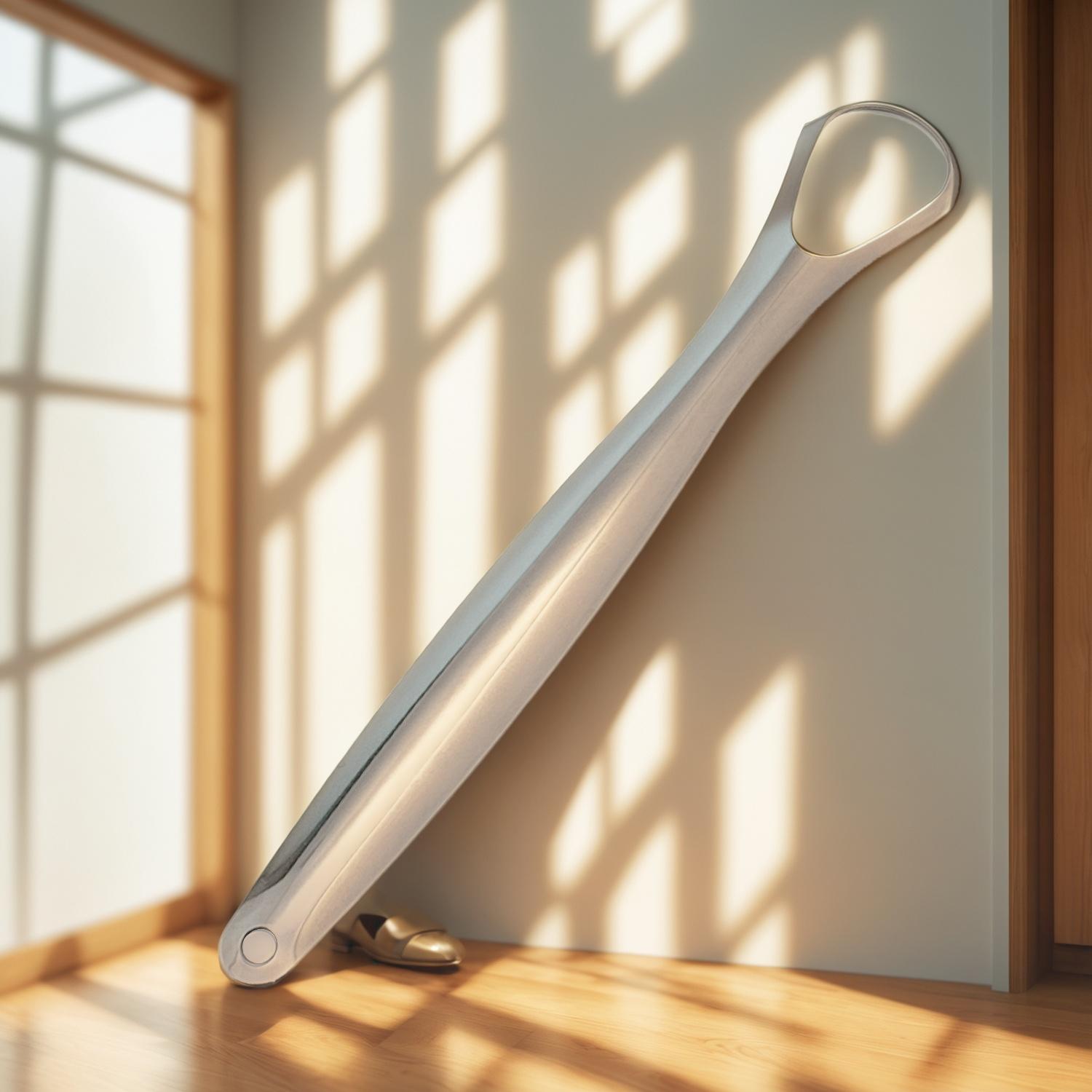
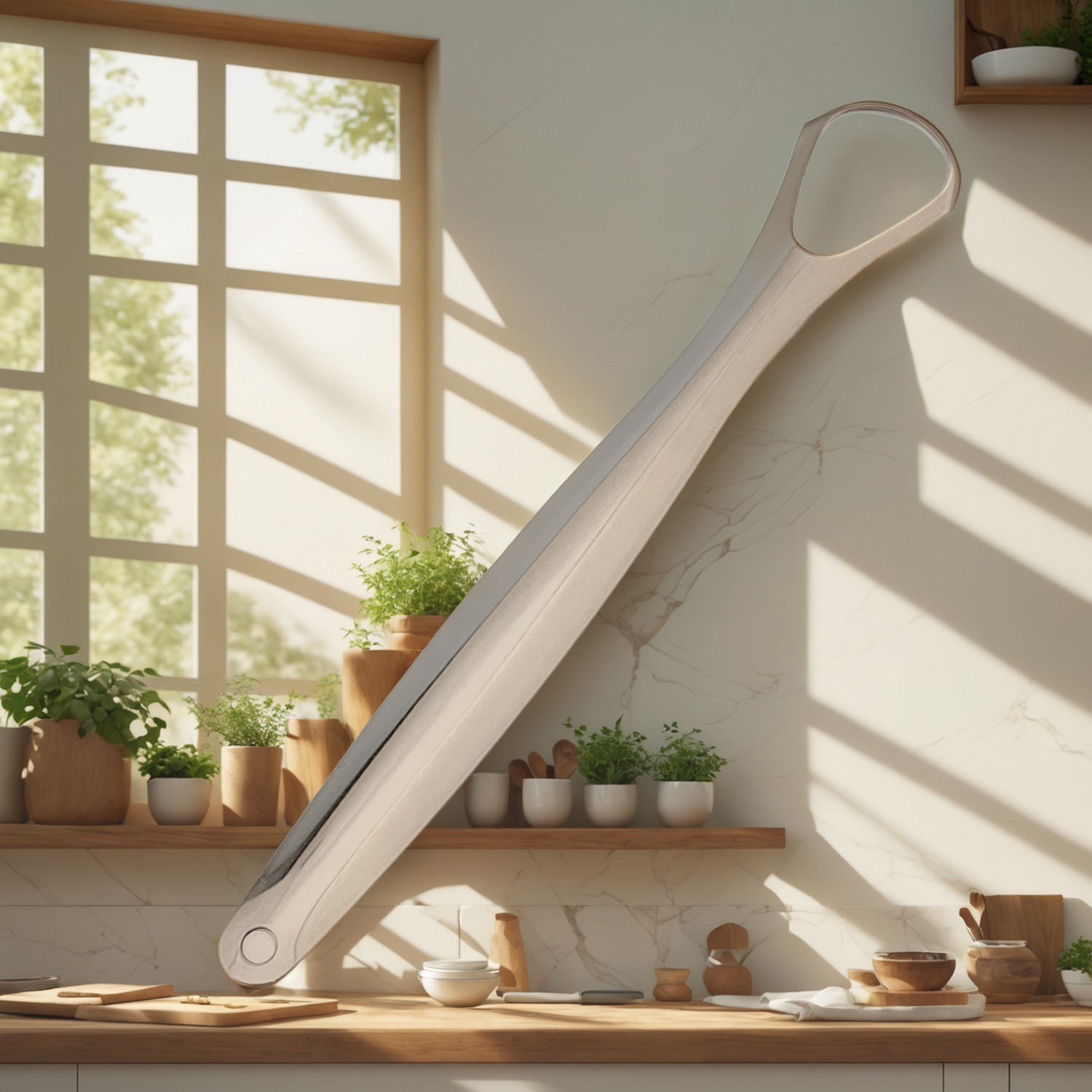
Personal care tools sit at the intersection of appearance, hand feel, hygiene and repeat-use durability. A product may look simple, but buyers still need to evaluate how it is shaped, finished, inspected and packed. A stainless steel comedone extractor, for example, must feel comfortable in the hand and have a precision loop that allows controlled use. The original product concept is based on easy-to-sanitize stainless steel, ergonomic handling and a minimalist professional look. Those qualities are important for spas, retail skincare assortments and private label beauty brands because the tool must be practical as well as visually credible.
A dependable OEM partner should also understand that different sales channels have different expectations. A spa may prioritize sanitation, grip comfort and long service life. A retail brand may pay more attention to packaging, shelf presentation and consumer instructions. A distributor may care about repeatable supply, carton labeling and stable product appearance from batch to batch. These requirements should be discussed before confirming a specification, not after production has already begun.
Quality signals to check before placing an OEM order
Quality in personal care tools is not limited to whether the item looks acceptable in a photograph. Buyers should review the tool as a physical product and evaluate it from the point of view of the final user. Olimor Beauty emphasizes quality assurance from raw materials through final packaged goods, and that mindset is exactly what buyers should look for when comparing suppliers.
Useful quality checkpoints include:
- Material suitability: For stainless steel tools, confirm that the chosen material is appropriate for the intended use and cleaning expectations.
- Surface finishing: Edges, loops and handles should feel smooth, with no rough areas that could affect comfort or safe handling.
- Ergonomic handling: The tool should be easy to hold and control, especially for professionals who use instruments repeatedly during the day.
- Functional consistency: Precision parts, such as an extractor loop, should maintain a consistent shape and alignment across samples.
- Clean packaging: Finished goods should arrive protected from scratches, contamination and unnecessary movement inside the packaging.
- Inspection process: The supplier should be able to explain how incoming materials, in-process production and final goods are checked.
These checks help buyers avoid a common sourcing mistake: judging a personal care tool only by its unit price. A slightly lower initial cost can become expensive if the goods require sorting, repacking, rework or customer complaint handling after delivery.
Using stainless steel comedone extractors in spa and retail programs
The stainless steel comedone extractor is a useful example of how a single personal care tool can serve several business models. In a spa setting, the tool needs to be durable, hygienic and easy for trained staff to handle with control. For retail, it must also be easy for shoppers to understand and attractive enough to fit a skincare accessory display. For brand owners, the design should support private label packaging without creating confusion or unrealistic claims.
The product described here is made as a stainless steel skincare instrument with an ergonomic design and precision loop. Its purpose is to help manage skincare concerns with controlled pressure and reduced unnecessary irritation when used properly. Because skincare tools interact directly with the face, brands should provide clear usage and cleaning guidance in their own packaging or instruction materials. Claims should remain responsible and aligned with the product’s actual function.
For buyers building a wholesale spa or retail assortment, a comedone extractor can sit alongside other personal care accessories as part of a practical skincare tool range. If you are comparing categories, Olimor’s beauty tool products page is a useful starting point for understanding the broader tool environment and how individual items may fit together in a professional or retail offer.
OEM sourcing questions that lead to better results
Good OEM sourcing begins with precise questions. Instead of asking only for a quotation, buyers should define the intended user, sales channel, packaging format and quality expectations. This allows the supplier to respond with more relevant production advice and avoids misunderstandings that can delay approval.
| Buyer focus | What to clarify | Why it matters |
|---|---|---|
| Product function | Tool type, target use and any user instructions needed | Prevents overclaiming and keeps the product aligned with real application |
| Finish and comfort | Handle feel, loop smoothness and acceptable cosmetic standards | Supports a consistent user experience and reduces complaints |
| Packaging | Retail pack, spa supply pack or distributor carton requirements | Protects goods and matches the intended sales channel |
| Branding | Logo placement, label content and visual presentation | Helps private label goods look coherent and professional |
| Inspection | Sampling, production checks and final review criteria | Creates a shared standard before bulk production |
This type of checklist is especially helpful when several internal teams are involved. Product managers may focus on function, brand teams on presentation and procurement teams on lead time and cost. A structured review helps everyone assess the same product from the same set of expectations.
Packaging, branding and private label considerations
OEM personal care tools often need to support a buyer’s own branding. That does not mean the tool itself should be overloaded with decorative details. In many cases, a clean stainless steel design and clear, well-made packaging communicate more trust than an overly complicated product. The original description highlights minimalist design and professional functionality, which is a sound direction for skincare instruments intended for spas and retail beauty shelves.
Before confirming a private label order, buyers should prepare practical artwork and copy requirements. These may include product name, usage directions, cleaning guidance, barcode placement, country or market labeling needs and any warnings required by the sales channel. The supplier’s role is to help translate these requirements into a manufacturable and packable product, while the brand owner remains responsible for ensuring that consumer-facing claims are appropriate for its market.
If you are still deciding how a tool should sit within a broader product range, browsing Olimor’s product collections can help clarify whether your line should be built around skincare accessories, nail tools, grooming tools or a mixed personal care assortment.
Maintenance guidance buyers should include for end users
Even a well-made stainless steel personal care tool depends on correct use and care. For products such as comedone extractors, brands and spas should not assume that every user understands safe handling. Clear maintenance guidance can reduce misuse, support hygiene and improve customer satisfaction.
Useful end-user guidance may include the following points:
- Clean the tool before and after each use according to the care instructions provided with the product.
- Use controlled, gentle pressure rather than forcing the tool against the skin.
- Do not use on irritated, damaged or infected skin.
- Store the tool in a clean, dry place to protect the surface and reduce contamination risk.
- For professional environments, follow the spa or salon’s hygiene protocols between clients.
These statements are not decorative filler; they protect the brand and help the customer use the tool responsibly. They are particularly important for retail packaging, where the buyer may be using the instrument without professional supervision.
Building a dependable supply relationship
A strong OEM relationship is based on repeated alignment: product specification, sample approval, production quality, packaging and communication. Olimor Beauty positions itself as a personal care tools manufacturer in Asia with internal quality controls and attention to precision. For buyers, the best way to benefit from that capability is to provide clear requirements and review samples carefully before confirming a final order.
When comparing suppliers, look beyond broad promises. Pay attention to how clearly the team answers technical questions, whether sample details match the quotation, how packaging expectations are recorded and whether the supplier treats quality inspection as a normal part of production rather than an afterthought. These behaviors usually say more about long-term reliability than a generic catalogue description.
For beauty brands, spas and retailers planning an OEM personal care tools project, the right next step is to define the product brief: tool type, intended channel, packaging needs, branding requirements and quality expectations. To discuss a sourcing plan or share a product brief, you can send an inquiry or contact Olimor for more information.
Tag: