How to Source Premium Beauty Scissors from a China Beauty Tools Supplier
Choosing a beauty tools supplier in China is not only about finding a factory that can make a sharp pair of scissors. For salon brands, grooming retailers, distributors and private label buyers, the decision affects user comfort, cutting performance, packaging presentation and the long-term reliability of every item sold under your business name. A well-made fashion scissors set should feel controlled in the hand, cut cleanly and maintain a polished appearance through regular use.
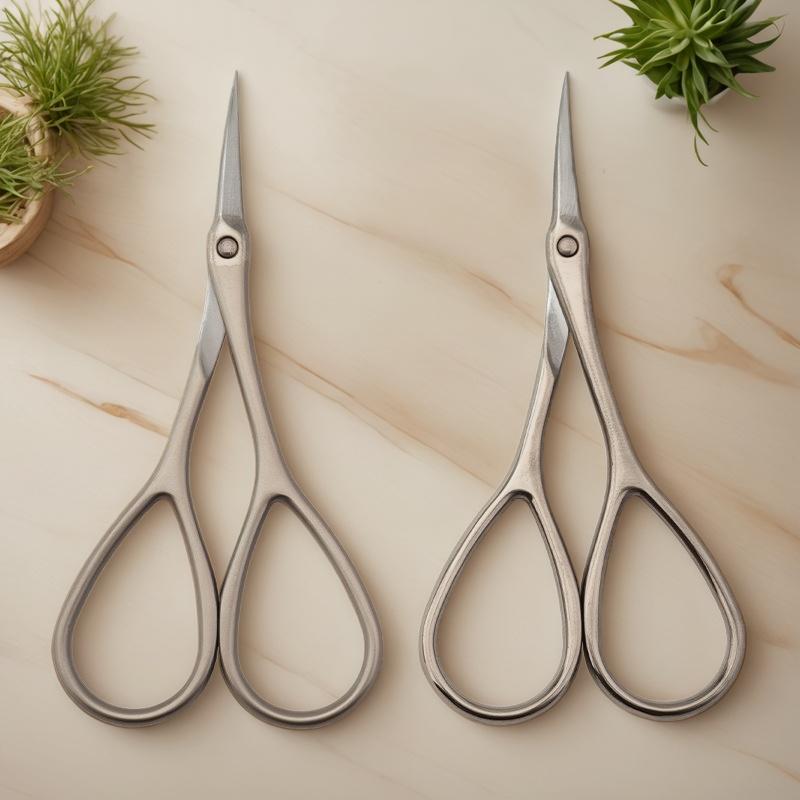
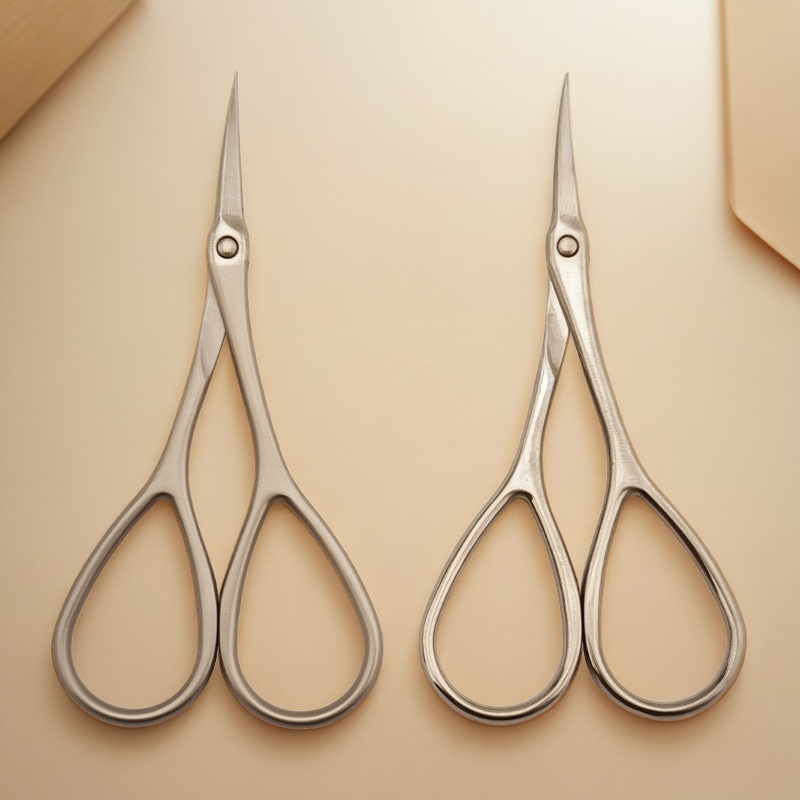
Olimor Beauty works with buyers who need beauty tools that balance appearance, precision and practical handling. The original focus of this product is clear: stainless steel grooming scissors with slender, tapering blades, ergonomic open-loop handles and a modern visual finish. Those features matter because beauty scissors are small tools that face close inspection from end users. A consumer may notice a rough edge, uncomfortable grip or uneven cut immediately. For professional users, those details can affect speed, consistency and confidence throughout the day.
This guide explains how to evaluate a premium scissors set from a sourcing perspective. It is written for buyers comparing beauty tool products, building assortments or preparing an inquiry for a supplier, with emphasis on the practical criteria that help separate attractive samples from dependable commercial products.
What Makes a Beauty Scissors Set Worth Sourcing?
A premium grooming scissors set should offer more than a shiny finish. Buyers should look at how material, blade geometry, handle comfort and finishing quality work together. The supplied product description highlights high-grade stainless steel, slender tapering blades and ergonomic open-loop handles. Each of these details has a specific role.
Stainless steel is widely valued in beauty tools because it supports durability, clean appearance and easier care. For scissors, the steel must also support a functional edge. The blade profile should allow accurate trimming rather than crushing or dragging. Slender, tapering blades are especially useful for detail work where the user needs visibility and control near the cutting point.
Handle design is equally important. Open-loop handles can make the tool feel lighter and more accessible, while an ergonomic shape helps reduce unnecessary pressure on the fingers. This is particularly relevant for users who trim brows, facial hair, cuticles, fine hair sections or other small areas where accuracy matters more than force.
Key Selection Criteria for Buyers
Before committing to a beauty scissors product, buyers should create a simple checklist that covers both the tool itself and the way it will be sold. This avoids making a decision based only on photos or a single sample that looks good under ideal lighting.
- Blade alignment: The two blades should meet evenly without visible gaps that could cause folding or snagging.
- Cutting feel: The opening and closing action should feel smooth, controlled and neither too loose nor too stiff.
- Tip precision: Tapering tips should be fine enough for detail work while still feeling stable and safe for the intended user.
- Handle comfort: Open-loop handles should not create sharp pressure points against the fingers.
- Surface finishing: Edges, loops and blade backs should be smooth to the touch, with no burrs or rough transitions.
- Visual consistency: If the scissors are sold as a fashion set, shape, polish and overall appearance should be consistent across units.
- Packaging suitability: Packaging should protect the tips and blades during transport, storage and retail handling.
These criteria are simple, but they reflect how customers judge a small grooming tool. Many product complaints begin with issues that could have been identified during sample review: an uncomfortable grip, inconsistent blade tension, loose packaging or a finish that looks less refined in person than in a product image.
Why Ergonomics Matter in Small Grooming Tools
Beauty scissors are often used for careful, repetitive movements. Even when a tool is not heavy, poor ergonomics can make the user adjust their hand position too often. Over time, that reduces accuracy and creates frustration. For this reason, the handle is not a decorative detail; it is part of the tool’s performance.
Open-loop handles can support a clean, modern look while giving the fingers enough space for controlled handling. When reviewing samples, buyers should test the scissors with different hand sizes if possible. A tool that feels comfortable for one person may feel narrow, slippery or awkward for another. If the scissors will be sold to consumers, comfort for a broad user range is important. If the product is targeted toward professionals, longer repeated use should be considered.
Buyers should also check whether the handle design supports stable cutting near the tip. Some scissors look elegant but become difficult to control when the user makes very small cuts. A well-balanced tool should allow the user to place the blades accurately without excessive wrist movement.
Quality Control Points to Review Before Ordering
The original product information emphasizes multi-stage inspection from raw material selection to final packaging. For buyers, the practical question is how to translate that promise into review points. A clear quality control discussion helps both sides define what matters and reduces misunderstandings later.
- Confirm the intended use: Detail trimming, general grooming and professional salon use may require different expectations for blade sharpness, handle feel and packaging.
- Review pre-production samples: Use samples to evaluate comfort, finish, cutting action and appearance before confirming a larger order.
- Define visible defect standards: Scratches, stains, rough edges, uneven polishing and misaligned blades should be classified clearly.
- Check packaging function: The package should prevent movement that may damage the blade tips or scratch the finish.
- Keep a reference sample: An approved sample gives both buyer and supplier a physical benchmark for comparison.
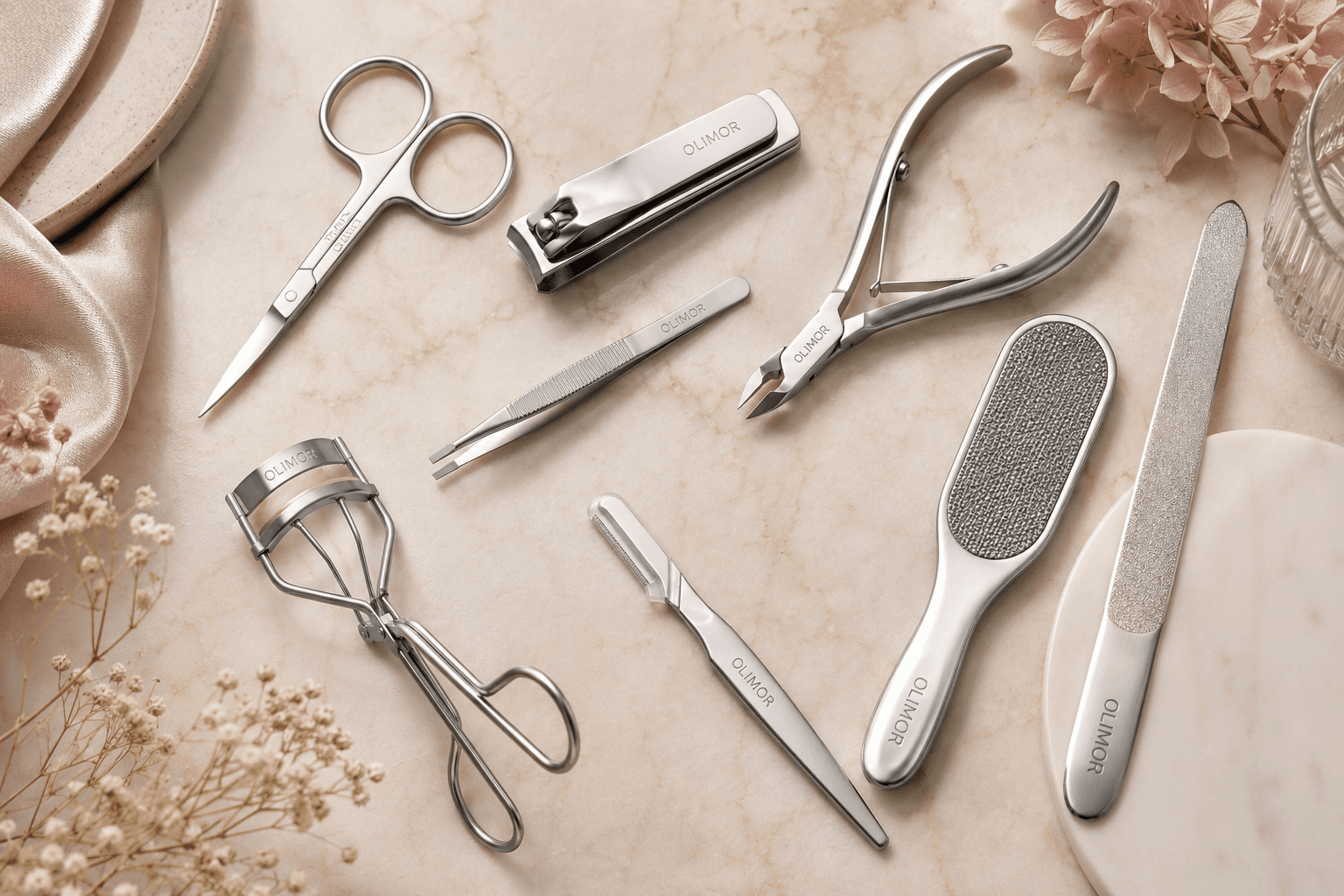
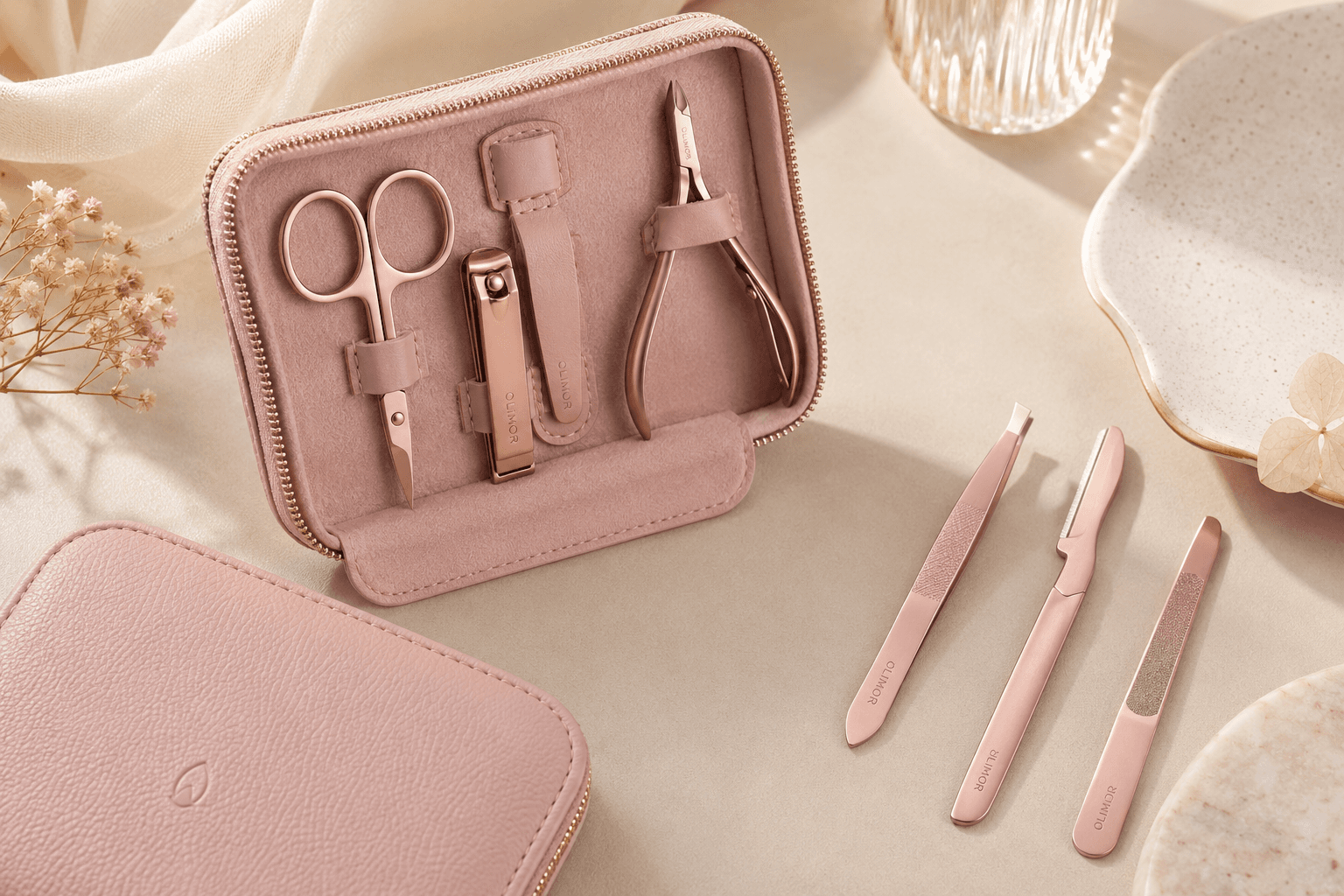
These steps do not require technical complexity, but they require consistency. Beauty tools are handled closely by the end user, so minor defects can feel more serious than they might on a larger product. Buyers can also compare related items through Olimor’s product collections to consider whether a scissors set should be sold alone or as part of a broader grooming range.
Packaging and Presentation for Beauty Retail
For a fashion scissors set, packaging plays two roles: it protects the tool and communicates quality. A sharp or finely tapered product needs packaging that prevents impact at the tips. If the scissors shift during shipping, the blades may arrive with small alignment issues, surface marks or damaged points. That can lead to returns even when the tool was manufactured well.
Presentation also matters because beauty tools are often selected visually. A buyer should consider whether the packaging supports online product photography, retail shelf display or gift positioning. However, attractive packaging should not create practical problems. It should be easy to open, hold the scissors securely and avoid contact points that scratch polished surfaces.
If your business plans to sell multiple grooming instruments, packaging consistency may help create a more coherent product line. Consistent size, material feel, typography and protective structure can make individual tools look more organized as a range without inventing unnecessary design complexity.
Questions to Prepare When Contacting a Supplier
A productive sourcing conversation is specific. Instead of asking only for a catalog and price, buyers should outline the intended market, expected product position and the main quality concerns. This helps the supplier respond with relevant information and helps the buyer compare options more fairly.
| Buyer topic | Why it matters |
|---|---|
| Target user | Consumer, salon or distributor needs may differ in comfort, packaging and durability expectations. |
| Preferred finish | Surface appearance influences perceived value and must remain consistent across production. |
| Blade performance | Buyers should define whether the tool is for fine detail trimming or broader grooming use. |
| Packaging type | Protection, display and shipping requirements should be considered before production. |
| Inspection standard | Clear defect limits reduce disputes and support stable product quality. |
When you are ready to discuss a beauty scissors sourcing project, you can send an inquiry with your product goals, target market and packaging needs. For broader questions about cooperation or available beauty tool categories, you can also contact Olimor.
Care Guidance Buyers Can Share with End Users
Product care information is a small but valuable addition for retailers and brand owners. It helps customers use the tool correctly and may reduce avoidable damage. For stainless steel beauty scissors, care guidance should be simple, realistic and easy to include on packaging inserts or product pages.
- Wipe the scissors clean after use, especially if they come into contact with moisture or product residue.
- Store the tool in a dry place and protect the tips from impact.
- Do not use fine grooming scissors for heavy cutting tasks outside their intended purpose.
- Keep the blades closed when not in use to protect the edge and reduce accidental damage.
- Avoid dropping the scissors, as impact can affect blade alignment even if the surface looks intact.
Clear care instructions support customer satisfaction because they set realistic expectations. Even a well-made tool can perform poorly if used on unsuitable materials, left wet or stored loosely with other metal items.
Building a Reliable Beauty Tools Assortment
A premium beauty scissors set can be a strong addition to a grooming range when it is selected with attention to real user needs. The strongest sourcing decisions combine product design, comfort, inspection planning and packaging strategy. High-grade stainless steel, precise tapering blades and ergonomic open-loop handles are valuable features, but they should be verified through sample handling and consistent quality review.
For buyers sourcing from a beauty tools supplier in China, the goal is to build a product that looks refined, feels dependable and performs consistently for the intended customer. By focusing on selection criteria rather than generic claims, you can make better comparisons, communicate more clearly with suppliers and develop beauty tools that are easier to sell with confidence.
Tag: