B2B Nail Clippers and Beauty Supplies: What Buyers Should Check Before Ordering
For distributors, salon suppliers, spa operators, and retail buyers, B2B beauty supplies need to do more than look attractive in a catalog. A nail clipper, cuticle tool, grooming accessory, or beauty kit must feel comfortable in the hand, perform consistently, withstand repeated use, and support the brand experience you want to offer your customers. Poor cutting performance, uncomfortable handles, weak packaging, or inconsistent finishing can quickly create returns and damage trust.
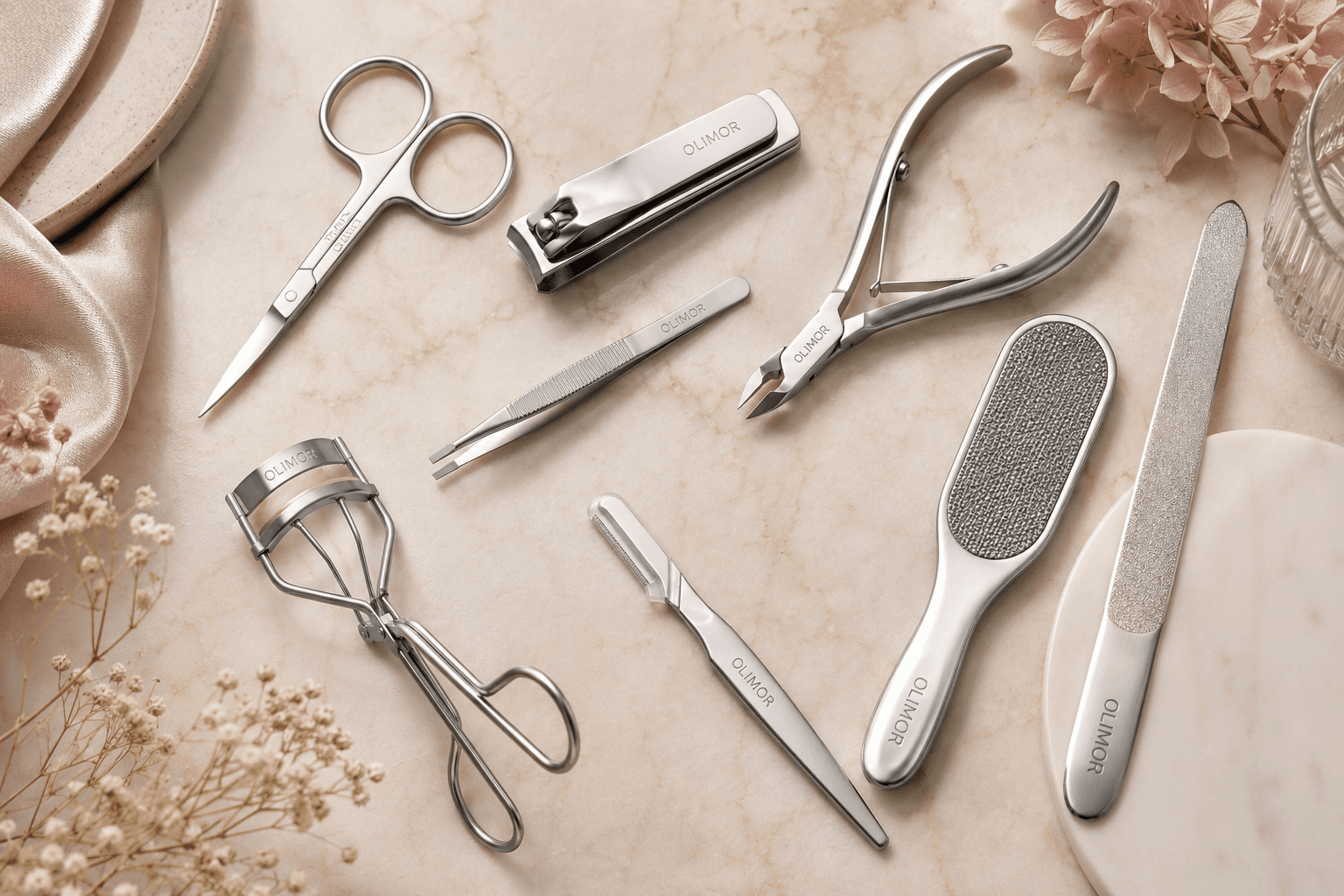
Olimor Beauty supplies beauty tools for business buyers who need practical grooming products for professional and retail channels. This guide focuses on nail clippers and related beauty supplies because they are common, repeatable, and easy for customers to judge by feel. It explains what to evaluate when sourcing B2B beauty supplies, how nail clipper ODM decisions are usually made, and what details matter when developing a custom made nail clipper for your market.
Who Needs B2B Beauty Supplies and What They Expect
Different buyers have different priorities. A salon supplier may care most about reliable daily use and easy cleaning. A retailer may focus on packaging, shelf presentation, and customer-friendly pricing. A spa or hotel program may need compact grooming items that look neat as part of a broader personal-care offer. The best sourcing decisions start with the sales channel instead of the tool alone.
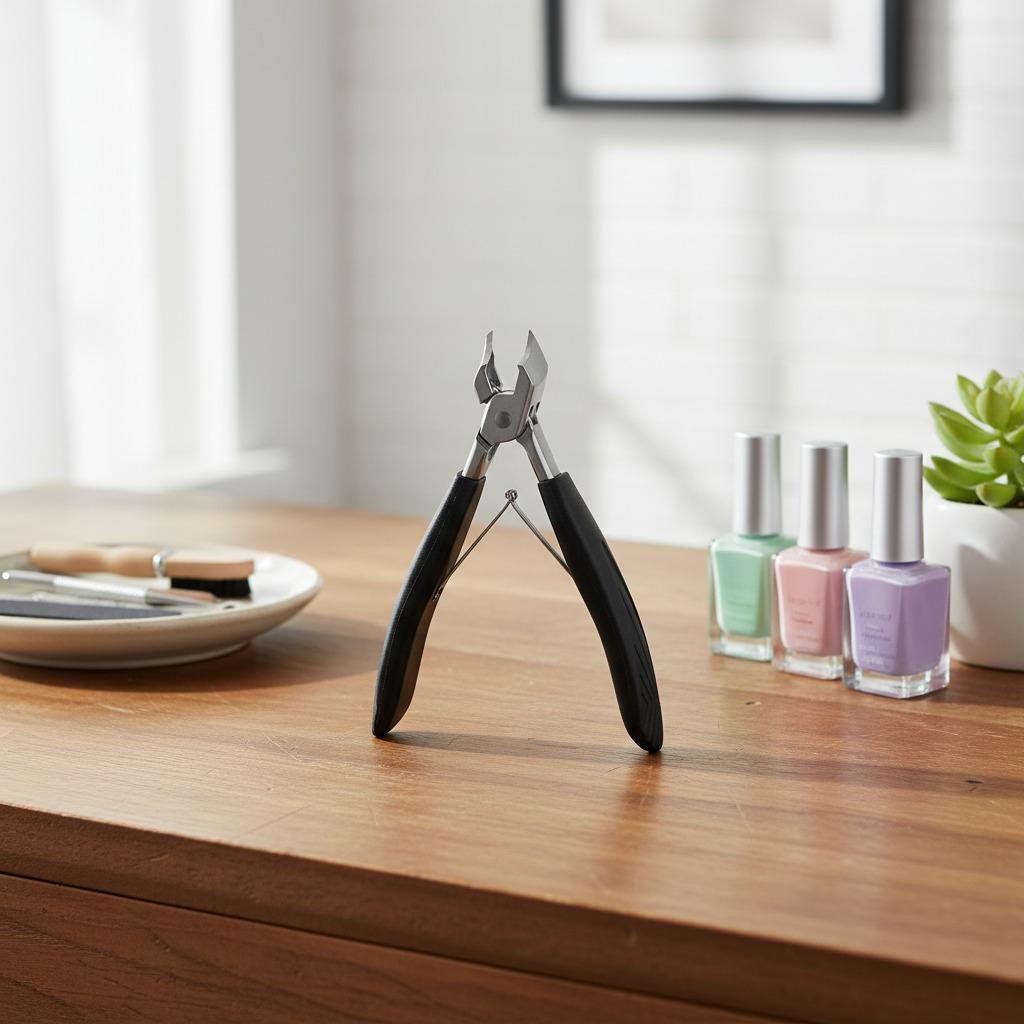
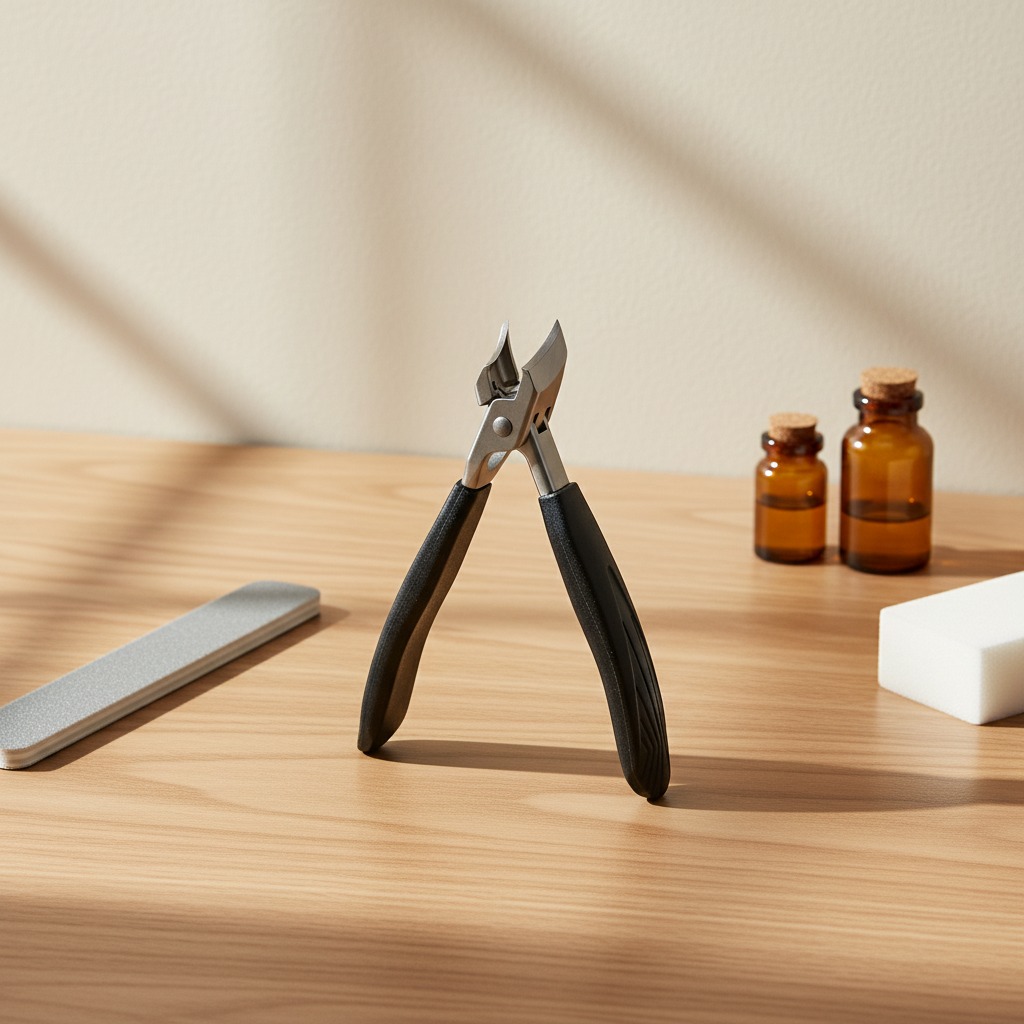
For professional use, nail clippers should cut cleanly without snagging and should remain comfortable through repeated handling. The original product focus for Olimor Beauty includes sharp, curved blades, stainless steel construction, ergonomic non-slip handles, and rust-resistant performance. These are useful starting points for buyers because they directly affect the end-user experience: the edge determines cut quality, the handle affects control, and the material influences durability and maintenance.
For retail and gifting, the user may not be a professional. Clear product positioning becomes more important. Buyers should think about whether the clipper is intended for everyday fingernail care, toenail trimming, travel kits, salon resale, or multi-piece grooming sets. Even when the base tool is similar, the packaging, finish, grip design, and instructions may need to change for each audience.
Key Product Details to Review in a Nail Clipper ODM Project
Nail clipper ODM is not only about placing a logo on an existing tool. In a good development conversation, the buyer and manufacturer clarify how the tool should cut, how it should feel, and how it will be packed and sold. When comparing options, focus on details that the final customer can feel within seconds of use.
- Blade shape: Curved blades are commonly used for nail trimming because they follow the natural nail line. Buyers should confirm whether the curve suits the intended use.
- Cutting feel: A clean cut without snagging is one of the most important quality signals. Sample testing should include different nail thicknesses where appropriate.
- Material choice: Stainless steel and rust-resistant stainless steel are highlighted for this product category. Buyers should evaluate finish consistency and corrosion resistance expectations for their channel.
- Handle comfort: Ergonomic, non-slip handles help reduce fatigue and improve control, especially in professional or frequent-use environments.
- Assembly stability: The lever should move smoothly, align properly, and feel secure. Loose movement or uneven pressure can affect cutting performance.
- Surface finishing: Edges should be smooth, with no uncomfortable burrs where fingers rest or where the tool contacts the skin.
- Packaging requirements: Retail hanging cards, compact boxes, kits, or bulk packaging each create different protection and presentation needs.
Buyers reviewing beauty tool products should request samples that match the expected selling format as closely as possible. A loose sample may feel fine, but the final product also needs to survive packaging, transport, shelf handling, and customer opening without visible damage.
Custom Made Nail Clippers: Decisions That Shape the Final Product
A custom made nail clipper can help a brand stand apart, but customization should be guided by function first. Cosmetic changes that make the tool harder to hold or more difficult to clean may create problems after launch. The most useful custom decisions support grip, durability, identification, and market fit.
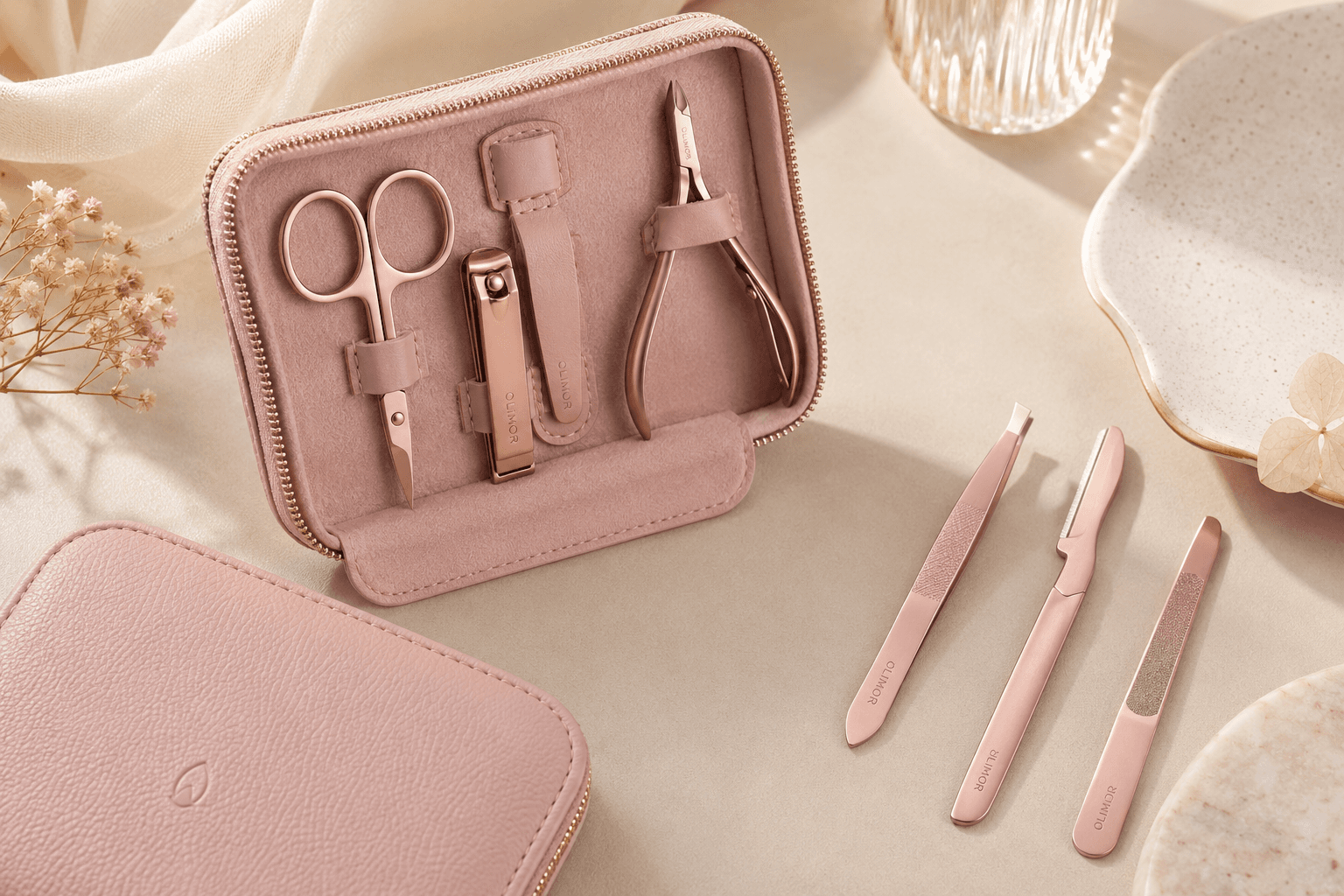
Brand buyers often start with visual questions: color, logo placement, packaging artwork, or kit arrangement. These are important, but they should be checked alongside structural choices. For example, if the clipper is designed for salon resale, the tool should feel reliable enough for professionals to recommend. If it is part of a travel grooming set, compact size and protective packaging may matter more. If it is sold in a family nail care kit, the buyer may need clear differentiation between tools for fingernails, toenails, and detailing.
| Decision Area | Why It Matters | Buyer Checklist |
|---|---|---|
| Cutting edge | Determines clean trimming and user satisfaction | Check sample sharpness, blade alignment, and cutting smoothness |
| Handle design | Affects grip control and fatigue | Test dry-hand and damp-hand handling if relevant to the channel |
| Material and finish | Influences durability, appearance, and maintenance | Review stainless steel finish, surface smoothness, and rust-resistance expectations |
| Branding | Connects the tool to your retail or professional identity | Confirm logo position, visibility, and whether it interferes with use |
| Packaging | Protects the tool and communicates value | Match packaging to retail, salon, spa, or distributor requirements |
When customization is extensive, it is wise to evaluate the product in the same way a customer will use it. Open the package, hold the clipper, trim nails, clean the tool, store it, and repeat. This simple sequence often reveals issues that are not obvious from drawings or product photos.
Quality Assurance From Materials to Final Packaging
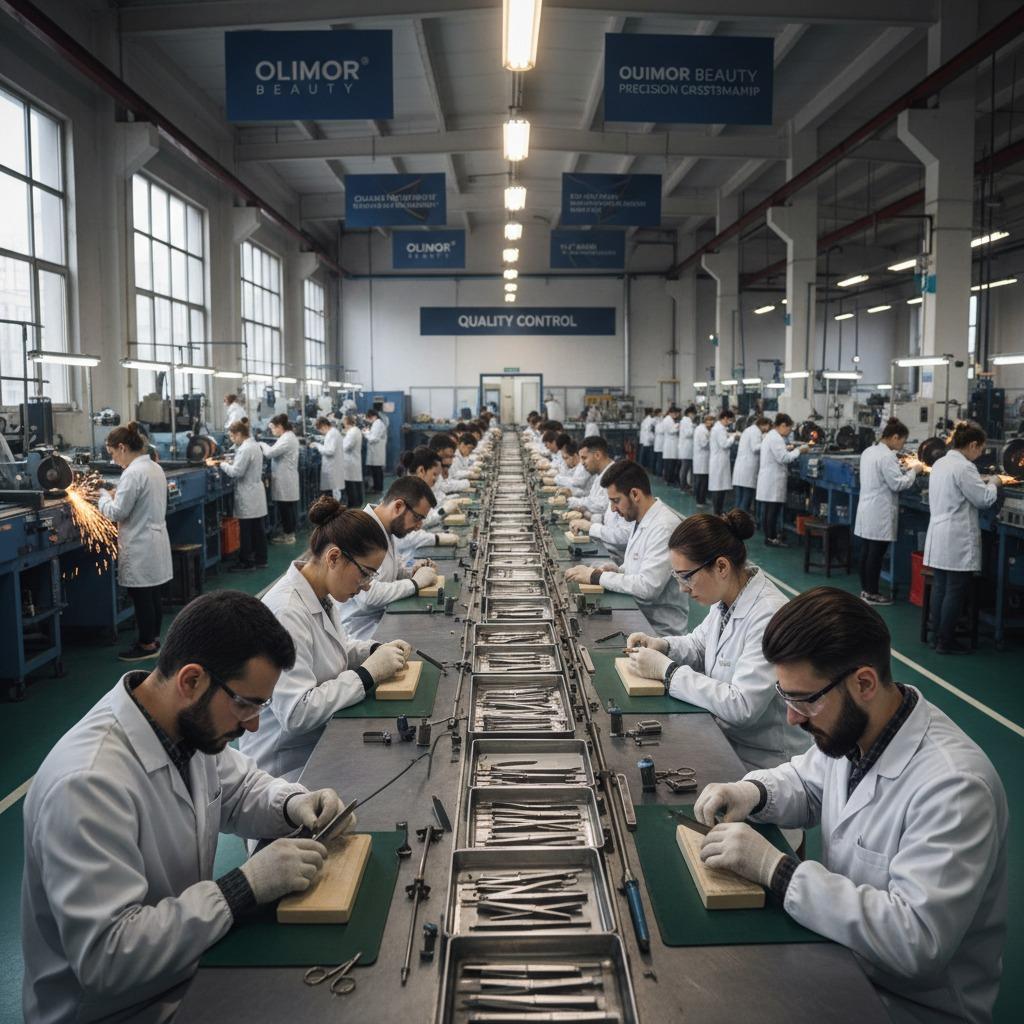
Quality assurance is especially important for compact grooming tools because small defects are easy to notice. A rough edge, misaligned blade, uneven finish, or weak lever action can make the whole product feel unreliable. Olimor Beauty emphasizes quality checks from raw material inspections to final packaging, which is the type of process B2B buyers should look for when sourcing nail care tools.
Raw material inspection helps confirm that the tool starts with suitable material for the intended application. During production, dimensional consistency and assembly checks help control how the clipper opens, closes, and cuts. Before packing, visual checks can identify scratches, burrs, residue, or alignment problems. Final packaging inspection matters because a well-made clipper can still arrive poorly presented if the packaging is damaged, loose, or inconsistent.
For business buyers, quality requirements should be written in practical language. Instead of relying only on broad terms such as “premium” or “high quality,” define what your market will reject. Examples include visible rust, uncomfortable sharp edges on the handle, poor blade alignment, broken packaging, unclear labeling, or inconsistent logo placement. Clear criteria make sample approval and production review more efficient.
How to Select Nail Clippers for Different Sales Channels
The same nail clipper will not suit every buyer. A distributor serving many small retailers may prefer a balanced product that is easy to explain and reorder. A professional salon supplier may focus on comfort, performance, and cleaning. An e-commerce brand may need strong product photography, packaging protection, and a clear feature story. Before confirming a nail clipper ODM or custom made nail clipper project, map the product to the channel.
- Define the end user. Decide whether the clipper is for professional technicians, home users, travelers, gift buyers, or resale customers.
- Choose the performance priority. Cutting strength, grip comfort, compactness, rust resistance, and visual finish may not all carry the same weight.
- Review the packaging environment. A product sold online may need different protection than one displayed in a salon or on a retail hook.
- Test real handling. Have several people open, hold, and use the sample. Feedback on grip and cutting feel is often immediate.
- Check consistency across samples. One good sample is useful, but multiple samples give a better picture of repeatability.
Buyers building a broader assortment can also compare related categories through Olimor Beauty product collections. This helps ensure that nail clippers, beauty kits, and other grooming tools feel consistent when sold together.
Maintenance Guidance Buyers Can Pass to Customers
Even a well-made nail clipper performs better when it is cared for properly. Including simple care guidance can reduce customer complaints and extend the perceived life of the product. This is especially useful for retail packaging, salon resale, and grooming kits.
Customers should keep nail clippers clean and dry after use, especially if the tool is stored in a bathroom, travel pouch, or kit. Any visible nail residue should be removed from the cutting area. If the clipper becomes wet, it should be dried before storage. The tool should not be used for materials other than nails, as this can damage the cutting edge. For shared environments, cleaning practices should follow the buyer’s own hygiene standards and local requirements.
For professional buyers, maintenance instructions also support staff consistency. A salon that uses or resells the same type of clipper can explain care clearly to clients. A retailer can reduce returns by helping customers understand that stainless steel grooming tools still benefit from dry storage and regular cleaning.
Working With Olimor Beauty on B2B Beauty Supply Projects
Olimor Beauty supports business buyers looking for B2B beauty supplies, nail clipper ODM options, and custom made nail clipper solutions. The best project outcomes come from clear product positioning, careful sample review, and practical quality expectations. Before starting a project, prepare your target channel, preferred product features, packaging style, branding needs, and any market-specific requirements your team already knows.
If you are comparing options for salon supply, retail distribution, e-commerce, spa programs, or private-label grooming kits, organize your requirements around the user experience: clean cutting, comfortable grip, rust-resistant stainless steel performance, safe finishing, and appropriate packaging. These are the details customers notice and the details that protect long-term product value.
To discuss a sourcing plan, you can contact Olimor or send an inquiry with your intended channel, quantity expectations, customization goals, and packaging direction. A focused brief makes it easier to evaluate suitable beauty tools and move from concept to sample review with fewer revisions.
Tag: