Personal Care Tools Wholesale: How to Choose Salon-Quality Grooming Tools
Buying personal care tools wholesale is not only about lowering the unit cost. For salons, spas, beauty retailers, online sellers and distributors, the bigger question is whether every clipper, file, tweezer or manicure accessory will perform consistently once it reaches daily use. A weak spring, rough edge or uncomfortable handle can affect service quality, customer reviews and repeat purchases.
The best wholesale decisions start with a clear understanding of who will use the tools and how often. A salon needs durable tools that can withstand repeated cleaning and frequent appointments. A retailer may need attractive, easy-to-understand product assortments for home users. A distributor may need stable packaging, predictable replenishment and a supplier that can support different categories over time. Olimor Beauty supplies personal care and grooming tools for professional and retail buyers, with attention to durable construction, ergonomic use and quality control throughout sourcing and production.
Start With the Use Case Before Comparing Prices
Wholesale buyers often begin by asking for the lowest price, but personal care tools should first be matched to their application. A tool used by a nail technician several times a day has different requirements from a tool sold as part of an occasional home grooming kit. If the expected use is unclear, the final assortment may include items that look acceptable but disappoint during service.
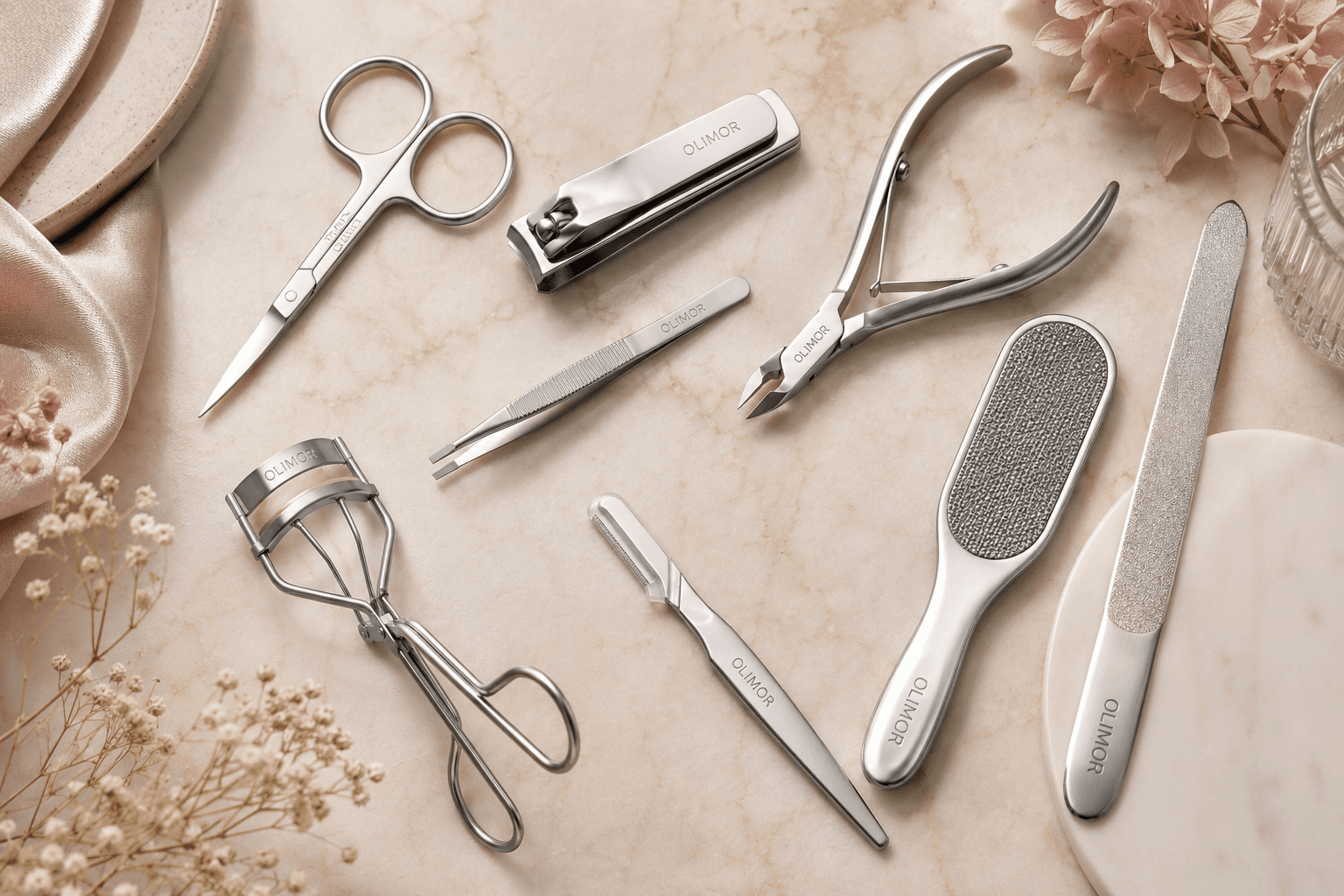
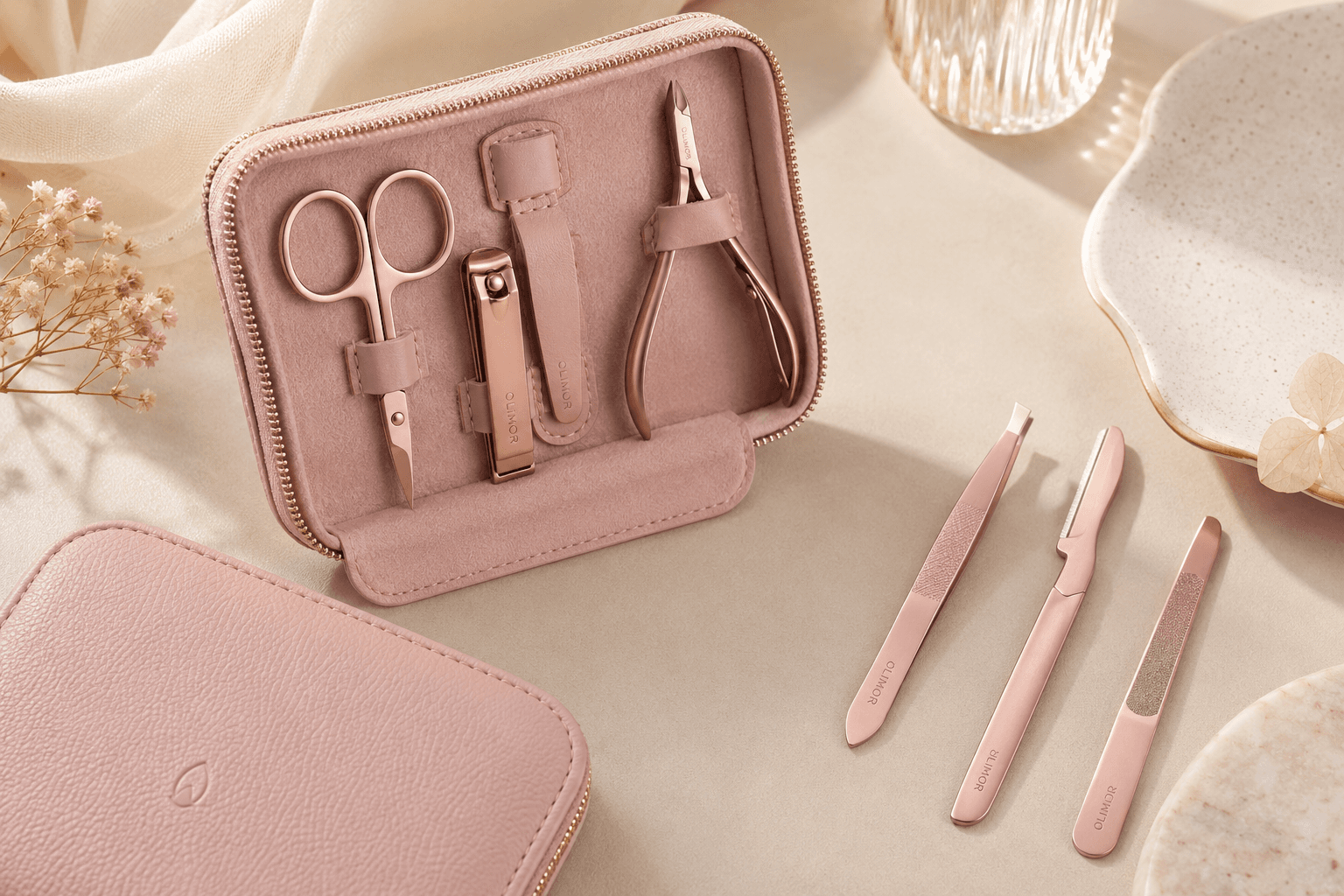
For professional environments, prioritize tools that feel stable in the hand, close smoothly, and have cleanly finished edges. Manicure tools such as nail clippers, cuticle tools, tweezers and files should not feel loose, overly sharp in unintended areas or difficult to control. For retail channels, the buyer should also consider how easily customers can understand the tool’s purpose, how the set is packaged, and whether the assortment fits common routines such as nail trimming, brow care, travel grooming or giftable personal care.
Before selecting from beauty tool products, define the buying scenario: professional salon use, home grooming, travel kits, spa retail, e-commerce bundles, promotional sets or refill inventory. This helps you compare similar tools fairly rather than mixing different quality levels in one price discussion.
What Salon-Quality Means in Wholesale Manicure Tools
“Salon-quality” should mean more than a polished appearance. In wholesale manicure and grooming tools, it usually depends on performance consistency, safe handling, durability and ease of cleaning. Stainless steel is commonly preferred for many grooming tools because it can offer rust resistance and is easier to clean than many lower-grade alternatives. However, buyers should still evaluate finishing, alignment and usability rather than relying on material claims alone.
Useful inspection points include the way cutting edges meet, whether handles move smoothly, whether the grip is comfortable, and whether the tool feels balanced. A nail clipper should cut cleanly instead of crushing the nail. A cuticle tool should be finished carefully to reduce snagging. A tweezer should align at the tips. A file should match the intended use, whether for natural nails, shaping or finishing.
For salon buyers, another practical detail is fatigue. Tools that are awkward to hold can slow down service and make repeated tasks less comfortable. Ergonomic design does not need to be complicated; it can be as simple as stable leverage, a comfortable grip area and a shape that supports controlled movement.
Wholesale Selection Checklist for Personal Care Tools
A structured checklist can prevent costly mistakes when comparing bulk purchase grooming tools. Use it to evaluate samples, build assortments and communicate requirements internally before confirming a wholesale order.
- Tool category: Identify whether the item is for nails, brows, facial grooming, travel care, salon service or retail sets.
- Primary user: Separate professional technicians, general home users, beginners, gift buyers and travel customers.
- Material suitability: Look for materials appropriate for repeated handling, cleaning and the expected price point.
- Finish and edges: Check for burrs, rough seams, uneven plating, loose components or uncomfortable contact points.
- Function test: Open, close, grip, cut or file as appropriate. A sample should be tested as a working tool, not only viewed as a product image.
- Packaging needs: Decide whether the tool will be sold individually, in a set, in a pouch, in retail packaging or as part of a larger kit.
- Cleaning expectations: Consider whether the item is intended for salon hygiene routines or personal home use.
- Brand positioning: Match the assortment to your customers: practical value, professional daily use, eco-conscious selection or compact travel grooming.
Bulk Buying Benefits Beyond Unit Cost
Bulk purchase grooming tools can reduce per-unit costs, but the inventory benefits can be just as important. Salons avoid running out of essential tools during busy periods. Retailers can keep best-selling grooming sets available across seasons. Distributors can simplify reordering by standardizing a core range of products rather than sourcing one-off items from multiple places.
Bulk buying also supports consistency. When a buyer repeatedly changes suppliers for minor price differences, the customer experience can become uneven. Clippers may feel different from one batch to the next, packaging may vary, and staff may need to explain changes to returning customers. A more stable wholesale approach makes it easier to manage quality expectations and customer feedback.
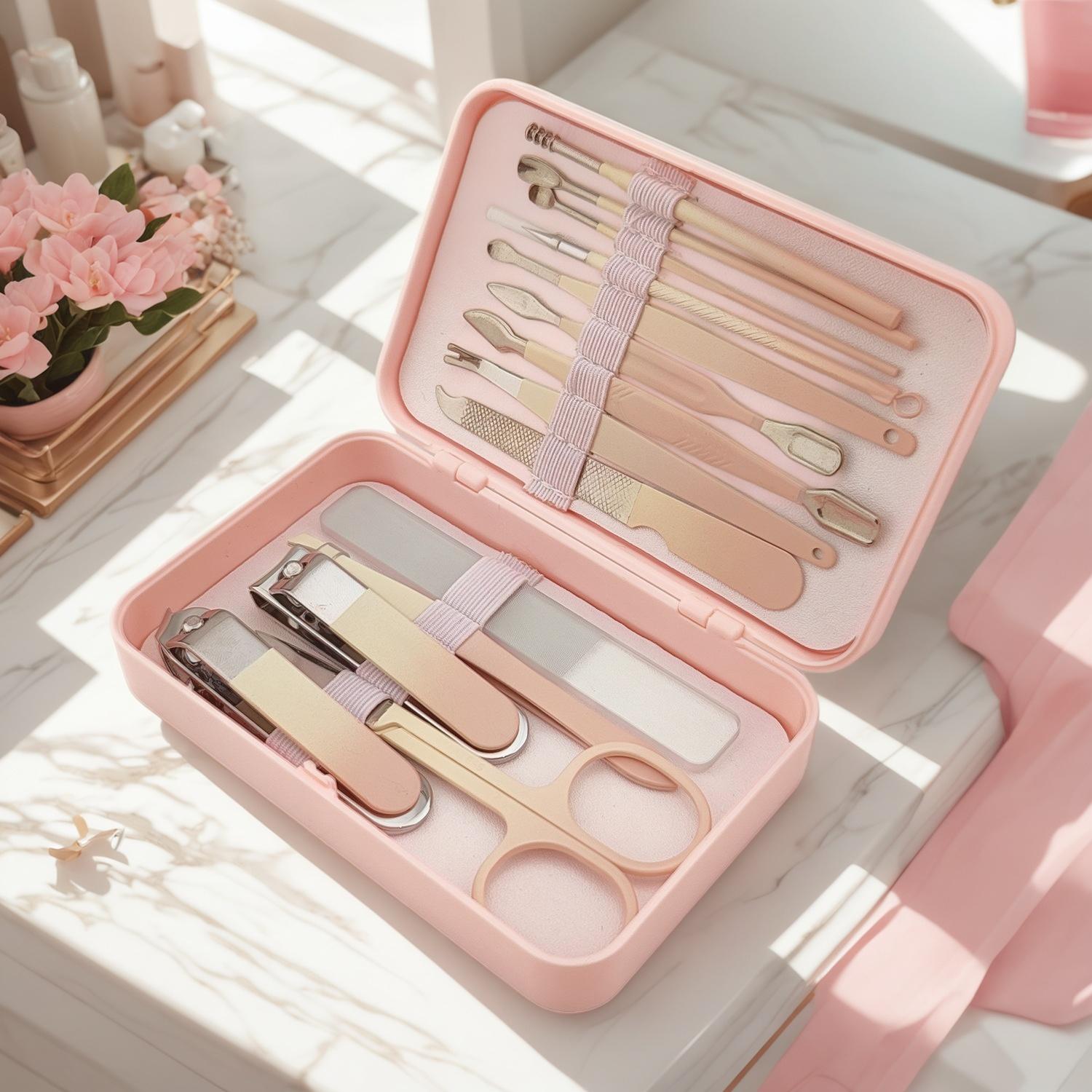
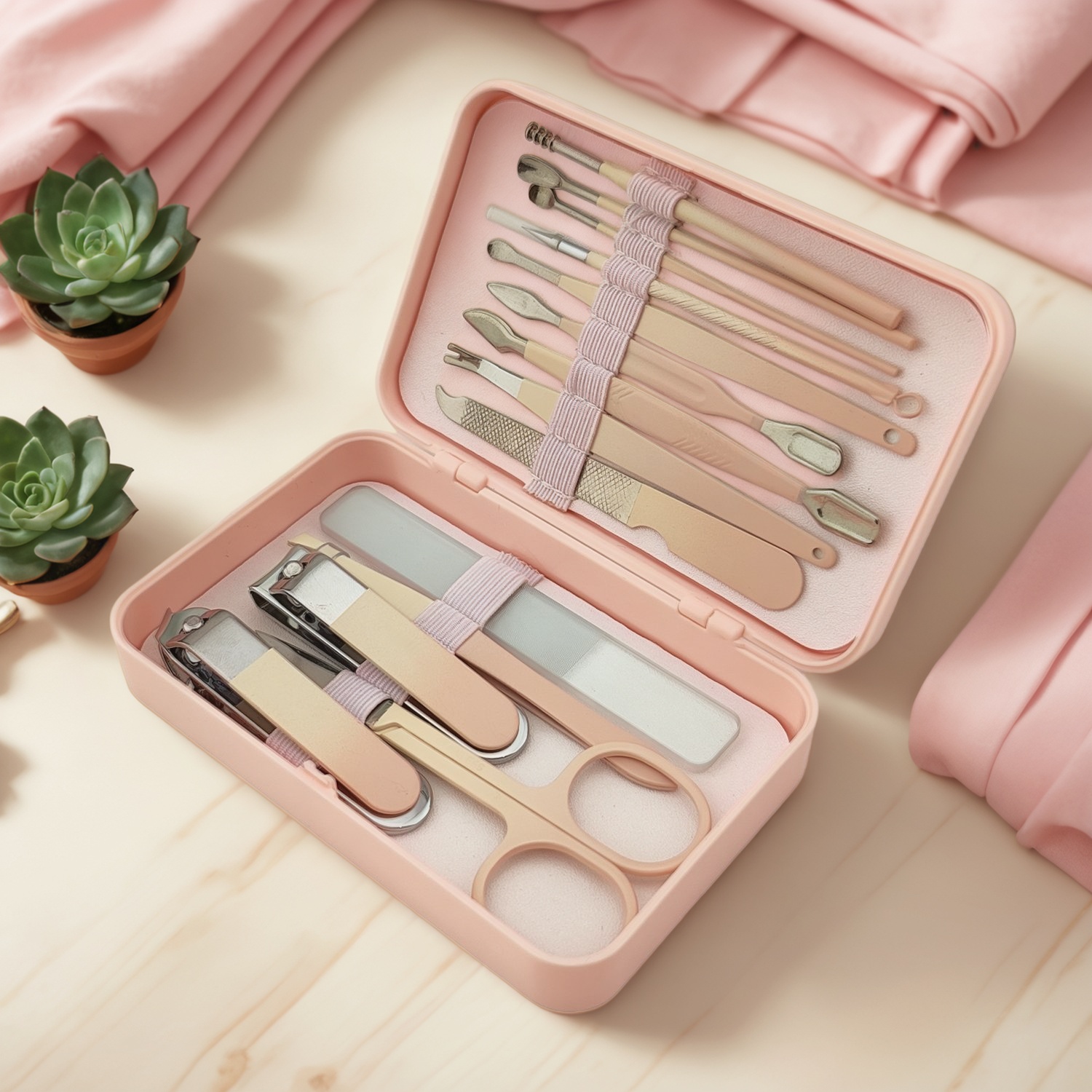
That said, larger orders should be planned carefully. Avoid filling inventory with too many similar items that compete with one another. A balanced wholesale mix may include basic nail clippers, manicure sets, tweezers, files, cuticle tools and travel-friendly grooming accessories. Buyers can review product collections to think in terms of complete routines rather than isolated products.
How to Approach Vegan and Eco-Conscious Manicure Tool Sourcing
Interest in vegan manicure tools wholesale continues to grow, especially among retailers and salons serving customers who care about animal-derived materials and ethical purchasing. For metal grooming tools, the tool body itself may not be the main concern; packaging, pouches, adhesives, coatings, brushes or accessory components may matter just as much. A vegan-positioned assortment should be reviewed as a whole product, not only by looking at the metal tool.
Because “vegan” can mean different things in different markets, buyers should create a clear internal definition before sourcing. Decide whether the requirement covers handles, packaging, storage cases, labels, adhesives and display materials. Avoid vague marketing claims if the supply chain details are not confirmed. Instead, use neutral product descriptions that accurately reflect known materials and construction.
Eco-conscious buyers may also consider durability as part of sustainability. A longer-lasting tool can reduce replacement frequency and customer complaints. Simple, repair-free construction, protective packaging that prevents damage, and clear care instructions can all contribute to a better responsible sourcing strategy without relying on unsupported claims.
Sample Review: What to Test Before a Larger Order
Samples are most valuable when they are tested under realistic conditions. A buyer should not only check whether a tool looks good on a desk. It should be handled, opened, closed, cleaned if appropriate, placed into packaging and reviewed by the type of person who will actually use or sell it.
- Inspect appearance first: Check surface finish, symmetry, color consistency and any visible scratches or marks.
- Test the function: Use the tool for its intended purpose where safe and appropriate. Confirm that movement is smooth and controlled.
- Check comfort: Hold the tool for repeated motions. Look for edges or shapes that may become uncomfortable.
- Review packaging fit: Make sure tools do not rattle excessively, damage inserts or look poorly presented in the final package.
- Compare against your price tier: A premium salon tool, a practical retail tool and a promotional kit item should not be judged by the exact same standard.
- Record feedback: Keep notes from technicians, purchasing staff or retail team members so the final decision is not based on memory alone.
Building a Reliable Wholesale Relationship
A strong supplier relationship helps buyers make better long-term decisions. Instead of treating each order as a separate transaction, share the intended sales channel, tool categories, packaging direction and quality priorities. This makes it easier to narrow choices and avoid products that do not fit your customers.
For a salon chain, the priority may be repeatable daily performance. For a beauty retailer, it may be a clean assortment with clear retail appeal. For an e-commerce seller, compact packaging and easy product explanation may matter. For a distributor, the priority may be a broad but manageable range of personal care tools that can serve different accounts.
When details such as materials, packaging, assortment structure or customization need clarification, buyers can contact Olimor or send an inquiry with their target market, expected product categories and order planning questions. Clear information at the start usually leads to a more suitable wholesale recommendation.
Final Buying Advice for Personal Care Tools Wholesale
The right wholesale personal care tools should support your business model, not just fill a catalog page. Look for tools that are practical, comfortable, consistently finished and appropriate for the way your customers will use them. Compare samples carefully, define what salon-quality means for your channel, and plan assortments around real grooming routines.
For salons and spas, reliable tools protect service quality. For retailers, a thoughtful mix of manicure and grooming tools can improve customer trust and repeat sales. For distributors, consistent sourcing reduces complexity and strengthens your offering. By focusing on use case, material suitability, finishing, packaging and honest positioning, wholesale buyers can build a personal care tool selection that performs well beyond the first purchase.
Tag: