Personal Care Tools Wholesale: A Practical Buying Guide for Grooming Essentials
For salons, beauty retailers, nail studios, spa operators, and distributors, personal care tools are not impulse add-ons. They are everyday working items that affect service quality, customer confidence, repeat sales, and brand perception. A well-chosen wholesale assortment can support professional treatments, retail shelves, gift sets, travel kits, and online beauty stores. A poorly chosen assortment can create inconsistent results, avoidable returns, and a loss of trust.
Sourcing personal care tools wholesale is therefore less about finding the lowest unit price and more about building a dependable grooming tool program. Buyers need to evaluate comfort, finish, hygiene needs, packaging, assortment logic, and the supplier’s ability to provide consistent products over time. Olimor Beauty focuses on beauty tools for professional and retail use, including grooming essentials suited for bulk purchase planning. This guide explains what to check before placing a wholesale order and how to choose tools that fit your customers’ actual routines.
Why Wholesale Sourcing Matters for Personal Care Tools
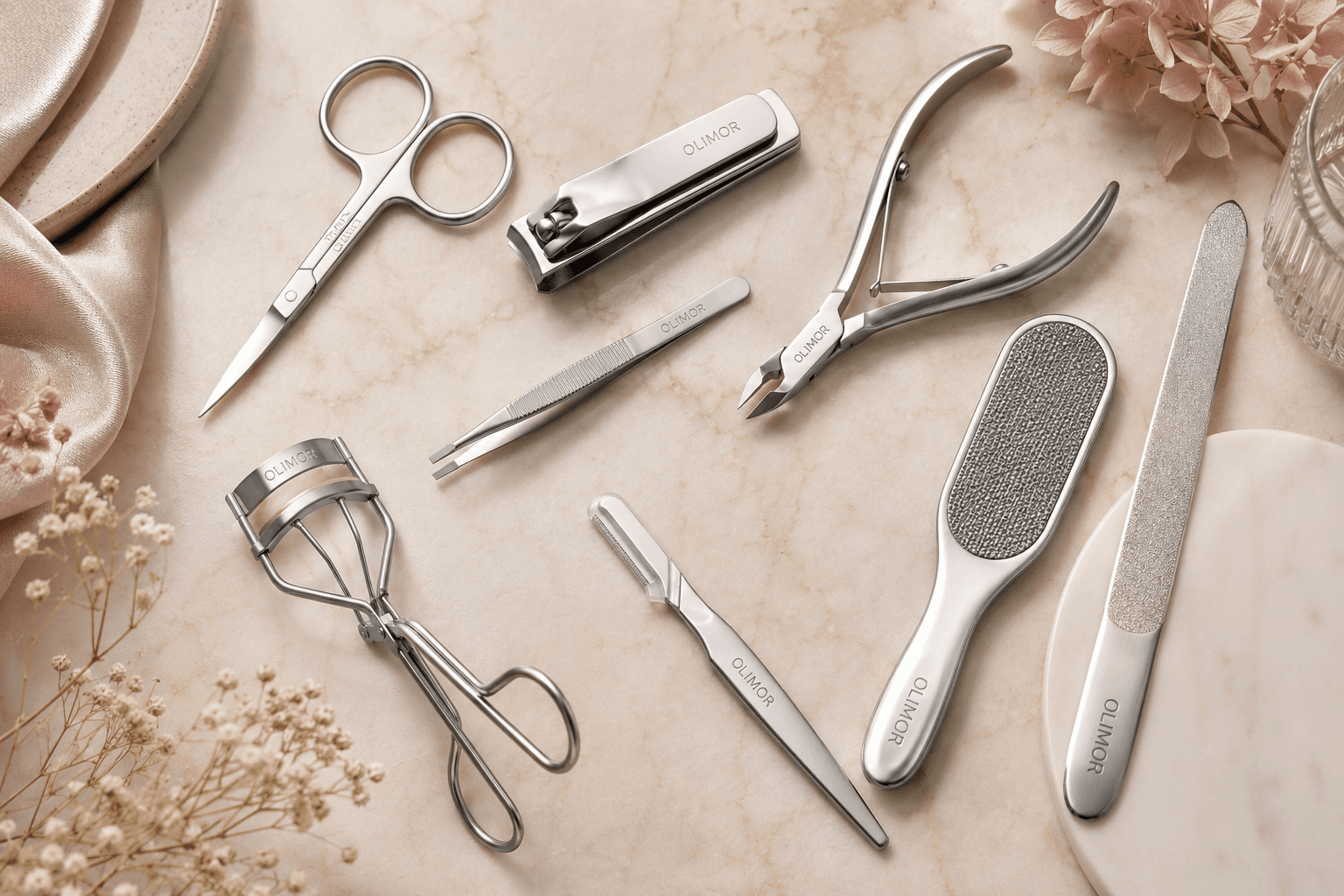
Personal care tools sit at the intersection of beauty, hygiene, and daily convenience. A tweezer, eyelash curler, nail tool, facial tool, or pedicure implement may look simple, but users judge it quickly: does it grip properly, sit comfortably in the hand, feel sturdy, and look clean enough to trust? When products are bought one by one from inconsistent sources, the buyer has little control over matching finishes, packaging quality, or repeat availability.
Wholesale sourcing gives beauty businesses a stronger foundation. It allows a salon group to standardize the tools used across locations, helps a retailer build a coordinated grooming section, and gives distributors a clearer way to create sets for different channels. Buying in bulk also makes it easier to inspect samples, compare options, and plan packaging before products reach the customer.
For professional environments, consistency matters as much as appearance. Tools should be easy to handle during repeated use, simple to clean according to the service setting, and strong enough for the intended grooming task. For retail buyers, the product also needs shelf appeal, clear presentation, and a fit with the customer’s price point and lifestyle. The best wholesale decision balances all of these needs rather than focusing on one feature alone.
Quality Signals to Check Before a Bulk Purchase
When evaluating bulk grooming tools, start with the small details. A beauty tool can have an attractive finish and still perform poorly if the edges are rough, the hinge feels loose, or the grip is uncomfortable. Before committing to a larger order, compare samples under real handling conditions. If the tool is meant for professional use, have experienced staff test it during typical movements. If it is meant for retail, consider how a first-time customer will understand and handle it.
Useful quality checks include:
- Surface finish: Look for smooth, even finishing without burrs, sharp unintended edges, stains, or visible defects.
- Alignment: Tools with tips, jaws, handles, or pressing parts should meet evenly and operate without wobbling.
- Hand comfort: Check whether the size, grip, and weight make sense for repeated use or for the target retail user.
- Functional consistency: Test several pieces, not just one sample, to see whether performance is repeatable.
- Cleaning practicality: Consider whether the tool has hard-to-reach gaps, decorative areas, or surface textures that may complicate care.
- Packaging protection: Retail tools and salon refills should be packed to reduce scratching, deformation, and confusion during storage.
The original product range referenced stainless steel tools, precise manufacturing steps, quality checks, ergonomic designs, and inspection from raw material to final packaging. Those are the right categories for buyers to evaluate. Rather than accepting broad claims, translate them into observable sample tests: inspect the material finish, test the action, review the packaging, and confirm the tool suits the intended user.
Building an Assortment for Salons, Retailers, and Distributors
A strong wholesale program should not be a random collection of grooming items. It should answer specific customer needs. A nail salon may prioritize pedicure tools in bulk, cuticle care items, and replaceable everyday essentials. A beauty retailer may need visually appealing facial tools, eyelash tools, and compact grooming products suitable for display. A distributor may need a wider mix that can be divided into professional, travel, and gift-oriented assortments.
Use the following planning table to match tool categories with buying priorities:
| Buyer type | Common focus | Key selection criteria |
|---|---|---|
| Salon or spa | Daily service tools and back-bar supplies | Durability, comfortable handling, cleaning practicality, consistent replacement supply |
| Beauty retailer | Retail-ready grooming essentials | Visual appeal, clear packaging, easy customer understanding, suitable price positioning |
| Nail or pedicure business | Pedicure tools bulk and nail care items | Functional strength, smooth finish, hygiene workflow, organized storage |
| Distributor | Mixed personal care tool assortment | Category breadth, packaging flexibility, repeat availability, channel fit |
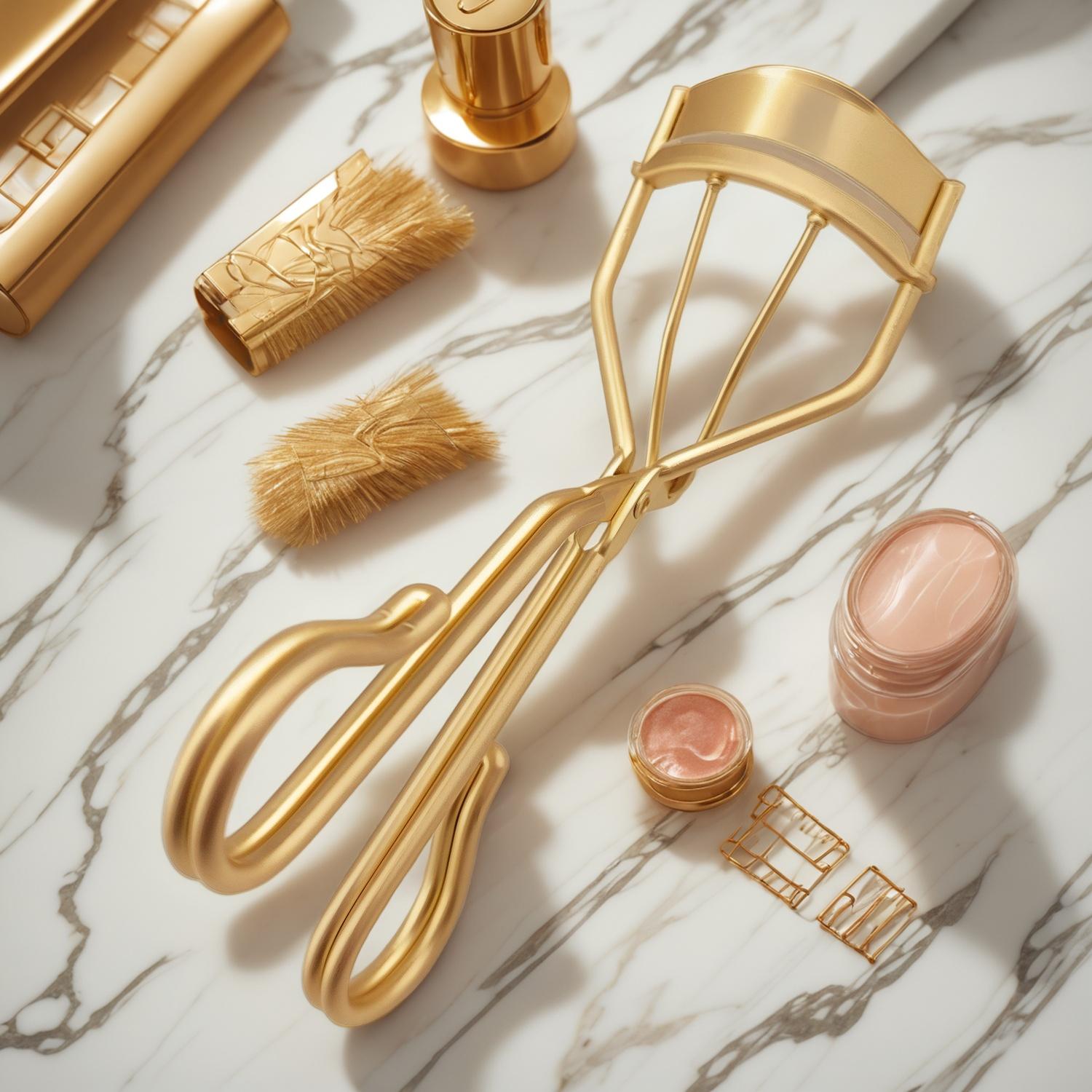
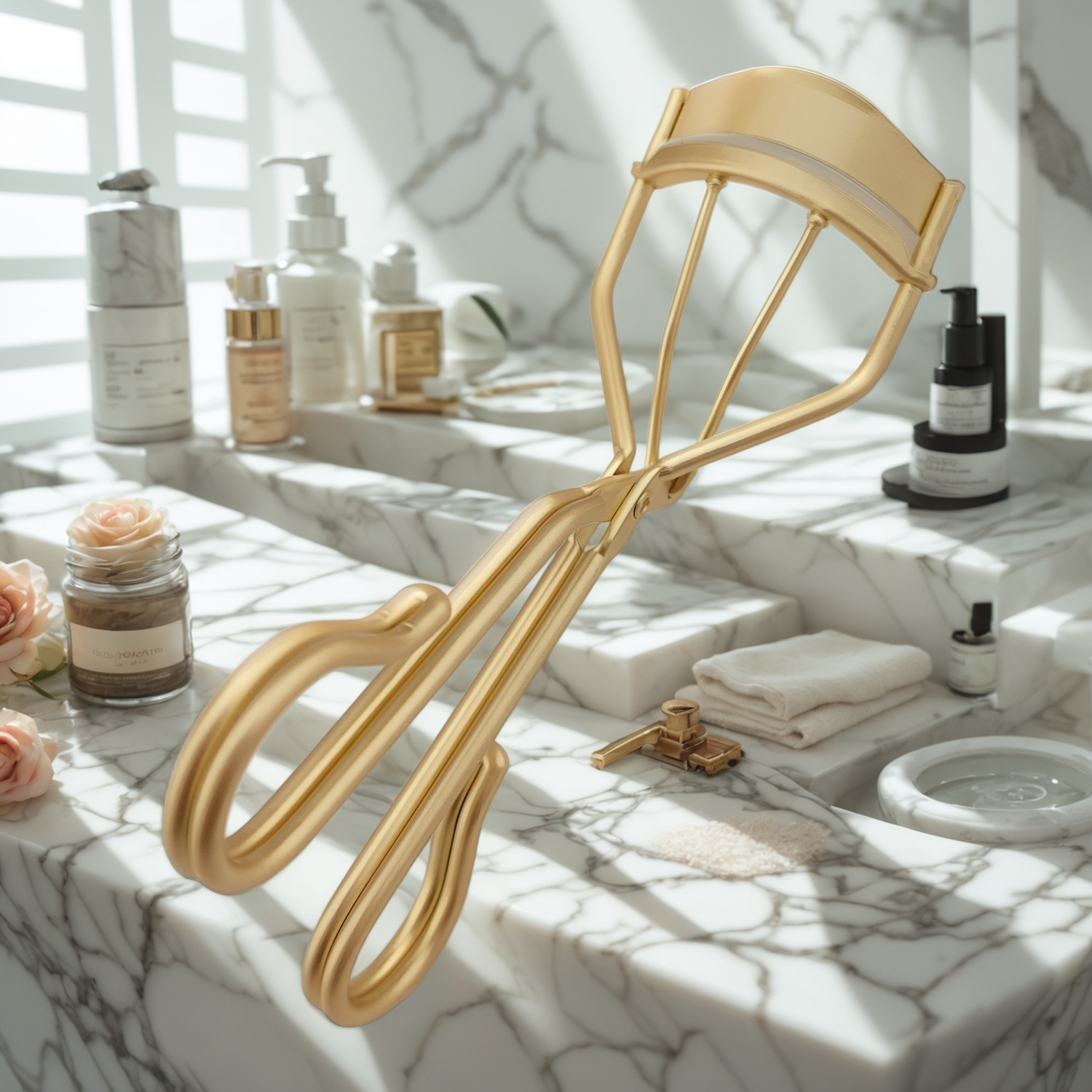
For example, the supplied product information mentions the Gold Luxe Eyelash Curler, described with a radiant gold finish and ergonomic handle for precise control. This kind of item may suit retailers seeking a more polished visual presentation, makeup studios that want a coordinated tool tray, or gift-oriented beauty assortments. The lesson is not that every buyer needs the same item; it is that every product in the range should have a clear role.
Pedicure Tools in Bulk: What Deserves Extra Attention
Pedicure tools bulk purchasing requires more caution than many general grooming categories because the tools are often used in professional settings where hygiene, control, and client comfort are central. Buyers should evaluate how each tool supports the service workflow. Is it comfortable during repeated handling? Can staff identify and store it easily? Does the finish look professional after normal cleaning and storage? Are protective caps, sleeves, or packaging needed for transport?
For retailers, pedicure tools also need clear positioning. Some customers buy them for home maintenance between salon visits, while others want travel-friendly grooming items. Packaging and product descriptions should make the intended use easy to understand without overstating results. Avoid mixing too many similar tools unless there is a clear difference in use case, size, or customer segment.
In professional buying, it is also wise to plan replenishment. Tools may be replaced due to wear, loss, sanitation policies, or staff preference. If a product becomes popular but cannot be sourced consistently, it creates unnecessary disruption. When reviewing beauty tool products, consider not only the first order but also how the assortment can be maintained across seasons and sales channels.
Packaging, Presentation, and Retail Readiness
Wholesale buyers often inspect the tool itself but underestimate packaging. For beauty tools, packaging has several jobs: it protects the item, explains the product quickly, supports storage, and helps customers feel confident about hygiene and quality. A simple tool can feel more trustworthy when the packaging is clean, well-fitted, and easy to read. Conversely, an excellent tool may be overlooked if packaging looks unclear or fragile.
Retail buyers should check whether the packaging format fits their selling environment. A hanging card may suit peg displays, while boxed packaging may work better for gifting or premium shelves. Online sellers need packaging that can survive handling and reduce scratches before the product reaches the customer. Salon buyers may prefer practical bulk packaging that keeps tools organized and easy to count.
Presentation should match the tool’s role. A radiant finish, such as the gold finish referenced for the eyelash curler, can be useful when the product is intended for visible retail display or a beauty kit. For high-use professional items, understated packaging and reliable protection may matter more than decorative design. Buyers planning sets can also explore product collections to compare how related grooming tools may be grouped for a more coherent offer.
A Simple Wholesale Evaluation Process
Before placing a significant order, create a repeatable evaluation process. This helps purchasing teams compare tools fairly and reduces the risk of choosing products based only on appearance. A practical process may include:
- Define the customer: Decide whether the tool is for professional service use, retail self-care, travel, gifting, or distributor resale.
- Review sample appearance: Check finish, shape, alignment, and packaging condition on arrival.
- Test real handling: Use the tool in the same way a salon professional or customer would use it.
- Compare multiple pieces: Inspect more than one sample to identify consistency across units.
- Assess care and storage: Consider cleaning workflow, protective packaging, labeling, and storage needs.
- Plan the assortment: Confirm how the item fits with other grooming essentials instead of buying it in isolation.
- Document decisions: Keep notes on accepted finishes, packaging preferences, and any adjustments needed for future orders.
This process is useful for both first-time importers and experienced beauty buyers. It also creates clearer communication with the supplier because feedback becomes specific: alignment, finish, grip comfort, packaging structure, or assortment mix. If your team is comparing several grooming tool categories, you can send an inquiry with your target channel, product types, and packaging needs so the discussion starts with the right criteria.
Choosing a Beauty Tool Supplier for Long-Term Value
The right supplier relationship should help you build a dependable personal care tool program, not simply complete a one-time transaction. Look for a partner that understands how grooming tools are used in both professional and retail environments. Useful conversations should cover product function, surface finish, packaging, assortment planning, and how tools will be stored, displayed, and replenished.
Olimor Beauty works with buyers seeking grooming essentials for beauty businesses, including wholesale personal care tools and bulk purchase planning. The most productive sourcing decisions begin with a clear brief: target customer, sales channel, preferred tool categories, packaging direction, and any handling concerns. This allows the product discussion to focus on suitability instead of generic options.
If you are building a salon supply list, expanding a retail grooming section, or comparing pedicure tools in bulk, take time to evaluate samples carefully and plan the assortment around real use. For product questions, assortment planning, or wholesale communication, you can contact Olimor and share the categories you are considering. A thoughtful selection process helps your business offer grooming tools that look professional, perform consistently, and support customer trust over repeated use.
Tag: