Personal Care Tools Wholesale for Salon Manicure and Grooming Kits

Personal care tools wholesale purchasing is not only a search for a lower unit cost. For salons, nail studios, beauty retailers, gift-set developers, hotel amenity buyers, online sellers and distributors, the real objective is to source manicure and grooming tools that feel reliable, perform consistently and arrive in a format that fits the sales channel.
A nail clipper that cuts cleanly, scissors that align properly, a cuticle pusher with a smooth working edge or a compact case that keeps tools organized can influence customer satisfaction long after the shipment is received. This guide explains how to evaluate salon-quality manicure tools, bulk grooming tools, stainless steel manicure sets and vegan manicure tools wholesale options without relying on vague product descriptions.
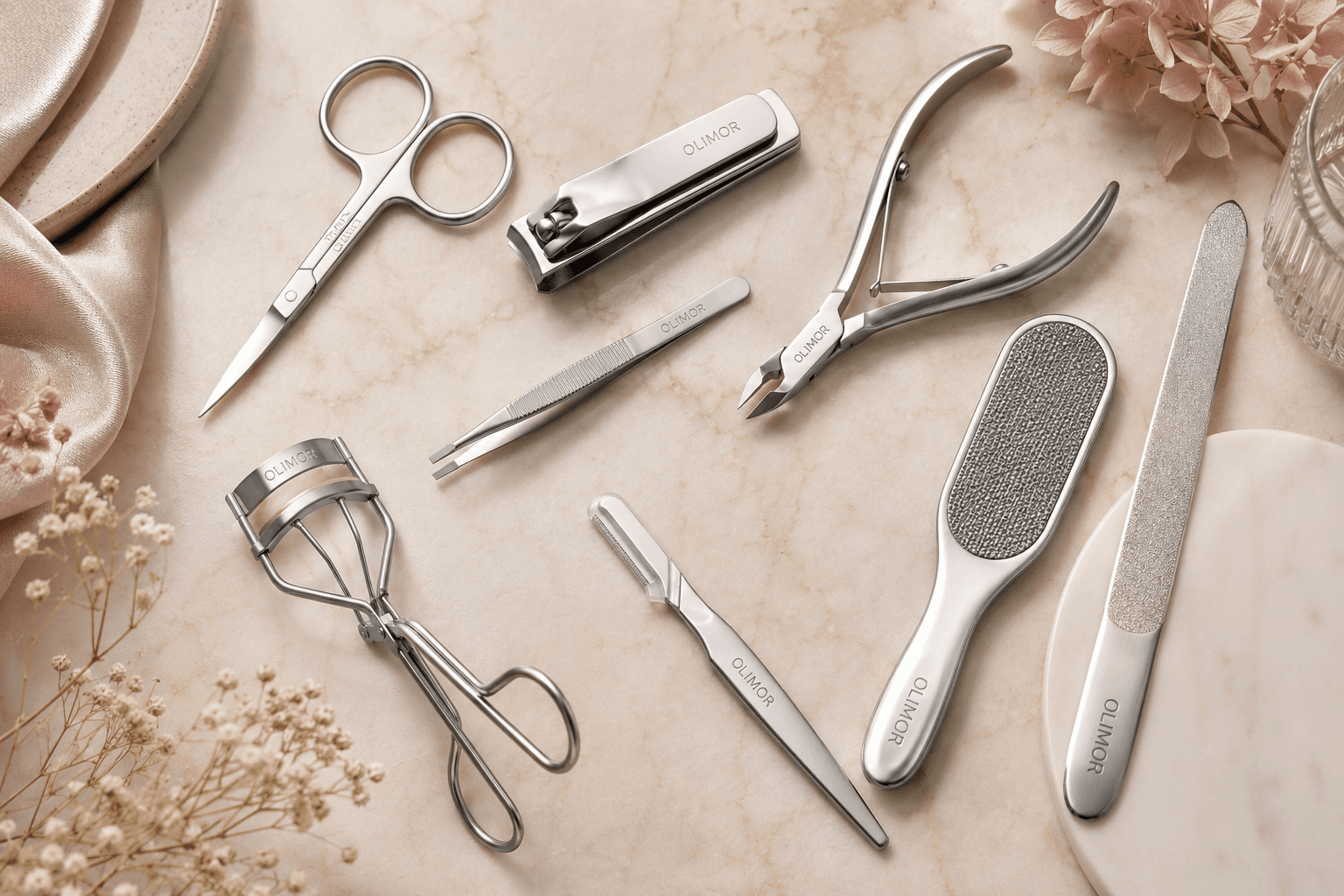
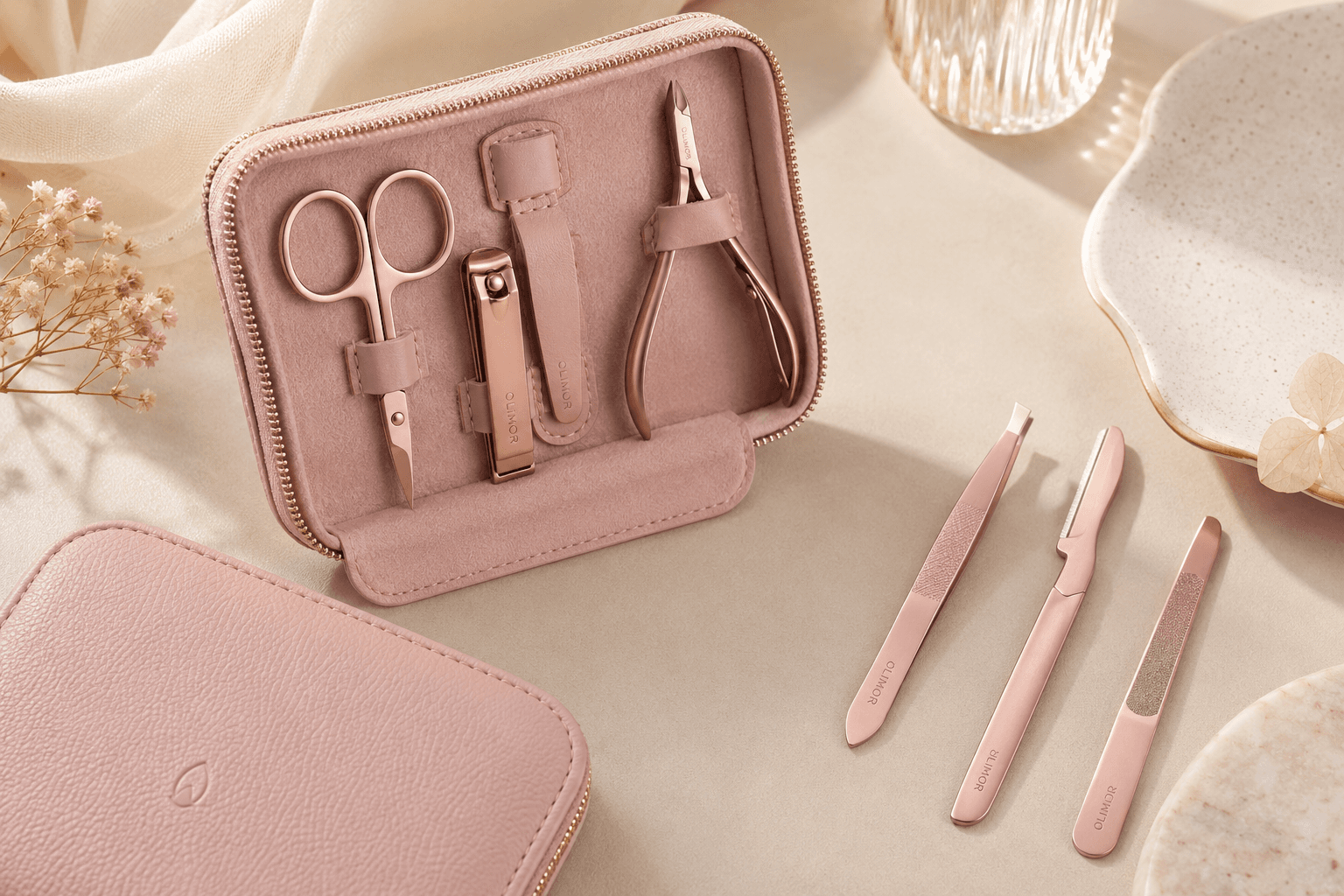
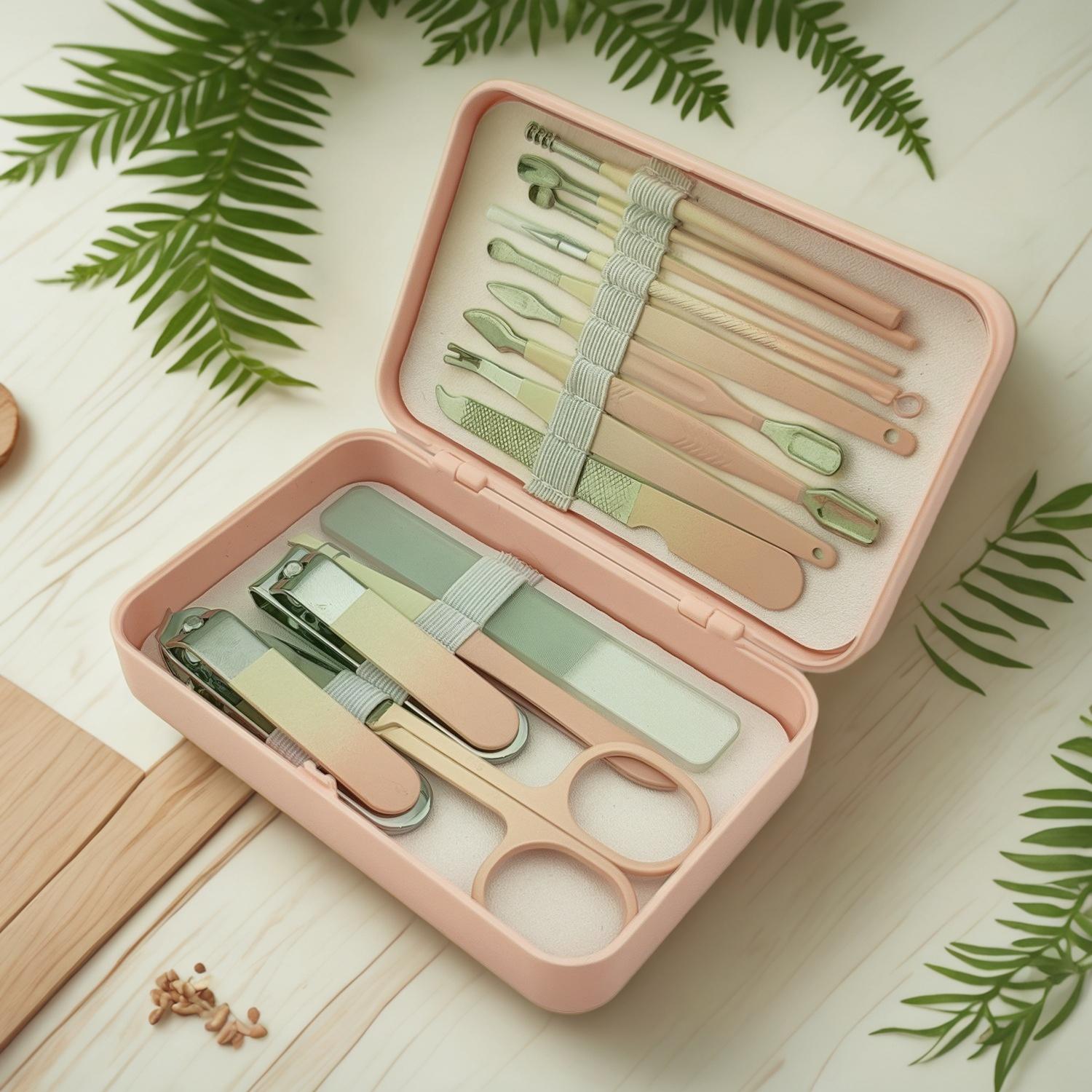
Olimor Beauty supplies personal care tool options for B2B buyers reviewing manicure and grooming assortments, including stainless steel manicure set formats and complete kits such as a 12-piece manicure kit with tools like nail clippers and cuticle pushers. Buyers can start by reviewing Olimor beauty tool products and then prepare a focused inquiry based on the use case, inspection requirements and packaging needs.
Start With One Use Case Before Comparing Tools
The best wholesale personal care tools depend on where and how the products will be used. A salon may need individual instruments that can be cleaned, inspected and rotated frequently. A retailer may prefer complete manicure kits that look neat on the shelf and are easy for consumers to understand. A promotional or gift-box buyer may prioritize compact presentation and secure tool placement. A training program may need consistent sets that help students learn basic grooming routines.
Before comparing suppliers, define the primary use case. This prevents overbuying decorative features for professional work or underestimating packaging for retail resale.
- Salon service use: Prioritize cutting control, comfortable grip, easy cleaning, tool alignment and repeatable quality from set to set.
- Retail resale: Review packaging clarity, case appearance, perceived value, tool variety and how easily customers understand the kit.
- Travel or gift kits: Look for compact cases, secure slots, useful essentials and a layout that still looks organized after handling.
- Training, sampling or subscription boxes: Choose simple, consistent kits that are easy to explain, count, pack and replace.
If your business is building a coordinated grooming assortment rather than sourcing one standard manicure set, the Olimor product collections page can help you organize options by category before requesting samples.
What Makes Manicure Tools Feel Salon-Quality?
Salon-quality manicure tools do not need unnecessary decoration. They need to perform their basic tasks cleanly and repeatedly. For stainless steel manicure tools, buyers should evaluate cutting feel, edge alignment, surface finish, hand comfort and case construction.
A nail clipper should close smoothly and cut without crushing the nail. The cutting edges should meet evenly, and the lever should feel stable rather than loose. Scissors should open and close consistently, with tips that align well enough for careful trimming. A cuticle pusher should have a smooth working edge that helps tidy the nail area without feeling rough or unfinished. Tweezers and smaller grooming tools should grip or align properly rather than twisting under light pressure.
Stainless steel is commonly preferred for manicure and grooming tools because it can resist rust better than many lower-grade metals when properly cared for. However, the phrase stainless steel is not enough by itself. Buyers should check the finish, hinge smoothness, blade meeting points, polishing quality and whether the tool remains stable when pressure is applied.
Ergonomics also matter. A tool can look attractive in a product photo but feel awkward during use. When reviewing samples, hold each tool as the end user would. Check handle size, finger placement, tool weight, grip security and whether the tool can be used comfortably by different users.
Wholesale Selection Checklist for Bulk Grooming Tools
Bulk purchase grooming tools require a different mindset from buying a single retail kit. In wholesale sourcing, consistency is often more important than one impressive sample. Buyers should compare how the tools are packed, how easy they are to inspect and whether the assortment matches the real needs of the end customer.
| Wholesale checkpoint | What to review | Why it matters |
|---|---|---|
| Tool selection | Number of pieces, nail care essentials, grooming extras and duplicate tools | Prevents paying for items customers rarely use and supports a clearer product offer |
| Cutting performance | Nail clipper sharpness, scissor alignment, tweezer grip and cuticle pusher finish | Affects user satisfaction immediately and reduces avoidable complaints |
| Stainless steel finish | Polishing, burrs, discoloration, visible marks and signs of poor storage | Influences comfort, appearance and buyer confidence |
| Case and organization | Tool slots, closure strength, compactness, labeling space and tool retention | Improves retail presentation and helps protect tools during storage or shipping |
| Batch consistency | Sample-to-bulk matching, finish consistency and packaging condition across several sets | Reduces uneven customer experience and distributor risk |
| Care communication | Cleaning guidance, drying advice and storage recommendations | Helps users maintain tools and reduces misuse-related issues |
How to Compare Samples Before a Bulk Order
A sample should be treated as a decision tool, not only a visual reference. Many manicure sets look acceptable in photos, but practical testing reveals whether they are suitable for salon use, consumer resale or promotional distribution.
Create a simple inspection routine so different team members compare samples in the same way. Review more than one set when possible, because a single good sample does not prove consistency across a bulk shipment.
- Inspect nail clippers: Check blade meeting, lever stability, side movement and smooth closing action. Test whether the clipper cuts cleanly through different nail thicknesses without bending, crushing or leaving ragged edges.
- Inspect scissors: Review tip alignment, opening resistance and edge consistency. Scissors should not feel loose, gritty or misaligned during careful trimming.
- Inspect cuticle tools: Look for smooth working edges, controlled shape and comfortable handling. Avoid rough areas that could feel harsh to the user.
- Inspect tweezers and small tools: Check whether tips meet evenly and whether the tool feels controlled rather than flexible or flimsy.
- Inspect the case: Confirm that each tool fits securely, can be removed without excessive force and does not shift excessively during transport.
- Inspect packaging: For retail and gift channels, check carton condition, inserts, labeling space and whether the product still looks presentable after normal handling.
Record the results. If your business serves salons, prioritize tool feel and easy maintenance. If the product is for retail, give extra attention to packaging, display value and the first impression when the customer opens the case.
Packaging, Storage and Presentation Decisions
In personal care tools wholesale, packaging is part of the product experience. A set may include useful tools, but if the case does not hold them securely, the end user may see the kit as low quality. For retailers, packaging also affects shelf appeal, online photography and perceived value.
Buyers should evaluate whether the case protects the tools from scratching, whether tools remain in position during shipping and whether the closure feels secure. Compact cases are useful for travel and gift sets, but they should not be so tight that tools are difficult to remove. For professional environments, simpler organization may be better than decorative layouts if it supports cleaning, counting and workstation control.
Storage conditions matter too. Stainless steel tools should be kept dry and clean before and after use. Leaving damp tools sealed inside a pouch or case for long periods can create avoidable appearance and maintenance concerns. Wholesale buyers should consider whether care instructions are needed on product pages, inserts or training materials.
Vegan Manicure Tools Wholesale Considerations
Vegan manicure tools wholesale options are increasingly relevant for retailers and brands serving customers who care about animal-derived materials. In this category, vegan positioning usually relates less to the metal tools themselves and more to non-metal components such as cases, linings, straps, adhesives, packaging finishes or accessories included in the kit.
Because vegan requirements can vary by market and sales channel, buyers should define the claim before placing a bulk order. A broad label is less useful than a component-by-component review.
- List every non-metal component in the manicure or grooming set.
- Confirm whether case materials, lining materials and straps match your vegan positioning.
- Check whether brush fibers or accessories, if included, are animal-derived or synthetic.
- Review adhesives, decorative components and packaging finishes if your channel requires stricter claims.
- Keep product descriptions clear and avoid unsupported ethical, environmental or certification claims.
Sample review remains important. Even if materials match the desired positioning, buyers should still check odor, texture, durability, appearance and how the case feels after repeated opening and closing.
Maintenance and Hygiene Planning for Salons and End Users
Even a well-made stainless steel manicure set benefits from proper care. In salon environments, cleaning and sanitation procedures should follow local hygiene rules, public health guidance and the salon's own operating procedures. Retail customers also benefit from simple care instructions that reduce avoidable complaints.
After use, tools should be cleaned of nail dust and residue, dried before storage and kept in a dry case or organizer. Cutting tools should not be used on materials they were not designed for, because misuse can dull the edge or affect alignment. If a salon uses disinfectants or cleaning solutions, staff should follow the product instructions for those solutions and confirm compatibility with the tools and case materials.
For standards and documentation, buyers may encounter references to stainless steel material standards such as ASTM or EN specifications, or supplier quality systems such as ISO 9001. These references can be useful during supplier evaluation, but buyers should verify the applicable version, scope and supporting documentation. Do not assume that a product or supplier holds a certification unless the supplier provides current, relevant evidence.
Cost Factors Beyond Unit Price
Wholesale personal care tools are often compared by unit price, but the lowest price may not create the lowest total cost. Returns, repacking, inconsistent samples, weak cases, unclear tool assortments and customer complaints can all add cost after purchase.
When comparing offers, review the full commercial picture. A manicure set with a stronger case, more consistent tool alignment or better packaging protection may support fewer complaints in retail or salon use. A simpler kit may be better for training or promotion if it avoids unnecessary items. A larger set may suit gift channels if each tool has a clear purpose and the layout feels organized.
Key cost factors include tool count, stainless steel construction, finishing requirements, case material, packaging style, customization needs, inspection expectations, order quantity, shipping format and after-sales handling. Buyers should discuss these factors with the supplier rather than judging on product photos alone.
How to Evaluate a Personal Care Tools Supplier
A reliable supplier should help you connect the product format to the business use case. For B2B buyers, useful supplier conversations are specific: what type of kit is needed, who will use it, what packaging is required, what level of customization is expected and how quality will be checked before shipment.
Use the following supplier-evaluation questions before confirming a larger order:
- Can the supplier explain which manicure and grooming tools are included and why they fit the intended channel?
- Can samples be reviewed before bulk confirmation?
- Can the supplier discuss stainless steel finish, cutting feel, case construction and packaging protection in practical terms?
- Can the supplier support private-label, packaging or assortment customization if required?
- Can the supplier describe routine quality checks without making unsupported performance or certification claims?
- Can the supplier provide documentation relevant to materials, packaging or agreed specifications where applicable?
Olimor Beauty positions its personal care tools for wholesale buyers who need manicure and grooming formats for salon, retail and gift applications. If you have a target channel, packaging direction or sample review plan, you can send details through the Olimor wholesale inquiry page for a more focused discussion.
Practical Buying Workflow
A structured workflow helps reduce sourcing risk. Start with the business model, then move into product review, sample inspection and commercial confirmation.
- Define the channel: Decide whether the main use is salon service, retail resale, travel, gift, training or distribution.
- Select the kit type: Compare individual tools, compact grooming kits, stainless steel manicure sets or larger multi-piece sets.
- Confirm must-have tools: Identify whether nail clippers, scissors, cuticle pushers, tweezers and other tools are essential for the customer.
- Review samples: Inspect cutting control, alignment, finish, case security and packaging condition across more than one set when possible.
- Clarify customization: Discuss branding, case color, packaging style, assortment changes or vegan-material requirements before bulk planning.
- Agree on inspection points: Document the visible and functional checks that matter most for your order.
- Plan care communication: Prepare user guidance for cleaning, drying, storage and appropriate tool use.
This process supports both informational and commercial decisions. It helps buyers move from a broad search for salon-quality manicure tools to a clear product specification that a supplier can discuss and quote responsibly.
FAQ: Wholesale Manicure and Grooming Tool Purchasing
Can I request samples before a bulk order?
Sample review is strongly recommended because tool feel, cutting control, finish and case usability cannot be judged fully from photos. Contact Olimor with your target use case and the type of manicure or grooming set you want to review.
Is there an MOQ for customized personal care tools?
MOQ can depend on the product format, customization type, packaging requirements and production plan. Buyers should confirm the current requirement directly with Olimor before finalizing artwork, packaging or assortment changes.
What customization options should buyers discuss?
Common discussion points include tool assortment, case style, packaging design, labeling, private-label presentation and non-metal material preferences such as vegan-positioned cases or accessories. Feasibility should be confirmed against the selected product.
What quality checks matter most for salon manicure kits?
Important checks include nail clipper blade meeting, scissor tip alignment, cuticle pusher finish, tweezer grip, stainless steel surface condition, case retention and packaging protection. Buyers should document the checks that matter most for their channel.
How should lead time be confirmed?
Lead time depends on order details, customization, packaging and production scheduling. Share your product requirements and target delivery plan through Olimor contact support so the team can respond based on the actual project scope.
Build a More Reliable Wholesale Personal Care Tool Program
The best personal care tools wholesale decision balances tool performance, material finish, packaging, consistency and supplier communication. A stainless steel manicure set should not only look attractive; it should cut cleanly, feel stable, stay organized in its case and match the expectations of the salon, retailer or end user.
For B2B buyers, the most useful next step is to prepare a clear specification: target channel, preferred kit size, essential tools, packaging needs, customization goals and inspection priorities. With that information, Olimor can help discuss suitable manicure and grooming tool options without relying on unsupported claims or unclear product descriptions.
Tag: