Nail Clipper ODM Sourcing Guide for Beauty and Grooming Brands
For beauty, personal care, travel accessory, and grooming brands, nail clippers are small products with a large impact on customer perception. A clipper that cuts cleanly, feels stable in the hand, and arrives with consistent finishing can strengthen a product line. A poorly made clipper can lead to complaints about rough edges, weak leverage, misaligned jaws, or dull cutting performance. That is why nail clipper ODM sourcing should be treated as a product development decision, not just a low-cost purchasing task.
Olimor Beauty supports buyers looking for practical nail care tools, including nail clipper ODM projects and bulk nail clipper sourcing. The right approach begins with a clear understanding of who will use the tool, where it will be sold, how it should be packaged, and which features matter most for the target price level. Whether you are developing an everyday grooming item, adding an accessory to a manicure set, or comparing suppliers for a private-label program, the following guide explains how to make more informed sourcing decisions.
What Nail Clipper ODM Really Means for Buyers
ODM, or original design manufacturing, usually means the manufacturer already has product structures, tooling experience, and production know-how that a buyer can adapt for a brand or sales channel. For nail clippers, this may involve choosing from existing body shapes, lever styles, surface finishes, grip textures, spring mechanisms, sizes, and packaging directions. The benefit is that a brand can move faster than developing every component from the ground up.
However, ODM should not be confused with simply selecting the cheapest available item. A useful ODM program still requires careful decisions about the tool's cutting edge, grip comfort, opening and closing action, appearance, packaging, and inspection criteria. If the product will be sold online, photos and reviews will expose small weaknesses quickly. If it is intended for salon, travel, hotel amenity, retail, or promotional use, the performance expectations and cost targets may be different.
Before comparing quotes, buyers should define the purpose of the clipper. A compact clipper for travel sets does not need the same leverage as a larger toenail clipper. A salon-oriented tool may require a more substantial feel and smoother action. A value pack may prioritize stable quality across a large quantity while keeping decoration and packaging simple. Clear positioning helps an ODM partner recommend a more suitable direction.
Key Selection Criteria for Bulk Nail Clipper Orders
When sourcing cheap nail clippers in bulk, price matters, but it should be evaluated together with function and consistency. A low unit price becomes expensive if the product causes returns, negative reviews, or repacking work. Beauty and grooming brands should compare suppliers using practical criteria that reflect how the product will perform in real use.
- Cutting alignment: The upper and lower cutting edges should meet properly. Misalignment can cause nails to bend, split, or require repeated pressure.
- Leverage and hand feel: The lever should provide enough force without feeling unstable. Ergonomic shapes and textured grips can improve control, especially for frequent users.
- Edge smoothness: Rough corners, burrs, or uneven polishing can make a low-cost item feel careless. Edge finishing is important for both safety and perceived quality.
- Material and construction: Stainless steel construction is commonly valued for durability and corrosion resistance, but buyers should still evaluate finishing, thickness, assembly, and movement.
- Spring or opening mechanism: If a design uses a spring-style action, the movement should feel smooth and repeatable rather than stiff or loose.
- Packaging fit: Packaging should protect the tool during shipping and present it clearly for the sales channel, whether that is retail display, e-commerce, kit assembly, or bulk distribution.
- Batch consistency: Samples should not be the only point of evaluation. Buyers should define what will be checked during production and before shipment.
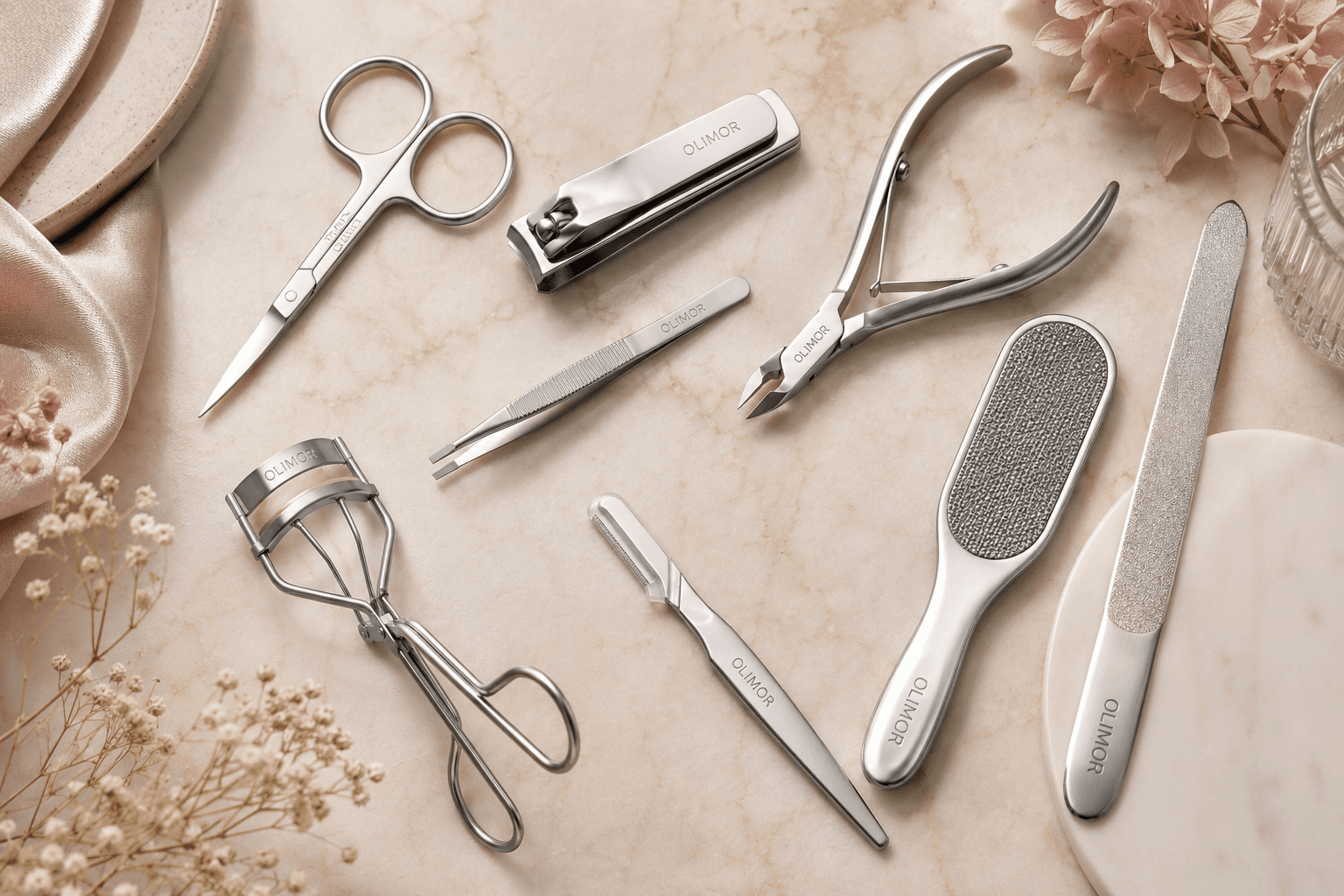
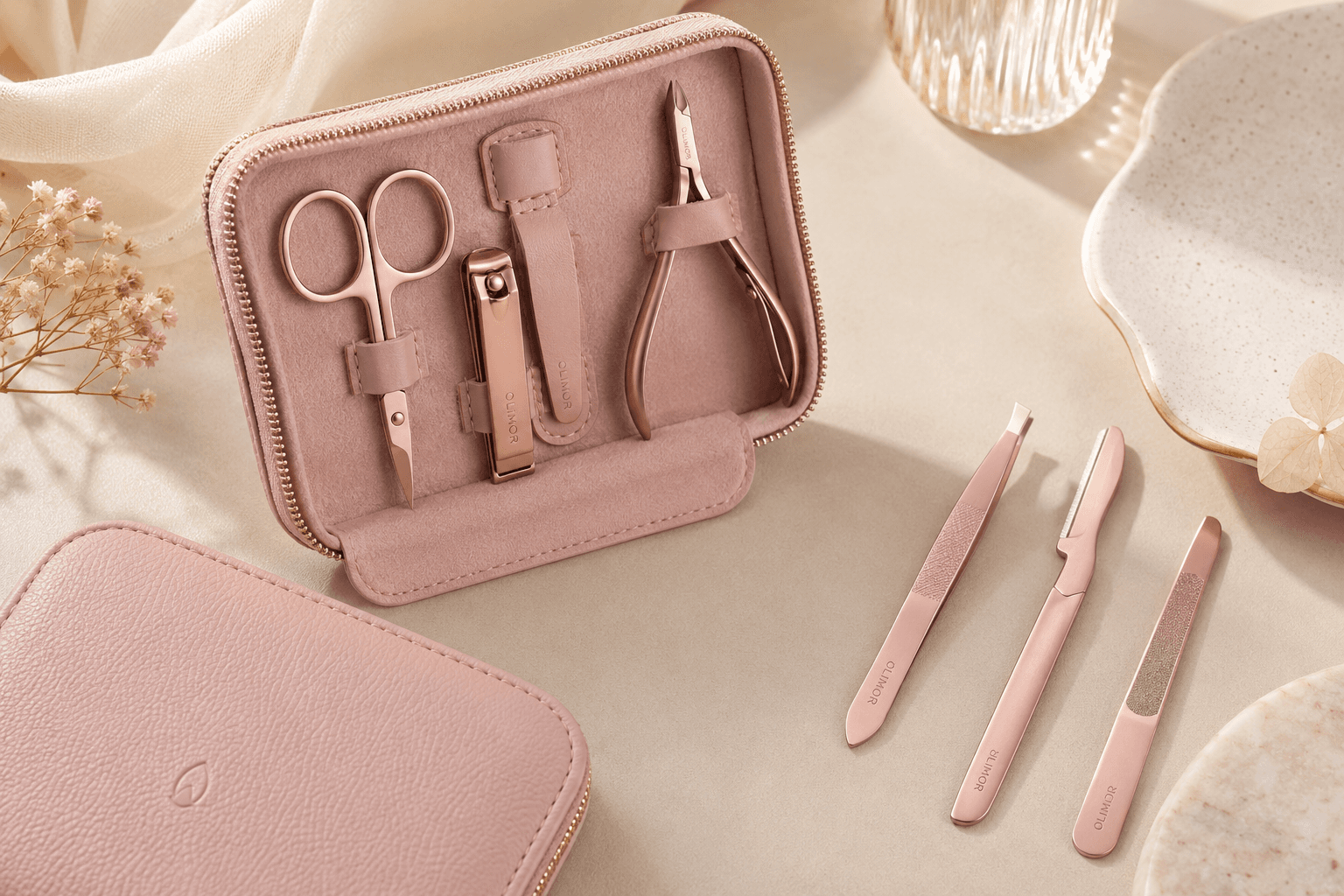
Olimor Beauty offers a range of beauty tool products, and nail clippers can be considered alongside related nail care, grooming, and personal care tools when planning a broader assortment.
Design Choices That Affect User Experience
Nail clippers appear simple, but small design choices change how they feel in the hand. The first is size. A small fingernail clipper is convenient and portable, while a larger clipper may suit toenails or users who prefer stronger leverage. If a brand wants to sell a set, combining different sizes can make the package more useful than offering identical tools.
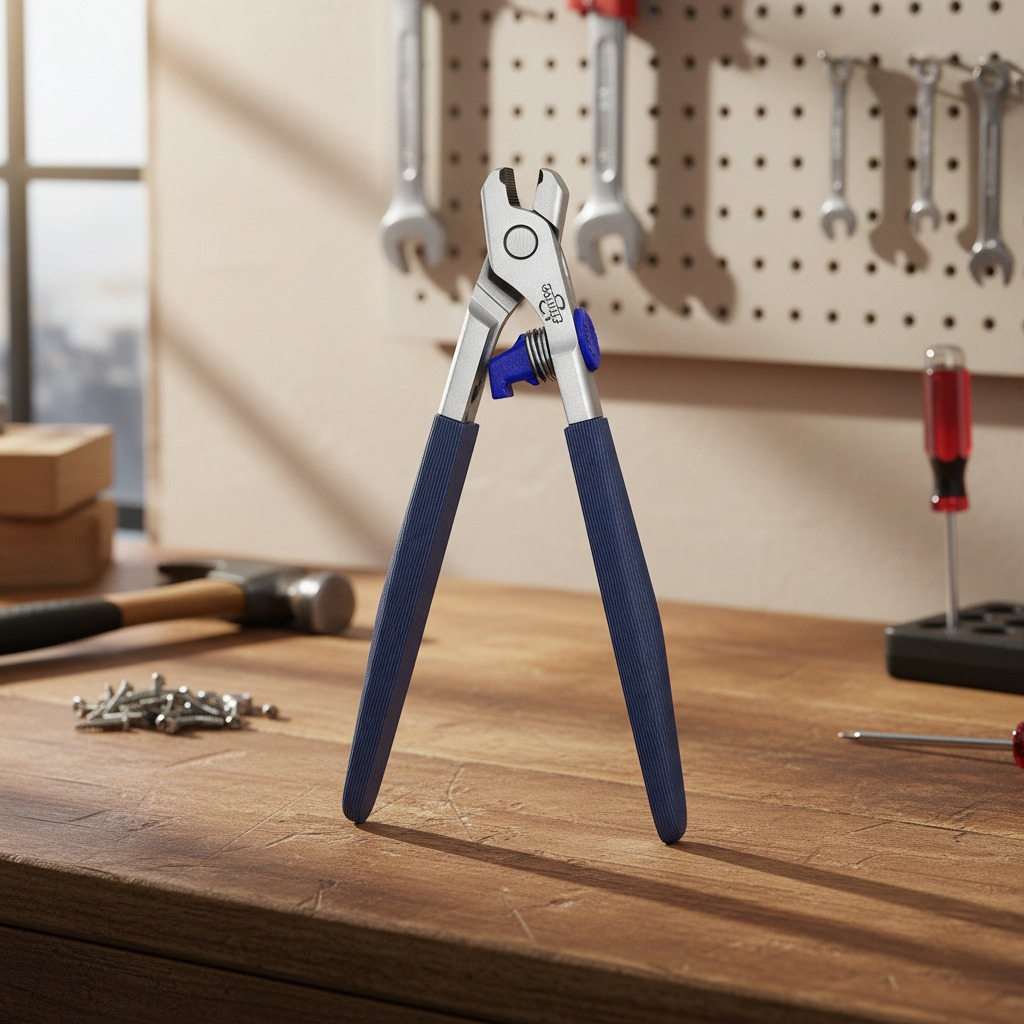
The second choice is grip. A plain metal surface may be easy to clean and economical, while a textured grip can help users maintain control. The original product direction mentions sleek ergonomics, textured grips, and smooth spring mechanisms, which are features buyers can evaluate during sample review. These details are especially relevant for tools intended for frequent use or professional-style grooming kits.
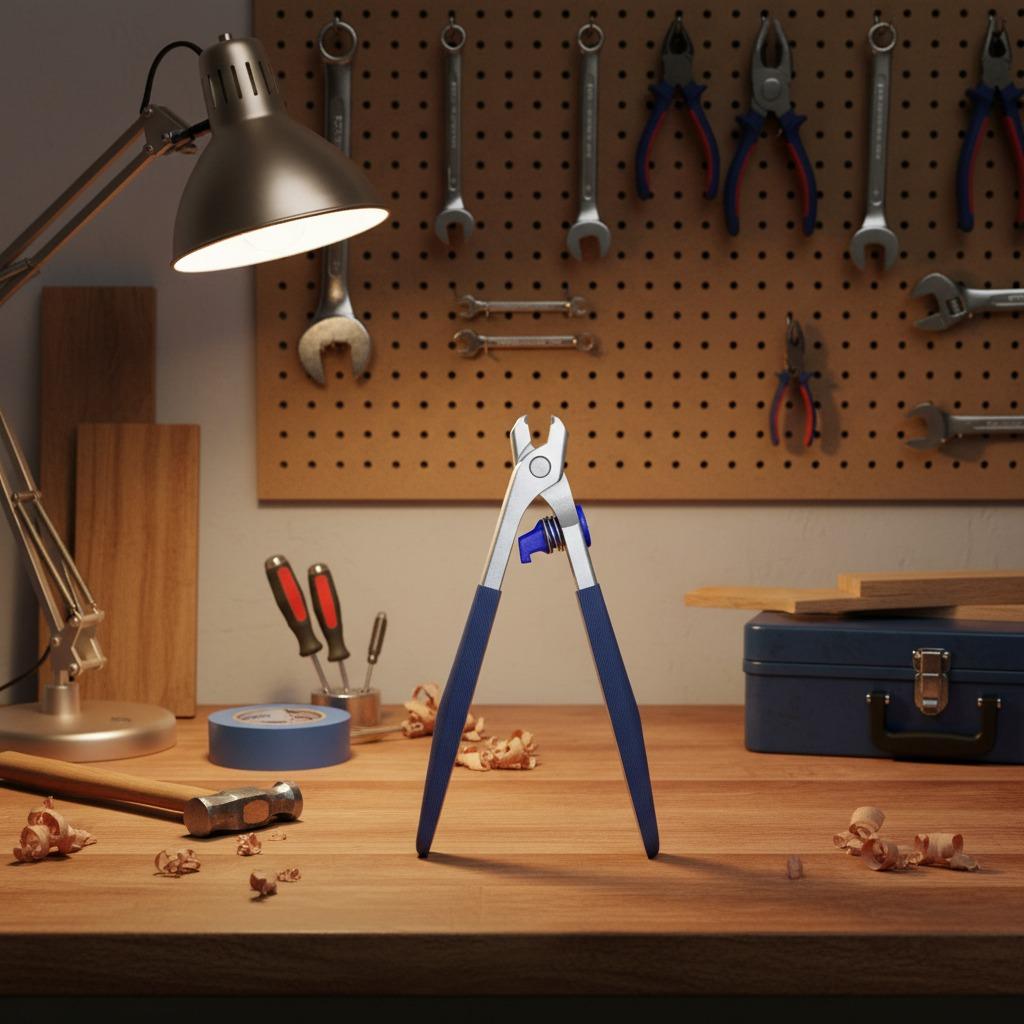
The third choice is shape. Some nail clippers borrow inspiration from hoof nipper-style forms or heavier-duty nail tools, giving a more professional appearance. This can be appropriate for certain product lines, but it should match the end user. A heavy-looking tool may appeal to a grooming or pedicure audience, while a compact, familiar clipper may be better for travel, hotel, or entry-level retail programs.
The fourth choice is finish. Polished, matte, brushed, or coated looks can influence the perceived value of the item, but finishes also need to withstand handling and packaging friction. If the product is sold in a transparent pack or photographed for e-commerce, surface consistency becomes more visible. Buyers should inspect samples under normal retail lighting, not only in a factory or office setting.
How to Build a Practical Nail Clipper Specification
A good specification reduces confusion between buyer and manufacturer. It does not need to be overly complex, but it should describe the buyer's expectations in measurable or reviewable terms. This is especially important for ODM programs where the supplier may offer several existing options that look similar but perform differently.
| Specification Area | What to Define | Why It Matters |
|---|---|---|
| Intended user | Home user, salon user, travel set, promotional kit, men's grooming, family nail care | Guides size, strength, packaging, and price positioning |
| Clipper type | Fingernail, toenail, compact, wide-jaw, or set combination | Prevents receiving samples that do not match the sales purpose |
| Grip and handle | Plain lever, textured grip, ergonomic shape, or heavier-duty form | Affects comfort, control, and perceived quality |
| Finish | Polished, matte, brushed, or other approved appearance | Supports brand presentation and retail consistency |
| Packaging | Bulk pack, blister card, pouch, box, kit insert, or e-commerce-friendly pack | Protects the tool and reduces repacking risk |
| Inspection focus | Alignment, cutting feel, burrs, surface marks, assembly, and packaging condition | Helps maintain consistency beyond the initial sample |
For brands still building a product range, reviewing Olimor Beauty product collections can help identify how nail clippers might fit with other beauty and grooming tools.
Quality Checks Before Confirming Production
Sample approval should include more than a quick visual check. A nail clipper needs to be tested the way customers will use it. Open and close it repeatedly. Check whether the lever feels secure. Inspect the cutting edges from different angles. Look for burrs near the edges, corners, and pivot area. Test cutting performance on appropriate nail-like materials or controlled samples rather than relying only on appearance.
Buyers should also evaluate whether the tool is comfortable for different hand sizes. A clipper may feel acceptable during one quick use but uncomfortable after repeated operation. For products aimed at professional or salon-style use, hand fatigue and control matter more. For low-cost bulk programs, the goal may be a stable, clean-cutting tool with simple packaging and reliable batch consistency.
Packaging samples should be reviewed with the same attention. Check whether the clipper shifts inside the package, scratches against other components, or creates pressure points that could damage a card, pouch, or box during shipment. If the product will be included in a kit, confirm that it fits the insert or compartment without forcing. Small packaging mistakes can create delays after production, especially when multiple tools are assembled together.
Sourcing Questions for a China Nail Clipper Manufacturer
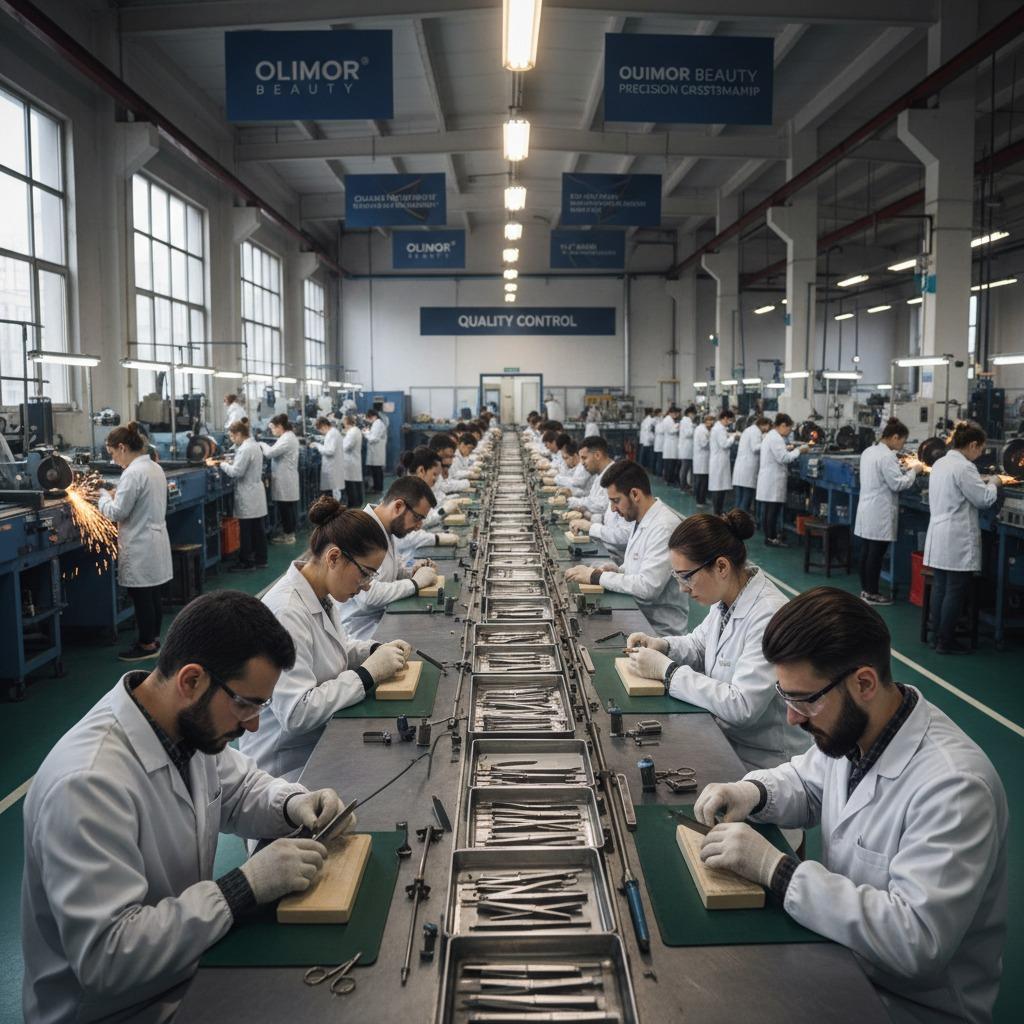
Many buyers search for the best nail clipper manufacturer in China, but the best partner depends on the buyer's product, order requirements, inspection expectations, and communication needs. Instead of relying on broad claims, use a structured sourcing conversation. A reliable discussion should cover product options, customization scope, sample timing, packaging, quality control points, and documentation needed for your market.
Useful questions include: Which existing clipper designs are closest to the target product? What elements can be customized without creating unnecessary development risk? How are cutting alignment and surface finishing checked? What packaging formats are suitable for the sales channel? What information is needed to prepare a clear quotation? Which differences between sample and bulk production should be confirmed in writing?
Buyers should prepare reference photos, target retail positioning, expected packaging style, and any required artwork areas before requesting a quote. This allows the manufacturer to respond with more relevant options and avoids comparing offers that are not truly equivalent. If you are ready to discuss specifications, you can send an inquiry with your product direction, expected use case, and packaging preferences.
Working with Olimor Beauty on Nail Clipper ODM Projects
Olimor Beauty focuses on beauty and personal care tools for business buyers who need practical sourcing support. For nail clipper ODM projects, a successful collaboration usually begins with defining the product's role in the assortment. Is it a standalone retail item, part of a manicure kit, a salon accessory, a travel product, or a value-focused bulk order? Once that is clear, the next steps are easier: sample selection, appearance decisions, packaging planning, and quality expectations.
The goal is not simply to source a cheap nail clipper in bulk, but to choose a product that matches the brand promise. A basic clipper can still be a good product if it cuts cleanly, feels safe, and arrives consistently. A more premium-looking clipper needs finishing and packaging that support the price point. In both cases, clear specifications and practical sample testing are the foundation of a better result.
Brands comparing nail care tool options can contact Olimor to discuss available directions, customization considerations, and the information needed for a more accurate sourcing conversation. With the right preparation, nail clipper ODM sourcing can become a dependable part of a beauty or grooming product line rather than a last-minute accessory purchase.
Tag: