How to Choose a Nail Clipper Manufacturer for Reliable Beauty Tool Sourcing
For a small grooming tool, a nail clipper carries a surprising amount of responsibility. It has to cut cleanly, feel stable in the hand, resist corrosion, arrive consistently finished, and fit the expectations of the market where it will be sold. For retailers, distributors, salon suppliers and private-label buyers, choosing the right nail clipper manufacturer is not only about finding a low unit cost. It is about reducing complaints, protecting your brand reputation and building a nail care assortment that customers can repurchase with confidence.
Olimor Beauty manufactures beauty tools for buyers who need practical, repeatable quality rather than vague claims. If you are comparing a nail clipper supplier, planning a bulk order, or evaluating nail clipper OEM options, the key is to look closely at the details that affect real use: blade alignment, leverage, surface finishing, grip comfort, packaging suitability and quality control. This guide explains what to review before placing an order and how to think about nail clippers as part of a broader beauty tool program.
What a Good Nail Clipper Needs to Do Well
A nail clipper may look simple, but its performance depends on how several components work together. The cutting edges must meet evenly. The lever must provide enough pressure without feeling loose or unstable. The body should not flex too much during use. The finish should be smooth enough for comfortable handling, with no sharp burrs around the edges. These details decide whether the end user experiences a clean cut or a crushed, uneven nail edge.
When buyers source from a nail clipper factory, it helps to test the product in the same way a customer will use it. Clip different nail thicknesses, check whether the cut edge is clean, and see whether the clipper requires excessive force. A polished metallic finish and ergonomic grip, both noted in Olimor Beauty’s nail clipper offering, can improve the perceived value of the product, but they should support function rather than replace it. A clipper that looks attractive still needs dependable alignment and cutting action.
For travel, compact size is another useful feature. Compact nail clippers are easier to include in grooming kits, retail sets, promotional care packs and personal toiletry bags. However, compact does not mean fragile. Buyers should confirm that the lever remains easy to operate and that the cutting jaw suits the intended user group.
Material, Finish and Cutting Performance
The supplied product information describes Olimor Beauty’s nail clippers as stainless steel clippers with a polished metallic finish. Stainless steel is commonly selected for nail care tools because it can offer a good balance of strength, clean appearance and resistance to rust when properly finished and maintained. For sourcing decisions, the important point is not only the material name but how it is formed, sharpened, finished and inspected.
Cutting performance is one of the first areas to evaluate. A well-made clipper should close smoothly and cut without tearing. The user should not need to press repeatedly on the same nail section. Blade sharpness matters, but so does blade geometry. If the cutting edges are not aligned correctly, even a sharp edge may pinch or split the nail instead of producing a clean trim.
Surface finishing also affects quality perception. A polished finish can make the product look clean and giftable, but buyers should examine the finish under normal retail lighting. Look for uneven polishing, stains, scratches, rough corners or inconsistent color across batches. These cosmetic issues may seem minor, but in beauty tools, visible finish defects can quickly lower customer confidence.
Buyer Checklist for Evaluating a Nail Clipper Supplier
Before committing to a bulk purchase, use a structured checklist. This helps compare different suppliers fairly and prevents important details from being overlooked during sample review.
- Blade alignment: The cutting edges should meet evenly across the usable width of the jaw.
- Cut quality: The clipper should trim cleanly without crushing, bending or tearing the nail edge.
- Lever action: Operation should feel firm and controlled, not loose, squeaky or overly stiff.
- Edge safety: Non-cutting edges should be smooth, with no burrs or sharp unfinished corners.
- Grip comfort: The shape should support stable handling, especially for repeated use.
- Surface finish: Check for polishing consistency, marks, rust spots, oil residue or discoloration.
- Size suitability: Confirm whether the product is intended for daily home use, travel, salon resale or set assembly.
- Packaging fit: Make sure the clipper sits securely in the chosen packaging and remains protected during transport.
- Batch consistency: Compare multiple samples, not just one hand-selected piece.
- After-sale risk: Consider how easily customers can understand the tool, store it and maintain it.
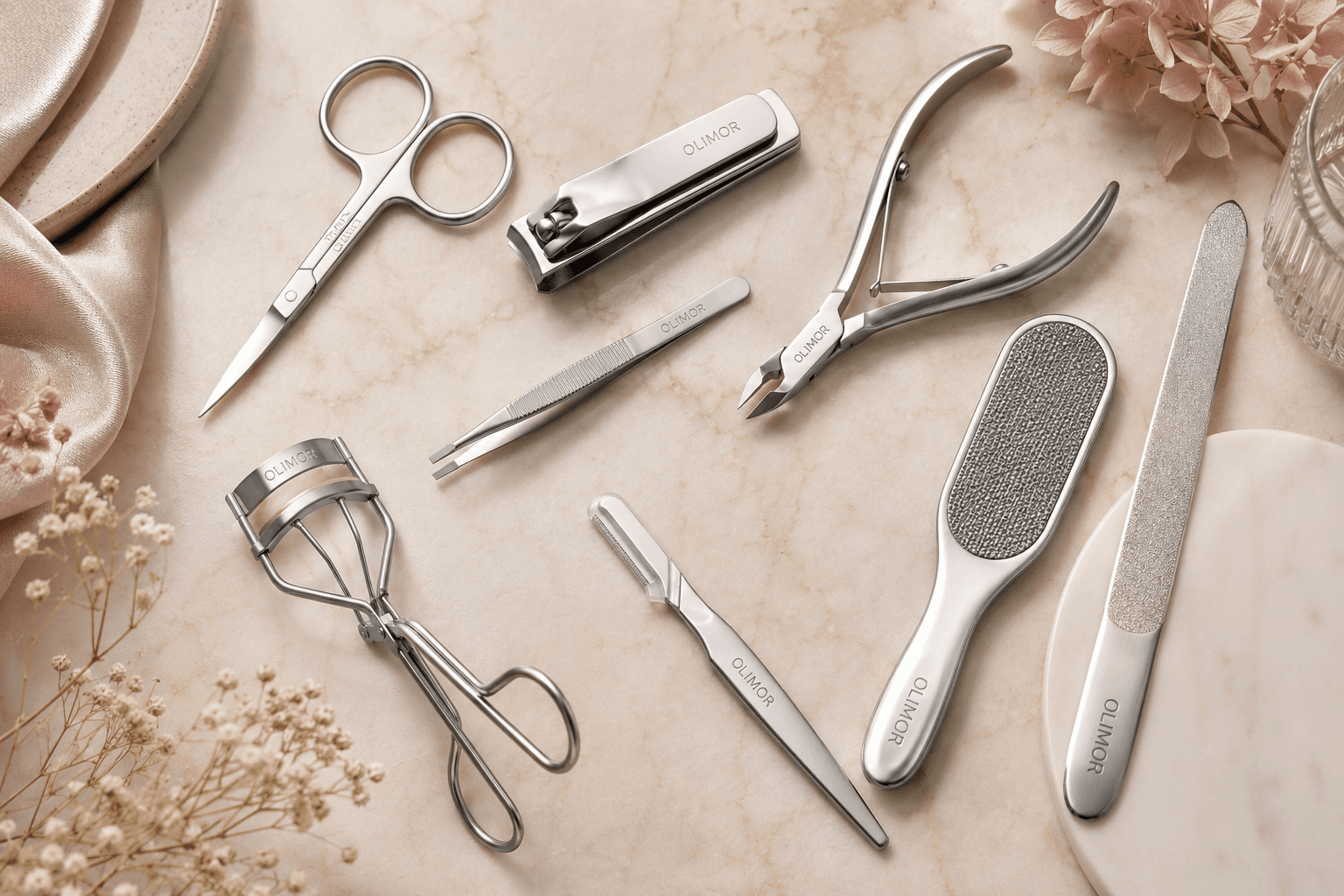
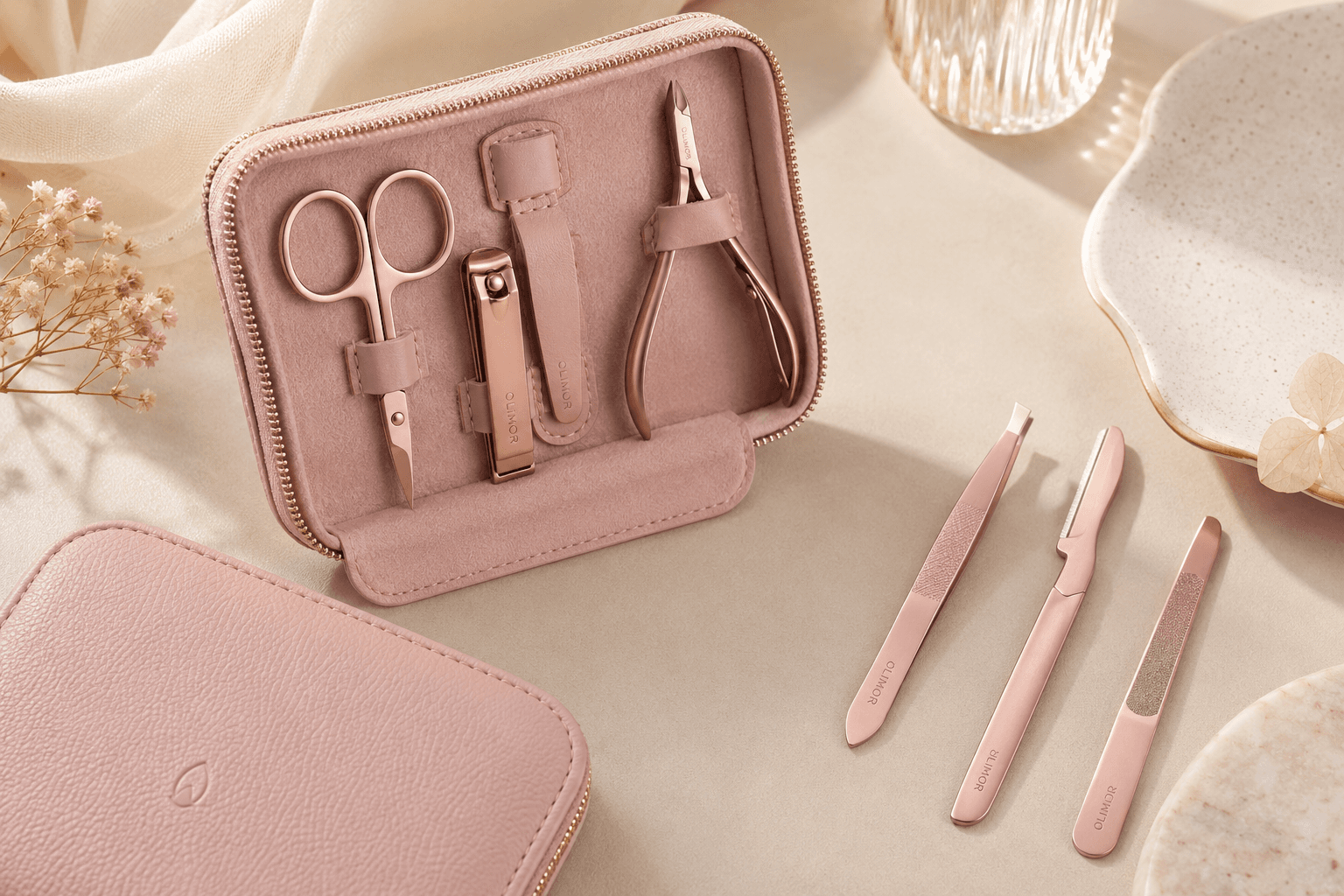
This checklist is especially useful when sourcing nail clippers alongside other beauty tool products. If the clipper is part of a kit, its finish, size and perceived value should match the other tools in the set.
OEM and Wholesale Considerations for Nail Clippers
Many buyers search for a nail clipper manufacturer because they want more than a standard item. They may need OEM support, custom packaging, a consistent wholesale supply or a tool that fits a specific retail price point. In each case, the best sourcing decision begins with a clear product brief. A vague request such as “high quality nail clipper” is difficult to evaluate. A stronger brief explains the target user, sales channel, expected packaging format, finish preference and any comparison products already in the market.
For private-label projects, consider how the nail clipper will be presented. Is it sold as a single grooming essential, included in a travel set, packed with manicure tools, or positioned for salon retail? Each route affects size, finish, packaging and inspection priorities. A travel-focused product may prioritize compact size and secure packaging. A salon retail item may need a more premium hand feel and a finish that looks clean on display. A value assortment may require simple packaging and reliable batch consistency.
Olimor Beauty can be considered by buyers looking for a nail clipper wholesaler, nail clipper OEM partner or nail clipper China manufacturer. When evaluating any OEM opportunity, document the approved sample carefully. Keep notes on dimensions, finish, cutting feel, logo placement if applicable, packaging structure and acceptable cosmetic standards. This makes later production review more objective.
Quality Control Points That Matter in Production
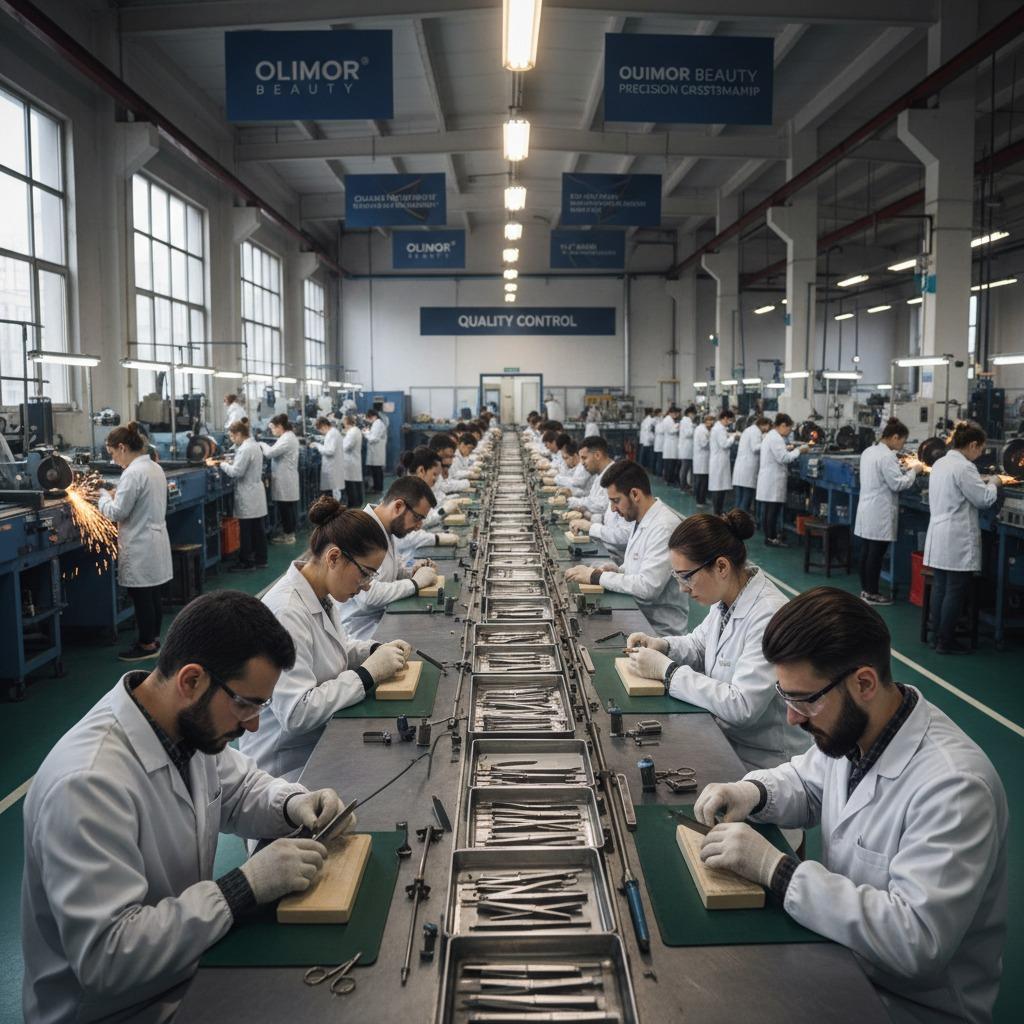
The original product information emphasizes precise production steps, stringent quality checks and inspection from raw materials to final packaging. For buyers, these quality controls matter because nail clippers are handled directly against the body and are judged immediately by performance. Even small variations can affect customer satisfaction.
Quality control should include both functional and cosmetic review. Functional checks focus on whether the tool works: blade closure, cutting action, lever stability and overall assembly. Cosmetic checks focus on whether the tool looks suitable for sale: polish, cleanliness, surface marks, packaging presentation and consistency. Both are important. A clipper can cut well but still fail retail inspection if it appears scratched or poorly finished. Likewise, a shiny clipper can disappoint users if the cutting edge is poorly aligned.
For larger orders, buyers should define acceptance standards before production rather than after receiving goods. This may include approved sample references, packaging artwork approval, carton marking requirements and inspection criteria. These steps are not complicated, but they reduce uncertainty and help both buyer and manufacturer work from the same expectations.
Matching Nail Clippers to Sales Channels
Different sales channels place different demands on nail clippers. A product intended for a discount multipack, a boutique beauty store and a professional salon supply catalog should not be evaluated in exactly the same way. The core function must always be reliable, but the surrounding decisions can vary.
| Sales channel | What buyers should prioritize | Common evaluation focus |
|---|---|---|
| Retail single item | Clean finish, comfortable grip, clear packaging | Shelf appeal and customer first impression |
| Travel grooming set | Compact size, secure storage, consistent appearance | Fit with other tools and portability |
| Salon resale | Durable feel, reliable cutting, professional presentation | Repeat customer satisfaction |
| Private label program | Repeatable production, packaging accuracy, brand consistency | Sample-to-order consistency |
| Distributor assortment | Stable supply, broad usability, low complaint risk | Batch quality and practical value |
This channel-based thinking also helps buyers build coordinated product collections. A nail clipper may be small, but it can anchor an everyday nail care category when paired with related grooming tools.
Care and Maintenance Guidance for End Users
Manufacturers and wholesalers should also think about the instructions that reach the end user. Simple care guidance can reduce avoidable complaints and extend the useful life of the tool. Nail clippers should be kept dry after use, stored away from damp environments and wiped clean when necessary. If the product is included in a pouch or kit, the storage material should allow the tool to remain clean and protected.
End users should also avoid using standard nail clippers on materials they are not intended to cut. Misuse can damage the blade alignment or make the lever feel unstable. For retailers and private-label brands, including concise care instructions on packaging or inserts can improve the customer experience without adding much complexity.
How to Start a Sourcing Conversation with Olimor Beauty
If you are evaluating Olimor Beauty as a nail clipper manufacturer, prepare a short, practical brief before making contact. Include the product type, intended market, order purpose, packaging needs and any quality priorities that are especially important for your customers. You do not need to know every technical detail at the beginning, but clear commercial context helps guide the discussion.
Useful preparation includes the target sales channel, preferred finish, approximate size preference, whether the clipper will be sold alone or in a set, and any packaging or branding requirements. If you already have a benchmark sample, note what you like and dislike about it. This makes it easier to compare alternatives and avoid misunderstandings during sample review.
Buyers can contact Olimor for general questions or send an inquiry with project details for sourcing support. A good supplier conversation should move beyond price alone and address product suitability, inspection expectations and long-term consistency.
Final Considerations When Selecting a Nail Clipper Manufacturer
A dependable nail clipper manufacturer should deliver more than a polished exterior. The real value is in consistent cutting performance, comfortable handling, careful finishing and production controls that protect the buyer’s brand. Olimor Beauty’s nail clippers are described with stainless steel construction, a polished metallic finish, ergonomic grip, compact size, sharp cutting performance and internal quality checks. These are meaningful features when they are verified through samples, batch review and clear purchasing standards.
For retailers, distributors and OEM buyers, the best approach is practical: define your customer, test the tool carefully, review packaging needs and align on quality expectations before scaling an order. With the right evaluation process, a nail clipper can become a reliable part of a nail care line rather than just another low-cost accessory.
Tag: