Choosing a Global Tweezers Supplier for Wholesale and OEM/ODM Beauty Programs
Tweezers look simple, but they are one of the beauty tools customers judge quickly. A weak grip, poorly aligned tip or uncomfortable shape can turn a low-cost purchase into a complaint, return or lost repeat order. For salons, distributors, e-commerce sellers and private label beauty brands, choosing a global tweezers supplier is therefore not only about finding cheap wholesale tweezers. It is about building a dependable sourcing process that protects your margin, brand reputation and customer experience.
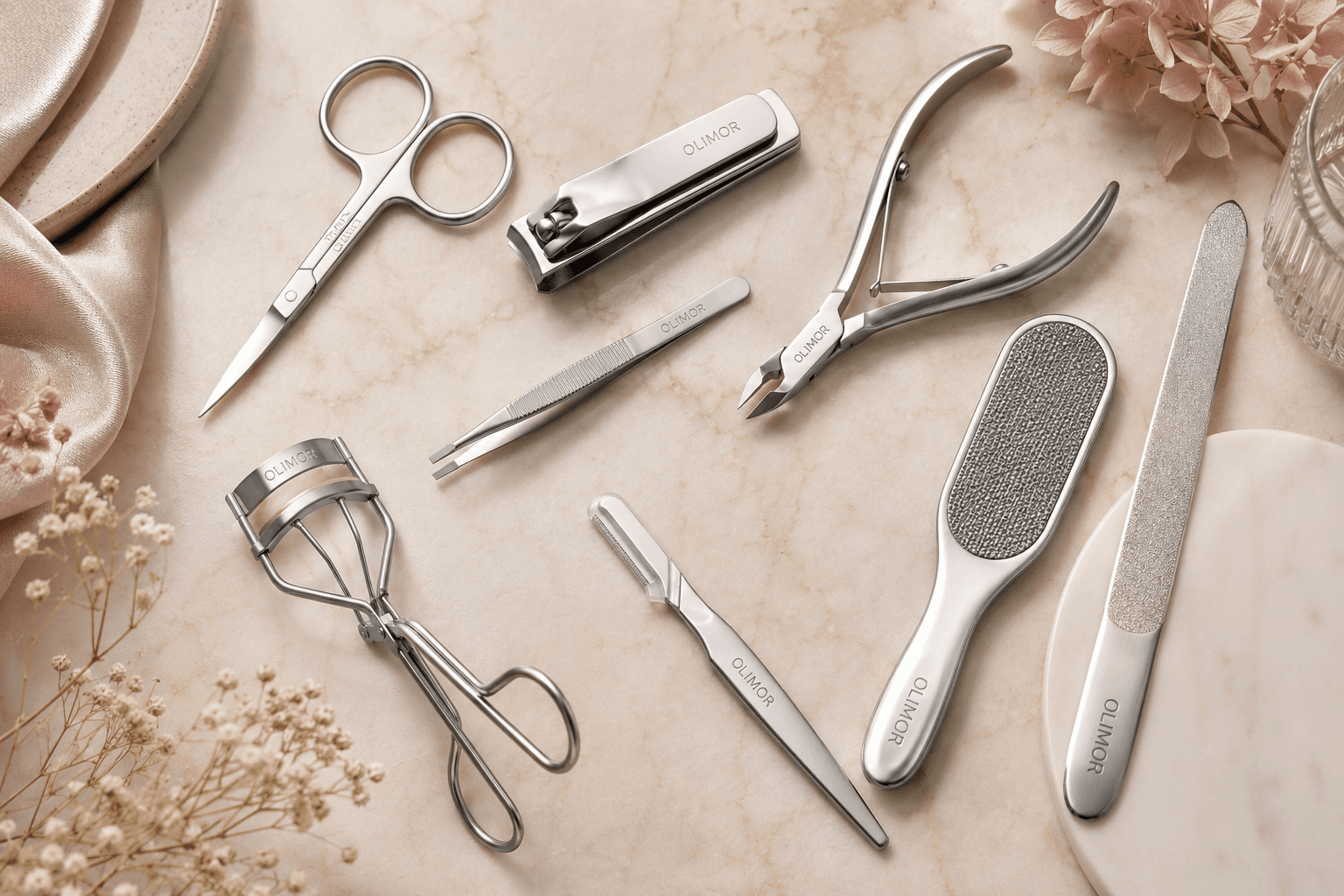
Olimor Beauty supplies beauty tools for professional and retail channels, including tweezers for grooming and everyday personal care. If you are comparing suppliers, this guide explains how to evaluate price, quality, customization and communication before you place a wholesale or OEM/ODM order. You can also browse related beauty tool products to understand how tweezers fit within a broader assortment.
Start with the exact tweezer buyer and use case
Before comparing quotations, define who will use the tweezers and how they will be sold. A salon buyer may care most about repeatable performance and easy cleaning. A beauty retailer may need attractive packaging, consistent finishing and a price point that fits the shelf. An e-commerce brand may focus on customer reviews, product images and bundle options. A distributor may prioritize stable production, clear packing details and repeat-order consistency.
For most beauty channels, tweezers are used for eyebrow grooming, facial hair removal, lash application support and general personal care. The intended use affects the tip shape, handle length, tension and packaging. For example, a slanted tip is common for brow grooming because it gives control over individual hairs, while a pointed tip requires more precise manufacturing and careful handling. If you sell starter kits, a general-purpose design may be more practical than a specialized style.
A useful sourcing brief should include:
- Target market: salon, retail, e-commerce, promotional, professional kit or private label.
- Main use: brow shaping, lash support, general grooming or multipurpose beauty care.
- Expected positioning: entry level, mid-range, professional or giftable set.
- Packaging needs: individual sleeve, retail card, box, set packaging or custom design.
- Branding plan: neutral wholesale, logo printing, custom packaging or fuller OEM/ODM development.
What “cheap wholesale tweezers” should and should not mean
Searching for cheap wholesale tweezers is reasonable when you need cost-effective inventory. However, the lowest unit price is not automatically the lowest total cost. If alignment is inconsistent, finishes are rough or packaging fails during transit, you may pay more through replacements, slow sell-through and customer dissatisfaction.
A better approach is to compare value at the required quality level. Stainless steel construction, ergonomic handling and quality checks were noted as important features in Olimor Beauty’s existing tweezer offering. Those are practical areas to review with any supplier because they affect both durability and user confidence. The goal is not to over-specify a simple product; it is to set a clear baseline so every shipment performs consistently.
When evaluating cost, separate the quotation into product, customization, packaging and freight-related considerations. A plain wholesale tweezer may be suitable for bulk salon supply, while a retail program may require packaging that adds cost but improves presentation. For private label orders, logo and packaging decisions can influence both price and production timeline. Buyers should also think about how the tweezer will be sold: individually, in a grooming kit, in a travel set or as part of wider product collections.
Quality details to inspect before a wholesale order
Tweezer quality is easiest to understand by testing samples in real use. A catalog image cannot fully show grip, spring tension, finish smoothness or tip alignment. Samples help you compare whether the product matches your channel’s expectations before you commit to larger wholesale quantities.
Use the following checklist when reviewing samples or pre-production units:
| Inspection area | What to check | Why it matters |
|---|---|---|
| Tip alignment | The two tips should meet evenly without visible gaps or twisting. | Good alignment improves hair gripping and reduces customer frustration. |
| Grip performance | Test on fine hairs or similar thin material using normal hand pressure. | A tweezer should hold precisely without requiring excessive force. |
| Edge and finish | Check for burrs, rough edges, uneven polishing or sharp handle corners. | Smooth finishing supports comfort and gives a more professional impression. |
| Handle tension | Open and close repeatedly to feel resistance and rebound. | Consistent tension helps users control the tool during grooming. |
| Surface consistency | Look for color differences, stains, scratches or uneven coating if applicable. | Appearance is important for retail packaging and online reviews. |
| Packaging fit | Confirm the tweezer sits securely and is protected during shipping. | Poor packaging can damage tips before the customer receives the product. |
If you are sourcing for a brand program, keep an approved sample as a reference. This helps you compare later production against the agreed standard. It is also useful to document acceptable tolerances in writing, especially for tip alignment, logo placement, packaging layout and finishing appearance.
OEM/ODM tweezers: when customization is worth it
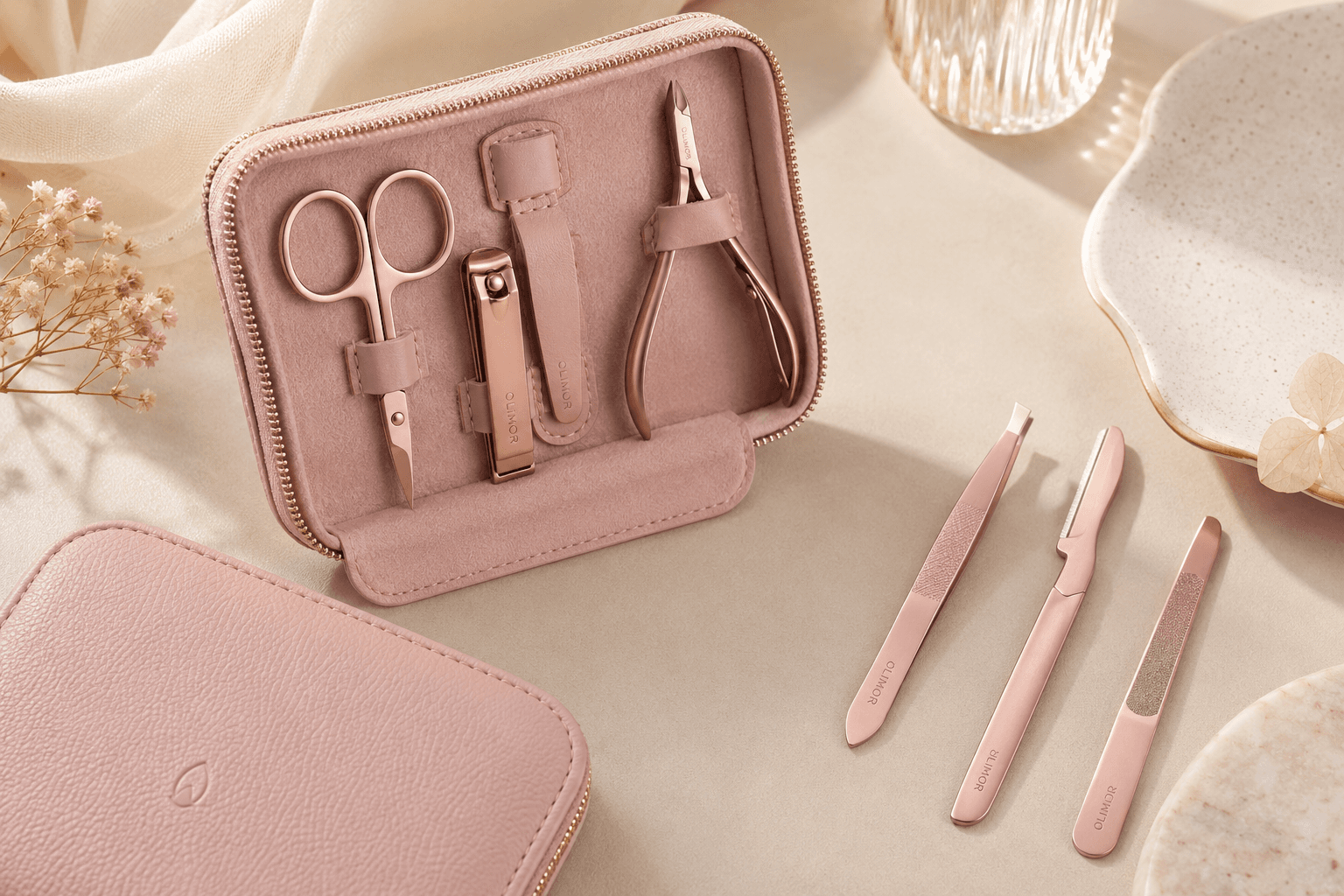
OEM/ODM tweezers can help a beauty business move beyond generic inventory. Customization may include logo application, color or finish preferences, packaging design, set configuration or product adjustments based on your market. This can be valuable when your customers expect a coordinated brand story or when you want tweezers to match other grooming tools in a kit.
Customization is most worthwhile when it supports a clear selling point. For example, a brow care brand may want packaging that explains the tip type and usage steps. A retailer may need barcode-ready retail packaging. A salon distributor may prefer simpler packaging that keeps costs controlled and reduces waste. An online seller may want a presentation that photographs well and explains care instructions.
To prepare for an OEM/ODM discussion, organize your requirements in a simple specification sheet. Include product type, target price range, packaging concept, logo files, color references, selling market and expected order plan. If you do not have exact specifications yet, start with functional priorities: comfortable handling, clean tip closure, protective packaging and consistent finish. Olimor Beauty can be contacted through the send an inquiry page if you are preparing a wholesale or customization brief.
Supplier questions that reveal sourcing reliability
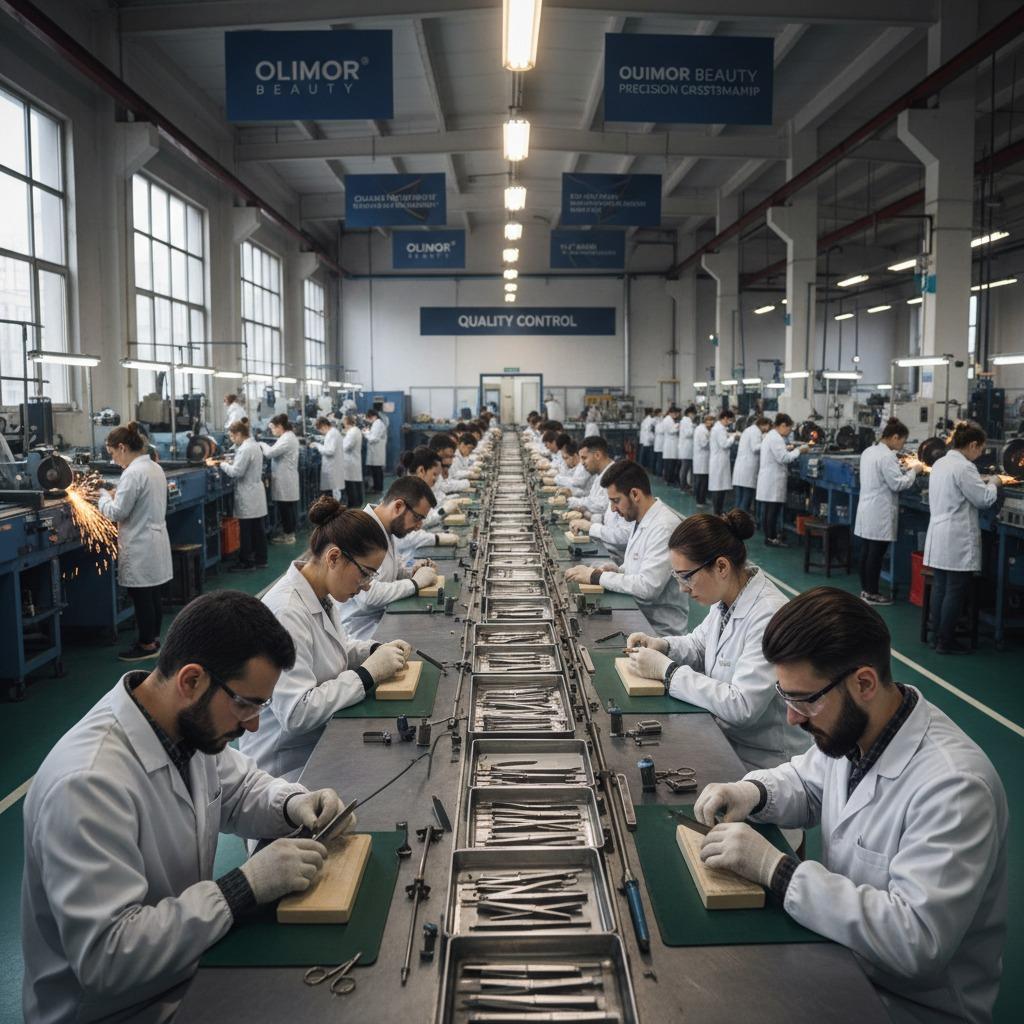
A strong global tweezers supplier should be able to communicate clearly before, during and after production. The best questions are specific and practical. Instead of asking only for the cheapest wholesale tweezers, ask how the supplier controls common failure points such as tip misalignment, surface defects and packaging damage. This gives you a better view of process discipline.
Useful questions include:
- What sample options are available before a wholesale order?
- Which parts of the tweezer can be customized for OEM/ODM programs?
- How are tip alignment and grip performance checked during production?
- What packaging formats are suitable for retail, salon or bulk distribution?
- How should approved samples, artwork and packing details be confirmed?
- What information is needed to quote accurately for product and packaging?
These questions do not require the supplier to make unrealistic promises. They simply help you understand whether the team can manage details that matter to your market. Clear communication also reduces revision cycles, especially when artwork, logo position or packaging copy must be approved.
Balancing price, presentation and repeat-order consistency
Wholesale beauty tools should be evaluated over multiple orders, not only the first purchase. If your first shipment sells well, you will need repeat production that feels familiar to returning customers. That means the tweezer’s grip, finish, packaging and branding should remain consistent unless you intentionally update the product.
When comparing suppliers, build a simple scoring system. Price is important, but it should be weighed alongside sample quality, communication speed, packaging suitability and customization support. A slightly higher unit cost may be justified if it reduces defects, protects the product in transit or improves retail presentation. On the other hand, a basic wholesale option may be the right choice when the buyer needs functional, simple tweezers for professional back-bar or kit use.
For private label and retail programs, also consider how the tweezer fits your wider product range. A cohesive assortment can make purchasing easier for distributors and consumers. If tweezers are one part of a grooming line, coordinate packaging style, product descriptions and care guidance with other beauty tools. For broader sourcing discussions, you can contact Olimor with your market, product type and packaging goals.
Care and handling information buyers can share with customers
Good after-sales guidance can reduce complaints and help customers get better results. Tweezers should be kept clean and dry after use. The tips should be protected from drops or pressure because even a small bend can affect alignment. If the product is sold in a pouch, sleeve or box, encourage customers to store it there rather than loose in a cosmetics bag.
For retail packaging or online product pages, include simple instructions: clean before and after use, grip hair close to the root, pull in the direction of hair growth and avoid using damaged tips. These practical details improve the customer experience without making exaggerated claims. They also make the product page more useful for searchers comparing grooming tools.
Choosing the right global tweezers supplier is a sourcing decision with visible impact. By defining your user, testing samples carefully, balancing price with performance and preparing a clear OEM/ODM brief, you can build a tweezer program that works for salons, retailers, distributors and beauty brands. Olimor Beauty supports buyers looking for wholesale tweezers and customized beauty tool solutions, with attention to practical details that matter in everyday use.
Tag: