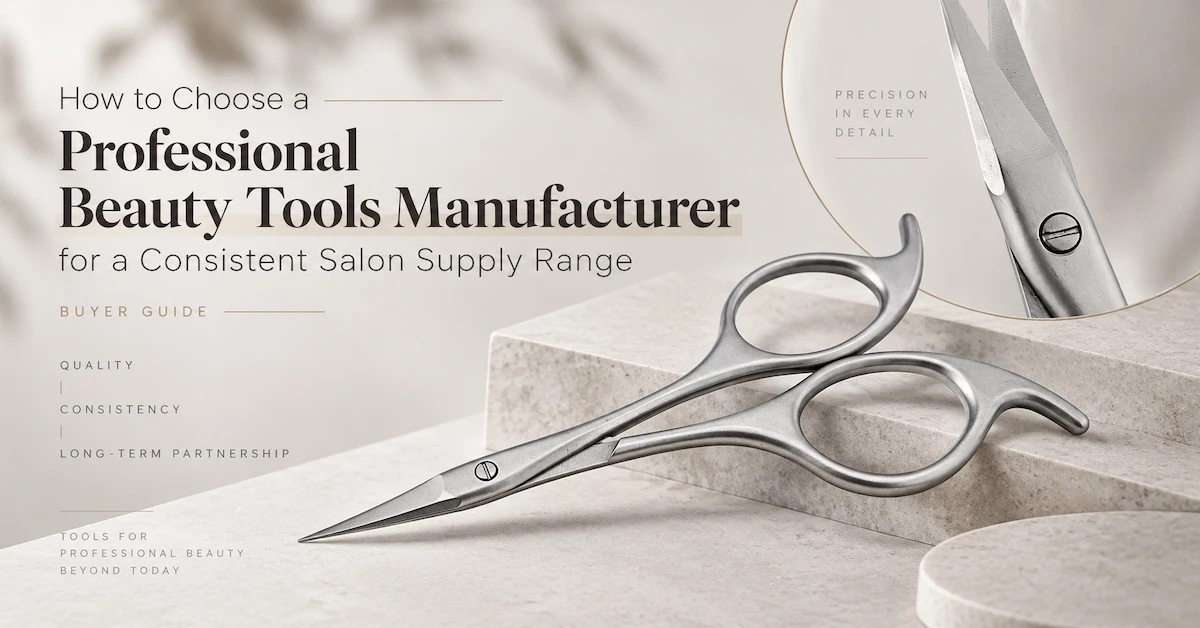
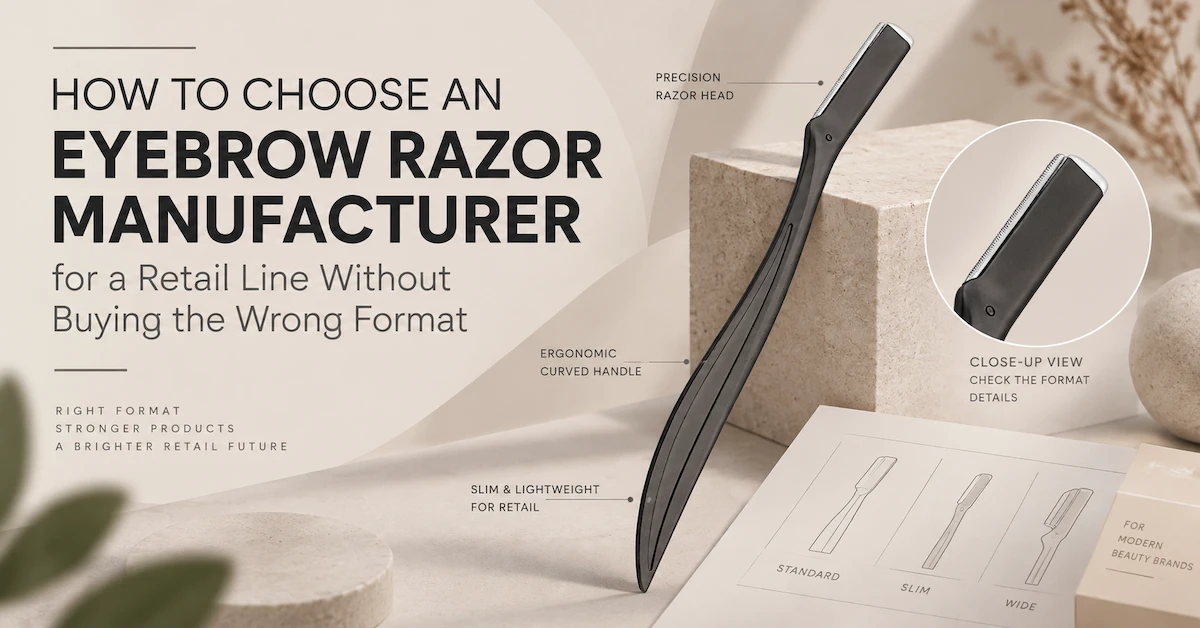
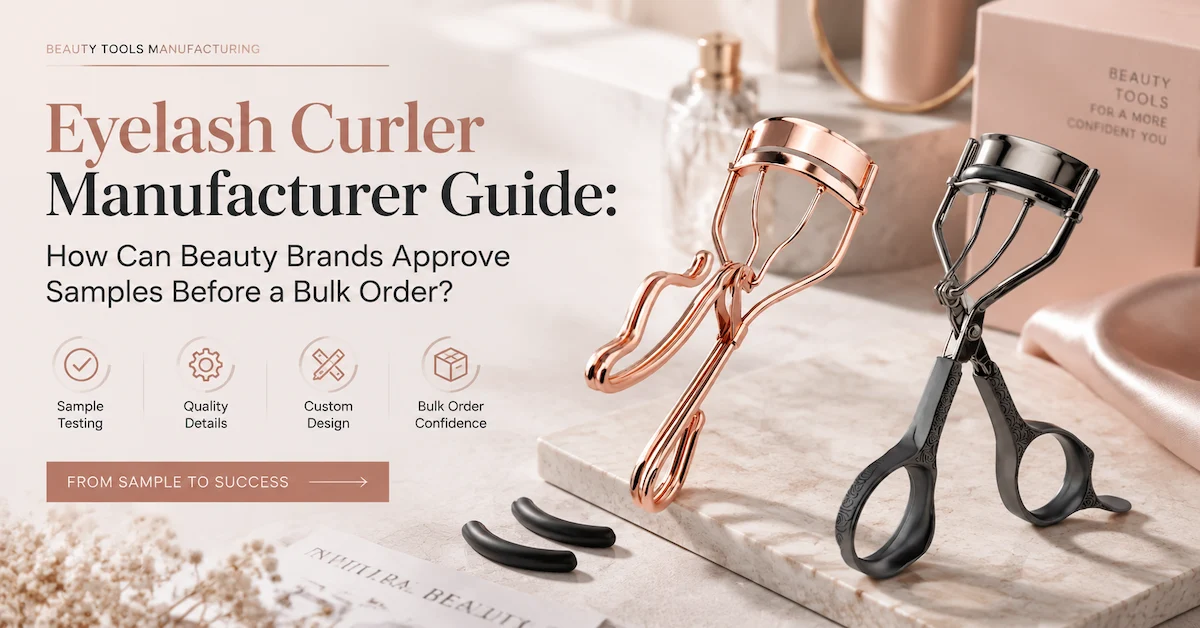
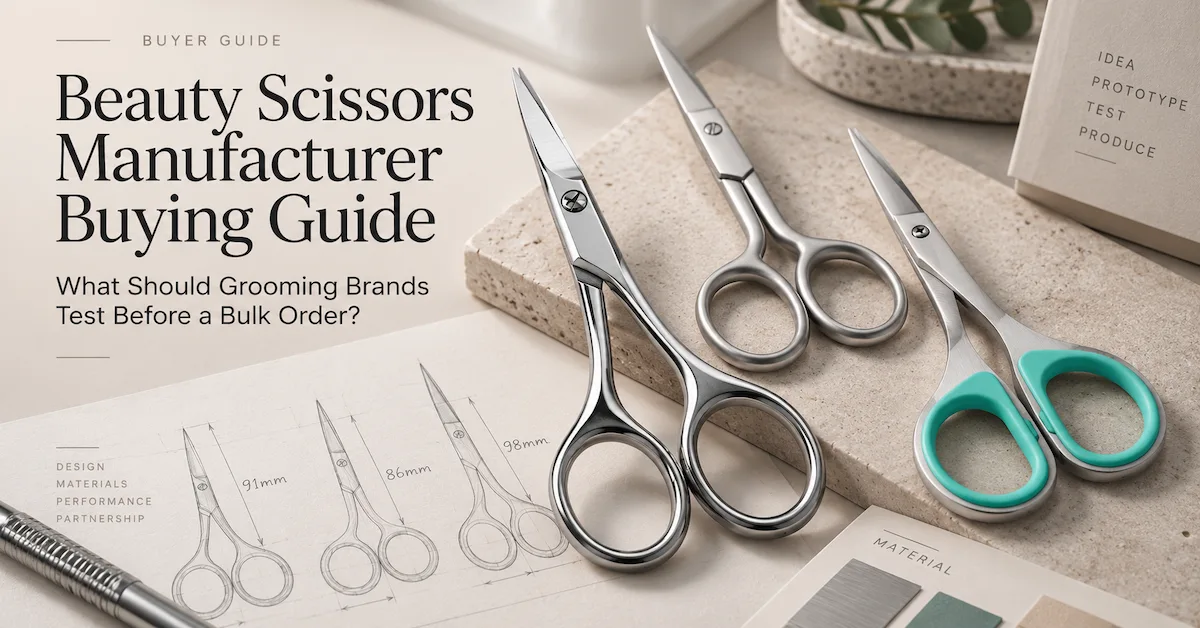
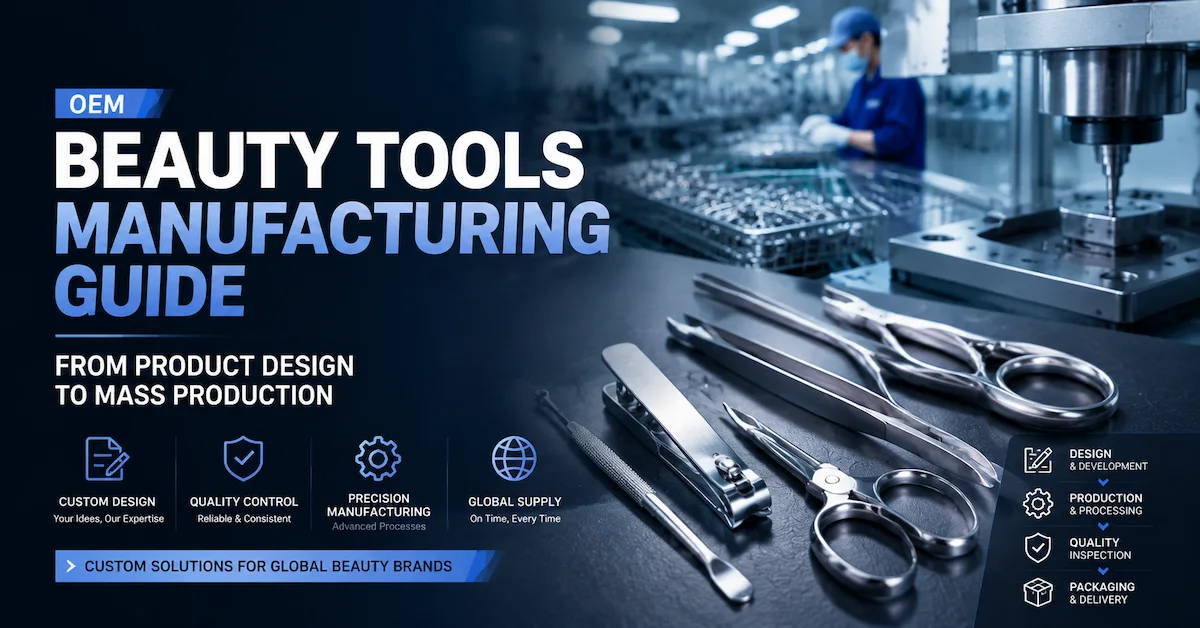
For beauty brands, retailers, and distributors, developing customized products requires more than finding a supplier with competitive pricing. A reliable OEM beauty tools manufacturer should provide complete support from product design, material selection, prototype development, production, quality control, and final delivery.
As consumer expectations continue to increase, beauty brands need products that offer better performance, unique designs, and consistent quality. Working with an experienced OEM manufacturer allows brands to create differentiated beauty tools while reducing development risks.
This guide explains how OEM beauty tools manufacturing works, what buyers should evaluate when selecting a supplier, and how professional manufacturers help transform product ideas into market-ready solutions.
What Is OEM Beauty Tools Manufacturing?
OEM (Original Equipment Manufacturing) means a manufacturer produces products according to a customer's requirements, specifications, or brand standards.
In the beauty tools industry, OEM manufacturing allows companies to customize:
- Product design
- Material selection
- Surface finishing
- Product dimensions
- Logo application
- Packaging solutions
Instead of building their own factory, beauty brands can cooperate with an experienced custom beauty tools manufacturing partner to develop products efficiently and enter the market faster.
A professional OEM partner provides not only manufacturing capacity but also technical knowledge to improve product performance, production efficiency, and cost control.
Who Needs OEM Beauty Tools Manufacturing Services?
Different buyers choose OEM manufacturing for different business goals.
Understanding your own purchasing needs is the first step.
Beauty Brands and Private Label Companies
Beauty brands often need customized products to create unique market positioning.
Typical requirements include:
- Exclusive product designs
- Custom colors and finishes
- Brand logo integration
- Customized packaging
- Product line expansion
For emerging beauty brands, OEM manufacturing provides a flexible way to launch professional beauty tools without investing in manufacturing facilities.
Brands can also explore OLIMOR’s beauty tools product categories to understand available solutions for different markets.
Beauty Tool Distributors and Importers
Distributors usually focus on:
- Stable supply
- Competitive pricing
- Consistent quality
- Product variety
A reliable OEM supplier helps distributors develop products suitable for different markets and customer groups.
OLIMOR provides a wide range of professional beauty tools, including nail tools, beauty scissors, tweezers, and other personal care products through its professional beauty tools collection.
E-commerce and Private Label Sellers
Online beauty brands often need products that stand out from competitors.
OEM manufacturing helps them customize:
- Product appearance
- Packaging design
- Brand identity
- Product combinations
This allows sellers to create differentiated products instead of competing only on price.
Professional Salon Suppliers
Salon customers require tools with:
- High durability
- Comfortable handling
- Reliable performance
- Professional quality
OEM manufacturers can develop products specifically designed for professional users.
OEM Beauty Tools Manufacturing Process
A complete OEM production process includes multiple stages from concept development to final delivery.
| Stage | Main Activities | Buyer Benefit |
|---|---|---|
| Requirement Analysis | Product goals, market positioning, specifications | Clear product direction |
| Design Development | Structure optimization, appearance design | Better product performance |
| Prototype Production | Sample creation and testing | Verify product quality |
| Material Selection | Stainless steel and finishing options | Improve durability |
| Mass Production | Manufacturing and assembly | Stable supply |
| Quality Inspection | Function and appearance testing | Reduce quality risks |
| Packaging & Delivery | Final packing and shipment | Efficient market launch |
Step 1: Product Requirement Analysis
The first step is understanding the customer's product goals.
Manufacturers usually evaluate:
- Target customers
- Market positioning
- Expected price range
- Product functions
- Order quantity
A professional supplier can provide recommendations based on manufacturing experience.
For example, different markets may require different product designs:
- Premium beauty brands may focus on luxury finishing
- Salon suppliers may prioritize durability
- Retail products may require attractive packaging
Step 2: Product Design and Engineering
After confirming requirements, manufacturers develop product solutions.
This stage may include:
- Structural design
- Material recommendations
- Ergonomic improvements
- Manufacturing feasibility analysis
For beauty tools, design affects both appearance and user experience.
Important design factors include:
- Comfortable grip
- Precision operation
- Product balance
- Long-term usability
With professional manufacturing experience, OLIMOR supports customers through beauty tools manufacturing expertise, engineering optimization, and customized production planning.
Step 3: Prototype Development and Testing
Before mass production, samples are created for evaluation.
Prototype testing helps confirm:
- Product dimensions
- Function performance
- Surface quality
- User experience
This stage reduces production risks and allows brands to make improvements before large orders.
Materials Used in OEM Beauty Tools Manufacturing
Material selection directly affects product quality and durability.
Stainless Steel Beauty Tools
Stainless steel is one of the most widely used materials in professional beauty tools.
Advantages include:
- Corrosion resistance
- Long service life
- Easy cleaning
- Stable performance
Common applications:
| Product | Material Requirement |
|---|---|
| Nail Clippers | Strength and cutting durability |
| Beauty Scissors | Sharpness and precision |
| Tweezers | Elasticity and accurate tips |
| Manicure Tools | Hygiene and durability |
OLIMOR specializes in producing stainless steel beauty tools products designed for professional users and global beauty brands.
Surface Finishing Options
Premium beauty tools often use additional surface treatments.
Common options include:
Mirror Polishing
Benefits:
- Premium appearance
- Smooth surface
- Better corrosion resistance
Matte Finishing
Benefits:
- Modern appearance
- Comfortable touch
PVD Coating
Benefits:
- Decorative colors
- Higher surface hardness
- Improved wear resistance
These finishing options help brands create differentiated product collections.
Manufacturing Processes Behind Professional Beauty Tools
A professional beauty tools factory should have complete production capabilities.
Precision Cutting
Used to create accurate product shapes.
Grinding and Sharpening
Important for:
- Scissors
- Nail clippers
- Cutting tools
Proper grinding ensures smooth operation and cutting performance.
Polishing
Improves:
- Surface quality
- Product appearance
- User experience
Assembly and Adjustment
Products are adjusted to ensure:
- Smooth movement
- Proper tension
- Functional reliability
Quality Inspection
Final products are inspected before shipment.
A reliable manufacturer should maintain strict quality procedures to reduce risks during international purchasing.
OEM vs ODM Beauty Tools: What Is the Difference?
Many buyers confuse OEM and ODM services.
| Comparison | OEM | ODM |
|---|---|---|
| Product Design | Customer provides requirements | Manufacturer provides design support |
| Customization Level | Medium to high | High |
| Development Support | Production focused | Full development support |
| Best For | Existing product concepts | New product ideas |
| Brand Control | High | High |
OEM is suitable for brands that already know what products they need.
ODM is better for companies looking for product development assistance.
OLIMOR provides flexible OEM and ODM beauty tools solutions for brands that need customized product development support.
How to Evaluate an OEM Beauty Tools Manufacturer
Before selecting a supplier, buyers should evaluate several key factors.
Manufacturing Capability
Check:
- Factory experience
- Production equipment
- Product range
- Engineering support
Buyers can learn more about OLIMOR’s manufacturing background and production strengths through our beauty tools manufacturer profile.
Quality Control System
A reliable manufacturer should have:
Incoming Inspection
Checking:
- Raw materials
- Specifications
- Surface condition
Production Inspection
Monitoring:
- Processing accuracy
- Assembly quality
Final Inspection
Testing:
- Appearance
- Function
- Packaging
Customization Ability
Evaluate whether the supplier can support:
- Logo customization
- Packaging design
- Product modification
- Color options
Communication and Delivery
A professional partner should provide:
- Clear communication
- Accurate timelines
- Reliable shipment management
How OLIMOR Supports OEM Beauty Tool Projects
OLIMOR provides professional beauty tools manufacturing solutions for global brands, distributors, and retailers.
Our capabilities include:
- OEM beauty tools manufacturing
- Product customization
- Stainless steel beauty tools production
- Private label solutions
- Quality inspection
- Packaging support
From initial product ideas to finished products, OLIMOR helps customers develop beauty tools that meet different market requirements.
Customers can explore OLIMOR’s complete range of beauty tools products including nail tools, beauty scissors, tweezers, and other beauty accessories.
Common Questions About OEM Beauty Tools Manufacturing
What is OEM beauty tools manufacturing?
OEM beauty tools manufacturing means a factory produces beauty tools according to a customer's specifications, branding requirements, and product standards.
What beauty tools can be customized?
OEM manufacturers can customize:
- Nail clippers
- Beauty scissors
- Tweezers
- Manicure tools
- Eyelash tools
- Beauty tool sets
Can I add my own brand logo to beauty tools?
Yes. Professional OEM suppliers provide logo customization through:
- Laser engraving
- Printing
- Packaging customization
OLIMOR supports custom beauty tools OEM services for global beauty brands.
What materials are used for professional beauty tools?
Stainless steel is commonly used because it provides durability, corrosion resistance, and easy maintenance.
What is the MOQ for OEM beauty tools?
MOQ depends on product type, customization requirements, materials, and packaging needs.
How long does OEM production take?
Production time depends on product complexity, sample approval, order quantity, and customization level.
Can manufacturers help design new beauty tools?
Yes. ODM services can include product design, engineering suggestions, and prototype development.
How do OEM factories control beauty tool quality?
Professional factories use material inspection, production monitoring, functional testing, and final inspection procedures.
What is the difference between OEM and private label beauty tools?
Private label focuses on branding existing products, while OEM usually involves deeper product customization.
How do I choose the right OEM beauty tools supplier?
Evaluate manufacturing experience, customization capability, quality control, communication, and production reliability.
Conclusion
OEM beauty tools manufacturing provides global brands with an efficient way to develop customized products without building their own production facilities.
The right manufacturing partner should offer more than production capacity. Buyers should look for suppliers with strong technical knowledge, quality control systems, customization experience, and reliable delivery capability.
OLIMOR supports global beauty brands with professional OEM and ODM beauty tools manufacturing solutions, helping customers develop high-quality products for competitive markets.
For custom beauty tools projects, brands and distributors can contact OLIMOR team to discuss product requirements and manufacturing solutions.