How to Source OEM/ODM Tweezers from a Global Supplier
Choosing a global tweezers supplier is not only a price decision. For beauty brands, salon distributors, grooming retailers, and promotional product buyers, tweezers need to feel precise in the hand, grip fine hair reliably, resist daily wear, and arrive in packaging that suits the sales channel. A low unit cost has little value if the tips are misaligned, the tension is inconsistent, or the finish does not match your brand position.
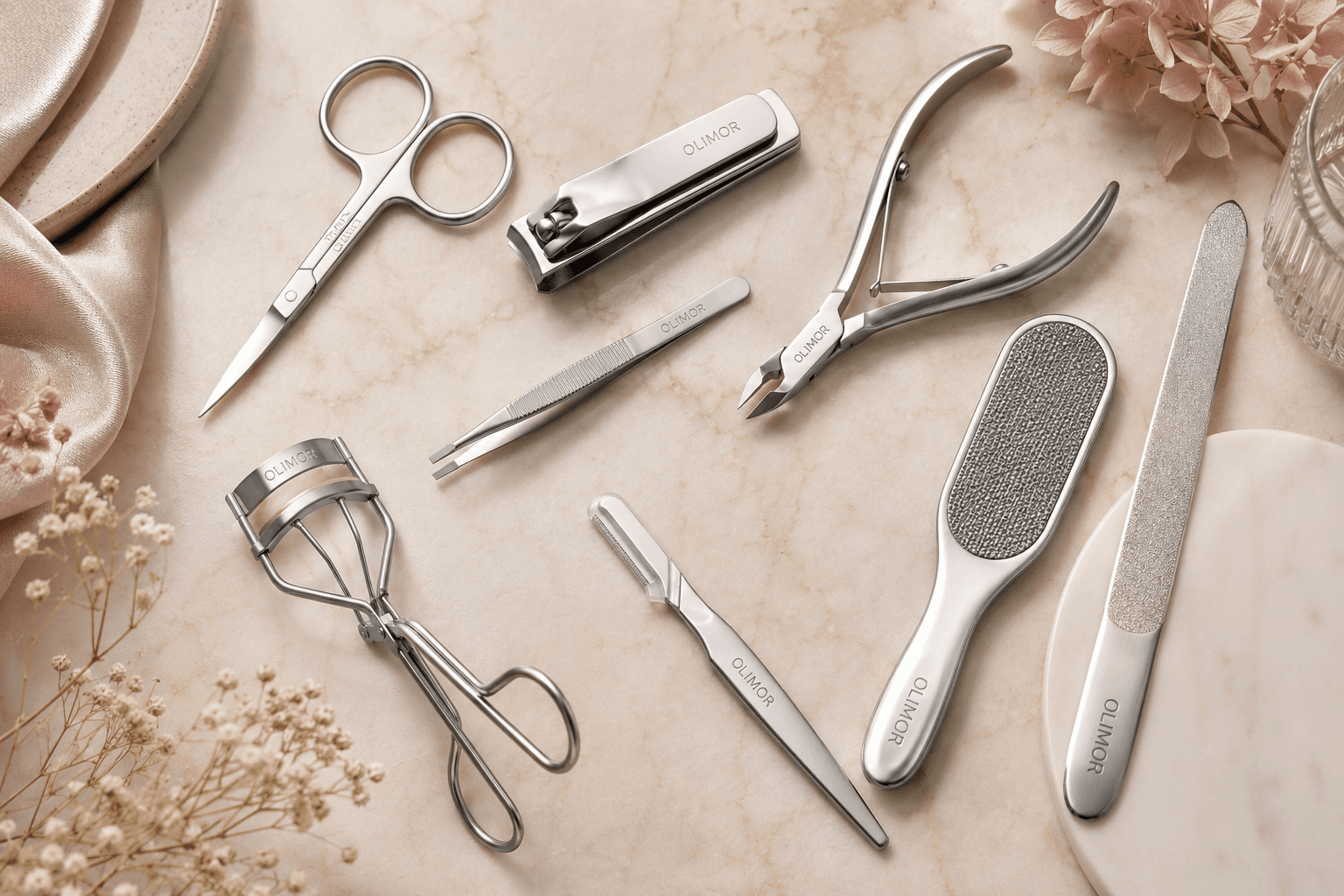
Olimor Beauty supplies stainless steel tweezers for professional and everyday grooming use, with options that can support wholesale purchasing and OEM/ODM development. The key is to define what the tool must do before comparing quotations. A brow shaping tweezer, a compact retail tweezer, and a precision model for detailed work may look similar in photos, but buyers should evaluate them differently.
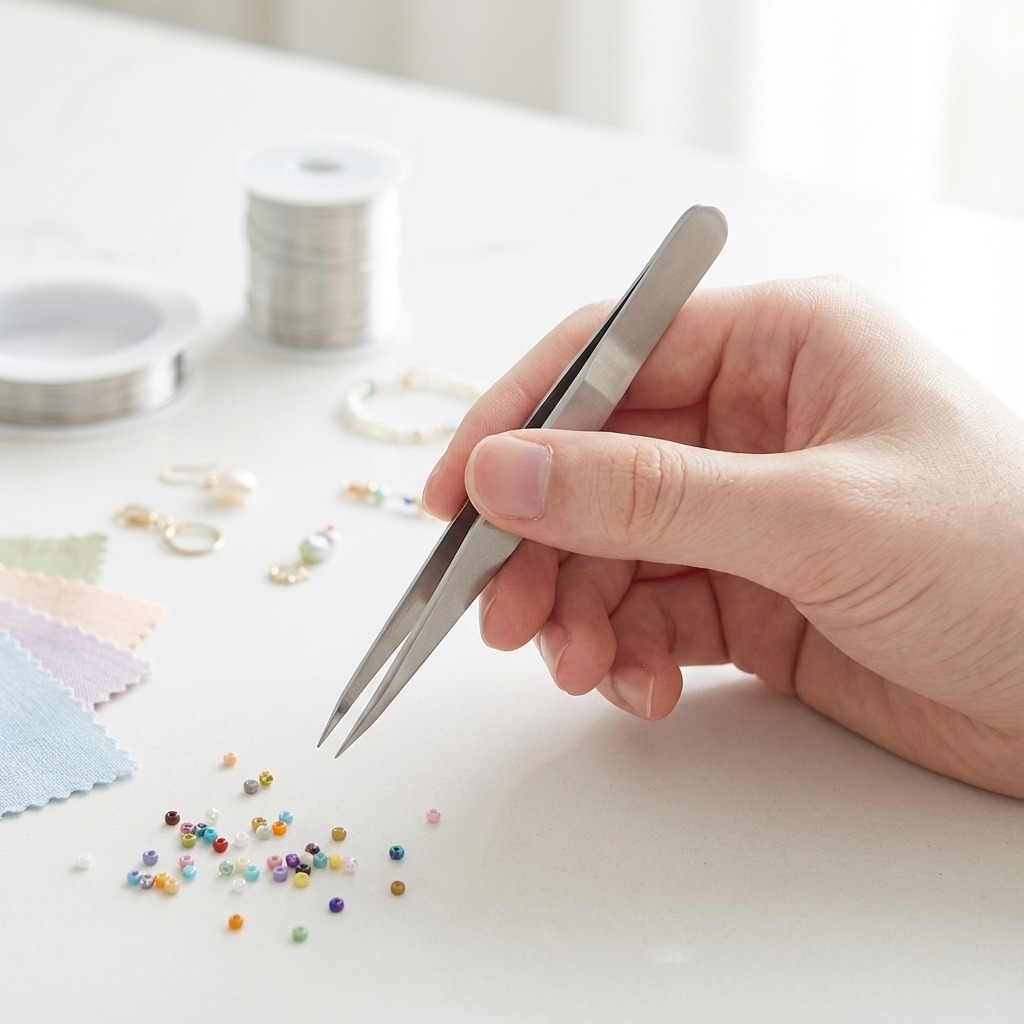
What a Global Tweezers Supplier Should Help You Control
A dependable supplier should help you control three areas: product performance, repeatability, and presentation. Performance includes tip alignment, closing tension, grip comfort, and the ability to remove fine hair without excessive pressure. Repeatability means the approved sample and bulk goods should feel and function consistently. Presentation covers surface finish, packaging format, labeling, and the way the item fits into your retail or professional range.
Stainless steel is commonly selected for tweezers because it is durable, suitable for repeated handling, and compatible with many beauty tool finishes. However, the material alone does not determine quality. Tip finishing, polishing, edge consistency, and inspection standards have a major impact on the user experience. If your market includes brow bars, salons, makeup artists, or discerning retail customers, the tweezer should close smoothly and grip predictably.
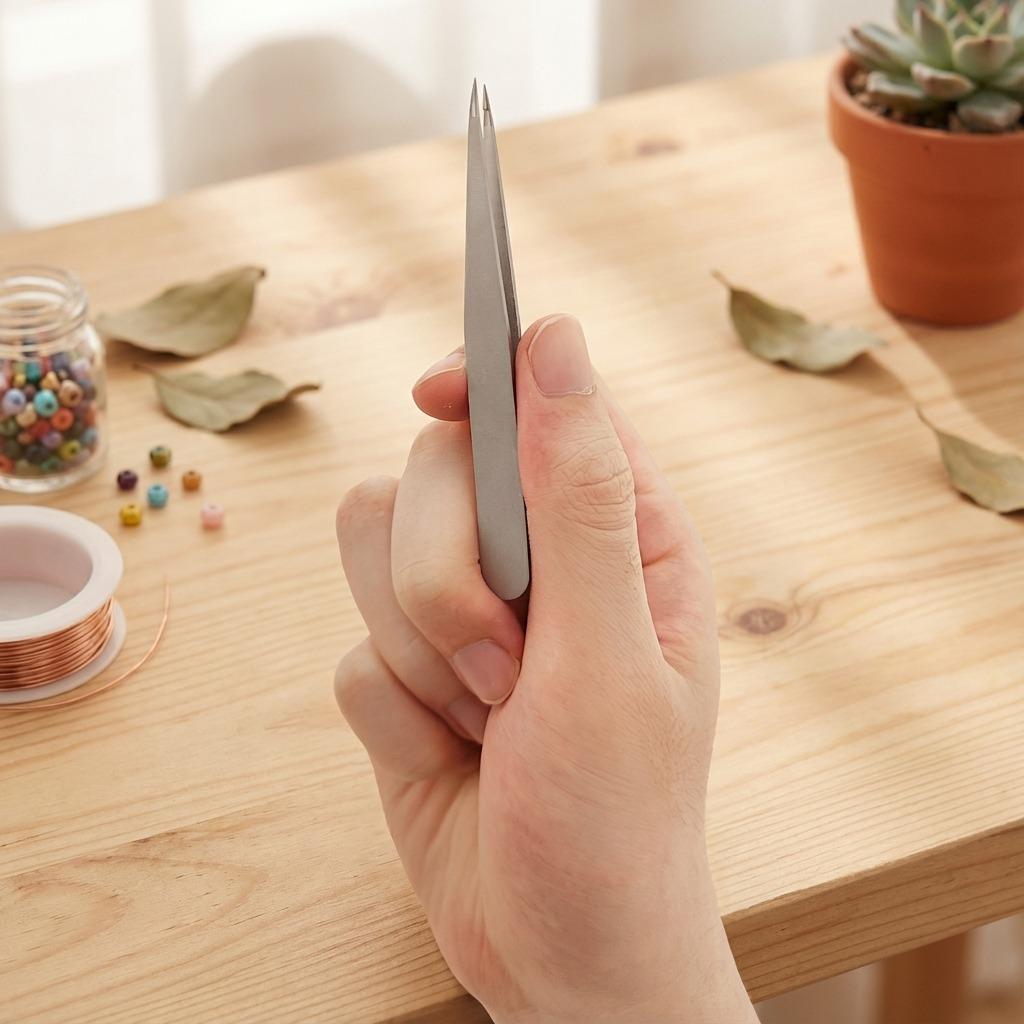
When you compare beauty tool products, keep the use case clear. Slanted tweezers are often preferred for brow shaping because they provide a practical angle for pulling individual hairs. Pointed or fine-tip shapes may suit detailed tasks, but they require careful quality control because even a small difference at the tip can affect accuracy. For general retail sets, comfort, durability, and packaging appearance may be as important as specialized performance.
How to Compare Cheap Wholesale Tweezers Without Buying Poor Quality
Many buyers search for cheap wholesale tweezers, but the lowest quote is rarely the best sourcing benchmark by itself. A better goal is controlled cost with an acceptable defect risk and a product that fits the sales channel. For example, a promotional giveaway tweezer may have different requirements from a salon-grade grooming tool or a private label retail item.
Use a structured comparison instead of only asking for the cheapest wholesale tweezers. Request samples that represent the exact finish, shape, and packaging direction you intend to order. Test the samples with fine hair, coarse hair, and repeated opening and closing. Check whether the tips meet evenly along the edge and whether the tension is comfortable after several uses.
- Tip alignment: The edges should meet cleanly, with no visible gap that prevents gripping fine hair.
- Grip performance: The tweezer should hold hair without slipping or cutting it before removal.
- Hand feel: Tension should be firm enough for control but not tiring during repeated use.
- Surface finish: Look for scratches, uneven coating, sharp burrs, or staining before approving bulk production.
- Packaging fit: Confirm whether the packaging protects the tips and suits retail display, e-commerce shipping, or professional kits.
- Batch consistency: Compare multiple pieces from the same sample lot, not only one hand-selected piece.
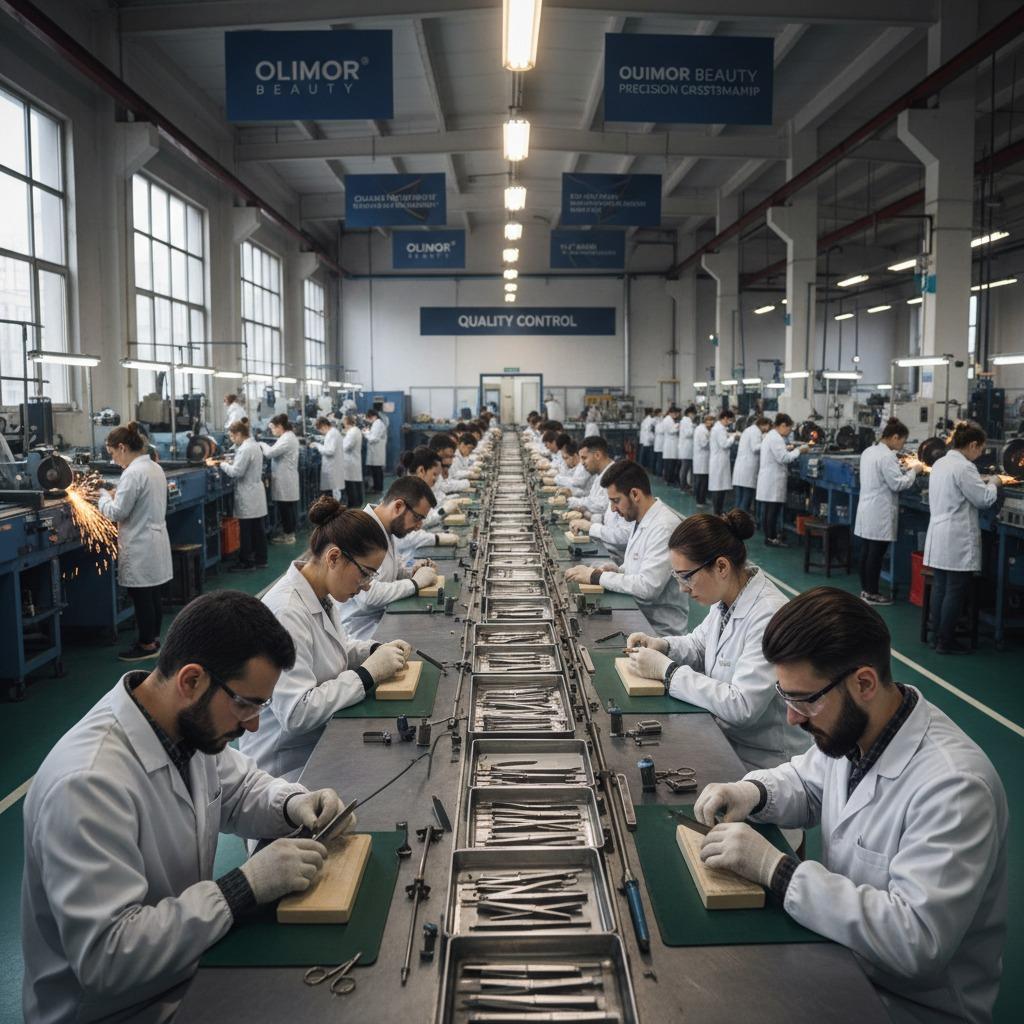
A supplier that focuses on quality checks from raw material selection through final packaging can help reduce surprises after shipment. Buyers should still define inspection expectations in writing, especially for tip matching, finish condition, labeling, and carton packing. This is particularly important when purchasing for multiple markets where retail returns or customer reviews can quickly expose small tool defects.
Key Specifications to Define Before OEM/ODM Development
OEM/ODM tweezers allow a buyer to adapt the product to a brand, channel, or customer segment. Customization may involve length, finish, ergonomics, and packaging. The more precise your specification is, the easier it is to compare samples and prevent misunderstandings. If you need a 95mm precision model for beauty or detailed work, state that requirement clearly, but also define the tip type, surface appearance, grip area, and packaging expectations.
Before development begins, prepare a simple specification sheet. It does not need to be complicated, but it should answer the questions that affect manufacturing and user experience. The following table is a practical starting point for sourcing discussions.
| Decision Area | Why It Matters | Buyer Notes |
|---|---|---|
| Tweezer shape | Determines the main use, such as brow shaping or detailed work. | Choose slanted, pointed, flat, or other styles based on target users. |
| Length | Affects control, portability, and perceived value. | Confirm if a compact retail size or a longer professional feel is preferred. |
| Tip finishing | Critical for gripping fine hair reliably. | Check alignment, edge smoothness, and consistency across samples. |
| Finish and color | Influences brand positioning and shelf appeal. | Confirm appearance, durability expectations, and acceptable color variation. |
| Ergonomics | Impacts comfort during repeated use. | Review tension, grip area, and hand feel with real users if possible. |
| Packaging | Protects tips and supports retail presentation. | Define individual packaging, logo placement, barcode needs, and carton requirements. |
OEM work usually starts with an existing base design that is adjusted to your brand requirements, while ODM development may involve broader design input. In either case, avoid approving a sample based on appearance alone. Tweezers are functional tools, and the closing action is central to customer satisfaction.
Wholesale Pricing: What Changes the Final Cost
Wholesale tweezer pricing can be influenced by material, finishing process, shape complexity, packaging, order quantity, inspection requirements, and customization. A plain stainless steel tweezer in simple packaging will usually be different in cost from a customized item with a special finish and branded retail pack. Buyers seeking the cheapest wholesale tweezers should separate necessary features from features that add cost without increasing sell-through.
For a value-focused order, consider whether the target customer needs decorative finishing or whether consistent tip performance matters more. For a premium beauty retail product, the finish, packaging, and tactile feel may justify a higher unit cost. For professional users, reliability and comfort are often more important than decorative details.
It is also useful to compare the total landed value rather than the ex-factory quote alone. Packaging volume, carton protection, rework risk, and product returns can all affect the real cost of ownership. A slightly higher quote with better consistency may be more profitable than a lower price that creates customer complaints or inspection failures.
Quality Checks Buyers Should Not Skip
Even when working with an experienced supplier, buyers should build quality checkpoints into the sourcing process. A practical process includes initial sample review, pre-production confirmation, production inspection, and final packaging review. For tweezers, the most important checks are often simple and physical: do the tips meet, do they grip, and does the product feel controlled in the hand?
- Review the first samples: Test several pieces, not only one. Compare tension, alignment, finish, and packaging.
- Confirm the approved standard: Keep an approved sample or reference photos for production comparison.
- Define acceptable variation: State expectations for finish, logo placement, tip alignment, and packaging condition.
- Inspect functional performance: Use real gripping tests rather than visual inspection only.
- Check shipment packing: Make sure tips are protected and cartons are suitable for transport and storage.
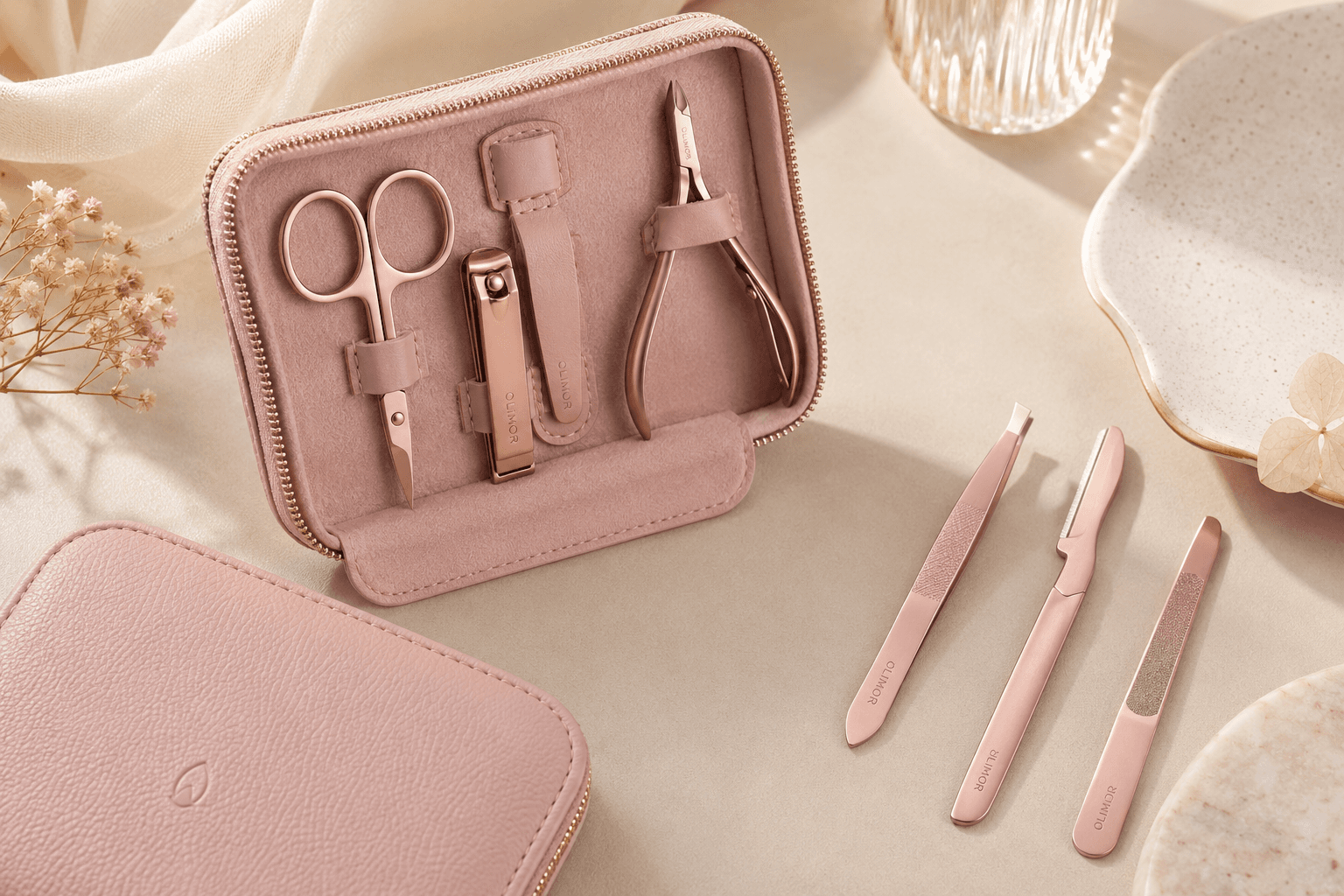
For branded orders, logo placement and packaging copy should be checked carefully before mass production. Small spelling errors, color differences, or barcode issues can delay retail distribution. If your range includes other grooming accessories, review the tweezer alongside your broader product collections so the finish and packaging feel consistent.
Choosing the Right Supplier Relationship
A strong supplier relationship should make future orders easier. Once a tweezer design is approved, the buyer can reorder with clearer standards, develop related shapes, or adjust packaging for different channels. This is especially useful for distributors and private label brands that need a dependable product family rather than a one-time purchase.
When evaluating Olimor Beauty or any global tweezers supplier, prepare your expected order purpose, target market, quality priorities, and customization needs before starting the conversation. Clear requirements help the supplier recommend an appropriate base product or development path. If you are comparing several options, use the same specification sheet for each quotation so the results are fair.
Buyers planning a custom stainless steel tweezer can send an inquiry with details such as preferred shape, length, finish, packaging style, and intended sales channel. For broader product planning or questions about coordinating tweezers with other beauty tools, you can also contact Olimor.
Final Sourcing Advice for OEM/ODM Tweezers
The best wholesale tweezer is not always the lowest-priced item or the most decorative sample. It is the tool that matches your customer, performs consistently, and can be produced to the same standard over time. Focus on tip alignment, grip performance, stainless steel durability, ergonomic handling, and packaging that protects the product. Then evaluate customization options only after the core function is right.
For beauty retailers, salons, distributors, and private label buyers, OEM/ODM tweezers can be a practical way to build a differentiated grooming range. Start with a clear specification, test samples carefully, and choose a supplier that can support both product quality and repeatable wholesale supply.
Tag: