Nail Clippers Wholesale Buying Guide for Salons and Retailers
Nail clippers wholesale sourcing is not just a price decision. For salons, spas, nail studios, beauty retailers and distributors, clippers are everyday tools that affect service speed, hygiene routines, customer trust and repeat sales. A clipper that feels unstable, tears the nail edge or dulls quickly can create more cost than it saves. A well-chosen wholesale assortment, on the other hand, helps teams work consistently and gives retailers a practical product category that customers replace and repurchase.
This guide focuses on how to evaluate nail clippers and related tools such as cuticle nippers for salons when building a B2B beauty supplies inventory. It covers product selection, quality inspection, assortment planning, packaging questions and supplier communication so buyers can make better decisions before placing a bulk order.
Why Nail Clippers Remain a Core Wholesale Beauty Tool
Nail clippers are simple products, but their demand is broad. They are used in professional manicure and pedicure services, sold as personal grooming accessories, added to travel kits, and included in retail nail-care sections. Because they serve both professional and consumer needs, they can support several business models: salon back-bar replenishment, retail shelf sales, spa guest amenities, promotional sets and distributor catalog expansion.
Wholesale purchasing also helps businesses keep tool availability stable. A salon cannot delay appointments because basic implements are unavailable, and a retailer cannot build customer loyalty if core grooming products are often out of stock. Buying in planned quantities allows teams to standardize the tools they use, simplify training and maintain more predictable replenishment cycles.
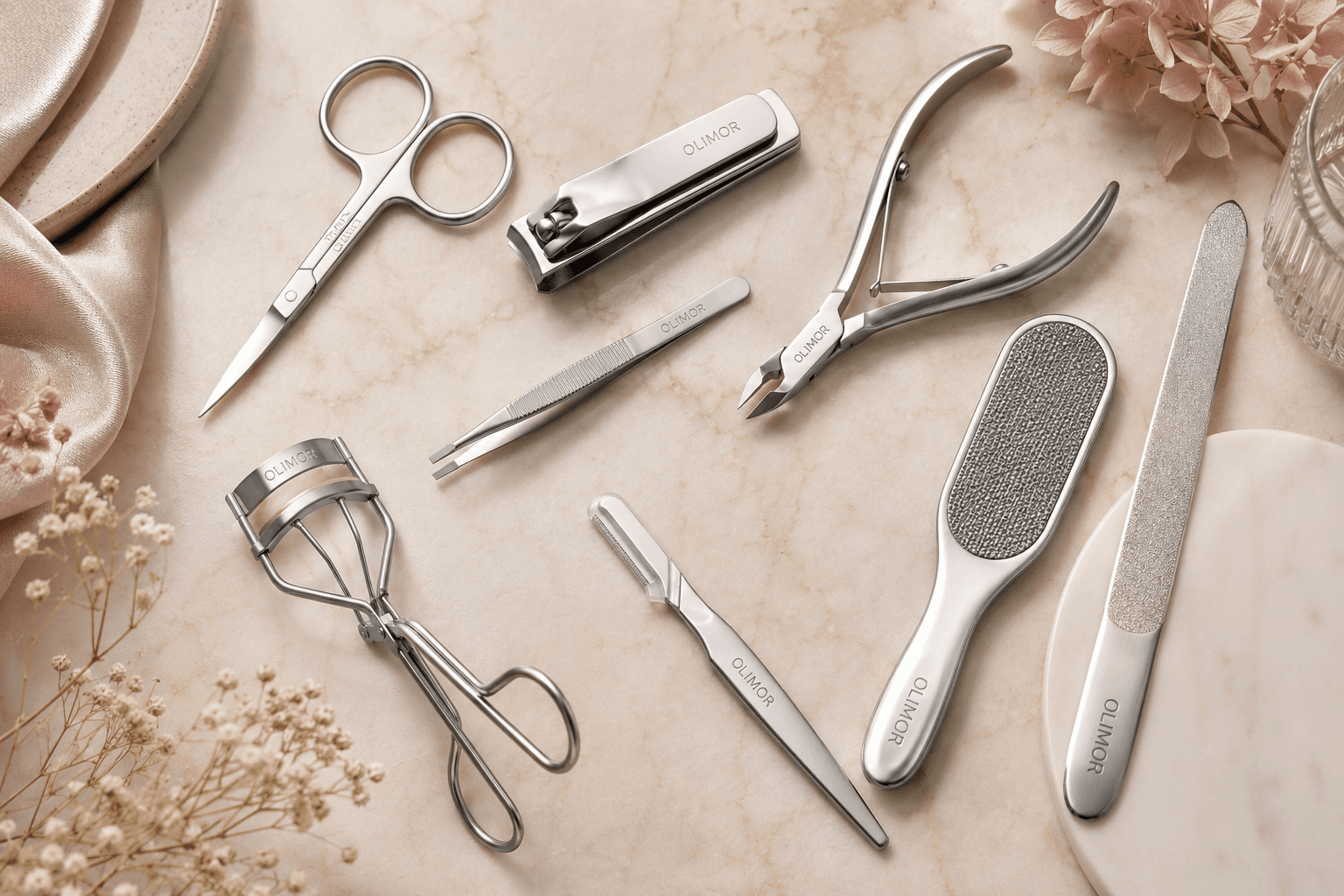
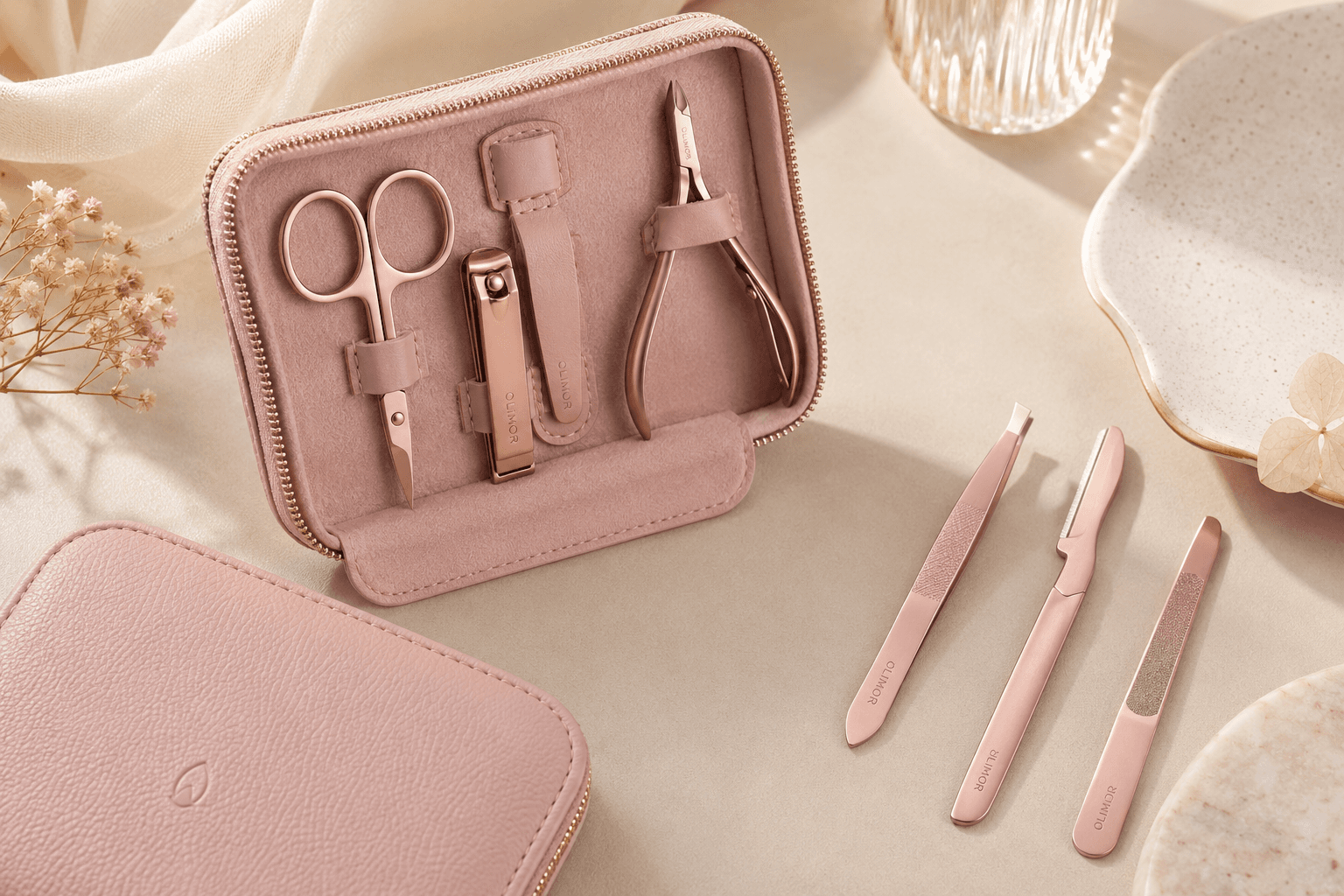
For buyers comparing beauty tool products, nail clippers should be reviewed alongside cuticle nippers, nail files, tweezers and other small grooming tools. A coordinated assortment is usually more useful than a single low-cost item because customers and technicians often need multiple tools for complete nail care.
How to Evaluate Nail Clippers Before a Bulk Order
Professional buyers should assess nail clippers with a combination of visual inspection and practical handling. Even when the product looks small and straightforward, several details influence performance. The cutting edge should align cleanly when the lever is pressed. The lever should move smoothly without feeling loose. The grip should be comfortable enough for repeated use, especially in a salon environment where technicians may handle tools throughout the day.
When details such as material grade, surface treatment or manufacturing method are not listed, use a neutral evaluation checklist before finalizing an order. This avoids relying only on photos or broad descriptions.
- Cutting alignment: Check whether both blades meet evenly from side to side without visible gaps.
- Edge finish: Look for a clean cutting edge that does not appear chipped, rough or uneven.
- Lever stability: Press the lever several times to confirm it returns smoothly and does not wobble excessively.
- Hand feel: Consider whether the clipper is easy to control with dry hands and when used repeatedly.
- Surface condition: Inspect for sharp burrs, staining, inconsistent plating or rough areas near the handle.
- Packaging protection: Confirm that products are packed to reduce scratching and damage during transit and storage.
- Use case fit: Separate fingernail, toenail, travel and retail display needs instead of buying one style for every purpose.
These checks are useful for salons buying service tools and for retailers building a resale range. They also help distributors compare samples from different suppliers in a structured way.
Choosing Between Nail Clippers and Cuticle Nippers for Salons
Nail clippers and cuticle nippers are related, but they are not interchangeable. Nail clippers are primarily used to shorten the nail plate. Cuticle nippers are designed for controlled detail work around cuticles and hangnails when used by trained professionals. Wholesale buyers should understand this distinction because customers may search for both, and salons often need both categories in their tool inventory.
For salon use, cuticle nippers should be evaluated with extra attention to tip alignment, spring action and handling control. A tool that is too stiff can cause fatigue, while one that feels unstable may reduce precision. Ergonomic handling matters because technicians often repeat small, detailed movements during services. The goal is not simply sharpness; it is predictable control.
Retailers should also decide how to present these tools responsibly. Nail clippers are suitable for broad consumer grooming needs, while cuticle nippers may require clearer usage guidance on packaging or in product descriptions. If your business sells through online channels, category names and descriptions should make the tool purpose clear to reduce returns and customer confusion.
Assortment Planning for B2B Beauty Supplies
A strong wholesale nail tool range usually includes more than one clipper format. Different end users have different priorities: a nail technician may value control and durability, a traveler may want compact size, and a retailer may need an affordable display-ready option. Before placing a wholesale order, map the assortment to the customer type and selling channel.
| Buyer Need | Suitable Product Focus | Evaluation Priority |
|---|---|---|
| Salon service use | Professional nail clippers and cuticle nippers | Comfort, cutting consistency and cleanability |
| Retail resale | Consumer-friendly nail clippers | Packaging clarity, appearance and price tier fit |
| Travel or amenity kits | Compact grooming tools | Size, safe storage and packaging protection |
| Distributor catalog | Multiple styles across categories | Reliable supply, SKU clarity and repeat ordering |
Assortment planning also includes deciding how many similar items are truly needed. Too many nearly identical SKUs can make purchasing and inventory control harder. Too few options can limit sales. A practical approach is to start with clear use cases: standard fingernail clipping, toenail clipping, professional cuticle care and compact grooming. From there, expand only when a customer segment or channel requires it.
Quality, Hygiene and Maintenance Considerations
For professional environments, tool performance is closely linked to hygiene and maintenance routines. Salons should follow applicable local sanitation rules and their own professional protocols for cleaning, disinfection, storage and replacement. Wholesale buyers should therefore look at whether tools are easy to wipe, inspect and store, not only whether they cut well on first use.
Maintenance expectations should be realistic. Nail clippers and cuticle nippers are precision grooming tools, and their edges can be affected by drops, improper storage, harsh handling or cutting materials they were not designed for. For salons, keeping separate tools for different services and inspecting them regularly helps reduce service interruptions. For retailers, customer instructions should be simple and practical: keep tools dry after cleaning, store them away from loose hard objects, and replace them when the edge no longer cuts cleanly.
Packaging can support maintenance communication. Even a concise insert or back-card note can help customers understand safe handling and proper storage. For wholesale buyers, this is especially relevant when products are sold through e-commerce, where customers cannot feel the product before purchase.
Packaging and Sourcing Questions That Matter
Packaging is often treated as a final step, but it can affect shipping damage, retail presentation and customer confidence. A clipper that arrives scratched or loose inside packaging may be perceived as low quality even if the cutting edge is acceptable. Buyers should consider whether the packaging is intended for salon bulk storage, retail peg display, online shipping or inclusion in a set.
When comparing wholesale options, prepare questions around the decisions that affect your channel:
- Which clipper and nipper styles best match the intended use: salon service, retail sale, travel kit or distributor range?
- How are products protected during packing to reduce scratching, blade contact or movement in transit?
- What product information can be included on packaging, such as tool purpose, care guidance or barcode requirements?
- Can samples be reviewed before a larger purchase so cutting alignment, hand feel and packaging quality can be checked?
- How are product variations identified to avoid confusion between similar SKUs during reordering?
These questions do not require assuming specifications that have not been provided. They create a practical sourcing framework that helps both buyer and supplier confirm expectations before production or shipment.
Working With Olimor Beauty for Wholesale Nail Tools
Olimor Beauty serves businesses looking for B2B beauty supplies, including nail clippers wholesale options and related grooming tools such as cuticle nippers for salons. For buyers, the most productive way to work with a supplier is to share the intended sales channel, target customer and packaging needs early. A salon replenishment order may have different priorities from a retail program or distributor assortment.
If you are reviewing options across categories, browse Olimor product collections to compare how nail tools can fit with other beauty accessories. For project-specific sourcing, packaging or assortment questions, you can send an inquiry with your requirements. Businesses that need direct communication can also contact Olimor to discuss suitable product directions.
Wholesale nail clippers are small items, but they carry a large responsibility in daily grooming and professional service. By evaluating cutting performance, comfort, packaging, hygiene needs and channel fit, buyers can build an inventory that is easier to manage and more useful to customers. The best wholesale decision is not simply the lowest unit cost; it is the option that supports consistent use, clear presentation and repeat purchasing over time.
Tag: