How to Choose a Nail Clippers Supplier for Cruelty-Free Personal Care Tools
Finding the right nail clippers supplier is not only about buying a sharp tool at a competitive price. For beauty brands, distributors, salons, hotel amenity buyers and personal care retailers, nail clippers sit in a category where small design details affect comfort, perceived quality and repeat sales. A clipper that feels weak, leaves a rough edge or arrives with inconsistent finishing can quickly damage customer trust.
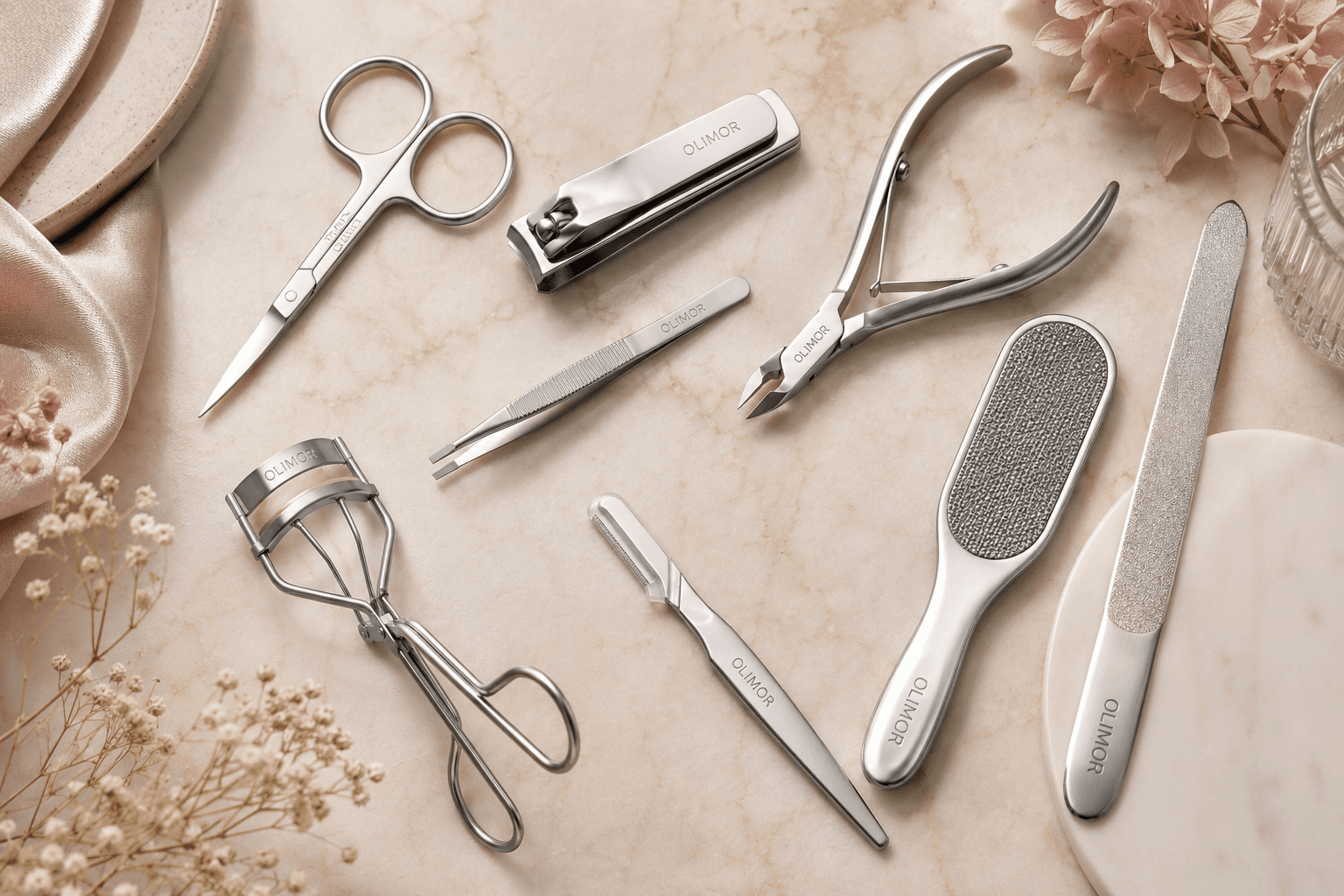
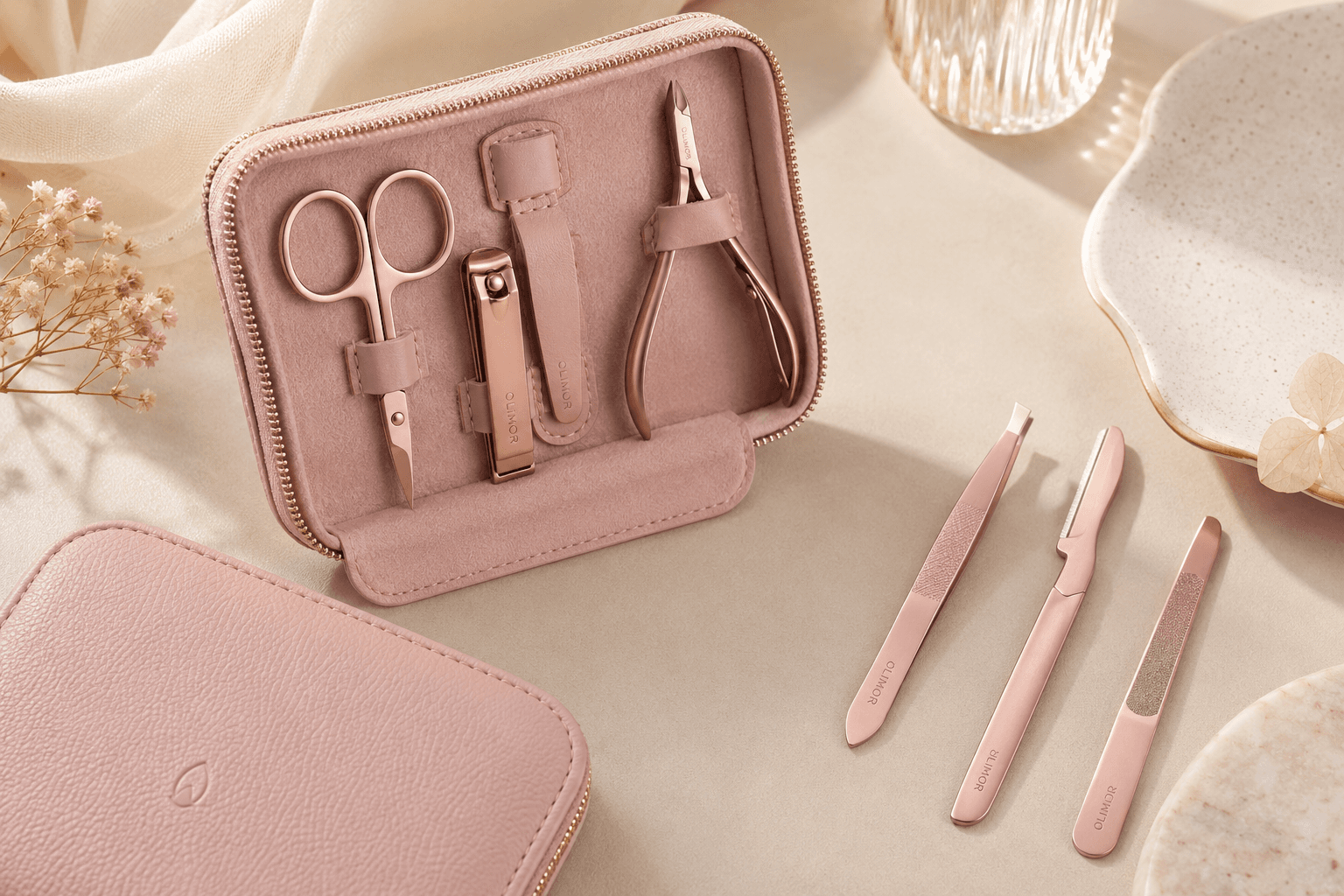
Olimor Beauty supplies personal care and beauty tools for buyers who need practical, reliable grooming products, including stainless steel nail clippers. The goal when sourcing is to balance cutting performance, durability, appearance, packaging suitability and responsible positioning. If your brand also promotes cruelty-free values, your supplier evaluation should include clear questions about materials, production practices and documentation rather than relying on vague marketing language.
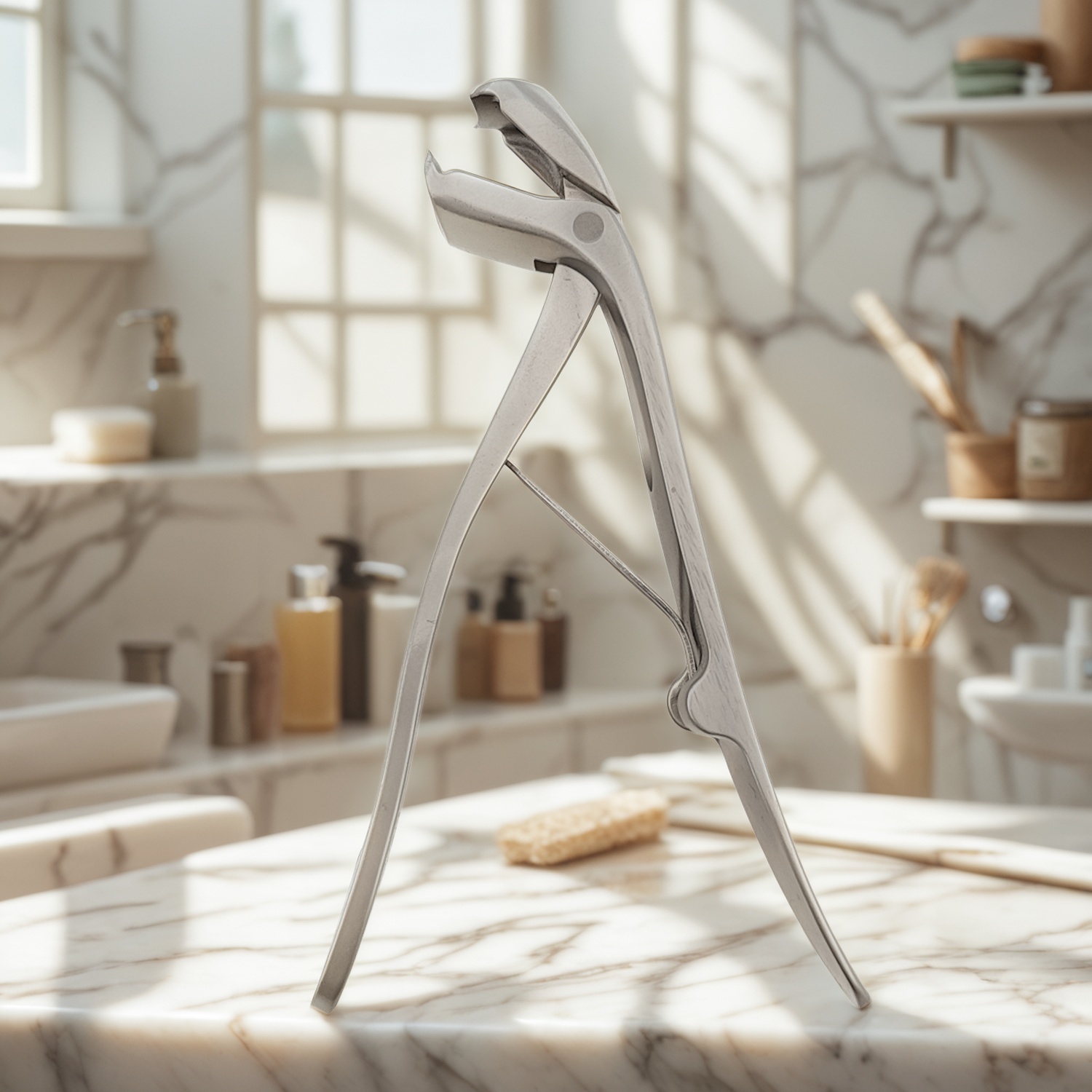
Why Nail Clippers Require Careful Supplier Selection
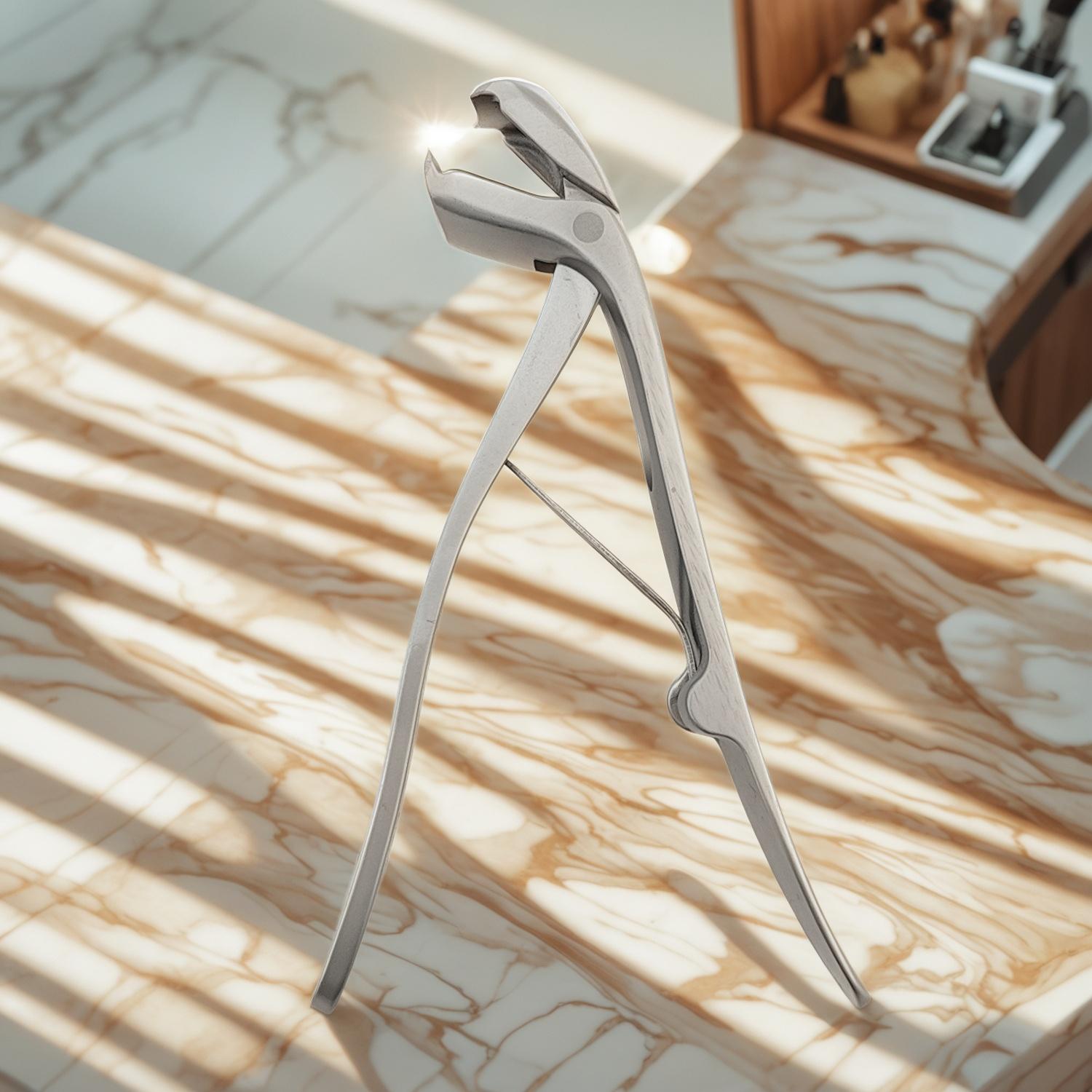
Nail clippers look simple, but they involve several quality-sensitive elements: the cutting edge, lever tension, hinge alignment, surface finishing and corrosion resistance. A small error in any one of these areas can create a poor user experience. For example, blades that do not meet cleanly may crush the nail instead of cutting it. A lever that is too loose can feel cheap, while one that is too stiff may be uncomfortable for daily use.
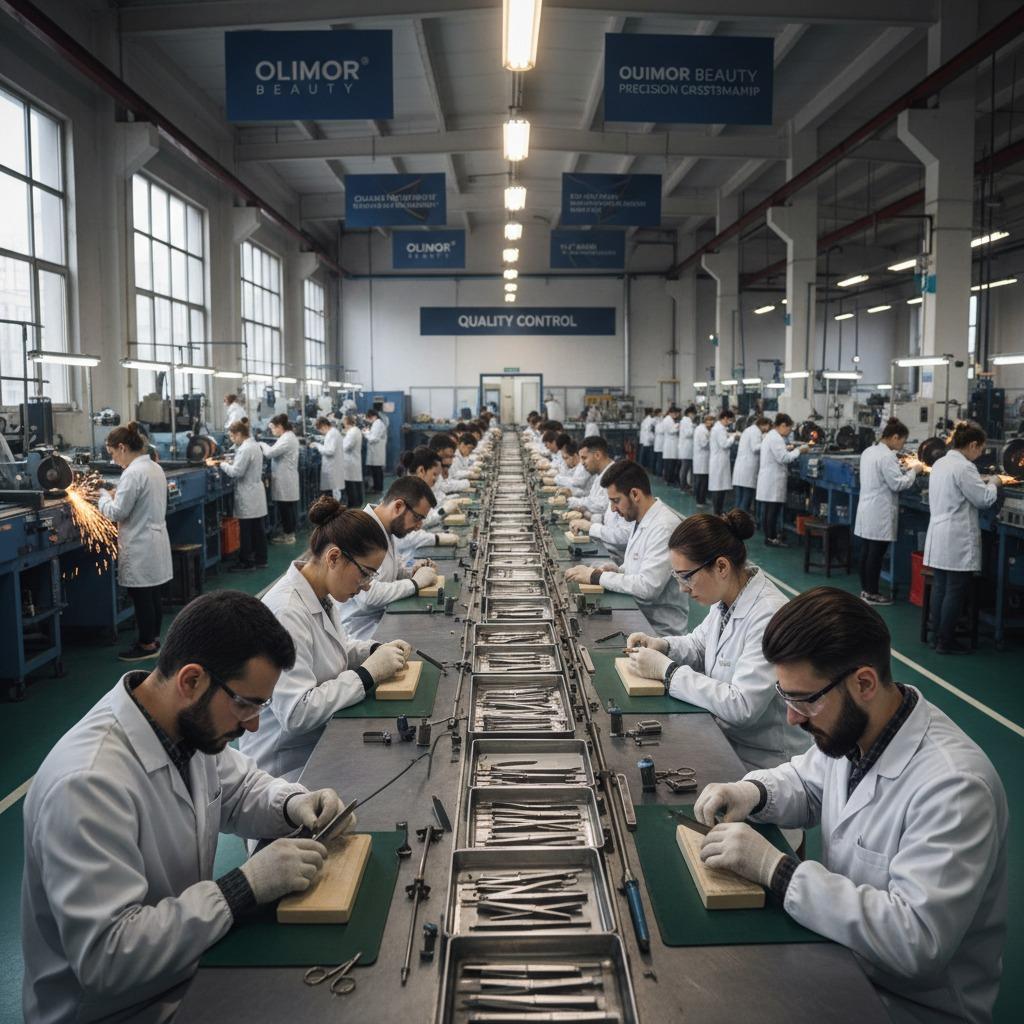
For businesses, the risk is multiplied across cartons of stock. A retail brand may face returns. A salon may lose time replacing tools. A distributor may need to explain variation between batches. That is why a supplier should be assessed on more than catalogue photos. Buyers should consider how the tool is made, how consistency is checked and whether the supplier understands the expectations of beauty and personal care channels.
When comparing beauty tool products, look for suppliers who can discuss practical product performance in plain terms: how the clipper feels in the hand, how the edge is protected during packing, how metal surfaces are finished and how the design supports safe, controlled trimming.
Key Quality Checks for Stainless Steel Nail Clippers
The original product information highlights stainless steel tools, sleek finishing and resilient engineering. Stainless steel is widely used for nail clippers because it offers strength and corrosion resistance suitable for personal care environments. However, the material alone does not guarantee a dependable product. Buyers should review the full construction and finishing standard.
Use the checklist below when evaluating samples or discussing a nail clipper order:
- Cutting alignment: The upper and lower cutting edges should meet evenly from side to side without visible gaps.
- Sharpness and cut quality: The clipper should trim cleanly without tearing, bending or leaving excessive roughness.
- Lever feel: The lever should open and close smoothly with controlled resistance, not wobble or stick.
- Surface finish: Edges, corners and the underside should feel smooth enough for handling and packaging.
- Corrosion resistance: Ask how the product is protected during storage, shipping and normal bathroom use.
- Batch consistency: Samples should represent the expected production finish, not a specially polished one-off piece.
- Packaging fit: The clipper should not move excessively inside packaging, which can cause scratches or damage in transit.
For larger sourcing projects, it is useful to create an internal approval sample. This gives your purchasing, quality and marketing teams one physical reference point when checking future shipments.
What Cruelty-Free Means for Metal Beauty Tools
For cosmetics, cruelty-free usually refers to animal testing policies. For metal beauty tools such as nail clippers, the conversation is slightly different. The product is not a liquid formula, but buyers still need to consider brand values, production claims, packaging components and any accessory materials. Olimor Beauty is positioned as a cruelty-free beauty tools manufacturer, and buyers who build cruelty-free ranges should support that claim with clear internal standards.
A practical cruelty-free sourcing review may include the following questions:
- Are animal-derived materials used in the tool, pouch, adhesive, label or packaging decoration?
- Is the product promoted with any testing claim that requires written confirmation?
- Are marketing terms such as cruelty-free, vegan or animal-friendly being used accurately for the specific item?
- Does the final packaging avoid confusing claims that cannot be supported in your sales region?
- Can the supplier provide neutral product information that your compliance team can review before printing?
This approach helps avoid overclaiming. A stainless steel nail clipper can fit well into a cruelty-free personal care assortment, but the language on packaging and product pages should be precise. Responsible brands do not need exaggerated promises; they need claims that are understandable and defensible.
Design Details That Affect Daily Use
Good nail clippers should be easy to control. Ergonomic design, mentioned in the existing product information, matters because trimming nails requires accuracy. A clipper used at home, in a salon or as part of a travel grooming set should feel stable between the fingers and should allow the user to see what they are cutting.
Design choices to compare include the width of the cutting head, the curve of the blades, the length of the lever and the grip texture. A wider jaw may suit toenails or heavier nails, while a smaller head is often preferred for fingernails and travel kits. A smooth, polished surface may look refined in retail packaging, but it should not become slippery in use. If the tool includes a file or catcher, those features should be checked for comfort and durability rather than assumed to add value.
Different sales channels may need different priorities. A salon buyer may value repeat cleaning and long service life. A retailer may focus on appearance, packaging and price point. A hotel or amenity buyer may prefer compact size and reliable basic function. Before choosing from product collections, define the user scenario clearly so the supplier can recommend a suitable direction.
Supplier Comparison Criteria for Beauty Businesses
When sourcing from a personal care tools manufacturer in Asia, buyers often compare multiple suppliers at once. A structured comparison prevents decisions from being based only on the lowest quotation or the most attractive photo. The table below shows useful evaluation areas for nail clippers.
| Evaluation area | What to check | Why it matters |
|---|---|---|
| Product performance | Cutting edge, lever tension, hinge stability and smooth handling | Directly affects customer satisfaction and returns |
| Material and finish | Stainless steel construction, surface polish, burr control and corrosion prevention | Influences durability, appearance and perceived quality |
| Cruelty-free alignment | Material inputs, packaging components and claim wording | Protects brand credibility for ethical personal care ranges |
| Quality inspection | Sample approval, batch checks and packaging protection | Reduces inconsistency between orders |
| Communication | Clear responses on use case, packaging and sourcing requirements | Improves project efficiency and reduces misunderstandings |
This framework is especially useful for private label projects, retail replenishment and distributor assortment planning. It encourages a complete conversation about the product instead of focusing only on unit cost.
Packaging, Storage and Maintenance Considerations
Nail clippers are often stored in humid bathrooms, salon drawers, travel cases or retail display environments. Packaging should protect the cutting edge and surface finish during shipping while also presenting the tool clearly to the end user. For retail, visibility and anti-scratch protection are important. For professional or bulk use, efficient packing and easy handling may matter more.
Maintenance guidance can also improve customer satisfaction. Users should wipe the clipper after use, keep it dry before storage and avoid using it on materials other than nails. If the tool is used in a professional setting, cleaning procedures should follow the business’s hygiene rules and local requirements. Simple care instructions on packaging or product pages can reduce misuse and extend the perceived life of the item.
Buyers should also consider how nail clippers are handled before they reach the customer. Long shipping routes, warehouse temperature changes and carton pressure can affect packaging appearance. Edge protection, inner packing and carton strength should be part of the sourcing conversation, especially for polished tools where visible scratches can reduce retail appeal.
Working With Olimor Beauty on Nail Clipper Sourcing
Olimor Beauty serves buyers looking for reliable grooming and personal care tools with a focus on quality checks, practical design and cruelty-free beauty tool positioning. For a nail clipper project, the strongest starting point is a clear product brief. Include the sales channel, target user, preferred packaging type, expected finish, claim requirements and any testing or documentation your market requires.
If you are building a new grooming range, replacing an inconsistent supplier or comparing stainless steel tool options, review available product directions and then prepare sample evaluation criteria before placing a larger order. This makes it easier to judge comfort, finish and cutting performance consistently across your team.
To discuss nail clippers or related personal care tools, you can contact Olimor with your sourcing requirements. If you already have a clear brief, packaging direction or sample reference, you may also send an inquiry so the team can review the project details. A careful selection process at the beginning helps create a tool that feels dependable in everyday use and supports the quality expectations of your beauty business.
Tag: