

Nail Clippers OEM Solutions for Personal Care Brands
Nail clippers look simple, but buyers know they can make or damage a personal care assortment. A clipper that feels dull, slips in the hand, leaves rough nail edges or shows rust too quickly creates complaints that are difficult for a brand to recover from. For retailers, importers, private-label beauty brands and grooming kit developers, nail clippers OEM sourcing should be treated as a product development decision, not only a price comparison.
Olimor Beauty supports OEM nail clipper projects for brands that need dependable personal care tools with practical design thinking. The goal is not to add unnecessary complexity. It is to define the right clipper for the target user, choose materials and finishes carefully, confirm the cutting experience, and make packaging decisions that fit the sales channel. Whether the product is sold as a single grooming item, part of a manicure kit, or included in a broader personal care line, clear requirements at the beginning help prevent quality issues later.
What Makes a Nail Clipper Suitable for OEM Development?
An OEM nail clipper project usually begins with a base product direction: size, shape, cutting edge style, handle form, finish and packaging. The best choice depends on how the end customer will use it. A compact clipper for travel has different priorities from a larger toenail clipper or a product intended for salon retail. A budget-friendly clipper for high-volume retail still needs stable cutting performance, while a more premium item may focus on hand feel, finish consistency and presentation.
For nail clippers, the most important quality is the relationship between blade alignment, spring force and leverage. If the cutting edges do not meet correctly, the user may need to press harder or clip the same nail more than once. If the lever feels too loose or too stiff, the product feels unreliable even before long-term use. This is why OEM selection should include functional evaluation, not only visual approval.
Stainless steel is commonly valued in personal care tools because buyers associate it with durability and easier maintenance. However, the final performance also depends on forming, sharpening, surface treatment and inspection. A good sourcing conversation should cover how the clipper will cut, how it will feel in the hand, how the finish will hold up under normal use, and how the final packaged product will be protected during shipping.
Design Details That Influence Cutting Comfort
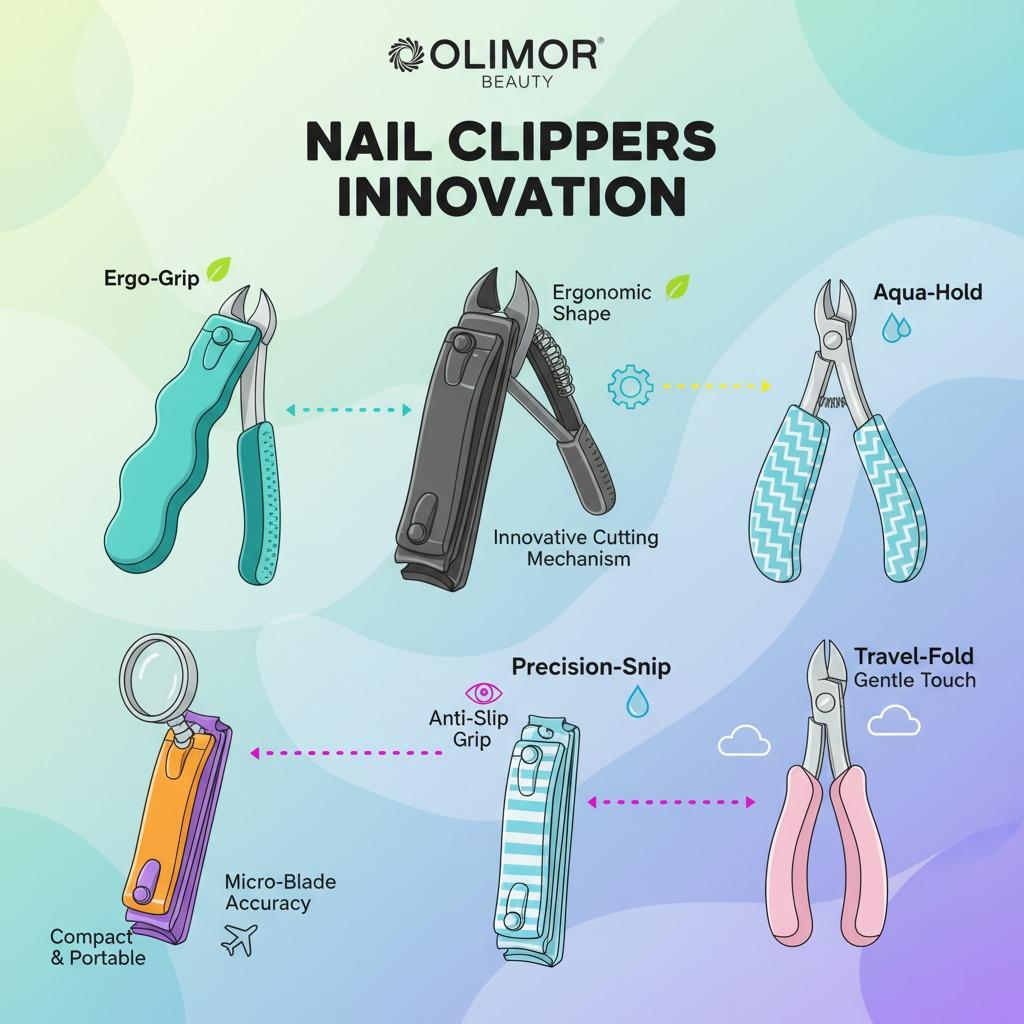
Design innovation in nail clippers does not have to mean unusual shapes or decorative features. In many cases, better design comes from small practical improvements that help the user trim nails cleanly and comfortably. Ergonomic shapes, anti-slip grip areas and well-balanced lever resistance can reduce hand fatigue, especially for users who trim multiple nails at once or prefer a firmer hold.
When reviewing OEM options, consider these design points before confirming a style:
- Clipper size: Smaller clippers are convenient for fingernails and travel kits, while larger clippers can offer better leverage for thicker nails.
- Cutting curve: A curved cutting edge may feel familiar for fingernails; the intended use should guide the blade profile.
- Lever shape: A wider or textured lever can help the user press more confidently without slipping.
- Edge alignment: The upper and lower cutting edges should meet cleanly across the cutting surface.
- Finish choice: Rust-resistant finishes and smooth surfaces support a cleaner appearance and a better shelf impression.
- Portability: If the clipper is for travel or kits, compact size and protective packaging become more important.
For many brands, the right nail clipper is not the most complicated one. It is the one that gives the target customer a clean trim, comfortable pressure and a consistent appearance across production. Buyers comparing beauty tool products should look for practical value rather than decorative changes that do not improve the user experience.
Quality Checks Buyers Should Build Into the Sourcing Process
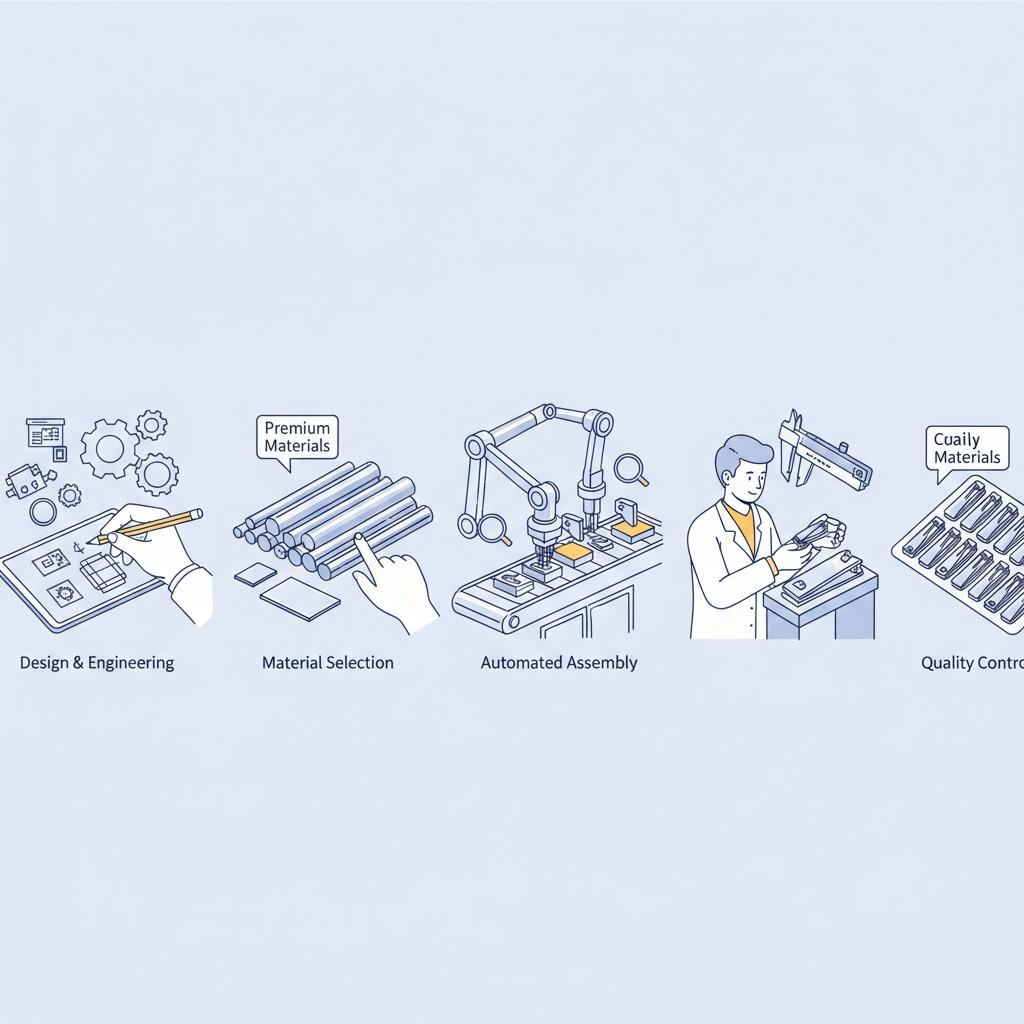
Quality assurance for nail clippers should cover more than the final carton. The original material selection, forming, surface finishing, assembly and final inspections all influence whether the product feels dependable. A clipper can look acceptable in photos but still fail a hands-on review if the edges catch, the lever wobbles or the surface has rough points.
The following checklist helps buyers define inspection expectations without relying on vague terms such as “good quality”:
- Visual inspection: Check for scratches, stains, burrs, uneven plating, discoloration and inconsistent logo placement if branding is applied.
- Cutting test: Confirm that the edges meet properly and cut cleanly without tearing or excessive pressure.
- Lever action: Test whether the lever opens, closes and presses smoothly with stable resistance.
- Hand feel: Review whether edges, corners and grip areas are comfortable during normal use.
- Surface finish: Evaluate whether the finish is uniform and appropriate for the product positioning.
- Packaging fit: Make sure the product is secure inside the packaging and not likely to rub, scratch or shift during transport.
- Carton review: Check packing method, labeling requirements and protection for long-distance shipping.
These checks are useful for both entry-level and premium nail clippers. The standards may vary by price point, but the method should be consistent. A reliable OEM process makes defects easier to detect before products reach the sales channel.
Packaging and Branding Choices for OEM Nail Clippers
Packaging is a major part of the OEM decision because nail clippers are often purchased quickly. A customer may compare products on a shelf, marketplace page or in a kit presentation within seconds. Clear packaging should communicate the product type, size, intended use and care information without making unrealistic claims.
Common packaging goals include retail visibility, compact shipping, kit compatibility and brand consistency. A single nail clipper may need a carded presentation or a simple protective pack. A clipper included in a manicure set may require coordinated placement with other tools. For e-commerce, packaging must also protect the product from surface damage and keep the item presentable after shipping.
Branding should be planned early. If a logo, color direction, finish or insert card is needed, the design should be reviewed together with the product sample. A logo that looks clear on a flat design file may not appear the same on a curved or reflective metal surface. Buyers should also consider whether the packaging language matches the market, whether care instructions are clear, and whether barcode or labeling space is available.
Balancing Cost, Durability and User Experience
Affordable nail clipper solutions are important for sustainable growth, but the lowest unit price can become expensive if complaints, returns or inconsistent batches appear. Cost control works best when the buyer defines which features truly matter to the customer and which features are unnecessary for the sales channel.
For example, a promotional grooming tool may prioritize simple construction, clean cutting and compact packaging. A retail beauty tool line may need stronger attention to finish, hand feel and packaging presentation. A travel kit may prioritize size consistency and safe packing with other accessories. By matching the product to the use case, brands can avoid overbuilding the item while still protecting customer satisfaction.
Olimor Beauty focuses on OEM solutions that combine design practicality with dependable inspection steps. Instead of treating nail clippers as generic metal accessories, buyers can define a product that fits the market: a clean-cutting daily grooming tool, a compact travel item, or a coordinated accessory in a personal care set. To compare related options, browse Olimor product collections and identify how the nail clipper should sit within your broader assortment.
Questions to Clarify Before Starting a Nail Clipper OEM Project
Before confirming an OEM nail clipper order, prepare a concise product brief. This keeps communication efficient and reduces the risk of sample revisions caused by unclear expectations. A useful brief does not need to be complicated; it should describe the target market, expected positioning and practical product requirements.
| Decision Area | What to Define | Why It Matters |
|---|---|---|
| End user | Fingernail, toenail, travel, kit or general grooming use | Guides size, cutting curve and leverage |
| Product feel | Lightweight, sturdy, compact or premium hand feel | Shapes material, finish and lever choices |
| Finish | Clean metal appearance, rust-resistant finish or other approved surface direction | Affects shelf appeal and maintenance expectations |
| Branding | Logo placement, packaging artwork and labeling needs | Prevents late-stage design conflicts |
| Inspection focus | Cutting test, surface review, packaging check and carton protection | Supports consistent batch quality |
When these details are documented, the OEM process becomes more predictable. It is easier to evaluate samples, compare alternatives and approve a product that matches the customer’s expectations rather than relying on assumptions.
Working With Olimor Beauty on OEM Nail Clippers
A strong nail clipper program starts with practical specifications and honest evaluation of the end use. Olimor Beauty can support buyers in reviewing product direction, design details, packaging needs and inspection priorities for OEM nail clippers. The process is especially useful for brands that want stainless steel personal care tools with reliable cutting performance, ergonomic thinking and finishes suited to daily grooming.
If you are building a new grooming line, refreshing an existing manicure assortment or adding a clipper to a kit, prepare your product target, packaging preference and quality concerns before the first discussion. You can send an inquiry with your project details or contact Olimor to discuss how an OEM nail clipper solution can fit your brand’s sales channel and customer expectations.
Tag: