

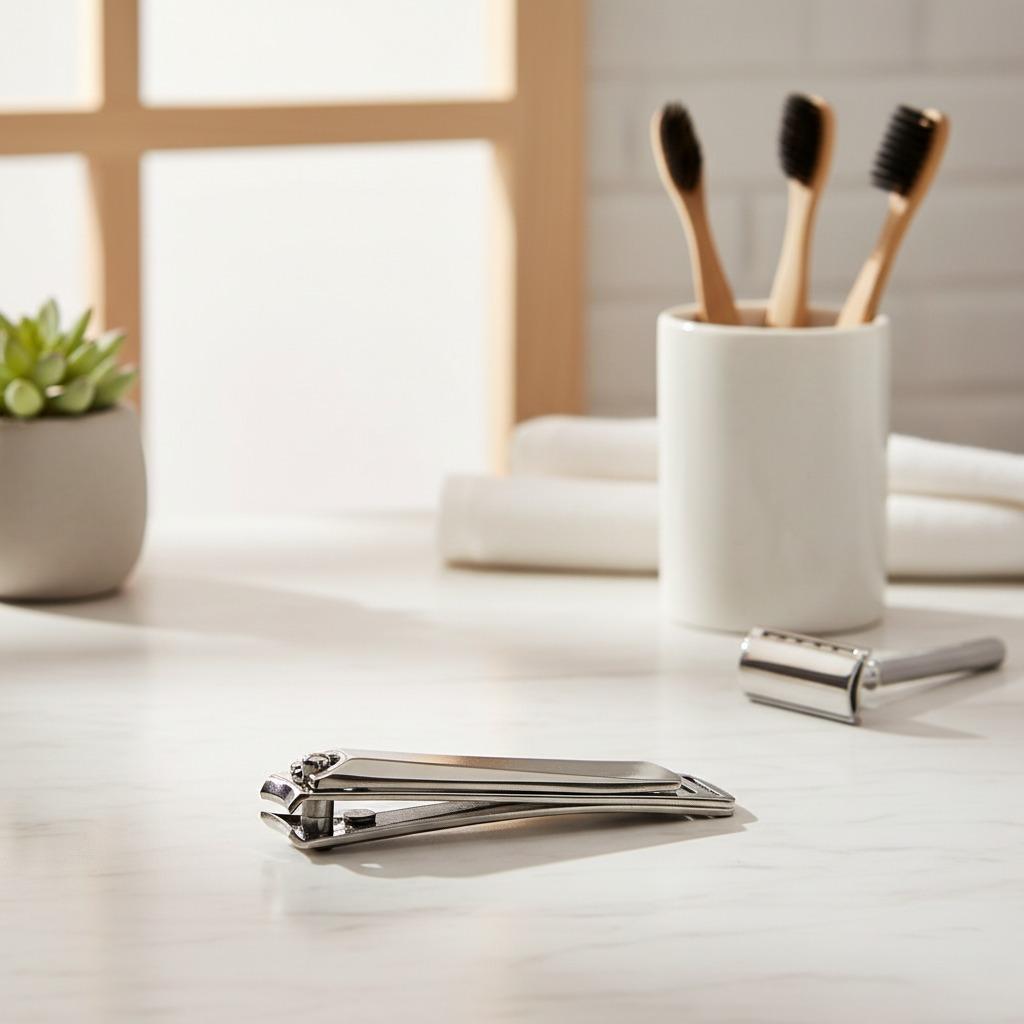
Nail Clipper ODM: Design, Sourcing and Quality Checks for Beauty Brands
A nail clipper may look simple, but for beauty brands, personal care retailers and grooming kit developers, it is a product where small design choices can strongly affect customer satisfaction. A sharp cutting edge, comfortable handle pressure, corrosion-resistant finish and tidy packaging all contribute to whether the tool feels dependable in daily use. For brands building a grooming range, nail clipper ODM services can help turn a product idea into a practical, retail-ready item without starting every engineering detail from zero.
Olimor Beauty works with beauty tools including stainless steel nail clippers designed for durability, ease of use and a polished appearance. If you are comparing a custom made nail clipper project with standard private-label sourcing, the key is to understand which details matter most: cutting geometry, ergonomics, material selection, finishing, inspection and packaging. This guide explains how to approach those decisions so your next nail clipper project is more controlled and better aligned with your market.
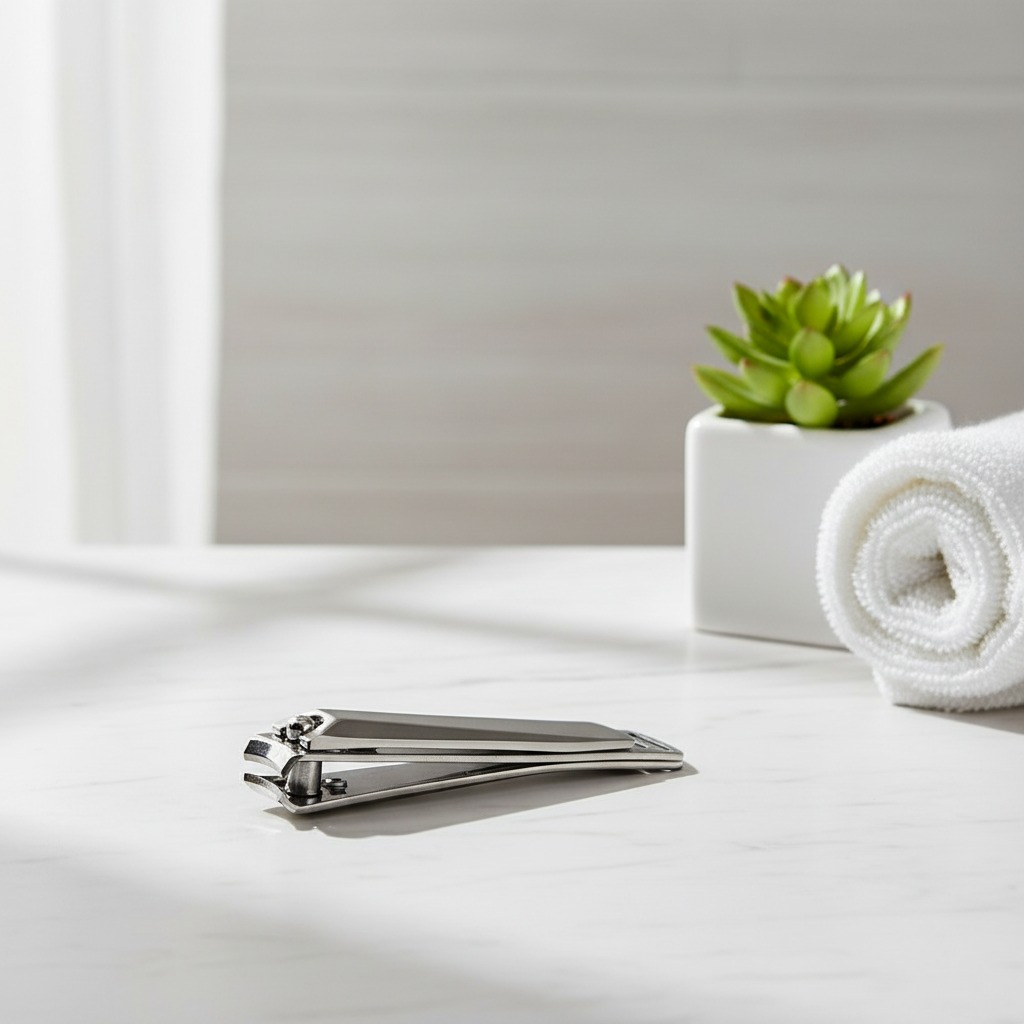
Why Nail Clipper ODM Is Different from Buying a Generic Tool
ODM sourcing is useful when a brand wants more than a plain, commodity grooming tool. Instead of choosing only from a basic catalog item, an ODM discussion can include functional details and presentation choices that suit your brand position. For example, a travel grooming set, a professional salon retail line and a premium gift kit may all need nail clippers, but they should not necessarily use the same handle shape, surface finish or packaging structure.
With nail clipper ODM, the objective is to balance design identity with reliable everyday performance. A clipper that looks sleek but feels awkward in the hand will not support repeat purchases. A clipper that cuts well but arrives in weak packaging may not fit a retail display or e-commerce unboxing experience. A good development process considers both product engineering and the way the end user will encounter the item.
Brands exploring broader assortments can also compare nail clippers with other beauty tool products to keep the visual language consistent across a line. Consistency does not require every item to look identical, but it should feel intentional in finish, color direction, packaging and quality level.
Core Design Decisions for a Custom Made Nail Clipper
A custom made nail clipper project should begin with use case, not decoration. The intended user and retail channel will guide the design. Is the product meant for everyday home grooming, a compact travel kit, a salon add-on, a promotional gift set or a premium personal care collection? Each case can lead to different decisions.
- Blade shape: Curved blades are commonly used to follow the natural nail line, while the exact curvature should match the intended clipper size and use.
- Cutting feel: The lever should apply pressure smoothly, without feeling loose, overly stiff or uneven from side to side.
- Handle ergonomics: A comfortable grip is especially important for users who prefer controlled trimming rather than quick, forceful cuts.
- Integrated functions: Some designs include an integrated nail file for smoothing edges after trimming, which can be useful in travel or compact grooming products.
- Size and portability: A smaller clipper may suit handbags and travel kits, while a larger format may feel more stable for home grooming.
- Visual finish: A polished stainless steel look can communicate cleanliness and durability, while surface texture and color accents may support brand differentiation.
The supplied product direction for Olimor Beauty nail clippers emphasizes stainless steel construction, durability, ergonomic handles, curved blades and integrated nail files as possible design features. These are practical areas to review in sampling because they directly influence how the product performs in the hand.
Material and Finish: What Buyers Should Evaluate
Stainless steel is a common choice for nail clippers because it can provide strength, a clean appearance and corrosion resistance. However, buyers should avoid relying only on the phrase “stainless steel” when evaluating samples. The real test is whether the clipper maintains clean cutting performance, resists visible surface issues under normal storage conditions and feels solid during repeated use.
During development, review the finish from both a functional and retail perspective. Edges should not feel rough where the user touches the lever or body. The surface should look consistent under normal lighting, especially if the clipper will be sold in transparent packaging or as part of a premium set. If the product includes a nail file, the file area should be placed where it is easy to use but not uncomfortable during clipping.
For a beauty brand, finish consistency also affects product photography, marketplace listings and customer reviews. A clipper with uneven polishing, visible marks or inconsistent logo placement can reduce perceived value even if the basic cutting function is acceptable. For this reason, approval samples should be reviewed as retail products, not only as mechanical objects.
Quality Control Points for Nail Clipper ODM Orders
Quality control for nail clippers should focus on usability, safety of touch points, consistency and appearance. Because nail clippers are small tools, tiny defects can be easy to overlook during a quick review. A structured inspection checklist helps buyers and product teams identify issues before packaging or shipment.
| Inspection area | What to check | Why it matters |
|---|---|---|
| Cutting edge | Alignment, sharpness, clean closure and absence of visible chips | Determines trimming performance and user confidence |
| Lever action | Smooth pressure, stable movement and no excessive looseness | Affects comfort and perceived durability |
| Surface finish | Consistent polishing, no rough touch points and clean appearance | Supports retail value and reduces complaints |
| Nail file area | Usable texture and practical placement if included | Adds function without interfering with grip |
| Packaging fit | Secure placement, protection from scratches and correct labeling space | Improves presentation and helps prevent transit damage |
When comparing production samples, it is helpful to test multiple units rather than making decisions from a single piece. Consistency across units is especially important for brands selling through retail chains or online marketplaces, where customers expect the item they receive to match the listing images and product claims.
Packaging and Brand Presentation Considerations
Packaging for a nail clipper should protect the tool, explain its use clearly and match the target price position. A simple carded package may be suitable for practical daily-use items, while a boxed presentation may better support a gift set or premium grooming line. The right choice depends on channel requirements, display format, shipping method and the rest of the product range.
For ODM projects, packaging decisions should be made early enough to avoid conflicts with product dimensions. A clipper with a wider handle, added file area or special finish may need different holding structure than a standard compact clipper. If packaging is too loose, the tool can shift and scratch. If it is too tight, the presentation may look forced or be difficult for the consumer to open.
Brands building a coordinated grooming range can review related product collections to think about how nail clippers sit alongside tweezers, manicure tools, cosmetic accessories or other personal care items. A well-planned range often uses consistent packaging proportions, typography and finish cues even when each product has a different function.
How to Brief a Nail Clipper Supplier Clearly
A reliable nail clipper supplier can respond more accurately when the project brief is specific. Vague requests such as “high quality nail clipper” or “premium design” leave too much room for interpretation. Instead, describe the intended customer, target retail channel, preferred size direction, finish style, packaging concept and any functional priorities.
- Define the market position: Clarify whether the item is for budget-friendly daily grooming, travel convenience, salon resale or a more giftable beauty line.
- List functional requirements: Note preferences such as curved blades, ergonomic handle feel or an integrated nail file when relevant.
- Share appearance goals: Provide references for finish direction, logo placement and packaging style without requiring copied designs.
- Request approval samples: Evaluate cutting feel, surface quality, packaging fit and overall consistency before confirming final production details.
- Prepare inspection expectations: Use a checklist for cutting edge, lever action, finish, cleanliness and package condition.
If your team is preparing a new beauty tool range or comparing sourcing options, you can send an inquiry with your project direction, or contact Olimor to discuss suitable next steps. Clear information at the beginning helps reduce revisions and keeps the development conversation focused on practical decisions.
Choosing the Right Nail Clipper ODM Direction
The best nail clipper ODM project is not necessarily the most complex one. Many successful grooming products rely on a focused combination of clean stainless steel construction, comfortable handling, reliable cutting performance and packaging that fits the selling channel. Extra features should earn their place by improving usability or presentation, not by adding complexity for its own sake.
For beauty brands, the strongest approach is to treat the nail clipper as both a functional tool and a brand touchpoint. Users notice whether it cuts smoothly, whether the grip feels secure, whether the finish stays attractive and whether the package matches the product promise. By reviewing these details before production, brands can make more confident sourcing decisions and reduce the risk of disappointing end users.
Olimor Beauty supports nail clipper ODM discussions centered on craftsmanship, stainless steel durability, ergonomic design and practical customization. With a clear brief and careful sample review, a custom made nail clipper can become a dependable part of a personal care line, manicure kit or beauty tool assortment.
Tag: