

Nail Clipper ODM: How to Build a Custom Nail Clipper Program with Confidence
Nail clippers look simple, but buyers know they are not simple to source well. A clipper must cut cleanly, feel stable in the hand, resist daily wear, pack neatly for retail or travel, and represent the brand every time the customer uses it. For beauty brands, grooming kits, private label programs, and distributors, nail clipper ODM is a practical route when you want a product developed around your market positioning rather than a generic item selected from a catalog.
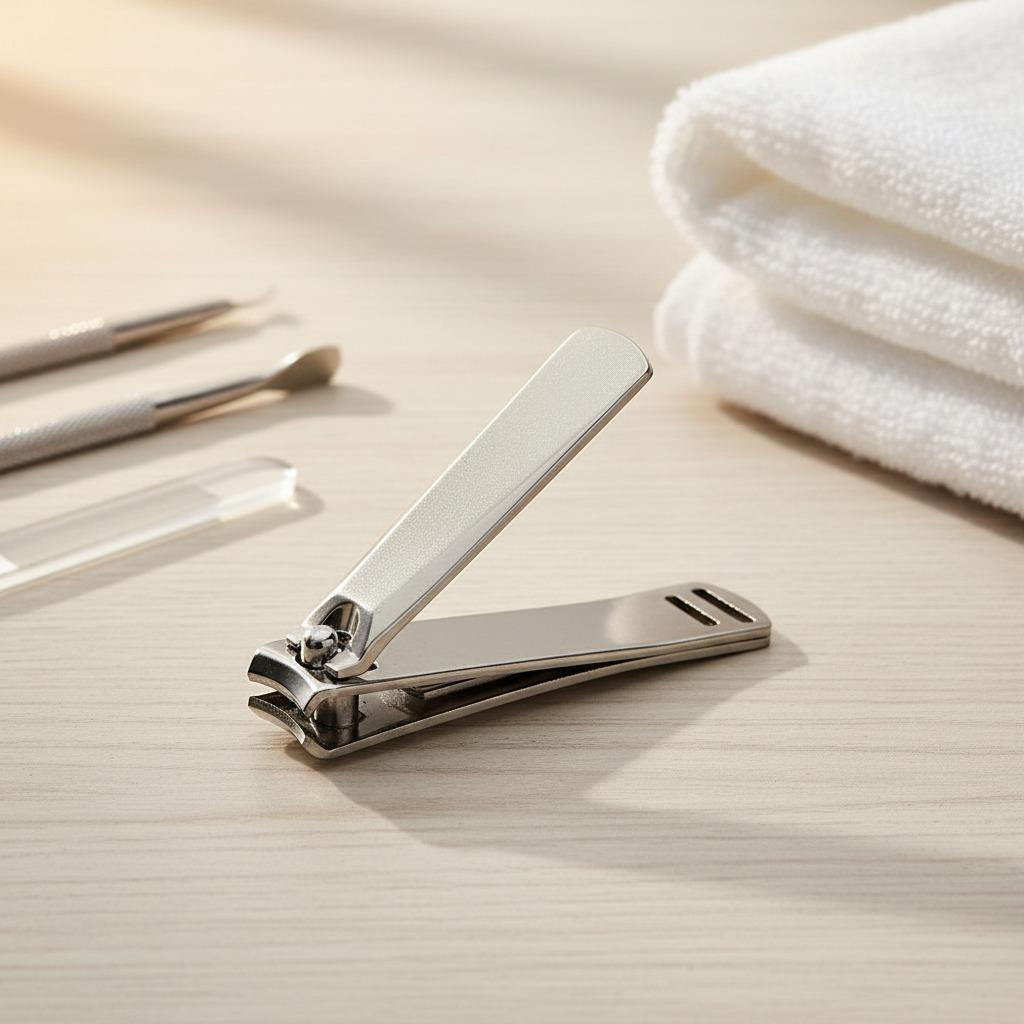
Olimor Beauty supports nail clipper ODM projects for brands that need custom made nail clipper solutions with a clear focus on function, durability, and presentation. The product shown here features stainless steel construction, an ergonomic design for a comfortable grip, sharp curved blades for precise cuts, and a matte-finish lever that gives the tool a refined appearance. Those details matter because end users quickly notice whether a clipper feels controlled, cuts smoothly, and fits the grooming situations they actually face at home, in a salon kit, or while traveling.
What Nail Clipper ODM Means for Beauty Tool Buyers
ODM, or original design manufacturing, is especially useful when a brand wants more than a standard nail clipper but does not want to manage every engineering and production detail alone. In a nail clipper ODM project, the buyer and manufacturer work together on the product concept, appearance, usability, and packaging direction. The manufacturer then helps move the idea toward production through material selection, sample review, internal checks, and packaging preparation.
For a beauty tool buyer, the value is not simply customization for its own sake. The goal is to create a nail clipper that matches the target customer. A travel-oriented customer may care about compactness and clean packaging. A salon or grooming kit buyer may prioritize reliable cutting performance and easy handling. A retail beauty brand may need a finish, shape, and presentation that fit its existing product line. ODM allows these decisions to be considered together instead of treated as separate details.
If you are comparing nail clippers with other beauty tool products, it helps to define the role of the clipper in your assortment first. Is it a stand-alone retail item, part of a manicure kit, a promotional beauty accessory, or a professional grooming tool? That answer should influence the product brief from the beginning.
Design Details That Affect Daily Use
A strong custom made nail clipper begins with the user experience. The blade, lever, body shape, and surface finish all contribute to whether the tool feels precise or frustrating. Stainless steel is a common and practical choice for nail clippers because it supports a clean appearance and long service life when properly manufactured and maintained. However, material alone does not guarantee a good product. The cutting edge geometry, alignment, spring feel, and lever comfort are equally important.
The nail clipper described here uses sharp curved blades for precise cuts. Curved blades are widely preferred for fingernail trimming because they follow the natural shape of the nail more easily than a straight cutting edge. For buyers, blade sharpness should be evaluated through real use rather than appearance only. A clean cut should not crush, tear, or require excessive pressure. The clipper should close smoothly and return reliably after each cut.
The ergonomic design is another important point. A comfortable grip reduces slipping and makes the clipper easier to control, especially for customers who trim carefully around rounded nail corners. The matte-finish lever adds visual refinement, but it also has a practical role: the lever is the main contact surface during use. Its shape, finish, and resistance to fingerprints can influence the user’s overall impression of quality.
- Blade alignment: The upper and lower cutting edges should meet evenly across the curve.
- Lever pressure: The clipper should not feel loose, harsh, or unstable when pressed.
- Grip comfort: The body should sit securely between fingers without sharp uncomfortable edges.
- Finish consistency: Matte and polished areas should look intentional, not uneven or poorly processed.
- Portability: If the item is for travel, size, packaging, and protection from scratching become more important.
Customization Choices to Define Before Sampling
Many sourcing problems begin with an unclear brief. Before requesting samples or quotation details, buyers should decide which parts of the nail clipper must be customized and which parts can remain close to an existing design. Customization can involve the tool shape, surface finish, logo placement, packaging structure, color direction for related components, or how the clipper is grouped with other tools.
For a nail clipper ODM program, the most useful brief is specific about the end customer and sales channel. A product intended for a premium beauty set may need a more refined finish and coordinated packaging. A practical travel item may need a compact form and protective packaging that keeps the blades clean in a bag. A high-volume retail item may need a balance between attractive presentation and efficient packing.
Logo treatment also deserves early attention. A logo can improve brand recognition, but it should not interfere with hand feel, cleaning, or the visual balance of the product. On a matte-finish lever, for example, contrast, placement, and wear resistance should be reviewed carefully during sampling. Packaging artwork should be checked not only for design but also for clarity: customers should immediately understand what the item is, how it is used, and whether it belongs in a manicure, pedicure, travel, or general grooming category.
Quality Control from Raw Materials to Packaging
Choosing a reliable nail clipper supplier means looking beyond the first product photo. Olimor Beauty emphasizes internal controls from raw materials to packaging, which is important because a nail clipper can fail in several small but noticeable ways. A dull blade, uneven rivet, weak lever, rough edge, or poorly fitted package can reduce customer trust even if the overall design looks attractive.
A practical quality review should include incoming material checks, process checks during shaping and assembly, inspection of blade alignment, finish review, functional cutting assessment, and packaging verification. The buyer does not need to invent a complicated technical system, but there should be a shared checklist before production begins. That checklist should reflect the product’s intended market. For example, a clipper sold as part of a salon-quality manicure set may require more attention to cutting smoothness and appearance consistency than a basic utility item.
| Inspection Area | What to Review | Why It Matters |
|---|---|---|
| Cutting performance | Blade sharpness, curve alignment, smooth closure | Determines whether the clipper cuts cleanly without tearing nails |
| Hand feel | Lever comfort, grip stability, edge smoothness | Affects control, safety, and repeat use |
| Surface finish | Matte lever consistency, visible scratches, stains | Shapes the customer’s first impression of quality |
| Assembly | Rivet tightness, lever movement, overall balance | Prevents loose or uneven operation |
| Packaging | Fit, protection, labeling, barcode or retail information if needed | Supports storage, shipping, and shelf presentation |
Sourcing Questions for a Reliable Nail Clipper Supplier
A good supplier conversation should be practical and evidence-based. Instead of only asking for a low unit price, buyers should ask how the supplier approaches design review, sampling, quality control, and packaging confirmation. The answers help reveal whether the supplier can support a complete ODM process or only provide a standard item with minor decoration.
Useful sourcing questions include: What product details can be adjusted within the existing nail clipper structure? How are cutting performance and blade alignment checked? What packaging formats are suitable for the sales channel? How is logo placement reviewed before production? What sample approval steps should happen before a bulk order? Which issues are most common in nail clipper production, and how are they prevented?
These questions do not require the buyer to know every manufacturing detail. They help create a shared standard. A reliable nail clipper supplier should be able to explain the path from concept to completion in clear terms and help the buyer identify decisions that affect cost, appearance, performance, and lead time. If your project includes several grooming tools, reviewing related product collections can also help you plan a more consistent assortment.
Where a Custom Nail Clipper Fits in a Beauty Assortment
A nail clipper is often a small item in a larger beauty program, but it can influence how customers judge the whole set. In manicure kits, travel grooming kits, men’s grooming assortments, and personal care gift sets, the clipper is one of the tools most likely to be used repeatedly. If it feels flimsy or cuts poorly, it can weaken confidence in the entire brand. If it feels comfortable and precise, it supports repeat use and positive product perception.
For retail buyers, a custom made nail clipper can also fill different price and positioning roles. A simple stainless steel clipper can serve as an everyday grooming essential. A more refined version with a matte-finish lever and carefully designed packaging can suit premium personal care displays. A compact version can support travel-oriented assortments. The key is to avoid treating every nail clipper as interchangeable. The product should be selected or developed for the customer scenario, not only for its basic category name.
Maintenance Guidance to Improve End-User Satisfaction
Even a well-made nail clipper benefits from proper care. Brands can improve customer satisfaction by including concise maintenance guidance on packaging, inserts, or product pages. This information should be simple and useful: wipe the blades after use, keep the clipper dry before storage, avoid using it on materials other than nails, and store it safely when traveling. These reminders help protect the cutting edge and preserve the finish.
For kits, it is also helpful to separate the clipper from abrasive tools or loose metal accessories that may scratch the surface during shipping or storage. Packaging design can support this by holding the clipper firmly in place. If the product is intended for travel, a compact protective package can reduce contact with other items in a bag while keeping the tool clean.
Planning Your Nail Clipper ODM Project
A successful nail clipper ODM project begins with a clear product purpose, not just a request for customization. Define the user, sales channel, finish expectations, cutting performance requirements, packaging style, and brand presentation before moving into sampling. During sample review, evaluate the clipper the way a customer will use it: hold it, press it, check the blade curve, inspect the finish, and test the packaging experience.
Olimor Beauty works with buyers seeking nail clipper ODM and custom made nail clipper solutions that combine practical function with thoughtful presentation. Whether you are planning a single grooming item or a broader beauty tool assortment, careful early decisions can prevent avoidable quality issues and create a product that feels right in the hand. To discuss product direction, packaging needs, or sourcing details, contact Olimor or send an inquiry with your project brief.
Tag: