

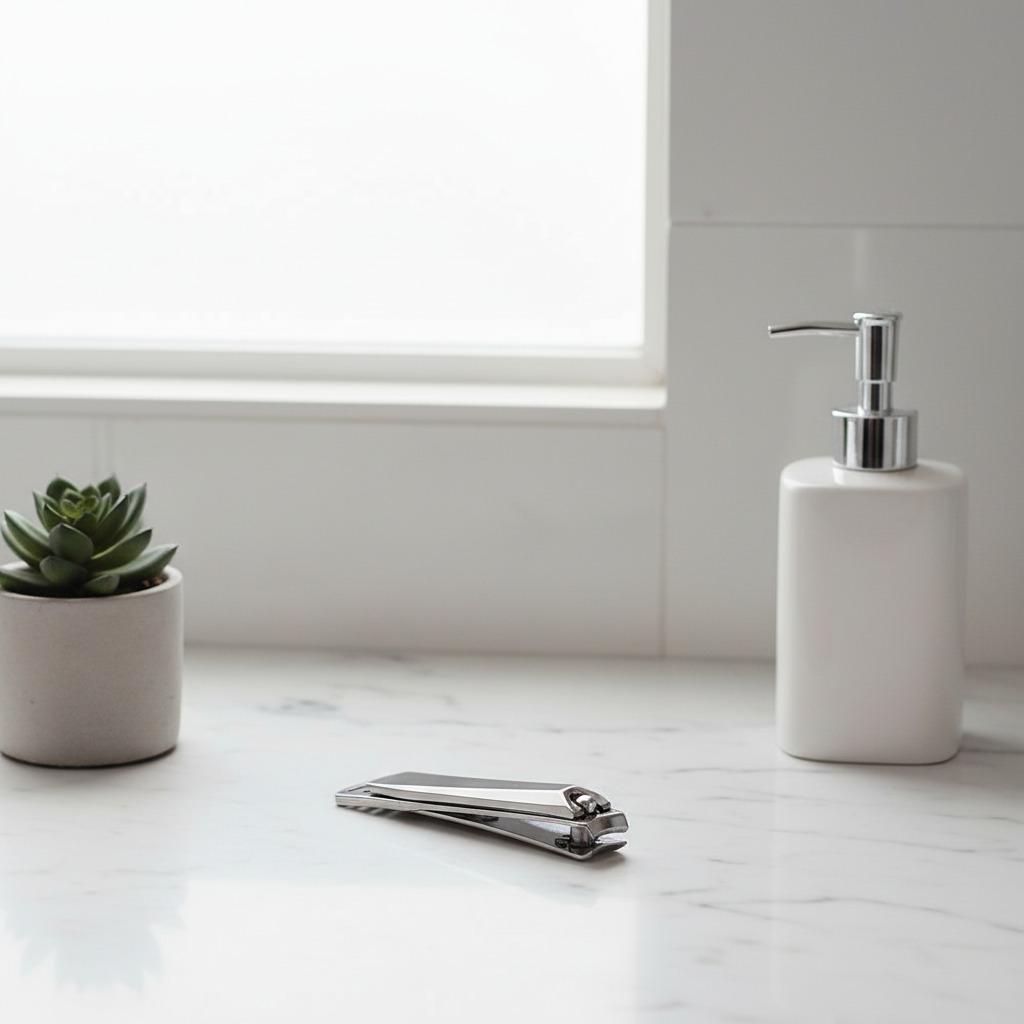
Nail Clipper ODM: How to Build a Custom Grooming Tool Customers Trust
A nail clipper looks simple, but buyers quickly notice when it feels weak, cuts unevenly, slips in the hand, or loses its edge too soon. For beauty brands, retailers, salons, travel kit suppliers, and personal care distributors, a nail clipper ODM project is not just about adding a small accessory to a product line. It is about creating a grooming tool that feels precise, safe, consistent, and aligned with the brand experience.
Olimor Beauty supports custom nail clipper development for businesses that need practical manufacturing guidance, design adaptation, and reliable supply coordination. Whether the goal is a single compact clipper for travel, a grooming kit component, or a broader private label personal care range, the best results come from defining the user, the finish, the cutting performance, and the inspection criteria before production begins.
What Nail Clipper ODM Really Means for Beauty Brands
ODM, or original design manufacturing, is useful when a buyer wants to develop a product based on an existing manufacturing capability while still customizing important details. For nail clippers, this may include the shape, size, surface finish, handle feel, cutting edge requirements, packaging format, and brand presentation. It is different from simply buying a generic item because the buyer can shape the final product to fit a defined market position.
For example, a travel accessories brand may prioritize a compact profile and protective packaging. A salon-oriented brand may focus on smooth leverage and clean cutting performance. A gift set supplier may need a matte metallic finish that matches other tools in the kit. A retailer may want a minimalist appearance that feels suitable for both home use and on-the-go grooming. These are not only visual decisions; they affect comfort, perceived quality, and repeat purchase potential.
When reviewing beauty tool products, buyers should look beyond appearance and consider how the product will be used in daily routines. A clipper that photographs well but feels uncomfortable can create negative reviews. A clipper that cuts cleanly but arrives in weak packaging may disappoint in retail settings. ODM planning connects these details before they become expensive production problems.
Key Design Choices for a Custom Made Nail Clipper
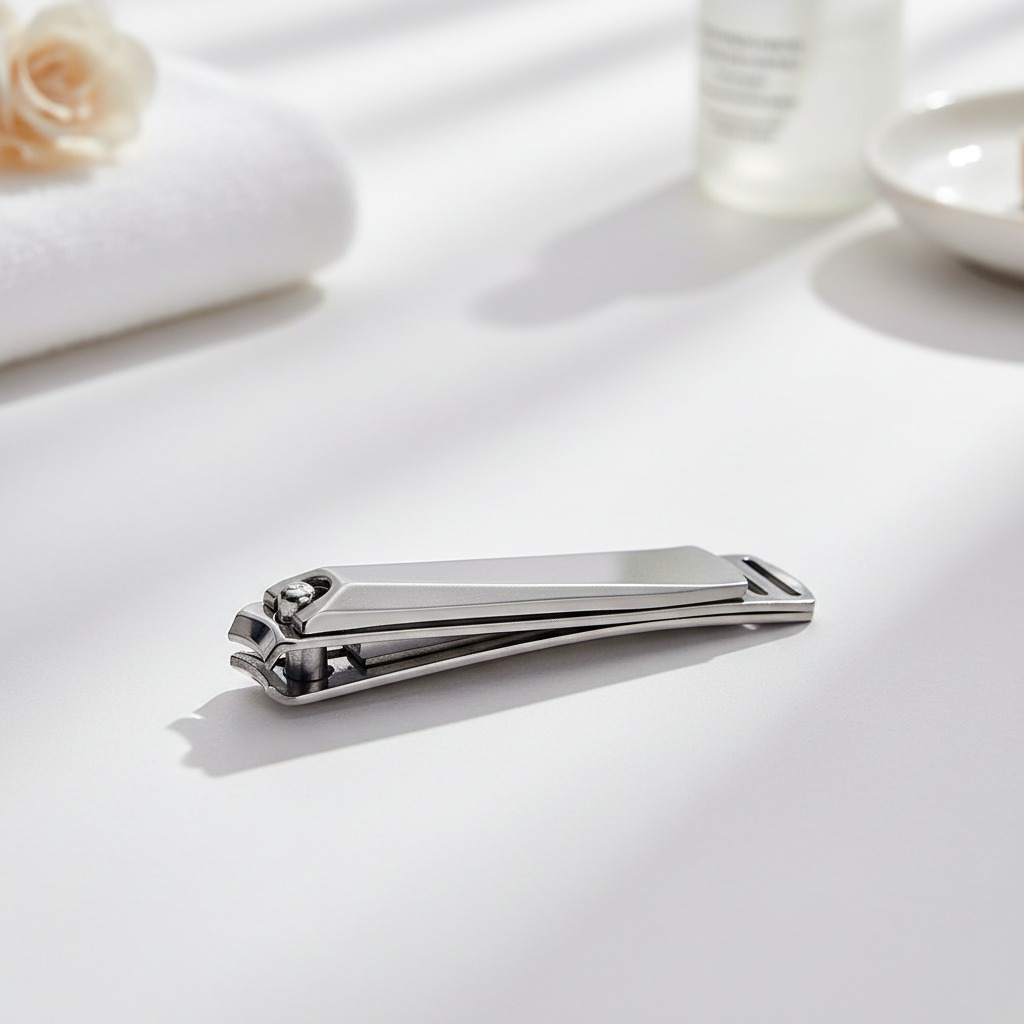
The supplied nail clipper concept emphasizes stainless steel construction, an ergonomic shape, sharp blades for clean cuts, and a sleek matte metallic finish. These are useful starting points because they address the main factors users care about: hygiene, durability, grip, cutting accuracy, and appearance. However, each of these features should be translated into clear purchasing and quality expectations.
- Size and user group: Decide whether the clipper is intended for fingernails, toenails, travel use, family grooming kits, or a general-purpose personal care range.
- Handle shape: An ergonomic shape should feel stable when pressed. Buyers should review samples with different hand sizes and grip habits.
- Blade alignment: The cutting edges should meet evenly, without visible gaps or offset tips that may cause tearing or uneven cuts.
- Surface finish: A matte metallic finish can look refined and reduce visible fingerprints, but it should be checked for consistency across production samples.
- Portability: If the clipper is marketed for travel, consider how it will be protected in a pouch, blister card, paper box, or grooming set.
- Branding area: Confirm where a logo, pattern, or label can be placed without affecting comfort or the movement of the lever.
Custom design is most effective when the buyer connects product features to a specific sales channel. A nail clipper for supermarket impulse purchase may need simple packaging and immediate visual clarity. A premium grooming set may require a more restrained finish, tighter color matching with other tools, and a more durable presentation box. An e-commerce item should also be evaluated for close-up photography, shipping protection, and clear product descriptions.
Quality Points That Matter Before Bulk Production
A reliable nail clipper supplier should help buyers think through inspection points from raw materials to final packaging. The original product direction includes quality assurance checks from material review to finished packaging, which is essential for a small tool where minor defects are easy to notice. The goal is not only to reject poor units, but to define what an acceptable unit looks and feels like.
Before approving production, buyers can use the following checklist to evaluate samples and pre-shipment goods:
- Cutting performance: Test whether the blades cut cleanly without crushing, tearing, or leaving jagged nail edges.
- Blade contact: Check that the upper and lower cutting edges meet evenly across the cutting line.
- Lever movement: Press the lever repeatedly to confirm stable action, no scraping sensation, and no loose movement.
- Edge safety: Inspect non-cutting edges for sharp burrs that may scratch fingers or damage packaging.
- Finish consistency: Review color tone, surface smoothness, and matte effect under consistent lighting.
- Cleanliness: Confirm that the clipper is free from oil residue, dust, fingerprints, or metal particles before packing.
- Packaging fit: Ensure the tool sits securely in its tray, pouch, card, or box and does not move excessively during transport.
- Brand presentation: Check logo placement, printing clarity, barcode position, and instruction text where applicable.
These checks are especially important for private label and retail buyers because the nail clipper is often handled directly before purchase or reviewed closely after delivery. Even if the product is inexpensive, the user expects a clean, sharp, and safe grooming tool. Consistency protects the buyer’s brand more effectively than a visually dramatic design that cannot be repeated reliably.
Packaging and Retail Presentation Decisions
Packaging should be selected after the product role is clear. A nail clipper sold as a single item needs packaging that communicates function quickly. A clipper inside a manicure kit should match the set layout and avoid scratching nearby tools. A travel-focused item may need compact, protective packaging that fits into luggage, toiletry bags, or display-ready retail cartons.
Common packaging questions include whether the buyer wants visibility, protection, environmental positioning, or a premium unboxing feel. Transparent packaging can show the clipper finish and shape, but it must still protect the cutting edge. Paper-based boxes can support a cleaner retail look, but the internal structure needs to hold the clipper firmly. A pouch may be useful for travel or gift sets, provided it is appropriate for the product’s price point and sales channel.
Instruction and safety information should be practical. Buyers may include simple use guidance, cleaning suggestions, age warnings where relevant, and care notes. For a stainless steel nail clipper, users generally appreciate straightforward maintenance advice: keep the tool dry after use, wipe away nail residue, store it in a clean place, and avoid using it on materials other than nails. Clear packaging copy reduces misuse and supports better reviews.
How to Compare Nail Clipper Suppliers for ODM Projects
Choosing a supplier is not only a pricing decision. A strong ODM partner should understand how product function, tooling, finishing, inspection, and packaging interact. For buyers comparing options, the most useful conversations are specific. Instead of asking for a “high quality nail clipper,” define the intended user, target sales channel, finish preference, expected packaging, sample review process, and acceptable defect concerns.
The following comparison table can help structure supplier discussions without relying on vague claims:
| Evaluation Area | What to Review | Why It Matters |
|---|---|---|
| Sample consistency | Compare multiple samples, not only one display unit | Shows whether the design can be repeated |
| Cutting feel | Test clean cutting, leverage, and blade alignment | Directly affects user satisfaction |
| Finish control | Check matte surface, scratches, stains, and color variation | Important for retail and gift presentation |
| Packaging support | Review protection, layout, printing, and shipping durability | Prevents damage and improves shelf appeal |
| Communication | Confirm drawings, samples, changes, and approval steps | Reduces misunderstandings before production |
Olimor Beauty works with buyers who need a practical path from concept to finished grooming tool. If you are comparing options across related personal care items, browse Olimor product collections to understand how a nail clipper can fit into a broader beauty tool assortment.
Maintenance Guidance to Improve Customer Experience
Product quality does not stop at delivery. Clear care guidance helps end users maintain performance and reduces avoidable complaints. A custom nail clipper should be easy to clean after use. Nail residue should be removed from the cutting area, and the tool should be wiped dry before storage. If the clipper is included in a pouch or kit, users should avoid storing it while wet because moisture can affect the appearance and cleanliness of many grooming tools over time.
Buyers can add concise maintenance notes to packaging inserts, online listings, or product detail pages. This is especially helpful for e-commerce, where customers often rely on product copy to judge value. A simple care message can reinforce that the clipper is a precision grooming tool, not a disposable accessory.
Building a Better ODM Brief for Olimor Beauty
A good project brief saves time and improves results. Before starting a nail clipper ODM inquiry, prepare the basic product direction: target market, preferred size, finish, packaging style, logo placement, quality concerns, and whether the clipper will be sold alone or as part of a kit. Reference samples or photos can help explain the desired feel, but final choices should be confirmed through actual samples.
For brands developing a new grooming line, it is also useful to consider adjacent tools early. A nail clipper may need to match tweezers, scissors, files, or other beauty accessories in the same range. Consistent finish and packaging language can make the full assortment look more professional.
If you are planning a private label or ODM nail clipper project, you can send an inquiry with your design goals, packaging expectations, and target use case. For broader sourcing questions or help defining the right development path, you may also contact Olimor. A well-planned custom nail clipper balances sharp cutting performance, comfortable handling, consistent finishing, and packaging that protects the product from factory to customer.
Tag: