

Nail Clipper ODM Guide for Private Label Grooming Brands
For beauty, personal care and grooming brands, a nail clipper is a small product with a large influence on customer trust. It is handled closely, used repeatedly and judged immediately by how cleanly it cuts. A weak spring feel, rough edge, slippery lever or uneven jaw can make an otherwise polished grooming line feel poorly sourced. That is why nail clipper ODM selection should focus on practical performance, consistent manufacturing and product details that match the audience you serve.
Olimor Beauty supports brands looking for nail clipper ODM and custom made nail clipper solutions for retail, salon, travel, men’s grooming, family care and professional beauty channels. The goal is not simply to place a logo on a generic tool. A strong ODM project considers cutting feel, hand comfort, finishing, built-in features, inspection points and packaging from the beginning, so the final clipper fits both the user experience and the commercial positioning of the brand.
What Buyers Should Define Before Starting a Nail Clipper ODM Project
Before comparing suppliers or requesting samples, define the exact role of the nail clipper inside your product range. A clipper for a compact travel kit may need a slimmer profile and secure packaging, while a salon retail item may prioritize a more comfortable grip, premium finish and clear display presentation. A men’s grooming line may call for a stronger visual style, while a family nail care product may need simple, familiar handling.
Useful planning questions include:
- Target user: home grooming users, professional nail technicians, travel customers, men’s grooming buyers or general personal care shoppers.
- Usage frequency: occasional personal trimming, frequent salon-adjacent use or inclusion in a larger care kit.
- Preferred feel: compact and lightweight, substantial and stable, or easy to handle for broad daily use.
- Feature expectations: standard cutting function, integrated nail file on the lever, keychain-style portability or coordinated set packaging.
- Brand position: value, mid-range, professional-inspired or premium giftable grooming.
Clear answers help avoid an unfocused sampling process. They also make it easier to judge whether a proposed custom made nail clipper design supports the intended buyer, rather than simply looking attractive in photos.
Design Details That Affect Cutting Performance
A nail clipper may appear simple, but several design decisions affect how it performs in the hand. The jaw alignment, edge sharpness, lever tension and body geometry all contribute to the cutting experience. For private label brands, these details are important because repeat customers often remember the feel of the tool more than the specification list on the package.
Stainless steel is commonly chosen for durable grooming tools because it supports a clean, reliable cutting edge and suits personal care environments. In a nail clipper ODM project, buyers should evaluate not only the material choice but also how the clipper is formed, finished and inspected. A durable material can still perform poorly if the cutting jaws are not aligned or if edges feel rough during handling.
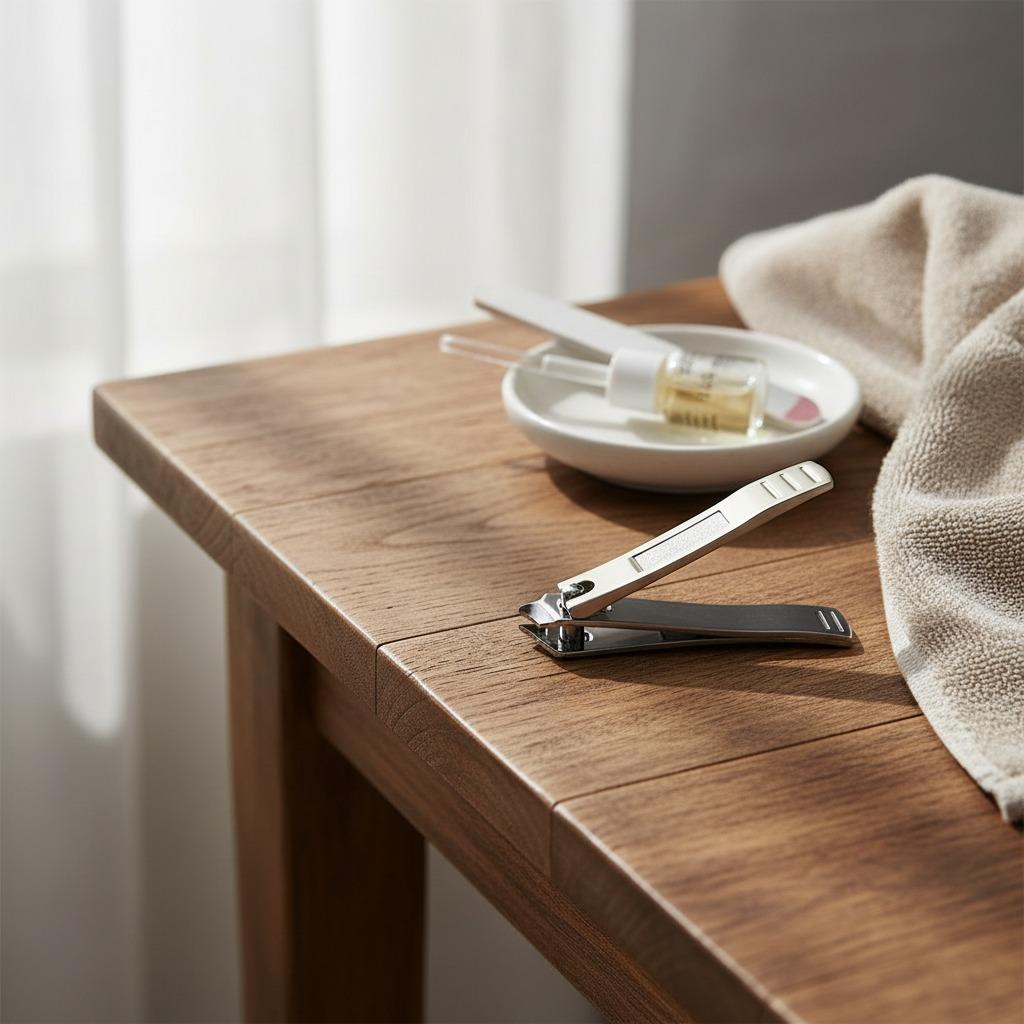
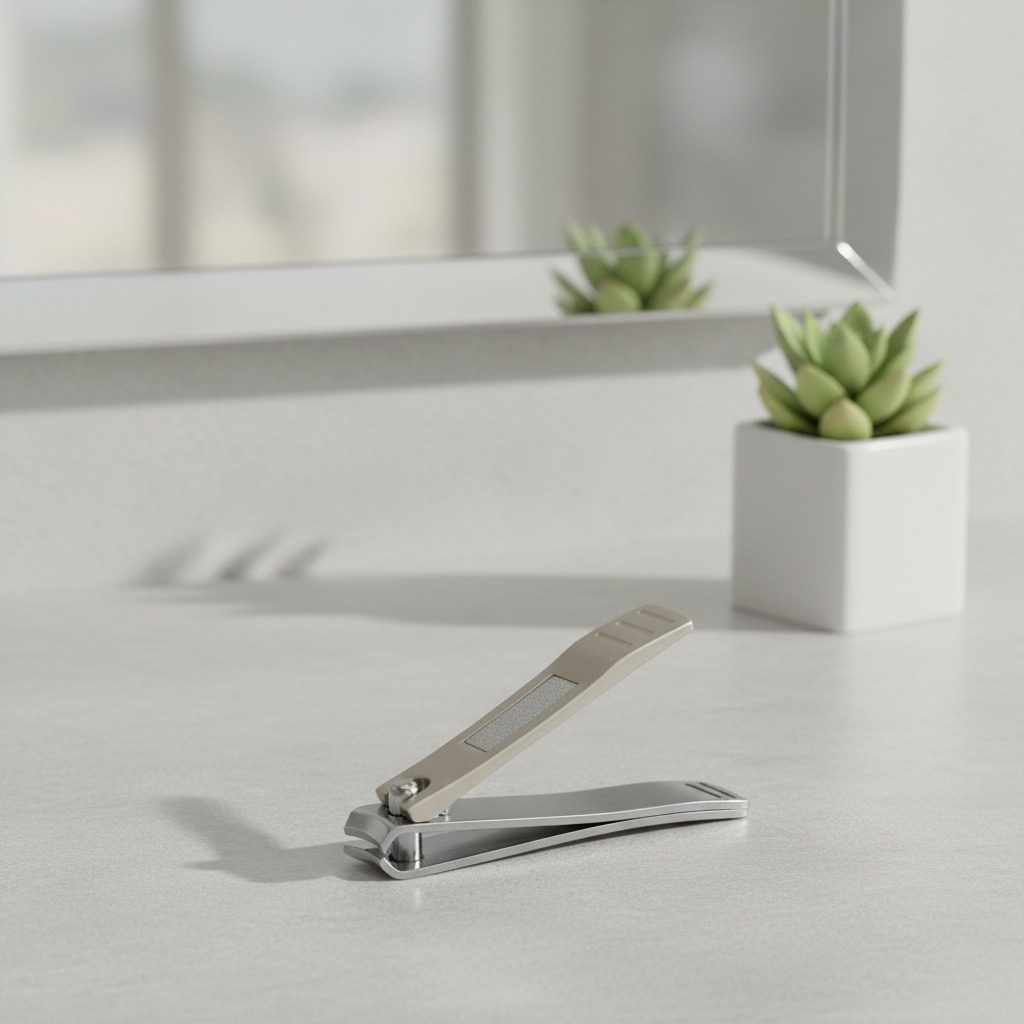
The original design described for this product includes an ergonomic shape and a built-in nail file on the lever. That combination can be useful for users who want to smooth the nail edge immediately after trimming without carrying a separate file. When planning a private label version, consider whether the nail file texture, placement and usability match the user group. A file that is present but uncomfortable to access adds little value; a file that is placed logically can make the clipper feel more complete.
Custom Made Nail Clipper Options to Review
Customization should support both branding and usability. The most effective nail clipper ODM projects balance visual identity with manufacturing practicality. Overly complex shapes can increase production difficulty, while very basic choices may not give your line enough differentiation. The right level of customization depends on retail price point, sales channel and how the clipper will be bundled or displayed.
| Customization Area | What to Evaluate | Why It Matters |
|---|---|---|
| Clipper shape | Lever length, body curve, jaw width and hand comfort | Determines ease of control and perceived quality during use |
| Surface finish | Smoothness, shine level, fingerprint visibility and resistance to rough handling | Affects retail appearance and long-term user satisfaction |
| Built-in file | Position on the lever, texture and access after trimming | Adds practical value when the file is easy to use |
| Branding method | Logo position, size, contrast and durability of the mark | Connects the tool to your brand without disrupting comfort |
| Packaging | Retail display, travel protection, kit compatibility and instruction space | Influences shelf appeal, shipping protection and customer understanding |
Brands planning broader launches can also explore related beauty tool products to create coordinated grooming kits. A nail clipper may sell on its own, but it can also work well with tweezers, files, scissors or other personal care tools when the design language and packaging are consistent.
Quality Checks for a Reliable Nail Clipper Supplier
When selecting a reliable nail clipper supplier, quality assurance should be discussed in concrete terms. A good inspection process does not only look at the final carton. It considers raw material selection, forming, edge finishing, assembly, movement, surface appearance and packaging condition. For the buyer, the most important question is whether the supplier has a repeatable process that can maintain the approved sample standard during production.
Practical checks for nail clipper sourcing include:
- Jaw alignment: the cutting edges should meet cleanly without visible offset.
- Cutting feel: the lever should press smoothly without feeling loose, harsh or unstable.
- Edge condition: sharp areas should cut nails cleanly, while non-cutting contact areas should not feel rough.
- File usability: if a built-in nail file is included, it should be accessible and practical for smoothing after trimming.
- Surface consistency: finish should be even, clean and aligned with the approved sample.
- Logo placement: branding should be legible and positioned where it will not interfere with use.
- Packaging fit: the clipper should be protected and presented appropriately for the intended sales channel.
These checks help buyers compare samples objectively. Instead of choosing only by appearance, your team can score each sample on comfort, function, finish and packaging readiness.
Packaging and Merchandising Considerations
Packaging is often where a nail clipper moves from a basic tool to a sellable grooming product. For e-commerce, packaging should protect the product, present the brand clearly and be compact enough for efficient fulfillment. For retail shelves, the front-facing view, hanging method, product visibility and short usage claims become more important. For gift or kit formats, the clipper should feel coordinated with the other items rather than added as an afterthought.
Because nail clippers are small, packaging copy should be concise. Focus on the points customers can understand quickly: stainless steel construction, ergonomic handling, clean trimming and the integrated nail file if included. Avoid cluttering the package with vague language. Clear benefit statements are more useful than broad beauty claims.
If your brand is building a multi-item range, review product collections for ideas on how related tools can be grouped by use case, finish or customer segment. Coordinated sourcing can simplify product development and help the finished line look intentional.
How to Compare ODM Samples Before Committing
Sample evaluation should involve more than a single person opening the package and testing the clipper once. A better approach is to create a short review form and have several team members use the sample under normal conditions. Record how the clipper feels in the hand, whether the lever gives enough control, whether the cut is clean and whether the file adds value.
Also compare samples against your packaging concept. A clipper that looks right in isolation may be too thick for a slim travel case or too plain for a premium retail card. If the tool will be sold in a set, check how it visually matches the other items. Consistency in finish, size impression and branding can strengthen the entire line.
For B2B buyers, documentation and communication are also part of supplier evaluation. Confirm what product details will be fixed after sample approval, how packaging artwork is reviewed and which inspection criteria will be used for production. These steps reduce ambiguity and help both sides work from the same standard.
Building a Nail Clipper Line with Olimor Beauty
Olimor Beauty works with grooming and beauty brands that need nail clipper ODM support, including custom made nail clipper development with practical design, ergonomic handling and integrated details such as a nail file on the lever. The right project begins with a clear buyer brief: target customer, desired product feel, branding needs, packaging channel and quality expectations.
Whether you are launching a new grooming line or refining an existing product range, a nail clipper deserves careful attention because it is a frequently judged everyday tool. By focusing on cutting performance, user comfort, reliable finishing and packaging fit, your brand can source a product that feels deliberate rather than generic.
To discuss a nail clipper ODM project or share your product brief, contact Olimor. If you already have specifications, artwork requirements or sample targets prepared, you can also send an inquiry for the next sourcing step.
Tag: