Nail Clipper Manufacturer Sourcing Guide for Personal Care Buyers
A nail clipper looks simple, but buyers know that small grooming tools can create large differences in customer satisfaction. A weak cutting edge, awkward lever, rough finish or inconsistent packaging can lead to returns, complaints and loss of repeat orders. For retailers, distributors, promotional product buyers and beauty-tool brands, choosing the right nail clipper manufacturer is not only about unit cost. It is about repeatable quality, practical design, stable supply and a product that feels reliable in the hand.
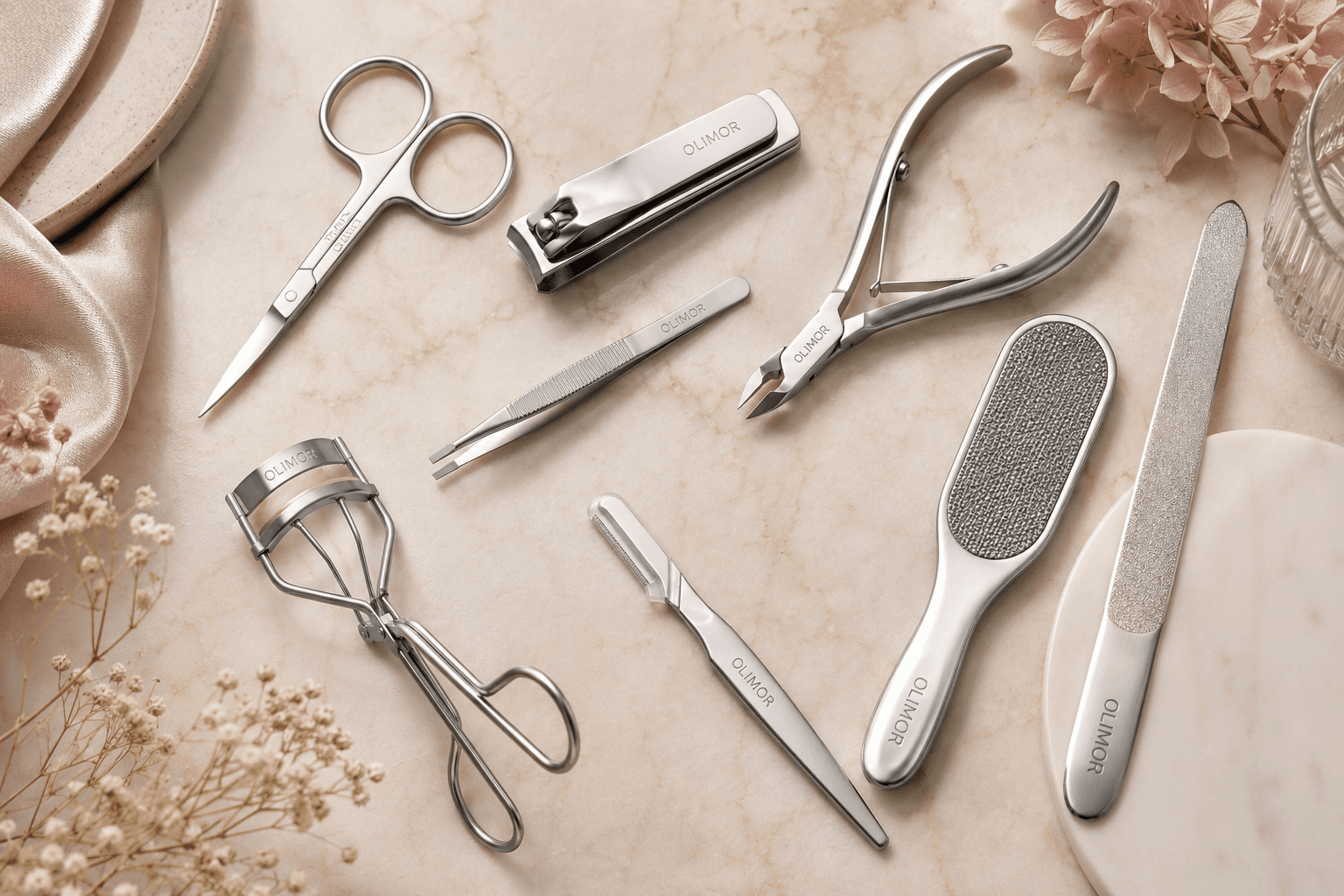
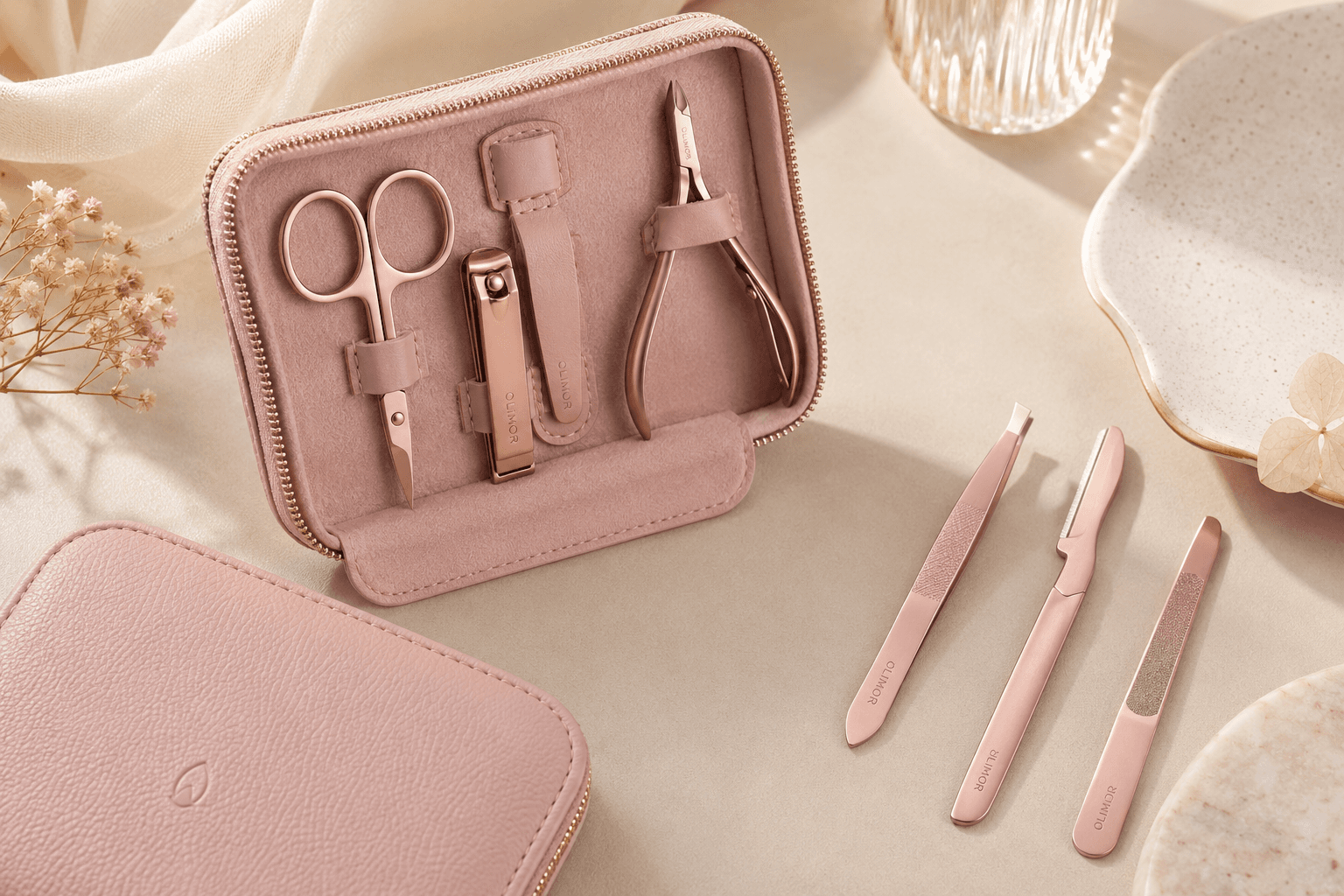
Olimor Beauty works in the personal care tools category with nail clippers designed for everyday grooming, travel and retail assortments. The existing product direction focuses on stainless steel construction, an ergonomic gentle curve that follows the natural nail shape, a compact pocket-friendly profile and a matte finish. These details are useful starting points for buyers who need a dependable clipper program for wholesale or OEM needs.
What Makes a Nail Clipper Worth Buying in Volume?
When sourcing nail clippers in bulk, the first inspection should be functional. Attractive packaging may help the product sell, but the cutting experience determines whether a customer keeps using it. The clipper should trim cleanly without tearing the nail, feel stable when pressure is applied and close smoothly after each cut. A buyer evaluating samples should test more than one piece, because consistency matters as much as the best sample in the set.
Stainless steel is a practical material choice for nail clippers because it supports durability, hygiene and a clean appearance. The supplied product information highlights robust stainless steel construction, which is valuable for everyday grooming tools that may be stored in bathrooms, travel bags or salon kits. Buyers should still confirm how the steel parts are finished, how the cutting edges are prepared and whether the surface treatment matches the target retail positioning.
The gentle curved cutting shape is another important detail. A curve aligned with natural nail shapes can make trimming easier, especially for standard fingernail maintenance. Ergonomics should be assessed not only by looking at the shape, but by actually using the lever. The lever should provide enough control without feeling loose, sharp at the edges or uncomfortable during repeated use.
Design Details That Influence Customer Experience
Small grooming tools succeed when the details are handled correctly. A nail clipper can be technically usable but still feel inexpensive if the finish is uneven, the lever rattles or the cutting action lacks confidence. The matte finish mentioned for Olimor Beauty nail clippers can be a useful option for brands that want a more understated appearance than a bright mirror polish. Matte surfaces may also help reduce visible fingerprints, depending on the exact finish and handling conditions.
Compact, pocket-friendly construction is especially relevant for travel kits, convenience retail, hotel amenities, men’s grooming sets, manicure kits and impulse-buy displays. However, compact does not mean the product should be difficult to hold. Buyers should balance portability with grip comfort and leverage. A clipper that is too small for the intended user group may feel inconvenient, while an oversized clipper may not fit the merchandising plan.
Use the following checklist when comparing samples from a nail clipper supplier:
- Cutting performance: Does it cut cleanly on the first press without splitting or crushing the nail?
- Edge alignment: Do the two cutting edges meet evenly across the full curve?
- Lever feel: Is the pressure smooth and controlled, with no unstable movement?
- Surface finish: Is the matte or polished surface consistent, without stains, burrs or sharp corners?
- Portability: Does the size suit the planned use, such as travel, daily personal care or kit inclusion?
- Packaging fit: Can the product be presented clearly while remaining protected during storage and shipping?
Wholesale and OEM Buying: Different Goals, Different Questions
A nail clipper wholesaler relationship is often selected for speed, assortment building and reliable repeat purchasing. OEM sourcing, by contrast, may involve brand-specific packaging, finish preferences or other customization decisions. Both approaches can be useful, but buyers should be clear about their commercial goal before requesting samples or quotations.
For wholesale programs, the key questions are usually availability, consistency and how the product fits into the buyer’s existing beauty or personal care range. For OEM projects, the conversation should include branding position, target retail channel, packaging style, acceptable finish options and the level of customization required. It is also important to clarify approval steps so that the final product does not drift away from the confirmed sample.
| Buying scenario | Main priority | What to review before ordering |
|---|---|---|
| Retail refill order | Consistent quality and packaging | Production sample, finish consistency, barcode and carton requirements |
| New private label launch | Brand fit and user experience | Logo placement, packaging artwork, surface finish and sample approval process |
| Travel or grooming kit | Compact size and compatibility | Clipper dimensions, pouch or kit fit, sharp-edge protection and presentation |
| Distributor assortment | Repeatable supply and clear specifications | Product description, packaging units, inspection criteria and reorder planning |
Buyers can review related beauty tool products to understand how nail clippers may fit into a broader personal care assortment. For a curated approach, product collections can also help identify complementary grooming tools for retail sets or promotional bundles.
Quality Checks a Responsible Nail Clipper Factory Should Control
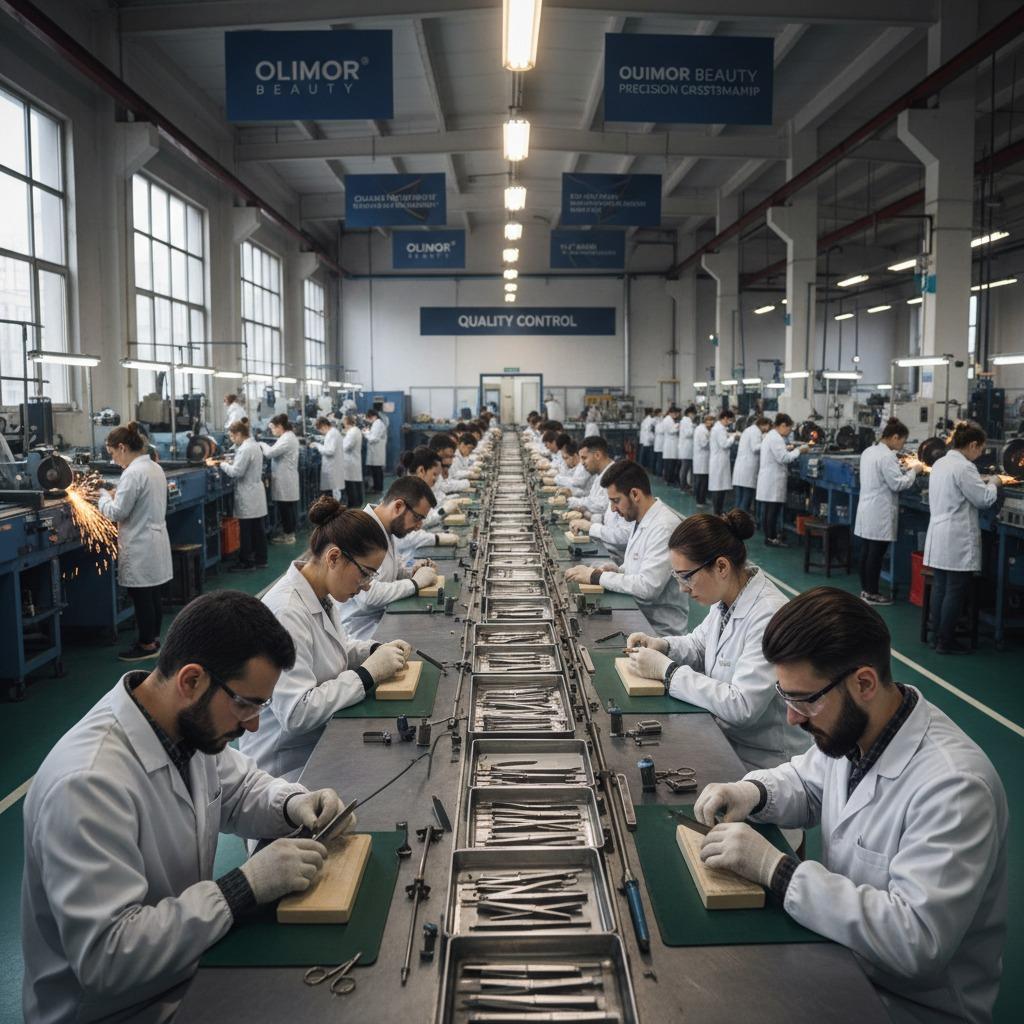
The original product information notes quality checks from raw materials to final packaging. That is the right framework for nail clippers because performance depends on several linked steps. Raw material selection affects durability. Forming and edge preparation affect cutting. Assembly affects lever movement. Final finishing affects the buyer’s perception of quality. Packaging affects how the item arrives and how it appears on shelf.
A useful quality plan does not need to be complicated, but it should be specific. Buyers should define what is acceptable for cutting performance, appearance, packaging, labeling and carton condition. A random visual check alone is not enough for a cutting tool. Functional testing should be included, even if it is performed on a sample basis from each batch.
Practical inspection points include edge alignment, opening and closing action, burr removal, finish uniformity, logo or packaging accuracy, product cleanliness and carton marking. If the clipper is sold as part of a travel or manicure set, compatibility with the case or tray should also be checked. For e-commerce sellers, packaging must protect the product while remaining suitable for photography and fulfillment handling.
Packaging, Positioning and Retail Presentation
Nail clippers are often purchased quickly, so the packaging needs to communicate the essential benefits without overclaiming. Stainless steel construction, compact size, ergonomic curved design and a clean matte finish are understandable selling points when they accurately describe the item. For a professional retail program, the packaging should also make the product easy to identify by size, intended use and brand.
Wholesale buyers should think about the full journey from factory packing to shelf display. A clipper that looks good as a single piece may still need stronger packaging if it will move through multiple warehouses or be shipped individually to online customers. For physical retail, hang cards, blister packaging or boxes may be considered depending on the channel, but the best choice depends on the buyer’s merchandising system and sustainability goals.
OEM buyers should also prepare artwork requirements early. Logo size, print method, package language, warning text and barcode placement can affect approval timing. Even when the clipper itself is simple, packaging revisions can delay a launch if details are not aligned before production planning begins.
How to Compare Suppliers Without Focusing Only on Price
Price matters, but the cheapest nail clipper can become expensive if it creates complaints, inconsistent shipments or packaging problems. A better comparison looks at total value: sample quality, communication clarity, production consistency, packaging execution and suitability for the target customer. If a supplier offers OEM service, the buyer should evaluate how clearly customization details are documented and confirmed.
Before placing a larger order, create a written comparison sheet for each supplier. Include sample photos, cutting test notes, finish observations, packaging comments and any required changes. This makes internal decision-making easier and reduces the risk of choosing based only on first impression. It also gives the factory clear feedback if adjustments are needed.
For buyers planning a nail clipper program with Olimor Beauty, it is helpful to share the intended sales channel, preferred packaging direction, order purpose and any brand requirements. To discuss a project, buyers can send an inquiry or contact Olimor with sample expectations and sourcing questions.
Final Buying Advice for Nail Clipper Sourcing
A strong nail clipper program starts with a product that performs reliably in daily use. Stainless steel construction, a natural curved cutting edge, compact portability and a neat matte finish can all support a practical personal care item, but buyers should verify every detail with samples and clear inspection standards. For wholesale orders, prioritize consistency and retail readiness. For OEM orders, define branding, packaging and approval steps before moving forward.
The right nail clipper manufacturer should help buyers turn a common grooming tool into a dependable retail or private label product. By focusing on performance, finish, packaging and quality control, businesses can build a nail clipper assortment that customers understand, use and reorder with confidence.
Tag: