Nail Clipper for Distributors: A Practical Wholesale Sourcing Guide
For distributors, a nail clipper is not just a small grooming item. It is a repeat-purchase product that must satisfy several buyers at once: retailers want clean packaging and dependable margins, salons want tools that feel precise in daily use, and end consumers expect a sharp, comfortable cut without splitting or crushing the nail. Because nail clippers are compact and often ordered in volume, small quality differences can become large operational problems when a shipment reaches multiple sales channels.
This guide explains how to evaluate nail clippers for wholesale distribution, what to check before committing to bulk orders, and how to build a more reliable sourcing process. Olimor Beauty supplies beauty tools for distributors, retailers, resellers, and export buyers who need practical grooming products that can fit into different retail environments. If you are comparing categories beyond nail clippers, you can also review Olimor beauty tool products for related sourcing ideas.
Why Nail Clippers Are a Strategic Wholesale Item
Nail clippers are easy to overlook because they are familiar, affordable, and widely available. For distributors, however, that familiarity is exactly why they matter. A good clipper can be sold through beauty stores, pharmacies, supermarkets, travel accessory sections, salon supply channels, online marketplaces, gift kits, and personal care bundles. The product is small enough for efficient storage, yet visible enough to influence customer confidence in the seller’s overall beauty tool range.
The challenge is that buyers quickly notice poor performance. A clipper that feels loose, dull, misaligned, or uncomfortable may lead to returns, bad reviews, or complaints from retail partners. In wholesale distribution, the goal is not only to find a low unit cost. The goal is to source a product that can be reordered with predictable quality, presented clearly to different channels, and handled efficiently through packaging, labeling, and export procedures.
Common Sourcing Problems for Nail Clipper Distributors
Distributors often face three recurring issues when sourcing nail clippers in bulk: inconsistent cutting performance, inconsistent finish, and inconsistent communication during production or fulfillment. A sample may feel acceptable, but the production batch may include uneven edges, rough corners, weak leverage, or surface marks that make the product harder to sell.
Another common problem is unclear positioning. A nail clipper intended for everyday retail use may not need the same presentation as a salon supply item or travel kit accessory. Without a defined sales channel, distributors can end up with packaging that does not match the shelf, online listing, or buyer expectation. This can slow sell-through even when the tool itself is usable.
Logistics also matter. Because nail clippers are metal tools with cutting edges, bulk shipments should be planned with attention to packing stability, carton protection, and the requirements of the destination market. Export buyers need a supplier process that supports orderly documentation, packaging discussions, and repeatable order handling rather than one-time sample approval only.
What to Evaluate Before Placing a Wholesale Order
A useful wholesale evaluation should combine product testing, packaging review, and supplier process checks. The following checklist can help distributors compare nail clipper suppliers more consistently:
- Cutting alignment: The upper and lower cutting edges should meet evenly and cut cleanly across the nail rather than bend or tear it.
- Edge feel: The cutting edge should be sharp enough for efficient trimming, while exposed outer edges should not feel rough in the hand.
- Lever action: The lever should move smoothly, return reliably, and provide enough pressure without feeling unstable.
- Grip comfort: Ergonomic design and comfortable grip are important for both salon users and everyday grooming buyers.
- Material choice: Stainless steel is commonly valued for nail clippers because it supports durability and a clean appearance.
- Surface finish: Check for scratches, stains, burrs, discoloration, and uneven polishing that may reduce perceived retail value.
- Packaging strength: Retail packaging should protect the clipper, present product information clearly, and fit the intended channel.
- Batch consistency: Inspect several units, not only one sample, to understand whether the supplier can maintain repeatable quality.
- Export preparation: For international orders, confirm the packing approach, labeling expectations, and documentation workflow early.
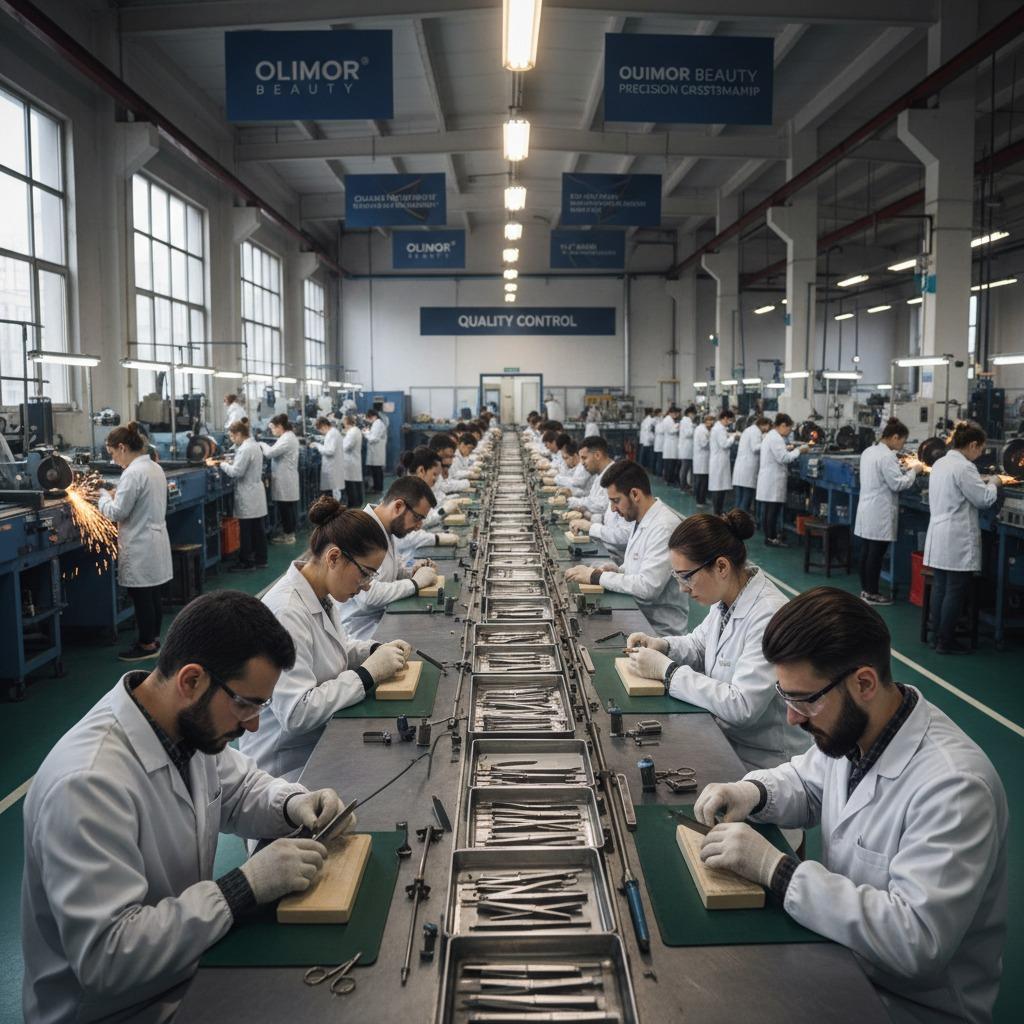
Olimor Beauty focuses on technical quality and quality assurance, with inspections from raw materials to final packaging. For distributors, this type of process is important because it reduces the chance that a product looks acceptable during sampling but becomes inconsistent when scaled for retail supply.
Matching Nail Clippers to Retailers, Resellers, and Salons
Different buyers assess the same nail clipper in different ways. A retailer may focus on shelf appeal, barcode placement, packaging clarity, and consumer price positioning. A reseller may care more about reliable replenishment, simple product photography, and packaging that survives parcel delivery. A salon or professional buyer may pay closer attention to precision, grip, and the feeling of control during frequent use.
Distributors should define the primary channel before selecting packaging or assortment size. For example, a basic everyday clipper can work well as a high-volume retail item, while a more refined presentation may suit beauty boutiques or grooming gift sets. For e-commerce resellers, product consistency is especially important because reviews often mention details such as sharpness, hand feel, and whether the clipper arrives with scratches or damaged packaging.
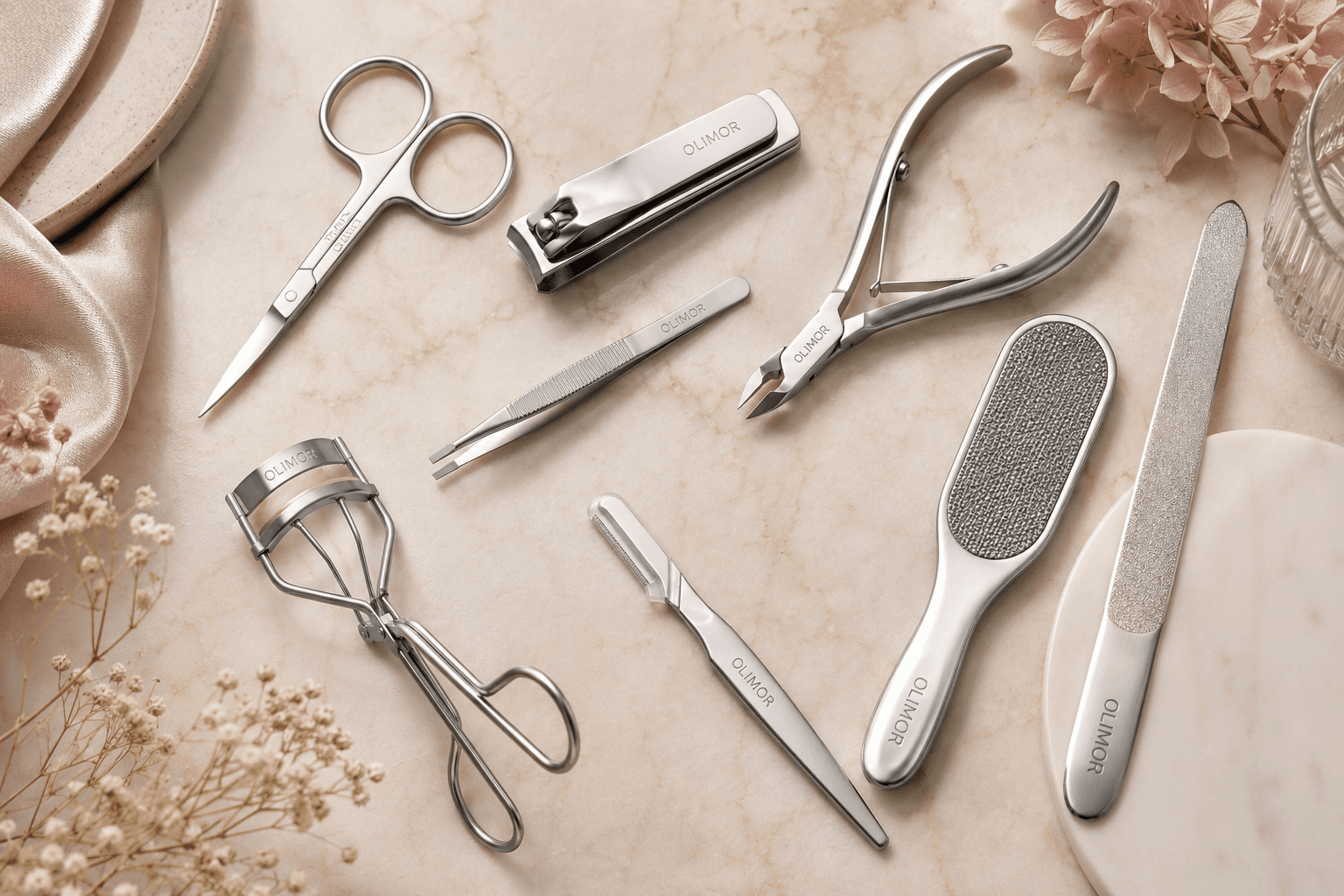
When building an assortment, avoid treating every nail clipper as identical. Even if the category is simple, buyers may need options for different hand sizes, grooming kits, travel use, or general household use. Reviewing broader product collections can help distributors think about how nail clippers fit alongside tweezers, scissors, manicure tools, and other beauty accessories.
Packaging and Presentation Decisions That Affect Sell-Through
Packaging is not only decoration. It determines how the nail clipper is protected, displayed, scanned, stored, and understood by the final customer. In wholesale channels, packaging mistakes can create problems that are more expensive than the tool itself. If the packaging is too weak, products may arrive with bent cards, cracked covers, or loose tools. If the information is unclear, retailers may need extra explanation before listing or stocking the item.
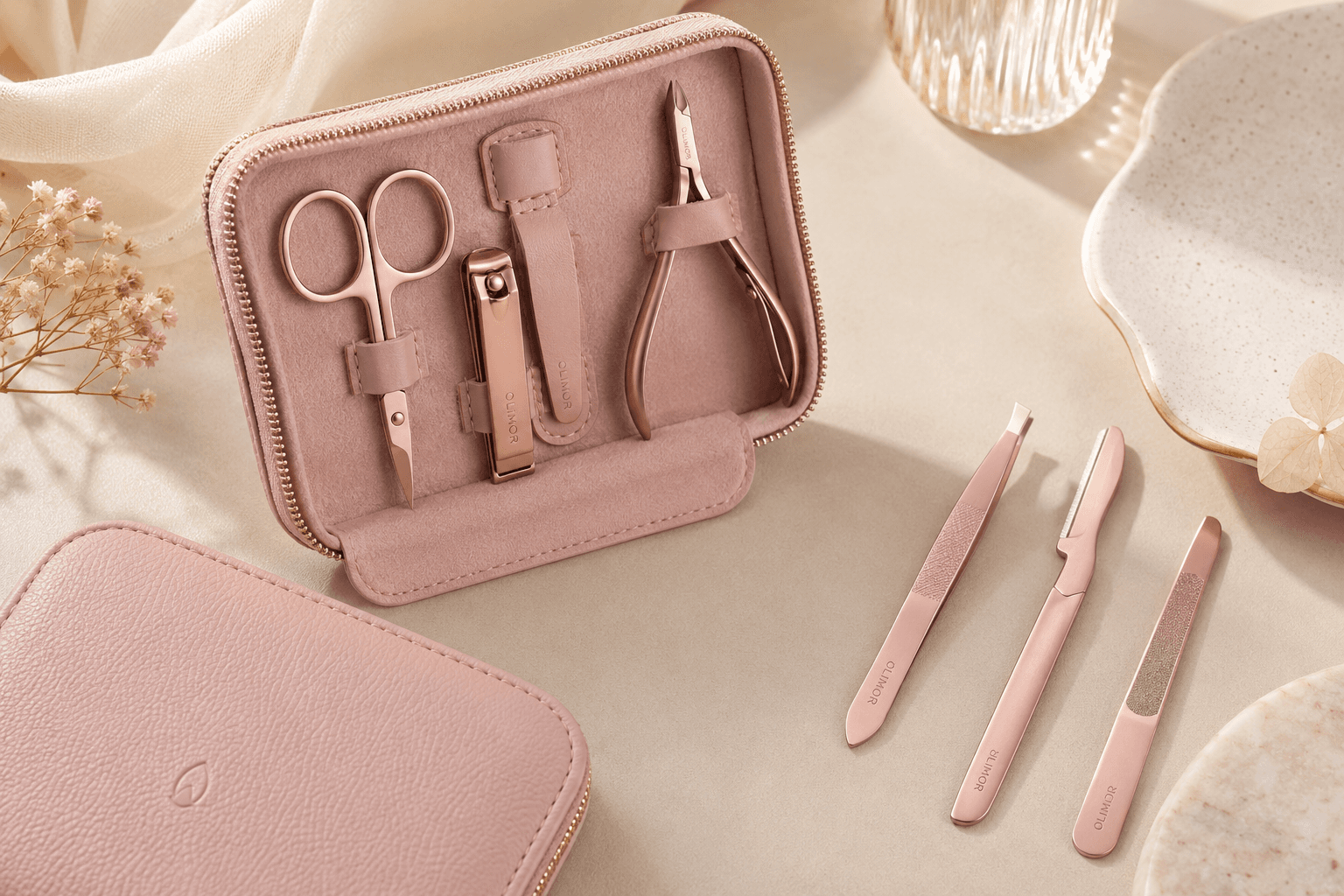
For distributors, the best packaging decision depends on the route to market. Retail hanging cards, blister packaging, paper boxes, or kit packaging each have different advantages. Hanging formats may support store display; compact boxes may suit online fulfillment; set packaging may work for grooming bundles. The key is to match presentation with actual sales use rather than copying a generic format.
Before confirming packaging, check whether the product name, usage information, country and importer requirements, barcode space, and warning language are appropriate for the destination channel. These details vary by market and should be planned before mass packing begins. A practical packaging review can prevent delays when goods are already produced.
Supplier Questions That Help Reduce Wholesale Risk
Distributors do not need exaggerated promises; they need clear sourcing information. During supplier evaluation, the most useful questions are specific and operational. Instead of asking only whether the nail clipper is “high quality,” compare how the supplier controls quality at each stage and how problems are handled before shipment.
- How are cutting edges checked during production? This helps confirm whether sharpness and alignment are monitored before final packing.
- What inspection steps are used for raw materials, assembly, finish, and packaging? A complete process matters more than a final glance at packed cartons.
- Can the packaging be reviewed before bulk packing? Early approval reduces the risk of incorrect artwork, weak packaging, or poor presentation.
- How are cartons packed to protect retail packaging in transit? This is important for export orders and e-commerce resale.
- What information is needed from the distributor to prepare an export order smoothly? Clear communication helps avoid delays with labels, documents, and shipping arrangements.
Olimor Beauty works with distributors, retailers, resellers, and export buyers who need nail clippers that can integrate into different sales channels. When you are ready to compare options for a specific market or packaging direction, you can send an inquiry with your channel, quantity planning, and packaging expectations.
Export Planning for Nail Clipper Orders from China
For international buyers, nail clipper sourcing involves more than unit selection. Export orders should be planned around product consistency, carton packing, labeling, documentation, and delivery timing. A distributor supplying multiple retailers may need goods to arrive ready for allocation, not simply packed in a way that is convenient for the factory.
Before confirming an export order, prepare a clear buying brief. Include the target market, sales channel, desired packaging style, inspection expectations, and any labeling or documentation requirements relevant to the destination. This allows the supplier to review practical details before production and packing begin. It also helps prevent confusion if the order will be used for different channels, such as retail shelves and online resale.
Olimor Beauty’s nail clipper export support is designed for buyers who need practical coordination from sourcing through packaging and shipment preparation. Because every market can have different requirements, the strongest approach is to define the destination and sales use early, then align the tool, packaging, and order process around that plan.
Building a Repeatable Nail Clipper Sourcing Program
A profitable wholesale nail clipper program is built on repeatability. The first order should not be treated as a one-time transaction; it should create a baseline for future replenishment. Keep approved samples, packaging references, inspection notes, and customer feedback so that the next order can be compared against a known standard.
Distributors should also track which channels respond best to each presentation. If a retail card performs well in stores but receives damage complaints in online shipping, that may indicate a packaging adjustment rather than a product failure. If salon buyers praise cutting precision but want a different grip or format, that feedback can guide the next sourcing discussion.
Nail clippers remain a practical category because they combine everyday demand with broad channel flexibility. By focusing on cutting quality, ergonomic comfort, stainless steel construction, packaging suitability, and supplier process control, distributors can reduce risk and build a more dependable beauty tool assortment. To discuss a sourcing plan or compare product directions, contact Olimor with your target channel and market requirements.
Tag: