Custom Tweezers for Business: How to Source Better Tools for Your Brand
For salons, beauty brands, brow studios, lash professionals and retailers, tweezers are not minor accessories. They are handled repeatedly by professionals and customers, used close to the skin, and judged by how accurately they grip fine hair or small beauty items. When a pair feels weak, misaligned or uncomfortable, the user often connects that experience with the brand printed on the package. That is why choosing custom tweezers for business should be treated as a sourcing decision, not a simple supply purchase.
Many businesses begin by comparing generic retail tweezers with B2B tweezers from a professional beauty tool supplier. Retail products may be easy to buy in small quantities, but they are not always built for repeat business needs, consistent resale, or brand presentation. A B2B approach can help you plan quality, packaging, ordering and margin more carefully, especially when you are building a tool line, salon retail area, promotional kit or wholesale program.
Why Generic Tweezers Often Disappoint Business Buyers
Off-the-shelf tweezers can be suitable for occasional personal use, but business purchasing has different expectations. A salon may need dependable tools for daily professional service. A retailer needs repeatable quality so customers do not return the product after one use. A reseller needs a tool that supports trust in the brand, not just a low purchase price.
The common problem is inconsistency. A generic supplier may offer tweezers that look similar across orders, but the grip, tip alignment, finish and comfort can vary from batch to batch. For beauty businesses, that variation becomes a risk. If one shipment performs well and the next shipment feels loose or uneven, the customer experience becomes difficult to control.
Generic purchasing can also limit branding. Standard retail tweezers usually come with existing packaging, limited presentation choices and little opportunity to adapt the product to your audience. If your brand focuses on professional brow shaping, clean beauty retail, lash accessories or giftable beauty tools, the tweezer should fit that positioning. A plain, unrelated product can make your assortment feel less cohesive.
What Makes B2B Tweezers a Better Fit for Professional Use
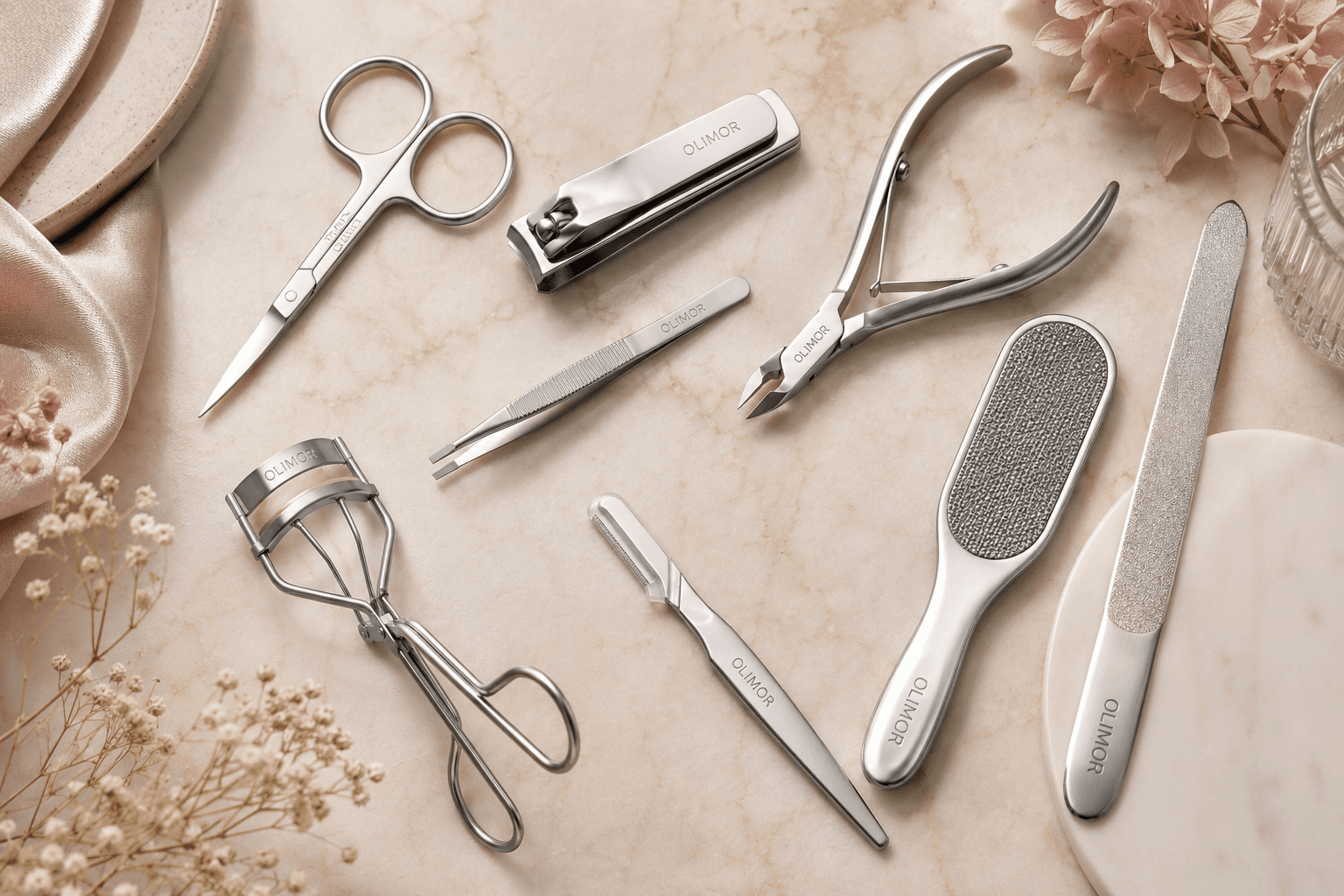
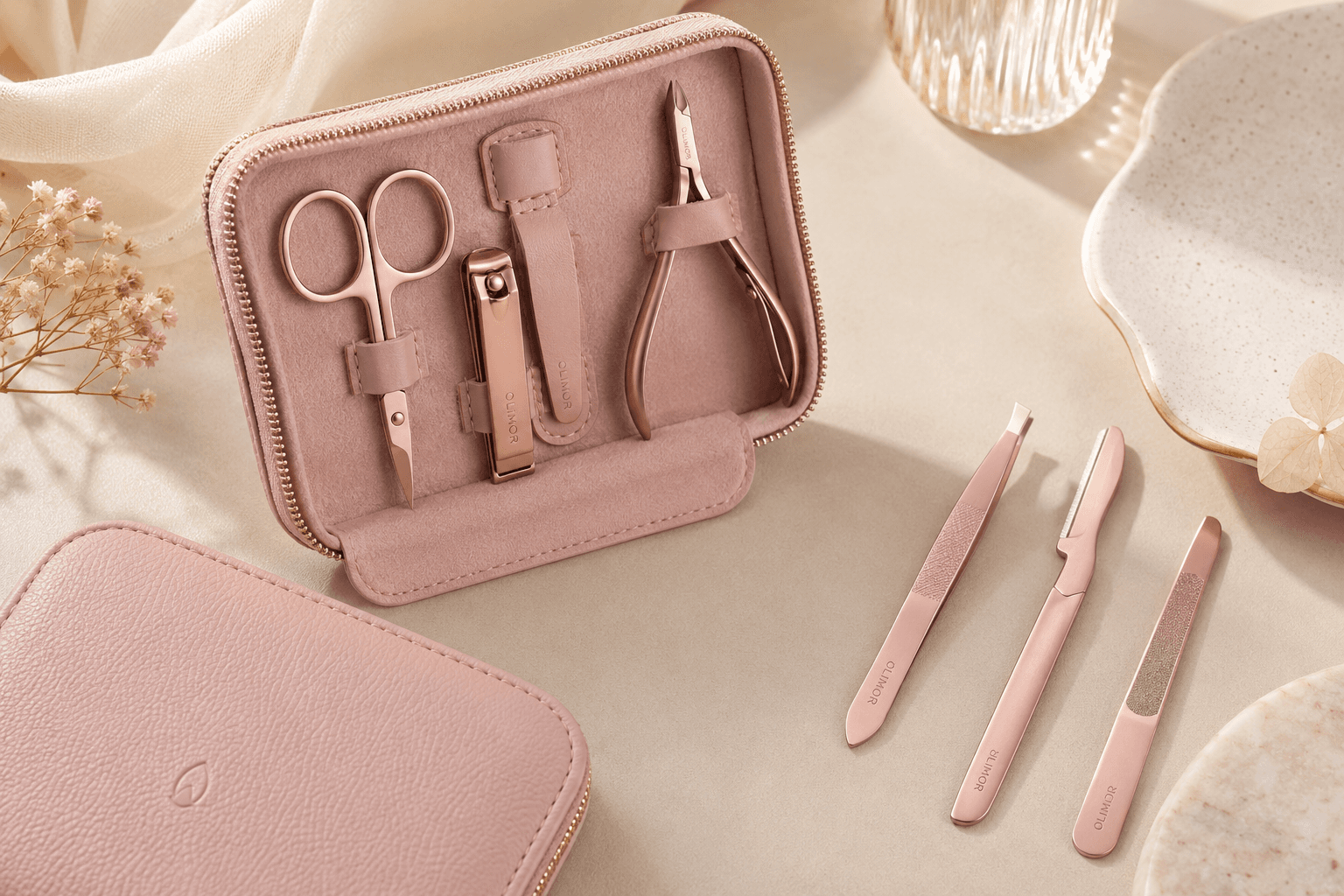
B2B tweezers are sourced with repeat purchasing, brand consistency and business use in mind. Instead of buying whatever is available on a shelf, you can evaluate the supplier’s production approach, quality control habits, available customization options and ability to support bulk orders. Olimor Beauty focuses on beauty tools for business buyers, including companies comparing standard stock tools with customized options. You can explore broader beauty tool products to understand how tweezers may fit within a larger beauty accessory range.
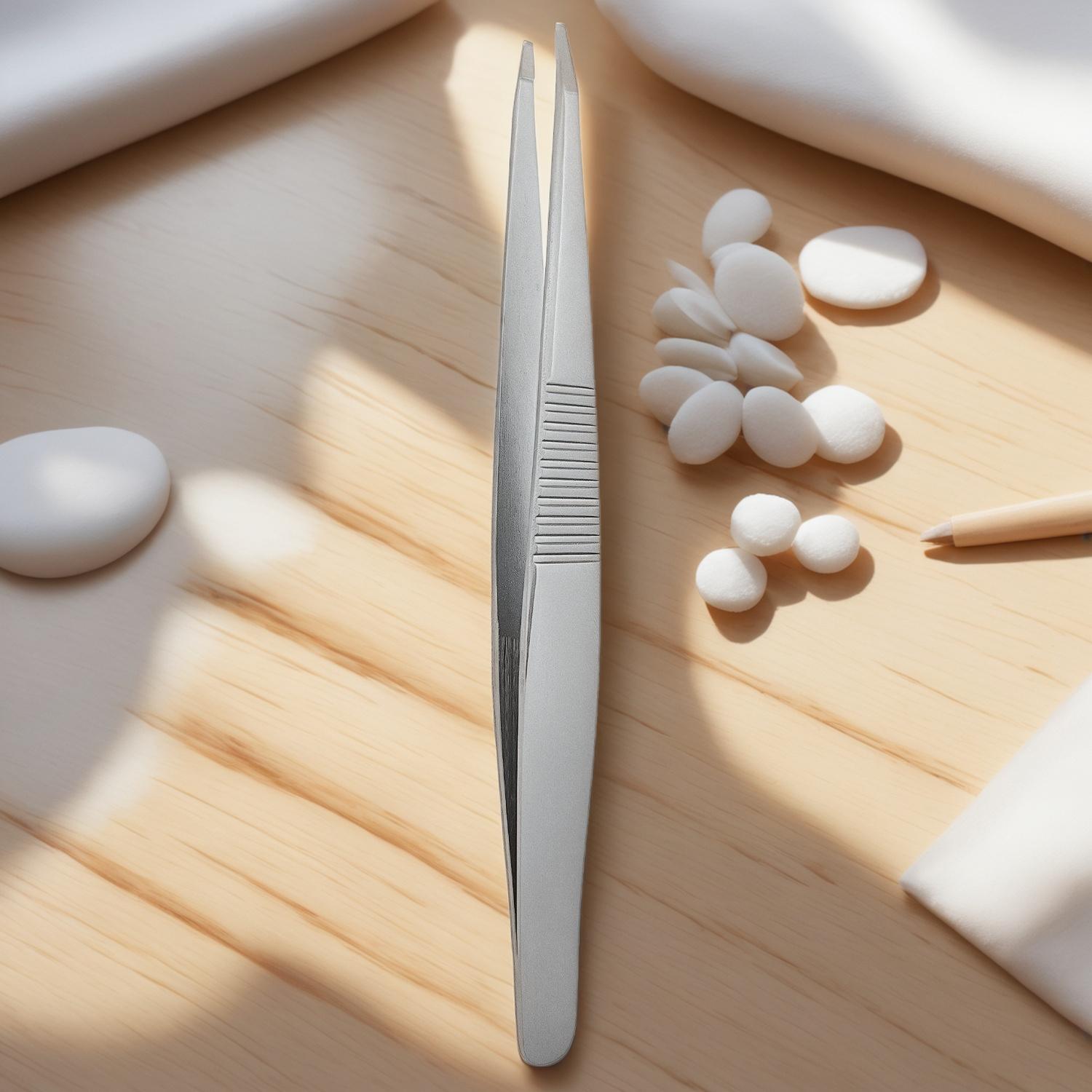
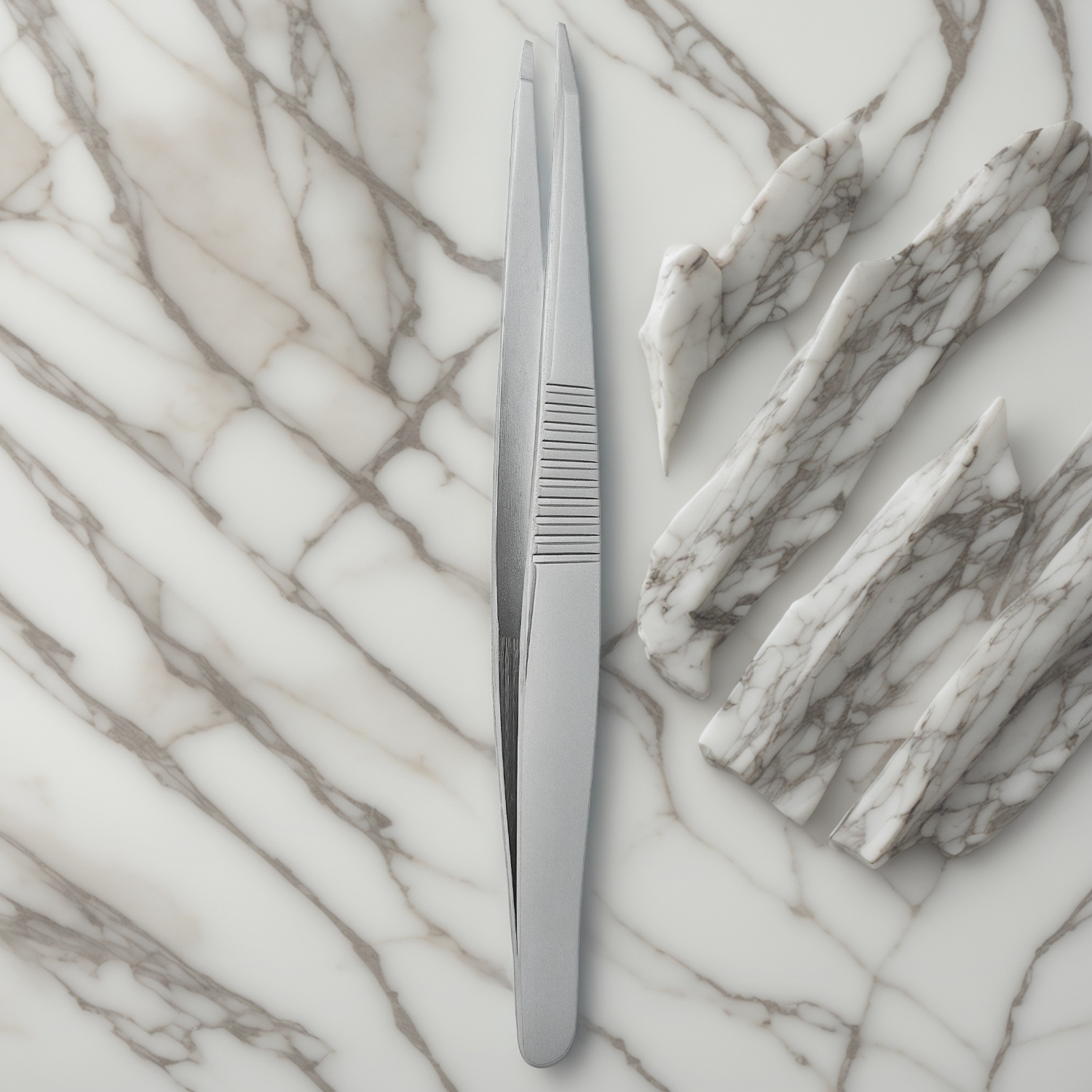
The supplied product information highlights a few key expectations: high-grade stainless steel, ergonomic design, durability, rust resistance, comfort and precision. These qualities matter because tweezers depend on small details. The tips must meet accurately, the arms should have controlled tension, and the finish should feel comfortable in the hand. A tweezer that looks acceptable in a product photo may still perform poorly if the grip is inconsistent or the edges feel rough.
For resellers, the value of B2B tweezers is not only the tool itself. It is the ability to create a more dependable buying process. When you can standardize quality expectations, packaging direction and reorder planning, you reduce the risk of launching a product that cannot be supplied consistently later.
Key Selection Criteria Before Ordering Custom Tweezers
Before discussing decoration or packaging, define the actual use case. A brow artist, a lash technician, a beauty retailer and a gift set buyer may all need tweezers, but their priorities are not identical. The best sourcing choice starts with matching tool performance to the end user.
- Tip alignment: The tips should meet cleanly so the tweezer can grip small hairs or objects without slipping.
- Tension: The tweezer should not feel too stiff for repeated use or too loose to control.
- Hand comfort: Ergonomic design matters for professionals who use tweezers throughout the day.
- Material suitability: Stainless steel is valued in beauty tools because it supports durability and resistance to rust when properly cared for.
- Finish quality: Check for smooth surfaces, clean edges and a finish that fits your retail positioning.
- Branding area: Consider where a logo or mark could appear without interfering with comfort or use.
- Packaging compatibility: The packaging should protect the tips and communicate the product clearly at retail or in kits.
For private-label or resale buyers, it is useful to test the tweezer the way your customer will use it. Do not judge only by appearance. Open the packaging, hold the tool, test the grip, compare several pieces, and think about how it would feel during a full service or daily grooming routine.
Custom Branding That Supports the Product Instead of Distracting From It
Custom tweezers for business can help create a stronger brand impression, but decoration should support the tool rather than hide weak quality. A logo on an unreliable tweezer does not build loyalty. It increases the chance that a poor experience will be remembered under your brand name.
Branding decisions should be practical. If your audience is professional, a clean and understated mark may feel more appropriate than heavy decoration. If the tweezers will be sold as a beauty gift or included in a kit, packaging may carry more of the visual identity while the tool remains simple and functional. For resellers, consistent presentation across multiple orders is especially important because customers may compare items bought at different times.
When planning customization, prepare clear artwork files, placement expectations and packaging notes. Also decide whether the product is intended for salon back-bar use, retail sale, promotional use or inclusion in a beauty set. Each purpose may require a different balance between appearance, cost, protection and perceived value.
How Bulk Tweezers Price Affects Real Profit
Bulk purchasing is often attractive because it can lower the per-unit cost compared with buying small quantities from retail sources. However, the lowest bulk tweezers price is not automatically the best value. A cheaper item that creates returns, complaints or inconsistent reviews can cost more in the long run than a better-controlled product.
Business buyers should think in terms of total landed value. That includes the tool cost, branding, packaging, inspection expectations, shipping method, storage, retail price, and the likelihood of repeat orders. For salons, the calculation may include staff satisfaction and tool longevity. For resellers, it may include margin, customer reviews and reorder confidence.
A useful way to compare options is to list the cost and risk factors side by side:
| Decision Point | What to Check | Why It Matters |
|---|---|---|
| Unit cost | Compare small-order and bulk pricing structures | Helps estimate margin and reorder feasibility |
| Quality consistency | Review multiple samples, not only one piece | Reduces the chance of uneven customer experience |
| Branding method | Confirm logo placement and appearance expectations | Protects brand presentation on the finished tool |
| Packaging | Check protection, labeling space and retail appearance | Supports resale and reduces tip damage risk |
| Reorder planning | Consider future availability and repeat consistency | Important for retailers and private-label programs |
Sourcing Questions for Salons, Retailers and Resellers
Different business models should evaluate tweezers from different angles. A salon purchasing professional tools may care most about control, comfort and durability. A retailer may prioritize packaging, price point and shelf presentation. A reseller may need customization, stable quality and a clear margin structure.
Before placing a bulk order, create a short internal checklist:
- Who is the primary user: professional artist, everyday consumer, gift buyer or wholesale customer?
- Will the tweezers be sold individually, used in service, or included in a kit?
- What quality level is expected by your market position?
- Does the sample grip fine hair or small objects reliably?
- Is the handle comfortable during repeated use?
- Does the branding look clean without interfering with function?
- Is the packaging protective enough for storage, shipping and retail display?
- Can the same standard be repeated in future orders?
If you are building a larger beauty assortment, review Olimor’s product collections to consider whether tweezers should coordinate with other tools in material, finish, packaging or retail story. A consistent product family can make your offer easier to merchandise and easier for customers to understand.
Maintenance Guidance to Reduce Complaints and Extend Use
Even well-made tweezers need proper handling. Retailers and brands can reduce customer complaints by providing simple use and care guidance. The tips should be protected when not in use, because dropping or storing tweezers loosely can affect alignment. After use, the tool should be cleaned according to the user’s hygiene needs and dried before storage. Stainless steel supports durability and rust resistance, but good maintenance still matters, especially in humid salon or bathroom environments.
For professional environments, staff should separate service tools from retail samples and avoid using damaged tweezers on clients. For retail buyers, packaging inserts or short care instructions can improve the customer experience without adding complicated claims. Clear guidance also signals that the tool is designed for serious use, not treated as a disposable accessory.
When to Choose Custom Tweezers Instead of Standard Stock
Standard stock tweezers may be enough when you need a small quantity quickly or are testing market interest. Custom tweezers make more sense when the tool will represent your brand, support resale, appear in a kit, or be reordered over time. The more visible the product is to your customer, the more important consistency and branding become.
For businesses comparing options, the best next step is to define the desired use, preferred presentation and expected order plan before requesting details. If you need help narrowing the right direction for custom tweezers for business, you can contact Olimor or send an inquiry with your product goals, target customer and packaging needs.
Custom tweezers are a small product with a large influence on perceived quality. By prioritizing grip, comfort, material suitability, branding discipline and bulk purchasing value, beauty businesses can source tools that support customer trust and make commercial sense over repeated orders.
Tag: