Manicure Pedicure Tools: Salon Quality Basics for Spas
For a spa, nail studio, or beauty salon, manicure and pedicure tools are not small accessories. They shape the speed, safety, consistency, and perceived quality of every hand and foot treatment. A technician can have excellent skill, but if the nipper is poorly aligned, the pusher is uncomfortable, or the tool surface is difficult to clean, the service becomes harder to control.
Salon buyers searching for manicure pedicure tools usually want two things at the same time: dependable instruments for daily use and a practical sourcing route that keeps inventory consistent. This guide focuses on the basics that matter when selecting professional tools, comparing wholesale options, and building a kit that supports hygienic, repeatable salon services.
What Belongs in a Professional Manicure and Pedicure Tool Set?
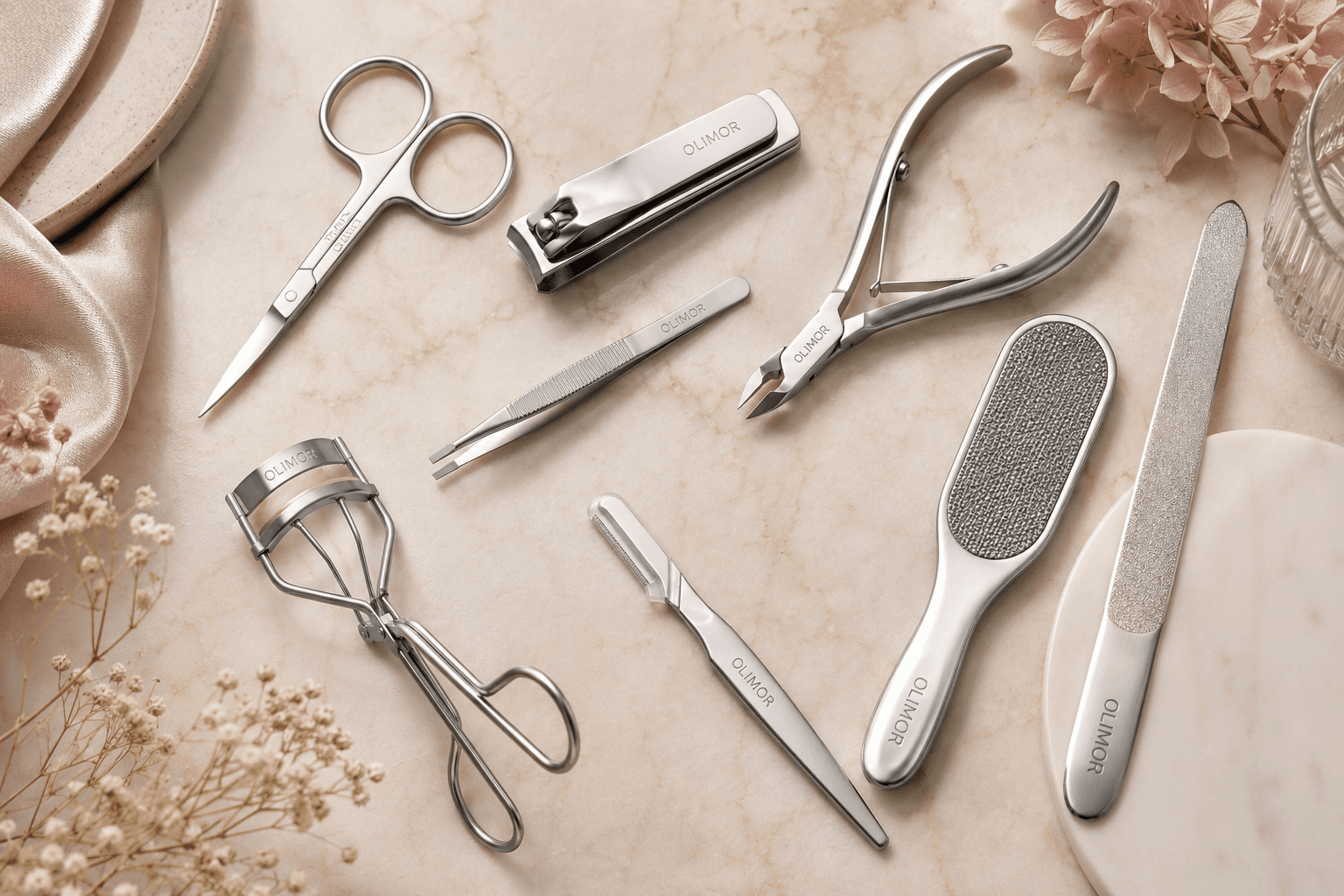
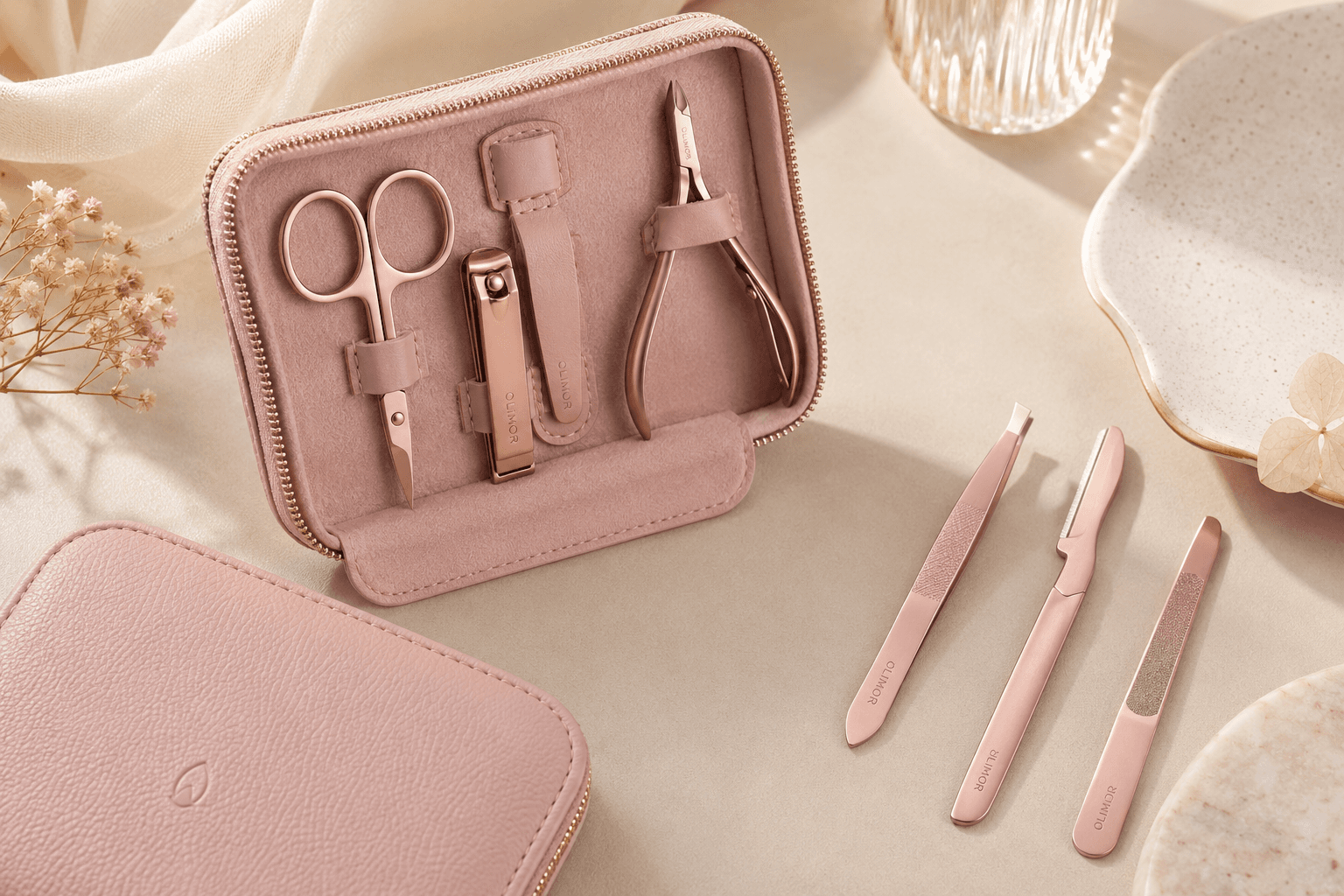
A salon-quality kit should cover preparation, shaping, cuticle care, cleaning, and finishing support. The exact selection depends on the services offered, but most professional setups include several core instruments used across both manicure and pedicure treatments.
- Nail clippers: Used for trimming fingernails and toenails before shaping. Pedicure clippers may require a stronger design because toenails are often thicker.
- Cuticle pushers: Help prepare the nail plate and move softened cuticle with controlled pressure.
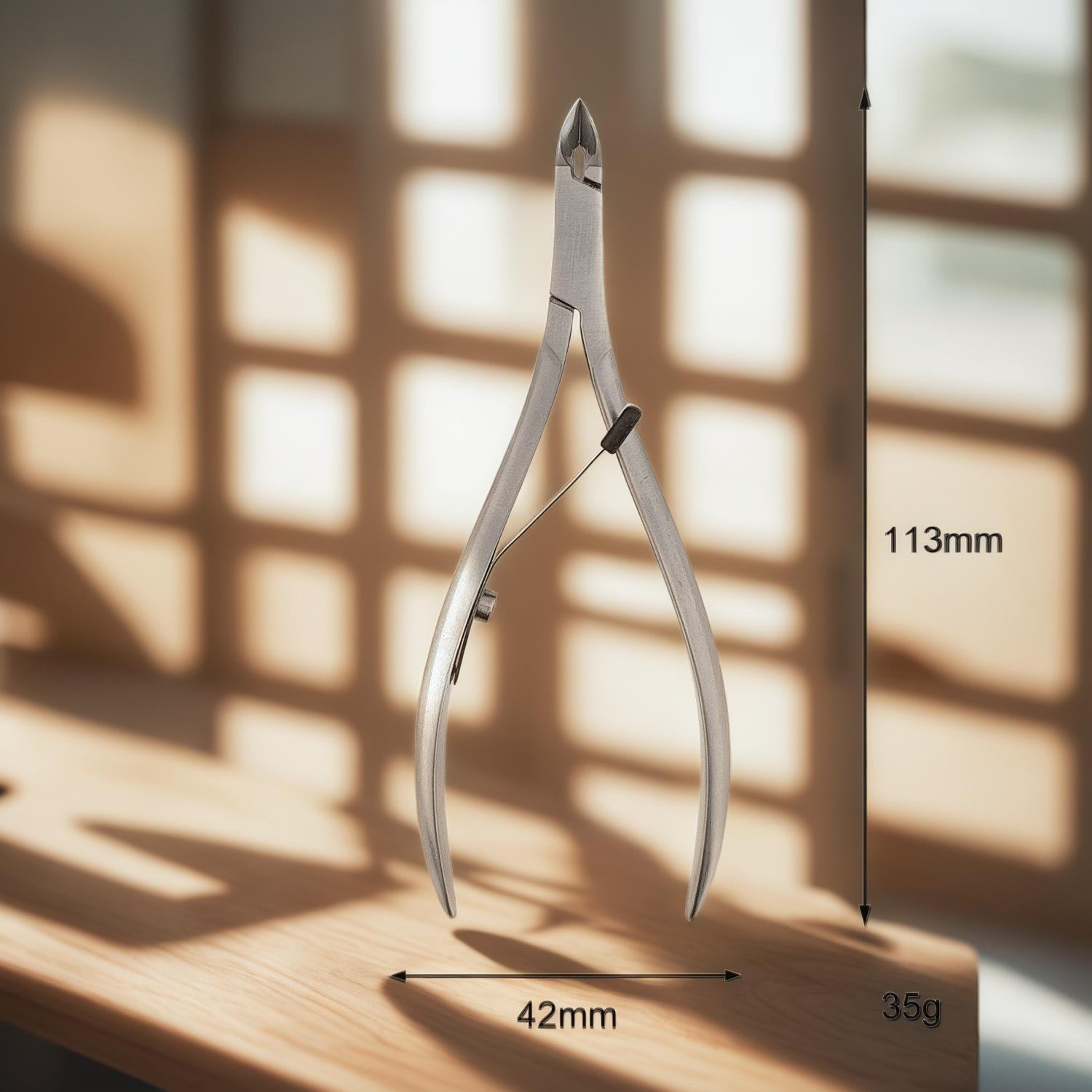
- Cuticle nippers: Used carefully by trained technicians to trim loose or excess cuticle. Alignment and spring response are important for precision.
- Nail files and buffers: Support shaping and surface refinement. Salons often separate disposable or client-specific abrasive items from reusable metal tools.
- Callus or foot care tools: For pedicure services, tools should be selected with particular attention to local hygiene rules and technician training.
- Cleaning brushes and accessory tools: These support preparation and after-service cleaning routines.
When building kits for multiple service stations, consistency matters. If every technician uses a different tool shape, weight, or grip style, training becomes less efficient and service outcomes can vary. Standardizing the main tool set helps salons control technique and replacement planning.
Material and Finish: Why Stainless Steel Is Commonly Preferred
The original purpose of a professional manicure or pedicure instrument is simple: it must perform accurately and be suitable for repeated cleaning between clients. Stainless steel is widely used in professional beauty tools because it can offer durability, a smooth working surface, and compatibility with many salon sanitation processes when handled correctly.
Buyers should avoid judging quality only by shine or weight. A polished tool may look attractive, but the working edges, joint movement, and surface finish are more important. For nippers and clippers, check whether the cutting edges meet cleanly without gaps. For pushers, inspect the contact edge for smoothness so it can work effectively without unnecessary scratching. For tools with hinges or springs, movement should feel controlled rather than loose or sticky.
Finish also affects cleaning. Deep grooves, rough joints, and poorly finished edges can trap product residue or debris. A professional salon tool should support a clear cleaning workflow: remove visible residue, wash according to salon procedure, dry thoroughly, and sanitize or sterilize as required by local regulations and product guidance.
Ergonomics and Control During Long Salon Days
A manicure pedicure tool is held for many minutes at a time, often across back-to-back appointments. Small ergonomic differences can have a significant effect on technician comfort. A balanced tool reduces hand strain and helps the technician keep steady pressure. This is especially important for cuticle work, toenail trimming, and detailed finishing tasks.
When evaluating samples or supplier options, salons should consider how tools feel in real working positions rather than only in a catalog photo. The grip should be stable when hands are dry or slightly damp. The tool should open and close smoothly. A cuticle nipper with a spring mechanism, for example, should return naturally without forcing the hand into an awkward position. If the spring feels too stiff, technicians may tire quickly. If it feels too weak or unstable, control can suffer.
For salons training junior technicians, predictable ergonomics are especially useful. A tool that feels intuitive makes it easier to teach consistent pressure, safe angles, and proper hand positioning. Over time, this supports both productivity and service quality.
Hygiene Planning for Salon Tool Buyers
Hygiene is one of the most important reasons to invest in appropriate professional tools. Reusable manicure and pedicure instruments must fit the salon’s cleaning and disinfection process. Before ordering in quantity, buyers should review whether each tool can be cleaned thoroughly and whether its design supports the salon’s local compliance requirements.
A practical hygiene review can include the following steps:
- Separate tool categories: Identify which items are reusable, which are disposable, and which should be assigned to individual clients if that is part of your salon policy.
- Inspect surface accessibility: Choose tools without unnecessary crevices, rough seams, or poorly finished joints that make residue removal difficult.
- Plan enough sets per station: Salons need enough tools to serve clients while other tools are being cleaned, dried, or processed.
- Train technicians on handling: Dropping, improper storage, and forcing hinges can damage alignment and reduce tool life.
- Record replacement triggers: Replace tools when cutting edges dull, tips misalign, corrosion appears, or movement becomes unreliable.
Good hygiene planning is not only about the tool itself. It also depends on workflow, storage, staff training, and the time allowed between appointments. However, choosing instruments that are easy to maintain gives the salon a stronger foundation.
How to Compare Wholesale Manicure Kits for Spas
Many salons and spas source through wholesale channels because they need repeat orders, consistent packaging, and enough quantity for multiple treatment rooms. When comparing wholesale manicure kits for spas, the goal is not simply to find the lowest unit price. The better question is whether the tools will support your service menu, cleaning procedures, technician comfort, and replacement cycle.
The table below outlines useful buying checks before placing a larger order.
| Buying area | What to check | Why it matters |
|---|---|---|
| Tool selection | Confirm the kit includes the instruments needed for your actual manicure and pedicure services. | A low-cost kit is not efficient if key tools must be purchased separately. |
| Working edges | Inspect nipper, clipper, and pusher edges for alignment, smoothness, and safe finishing. | Precision affects service quality and technician confidence. |
| Ergonomics | Evaluate grip, spring response, handle shape, and balance during realistic use. | Comfort supports consistency during full workdays. |
| Cleaning suitability | Look for surfaces and joints that can be cleaned thoroughly according to salon procedure. | Maintenance and hygiene depend on practical design. |
| Packaging and replenishment | Consider whether the supplier can support organized receiving, storage, and future reorders. | Consistency helps multi-station salons control inventory. |
If you are reviewing broader sourcing options, Olimor Beauty’s beauty tool products page is a useful starting point for understanding available product categories. Buyers comparing different tool groupings can also browse product collections to plan how manicure and pedicure tools fit with other beauty accessories.
Choosing a Professional Beauty Tools Supplier
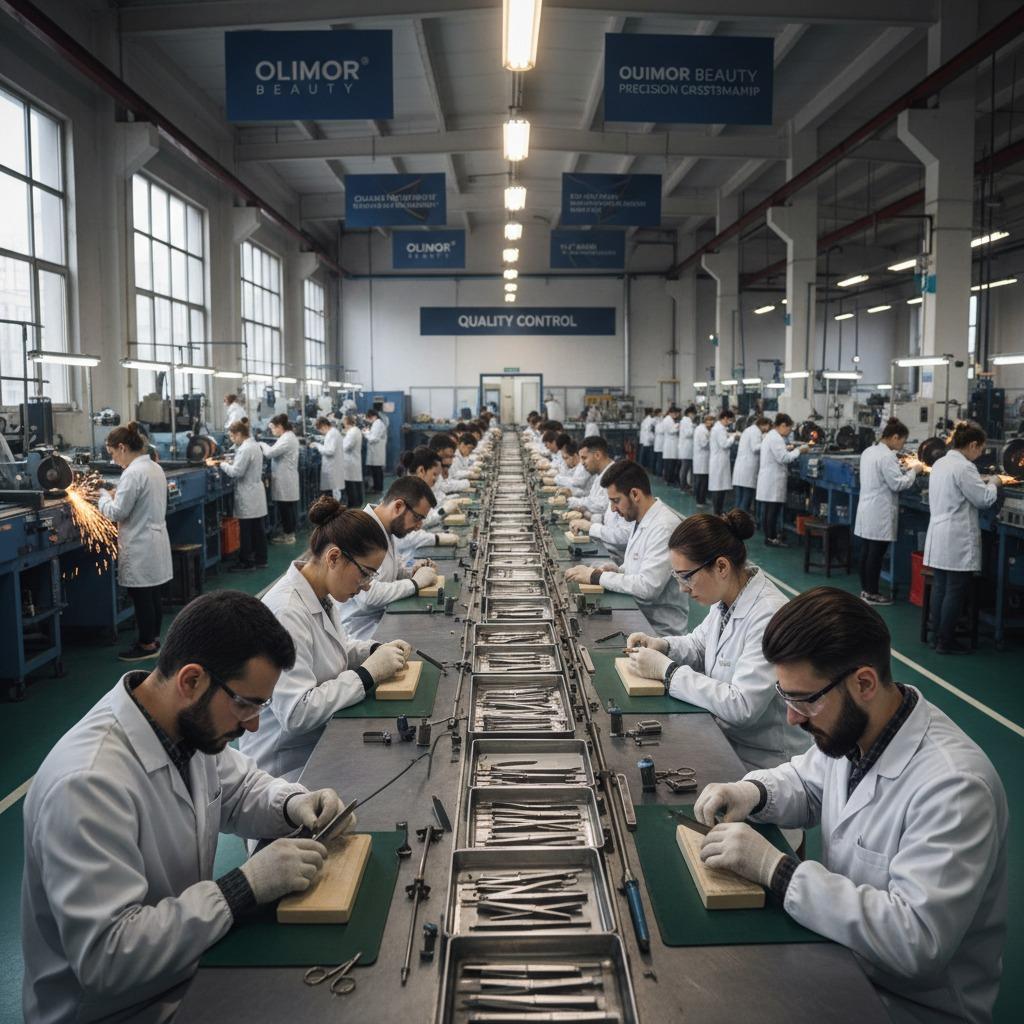
A supplier for salon nail tools should be evaluated on more than product photos. Reliable sourcing involves communication, repeatability, and a clear understanding of what your salon or spa needs. For wholesale buyers, the most important supplier questions often relate to quality control, sample review, packaging, and order consistency.
Before committing to a new tool set, prepare a simple checklist. Define the services the tools will support, the quantity needed per station, how many backup sets are required, and what packaging format works best for your storage system. If you operate more than one location, include branch-level consistency in the sourcing plan so technicians are not working with different tool standards across stores.
It is also helpful to request clear product information before making a purchasing decision. Rather than relying on broad claims, review tool materials, construction details, intended use, cleaning considerations, and packaging options where available. For custom or wholesale discussions, buyers can send an inquiry with service requirements, estimated quantities, and the type of tool set needed. If you need help narrowing the right category, you can also contact Olimor for product communication.
Maintenance Habits That Protect Tool Performance
Even well-made manicure pedicure tools lose performance if they are mishandled. Daily maintenance should be treated as part of the salon’s service system, not as an afterthought. Tools should be cleaned promptly after use, dried thoroughly, and stored in a way that prevents edge damage. Nippers and clippers should not be tossed loosely into drawers where tips and cutting edges can knock against other metal items.
Technicians should also know when a tool is no longer suitable for client service. Warning signs include uneven cutting, pulling rather than trimming, loose hinges, bent tips, surface damage, or any visible corrosion. Continuing to use a damaged tool slows the technician down and can reduce the quality of the appointment.
For salons purchasing in bulk, replacement planning is practical. Keep a small reserve of core tools so damaged or dull instruments can be removed immediately. This avoids the common problem of keeping an underperforming tool in use simply because no replacement is available.
Build a Tool Standard That Matches Your Salon Service Level
Salon-quality manicure and pedicure tools should be selected with the same care as treatment products, furniture, and client-facing supplies. They affect the technician’s hand, the client’s comfort, hygiene workflow, and the final look of the service. The strongest buying decisions come from balancing material, finishing, ergonomics, cleaning suitability, and supplier reliability.
For spas, salons, and beauty businesses, investing in professional tools is not about buying the most complicated kit. It is about choosing instruments that are appropriate for your services, easy to maintain, comfortable for trained staff, and consistent enough for repeat professional use. With a clear buying checklist and a dependable wholesale sourcing process, manicure and pedicure tools become a stable part of the salon’s quality system.
Tag: