How to Source Wholesale Tweezers from a China Manufacturer
For beauty brands, salon suppliers, retailers and distributors, tweezers look simple until customers start judging them in daily use. A tweezer that cannot grip fine hair, feels uncomfortable in the hand or loses alignment quickly can create returns, poor reviews and weak repeat sales. That is why choosing a dependable tweezers wholesaler is not only a purchasing decision; it is a product quality decision that affects your brand reputation.
Olimor Beauty works with businesses seeking wholesale tweezers and tweezers OEM services, including custom branded grooming tools for beauty and personal care markets. If you are comparing a China manufacturer for bulk tweezers, the most useful approach is to look beyond the unit appearance and evaluate material, tip precision, finishing, consistency, packaging readiness and communication during development.
This guide explains what to check before placing a wholesale tweezer order, how to compare samples, and which sourcing questions help reduce risk when building a professional grooming tool line.
What Buyers Should Expect from a Professional Tweezer Supplier
A reliable tweezers supplier should support both product performance and commercial practicality. For a beauty brand, the tool must look appropriate for the target audience, but it also needs to perform consistently across a batch. For a distributor or retailer, the requirements may include stable replenishment, packaging flexibility and quality that matches the selling channel.
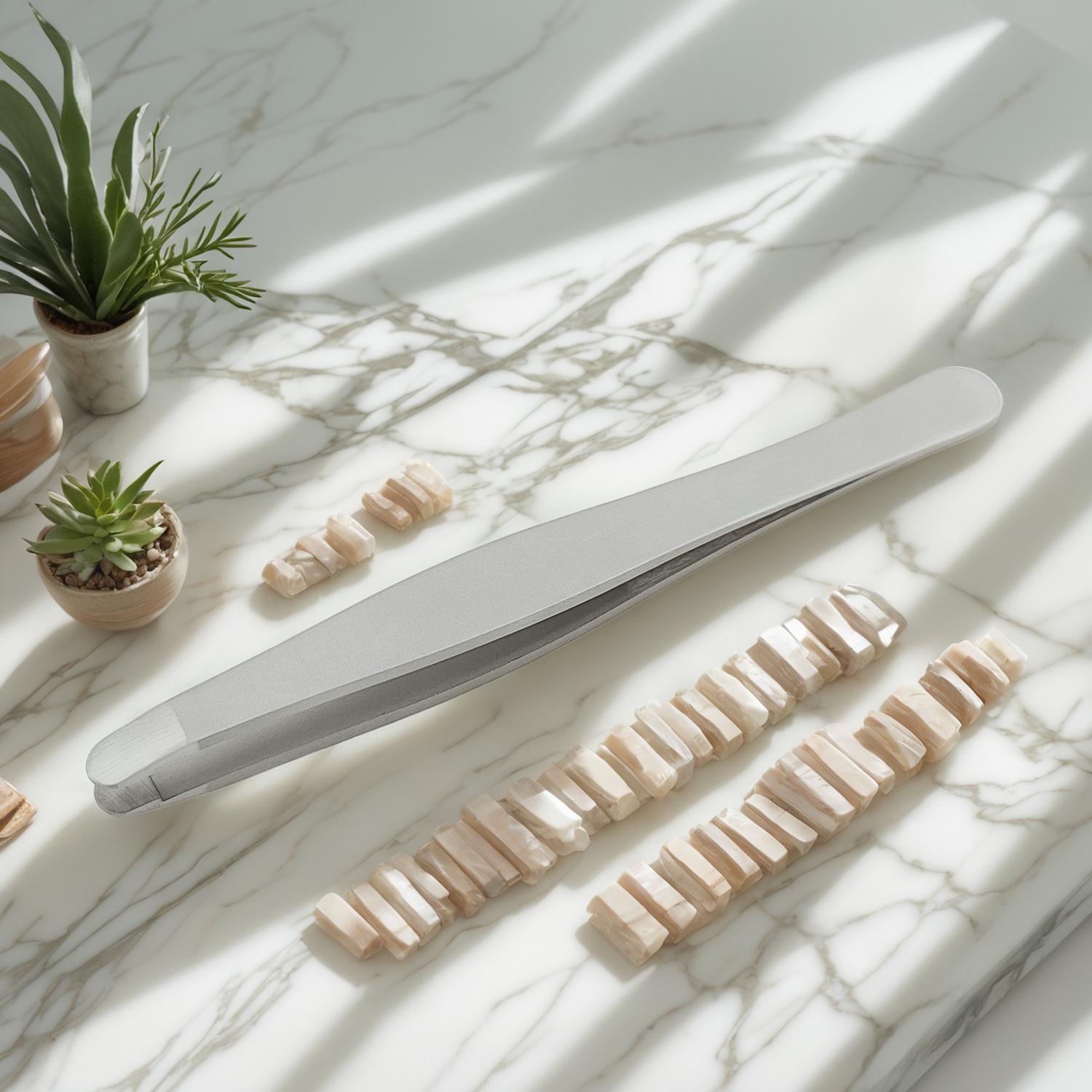
The original product details from Olimor Beauty highlight several important points buyers often look for: stainless steel construction, a matte finish, a 94mm design, aligned tips and internal quality control from raw material inspection through final packaging. These are meaningful because tweezers depend on small tolerances. If the two arms are not balanced, or the tip contact is uneven, the tool may pinch skin, miss fine hairs or feel weak after repeated use.
When assessing any wholesale tweezer option, consider the full buying context:
- Target use: brow grooming, facial hair removal, lash application support, salon retail or travel grooming kits.
- Sales channel: professional beauty supply, online retail, private label kits, promotional sets or supermarket personal care shelves.
- Brand positioning: entry-level everyday tool, premium grooming accessory or compact add-on for an existing beauty range.
- Packaging expectations: single retail pack, set packaging, protective sleeve, hanging card or customized branded presentation.
- Inspection priorities: tip grip, surface finish, arm tension, cleanliness, packaging accuracy and carton condition.
These criteria help you decide whether a supplier is merely offering a low-cost item or can support a product that customers will trust after repeated use.
Key Quality Details That Matter in Bulk Tweezers
Tweezers are small tools, but their quality is easy for users to notice. A consumer may forgive simple packaging, but they will quickly reject a tool that slips on short hairs or feels rough near the skin. When sourcing in bulk, the challenge is not only approving one good sample; it is making sure production remains consistent.
Material selection is one of the first checkpoints. Olimor Beauty identifies the product as made from stainless steel, a practical choice for grooming tools because it supports durability and resistance to rust in normal beauty environments. Buyers should still confirm that the selected material and finish are suitable for their market, expected retail price and intended packaging environment.
Tip alignment is the most important functional detail. The two tips should meet evenly without a visible gap. They should grip fine hairs firmly without requiring excessive pressure. For brow grooming, the tip shape and contact area influence whether the tweezer can isolate one hair at a time.
Arm tension affects user comfort. If the arms are too stiff, customers may experience hand fatigue. If they are too loose, the tool can feel cheap or fail to pull hair cleanly. The 94mm design mentioned by Olimor Beauty gives buyers a useful reference point for hand control and packaging planning, but samples should always be tested by the type of user who will actually buy the product.
Surface finish influences both appearance and grip. A matte finish can look clean and modern while reducing the overly reflective look of polished metal. Buyers should inspect the finish for scratches, sharp edges, uneven color, stains or residue before approving bulk production.
Sample Evaluation Checklist for Beauty Brands
Before moving into a wholesale order, request and evaluate samples in a structured way. A written checklist keeps product, purchasing and marketing teams aligned. It also makes feedback clearer if adjustments are needed before production.
| Checkpoint | What to Review | Why It Matters |
|---|---|---|
| Tip contact | Check whether both tips meet evenly from the point of contact. | Uneven tips reduce grip and increase customer complaints. |
| Hair gripping test | Test on fine, short and medium hairs or suitable test fibers. | Confirms real grooming performance, not just appearance. |
| Arm tension | Open and close repeatedly to judge resistance and comfort. | Affects ease of use and perceived quality. |
| Finish quality | Inspect matte surface, edges, corners and visible marks. | Impacts retail appeal and user comfort. |
| Size and handling | Review the 94mm format against your packaging and target user. | Ensures the tool suits the intended sales channel. |
| Packaging fit | Place the tool in the proposed pouch, card or box. | Prevents movement, scratches and presentation issues. |
During sample review, avoid relying on only one evaluator. A buyer may focus on cost and packaging, while a brow professional may immediately notice weak tension or poor tip contact. Combining both perspectives leads to better product decisions.
OEM Tweezers: Customization Without Losing Function
Tweezers OEM services can help a brand create a product that fits its visual identity and retail strategy. Custom branding may include logo placement, finish direction, packaging design or presentation as part of a broader grooming kit. However, customization should not compromise the tool’s core function.
When planning OEM tweezers, start with the intended customer and selling environment. A salon-focused tool may need a clean professional appearance and strong emphasis on precision. A retail beauty accessory may need packaging that explains use and care clearly. A travel or gift set may need compact protection to reduce scratching during shipping and storage.
Useful OEM planning questions include:
- Which tweezer shape and tip style best fits the main use case?
- Will the matte finish match the rest of the brand’s beauty tool range?
- Where should branding appear so it is visible but not uncomfortable in use?
- Does the packaging protect the aligned tips during transport?
- What inspection standard will be used before shipment approval?
Olimor Beauty offers tweezers OEM support for businesses seeking custom, branded products. Buyers can also browse broader beauty tool products to consider how tweezers may fit within a wider personal care assortment.
Quality Control from Raw Material to Final Packaging
For wholesale tweezers, quality control should cover more than a final visual check. Olimor Beauty describes internal quality control from raw material inspection to final packaging, which is the right direction for this type of product. Each stage can affect the user experience.
At the material stage, the supplier should confirm that the steel and surface treatment are appropriate for the order requirements. During forming and finishing, the arms need consistent shape, clean edges and stable tension. During tip adjustment, alignment must be checked carefully because this is where the tweezer becomes a functional grooming tool rather than a shaped piece of metal.
Final inspection should include both appearance and performance. Buyers may define an acceptable inspection plan that includes random checks for tip grip, surface marks, packaging accuracy, barcode or label placement if relevant, and carton condition. Even when the product is small, packaging mistakes can create retail delays, especially for private label programs.
Clear approval samples are also important. Keep a signed or documented reference sample for finish, size, logo position if used, packaging layout and performance feel. This makes future repeat orders easier to compare and helps prevent small changes from accumulating over time.
How to Compare a China Manufacturer for Wholesale Tweezers
China offers many options for beauty tool sourcing, but not every supplier is the right fit for a brand program. The best choice depends on whether you need a simple wholesale item, private label packaging, OEM development or a long-term supplier relationship. Instead of comparing only price, evaluate how well the manufacturer helps you control risk.
Look for practical strengths such as clear sample communication, willingness to discuss inspection details, understanding of packaging protection, and consistency between the approved sample and the quoted production item. If a supplier cannot explain how tip alignment is controlled or how final packaging is checked, the lowest price may become expensive later through returns or replacements.
Buyers should also consider assortment planning. Tweezers may be sold alone, but they often perform well as part of grooming sets or beauty accessory ranges. Reviewing related product collections can help determine whether your tweezer program should stand alone or connect with other tools in a branded offer.
Care Instructions That Improve Customer Satisfaction
Good after-sale experience is not only about manufacturing. Clear customer care instructions can reduce misuse and help the tweezer perform longer. For retail packaging or online product pages, include simple guidance that customers can follow easily.
- Clean the tips after use with a suitable wipe and dry before storage.
- Store the tweezer with tip protection when possible to preserve alignment.
- Avoid dropping the tool, especially on the tips, as impact can affect grip.
- Use the tweezer for intended grooming tasks rather than cutting, prying or scraping.
- Keep the tool in a dry environment to support long-term surface condition.
These instructions are simple, but they protect the most important functional area: the tips. They also show customers that the brand understands professional grooming tool care.
Building a Reliable Wholesale Tweezer Program
A strong wholesale tweezer program begins with a clear product brief. Define your customer, target use, packaging style, quality expectations and branding needs before comparing offers. Then evaluate samples for grip, alignment, tension, finish and packaging protection. A supplier’s ability to maintain these details across production is what separates a dependable product from a one-time purchase.
Olimor Beauty supports businesses looking for stainless steel tweezers with a matte finish, a 94mm design, aligned tips, OEM options and internal quality control through the production and packaging process. For brands and distributors building a professional grooming tool assortment, the right sourcing decision can improve customer trust and make repeat sales easier.
If you are preparing a private label tweezer project or comparing wholesale options for your beauty range, you can contact Olimor to discuss product direction, or send an inquiry with your sourcing requirements.
Tag: