Choosing a Beauty Tools Manufacturer for Quality, Design and Reliable Supply
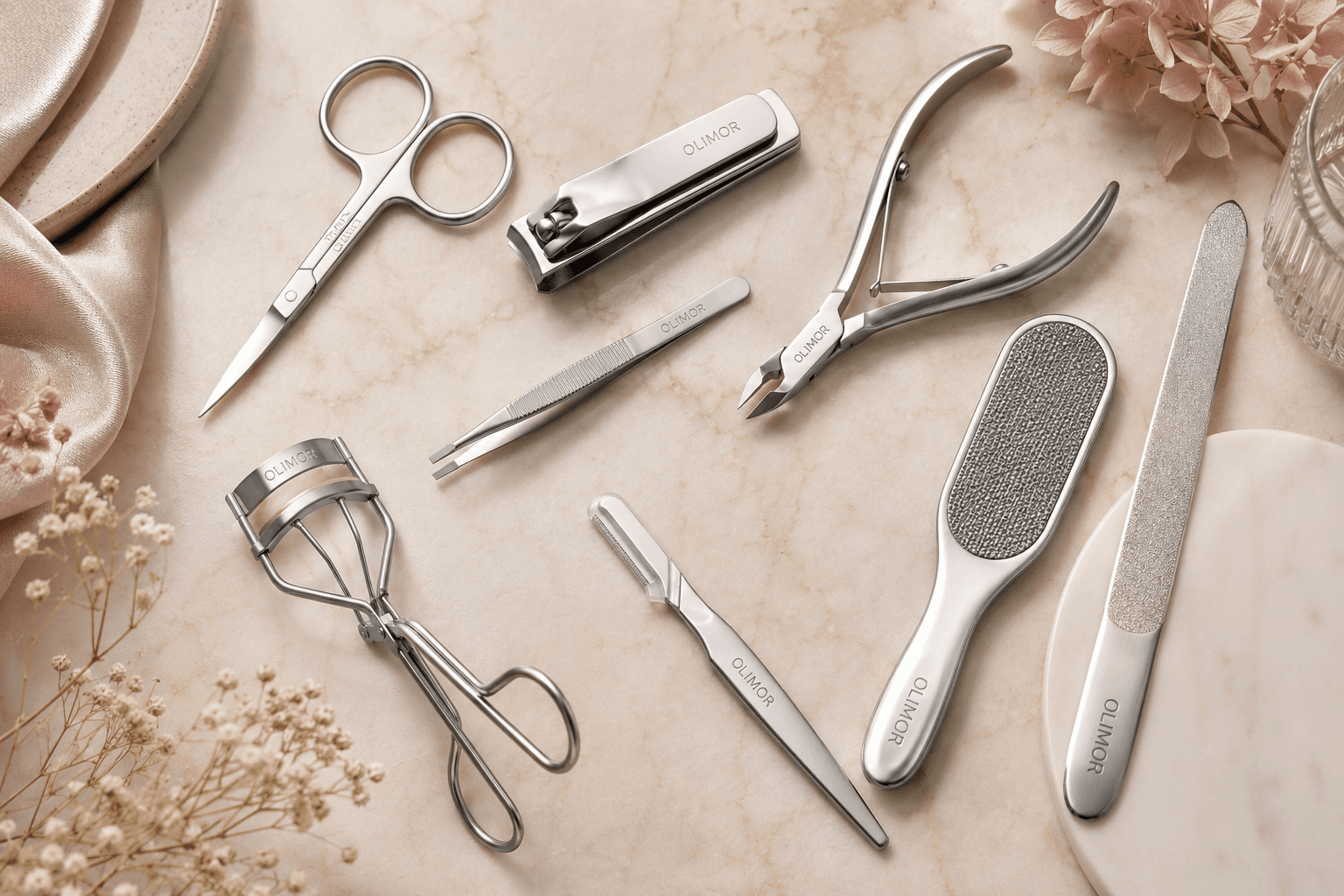
For beauty brands, distributors and retailers, the choice of a beauty tools manufacturer affects far more than the look of a product on the shelf. Personal care tools are handled close to the skin, used repeatedly and judged immediately by how they feel in the hand. A tweezer that does not align, a grooming tool with an uncomfortable grip or a poorly finished edge can quickly damage customer trust. Olimor Beauty focuses on manufacturing beauty and grooming tools with attention to precision, reliable handling and practical product presentation for professional and at-home users.
When evaluating a manufacturing partner, buyers should look beyond a simple product photo or unit quote. The real value is in repeatable quality, stable design execution, material selection, finishing consistency and the ability to support wholesale orders without losing control of details. This guide explains the key areas to review when sourcing personal care tools, especially for buyers building a product line or comparing grooming tools wholesale options.
Why Manufacturing Quality Matters in Beauty Tools
Beauty tools are small products, but small products often leave very little room for error. A minor mismatch in alignment, an uneven polish, a rough edge or inconsistent spring tension can change the user experience completely. This is why quality assurance should be treated as a central sourcing factor rather than a final inspection formality.
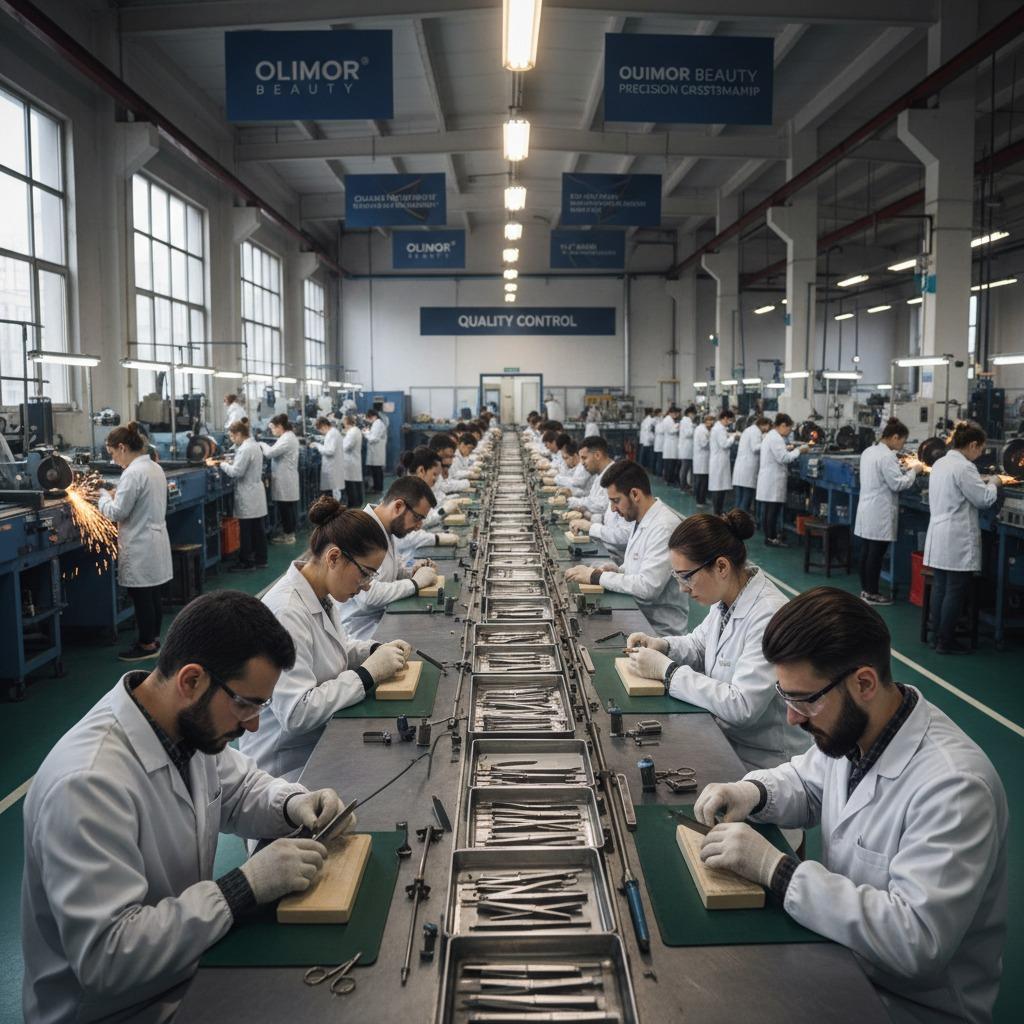
Olimor Beauty’s manufacturing approach emphasizes monitoring through the production process, from raw material selection to final packaging. For buyers, this kind of process focus is important because a product must remain consistent not only in the first approved sample but also across repeat orders. Consistency is particularly important for retail brands, e-commerce sellers, salon suppliers and distributors that need customers to recognize the same standard every time they purchase.
A dependable personal care tools manufacturer should be able to explain how quality is reviewed at meaningful points in production. This may include checking material condition before fabrication, reviewing shaping and finishing, inspecting functional performance and verifying that products are packaged correctly before shipment. The purpose is not only to find defects, but to prevent avoidable variation from reaching the buyer’s inventory.
Ergonomic Design: Comfort Is a Product Feature
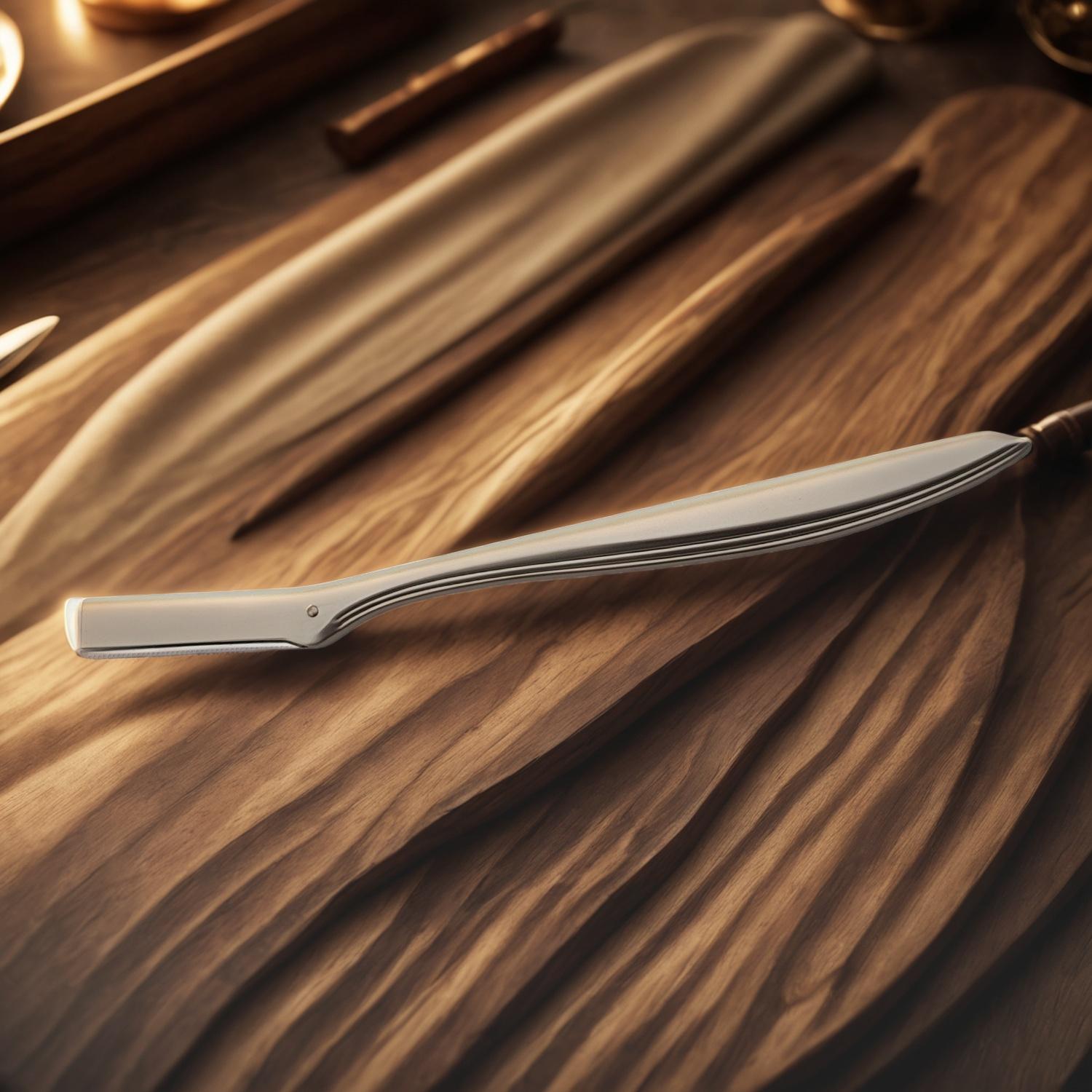
Ergonomic design is not just a marketing phrase in grooming tools. It directly affects accuracy, comfort and user confidence. Tools used for trimming, shaping, grooming or detail work should feel stable in the hand and should support controlled movement. If a handle is difficult to hold, too slippery, poorly balanced or tiring during repeated use, the product may not meet the needs of either professional or home users.
Olimor Beauty emphasizes the balance of form and function, with design decisions that consider how a tool is held and used. For wholesale buyers, ergonomic review should include both visual evaluation and actual handling. A tool may appear premium in photography but still feel awkward when used. Before moving to a large order, buyers should assess grip comfort, pressure points, edge placement, weight distribution and ease of control.
Useful ergonomic questions include:
- Can the user hold the tool securely without excessive force?
- Does the shape support left- and right-hand handling where relevant?
- Are edges, corners and contact areas smooth enough for comfortable use?
- Does the tool feel balanced rather than top-heavy or flimsy?
- Is the design suitable for the intended user, such as salon professionals, travel kits or everyday home grooming?
The best design is not always the most complicated. In many beauty tools, clean geometry, correct alignment and comfortable handling matter more than decorative details. A manufacturer that understands this can help buyers avoid products that look attractive but do not perform well in daily use.
Material Selection and Stainless Steel Considerations
The original product quality promise for Olimor Beauty includes the use of high-grade stainless steel. Stainless steel is widely used in beauty and personal care tools because it can support durability, a clean surface finish and repeated handling. However, buyers should still evaluate material decisions based on the function of the product, target price position and expected customer use.
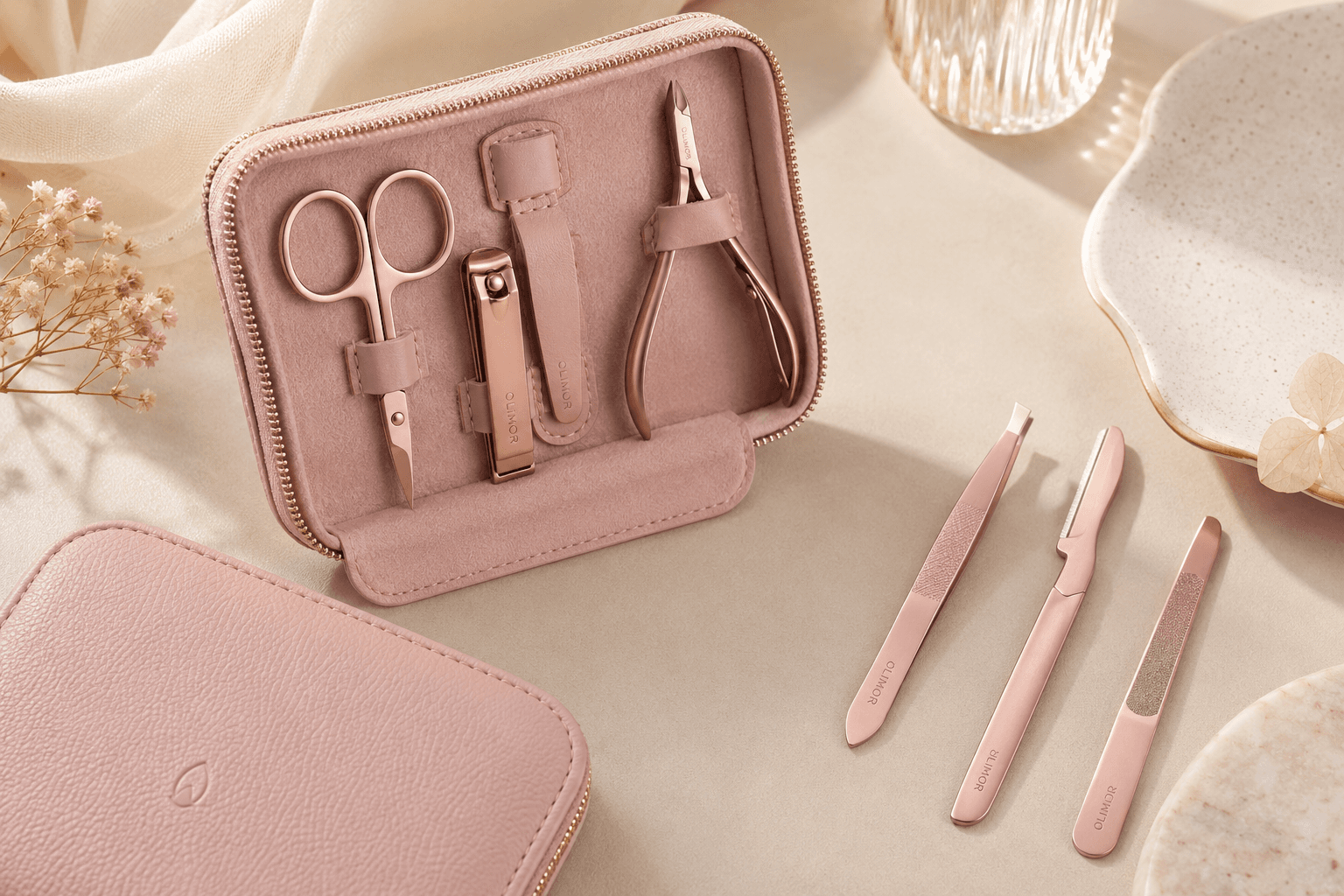
For grooming tools wholesale programs, material selection should be discussed alongside finishing and product design. A strong material alone does not guarantee a reliable tool. The shaping, polishing, alignment and final inspection all influence how the finished item performs. Buyers should also consider how the surface finish matches their brand positioning. Some markets prefer a classic polished metal look, while others may require a softer visual style, compact packaging or coordinated sets.
Because detailed specifications vary by product type, it is better to create a clear buyer checklist rather than rely on assumptions. This checklist can be used when comparing suppliers or preparing a new product brief:
| Review Area | What Buyers Should Check | Why It Matters |
|---|---|---|
| Material | Suitability of stainless steel or other selected material for the intended tool | Supports durability, finish quality and user confidence |
| Edges and tips | Smoothness, alignment and functional accuracy | Affects safety, precision and perceived quality |
| Surface finish | Polishing consistency, visible marks and clean appearance | Influences retail presentation and customer satisfaction |
| Handling | Grip comfort, pressure control and balance | Determines whether the product is practical for repeated use |
| Packaging fit | Protection, presentation and product stability inside the pack | Reduces damage risk and improves shelf or online appeal |
Quality Control from Raw Materials to Packaging
A beauty tools manufacturer should have a structured view of production quality. The process begins before a tool is formed. Raw materials should be checked for suitability and condition. During manufacturing, key stages should be reviewed to confirm that shaping, assembly, polishing and finishing remain consistent. Before packing, finished products should be inspected for appearance and function.
Packaging also deserves attention. A well-made tool can still create problems if it is packed in a way that allows movement, scratches or confusion in retail presentation. Buyers planning private label or wholesale distribution should consider how the product will be protected during transport, stored in inventory and presented to the end customer. Packaging should match the sales channel, whether the product is sold online, displayed in-store, included in a grooming kit or supplied to salons.
For buyers comparing manufacturers, quality control discussions should be specific. Instead of accepting general claims such as “good quality,” clarify what the inspection points are for the actual product category. A nail tool, tweezer, grooming scissor or accessory may require different functional checks. The goal is to connect inspection with real user experience, not only cosmetic appearance.
How Brands Can Prepare a Better Sourcing Brief
Clear communication at the start of a sourcing project reduces delays and misunderstandings. A practical sourcing brief does not need to be overly complex, but it should define the product purpose, buyer expectations and commercial context. This helps the manufacturer recommend feasible options and identify potential issues early.
A strong brief for a beauty tools manufacturer may include:
- Product type and use case: Define whether the tool is for salon use, daily grooming, travel, gift sets or retail beauty aisles.
- Target user: Explain whether the product is designed for professionals, beginners, men’s grooming, women’s beauty routines or general household use.
- Design direction: Provide reference shapes, preferred finish style, handle expectations and any comfort requirements.
- Quality priorities: Identify the most important functional points, such as alignment, sharpness, grip, smooth finish or compact packaging.
- Packaging expectations: Clarify whether the product will be sold individually, in a set or as part of a private label program.
- Market requirements: Share any known labeling, language or channel expectations for your sales region.
Buyers can explore Olimor’s broader beauty tool products to understand available product directions and compare options for different grooming categories. For brands developing a wider range, browsing product collections can also help organize products by use case or retail concept.
What to Look for in a Wholesale Manufacturing Partner
Wholesale beauty tool sourcing is not only about obtaining a lower unit cost. It is about finding a partner that can produce items repeatedly, communicate clearly and maintain the intended product standard. A good supplier relationship should help buyers reduce avoidable risk in design, production and packaging.
When comparing grooming tools wholesale suppliers, consider whether the manufacturer shows practical understanding of product use. A supplier that can discuss grip comfort, finishing, inspection and packaging details is often more useful than one that only provides a catalog image. Buyers should also consider responsiveness during sampling and order preparation. Clear feedback at the sampling stage can prevent expensive revisions later.
It is also useful to evaluate whether a manufacturer can support both standard selection and product refinement. Some buyers need available tools for quick range building, while others want details adjusted to match a brand concept. In either case, dependable communication and careful execution are essential.
Maintenance and End-User Care Points to Consider
Even well-made beauty tools perform best when users care for them properly. Brands can improve customer satisfaction by including simple use and care guidance in packaging, product pages or after-sales materials. Maintenance advice should be appropriate to the tool type, but common points often include keeping tools clean and dry, storing them safely, avoiding drops and using them only for their intended purpose.
For stainless steel grooming tools, clear care messaging can help protect the finish and extend product life. This is especially important for brands selling online, where customers may not receive in-person instruction. Simple maintenance guidance also reduces misuse and helps customers understand the value of a better-made tool.
Work with Olimor Beauty on Beauty Tool Manufacturing
Olimor Beauty serves buyers looking for beauty and personal care tools with attention to quality, ergonomic design and reliable production handling. From material selection and functional review to finishing and packaging, the right manufacturing process helps turn a small grooming tool into a product customers trust.
If you are planning a new beauty tool line, expanding a grooming accessories range or comparing personal care tools manufacturer options in Asia, prepare a clear product brief and review the details that matter most: comfort, precision, finish, packaging and repeatable quality. To discuss product possibilities, you can contact Olimor or send an inquiry with your project requirements.
Tag: