Choosing a Beauty Tools Manufacturer for Precision Personal Care Tools
For spas, beauty retailers and personal care brands, small tools can have a large effect on customer trust. A tweezer that does not grip cleanly, an eyelash curler that feels awkward in the hand, or a grooming tool with inconsistent finishing can quickly weaken the user experience. The right beauty tools manufacturer should therefore be evaluated not only by appearance, but also by precision, durability, ergonomics, inspection discipline and suitability for the intended sales channel.
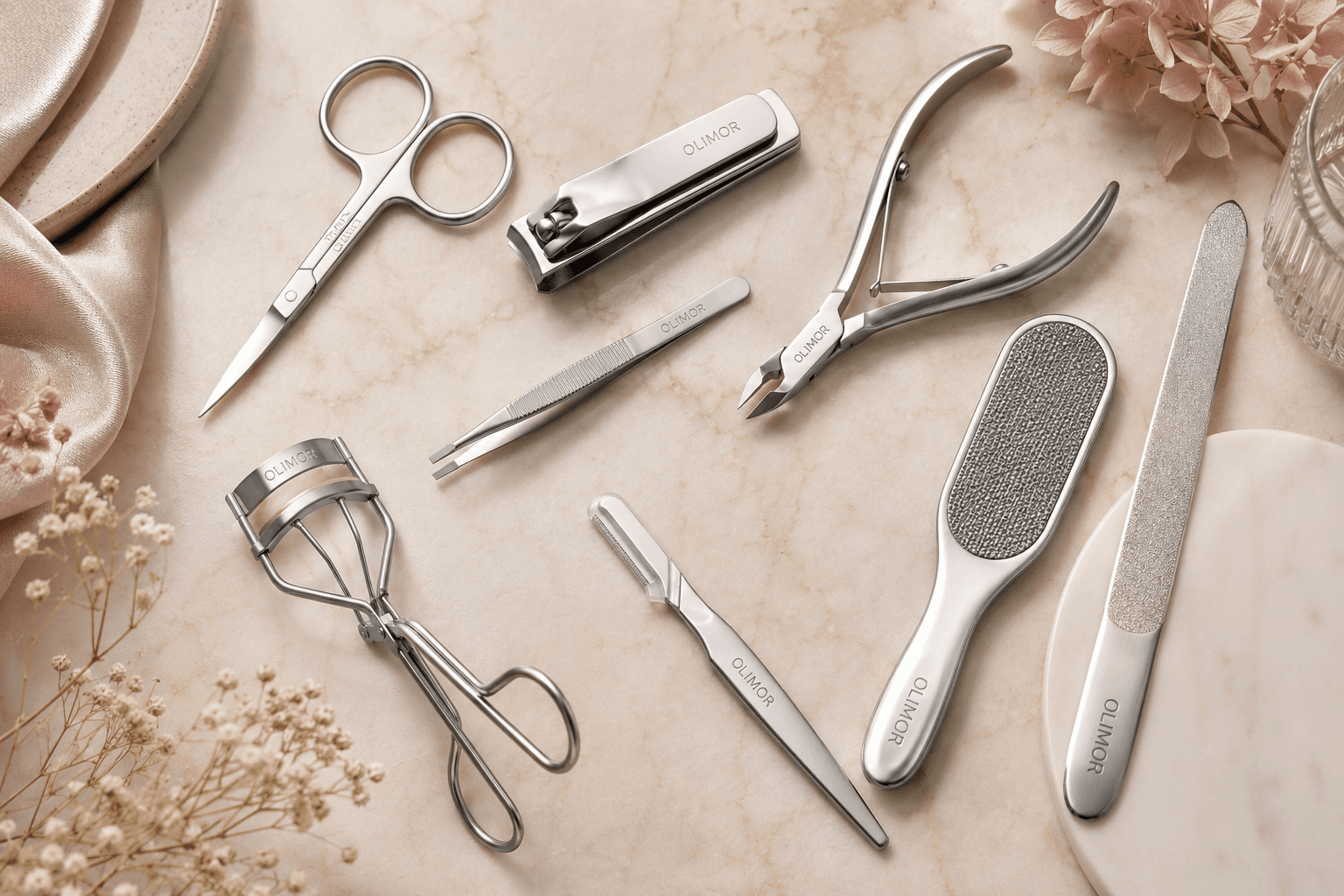
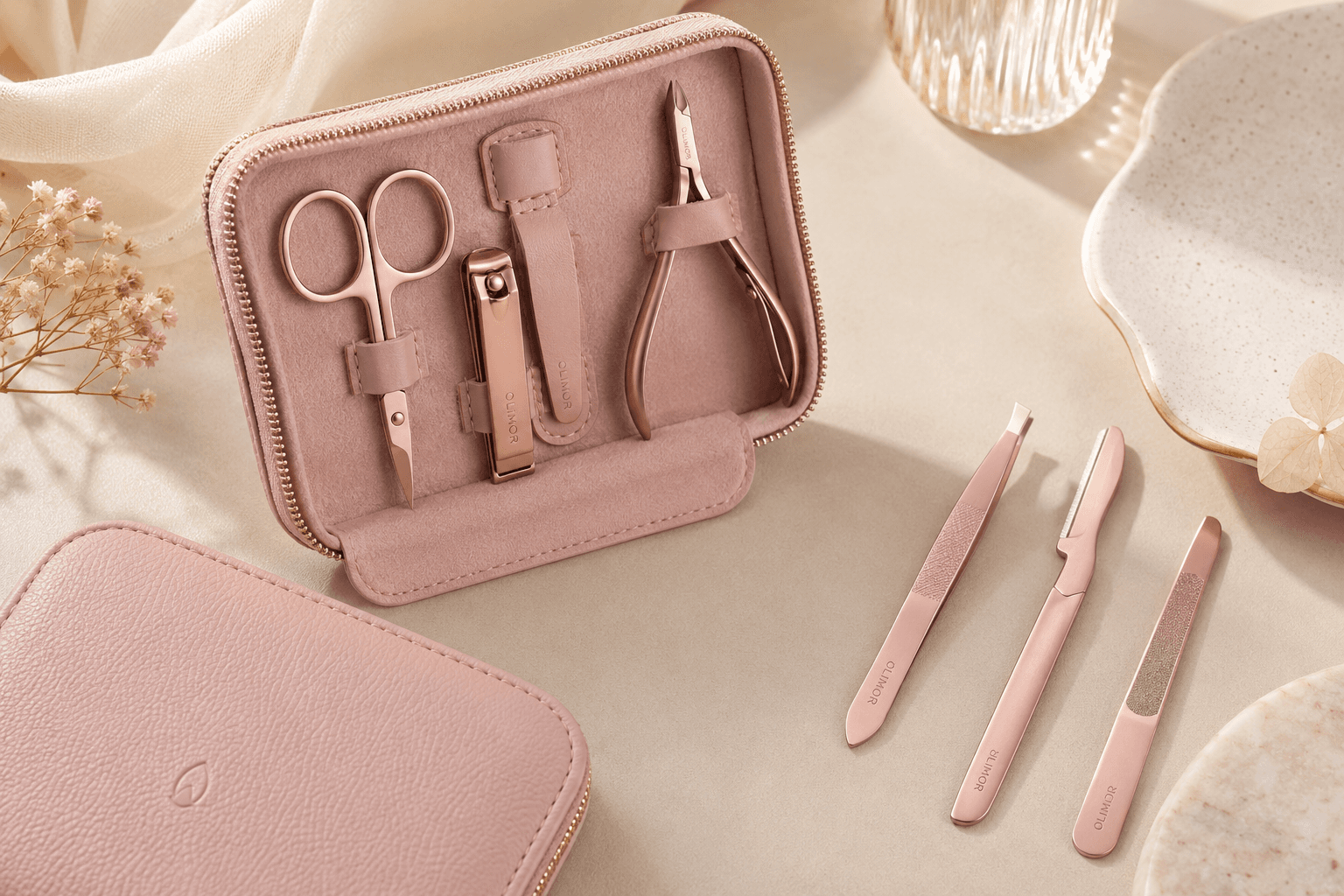
Olimor Beauty focuses on personal care tools designed for daily handling, professional service environments and retail programs. The goal is not simply to produce attractive tools, but to make instruments that feel controlled, perform consistently and support a reliable beauty routine. Whether you are comparing suppliers for spa personal care tools wholesale, planning a retail assortment, or sourcing from a personal care tools manufacturer in Asia, the following criteria can help you make a more confident decision.
What Defines a Reliable Beauty Tools Manufacturer?
A strong manufacturer is built around repeatable quality. Beauty tools are often compact, but they require careful manufacturing choices: the alignment of working edges, the smoothness of the surface, the grip of the handle, the strength of the hinge or spring and the way the product is protected during packaging. These details decide whether a tool feels professional or disposable.
For buyers, reliability begins with clear product intent. A spa tool may need to tolerate frequent use and cleaning. A retail tool may need a finish that photographs well, displays cleanly and survives transportation. A personal care tool sold as part of a larger range may need consistent color, shape and packaging presentation across different items. A manufacturer that understands these scenarios can help reduce mismatches between the tool and its final user.
Olimor Beauty works with categories including tweezers and eyelash curlers, with attention to precise manufacturing steps and quality checks. When evaluating similar tools, buyers should look for evidence that a supplier can control both function and finish. A sharp-looking tool is not enough if its contact points are uneven, its cushion does not sit correctly, or its handle causes fatigue during repeated use.
Selection Criteria for Spa Personal Care Tools Wholesale
Wholesale buyers for spas and beauty service providers should think beyond unit appearance. In a treatment setting, tools are handled repeatedly, often by different technicians, and the client notices both comfort and hygiene. A wholesale tool should support predictable operation from one appointment to the next.
Use the following checklist when comparing spa personal care tools wholesale options:
- Grip and control: The tool should be easy to hold without excessive pressure, especially during detailed tasks around the eyes or brows.
- Working alignment: Tweezers, curlers and other precision tools should meet evenly and operate smoothly, without wobble or unnecessary resistance.
- Surface finishing: Edges should feel smooth where the hand or skin may contact the tool. Rough finishing can reduce comfort and create a poor professional impression.
- Cleaning compatibility: Tools used in service environments should be selected with cleaning routines in mind. Buyers should define expected cleaning methods before confirming a product.
- Packaging practicality: Wholesale packaging should protect the product during storage and delivery while remaining efficient for the buyer’s workflow.
- Consistency across batches: For spas with multiple locations or recurring purchases, visual and functional consistency is important for training and customer confidence.
These points are especially important when a buyer is building a core service kit. The lowest-cost option may appear acceptable at first, but inconsistent tension, uncomfortable handles or weak finishing can increase replacement frequency and technician frustration.
Why Ergonomics Matter in Everyday Beauty Tools
Ergonomics is often discussed as a selling point, but in beauty tools it is a practical performance issue. A tool that fits the hand well makes it easier to apply controlled pressure and repeat the same movement. This matters for both professional technicians and individual users at home.
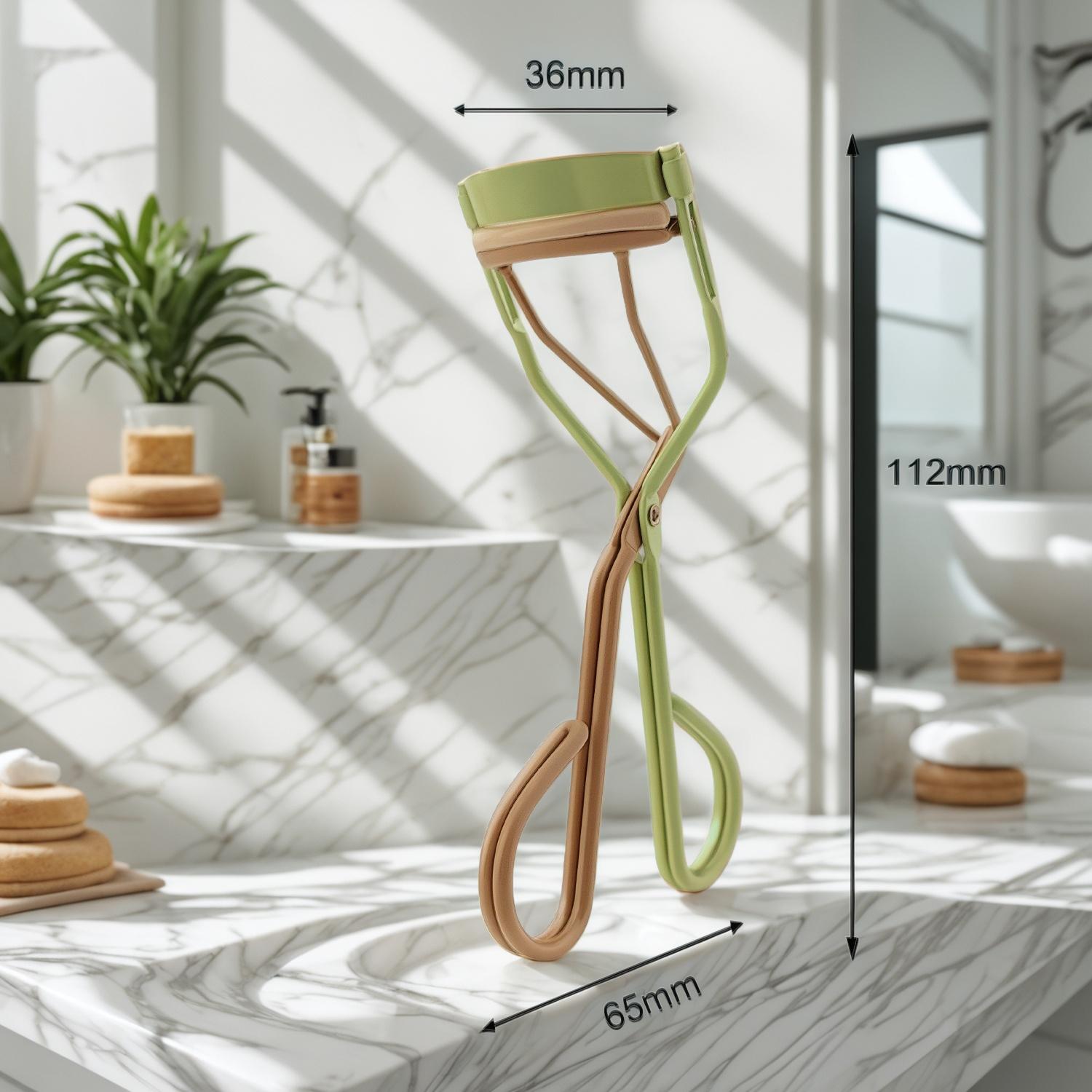
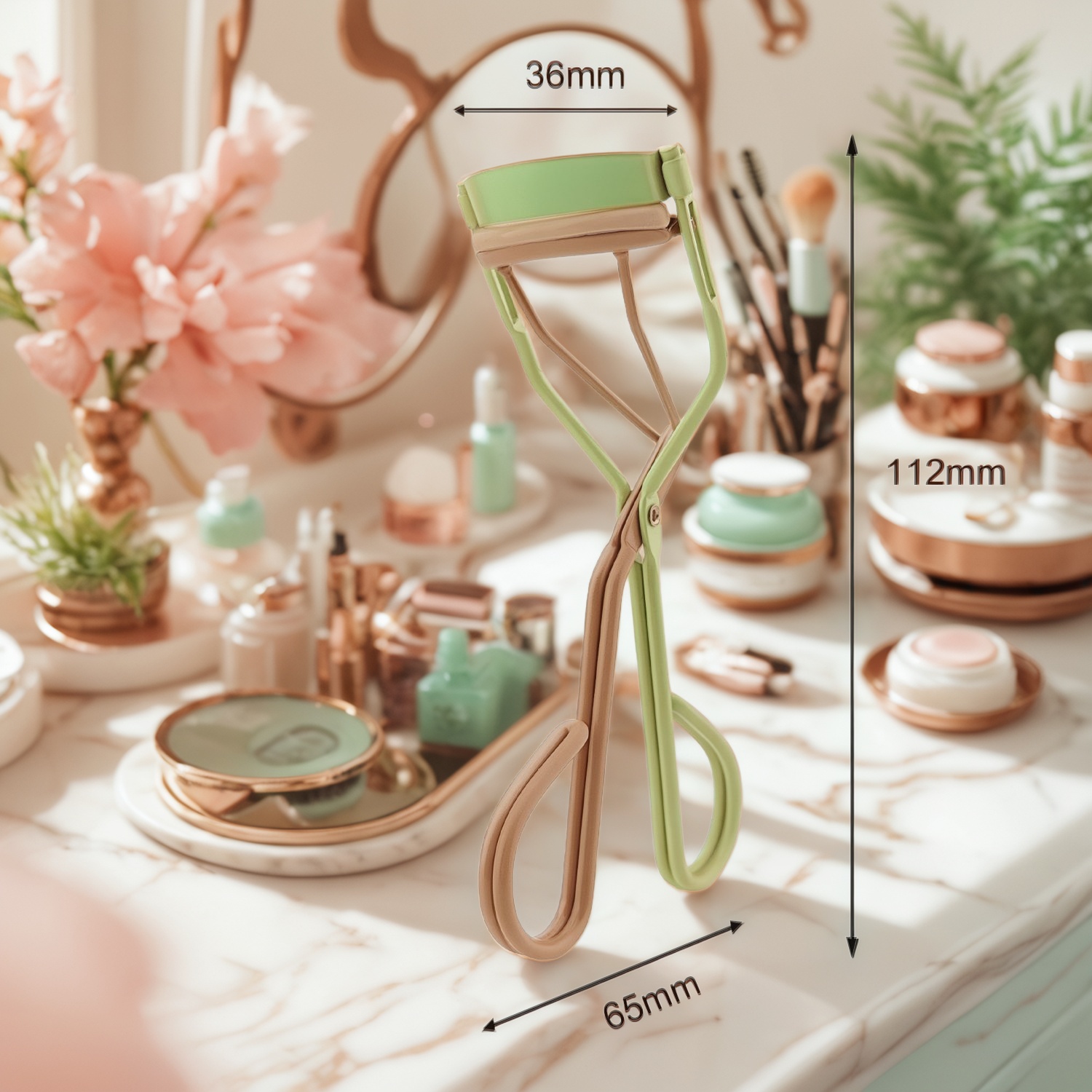
An eyelash curler is a useful example. The original Olimor Beauty description highlights a modern eyelash curler with a 112mm ergonomic handle, a head sized to fit all eye shapes and a gentle yet firm cushion pad. These details point to the main ergonomic questions buyers should consider: Is the handle long enough for stable control? Does the head shape suit the intended market? Does the cushion provide enough support without feeling harsh? Is the tool easy to position without pinching?
For retailers, ergonomic features should also be easy to explain. Customers rarely evaluate beauty tools with technical language; they understand comfort, control and visible results. Product pages, packaging copy and sales materials should translate design features into user benefits without exaggeration. For example, a buyer can describe a 112mm handle as supporting a controlled hold, while the cushion pad can be described as helping apply even pressure to lashes.
Materials, Finishing and Quality Checks to Review
Material choice has a direct effect on durability, appearance and care requirements. The supplied product information refers to sourcing raw materials such as high-grade stainless steel, which is commonly valued in beauty tools for its strength, clean appearance and suitability for precision components. However, buyers should not assume that every tool in every category uses the same material or finish. Each item should be confirmed based on its intended function.
Quality checks should cover more than a final visual inspection. A practical review can include incoming material assessment, dimensional checks during production, functional testing, surface inspection and packaging review. For a tweezer, this may include checking tip alignment and gripping performance. For an eyelash curler, it may include handle movement, head alignment, cushion placement and smooth operation.
The table below can help buyers organize common evaluation points before approving a beauty tool program:
| Evaluation Area | What to Check | Why It Matters |
|---|---|---|
| Precision | Alignment, closing action and working contact points | Supports consistent performance and reduces user frustration |
| Comfort | Handle shape, pressure points and ease of control | Improves technician handling and home user confidence |
| Finish | Smooth edges, clean surface and uniform appearance | Protects brand perception and improves perceived value |
| Durability | Component strength, hinge movement and resistance to ordinary handling | Helps reduce returns and premature replacement |
| Packaging | Protection, labeling space and retail or wholesale suitability | Reduces transit damage and supports sales presentation |
Sourcing from a Personal Care Tools Manufacturer in Asia
Many beauty brands and distributors consider Asia when sourcing personal care tools because the region has a broad manufacturing base and experience with metal, plastic and assembled beauty accessories. Still, choosing a personal care tools manufacturer in Asia should be based on practical capability rather than location alone.
Buyers should prepare clear product expectations before starting discussions. Useful information includes target users, sales channel, preferred materials, finish direction, packaging format and any market requirements that apply to the product. If a tool will be sold through retail, display and packaging protection may be major priorities. If it is intended for professional use, handling comfort and repeat performance may matter more than decorative finishes.
Olimor Beauty presents itself as a beauty tools manufacturer with a focus on precision, durability, ergonomic design and quality assurance. Buyers can explore broader beauty tool products to compare categories and identify which items fit a spa, retail or personal care program. For grouped sourcing, it may also be useful to review product collections and consider how different tools can be presented together without confusing the customer.
How to Plan a Beauty Tool Buying Brief
A strong buying brief helps prevent delays and unclear quotations. Instead of requesting a generic tool, define the business need and the user scenario. A spa buyer might specify that the tool will be used by trained technicians throughout the day. A retailer might specify that the product must look attractive on a shelf and be easy for a customer to understand quickly. A brand owner might require packaging that fits an existing visual identity.
A clear brief can include:
- The exact tool category, such as tweezers, eyelash curlers or another personal care item.
- The intended user, such as spa technicians, retail consumers, travel users or beauty beginners.
- Key functional priorities, such as grip, tension, edge alignment, comfort or compact storage.
- Preferred material and finish direction, where known.
- Packaging needs, including retail display, wholesale pack protection or gift presentation.
- Any required labeling, market compliance or documentation expectations.
- Target order timeline and product launch schedule.
This type of brief makes the sourcing process more efficient and allows the manufacturer to respond with relevant options. It also helps buyers compare proposals on a like-for-like basis instead of focusing only on surface appearance.
Building a More Dependable Beauty Tool Program
The best beauty tools are easy to underestimate because they are small, familiar and often inexpensive compared with cosmetics or devices. Yet they sit directly in the user’s hand and can influence how a customer feels about an entire brand or service. A dependable program requires tools that are comfortable, carefully finished, functionally consistent and appropriate for their sales channel.
Olimor Beauty’s approach centers on precision manufacturing, ergonomic thinking and quality checks for personal care tools used by professionals and consumers. For buyers comparing beauty tool suppliers, the most effective next step is to define the tool’s real use case, then evaluate material, alignment, comfort, finishing and packaging with that use case in mind.
If you are developing a spa wholesale assortment, retail beauty tool line or personal care sourcing project, you can contact Olimor to discuss the category and requirements. For a specific purchasing request, you may also send an inquiry with your tool type, intended market and packaging expectations.
Tag: