Import Tweezers from China: A Practical Quality Sourcing Guide
Importing tweezers from China can be a strong sourcing strategy for beauty brands, salon distributors, private label buyers, and wholesale tool suppliers. The market is large, price ranges are broad, and product options can look similar at first glance. The real difference is usually found in details that are easy to miss: tip alignment, metal finish, grip comfort, tension, consistency between batches, and how carefully the tools are inspected before shipment.
For buyers in the beauty tools category, tweezers are not a simple commodity. A poorly aligned tweezer can fail to grip fine hair, scratch skin, rust too quickly, or create customer complaints after only a short period of use. A well-made tweezer, by contrast, feels balanced in the hand, closes evenly, holds its tip shape, and supports repeat purchases. This guide explains how to evaluate sourcing partners, product quality, and import decisions before placing a bulk order.
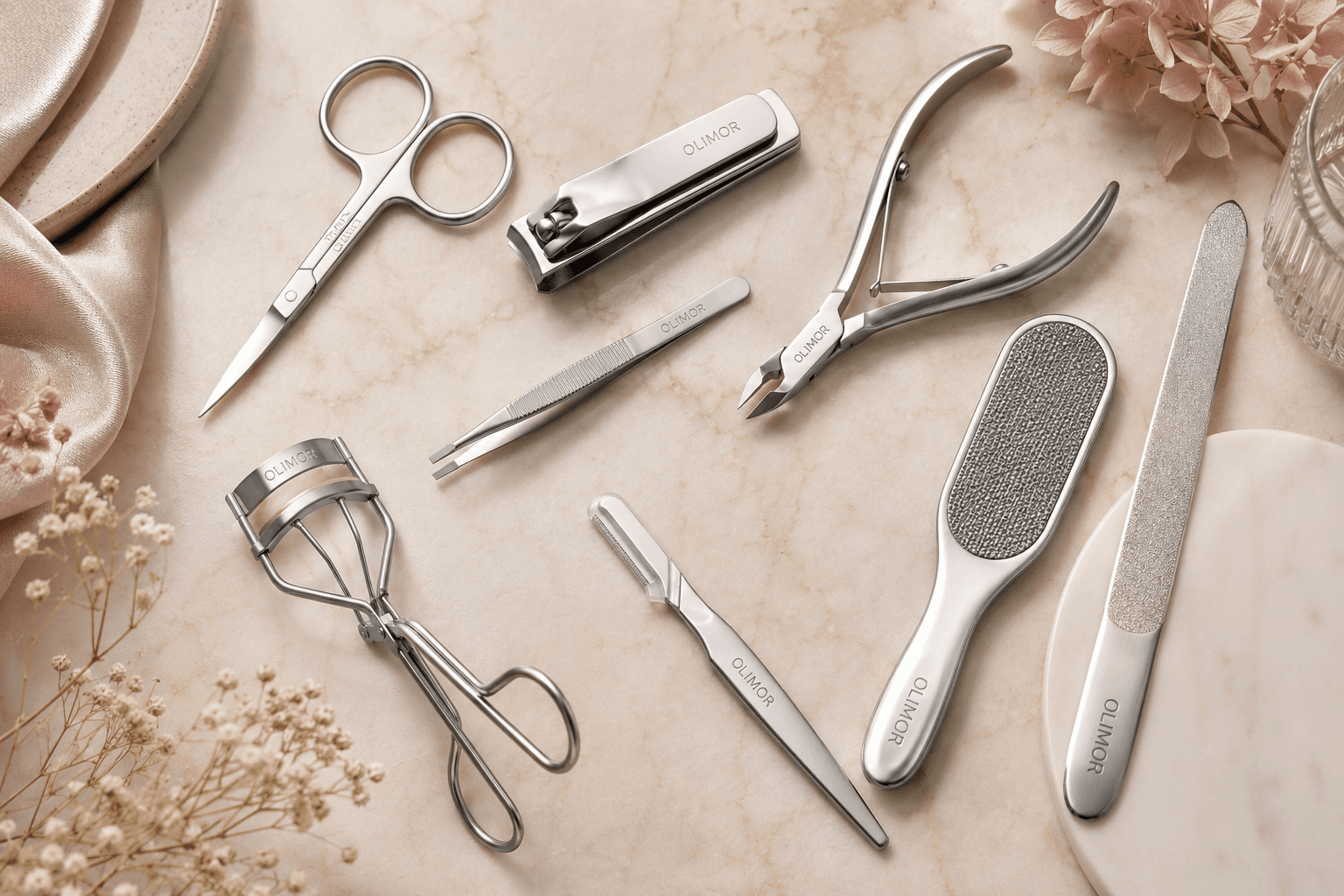
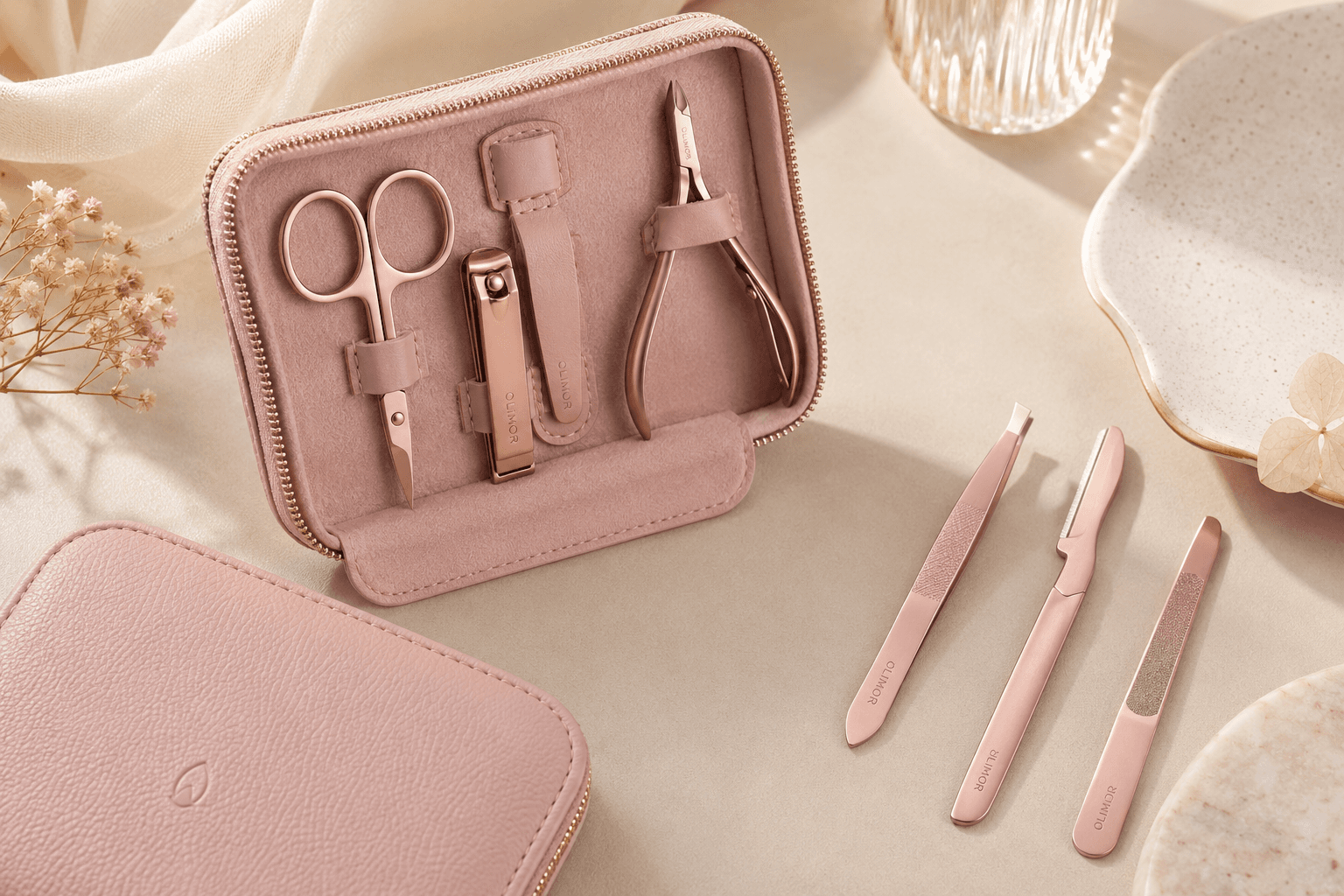
If you are comparing beauty tools for a new retail line or looking to expand an existing assortment, you can also review Olimor Beauty's broader beauty tool products and related product collections to understand how tweezers fit into a complete personal care range.
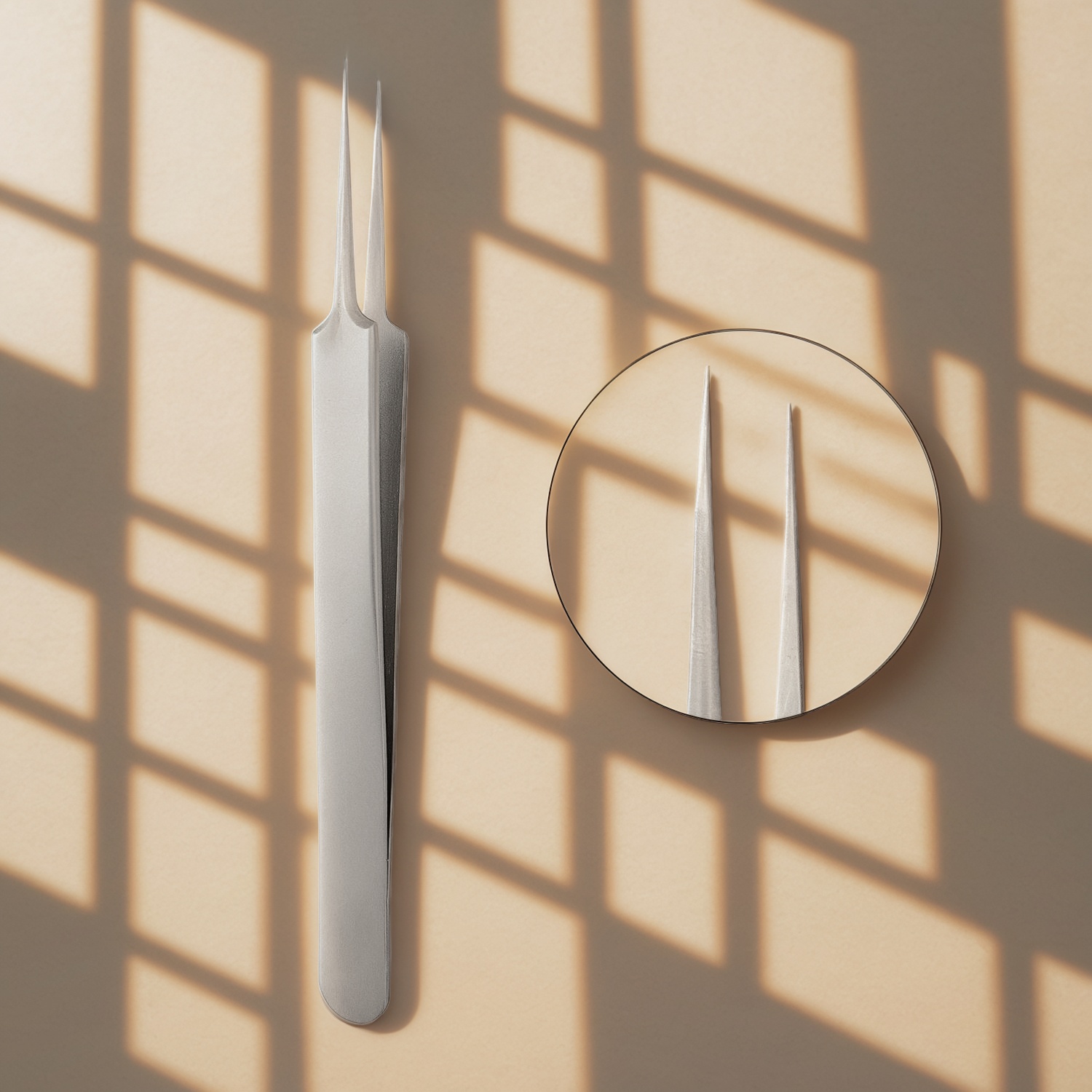
Why Tweezers Quality Matters in Beauty Tool Sourcing
Tweezers are small tools, but they carry high user expectations. Customers judge them immediately by how accurately the tips meet and how reliably they grip. If the tips slide past each other, feel rough, or lose alignment, the product is usually considered defective even if the outer appearance looks acceptable.
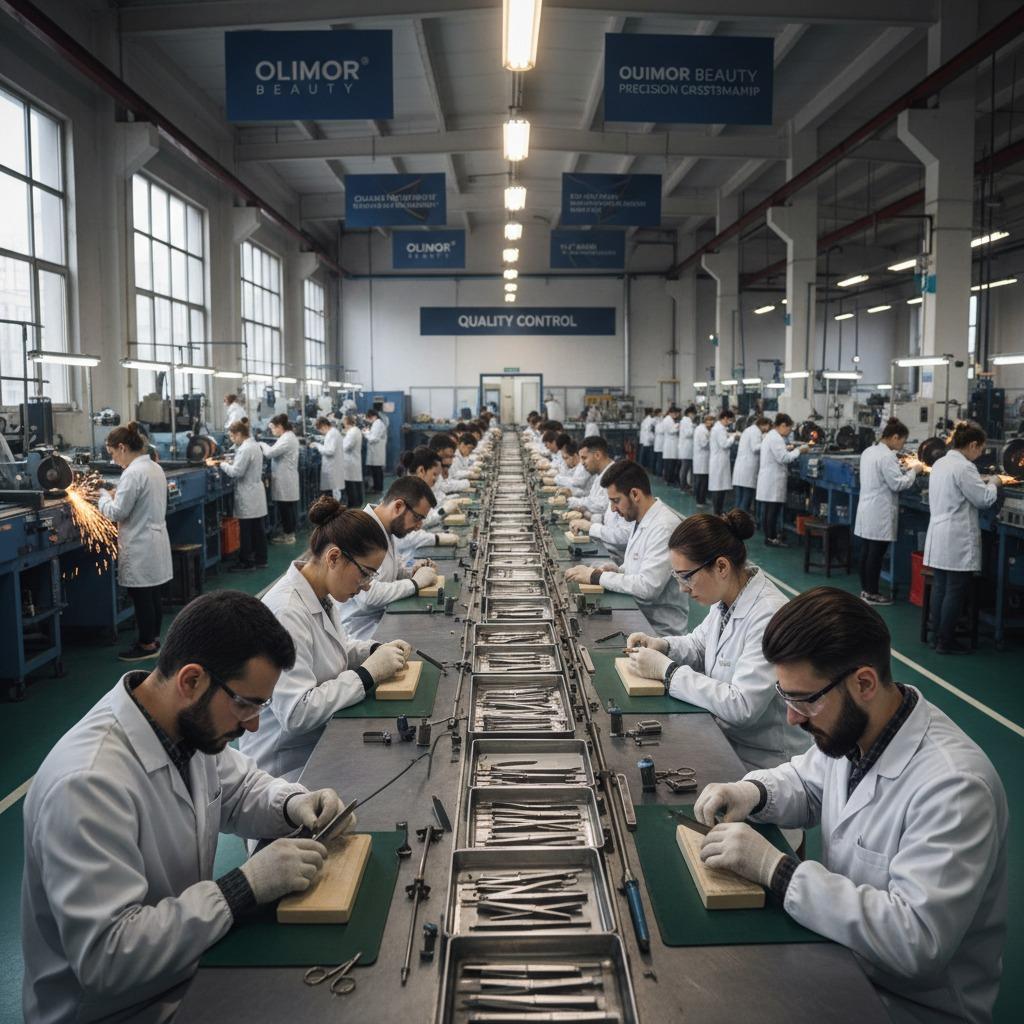
For importers, this makes quality control especially important. A shipment of low-cost tweezers can become expensive if it leads to returns, negative reviews, repacking work, or unsellable stock. The goal is not only to find a competitive unit price; it is to build a stable supply of tools that match the needs of your market. A salon buyer may value professional handling and fine tip precision. A retail buyer may prioritize consistent finishing and consumer-ready packaging. An electronics or craft buyer may focus more heavily on narrow tips and controlled tension.
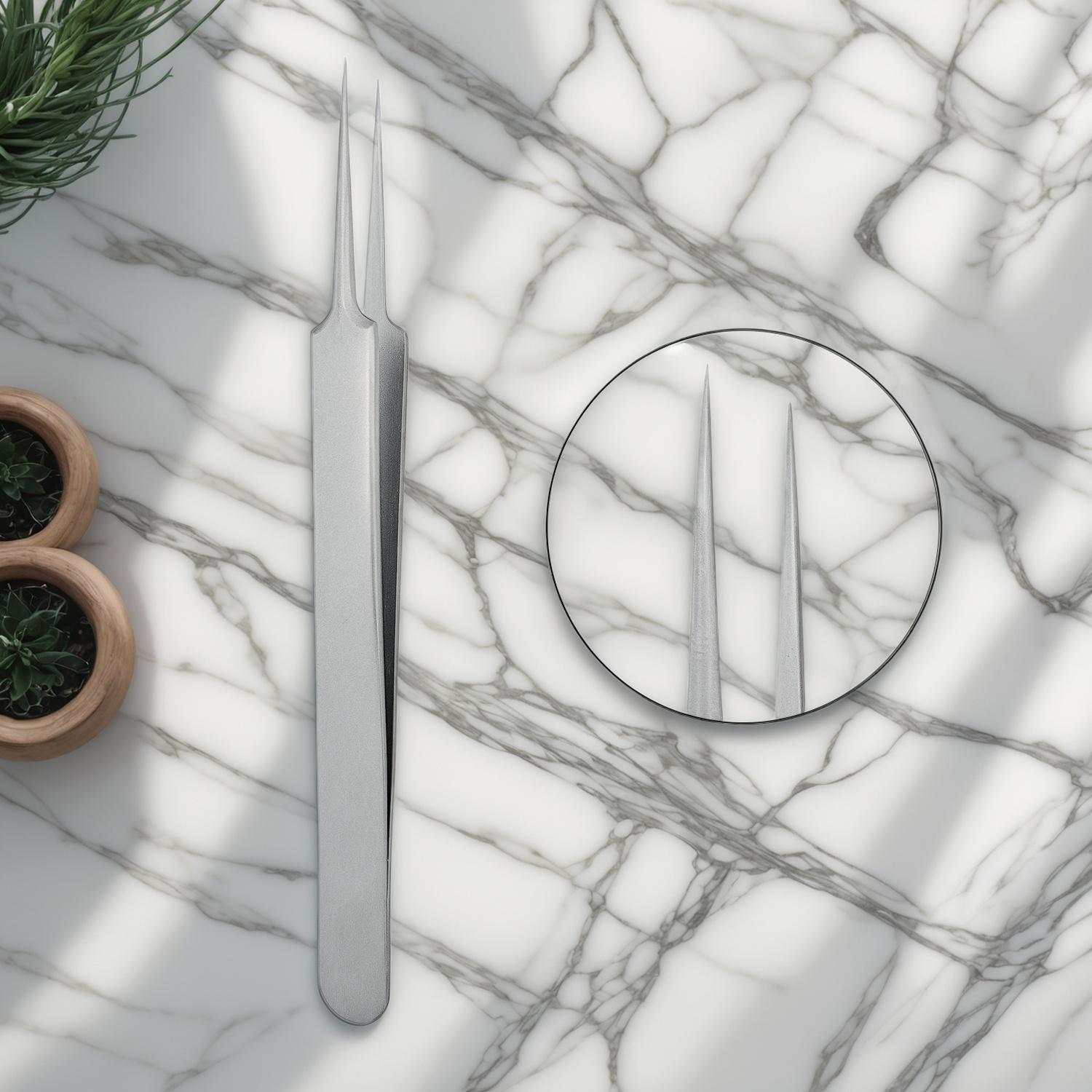
Olimor Beauty focuses on beauty tools, including tweezers made with stainless steel and designs such as straight, curved, and ultra-fine tips. When evaluating a sourcing partner, the key is to look beyond a product photo and confirm whether the supplier understands the tool's function, inspection requirements, and end-user expectations.
Choosing the Right Tweezers Sourcing Partner
When you import tweezers from China, your supplier is more than a vendor. The right partner helps translate your product positioning into practical manufacturing and inspection requirements. The wrong partner may provide a sample that looks acceptable but cannot maintain the same consistency in production.
Start by checking whether the supplier specializes in beauty tools or simply trades a wide assortment of unrelated items. A specialist is more likely to understand the importance of edge finish, tip contact, tension control, polishing, and packaging protection. This matters because tweezers can be damaged by small production or handling errors. For example, one batch may look polished but have uneven closing points, while another may grip well but feel uncomfortable because the arm tension is too stiff.
A useful sourcing conversation should cover more than price. Buyers should clarify the intended use, preferred tip style, target market, packaging format, inspection approach, and acceptable cosmetic standards. A dependable tweezers global supplier should be able to discuss these points in practical terms and provide clear answers about what can be controlled during production.
Key Quality Checks Before Importing Tweezers
Before placing a bulk order, evaluate samples with the same discipline you would use for finished goods. A sample should not only look attractive; it should perform repeatedly. The most important checks are simple, but they require attention.
- Tip alignment: The two tips should meet evenly without crossing, gapping, or sliding out of position.
- Grip performance: Test whether the tweezer can hold fine hair or a thin fiber without requiring excessive pressure.
- Tension: The tool should open and close smoothly. Too much stiffness can cause hand fatigue, while weak tension can reduce control.
- Edge feel: The edges should feel clean and finished, not sharp in a way that scratches the skin or uncomfortable in the hand.
- Surface finish: Check for scratches, stains, polishing marks, discoloration, or uneven coating if a surface treatment is used.
- Rust resistance expectations: Stainless steel is commonly used for beauty tweezers, but buyers should still consider storage, packaging, and aftercare instructions.
- Consistency: Test multiple units, not just one sample. A good tweezer should perform consistently across the batch.
These checks are especially important when comparing low-cost suppliers. A lower price may be reasonable if your market accepts a simpler product, but it should not come from uncontrolled alignment, rough finishing, or unreliable inspection.
Understanding Tip Styles and Use Cases
Tip shape affects how the tweezer performs. A buyer sourcing for eyebrow grooming, salon use, retail beauty kits, or precision work should choose the tip style based on the user's task rather than appearance alone.
| Tip style | Common use case | What to check |
|---|---|---|
| Straight tip | General gripping, handling small items, basic grooming needs | Even closure across the tip and comfortable pressure |
| Curved tip | Angled access, controlled handling, specialized beauty or detail work | Symmetry of the curve and stable grip at the contact point |
| Ultra-fine tip | Precision tasks requiring narrow contact and careful control | Tip sharpness, alignment, protection during packaging, and durability |
The table above is a starting point. Your final selection should reflect the channel you sell into. A professional salon tool may require a more precise feel and stronger finishing standards, while a consumer retail pack may require a balance between performance, safe handling, and presentation. If you are building a complete grooming range, it may be useful to carry more than one tweezer shape so buyers can select by use case.
Material, Finish, and Craftsmanship Considerations
The original material choice strongly affects the tool's life and user experience. Stainless steel is commonly preferred for beauty tweezers because it can offer durability and a clean appearance when properly finished. However, not every stainless steel tweezer is automatically high quality. Buyers should pay attention to the forming, grinding, polishing, and final inspection processes.
Tip craftsmanship is particularly important. The arms must close evenly, and the contact area must be finished with enough precision to grip without tearing or slipping. A shiny exterior cannot compensate for a poorly finished tip. For this reason, product inspection should include functional testing, not only visual inspection.
Ergonomics also matter. Tweezers should feel stable when held between the fingers. If the body is too slippery, too thin, or too stiff, users may struggle to control the tool. This is important for professional users who handle grooming tools for longer periods, but it also matters for consumer buyers who expect a tool to work easily at home.
Packaging and Shipment Protection for Tweezers Export from China
Packaging is not just a marketing decision. It protects the tips, reduces surface damage, supports retail presentation, and helps prevent complaints after delivery. Ultra-fine tips, in particular, need adequate protection so they do not bend or lose alignment during transport.
When planning tweezers export from China, consider how the tool will be packed at each level: individual protection, retail packaging, inner cartons, and export cartons. Even a well-made tweezer can arrive damaged if the tips are exposed or if units move freely inside packaging. Buyers should also check whether barcodes, labels, instructions, or warnings are needed for their sales channel.
For e-commerce sellers, packaging should survive parcel handling and still look presentable to the customer. For wholesale distributors, carton labeling and packing consistency can reduce warehouse errors. For retail buyers, the packaging must support shelf display while preventing customers from damaging the tips before purchase.
Supplier Evaluation Checklist for Import Buyers
A structured checklist helps buyers compare suppliers fairly. Instead of choosing only by quotation, review each supplier against practical sourcing criteria.
- Product focus: Does the supplier understand beauty tool manufacturing and tweezers performance requirements?
- Sample quality: Do multiple samples show consistent tip alignment, finish, and tension?
- Inspection process: Are functional checks included before packing, not only visual checks?
- Material and finish discussion: Can the supplier explain available options without vague claims?
- Packaging planning: Are the tips protected during storage and transport?
- Communication: Are requirements confirmed clearly before production begins?
- Order documentation: Are product details, packaging, labeling, and inspection expectations recorded in writing?
This checklist is useful whether you source an existing product or develop a private label assortment. It reduces misunderstandings and gives both sides a practical standard for evaluating finished goods.
Working with Olimor Beauty on Tweezer Sourcing
Olimor Beauty serves buyers looking for beauty tool products with attention to craftsmanship, usability, and inspection. For tweezers, the important decisions include tip style, stainless steel quality expectations, ergonomic handling, surface finish, and packaging protection. A good sourcing process defines these points before mass production, rather than trying to solve problems after the goods are finished.
If you are comparing options for importing tweezers from China, prepare a clear brief that includes your target market, preferred tweezer style, packaging needs, and quality priorities. This helps narrow the selection and makes sample evaluation more efficient. Buyers who need help reviewing suitable beauty tool options can contact Olimor or send an inquiry with their sourcing requirements.
The best result comes from treating tweezers as precision beauty tools, not generic accessories. By focusing on alignment, grip, material, finishing, packaging, and supplier communication, importers can reduce risk and build a more reliable product line for salons, retailers, distributors, and beauty brands.
Tag: