Import Nail Clippers from China: A Practical Buyer Checklist
Importing nail clippers from China can be a smart sourcing route for beauty supply stores, distributors, private-label brands and resellers that need consistent personal care tools at commercial volumes. The opportunity is real, but successful importing depends on more than finding the lowest unit price. Nail clippers are small, everyday products, yet buyers still need to evaluate cutting performance, metal finish, packaging, export documents, customs classification and after-arrival inspection.
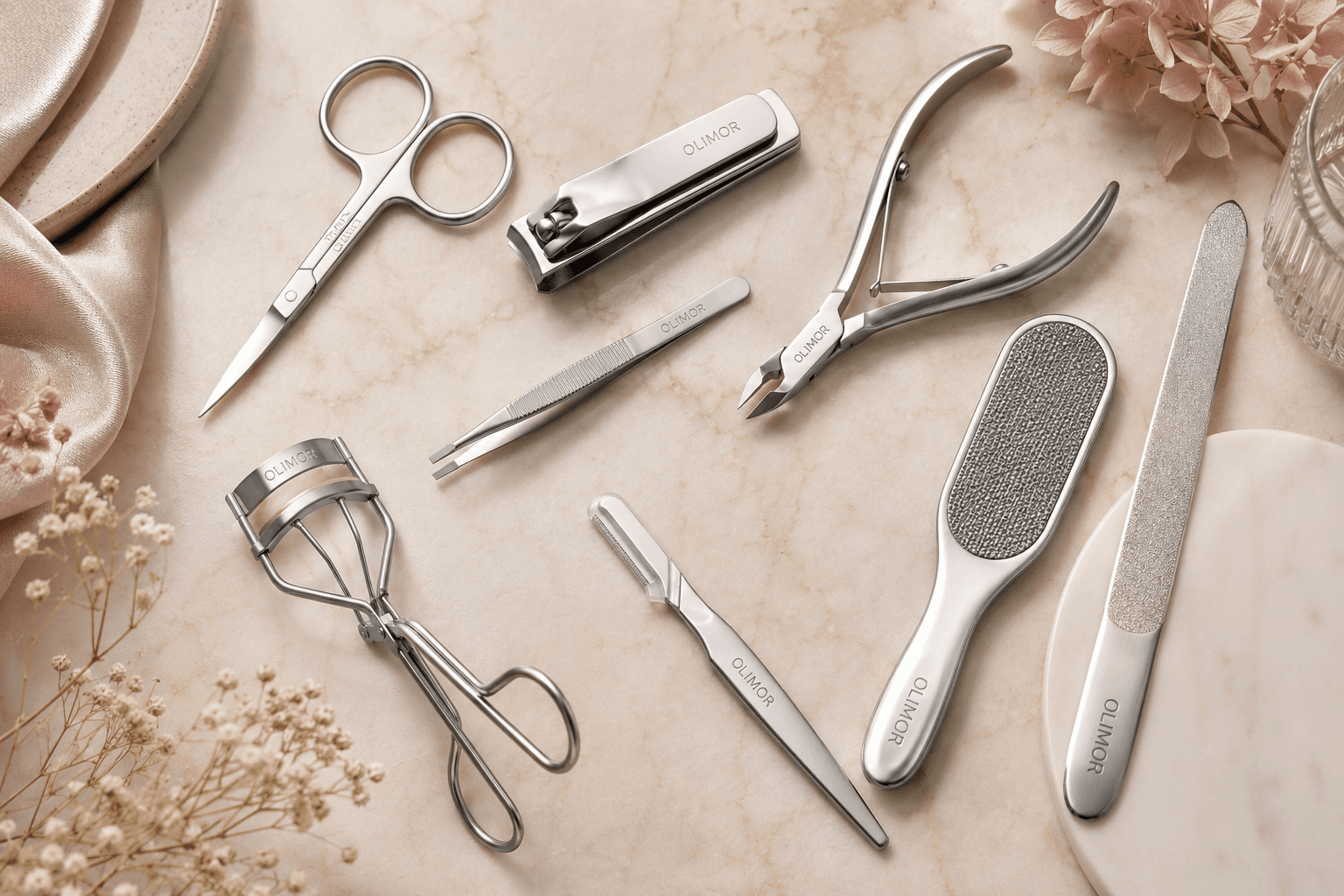
This guide focuses on the decisions that affect real purchasing outcomes: how to compare suppliers, how to judge samples, what to prepare before shipment, and how to reduce quality risk before the goods reach your customers. If you are building a wider grooming or beauty tool range, you can also review Olimor’s beauty tool products to compare product positioning, category structure and buyer expectations.
Why Nail Clippers Require Careful Sourcing
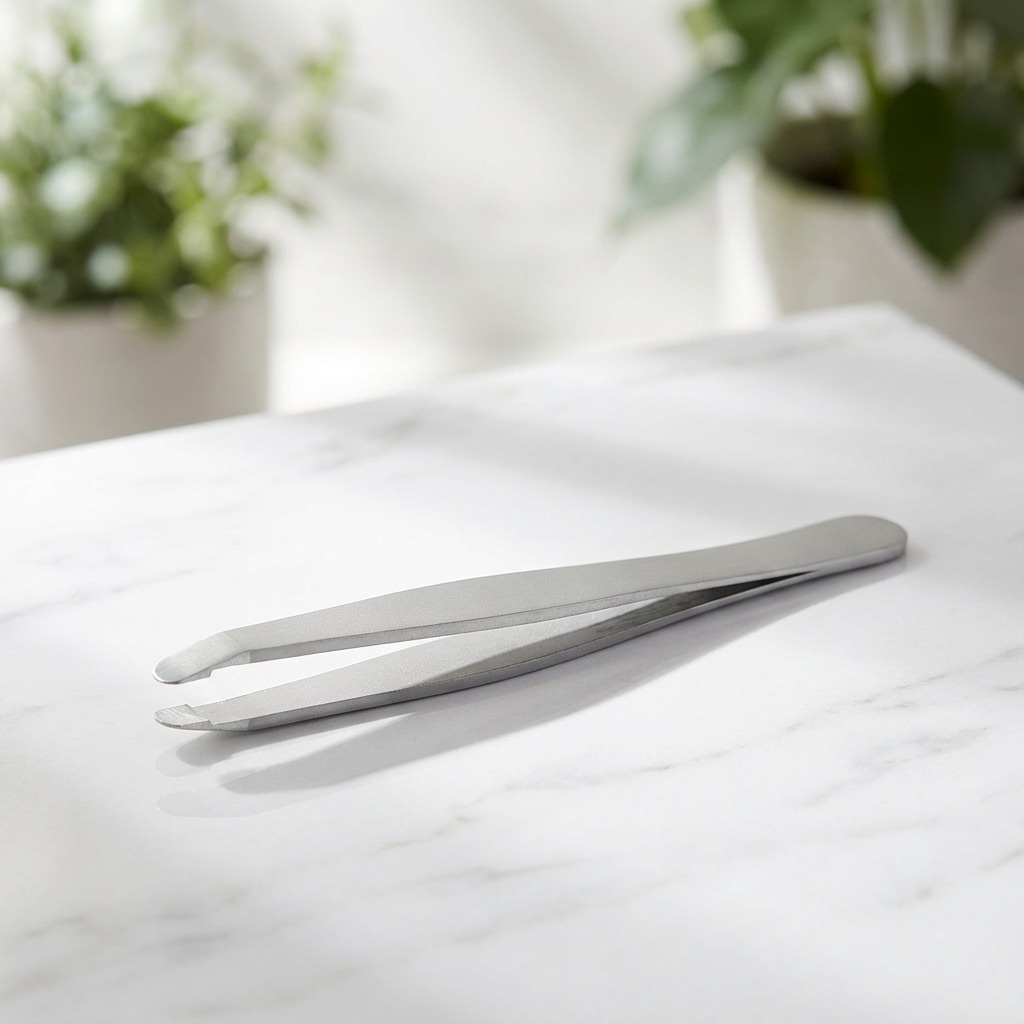
Nail clippers look simple, which is why many importers underestimate them. In practice, small differences in blade alignment, spring tension, edge finishing and plating quality can determine whether the product feels reliable or cheap. A clipper that cuts cleanly can earn repeat purchases; one that tears, slips or rusts can quickly damage a reseller’s reputation.
Before approaching factories or trading companies, define the selling channel and target customer. A pharmacy, salon supply store, online marketplace, hotel amenity distributor and gift set supplier may all need different packaging, finish and price positioning. For example, a budget multipack may prioritize practical durability and cost control, while a retail blister pack may require stronger visual presentation, barcode placement and shelf-ready packaging.
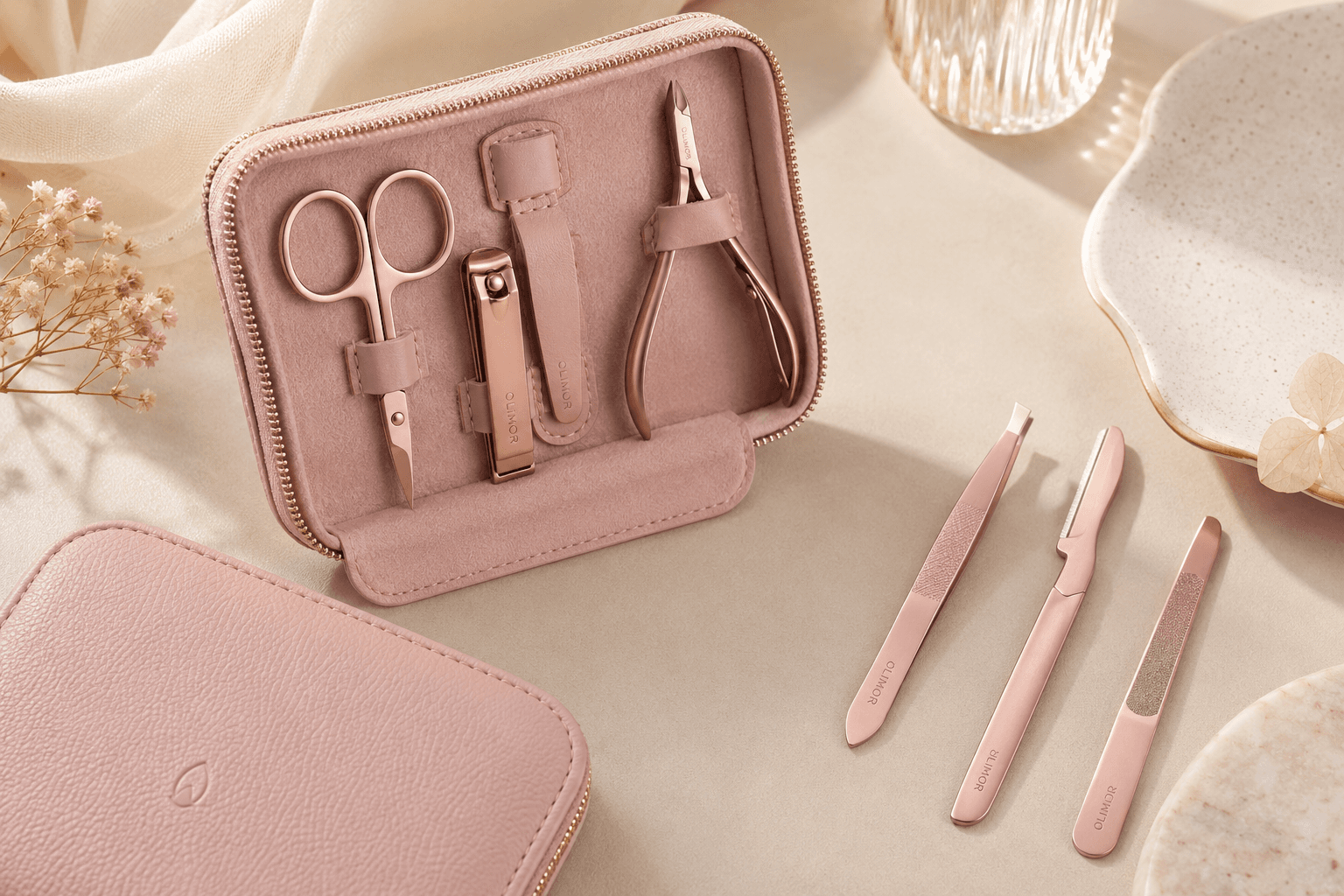
It also helps to decide whether the nail clipper is a standalone item or part of a broader grooming range. Buyers who sell cuticle tools, tweezers, lash tools or manicure sets should consider whether the clipper’s finish, packaging language and quality level match the rest of the range. For category planning, browse Olimor product collections and note how related beauty tools can be grouped for different retail buyers.
How to Shortlist a Nail Clipper Supplier in China
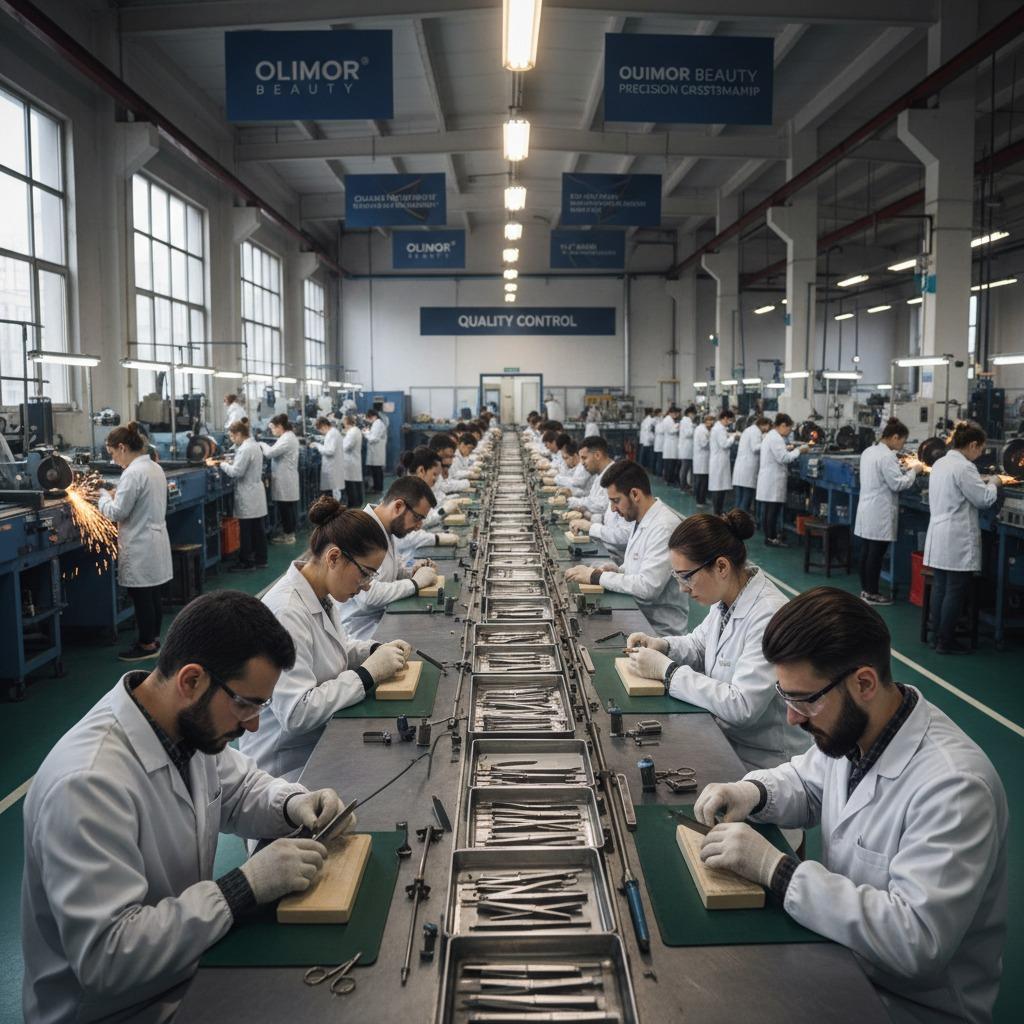
A strong supplier shortlist should include more than a catalog and a quotation. Buyers should confirm what the company actually handles: manufacturing, assembly, finishing, packaging, export coordination or trading. A trading company can still be useful, especially for mixed beauty tool orders, but the buyer should understand who controls production and quality inspection.
When comparing potential partners, request basic business and production information in a structured way. The goal is not to collect paperwork for its own sake, but to see whether the supplier can answer clearly and consistently. If a supplier cannot explain materials, packaging options, sampling time, defect handling or export document preparation, the risk increases.
- Product scope: Confirm whether the supplier focuses on nail clippers or offers them as one small item among unrelated goods.
- Sample availability: Ask whether current samples are from active production or only old showroom stock.
- Customization ability: Clarify options for logo placement, packaging, color finish and assortment packing without assuming every option is available.
- Quality control process: Request a simple explanation of incoming material checks, in-process inspection and final inspection.
- Export experience: Confirm whether the supplier can provide commercial invoices, packing lists and other standard export documents.
- Communication quality: Choose suppliers who answer technical questions directly rather than only repeating promotional claims.
Certification claims should be verified carefully. The original certificate, holder name, scope and validity period matter. A certificate that does not cover the actual manufacturer or product category may not help your import file. Keep records of all documents shared during supplier evaluation.
Sample Evaluation: What to Check Before Ordering
Samples are the most important stage before placing a bulk order. Do not judge a nail clipper only by appearance. Test how it performs on different nail thicknesses, how it feels in the hand, and whether the cutting edges meet evenly. If several people in your team can test the sample, you will get a more realistic view of the customer experience.
Create a written sample checklist and apply the same criteria to every supplier. This makes comparison easier and prevents a visually attractive sample from hiding functional weaknesses.
| Check Point | What to Look For | Why It Matters |
|---|---|---|
| Blade alignment | Upper and lower cutting edges meet evenly without visible offset. | Poor alignment can cause tearing instead of a clean cut. |
| Cutting feel | Firm but smooth pressure, with no grinding or wobbling. | Comfort affects customer satisfaction and perceived quality. |
| Surface finish | No sharp burrs, staining, peeling, rough edges or obvious scratches. | Finish issues can lead to complaints and returns. |
| Lever movement | Opens and closes consistently after repeated use. | Weak construction may fail during retail use. |
| Packaging fit | Clipper stays secure; printed details are clear and correctly positioned. | Packaging protects the item and supports resale presentation. |
If you plan private-label packaging, test the complete retail presentation, not only the clipper. Check the barcode area, warnings, country-of-origin marking, carton labels and master carton structure. A good product can still create problems if packaging information is incomplete or difficult for your warehouse team to handle.
Commercial Terms, Pricing and Order Planning
When buyers import nail clippers from China, the quoted unit price is only one part of the total landed cost. Tooling, logo application, retail packaging, inner cartons, master cartons, inspection, freight, duties and local delivery can all affect margin. Compare quotations using the same assumptions; otherwise, a low quote may become expensive later.
Clarify trade terms early. Depending on your experience and freight setup, you may use terms where the supplier handles delivery to a port, or terms where more shipping responsibility is included. Each option affects cost control and risk. If you are new to importing, a freight forwarder can help estimate shipping cost, customs requirements and delivery timing before you commit to the order.
For resale planning, calculate backwards from your selling price. Include marketplace fees, distributor margin, warehouse handling, returns allowance and promotional discounts. Nail clippers are often price-sensitive products, so a small change in packaging or freight method can affect profitability. If you are unsure which configuration fits your channel, prepare two or three scenarios: basic bulk pack, standard retail pack and premium presentation. Comparing them side by side helps you decide which version is commercially realistic.
Export Documents, Compliance and Customs Preparation
Before shipment, confirm the documents your importer, broker or forwarder will need. Common documents include a commercial invoice, packing list and bill of lading or air waybill. Certificates of origin may be requested depending on destination market rules and buyer requirements. Product descriptions should be accurate and consistent across documents to reduce customs delays.
Tariff classification is also important. Nail clippers must be declared under the correct customs code for the destination country. Do not rely only on a supplier’s previous shipment code, because classification can vary by market and product details. Your customs broker should confirm the appropriate code and duty rate before goods depart.
Compliance responsibilities belong to the importer in many markets, even when the supplier prepares documents. Review local rules for labeling, packaging, safety statements and restricted substances where applicable. For retailers, clear labeling and traceable order records are practical safeguards. Keep approved artwork, purchase orders, inspection reports, shipment photos and final packing lists in one file for future reference.
Quality Inspection Before and After Shipment
Inspection should not wait until the goods arrive at your warehouse. For larger or repeat orders, a pre-shipment inspection can check finished goods before the balance payment or release. The inspection plan should define how many units are checked, which defects are considered critical, and what happens if the result fails.
For nail clippers, inspection should cover cutting performance, appearance, quantity, packaging accuracy and carton condition. If the order includes multiple colors, logos or packaging languages, the inspector should verify assortment ratios. Photos and short videos can help document blade action, lever movement and packaging details.
After arrival, perform an inbound quality check before distributing the goods. Open cartons from different parts of the shipment, not just the top layer. Record any defects by type and quantity. This information helps with supplier feedback and improves the next purchase order. If you are comparing beauty tool suppliers or planning a broader sourcing project, you can contact Olimor to discuss product category requirements or send an inquiry with your target product details.
Building a Reseller-Ready Nail Clipper Line
Importing is only successful if the product sells well after arrival. Resellers should think about assortment, packaging and merchandising from the beginning. Nail clippers can be sold as individual everyday tools, travel-size grooming items, additions to manicure sets, or practical impulse-buy products near checkout areas. The best format depends on the sales channel.
For online sales, photography and product information matter. Show the clipper clearly from multiple angles and avoid exaggerated claims. Describe size, intended use, packaging format and care instructions when known. For offline retail, packaging visibility, hang-hole strength and shelf labeling may be more important than long descriptions.
Maintenance guidance can also reduce complaints. Customers should keep nail clippers dry after use, avoid cutting materials other than nails, and store them away from moisture. If the clipper includes a file or catcher, explain the function clearly on packaging or product pages. Practical information supports buyer confidence without making unsupported performance claims.
Final Buying Checklist
A reliable nail clipper import plan combines supplier verification, sample testing, cost control, document preparation and quality inspection. Before confirming a bulk order, review the essentials:
- Define your target sales channel and packaging requirement.
- Shortlist suppliers based on product focus, communication and export capability.
- Test samples for blade alignment, cutting feel, finish and packaging.
- Compare total landed cost, not only unit price.
- Confirm export documents, labeling needs and customs classification.
- Use pre-shipment and inbound inspection to control defects.
- Keep order records, artwork approvals and inspection notes for future reorders.
With a disciplined sourcing process, importing nail clippers from China can support a stable beauty tool range for retail, wholesale or private-label resale. The key is to treat this small tool as a product that deserves clear specifications, realistic cost planning and consistent quality checks.
Tag: